Artwork
The Mission Tent
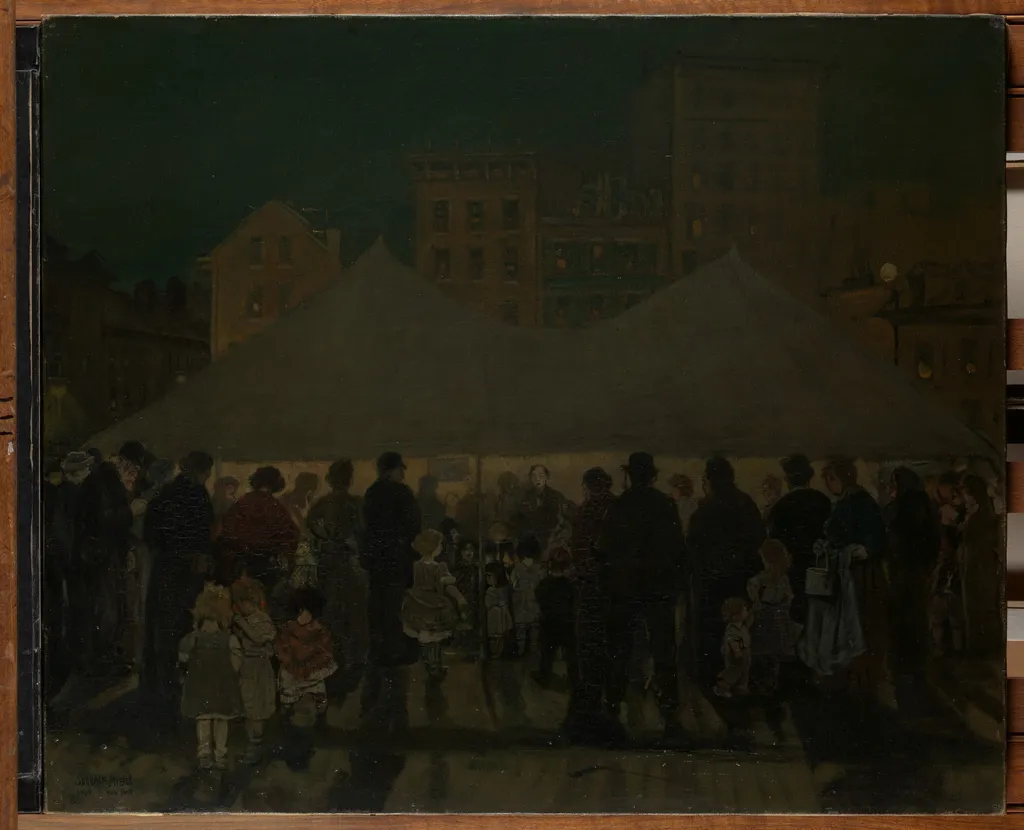
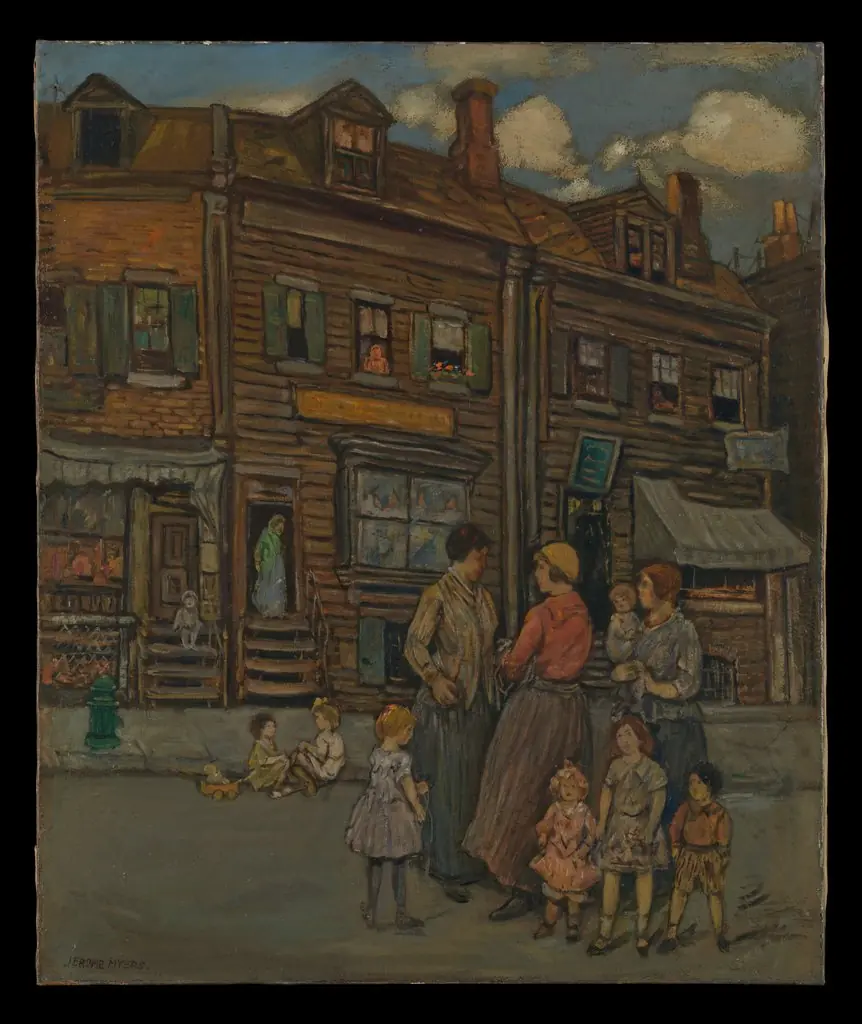
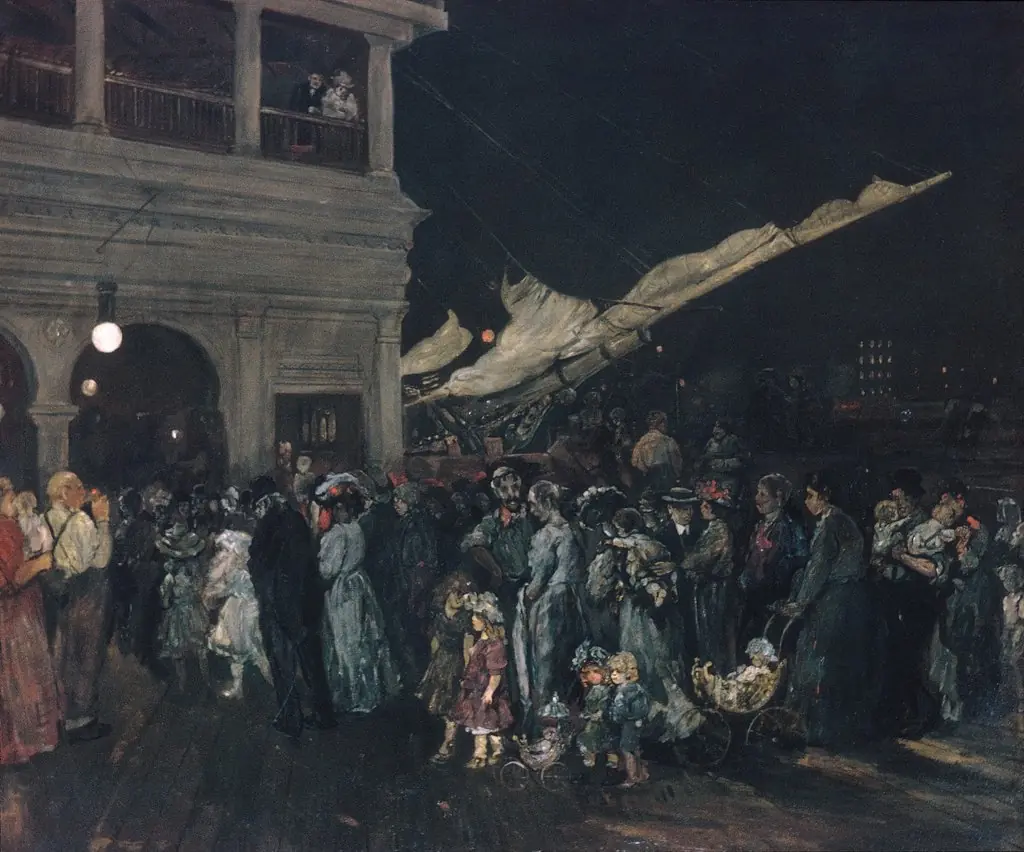
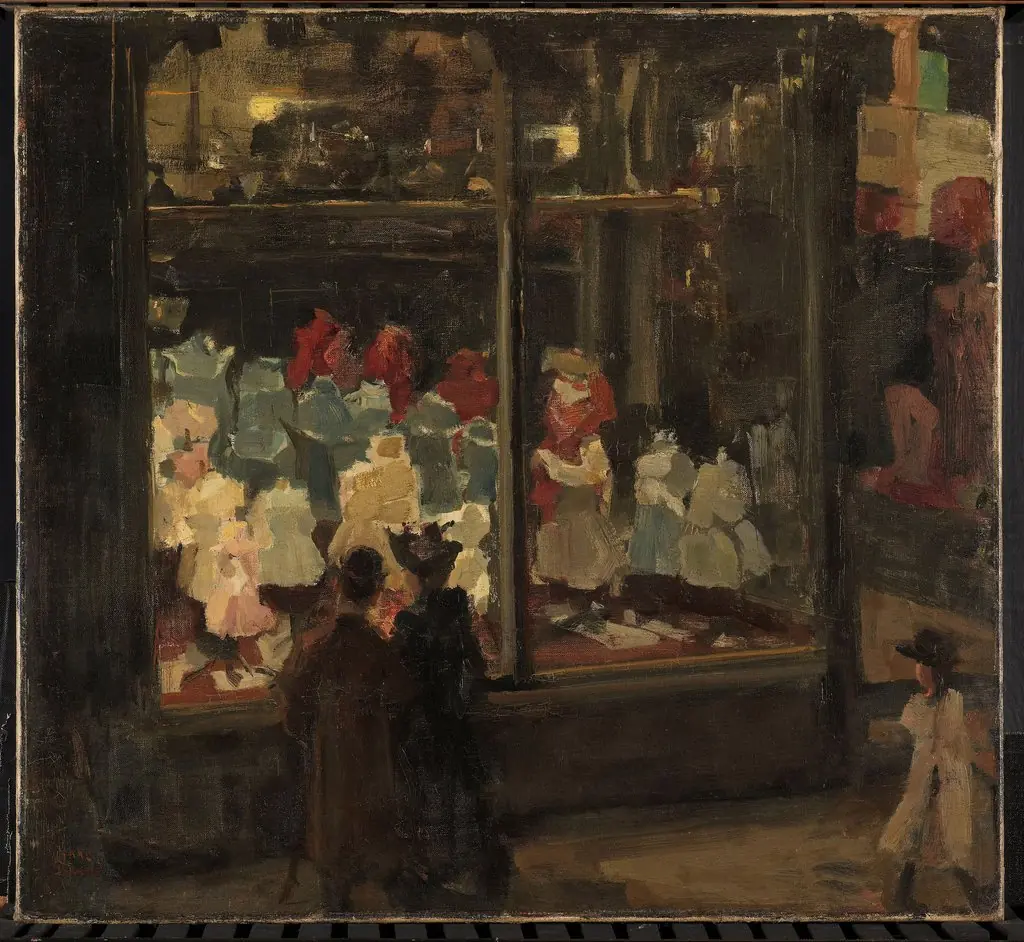
The Mission Tent is an oil painting by the Post-Impressionist artist Jerome Myers. It dates from 1906 and is held in the collection of the Metropolitan Museum of Art.
About this work
Subject & Meaning
The painting thus conveys both a literal depiction of a temporary shelter and a broader symbolic representation of collective devotion and social support.
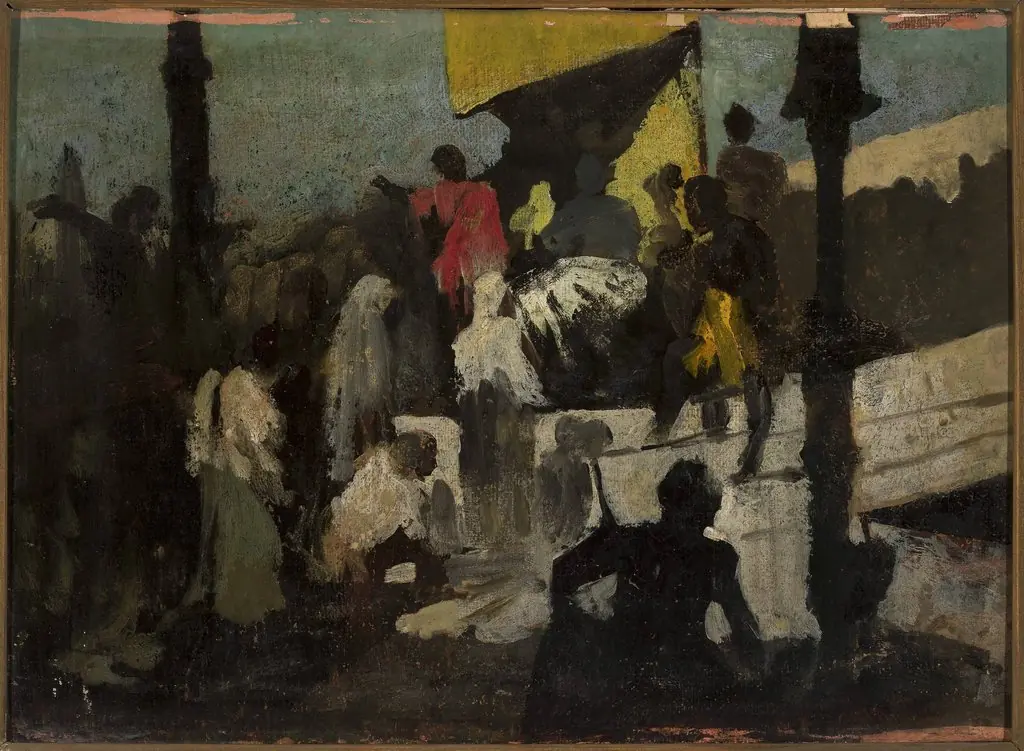
The Mission Tent portrays a modest canvas shelter surrounded by a small group of figures, a boy, a girl, a man, and a woman, arranged as if within a communal gathering. The tent functions as the central motif, symbolizing a provisional space for assembly and spiritual outreach, while the varied participants suggest an inclusive, intergenerational community. By placing everyday individuals beneath the tent's modest roof, the composition evokes themes of shelter, protection, and the missionary intent to bring faith to ordinary urban life.
The painting thus conveys both a literal depiction of a temporary shelter and a broader symbolic representation of collective devotion and social support.
Technique & Style
The Mission Tent is an oil painting executed on canvas, measuring approximately 63.7 cm in height by 76.4 cm in width. The work is classified as a painting and was created in 1906 by Jerome Myers. The surface is prepared with a traditional oil medium applied to a stretched canvas support, allowing the artist to render a genre scene that includes a boy, a girl, a man, a tent, and a woman. The composition is organized around these figures, with the tent serving as a central spatial element.
History & Provenance
Jerome Myers created The Mission Tent in 1906, an oil on canvas work measuring 63.7 × 76.4 cm. The painting entered the collection of the Metropolitan Museum of Art, where it remains on view. Its creation reflects Myers' early 20th-century urban realist period, characterized by his interest in everyday scenes and figures.
Overview
The Mission Tent, painted by American artist Jerome Myers in 1906, is an oil painting that captures a nocturnal urban gathering. The work presents a large, illuminated tent as its central focus, around which figures are silhouetted. Myers, often associated with the Ashcan School, frequently depicted scenes of daily life in the city, and this piece exemplifies his interest in the human element within such environments.
Context
Jerome Myers was an American painter recognized for his sympathetic depictions of city life, often linked to the Ashcan School, a movement focused on realistic portrayals of urban existence. While sharing their interest in the everyday, Myers's stylistic choices in The Mission Tent lean towards a more expressive interpretation, moving beyond the gritty realism sometimes associated with the Ashcan group to imbue his urban subjects with a sense of quiet dignity and human connection.
Own this work as a print
Artist & collection
Artist
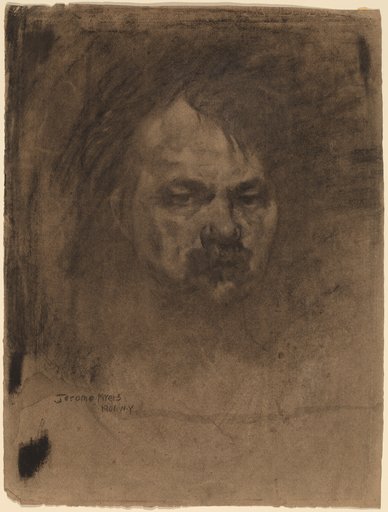
Jerome Myers (March 20, 1867 – June 19, 1940) was an American artist and writer associated with the Ashcan School, particularly known for his sympathetic depictions of the urban landscape and its people.