Artwork
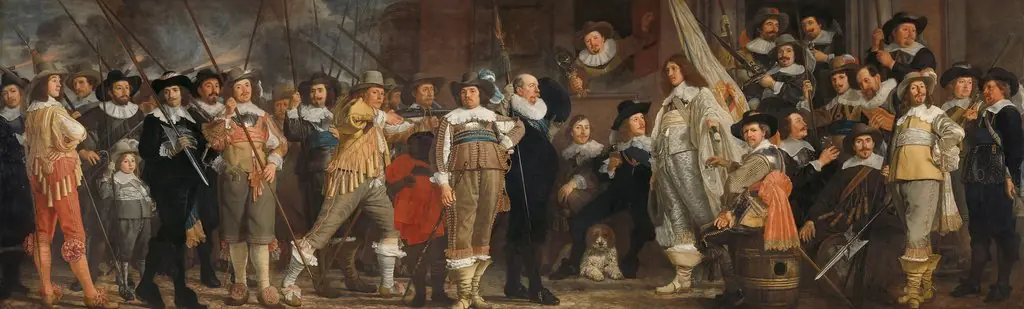
Officers of the militia of departmetn XIX in Amsterdam under the command of Cornelis Bicker and Frederick van Banchem, ready to receive Maria de' Medici in 1638
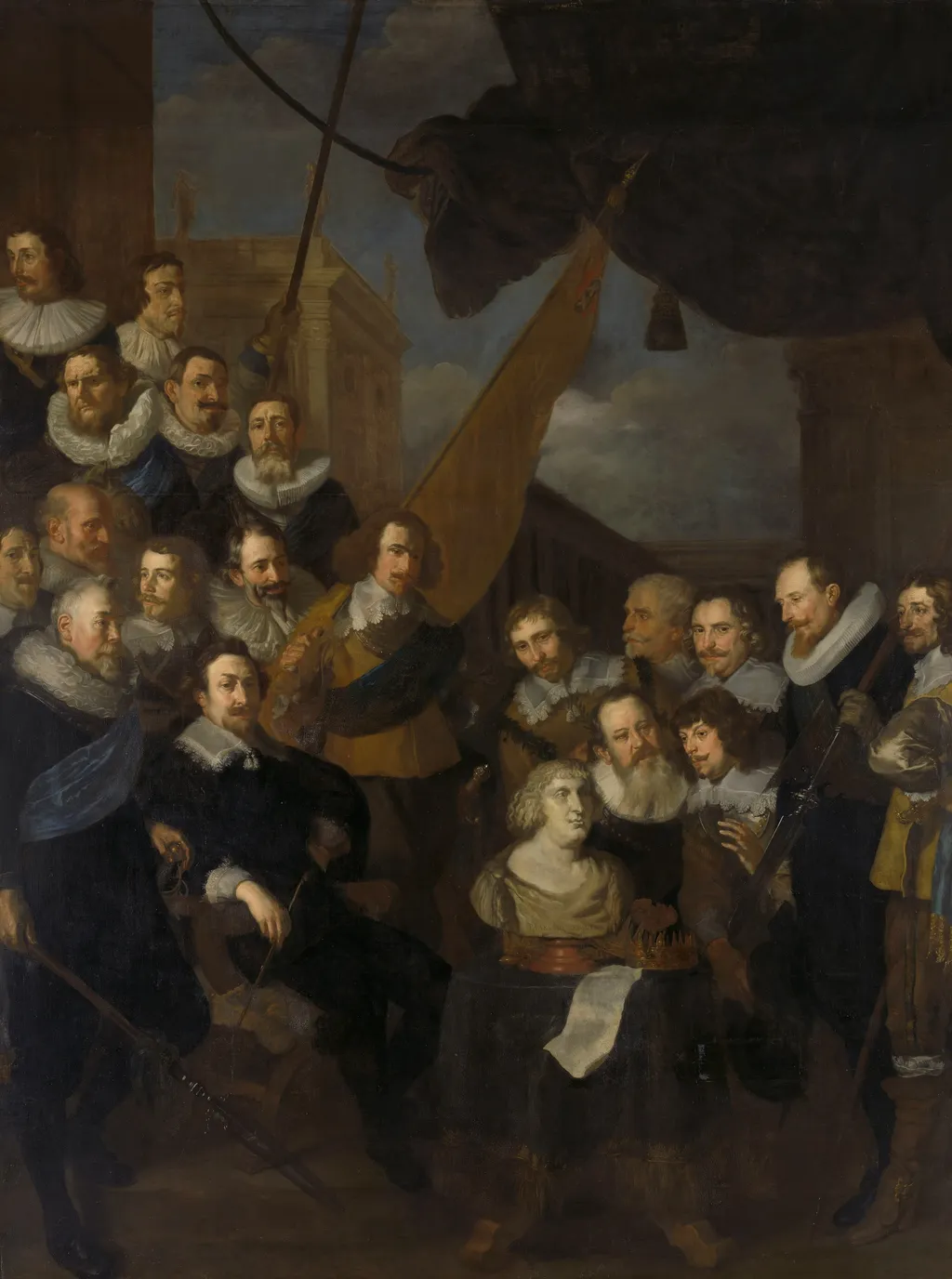
Officers of the militia of departmetn XIX in Amsterdam under the command of Cornelis Bicker and Frederick van Banchem, ready to receive Maria de' Medici in 1638 is an oil painting by Joachim von Sandrart the Elder. It dates from 1640 and is held in the collection of the Rijksmuseum.
About this work
Technique & Style
Joachim von Sandrart the Elder executed this schutterstuk using oil paint on a canvas support. The painting is monumental in scale, measuring 343 cm in height and 258 cm in width. As a civic guard portrait, the work exemplifies the formal group portrait genre characteristic of the Dutch Golden Age, designed to commemorate the militia's readiness to receive Maria de' Medici.
History & Provenance
The artwork, created in 1640, depicts the officers of the Amsterdam militia department XIX under the command of Cornelis Bicker and Frederick van Banchem.
The painting was commissioned by the militia to commemorate the ceremonial reception of Maria de' Medici in 1638 and was completed by Joachim von Sandrart the Elder in 1640. It entered the collection of the Rijksmuseum in Amsterdam shortly after its creation and has remained part of the museum's holdings since inception. The work is documented as a schutterstuk, reflecting its function as a group portrait of the militia officers.
The painting is jointly held by the Rijksmuseum and the Amsterdam Museum in Amsterdam. While the specific inventory or accession numbers are not provided in the available records, the work is cataloged within the collections of these two institutions. The artwork, created in 1640, depicts the officers of the Amsterdam militia department XIX under the command of Cornelis Bicker and Frederick van Banchem.
No specific exhibition history or past display details are documented in the provided sources, though the piece remains a significant example of the schutterstuk genre within these Dutch collections.
Legacy
The painting shaped Dutch group portraiture, inspiring later militia works and securing Sandrart's reputation in 17th-century art history.
Its composition influenced subsequent schutterstuk pieces, embedding the depicted officers within Amsterdam's civic identity.
The work remains on display at the Rijksmuseum, Amsterdam Museum.
The painting's legacy is documented in art historical surveys of Dutch Golden Age portraiture.
Overview
Joachim von Sandrart the Elder’s oil on canvas, dated 1640, portrays the officers of Amsterdam’s militia department XIX as they prepare to welcome Maria de’ Medici in 1638. The work is part of the Rijksmuseum’s collection and presents a formal gathering of civic guardsmen under the leadership of Cornelis Bicker and Frederick van Banchem.
Subject & Meaning
The composition centers on a seated figure surrounded by uniformly dressed militia members, each in dark attire with stark white collars. Their posture and the presence of swords suggest readiness and ceremonial duty, reflecting the civic pride and political significance of the militia’s role in welcoming a foreign dignitary.
Context
The work reflects the 17th‑century Dutch tradition of militia group portraits, which celebrated local governance and communal defense. By depicting the officers in the moment of receiving Maria de’ Medici, the painting also records a diplomatic encounter between Amsterdam’s civic authorities and the French queen‑mother, underscoring the city’s international connections.
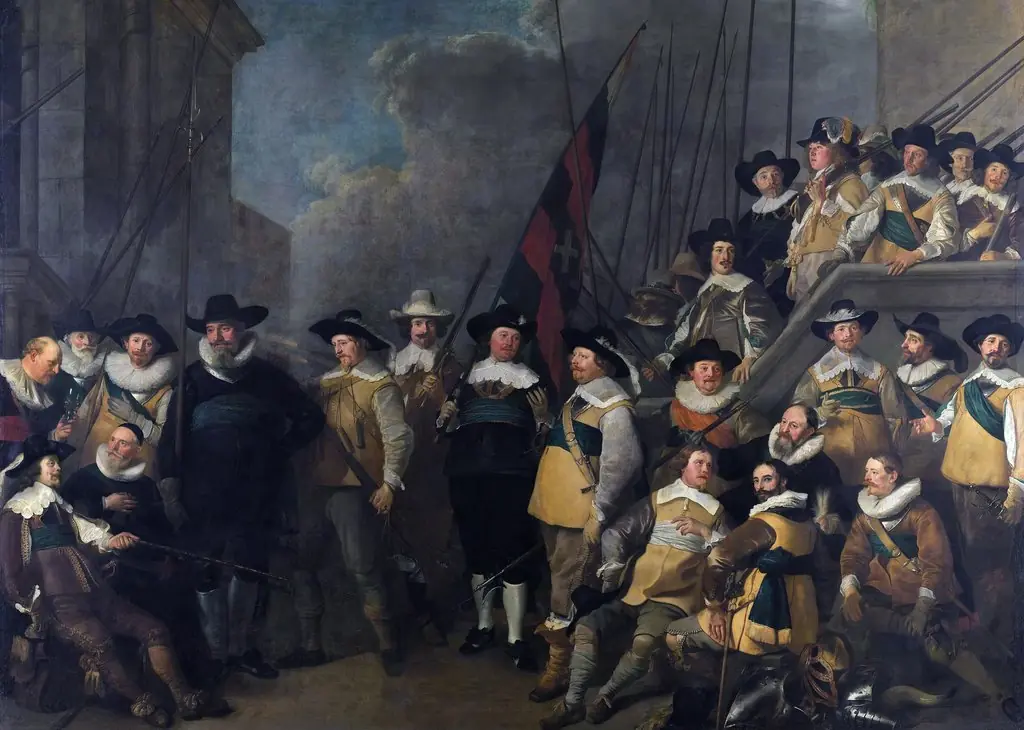
Own this work as a print
Artist & collection
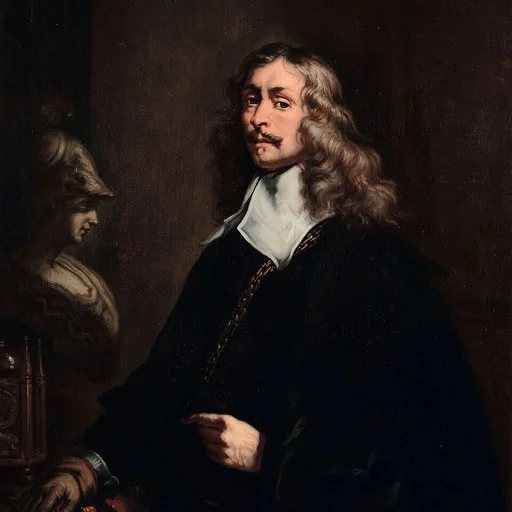
Artist
Joachim von Sandrart the Elder
Joachim von Sandrart the Elder (1606–1688) was a German artist, born in Frankfurt.

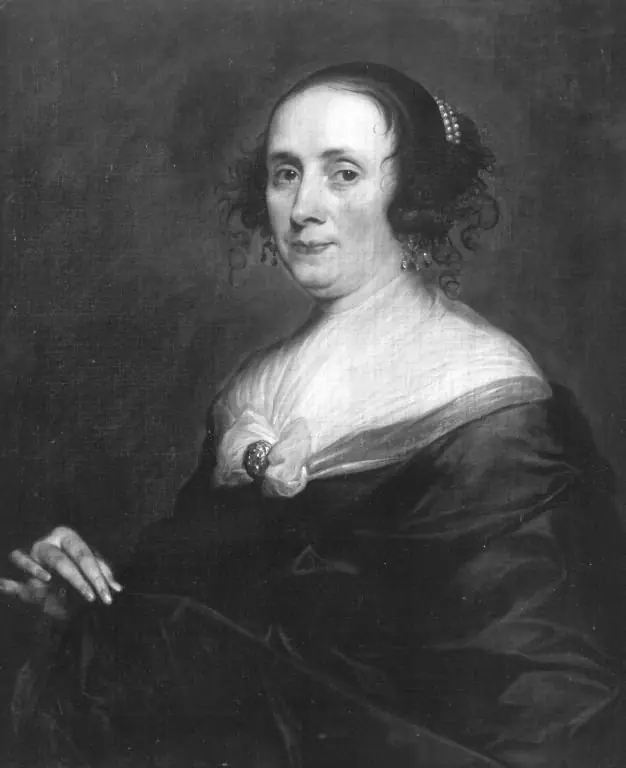 Bildnis einer Frau (?)
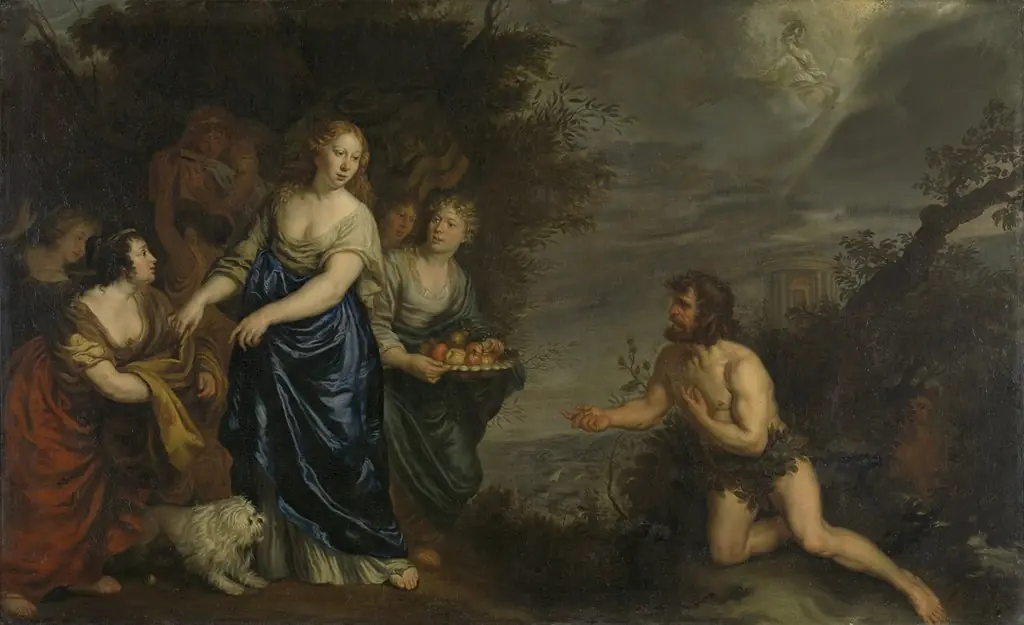 Odysseus and Nausikaä
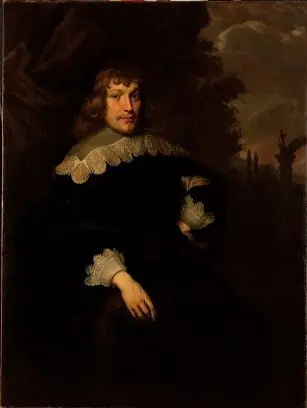 Portrait of Hendrick Bicker (1615-1651)
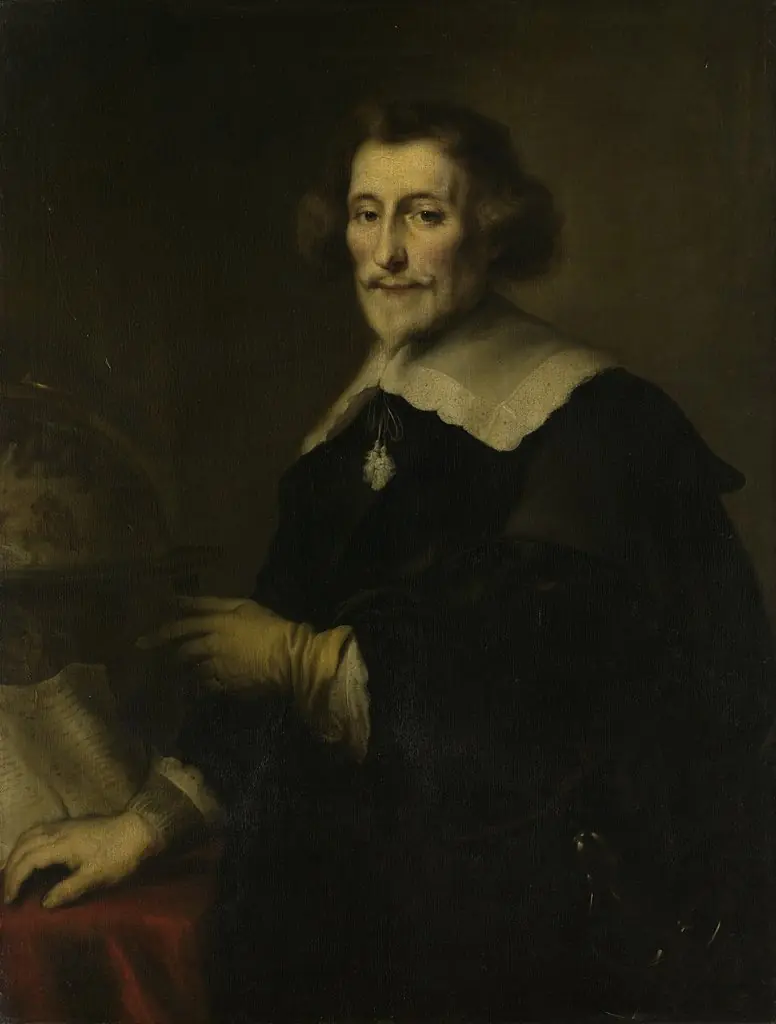 Pieter Cornelisz Hooft (1581-1647). High bailiff of Muiden, historian and poet
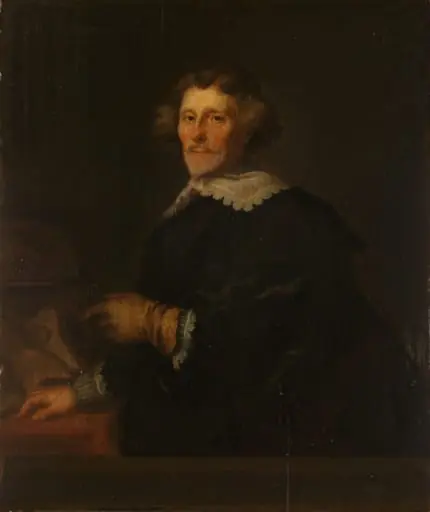 Portrait of Pieter Corneliszoon Hooft, Bailiff of Muiden, Historian and Poet
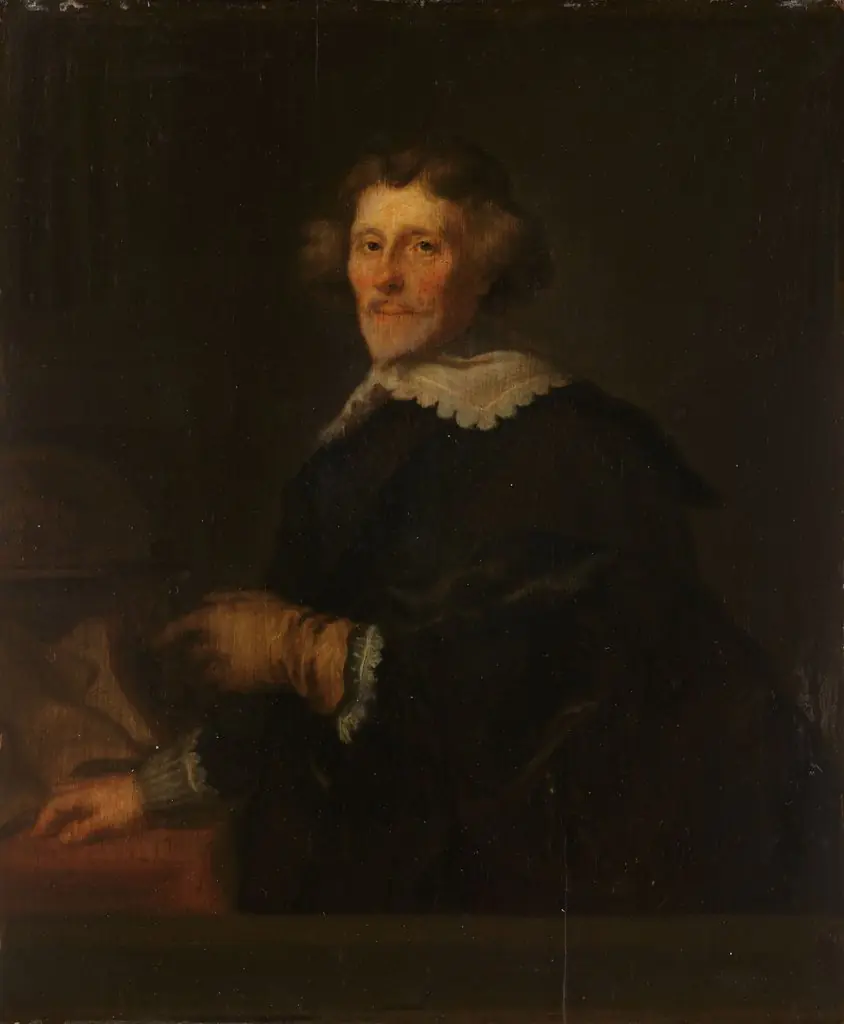 Portrait of Pieter Cornelis Hooft (1581-1647), High bailiff of Muiden, historian and poet
- Officers and other Civic Guardsmen of the V District in Amsterdam under the command of Captain Cornelis de Graeff and Lieutenant Hendrick Lauwrensz
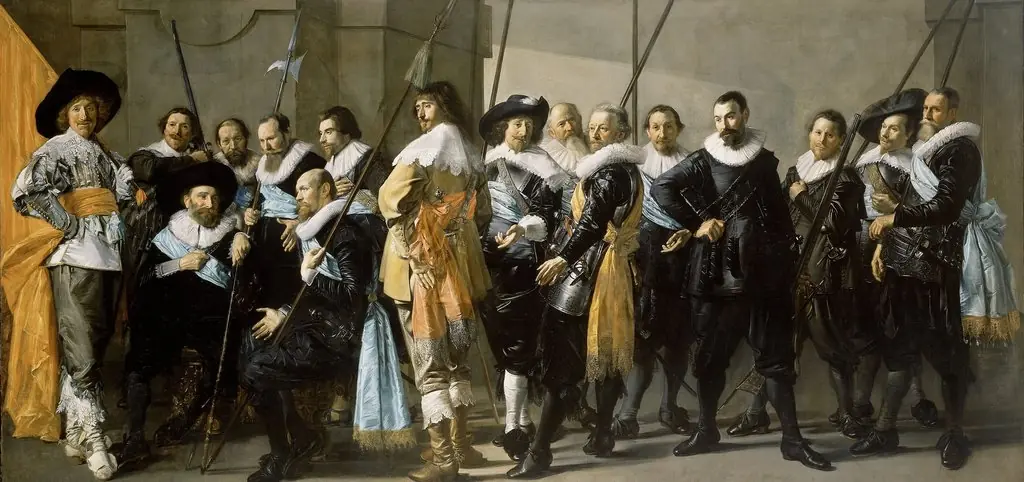 Militia Company of District XI under the Command of Captain Reynier Reael
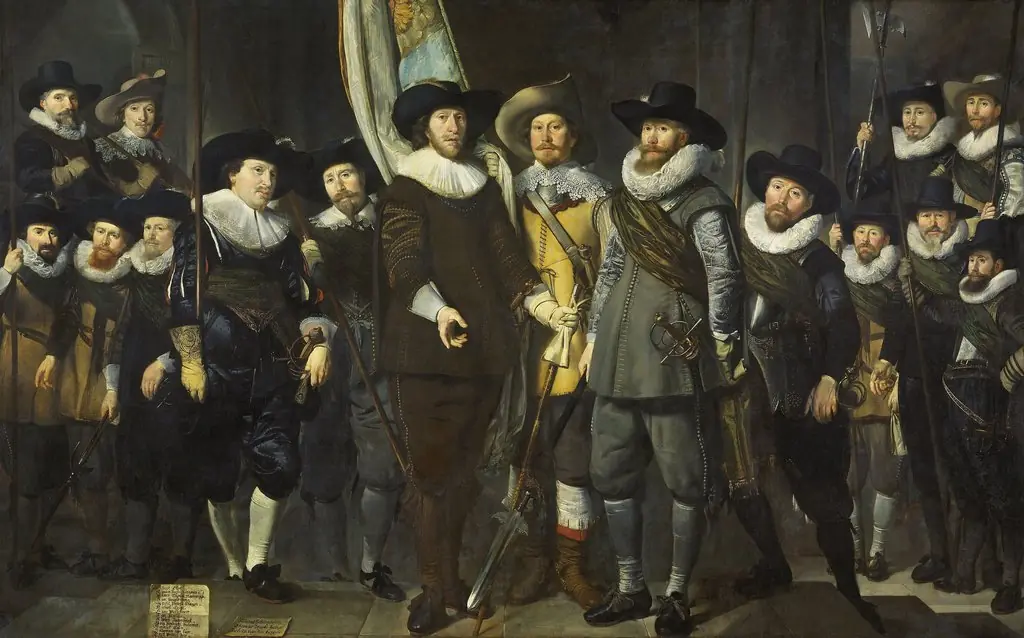 Officers and other civic guardsmen of the IIIrd District of Amsterdam, under the command of Captain Allaert Cloeck and Lieutenant Lucas Jacobsz Rotgans
 Officers and Other Civic Guardsmen of the IVth District of Amsterdam, under the Command of Captain Jan Claesz van Vlooswijck and Lieutenant Gerrit Hudde
 Militia Company of District VIII under the Command of Captain Roelof Bicker
 Reyer Reyersz van der Burch (1630-1695), Ammunition Officer attached to the Arsenal of the States-General, Delft, with his Wife Geertruid Graswinckel and their Children Frank, Cornelis, Reyer, Maria and Alida