Artwork
Odysseus and Nausikaä
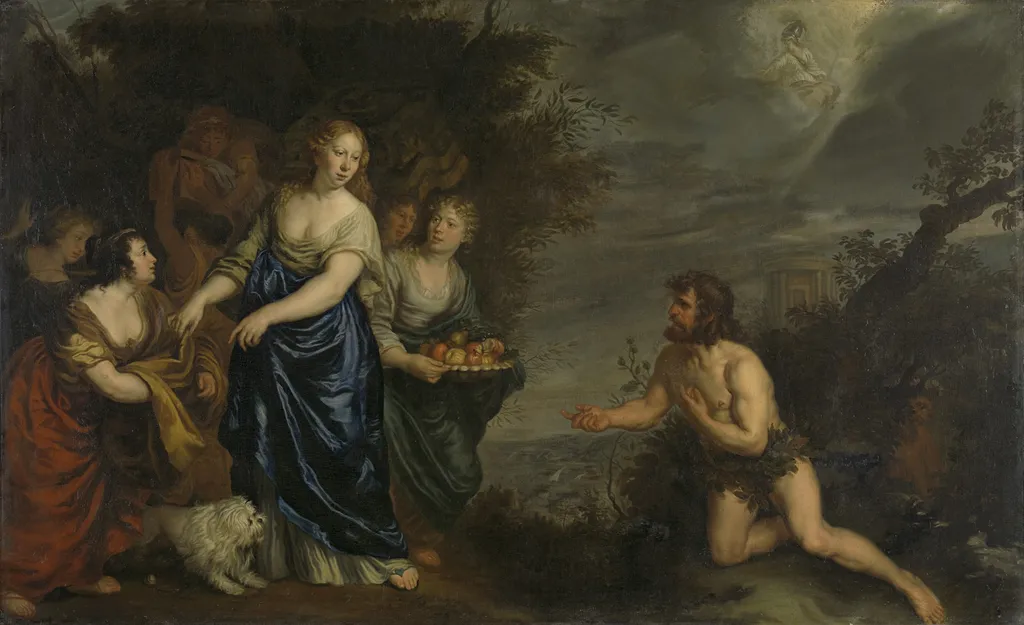
Odysseus and Nausikaä is an oil painting by the Barbizon school artist Joachim von Sandrart the Elder. It dates from 1630 and is held in the collection of the Rijksmuseum.
About this work
Subject & Meaning
The composition captures the moment of recognition that ultimately leads to Odysseus's reception at the Phaeacian court and his eventual return to Ithaca.
Joachim von Sandrart the Elder's 1630 oil painting depicts the encounter between Odysseus and Nausicaa, drawn from the Odyssey. The scene centers on the shipwrecked hero Odysseus, who, after being cast ashore on the island of Scheria, is discovered by Nausicaa, daughter of King Alcinous, while she is at play with her attendants near the shore. The composition captures the moment of recognition that ultimately leads to Odysseus's reception at the Phaeacian court and his eventual return to Ithaca.
As a work of mythological painting, the canvas translates a celebrated Homeric episode into the visual language of seventeenth-century European art, treating the literary subject as a vehicle for exploring themes of hospitality, vulnerability, and refuge.
Technique & Style
Executed in 1630, this mythological painting by Joachim von Sandrart the Elder uses oil paint on a canvas support. The work measures 104 cm in height and 168.5 cm in width. As a representation of the encounter between Odysseus and Nausicaa, the piece employs the material conventions of seventeenth-century history painting, relying on the versatility of oil media to render the narrative scene. It is classified specifically as a mythological work, focusing on the figures drawn from classical antiquity.
History & Provenance
Joachim von Sandrart the Elder painted Odysseus and Nausikaä in 1630 as an oil on canvas measuring 104 by 168.5 centimetres. Its mythological subject depicts the encounter between the Greek hero Odysseus and the princess Nausicaä recounted in Homer's Odyssey. The painting was owned by the collector Daniel Franken before entering the Rijksmuseum in Amsterdam, where it remains.
The available sources do not provide a specific inventory number or any documented exhibition history for the work.
Context
The painting Odysseus and Nausikaä by Joachim von Sandrart the Elder, created in 1630, is classified as a mythological painting and is held by the Rijksmuseum, having previously been in the collection of Daniel Franken. Executed in oil on canvas, it depicts Odysseus and Nausicaa and is recognized within the broader context of Dutch and German painting's engagement with classical narrative. Its dimensions, 104 cm in height and 168.5 cm in width, are consistent with the horizontal format typical of such mythological scenes.
Overview
Joachim von Sandrart the Elder’s oil painting Odysseus and Nausikaä, executed in 1630, presents a quiet encounter between the Homeric hero and the Phaeacian princess. The work is part of the Rijksmuseum’s collection and measures roughly a typical Baroque canvas size, allowing a detailed arrangement of figures within a natural landscape.
Artist & collection
Artist
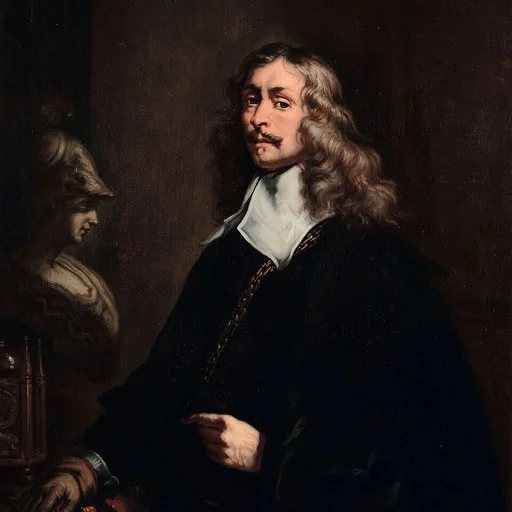
Joachim von Sandrart the Elder
Joachim von Sandrart the Elder (1606–1688) was a German artist, born in Frankfurt.

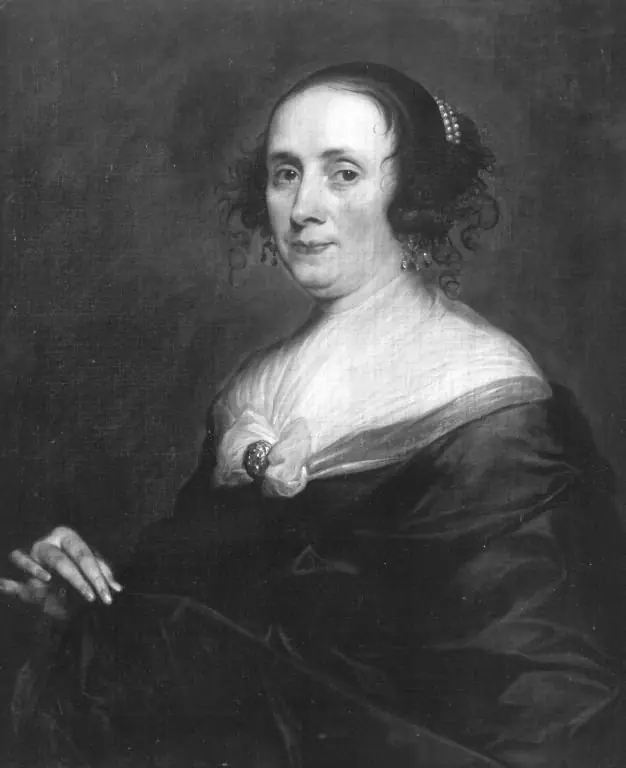 Bildnis einer Frau (?)
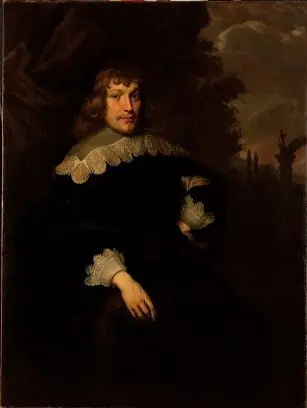 Portrait of Hendrick Bicker (1615-1651)
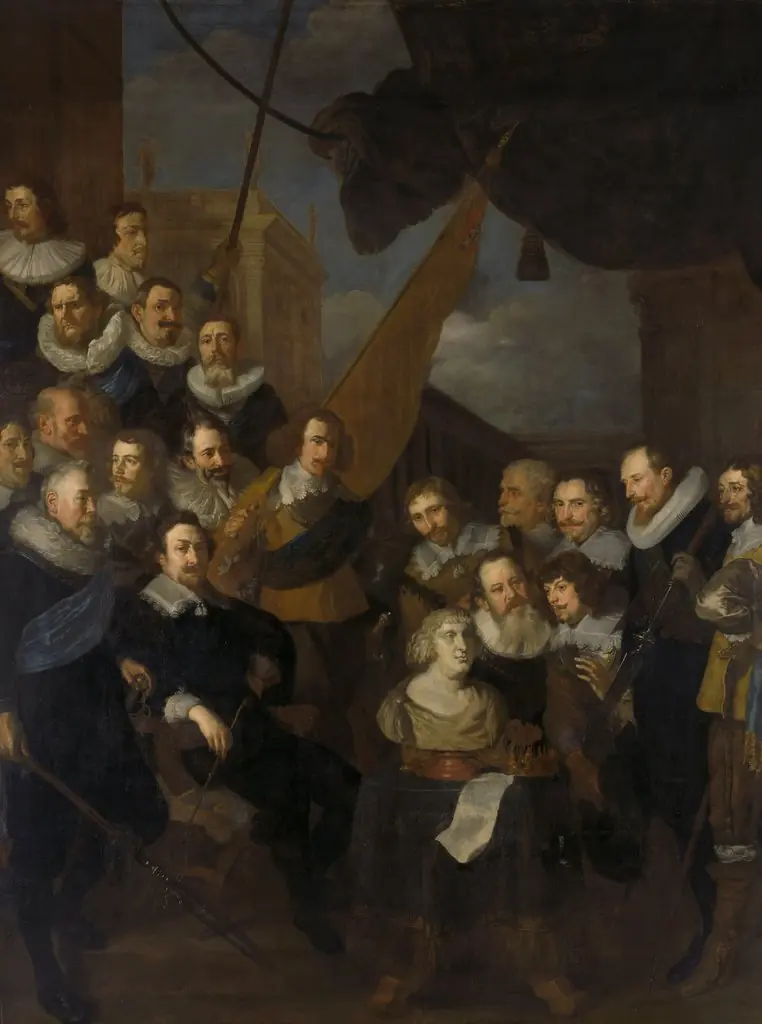 Officers of the militia of departmetn XIX in Amsterdam under the command of Cornelis Bicker and Frederick van Banchem, ready to receive Maria de' Medici in 1638
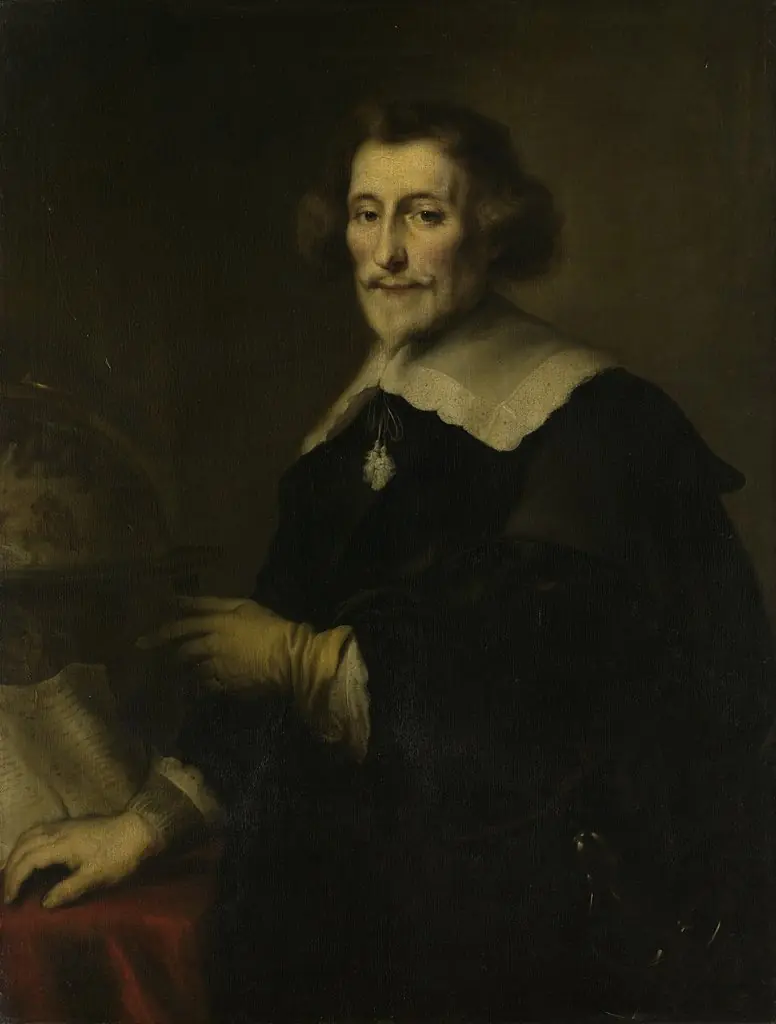 Pieter Cornelisz Hooft (1581-1647). High bailiff of Muiden, historian and poet
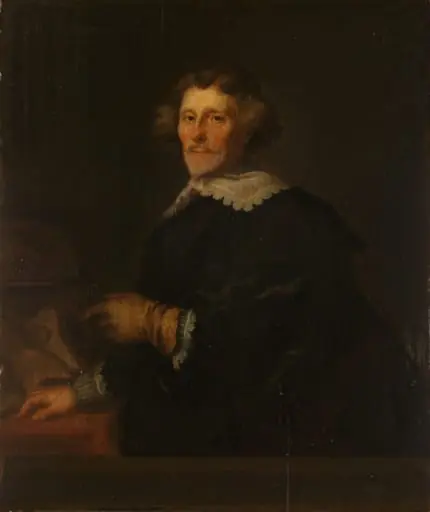 Portrait of Pieter Corneliszoon Hooft, Bailiff of Muiden, Historian and Poet
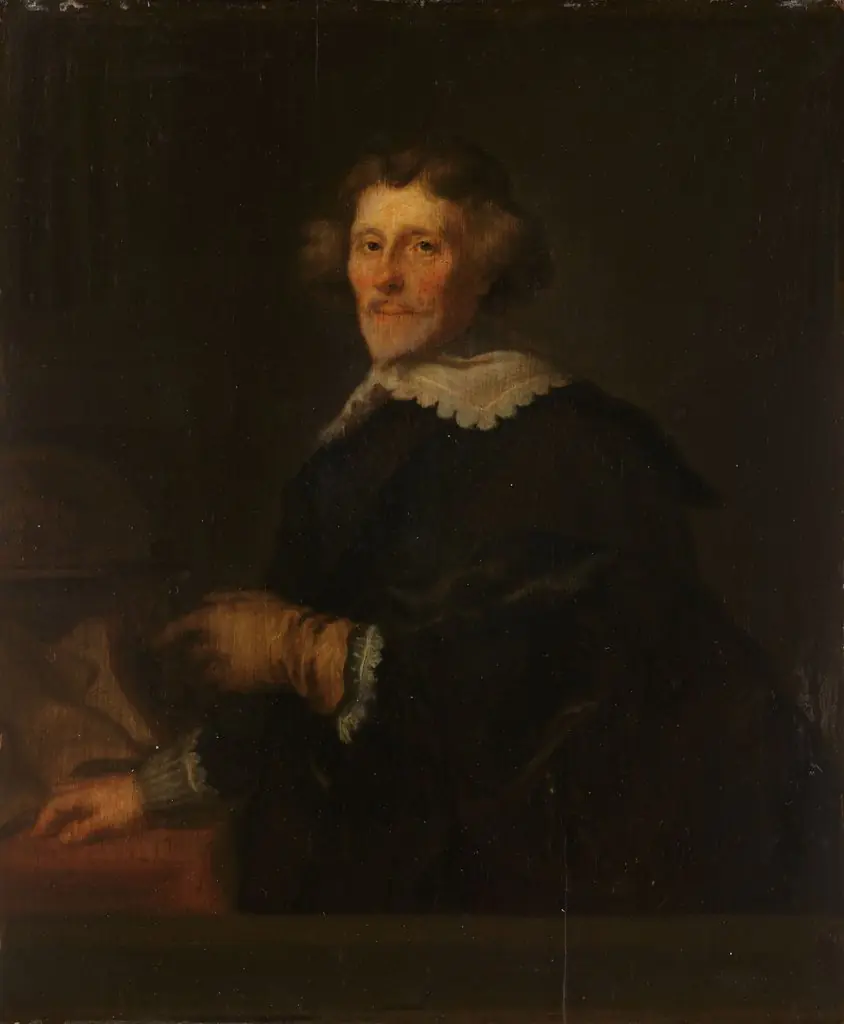 Portrait of Pieter Cornelis Hooft (1581-1647), High bailiff of Muiden, historian and poet
- Mythological Scene – Filling the Horn of Plenty?
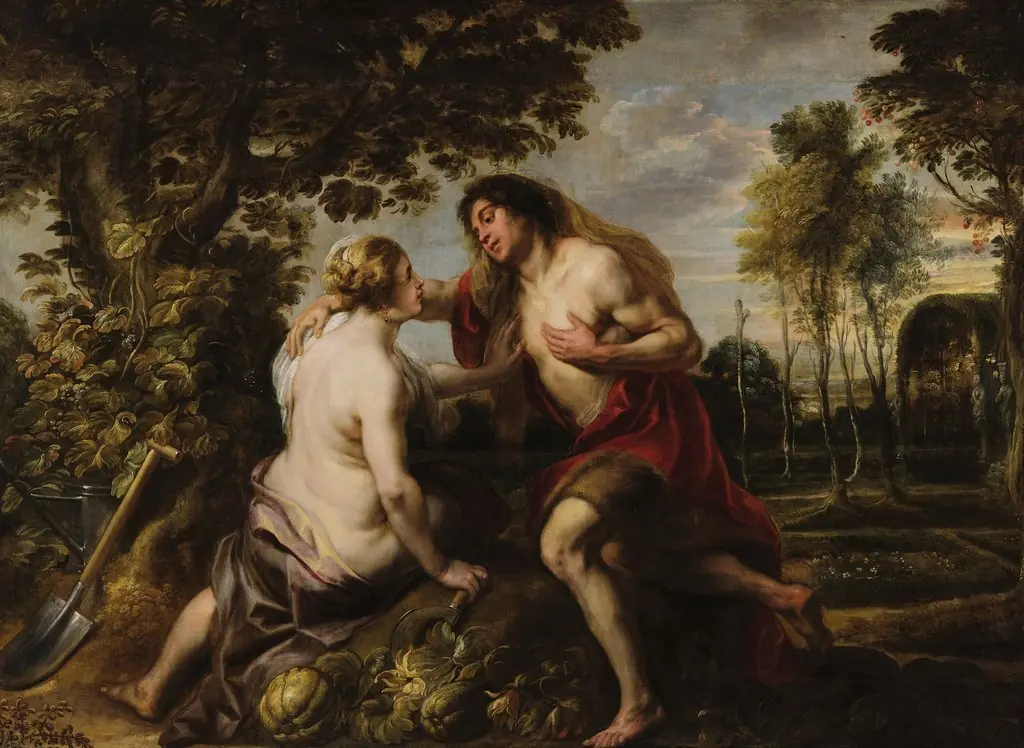 Vertumnus and Pomona
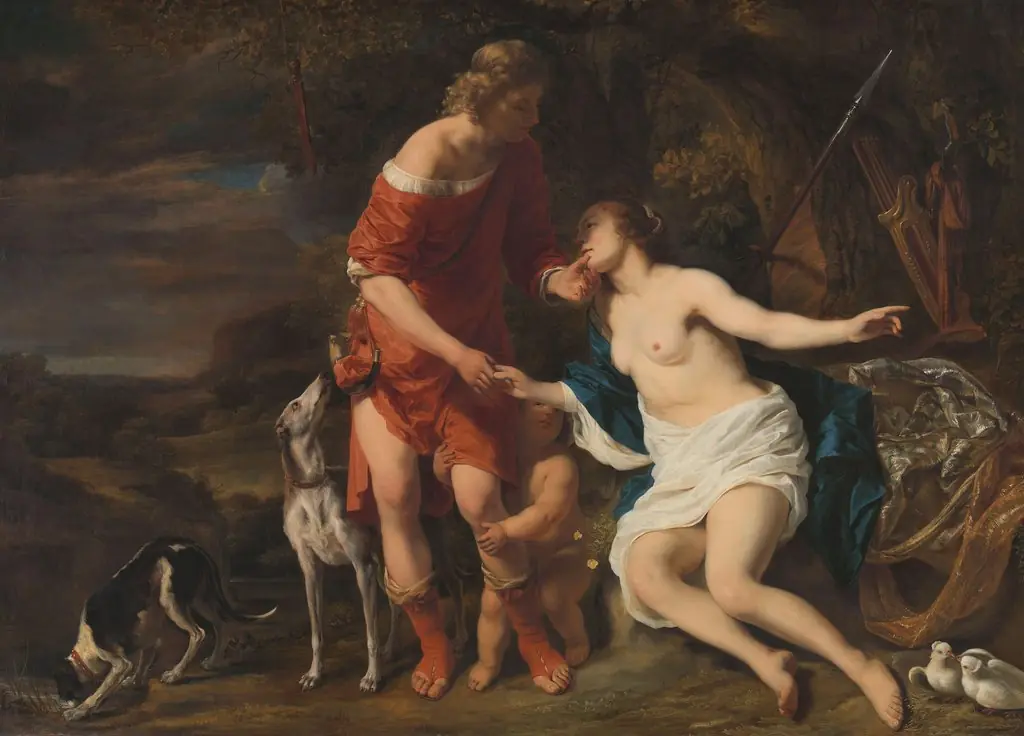 Venus and Adonis
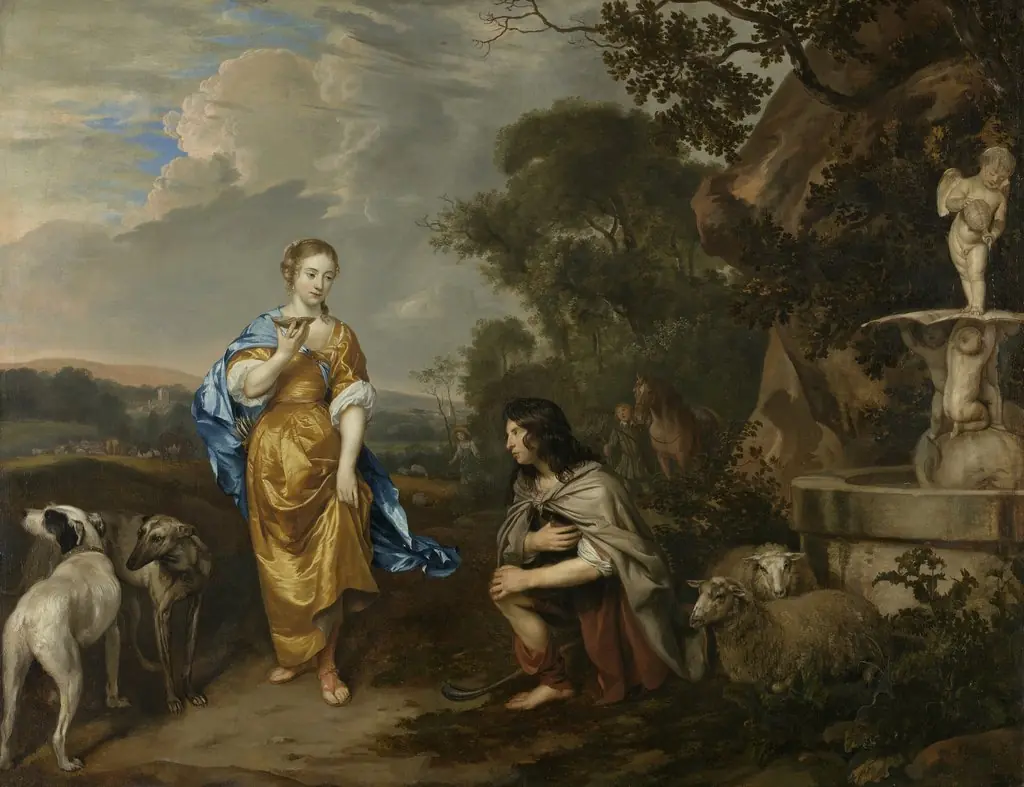 Double portrait of a young couple as Granida and Daiphilo
 Meleager and Atalanta
 Bacchus and Ariadne
 Landscape with Ceres (Allegory of Earth)
 Meleager and Atalante
 The penitent Mary Magdalene
 Venus and Adonis
 Bacchus and Ariadne on the Island of Naxos
 The Infant Jupiter Fed by the Goat Amalthea