Artwork
Naked Female Bust Between the Waves
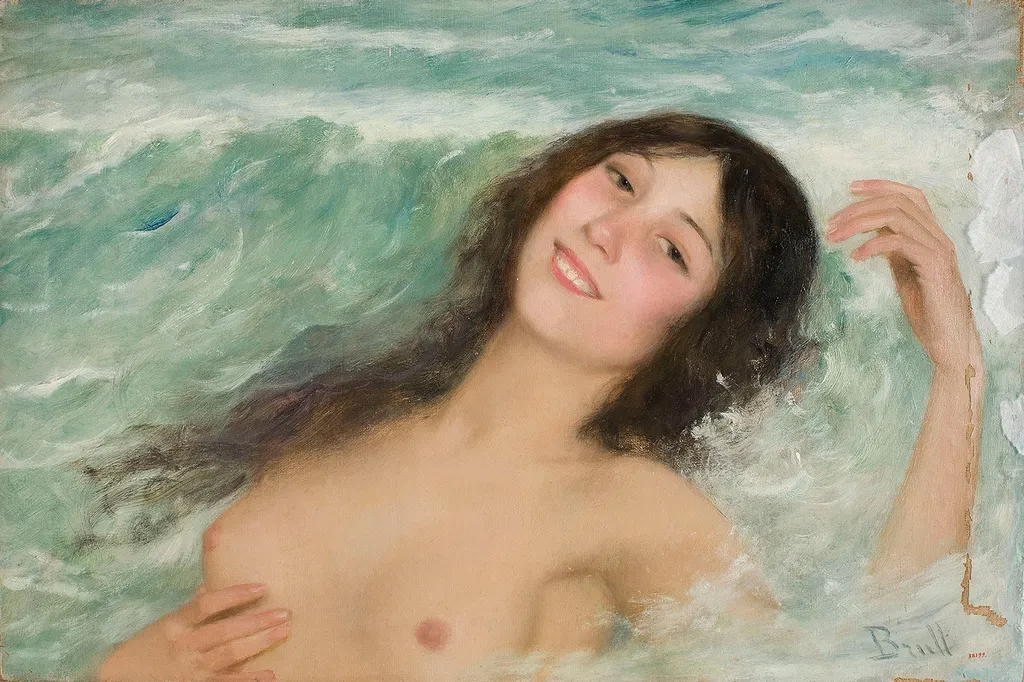
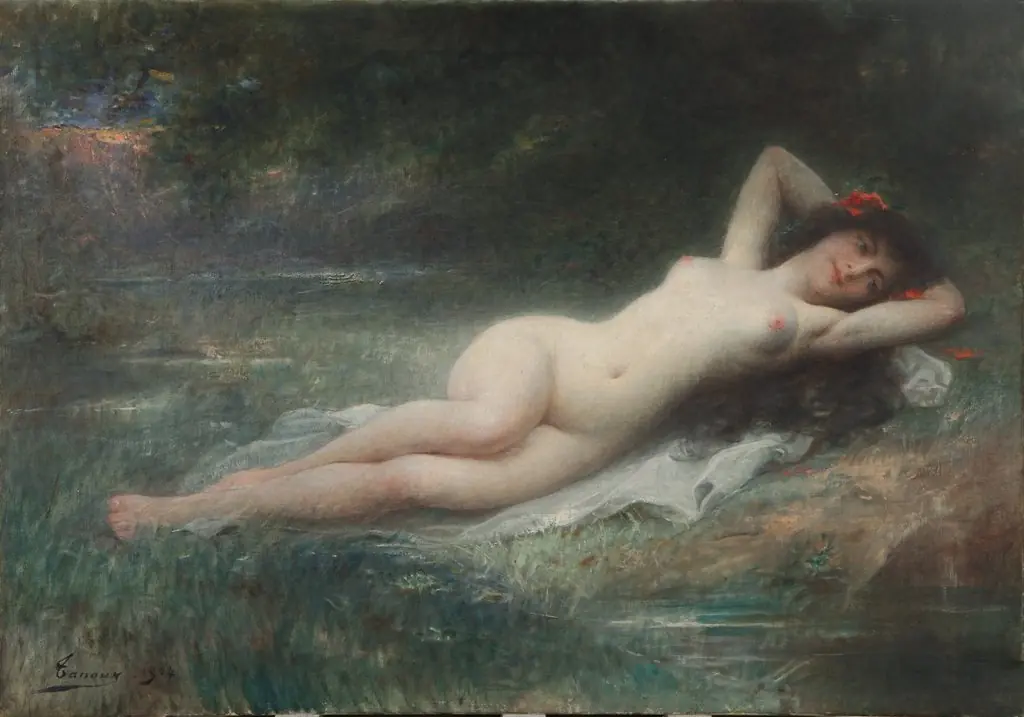
Naked Female Bust Between the Waves is an oil painting by the Art Nouveau artist Joan Brull Vinyoles. It dates from 1896 and is held in the collection of the Museu Nacional d'Art de Catalunya.
About this work
Overview
Though associated with Art Nouveau’s organic forms, the piece diverges from decorative trends by focusing on introspective mood rather than ornamental detail.
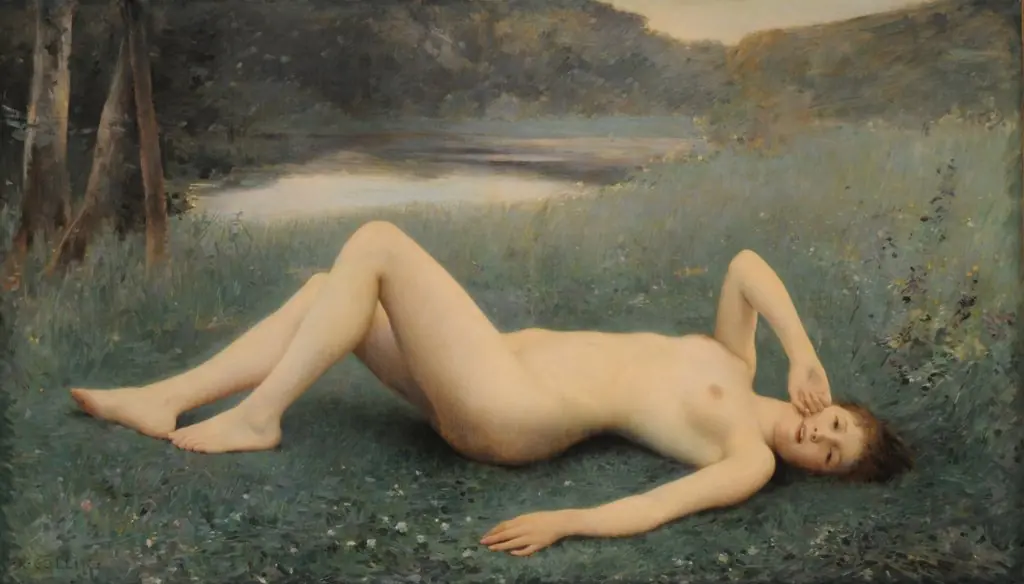
Painted in 1896 by Catalan artist Joan Brull i Vinyoles, this oil-on-canvas work presents a reclining female torso emerging from undulating water. The composition isolates the upper body against a muted, aqueous backdrop, emphasizing stillness and fluidity. Though associated with Art Nouveau’s organic forms, the piece diverges from decorative trends by focusing on introspective mood rather than ornamental detail.
Subject & Meaning
The figure, with closed eyes and relaxed posture, suggests a state of surrender or reverie. Her raised right hand and left hand resting on her chest imply a gesture of self-containment, perhaps evoking vulnerability or inner contemplation. The integration of her form with the waves blurs boundaries between body and nature, hinting at symbolic connections between femininity and elemental forces without overt narrative.
Technique & Style
Brull employs subtle chiaroscuro to model the flesh against the soft, blue-green sea, creating a sense of volume without harsh contrasts. The brushwork is smooth and blended, enhancing the ethereal quality of skin and water. Hair and waves are rendered with similar fluid strokes, dissolving distinctions between the figure and its surroundings, reinforcing the painting’s atmospheric unity.
History & Provenance
The painting entered the collection of the Museu Nacional d'Art de Catalunya in the early 20th century, where it remains today. It was produced during Brull’s mature period, following his training in Barcelona and exposure to European Symbolist currents. While not widely exhibited during his lifetime, it gained recognition as a representative example of Catalan Symbolist painting in later decades.
Context
Created during a time when Catalan cultural identity was being reasserted, the work reflects broader Symbolist interests in emotion, myth, and the subconscious. Unlike French or Belgian Symbolists, Brull avoided overt allegory, instead favoring quiet, intimate scenes. The painting aligns with regional trends that merged naturalism with poetic suggestion, distinct from the more ornamental Art Nouveau prevalent elsewhere.
Legacy
Though Brull is less known internationally, this painting endures as a quiet landmark in Catalan Symbolism. Its restrained emotion and technical subtlety influenced later Catalan artists seeking alternatives to academic realism. It continues to be studied for its nuanced handling of light, form, and psychological tone, offering a counterpoint to more dramatic European works of the era.
Artist & collection
Artist
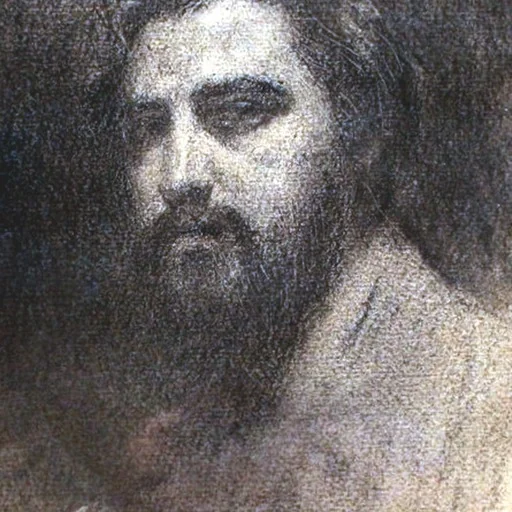
Joan Brull i Vinyoles (25 January 1863 – 3 February 1912) was a Catalan painter active in the late 19th century.