Artwork
Voluptuousness
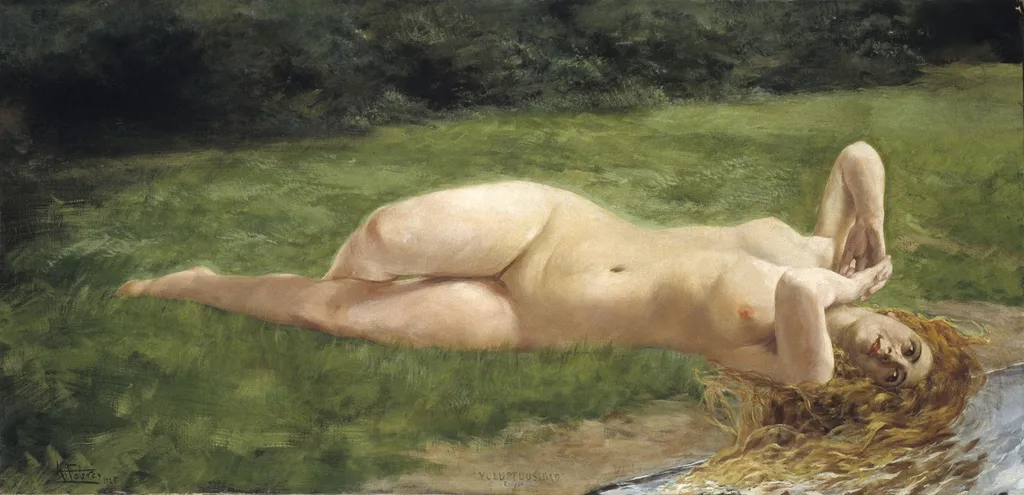
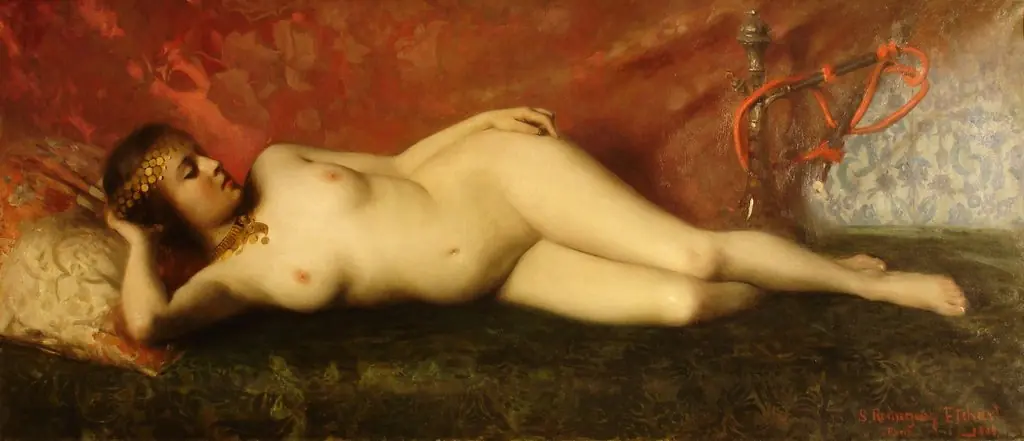
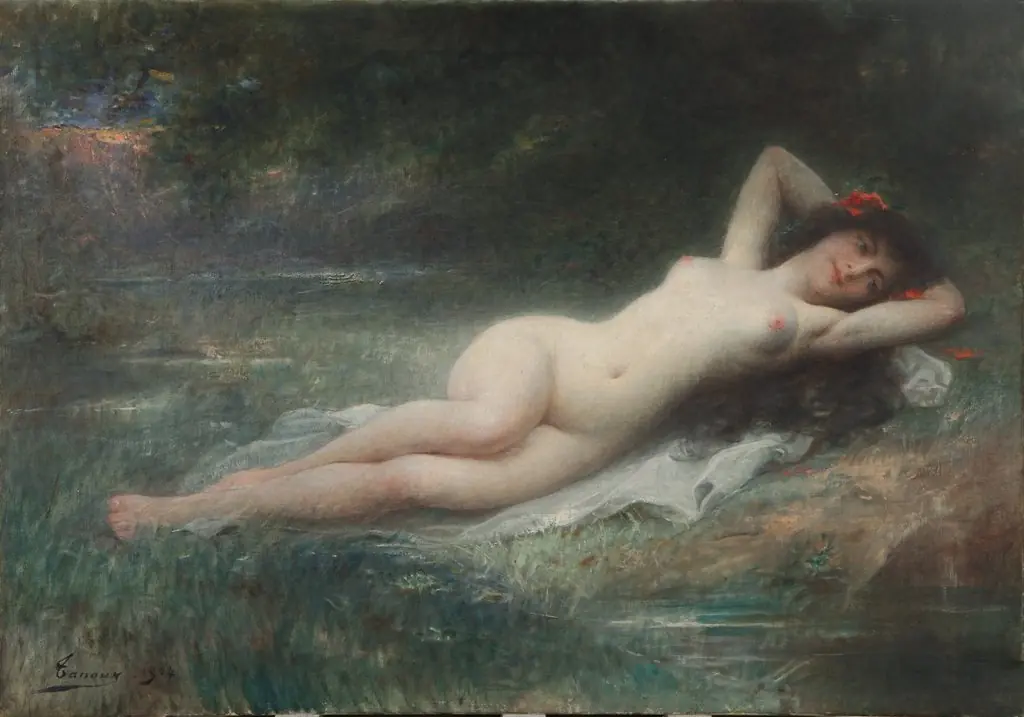
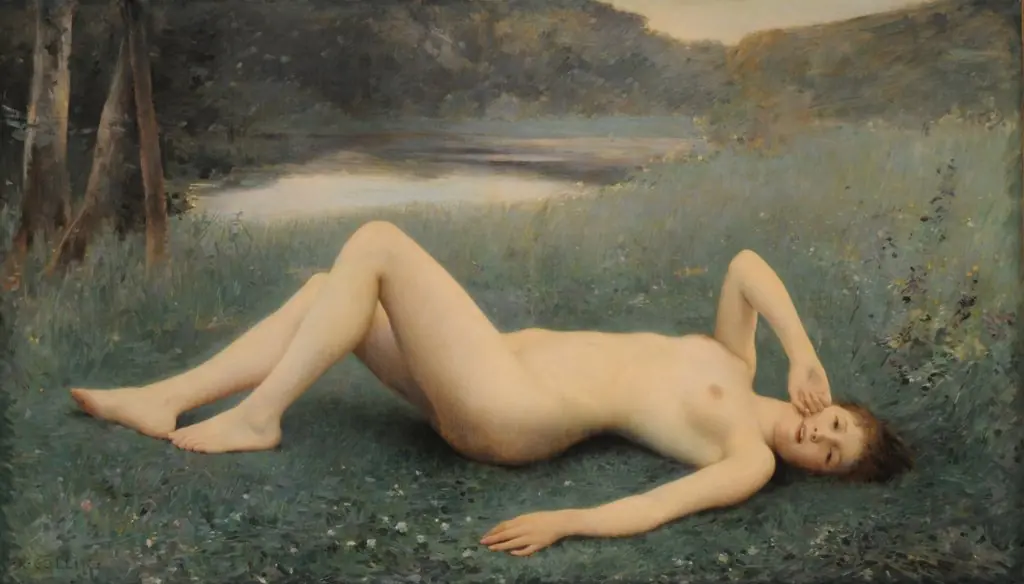
Voluptuousness is an oil painting by the Art Brut artist Antonio Fabrés. It dates from 1925 and is held in the collection of the Museu Nacional d'Art de Catalunya.
About this work
Overview
Antonio Fabrés, a Catalan artist active in the late 19th and early 20th centuries, produced Voluptuousness in 1925 as an oil painting.
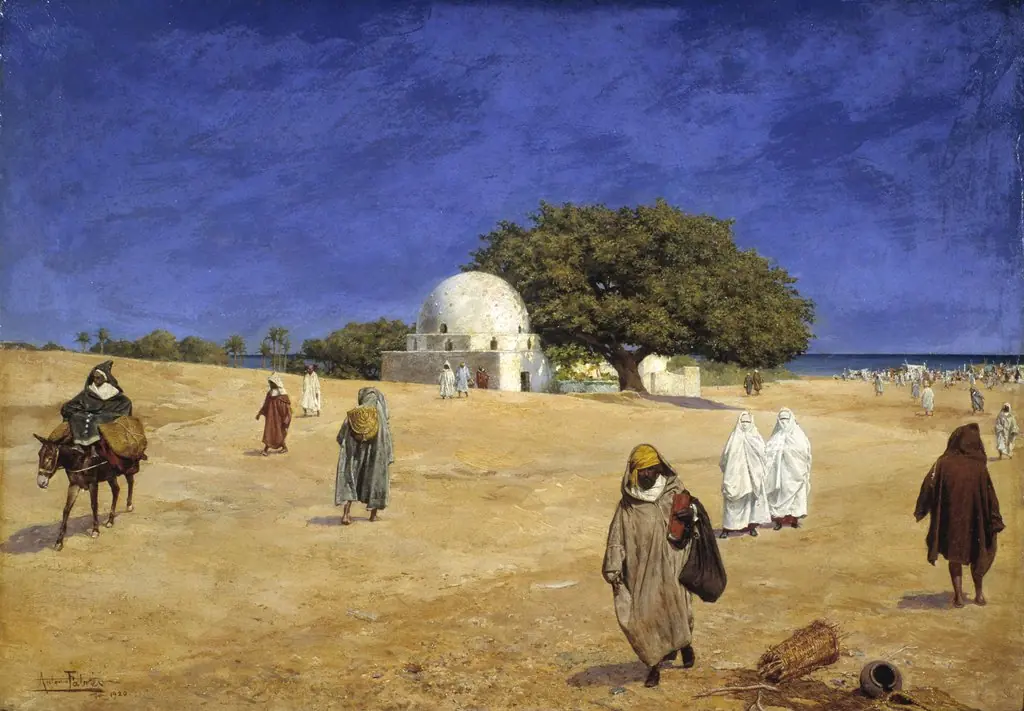
Antonio Fabrés, a Catalan artist active in the late 19th and early 20th centuries, produced Voluptuousness in 1925 as an oil painting. Though often associated with Orientalist and historical themes, this work departs from those motifs, focusing instead on a solitary female figure in a natural setting. It resides in the Museu Nacional d'Art de Catalunya, where it is cataloged as a nude study rather than a narrative scene.
Subject & Meaning
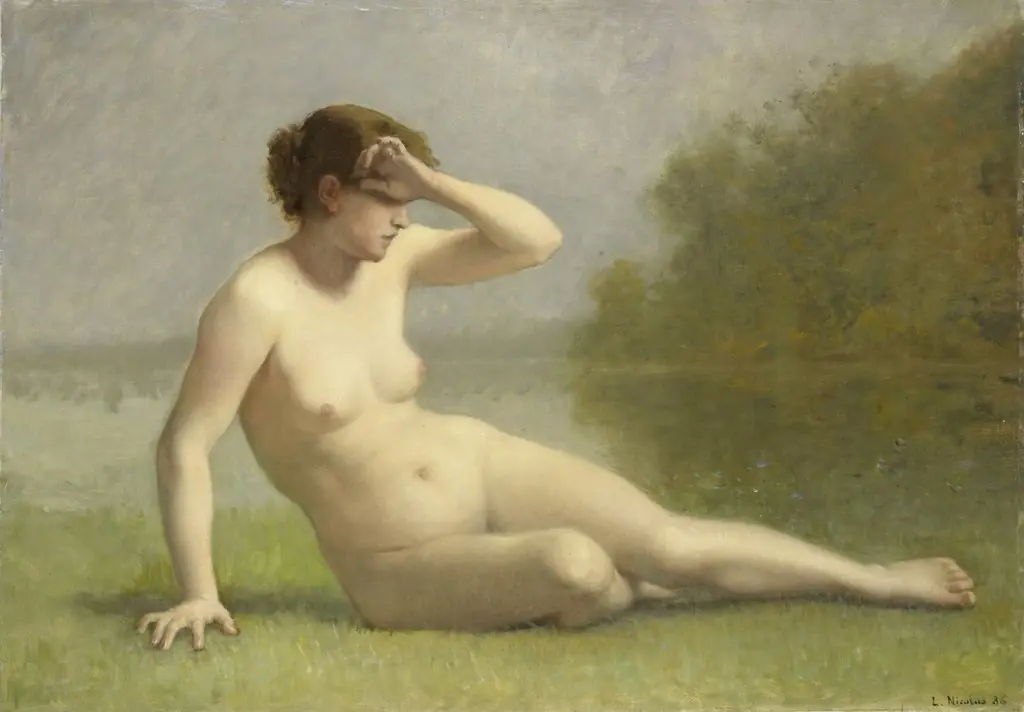
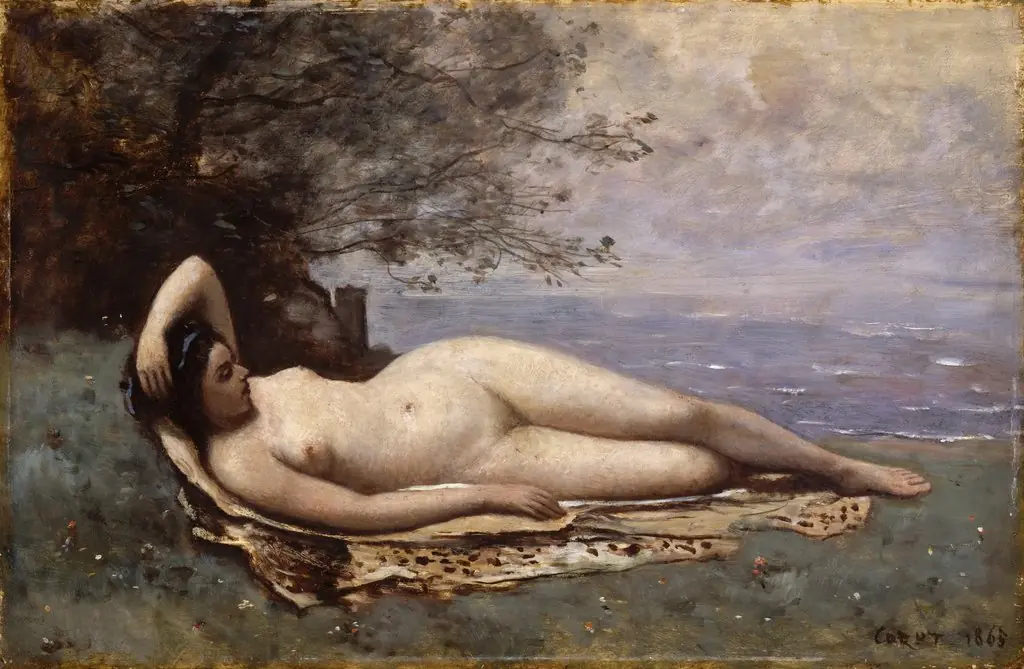
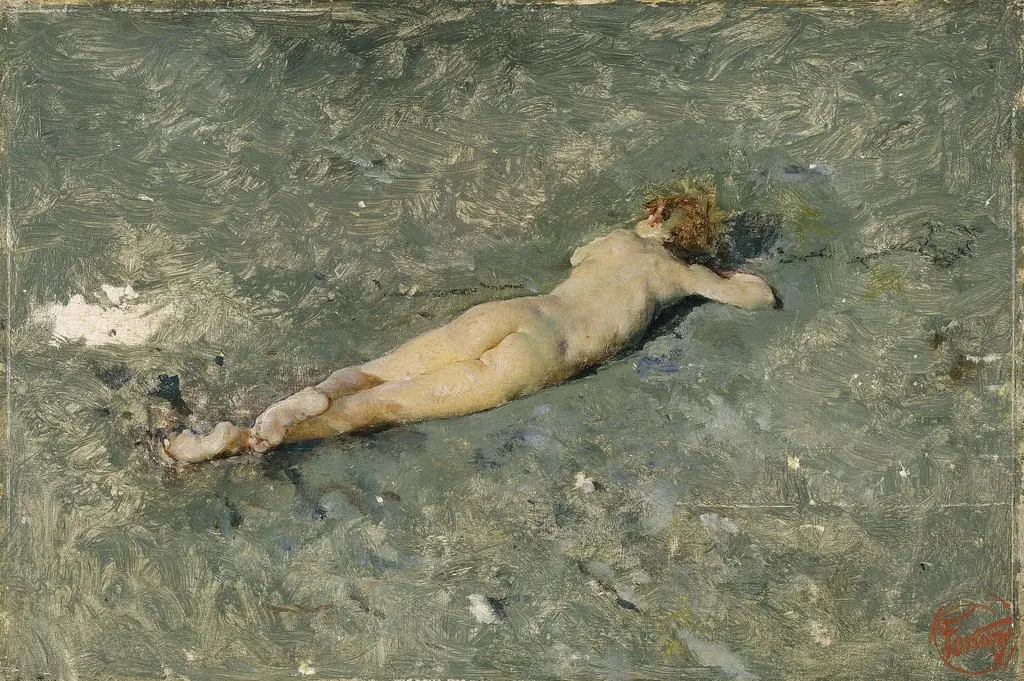
The painting presents a reclining woman in a quiet, unadorned landscape, her posture relaxed and introspective. There is no symbolic object or narrative context to guide interpretation; the emphasis lies in the physical presence of the body and its harmony with the surrounding environment. The absence of theatricality suggests a contemplative, almost private moment, free from idealization or exoticism.
Technique & Style
Fabrés employed soft, fluid brushwork to model the figure’s form, using subtle gradations of tone to suggest volume without sharp definition. The background is rendered in loose, blurred greens, dissolving into a hazy distance that isolates the figure. The technique avoids academic precision, favoring a tactile, atmospheric quality that aligns more with impressionistic sensibilities than with formal nudes of the time.
History & Provenance
Created in 1925, Voluptuousness entered the collection of the Museu Nacional d'Art de Catalunya in the decades following its completion. It was not exhibited widely during Fabrés’s lifetime, and its classification as part of the art brut movement appears to be a misattribution; the work shows no hallmarks of outsider art, but rather reflects the artist’s established academic training and evolving personal style.
Context
In the 1920s, European art saw a shift away from rigid academic traditions toward more intimate, expressive forms. Fabrés, though trained in classical methods, increasingly turned to quiet, personal subjects. Voluptuousness reflects this transition, aligning with broader trends in Spanish art that valued emotional resonance over grand historical themes, even as it remained distinct from avant-garde movements of the era.
Legacy
The painting remains a quiet example of Fabrés’s later work, rarely cited in major surveys of Catalan or Spanish modernism. Its significance lies in its restraint and sensitivity, offering a counterpoint to the more dramatic or symbolic nudes of his contemporaries. It endures as a modest but thoughtful exploration of form, light, and solitude in early 20th-century painting.
Artist & collection
Artist
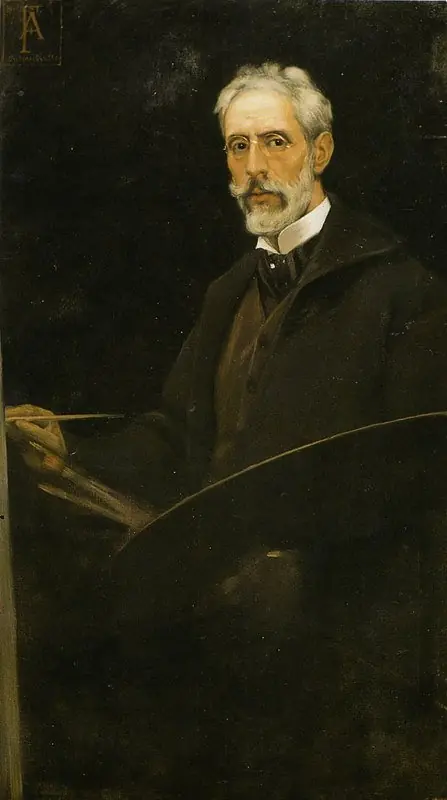
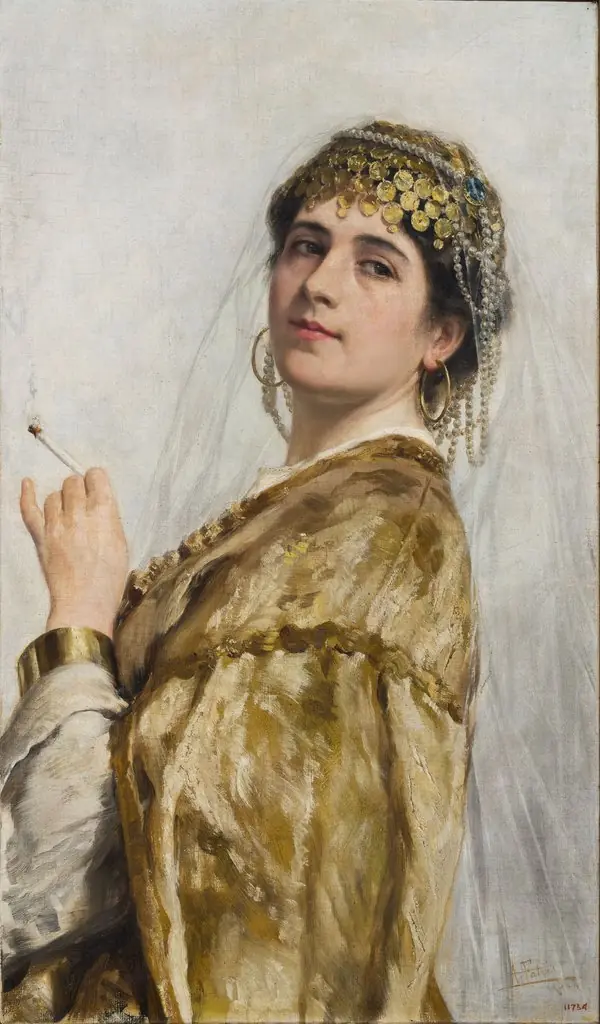
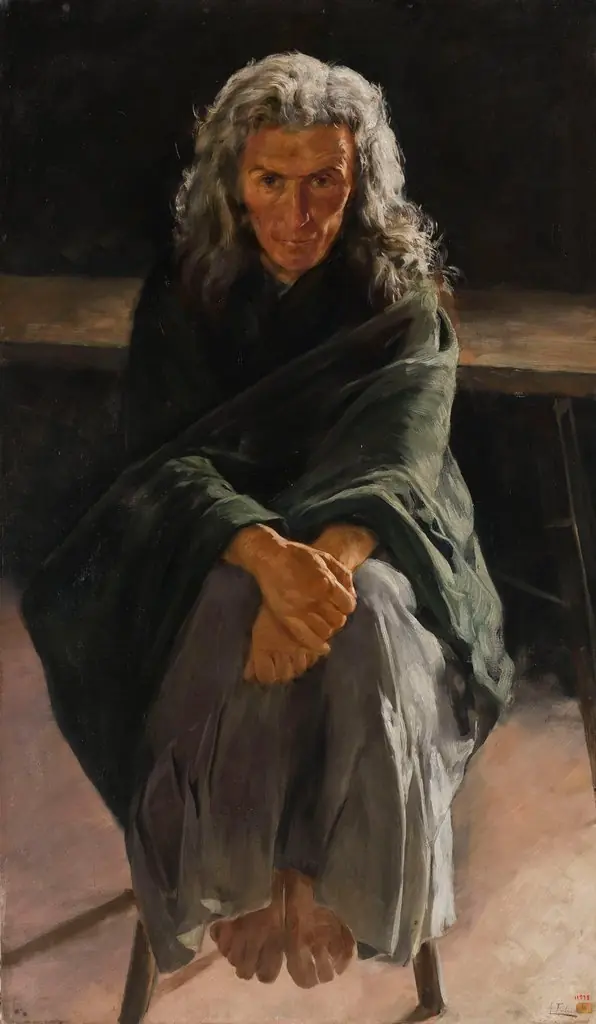
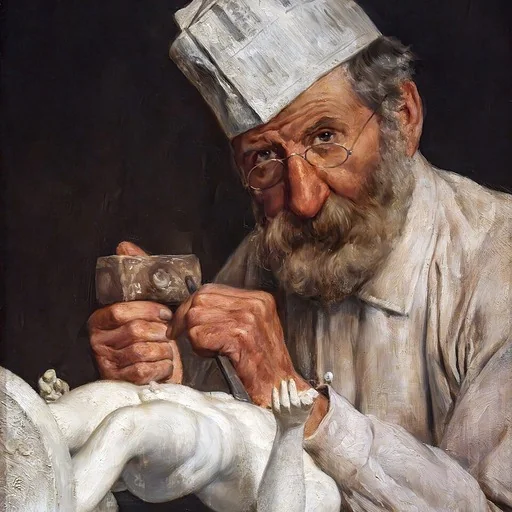
Antoni Maria Fabrés i Costa (Spanish: Antonio Maria Fabrés y Costa; 1854–1938), also known as Antoni Fabrés, was a Catalan sculptor and painter known especially for his depictions of Orientalist and period subjects.