Artwork
The toilette of Venus
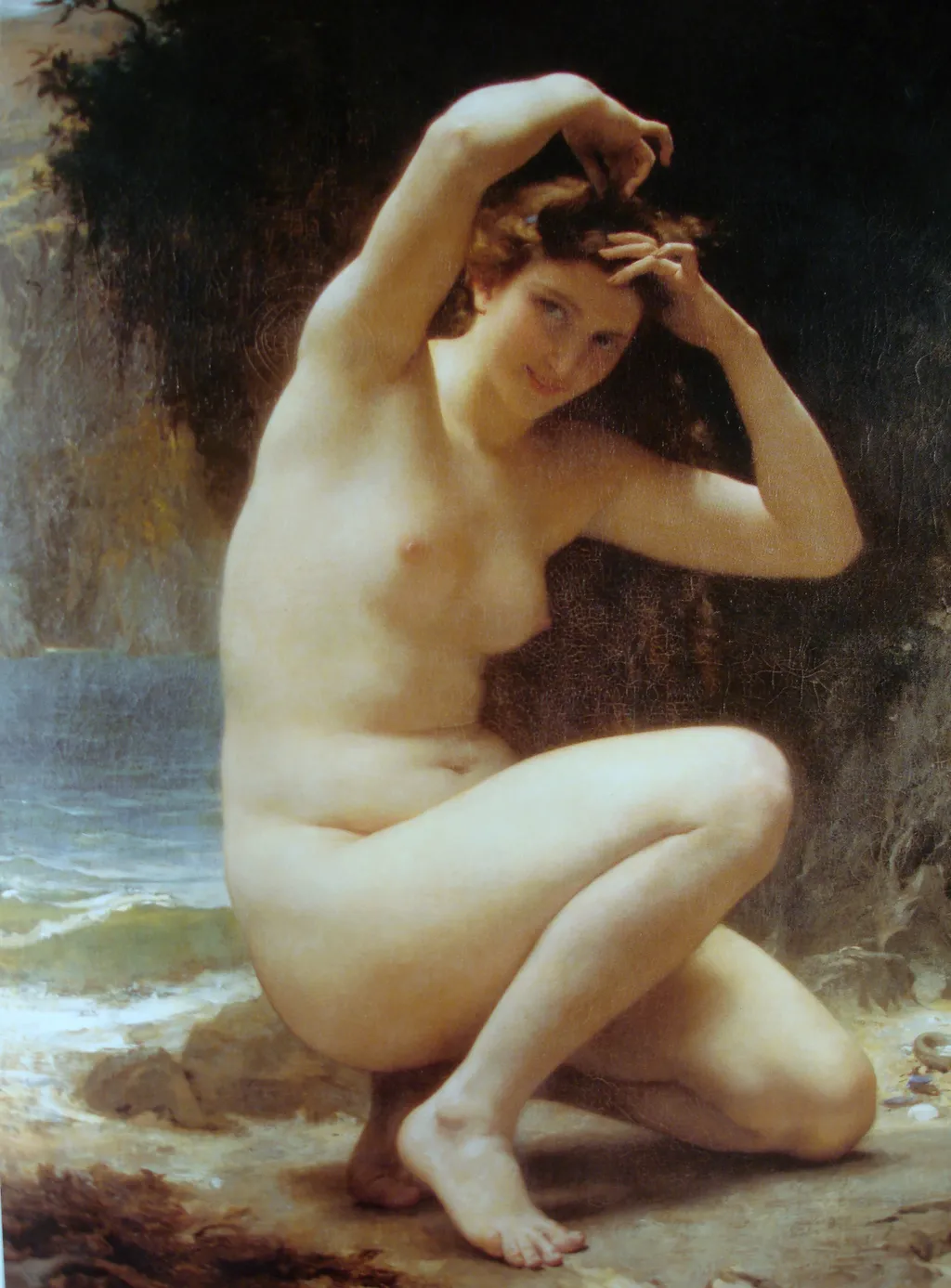
The toilette of Venus is an oil painting by the Academic Art artist William Adolphe Bouguereau. It dates from 1873 and is held in the collection of the National Museum of Fine Arts, Argentina.
About this work
Subject & Meaning
The painting depicts Venus at her toilette, shown squatting on a rocky shore and gazing directly at the viewer while washing her hair.
The painting depicts Venus at her toilette, shown squatting on a rocky shore and gazing directly at the viewer while washing her hair. Bouguereau's composition draws on the classical type of the Crouching Venus, emphasizing the goddess's nudity and idealized anatomy in a moment of intimate care. The sea and wind-blown waves frame the scene, evoking a natural setting associated with the birth and domain of Venus.
Scholars interpret the work as an academic reimagining of ancient prototypes, aligning the subject's pose and attributes with the Roman goddess Venus and her Greek counterpart Aphrodite, drawing on the antique Crouching Venus type. The toilette scene underscores themes of beauty, renewal, and classical myth, while the figure's direct gaze invites the viewer into a moment of private ritual transformed into a public ideal.
Technique & Style
Executed in 1873, this academic work is an oil painting on canvas measuring 170 cm by 130 cm. The composition features a red-haired female figure in a squatting position on a beach, washing herself while gazing directly at the viewer. Bouguereau renders the mythological subject with smooth, polished surfaces characteristic of academic painting, capturing detailed anatomical features. The background incorporates naturalistic elements such as sea waves and the shore, framing the nude form of Venus inspired by the classical Crouching Venus type.
History & Provenance
The Toilette of Venus was painted by William-Adolphe Bouguereau in 1873, executed in oil on canvas. The work draws on the classical motif of the Crouching Venus, reimagining the ancient subject as a mythological nude of a red-haired Venus washing at the shoreline. It is held in the collection of the National Museum of Fine Arts in Argentina, where it remains on view.
The sources do not document an earlier ownership chain, a specific commissioner, or intermediate provenance prior to its entry into the Argentine national collection, nor do they record specific inventory numbers or exhibition history.
Context
Created in 1873, The Toilette of Venus by William-Adolphe Bouguereau stands as a definitive example of academic art, a movement characterized by its adherence to classical traditions and technical precision. The work synthesizes mythological subject matter with the idealized human form, depicting the goddess in a squatting position while attending to her appearance. This composition draws direct inspiration from the ancient Crouching Venus type, reinterpreting classical antiquity through a 19th-century lens.
Housed in the National Museum of Fine Arts in Argentina, the painting exemplifies Bouguereau's mastery of oil on canvas and his focus on the nude figure within a narrative context. By integrating elements such as the sea, wind, and specific anatomical details, the artist bridges the gap between ancient sculpture and contemporary painting techniques. The piece remains a significant artifact for understanding the continuity of mythological themes in the academic tradition of the late 19th century.
Overview
The toilette of Venus, an oil painting from 1873 by William-Adolphe Bouguereau, portrays the Roman goddess Venus in a classical landscape. This work exemplifies the academic style prevalent in 19th-century France, characterized by its meticulous execution and idealized classical themes. Bouguereau, a prominent figure in this tradition, frequently depicted mythological narratives, focusing on the human form with a high degree of finish.
Own this work as a print
Artist & collection
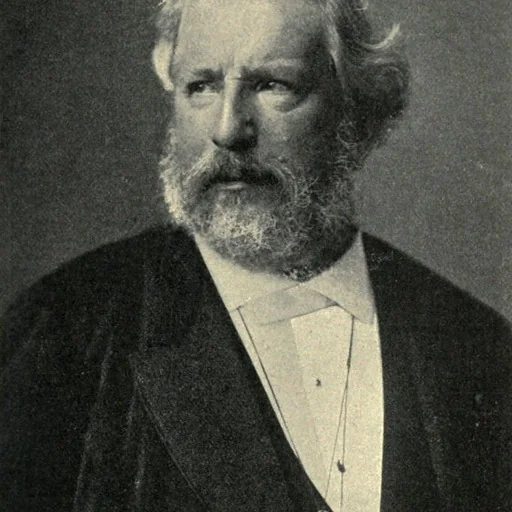
Artist
William-Adolphe Bouguereau (French pronunciation:; 30 November 1825 – 19 August 1905) was a French academic painter.

Museum
National Museum of Fine Arts, Argentina
Continue through works from the same source collection.