Artwork
Portrait of Stanislas-Auguste Poniatowski
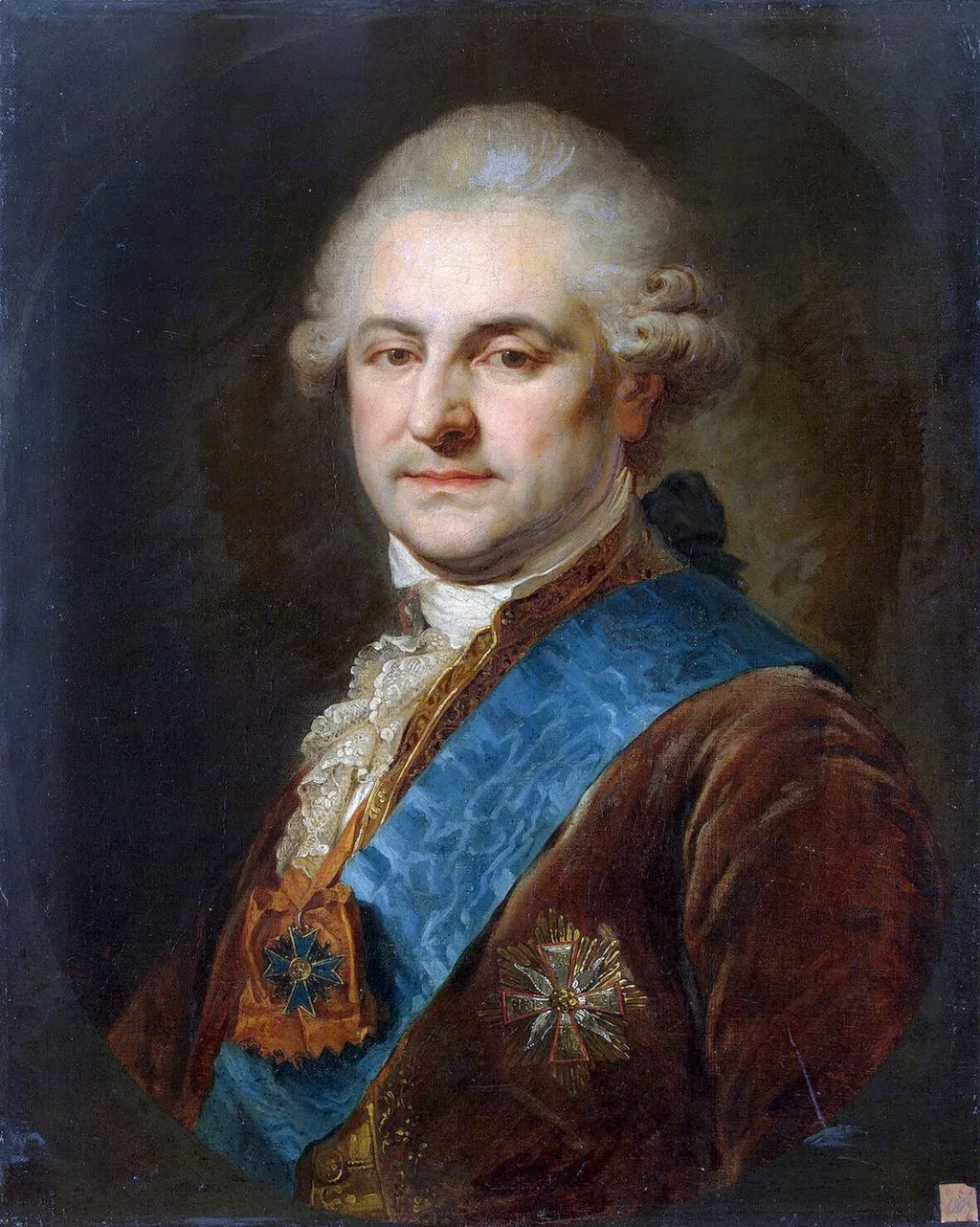
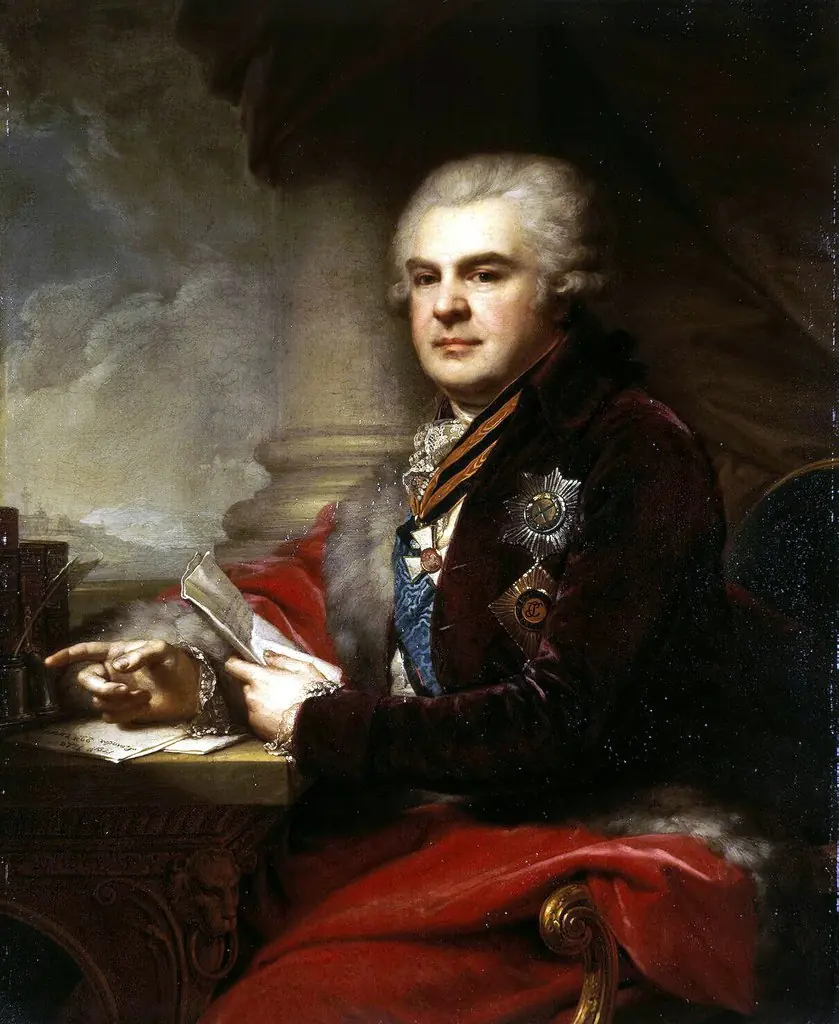
Portrait of Stanislas-Auguste Poniatowski is an oil painting by the Rococo painting artist Johann Baptist von Lampi the Elder. It dates from 1794 and is held in the collection of the Hermitage Museum. Created in 1794, this oil portrait presents Stanisław August Poniatowski, the last king of Poland.
About this work
Overview
The Portrait of Stanislas-Auguste Poniatowski is an oil on canvas painting by Johann Baptist von Lampi the Elder, dated 1788.
The Portrait of Stanislas-Auguste Poniatowski is an oil on canvas painting by Johann Baptist von Lampi the Elder, dated 1788. Measuring 69 by 55 centimetres, the bust-length portrait depicts the last King of Poland and Grand Duke of Lithuania, Stanisław August Poniatowski, and is held in the collection of the Hermitage Museum in Saint Petersburg. Executed in Austria, the work exemplifies the refined court portraiture of the late Enlightenment period and represents a significant document of Polish royal iconography at the moment before the final partitions that would dissolve the Polish-Lithuanian Commonwealth.
Subject & Meaning
The portrait depicts Stanisław August Poniatowski, who reigned from 1764 until 1795, the year of his abdication. The king is shown with powdered hair in curled rolls, gathered at the back with a black ribbon, his brown eyes meeting the viewer with directness. His attire proclaims his sovereignty and honours: a brown velvet coat with gold embroidery, a white lace cravat, and a blue silk sash across his chest. Two orders are prominently displayed: a star-shaped medal on the left breast and a cross-shaped decoration suspended from an orange ribbon on the right. These insignia identify the monarch's distinguished status and his role as a member of chivalric orders, central to the visual language of European absolutist representation. The dark, undefined background with subtle tonal variations isolates the figure, focusing attention on the king's physiognomy and regalia, while the lighting from the upper left models his rounded face and fair complexion with classical balance.
Technique & Style
Lampi employed oil paint on canvas with a smooth and refined handling, particularly evident in the flesh tones and the delicate rendering of fabric textures. The palette is restrained yet rich, consisting of deep browns, rich blues, creamy whites, and touches of gold. Light falls from the upper left, illuminating the face, wig, and lace cravat while casting soft shadows on the right side of the face, creating a three-dimensional modelling characteristic of late eighteenth-century academic portraiture. The brushwork becomes more visible in the background, providing textural contrast to the polished finish of the figure. The overall effect is one of dignified elegance, combining the precision of Austrian court painting with the psychological directness that Lampi brought to his portraits of European monarchs and aristocracy.
History & Provenance
The painting was created in 1788 in Austria, a period when Lampi had established himself as a leading portraitist at the Habsburg court and was receiving commissions from rulers across Europe. The work entered the collection of the Hermitage Museum, where it remains today. Its accession history at the Hermitage has not been specified in the available sources. The portrait has not been recorded in major exhibition histories in the provided documentation, though it forms part of one of the world's most significant repositories of European painting.
Context
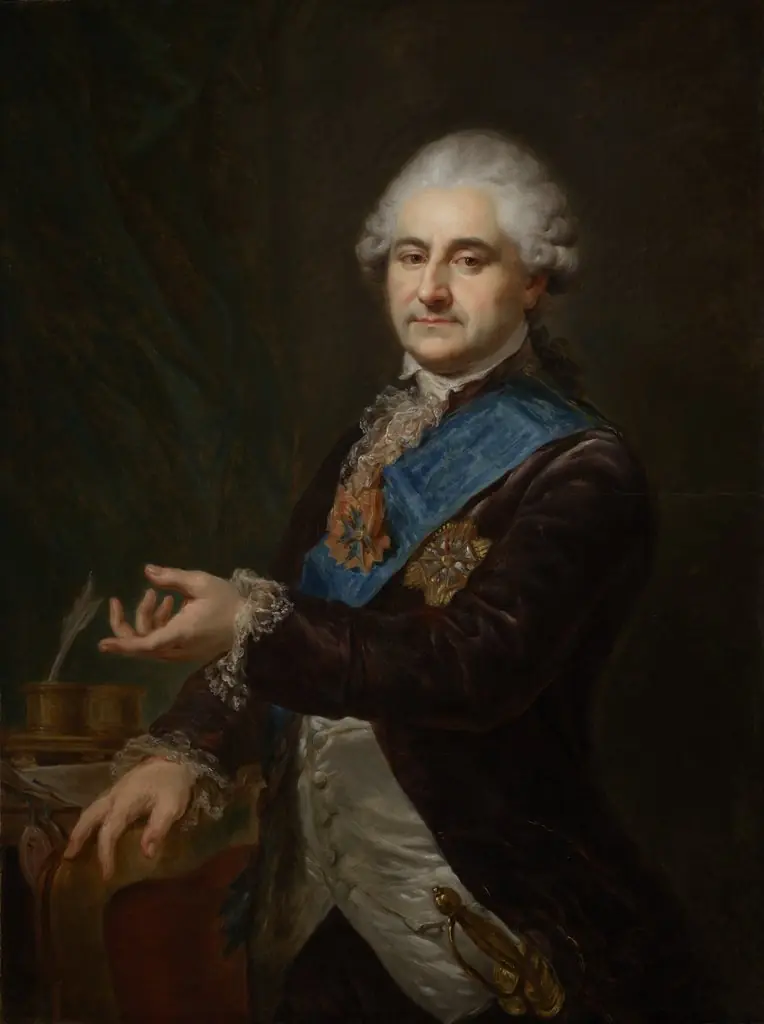
Johann Baptist von Lampi the Elder was among the most sought-after portrait painters of his generation, working for the Austrian imperial family and courts throughout Europe. His depiction of Stanisław August Poniatowski belongs to a broader corpus of portraits of the Polish king, a category that encompasses at least one hundred works according to Wikimedia Commons documentation. The year 1788 was significant in Poniatowski's reign: it marked the convening of the Great Sejm, which would produce the Constitution of 3 May 1791, Europe's first modern written national constitution. Lampi's portrait thus captures the monarch at a moment of political aspiration, even as the partitions of Poland loomed. The painting should be distinguished from a larger portrait by Lampi of Prince Stanisław Poniatowski, the king's nephew, which measures 116 by 86 centimetres and is held at the National Museum in Kraków; that work depicts the prince with the cross of the Order of Saint Andrew the First-Called, the sash and star of the Order of the White Eagle, and the coat of the Order of Malta.
Artist & collection
Artist
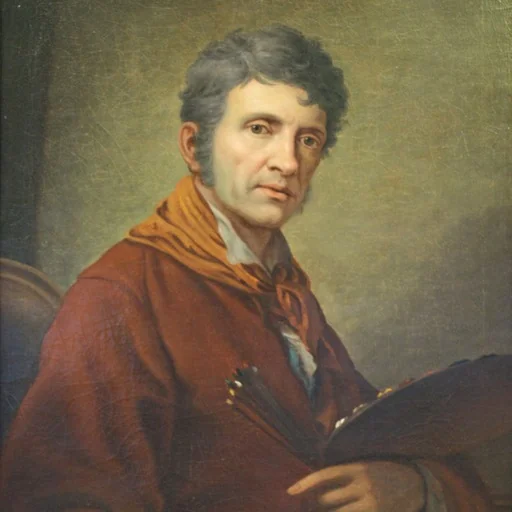
Johann Baptist von Lampi the Elder
Johann Baptist von Lampi the Elder (German: Johann Baptist von Lampi der Ältere, Polish: Jan Chrzciciel Lampi; 31 December 1751 – 11 February 1830) was an Austrian-Italian historical and portrait painter.

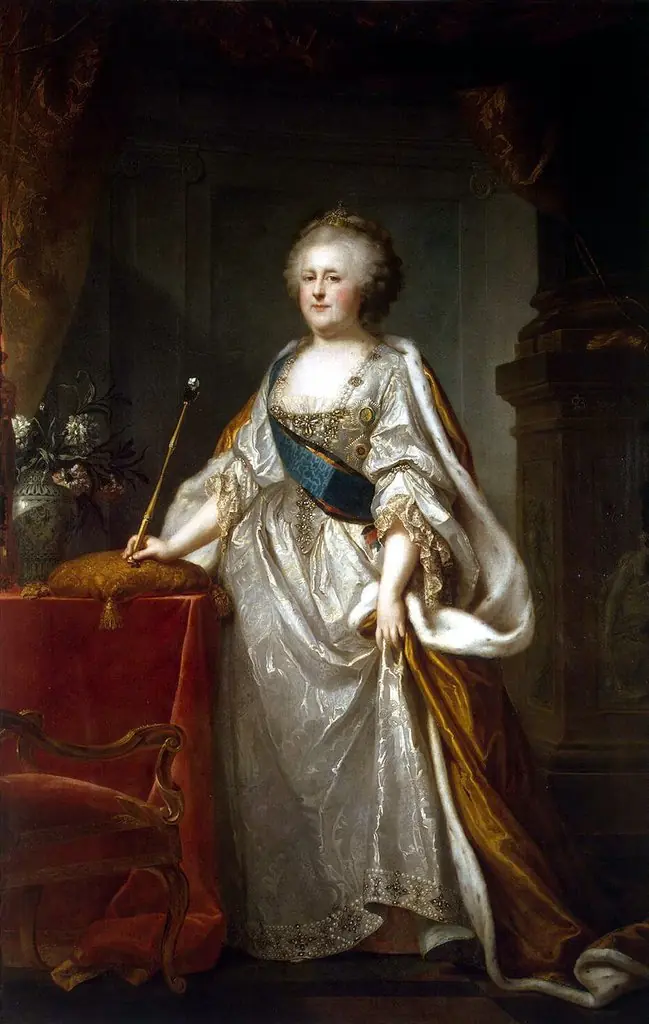
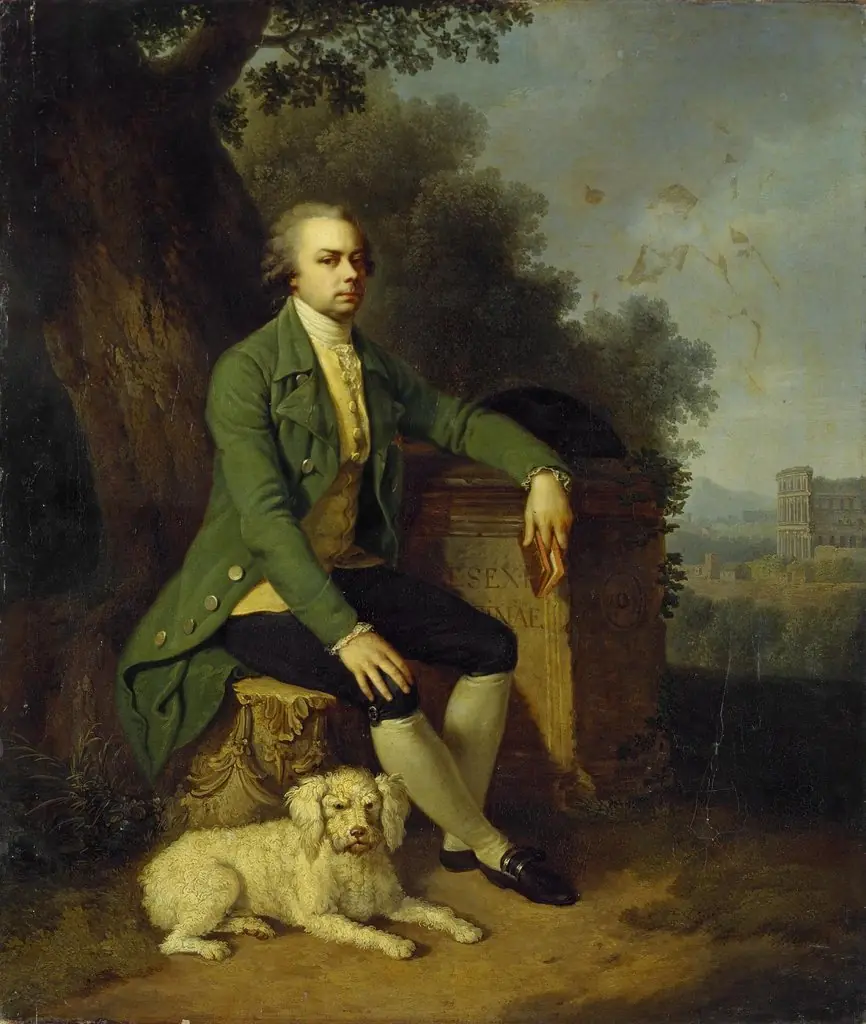
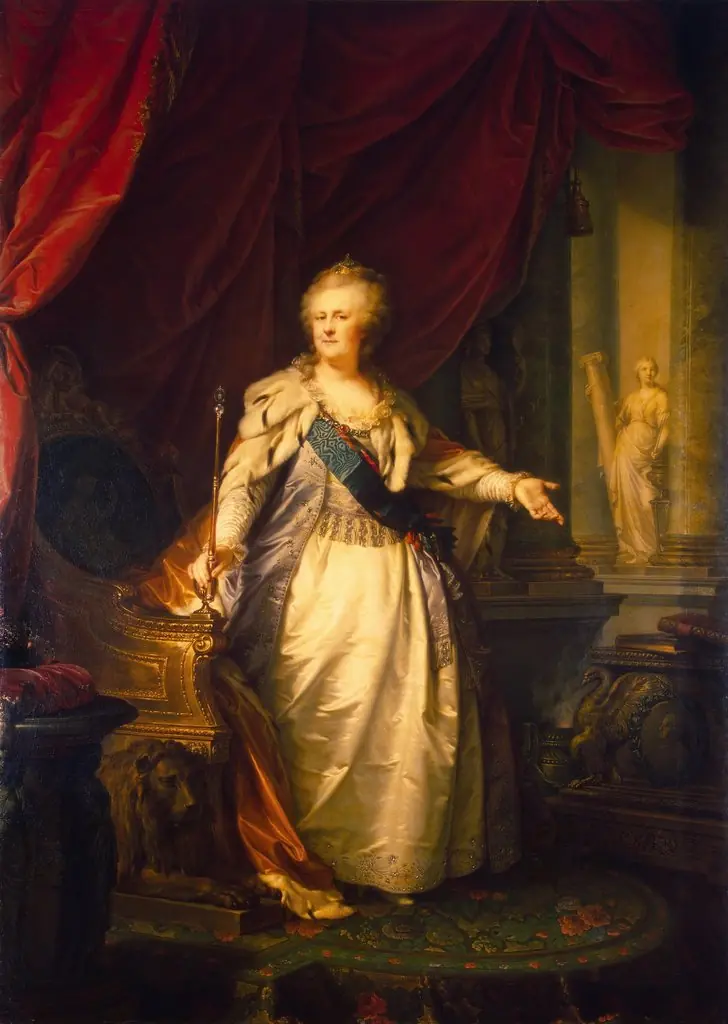
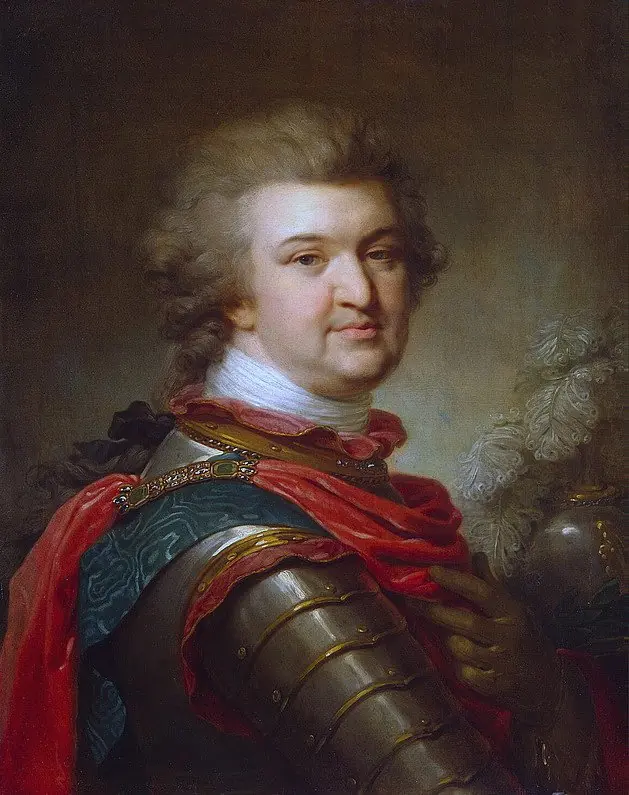
- Portrait of Stanislaus Augustus Poniatowski (1732–1798)
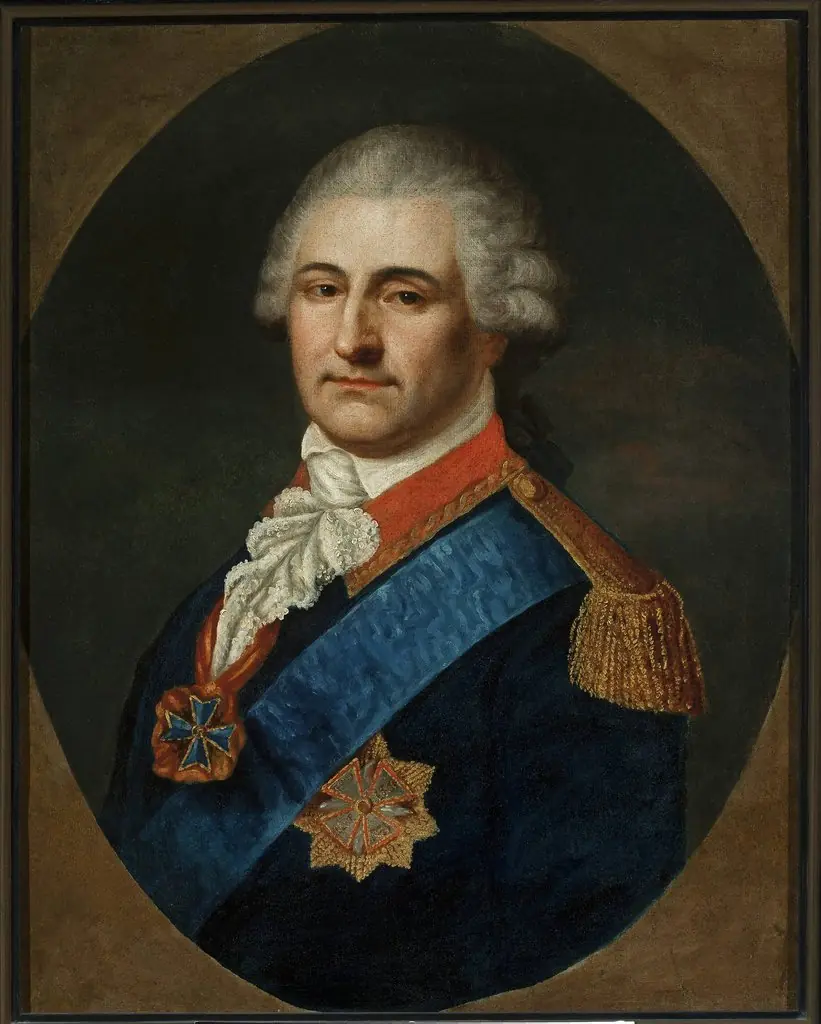 Portrait of Stanisław August Poniatowski in the general’s uniform
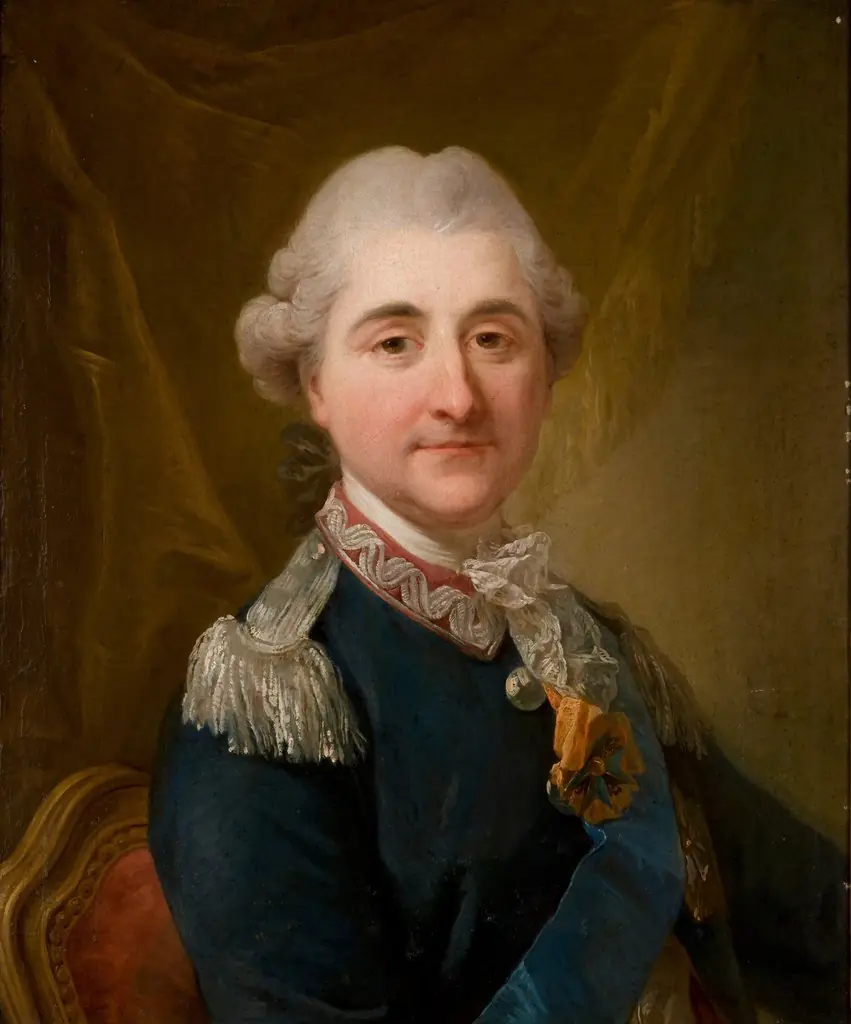 Portrait of King Stanislaus Augustus Poniatowski
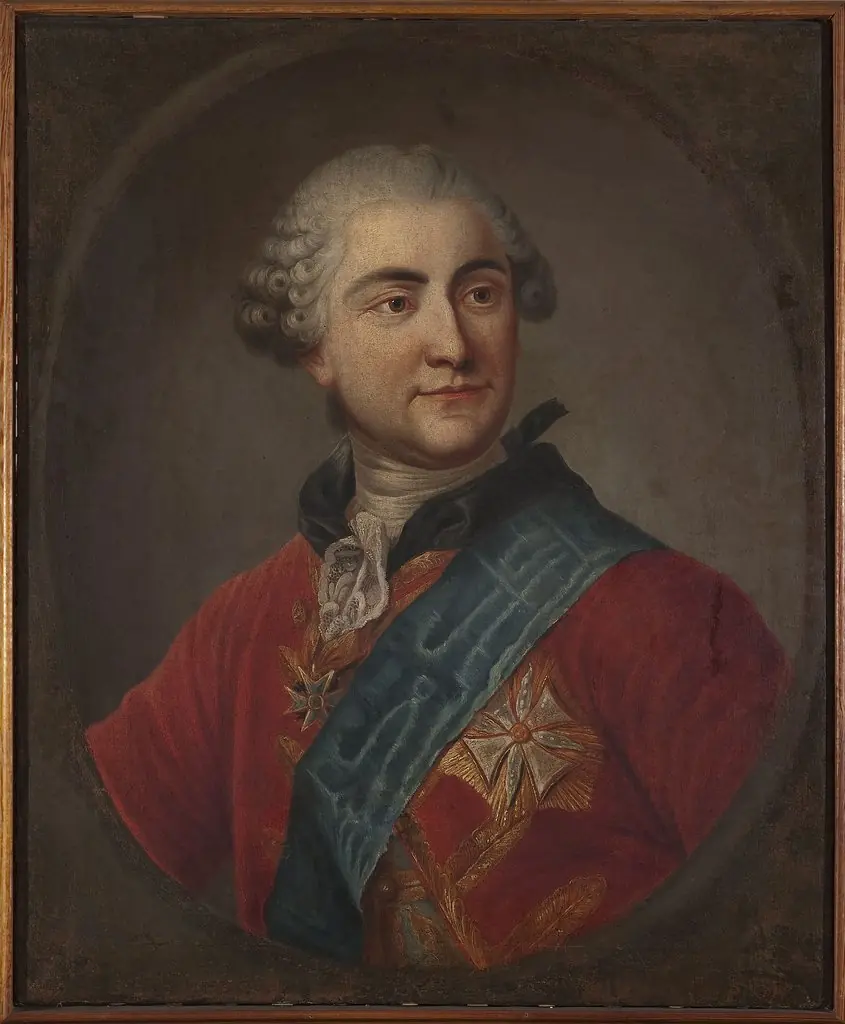 Portrait of Stanisław August Poniatowski
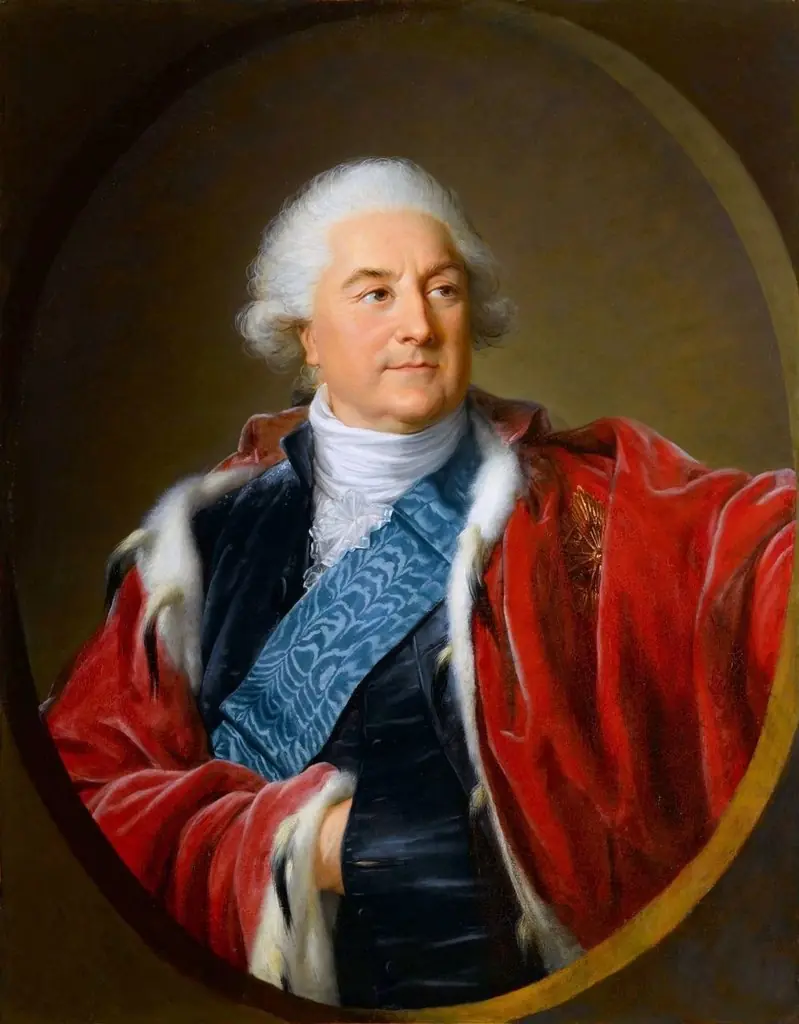 Portrait of Stanislaus Augustus Poniatowski, king of Poland
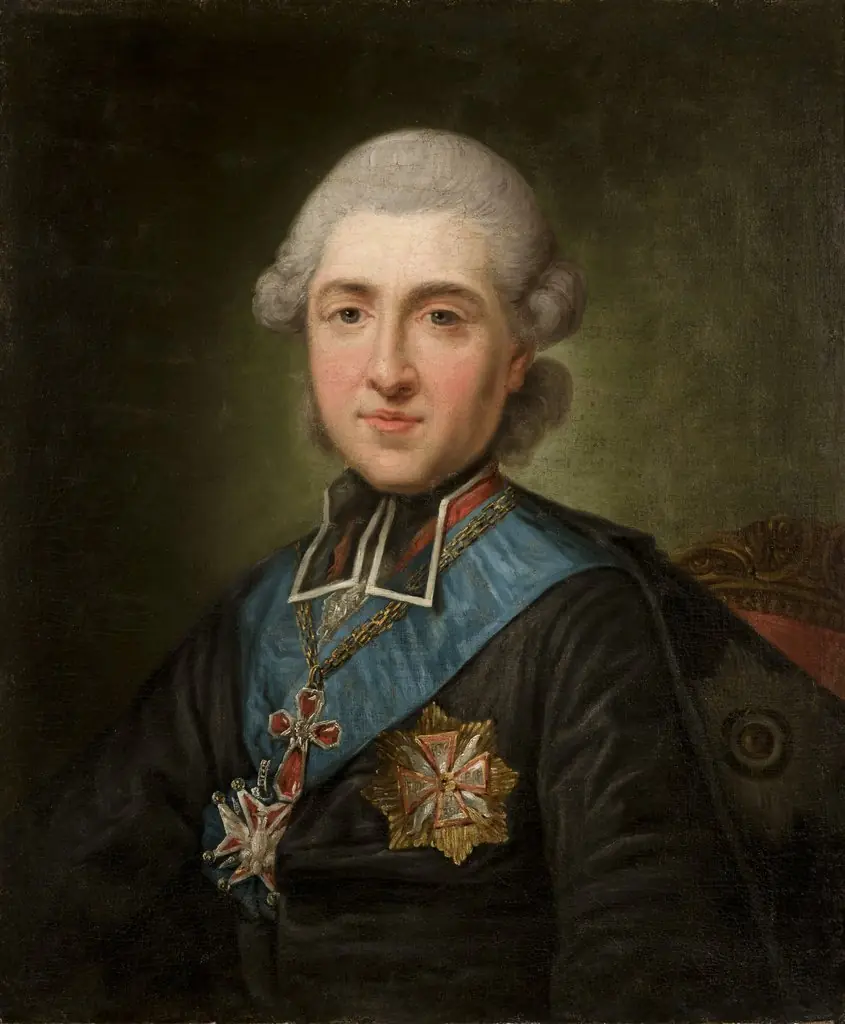 Portrait of Primate Michał Poniatowski
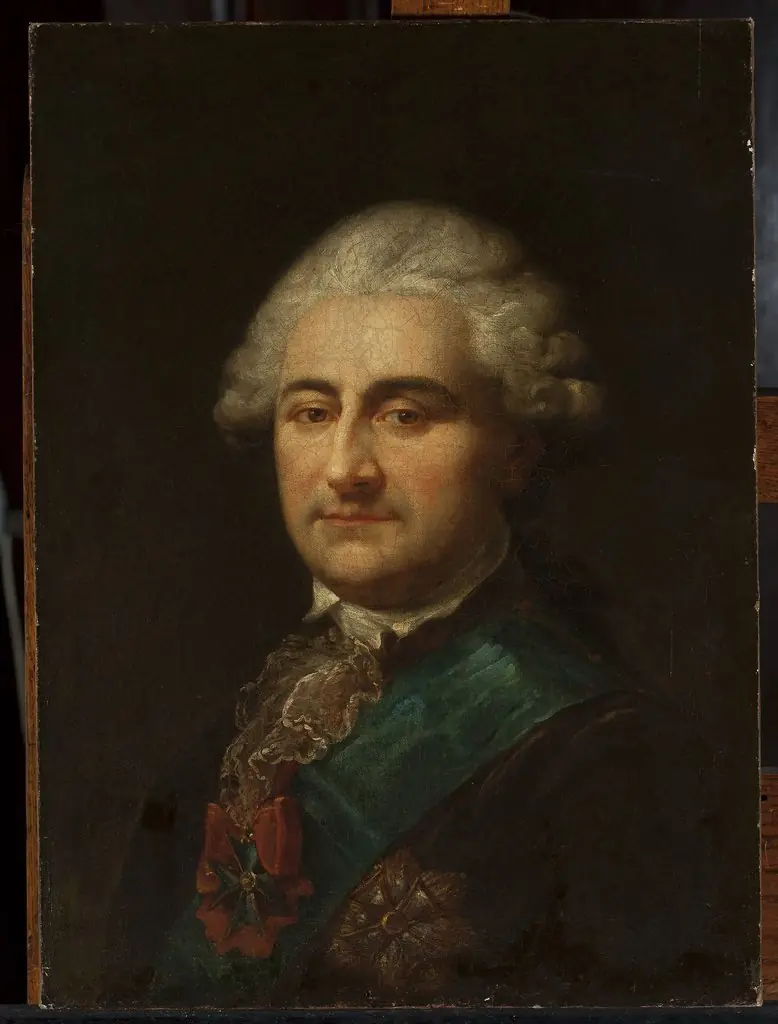 Portrait of Stanisław August Poniatowski with the Order of the White Eagle
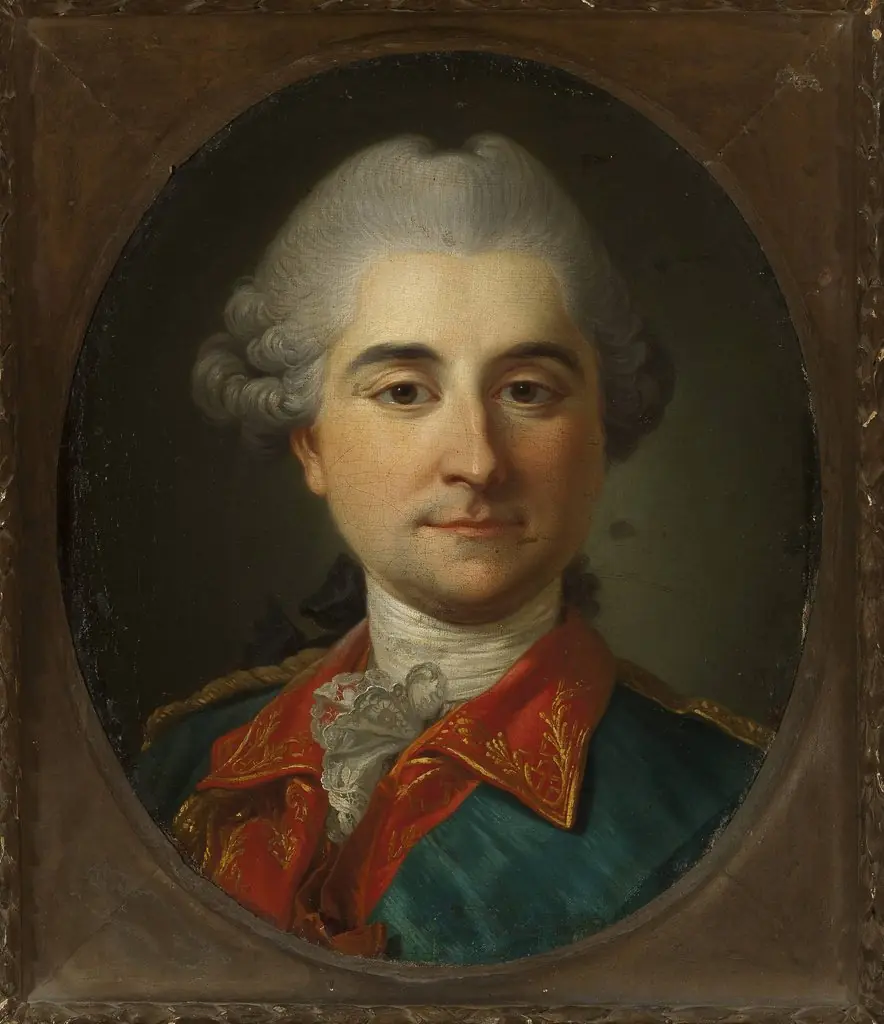 Portrait of Stanisław August Poniatowski
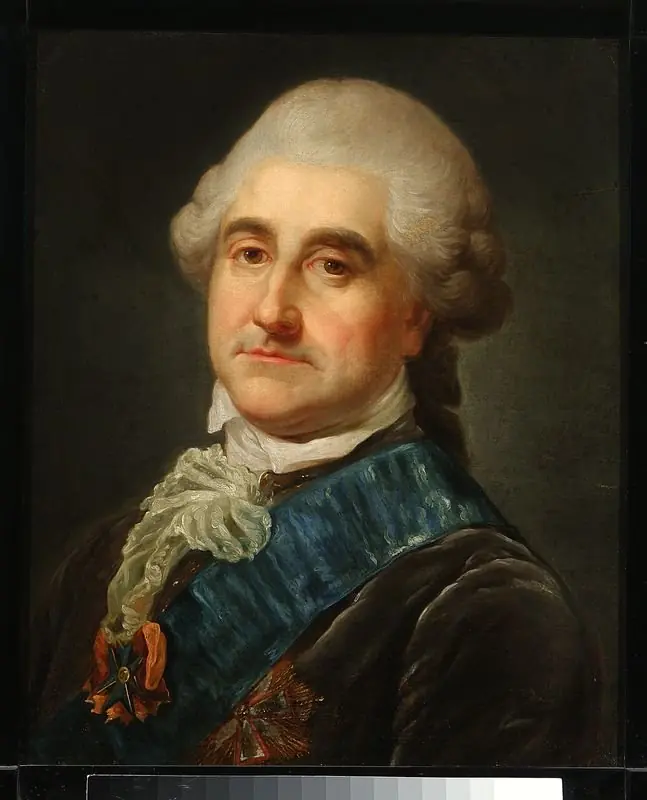 Portrait of Stanisław August Poniatowski