Artwork
Willem Crul
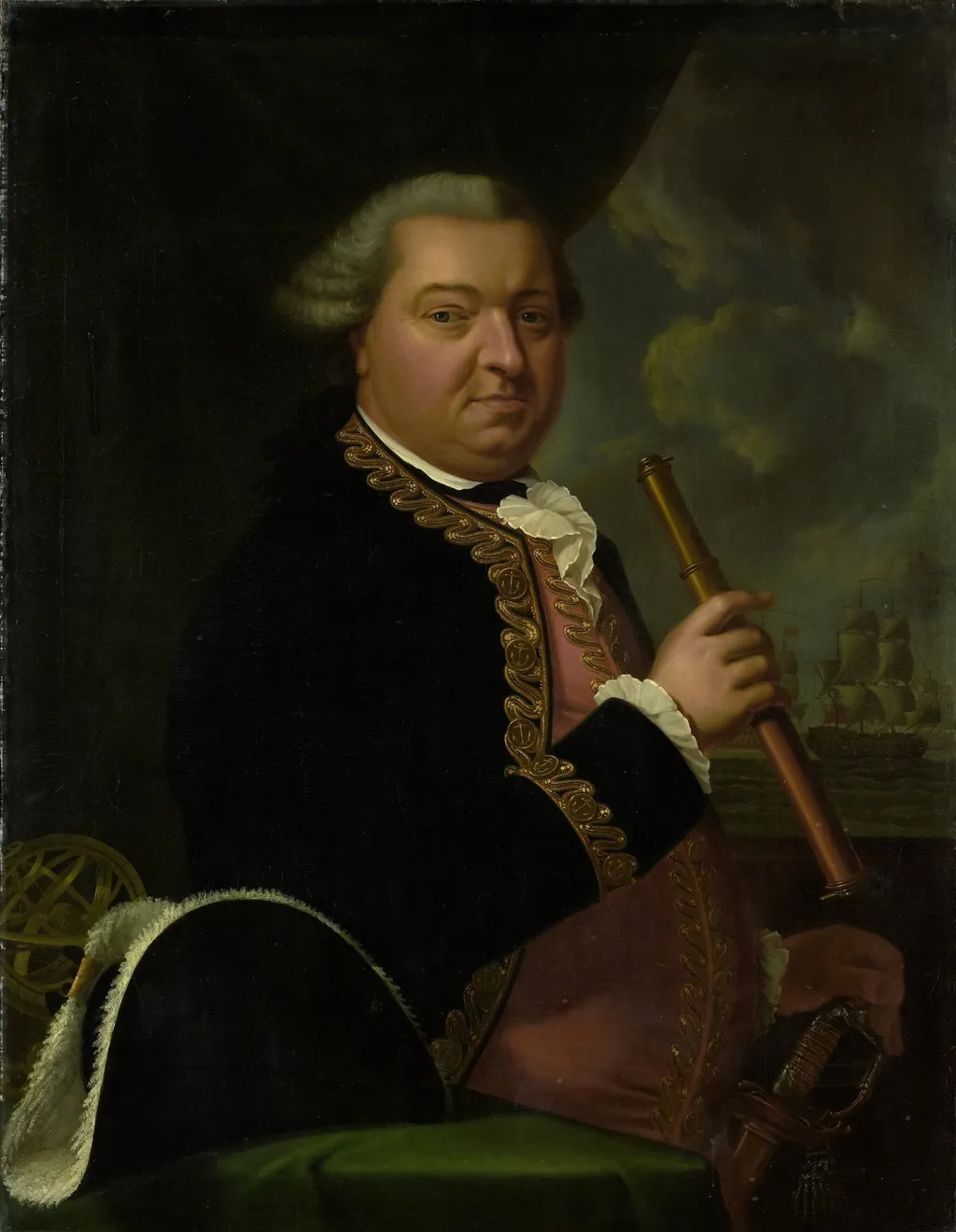
Willem Crul is an oil painting by Johann Julius Heinsius. It dates from 1793 and is held in the collection of the Rijksmuseum.
About this work
Subject & Meaning
Symbolic details include a three‑cornered table, an open curtain, a view of warships at sea, a three‑cornered steek on the table, and an armillary sphere.
The portrait shows Willem Crul in his capacity as schout-bij-nacht, who escorted a merchant convoy from Sint Eustatius to the Netherlands in 1781 before being killed by an English squadron near Sombrero. His death elevated him to a national hero, and the painting portrays him in uniform with a spyglass in his right hand and his left hand resting on the hilt of his sword. Symbolic details include a three‑cornered table, an open curtain, a view of warships at sea, a three‑cornered steek on the table, and an armillary sphere.
The composition draws on 17th‑century admirals' portraits. The work is attributed to Cornelis van Cuylenburgh (II) and was likely commissioned by Alexander Gogel, a relative of Crul and director of the National Gallery of Art in The Hague.
Technique & Style
The portrait of Willem Crul held by the Rijksmuseum is executed in oil paint on canvas. The work measures 113 cm in height and 88 cm in width. Stylistically, the composition incorporates elements derived from 17th-century admiral portraits, including a table in the foreground, an open curtain, and a background seascape featuring warships.
The subject is depicted in uniform, holding a telescope in his right hand while his left rests on a sword hilt; a tricorne hat and an armillary sphere are placed on the table. This specific painting is a free copy of an earlier 1763 portrait by Johann Ernst Heinsius. Unlike the Heinsius original, this version is neither signed nor dated.
History & Provenance
The portrait of Willem Crul held by the Rijksmuseum is an unsigned and undated work executed by Cornelis van Cuylenburgh II. It serves as a free copy of an earlier 1763 portrait of the same subject by Johann Ernst Heinsius, which is located in the Fries Museum. Van Cuylenburgh likely created this version around 1801, possibly commissioned by Alexander Gogel, the director of the Nationale Konst-Gallery and a nephew of Crul.
The painting was acquired by the Nationale Konst-Gallery in The Hague in 1801 for 153 guilders. Historical records regarding the purchase cite dates of August 28, September 1, or September 7 of that year. The payment record referring to the artist as "the copyist" confirms Van Cuylenburgh's authorship.
The painting is held in the Rijksmuseum, Amsterdam, with inventory number SK-C-1913.
It was acquired in 1801 by the Nationale Konst-Gallery (the Hague), predecessor of the Rijksmuseum, for 153 guilders; the purchase date is recorded variously as 28 August, 1 September, or 7 September 1801.
Context
The portrait of Willem Crul functions as a posthumous heroic tribute to the naval officer who died in 1781 during the Fourth Anglo-Dutch War. Although the work in the Rijksmuseum is attributed to Cornelis van Cuylenburgh (II), it is a free copy of an earlier 1763 original by Johann Ernst Heinsius held in the Fries Museum. Van Cuylenburgh likely executed the piece around 1801, possibly commissioned by Alexander Gogel, the director of the Nationale Konst-Gallery and Crul's nephew.
The composition deliberately adopts 17th-century admiral portrait conventions, including the sea battle background, the open curtain, and the table with a tricorne hat and armillary sphere, to elevate Crul's status as a national hero.
Legacy
Willem Crul became a celebrated figure in Dutch history after his death in 1781 during a naval engagement against an English squadron near Sombrero, where he died while leading a convoy of merchant ships from Sint Eustatius to the Netherlands. His heroic status was commemorated in a portrait painted by Cornelis van Cuylenburgh II, now held at the Rijksmuseum in Amsterdam, which draws on 17th-century admirals' portrait conventions such as a table with a glass and open curtain and a distant naval scene. The work, an un-signed copy after a 1763 portrait by Johann Ernst Heinsius in the Fries Museum, was acquired by the National Gallery in The Hague in 1801 for 153 guilders and is regarded as a free copy commissioned possibly by Alexander Gogel, a relative of Crul and director of the gallery.
Overview
Johann Ernst Heinsius, a German painter active in the late 18th century, executed an oil portrait of Willem Crul in 1793. The work is part of the Rijksmuseum’s collection and exemplifies the formal portrait genre of its period, presenting the sitter in a richly detailed uniform against a subdued backdrop.
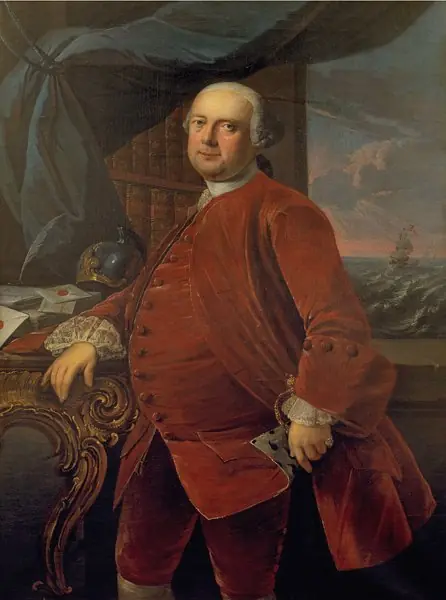
Own this work as a print
Artist & collection
Artist
Johann Julius Heinsius (7 February 1740, Hildburghausen - 19 May 1812, Orléans) was a German oil painter and miniaturist.

- Postmester Frederik Carl Harboe (?)
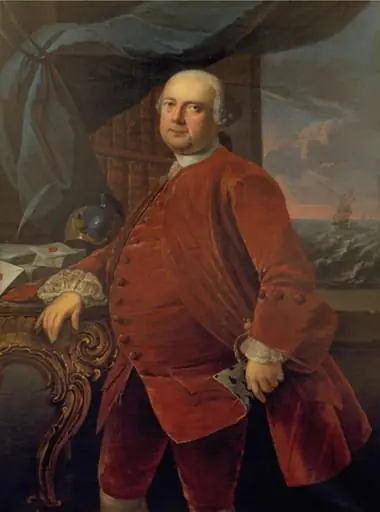 Postmester Frederik Carl Harboe (?)
 Portrait of Pierre André de Suffren de Saint Tropez (1729 – 8 December 1788)
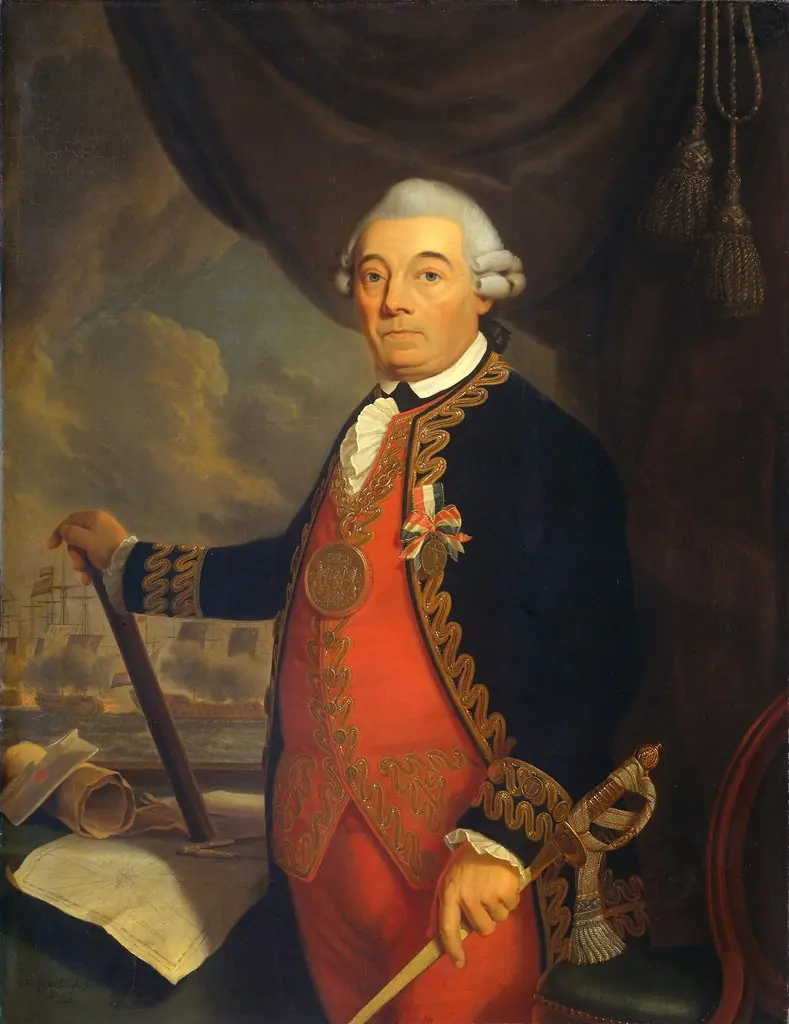 Portrait of Johan Arnold Zoutman
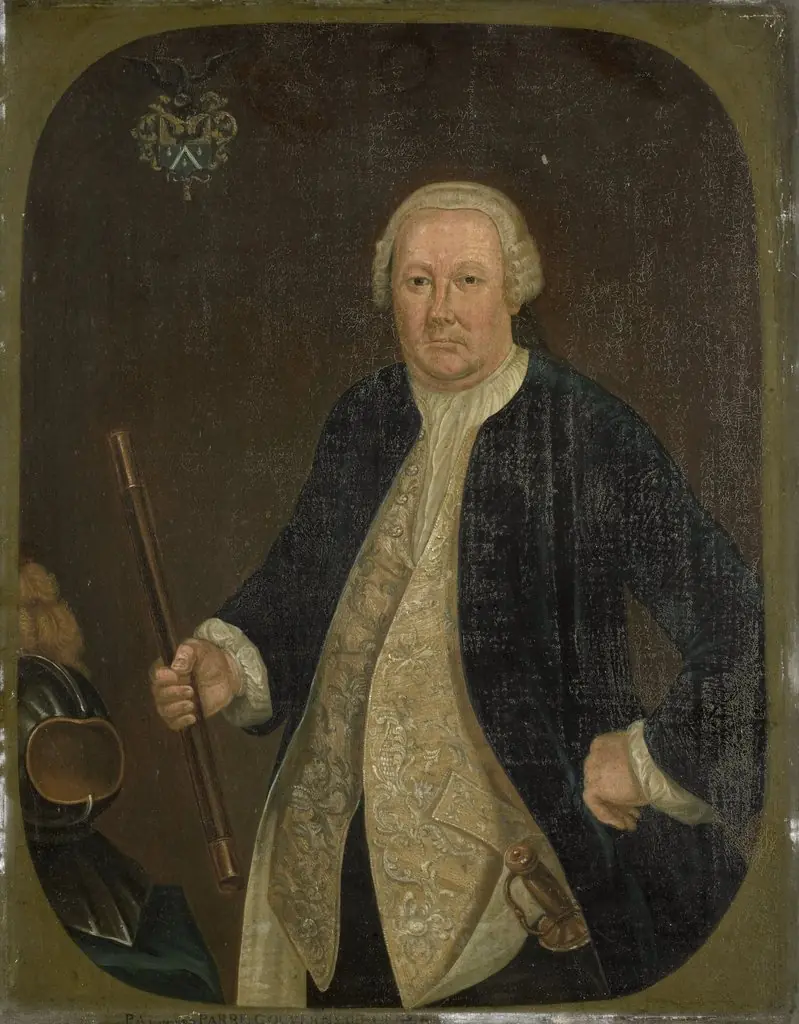 Portrait of Petrus Albertus van der Parra (1714-1775)
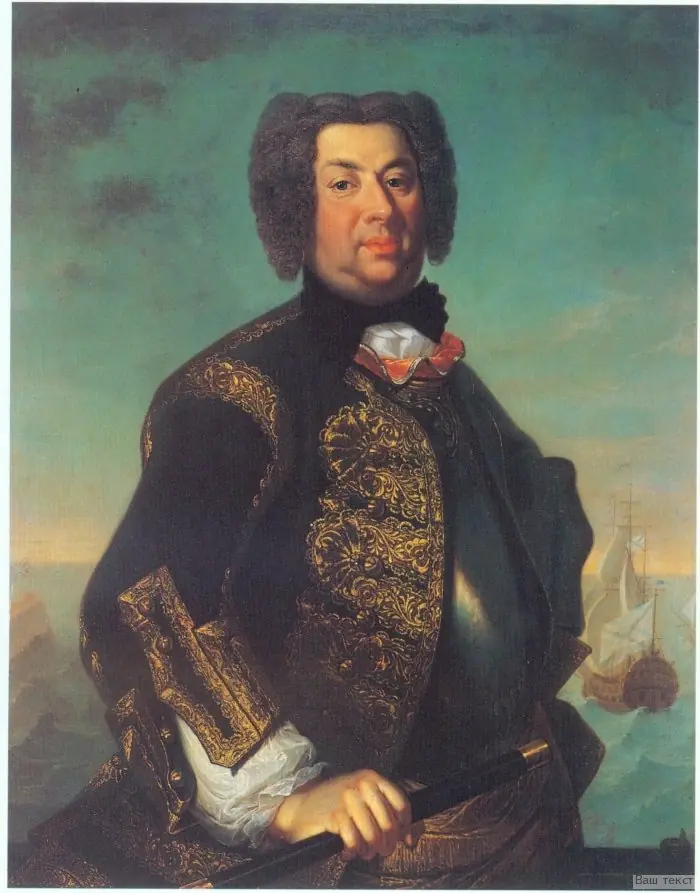 Porträt des Vasily Dmitriev-Mamonov
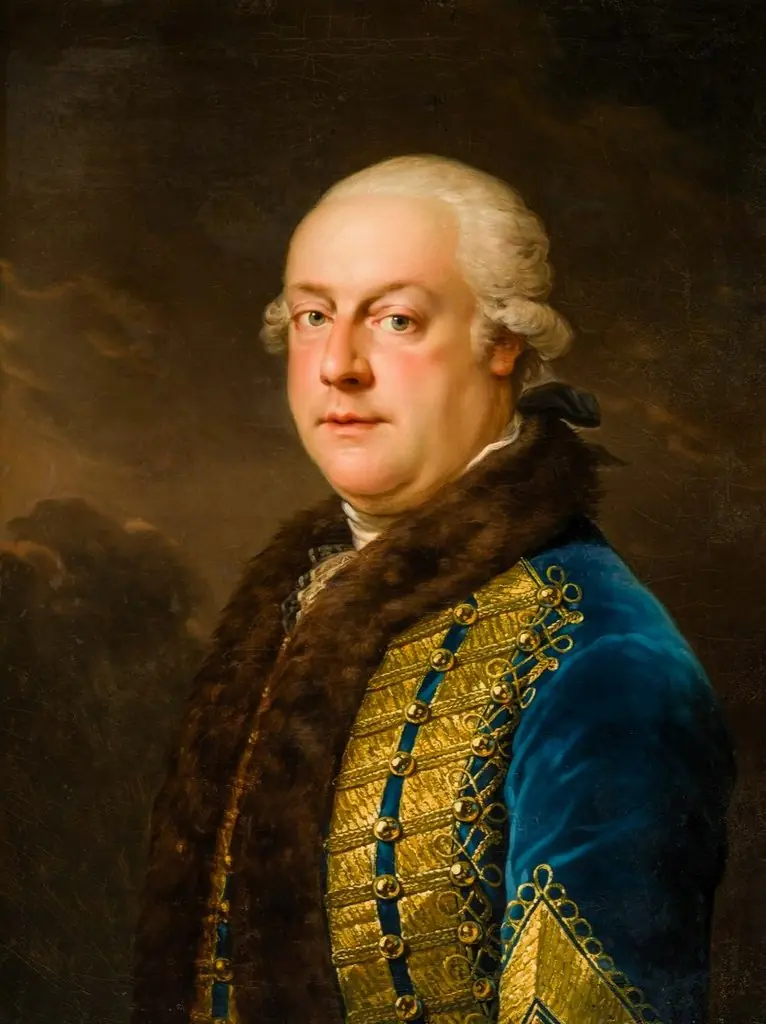 Portrait of Count Miklós Esterházy
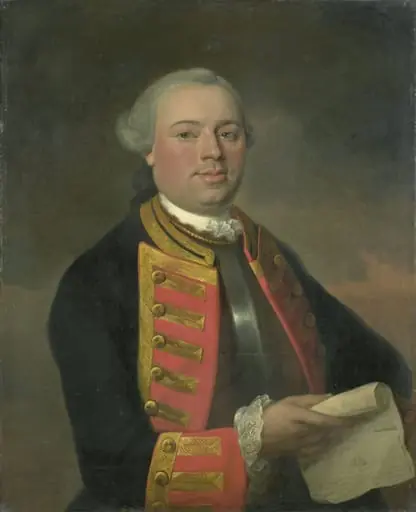 Johan Arnold Zoutman (1724-93), Vice Admiral
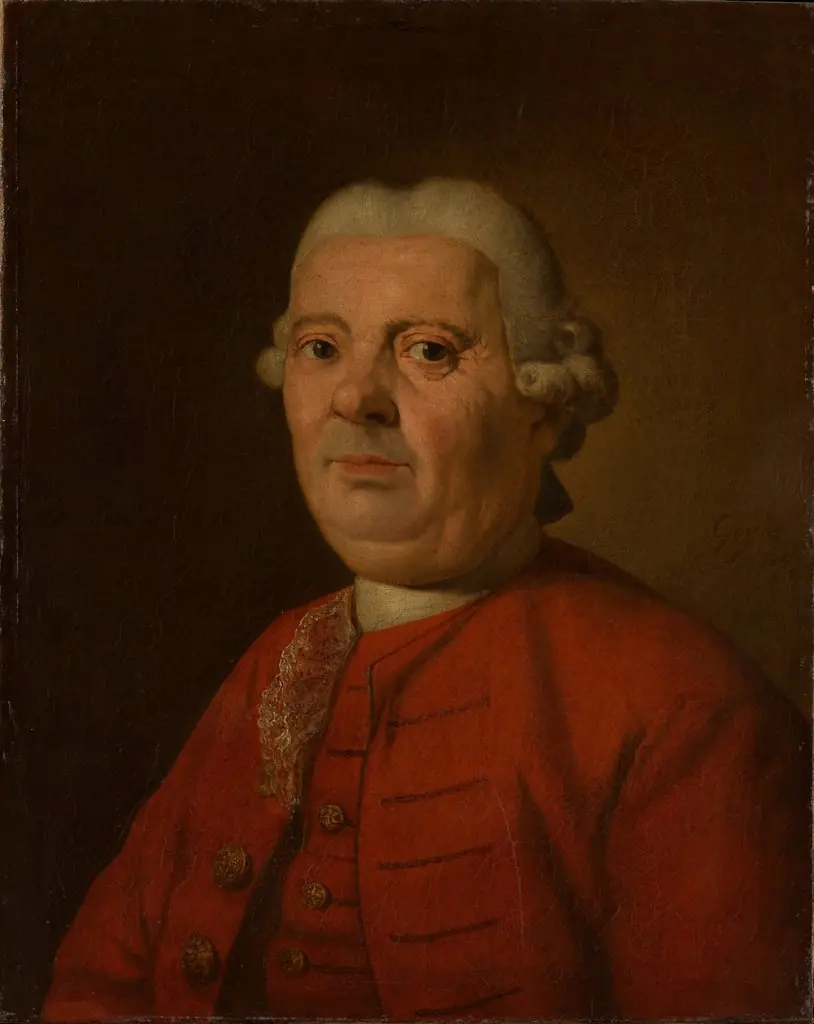 Portrait of a Man
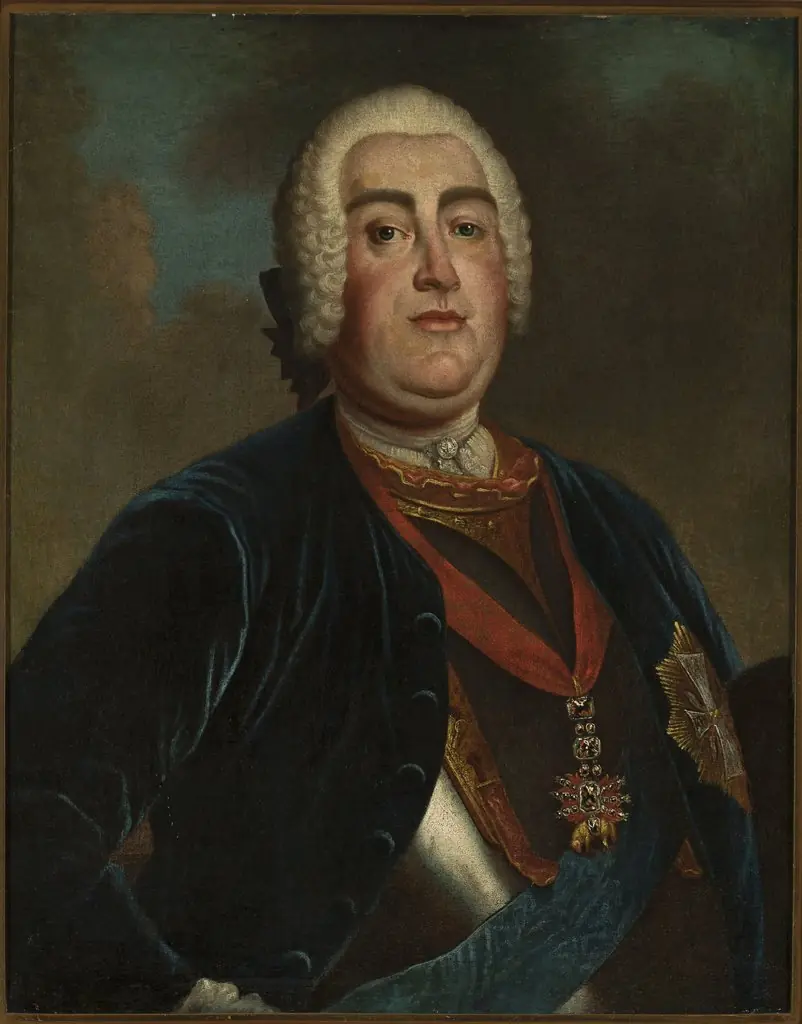 Portrait of Augustus III
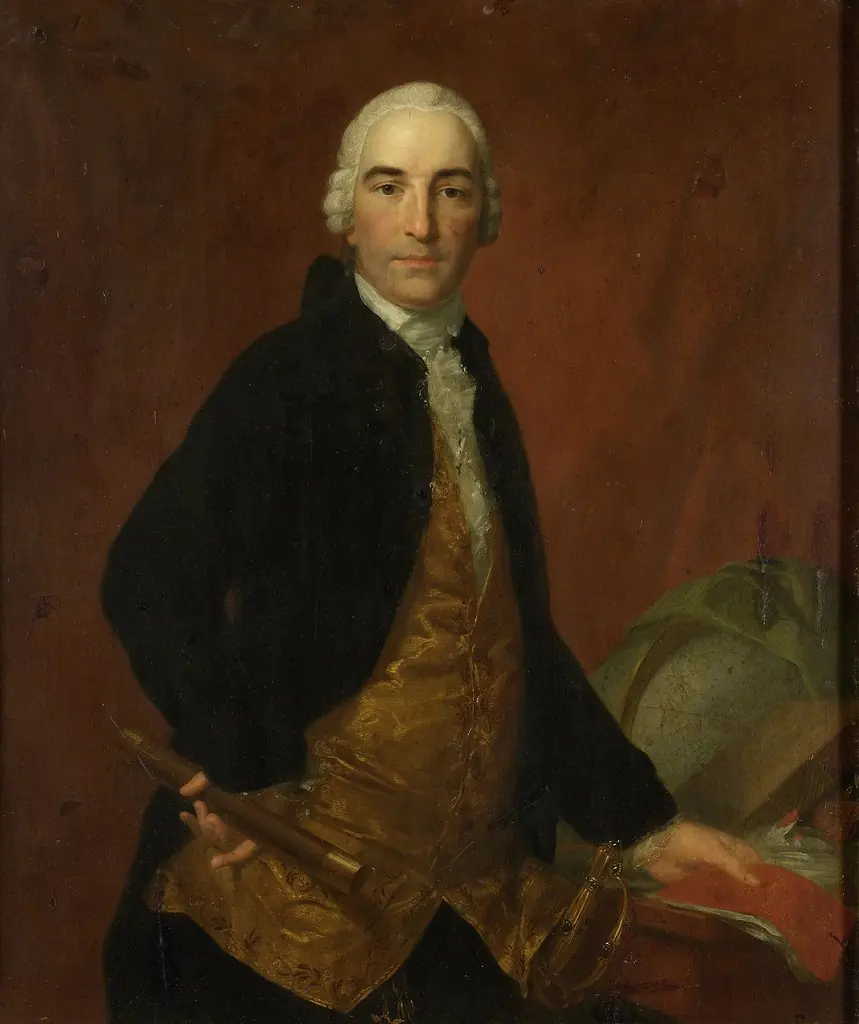 Portrait of Willem Arnold Alting, Governor-General of the Dutch East India Company
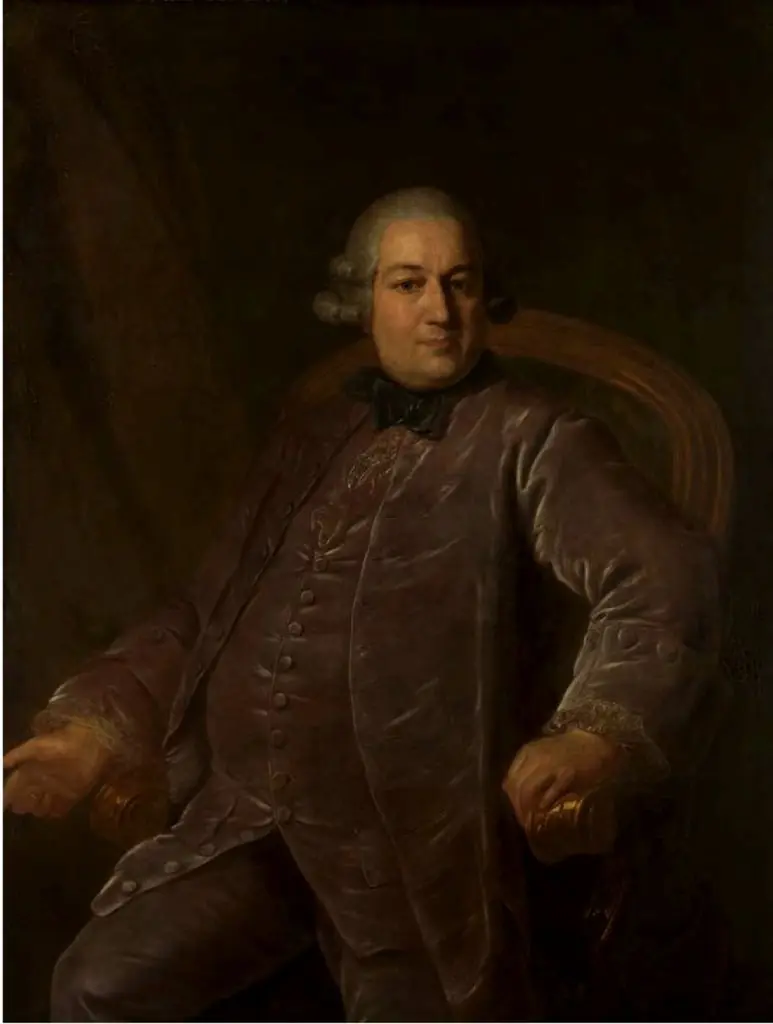 Portrait of P.I. Vyrubov