Artwork
The Rape of Europa
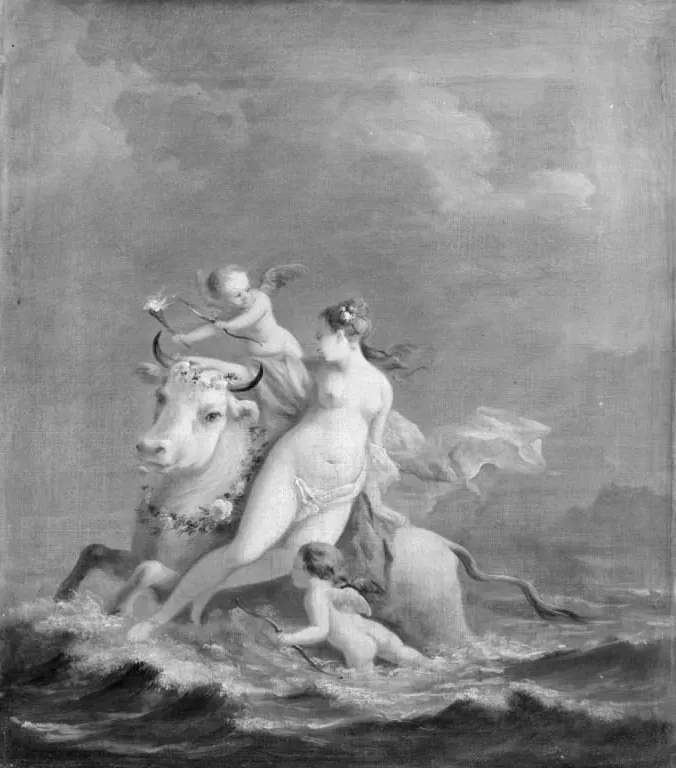
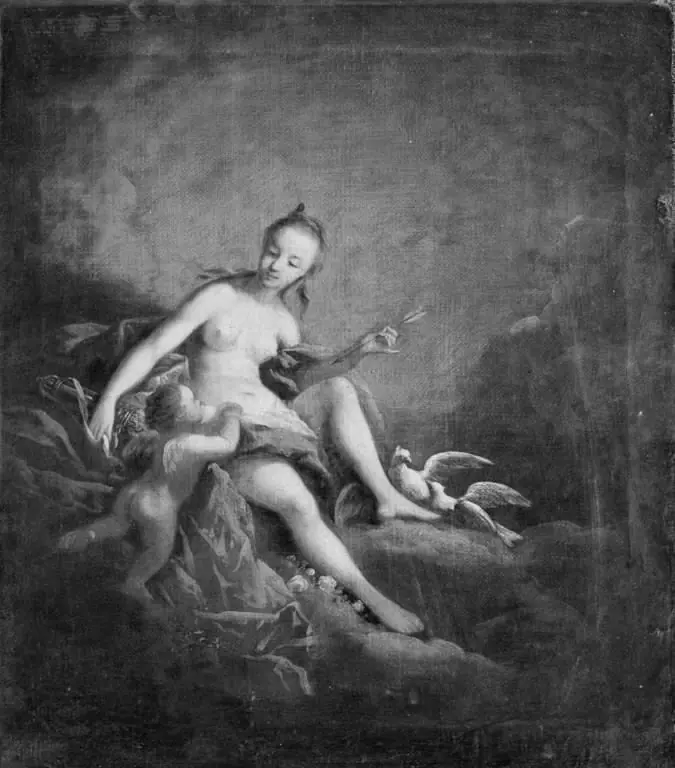
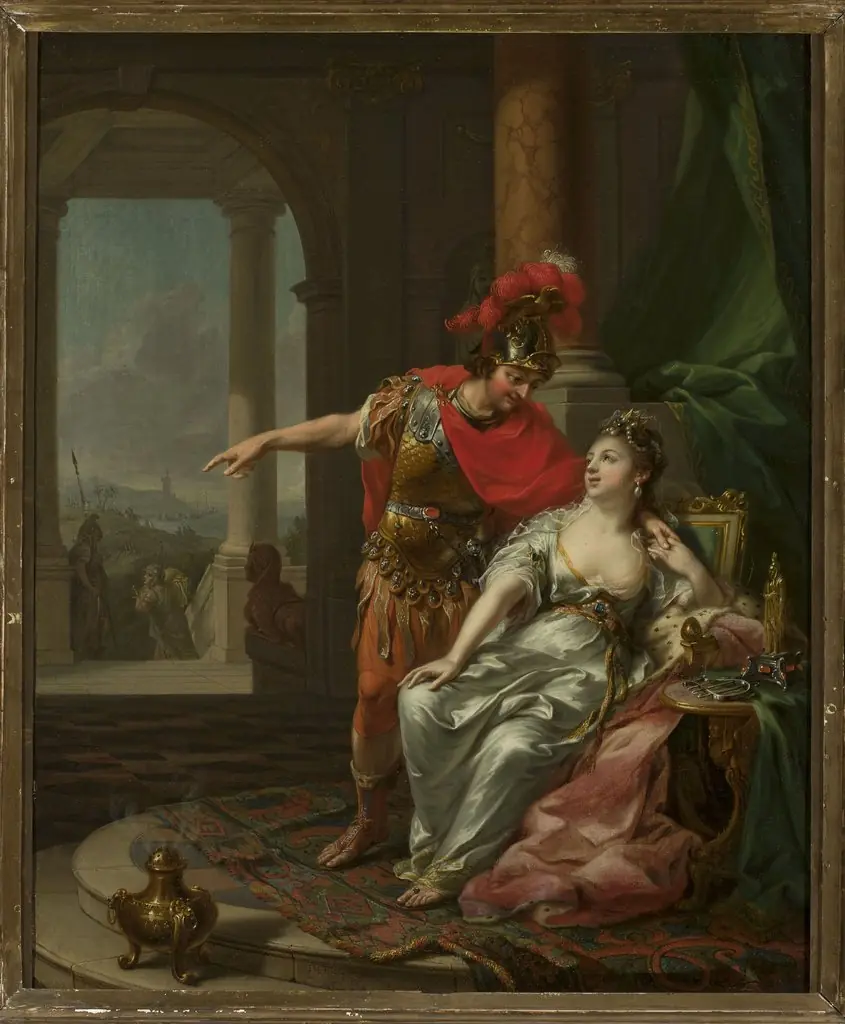
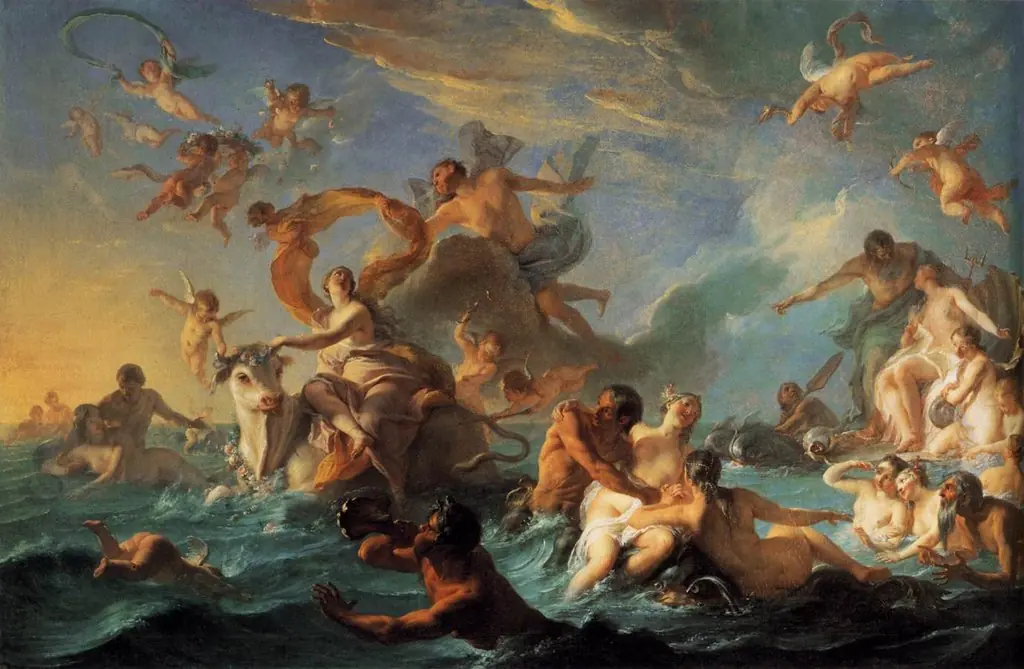
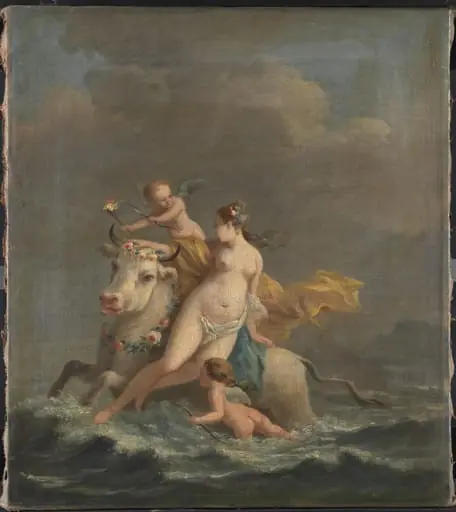
The Rape of Europa is an oil painting by the Rococo painting artist Johann Heinrich Tischbein. It dates from 1763 and is held in the collection of the Statens Museum for Kunst.
About this work
Subject & Meaning
The artwork serves as a visual representation of this specific episode from Greek mythology, where the goddess Europa is taken by Zeus in the form of a bull.
Johann Heinrich Tischbein's 1763 oil painting depicts the mythological abduction of Europa, a narrative drawn from classical antiquity. As a work of the mythological genre, the piece centers on the main subject known as the rape of Europa. The composition focuses on the figure of Europa herself, illustrating the dramatic moment of her seizure within the context of the ancient legend.
The artwork serves as a visual representation of this specific episode from Greek mythology, where the goddess Europa is taken by Zeus in the form of a bull.
Technique & Style
Executed in oil on canvas in 1763, Tischbein’s handling emphasizes fluid, idealized drapery and musculature, aligning with mid-century academic practice.
The composition centers on Europa’s dynamic diagonal, framed by Jupiter’s swirling cloud and a bull’s muscular form. Light, evenly distributed across the scene, models flesh and fabric without sharp chiaroscuro, reinforcing a restrained Rococo classicism.
History & Provenance
The Rape of Europa was painted by Johann Heinrich Tischbein in 1763 as an oil-on-canvas mythological work depicting the abduction of Europa. According to the available records, the painting entered the collection of Statens Museum for Kunst (the National Gallery of Denmark) in Copenhagen, where it remains today. No further details about its original commission, intermediate owners, or exhibition history are provided in the sources.
Context
Johann Heinrich Tischbein painted The Rape of Europa in 1763 as a mythological work, depicting the story of Europa from classical antiquity. The oil on canvas painting is part of the collection at the Statens Museum for Kunst, where it is classified under mythological painting and remains on display.
Scholarship on the work has focused on its place within Tischbein's neoclassical output and his engagement with Enlightenment-era interpretations of mythological narratives. The composition reflects 18th-century European artistic conventions in rendering classical subjects with an emphasis on historical accuracy and emotional restraint.
Legacy
Johann Heinrich Tischbein’s The Rape of Europa (1763) secured its place in later European art as a touchstone for the mythological genre. Acquired by the Statens Museum for Kunst in Copenhagen, the painting became part of a public collection that reinforced its visibility among nineteenth-century academicians and history painters.
Though not a blockbuster in the modern auction sense, the work’s inclusion in the museum’s permanent display ensured its citation in scholarly surveys of eighteenth-century mythological painting, particularly those tracing the reception of Ovidian themes in Northern Europe.
Overview
Johann Heinrich Tischbein’s 1763 oil painting The Rape of Europa depicts the legendary abduction of the Phoenician princess Europa by Zeus, who assumes the form of a bull. The composition captures a turbulent sea, a wind‑blown Europa clinging to the animal’s neck, a small child rowing, and a winged cherub sounding a horn against a stormy sky.
Artist & collection
Artist
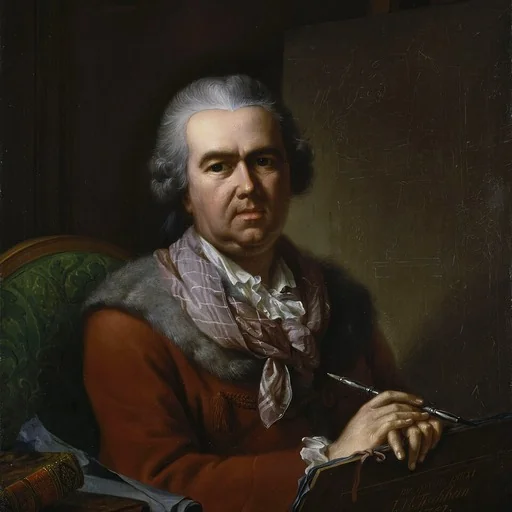
Johann Heinrich Tischbein (3 October 1722 – 22 August 1789) was a German painter.