Artwork
The Quay de Paris in Rouen
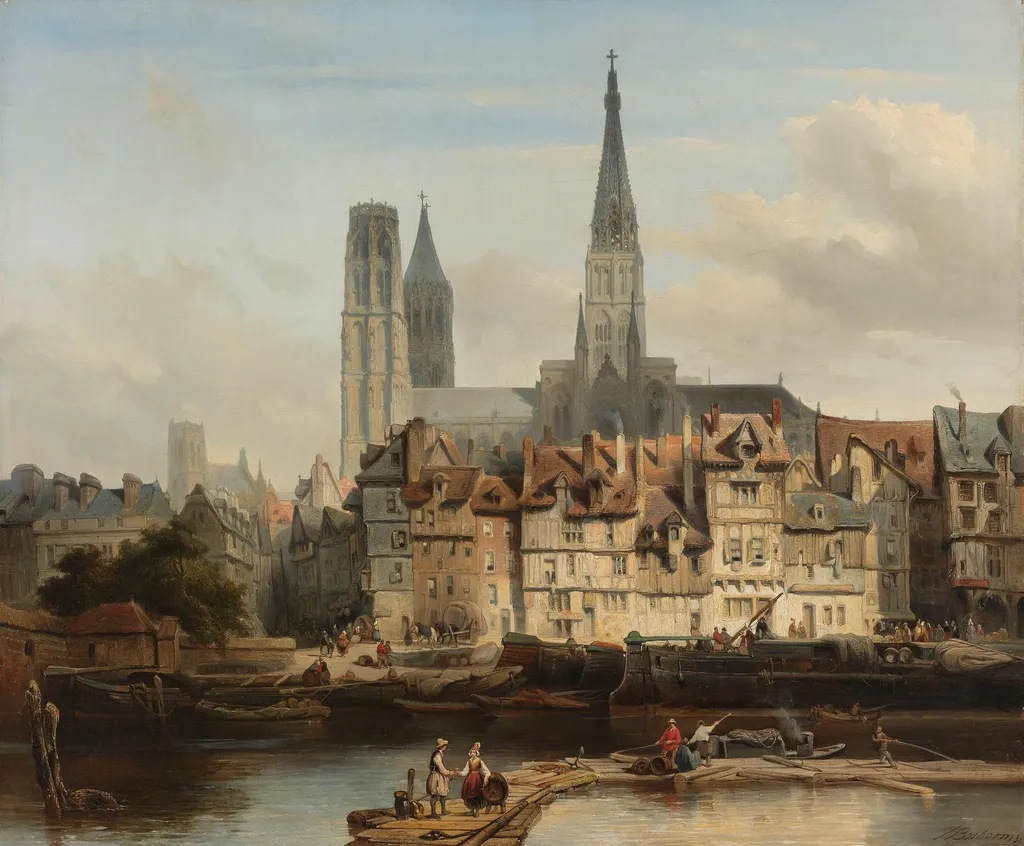
The Quay de Paris in Rouen is an oil painting by the Barbizon school artist Johannes Bosboom. It dates from 1839 and is held in the collection of the Rijksmuseum.
About this work
Subject & Meaning
This visual arrangement emphasizes the romantic fascination with decay and atmospheric effect over strict realism.
The work depicts the Rouen Cathedral as viewed from the opposite bank of the Seine at the Quai de Paris. The composition centers on the interplay between the illuminated, dilapidated houses on the quay and the Gothic cathedral, set against a backdrop of moored ships and a floating wooden platform. Painted in the Romantic style, the scene utilizes the frontal light of a setting sun to highlight the weathered textures of the foreground buildings, creating a picturesque contrast with the historic monument.
This visual arrangement emphasizes the romantic fascination with decay and atmospheric effect over strict realism. The painting represents a rare example of high-quality Dutch Romanticism, capturing a specific moment where the artist sought to elevate color and visual impact through an untempered, dramatic approach to the urban landscape.
Technique & Style
Executed in 1839, this cityscape is an oil painting on canvas measuring 88 by 105 centimeters. The work exemplifies the Romantic style, characterized by an untempered color palette and a preference for the picturesque. Bosboom employed a broad, vigorous handling of paint to depict the scene, particularly in the rendering of dilapidated houses illuminated by the setting sun.
While the artist later adopted a more realistic approach associated with the Hague School, this piece retains the heightened effects and relief typical of his early Romantic training under the influence of Wijnand Nuijen. Contemporary critics noted the fine tone and pure execution of the Gothic cathedral, though some found the coloration of the foreground buildings excessively whitish. The composition relies on sketches and watercolors Bosboom created on location in Rouen the previous year.
History & Provenance
Johannes Bosboom created The Quay de Paris in Rouen in 1839, following a trip to Rouen, France, in 1838 with fellow artist Cornelis Kruseman. During this visit, Bosboom produced numerous on-site sketches and watercolors which served as the foundation for the final oil painting. He completed the work later in his studio in The Hague, adhering to the Romantic style of his training under Bart van Hove and influenced by Wijnand Nuijen.
The painting achieved immediate recognition when Bosboom submitted it to the Exhibition of Living Masters in The Hague in 1839, where it received significant praise.
The work remained in private hands until 1997, when the Rijksmuseum in Amsterdam acquired it at auction from Sotheby's. The museum specifically sought the piece to add a rare example of high-quality Romantic painting to its collection of Dutch art. Since that acquisition, the painting has been part of the Rijksmuseum's permanent holdings.
The painting is held in the Rijksmuseum's collection and was acquired in 1997 through an auction at Sotheby's. Its inventory number is not specified in the sources. The work was exhibited at the 1839 Tentoonstelling van Levende Meesters in Den Haag, where it received critical attention.
It has been part of the Rijksmuseum Amsterdam collection since 1997, as noted in the Dutch Wikipedia entry and acquisition report.
Context
Painted in 1839, The Quay de Paris in Rouen belongs to the early phase of Johannes Bosboom's career, before he turned primarily to church interiors. He produced the work after visiting Rouen in 1838 with Cornelis Kruseman, working up on-the-spot sketches and watercolours into a large oil in his The Hague studio. The painting is firmly Romantic in style, reflecting the training he received from his teacher Bart van Hove and the influence of his Hague contemporary Wijnand Nuijen, whose leadership of the Romantic movement Bosboom himself acknowledged late in life.
The canvas is noted for its unrestrained palette and taste for the picturesque, qualities that set it apart from the more realistic manner Bosboom later adopted and through which he came to be associated with the Hague School. It is regarded today as one of the most important Romantic paintings in early-nineteenth-century Dutch art.
Scholarly attention includes Marjan van Heteren, Guido Jansen, and Ronald de Leeuw's Poëzie der werkelijkheid (Rijksmuseum/Waanders, 2000), which discusses the work on pages 76–77, and de Leeuw's Meesters van de romantiek (Waanders, 1998/2005).
Legacy
The painting is regarded today as a key work of Dutch Romanticism from the first half of the nineteenth century, praised for its uncommon Romantic vision and high quality. In 1997 the Rijksmuseum acquired it at a Sotheby's auction, noting that such Romantic paintings of this calibre are exceedingly rare in the Netherlands, thereby securing its place in the national collection and reinforcing its lasting reputation.
The work is held in the collections of the Rijksmuseum and Kunstmuseum Den Haag.
Overview
Johannes Bosboom’s 1839 oil canvas titled The Quay de Paris in Rouen presents a bustling riverfront view of Rouen. The composition captures the Seine flanked by tightly clustered townhouses, a wooden quay crowded with pedestrians, and the distant silhouette of the cathedral’s twin spires. The work is part of the Rijksmuseum’s permanent collection.
Own this work as a print
Artist & collection

Artist
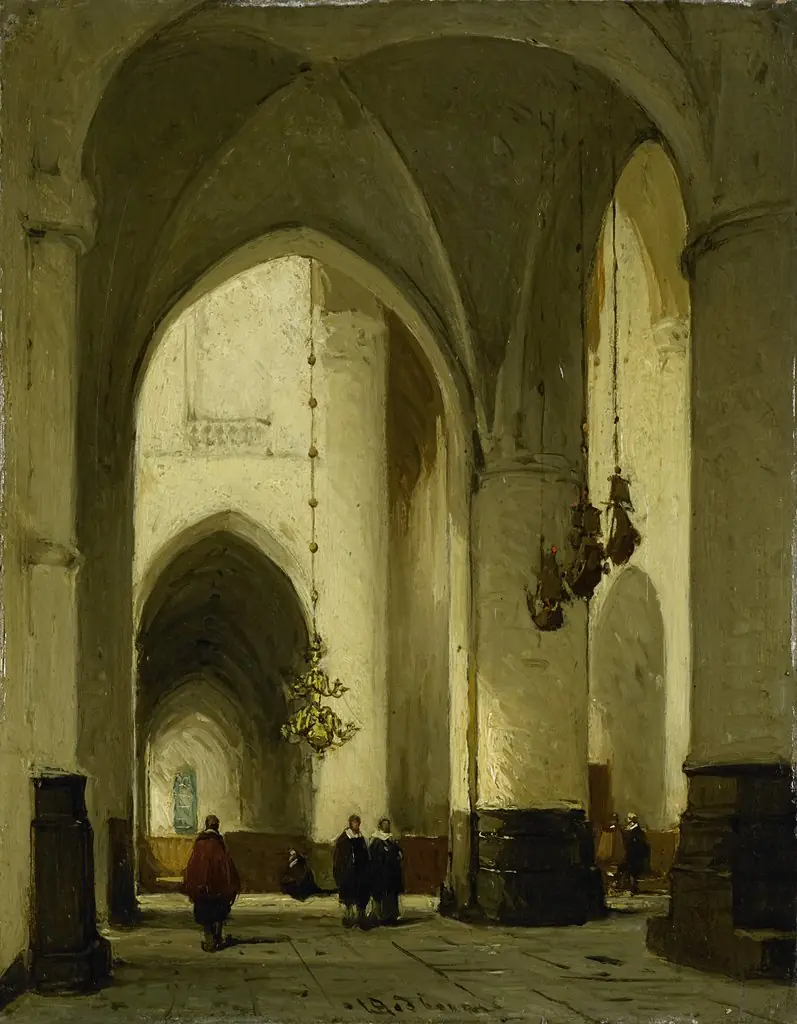
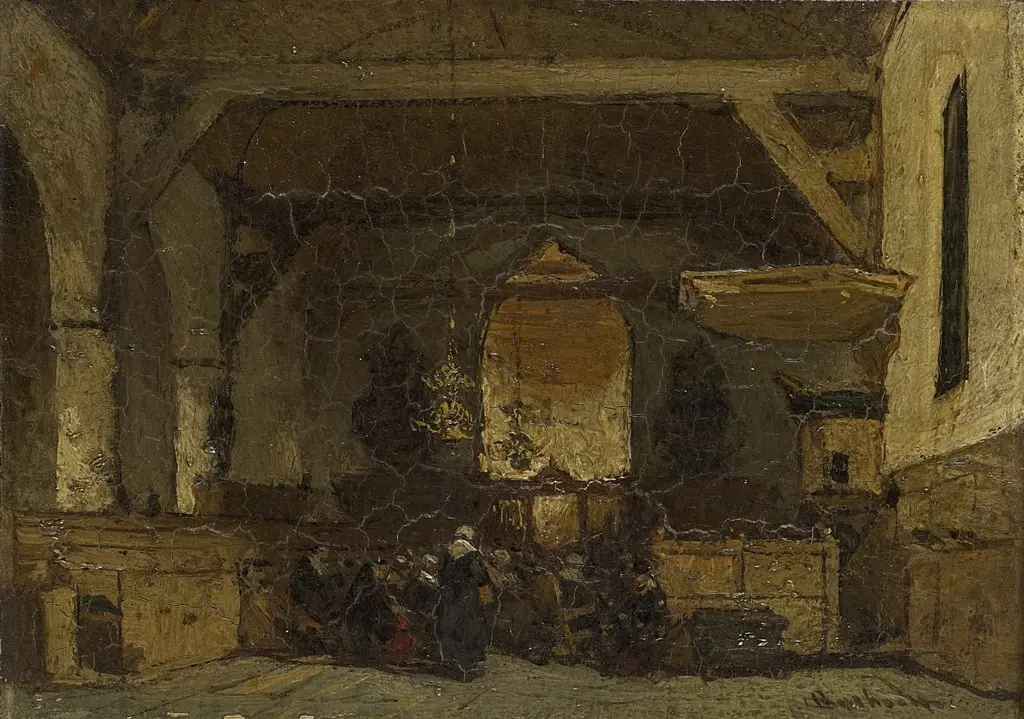
Johannes Bosboom (18 February 1817 – 14 September 1891) was a Dutch painter and watercolorist of the Hague School, known especially for his paintings of church interiors.

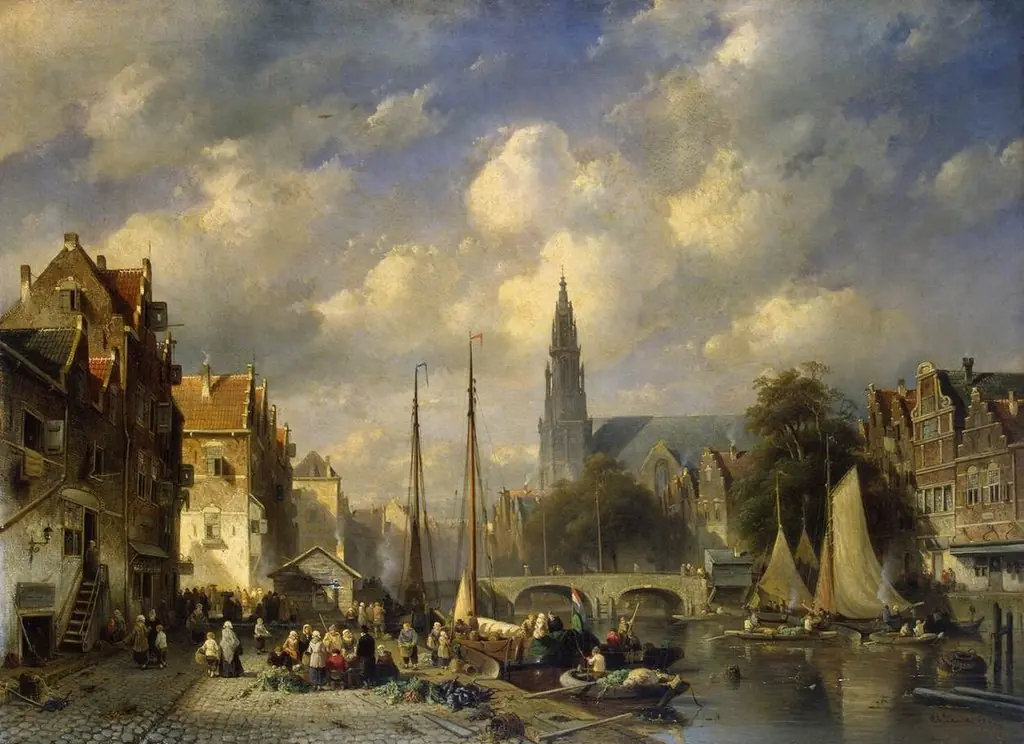 Urban Landscape
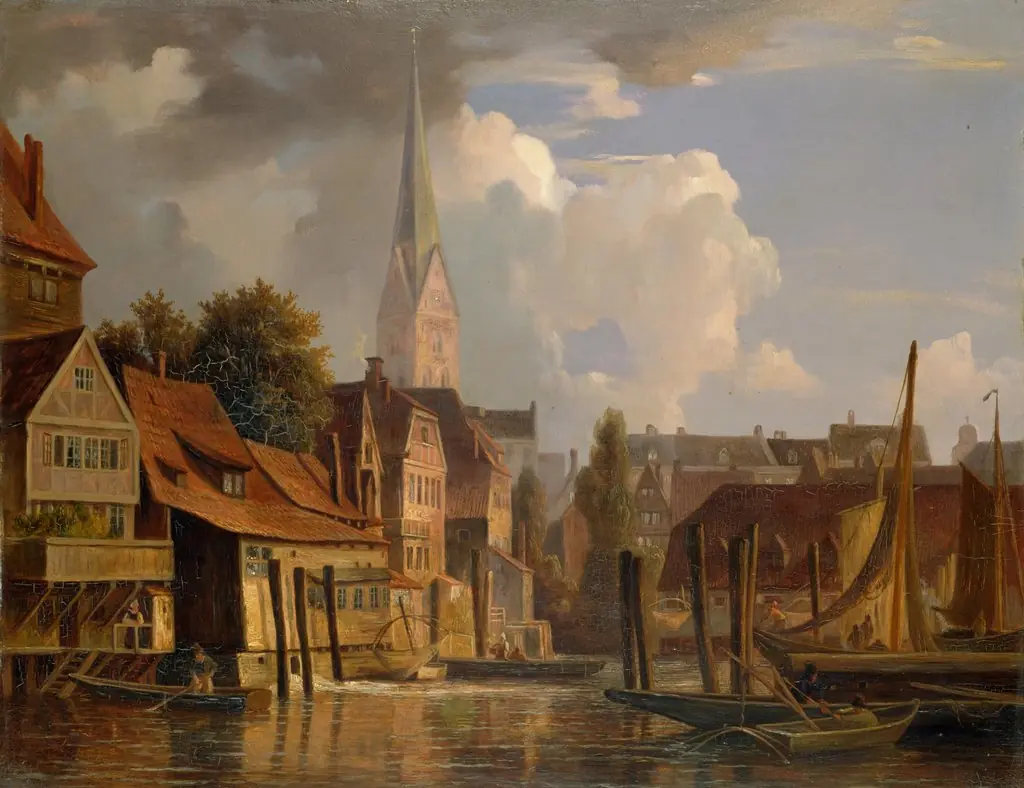 Die Kleine Alster vor 1842
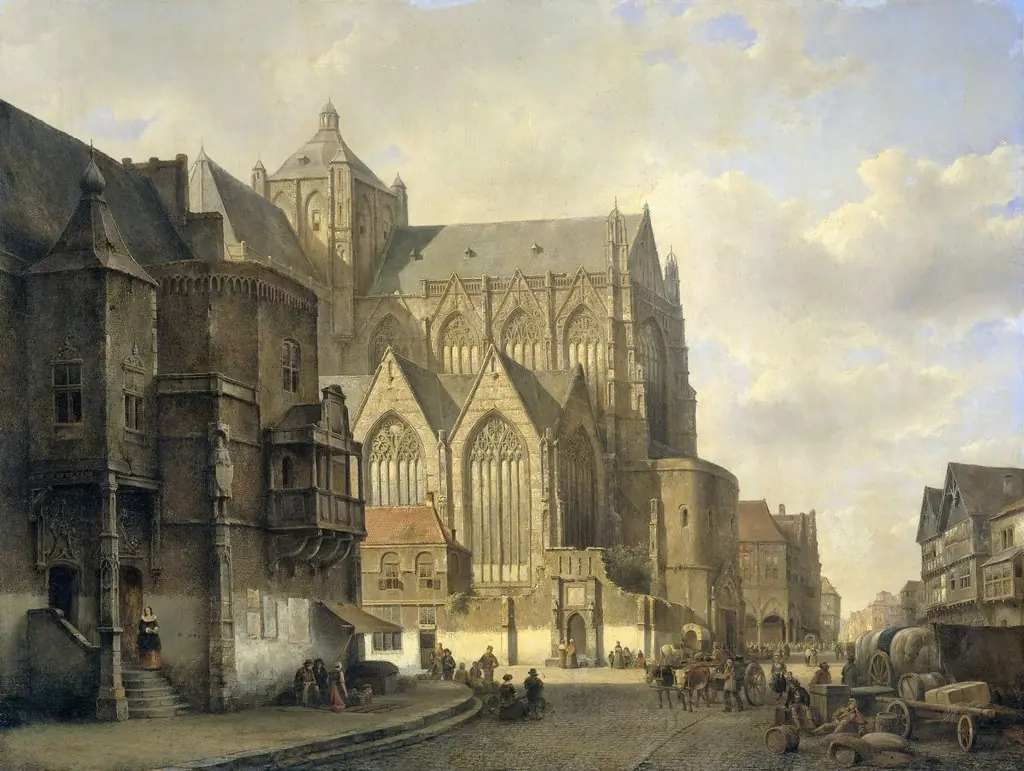 Cityscape, Rijksmuseum
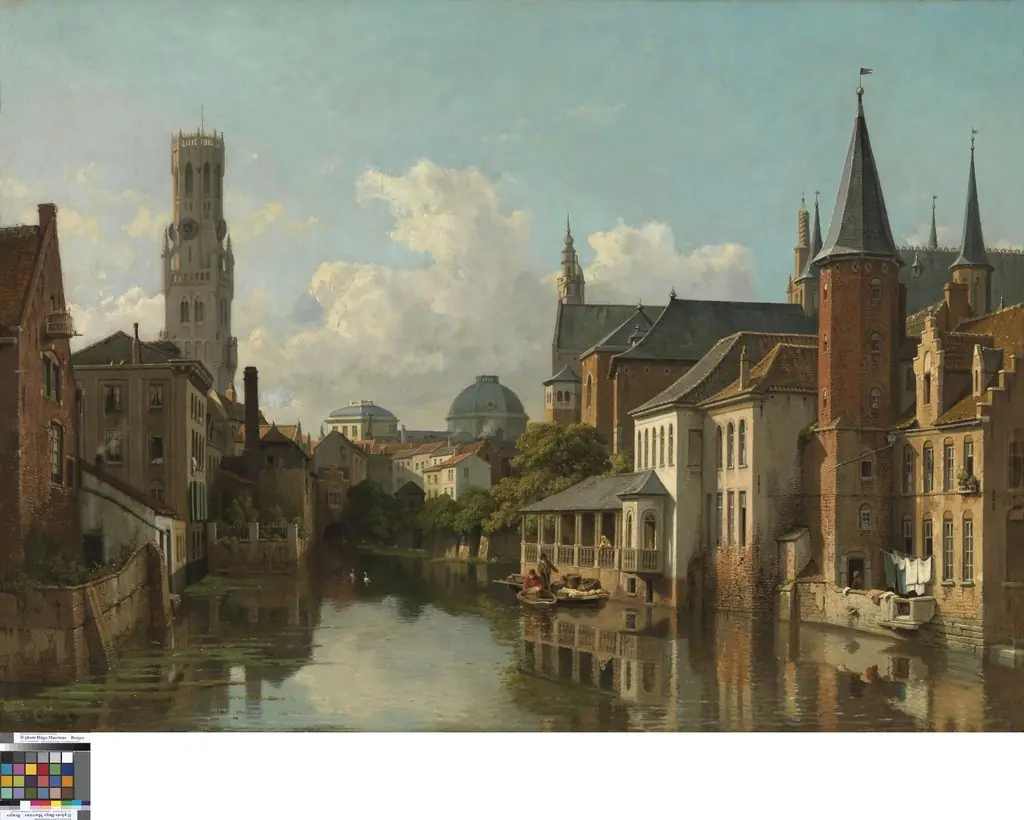 De Rozenhoedkaai in Brugge
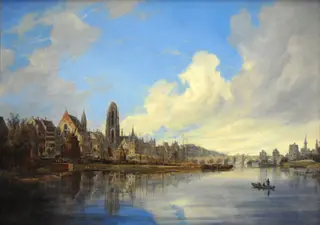 View of Frankfurt/M
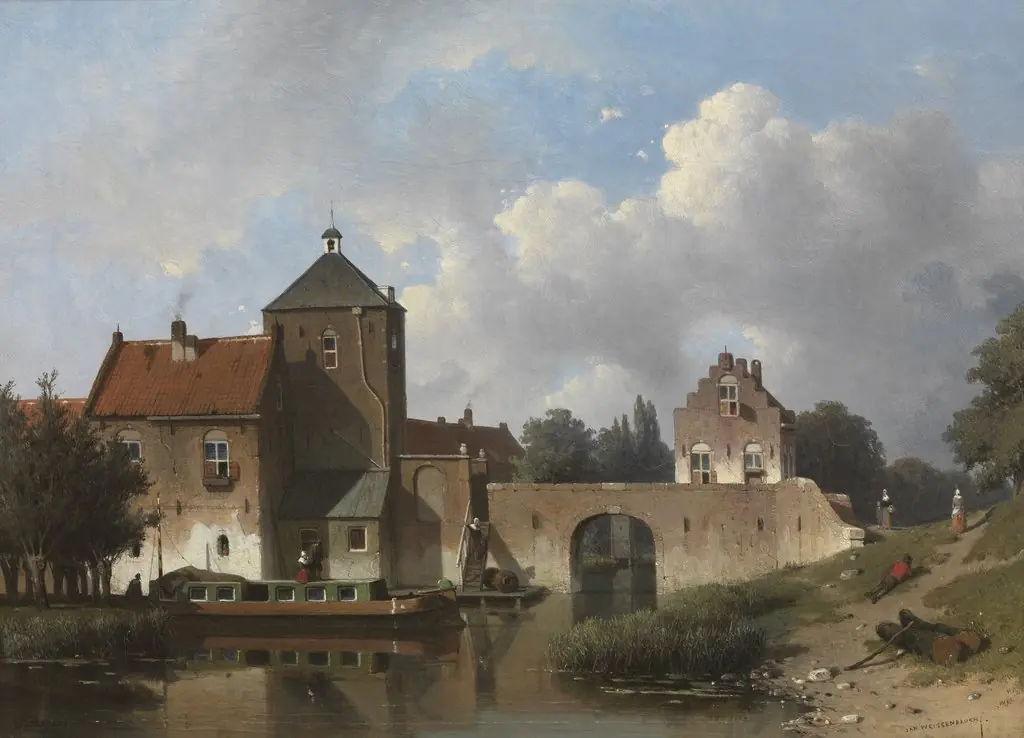 The IJsselpoort at IJsselstein
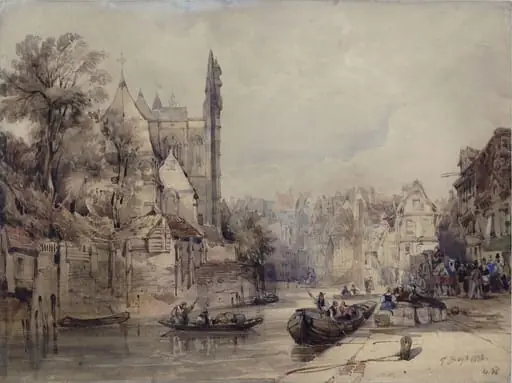 Rue du Rivage, Abbeville
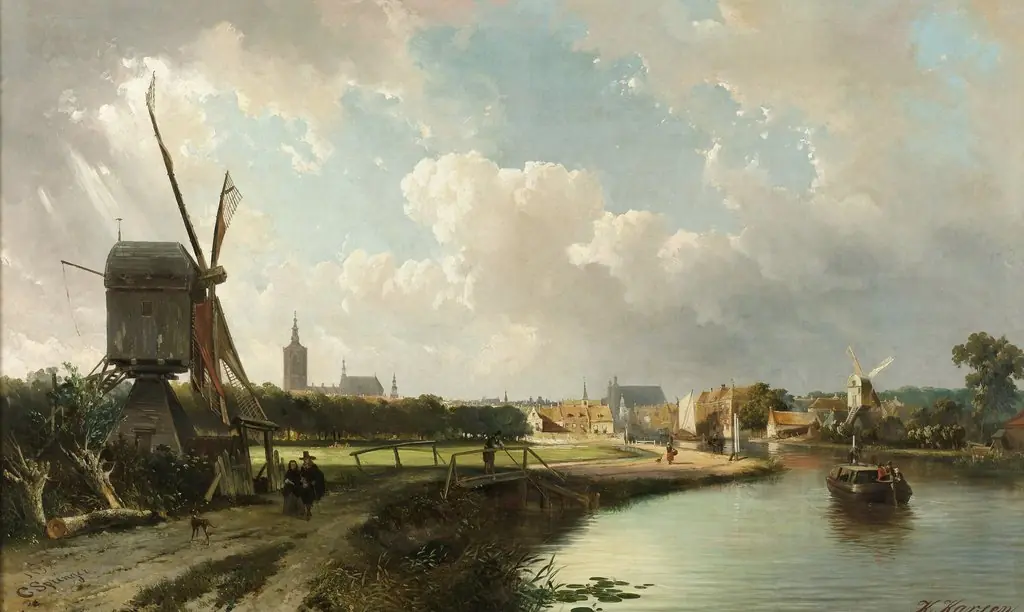 View of The Hague from the Delftse Vaart in the 17th Century
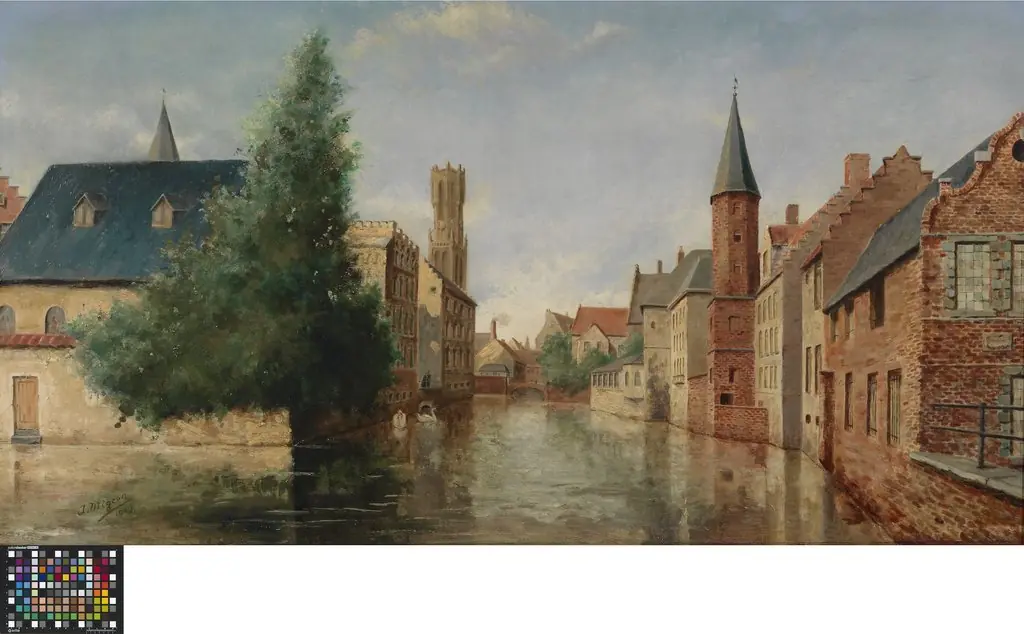 De Rozenhoedkaai in Brugge
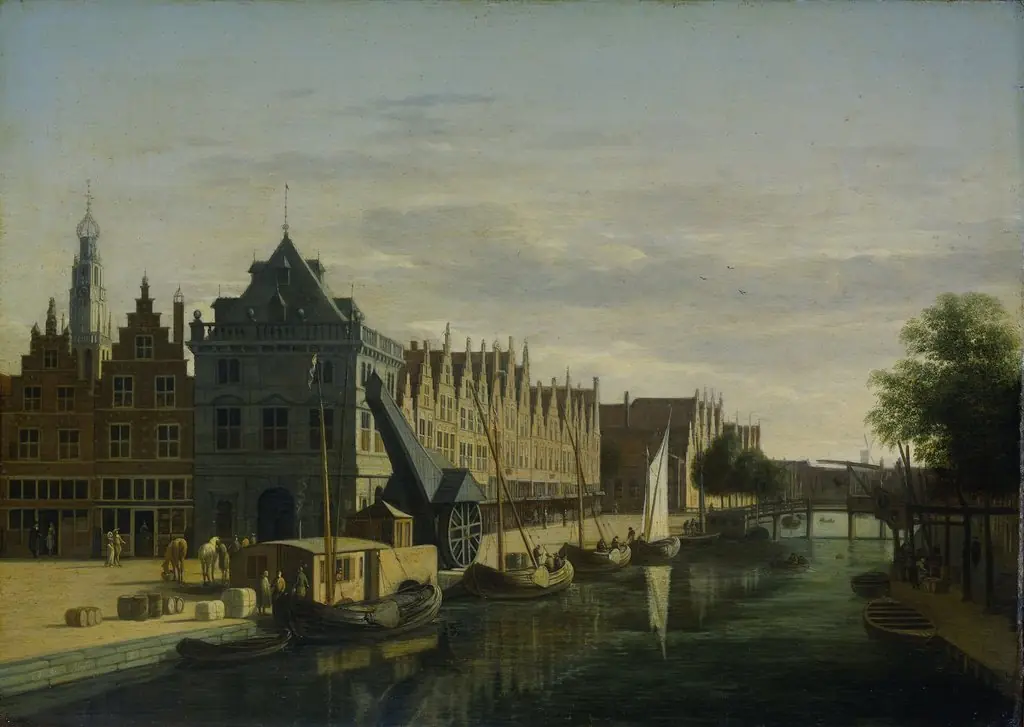 The Waag (weigh-house) and Crane on the Spaarne, Haarlem
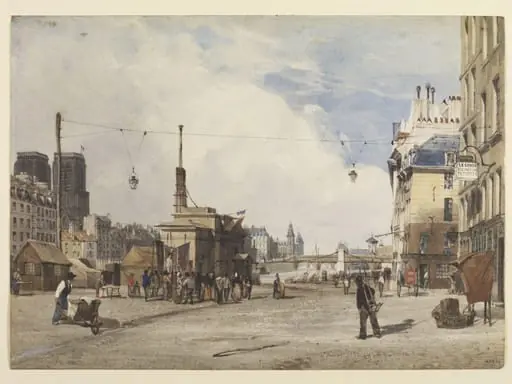 Quai de la Greve, Paris
- A View of Paris with the Ile de la Cité