Artwork
Peasants Dancing
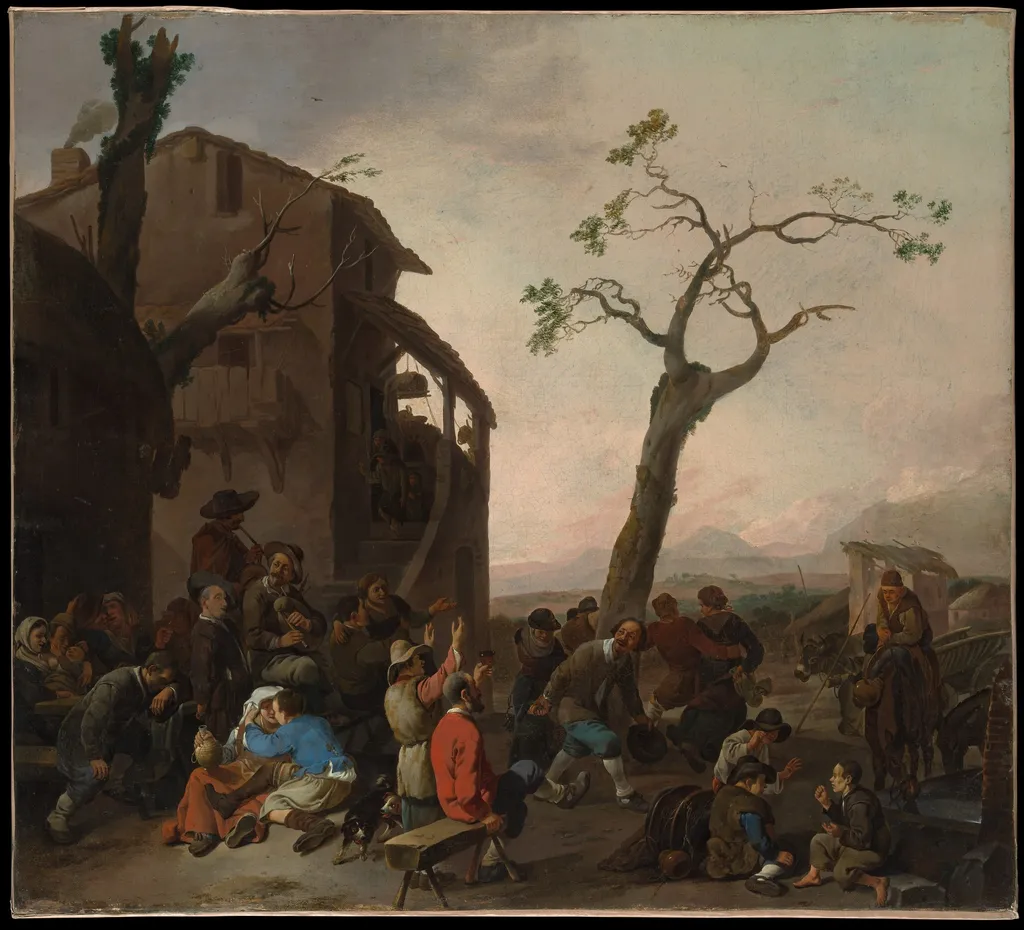
Peasants Dancing is an oil painting by the Dutch Golden Age artist Johannes Lingelbach. It dates from 1651 and is held in the collection of the Metropolitan Museum of Art.
About this work
Technique & Style
The work is executed in oil paint on canvas, as indicated by the material specification in the catalog entry and corroborated by the Wikidata record.
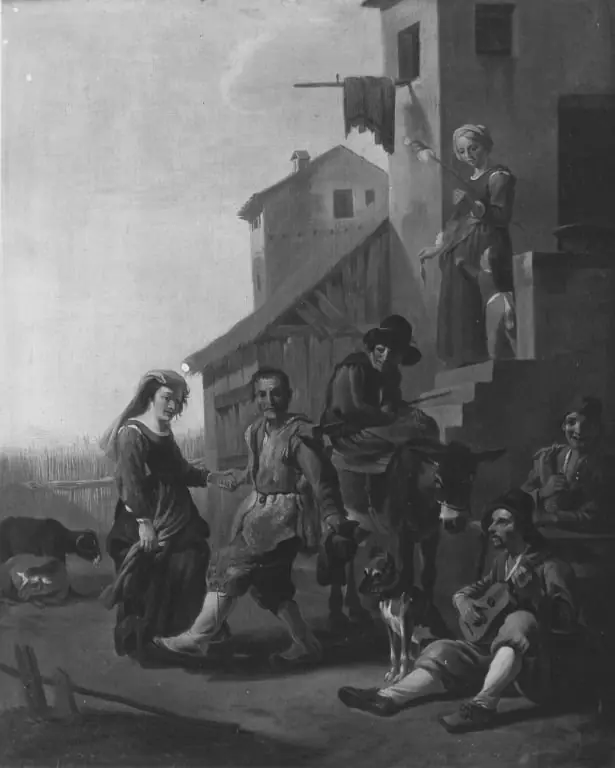
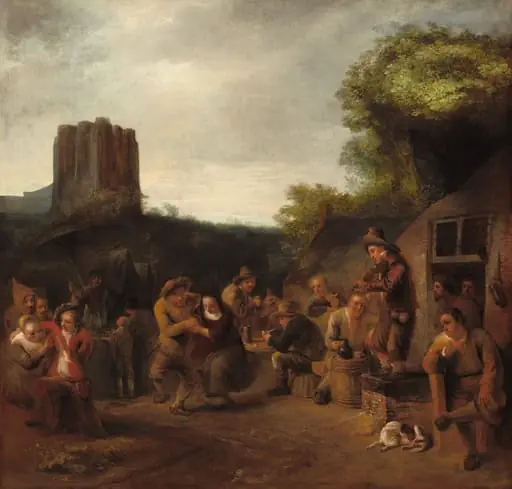
The work is executed in oil paint on canvas, as indicated by the material specification in the catalog entry and corroborated by the Wikidata record. The canvas support is typical of mid‑17th‑century Dutch genre scenes, and the painting’s handling reflects the smooth, blended brushwork characteristic of Lingelbach’s decorative landscapes. Formal qualities include a balanced composition of dancing peasants, a dog, and a man, rendered with a naturalistic yet slightly theatrical palette that emphasizes movement and festivity.
The genre is classified as a landscape, and the work’s dimensions (approximately 67.3 × 74.9 cm) are recorded in the museum’s catalogue. No specific condition issues are documented in the available sources.
History & Provenance
Johannes Lingelbach executed the oil painting Peasants Dancing in 1651. Created on canvas, the work depicts a landscape scene featuring figures engaged in dance alongside a dog. Regarding its ownership history, the painting was at one point in the collection of William T. Blodgett.
The work eventually entered the holdings of the Metropolitan Museum of Art, where it remains part of the institution's landscape painting genre collection.
The painting Peasants Dancing by Johannes Lingelbach, dated 1651, is held in the collection of the Metropolitan Museum of Art. The work, executed in oil on canvas, was formerly owned by William T. Blodgett before entering the museum's holdings. While the piece is cataloged within the institution, the available records do not specify a current inventory or accession number.
Furthermore, although the artwork is part of a major public collection, the provided sources contain no information regarding specific past exhibitions or loan history for this particular piece.
Context
Johannes Lingelbach, a German painter active in Rome during the mid‑17th century, created Peasants Dancing in 1651, an oil on canvas that exemplifies the Bamboccianti genre of low‑life scenes. The work, listed in the Metropolitan Museum of Art’s collection and formerly owned by William T. Blodgett, combines a rustic dance with meticulous detail, reflecting the artist’s integration of Dutch realism and Italian landscape tradition. Its inclusion in the museum’s holdings underscores its significance within the trajectory of genre painting and provides a concrete example of cross‑cultural artistic exchange in Baroque Europe.
Overview
Johannes Lingelbach, a Dutch Golden Age artist, completed Peasants Dancing in 1651. This oil painting exemplifies the landscape genre, depicting a lively outdoor gathering. The work is characterized by its portrayal of everyday life, a common theme among artists of the period. It is currently part of The Metropolitan Museum of Art's collection.
Subject & Meaning
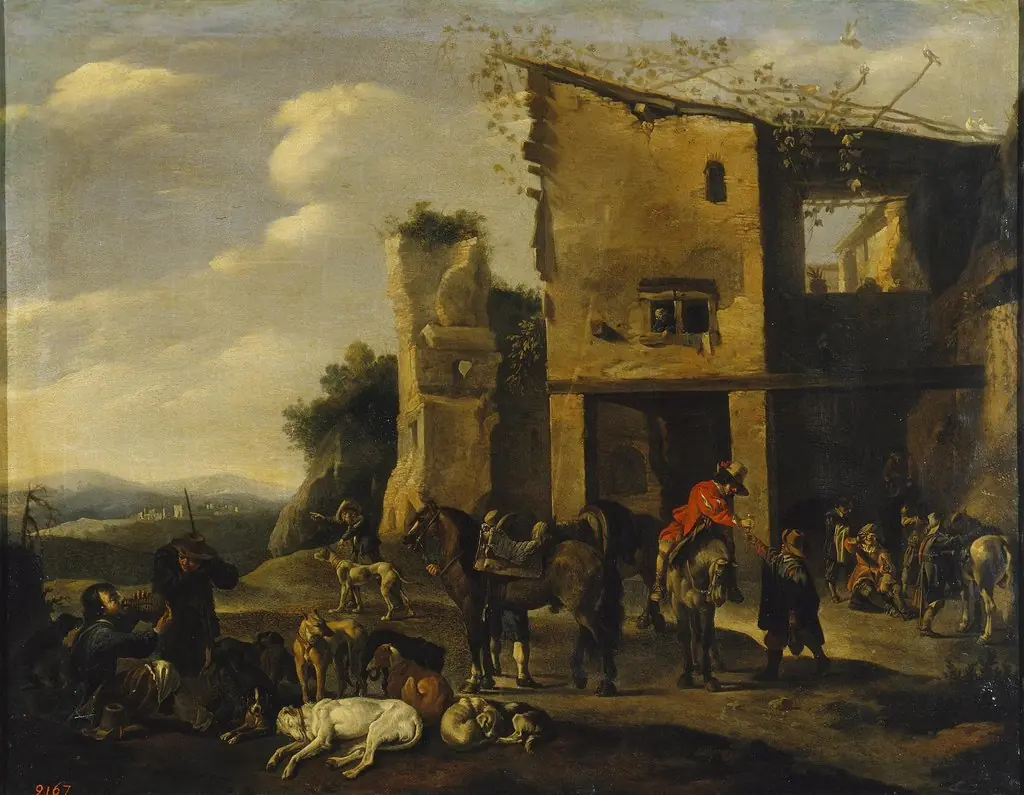
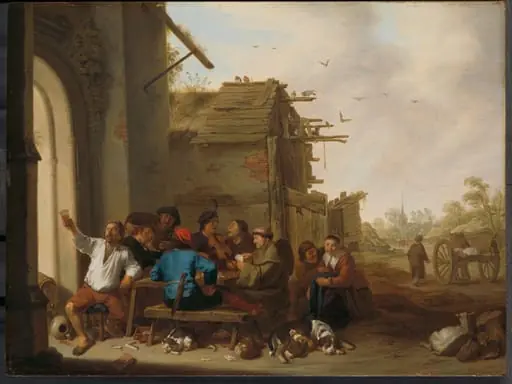
The painting captures a dynamic scene of villagers engaged in a dance outside a dilapidated stone structure. Amidst the crowd, a man and woman are prominent, while a dog observes the festivities from the foreground. The rough surroundings contrast with the evident enjoyment of the participants, reflecting a focus on quotidian activities.
Own this work as a print
Artist & collection
Artist
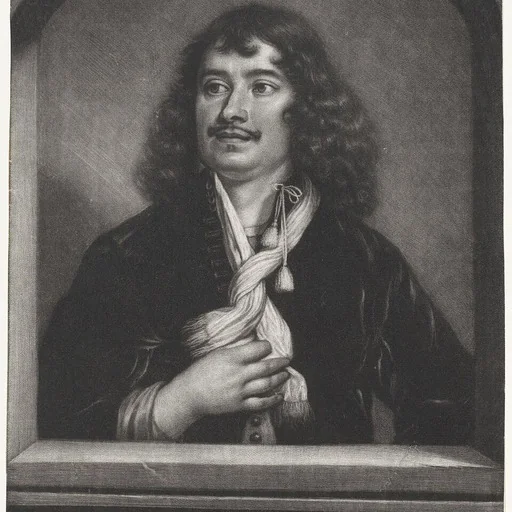
Johannes (or Johann) Lingelbach (1622 – 3 November 1674) was a Dutch Golden Age painter, associated with the second generation of Bambocciate, a group of genre painters working in Rome from 1625–1700.