Artwork
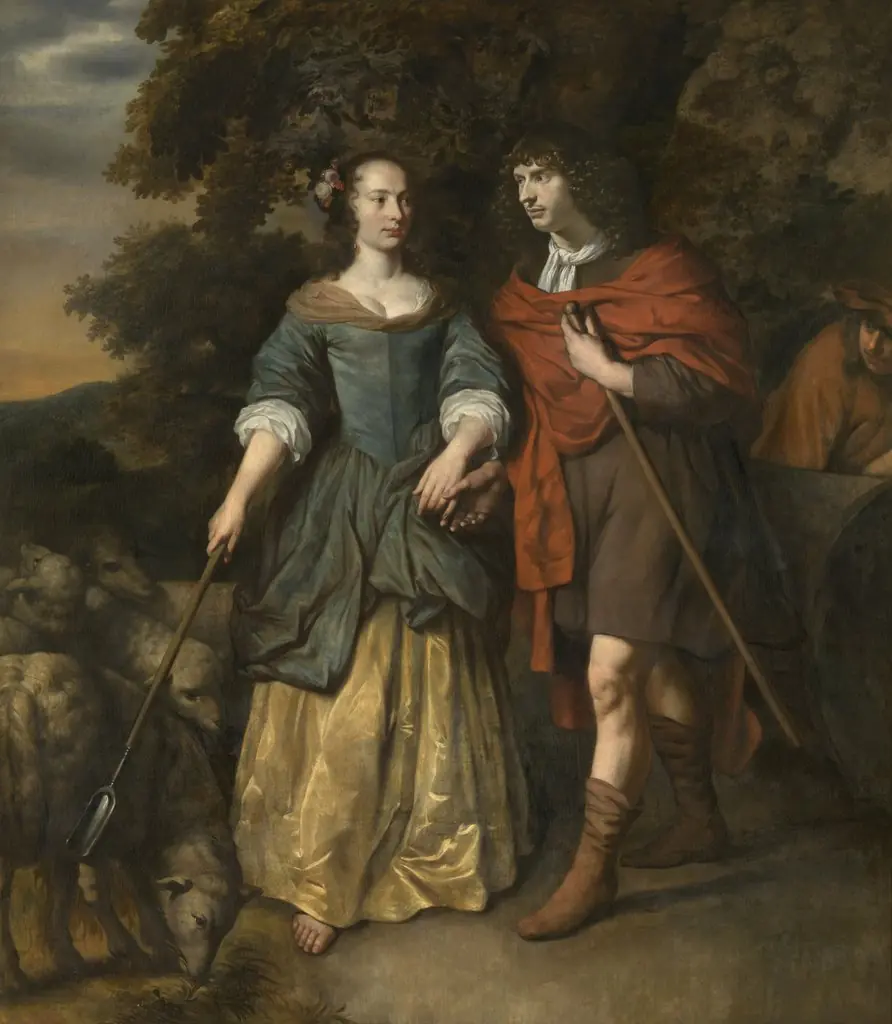
Double portrait of a young couple as Granida and Daiphilo
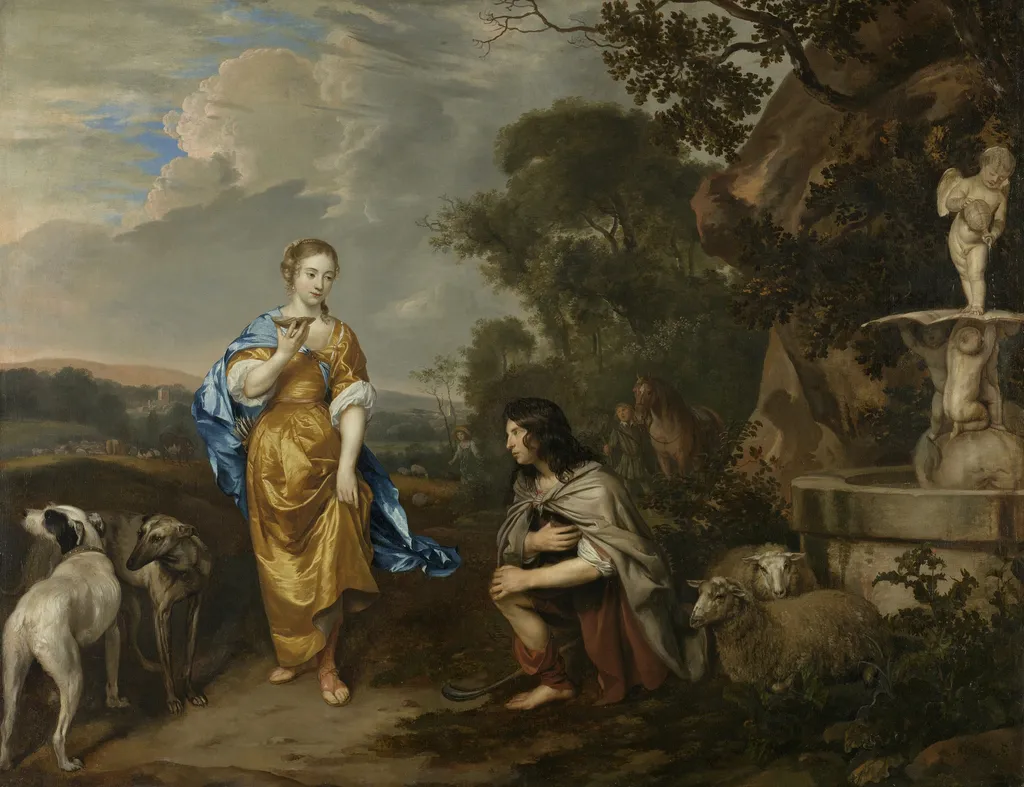
Double portrait of a young couple as Granida and Daiphilo is an oil painting by the Dutch Golden Age artist Johannes Mytens. It dates from 1650 and is held in the collection of the Rijksmuseum.
About this work
Technique & Style
Stylistic qualities align with contemporary Dutch portraiture: restrained palette, precise modeling of faces, and attentive detail to costume and accessories.
The painting is executed in oil on canvas, a medium typical of Dutch portraiture in the mid-17th century.
The work measures 112 cm in height and 143.5 cm in width, with the figures rendered in a naturalistic, life-size scale. Handling appears fluid yet controlled, with delicate transitions in flesh tones and drapery that suggest a refined, professional technique. Stylistic qualities align with contemporary Dutch portraiture: restrained palette, precise modeling of faces, and attentive detail to costume and accessories.
The composition’s theatrical framing and classical references reflect the influence of contemporary theater and emblem books, situating the portrait within the vogue for "poetic" or "allegorical" likenesses.
History & Provenance
The painting was created in 1650 by Johannes Mytens, executed in oil paint on canvas. The work is held in the collection of the Rijksmuseum, where it is currently located. No information about a commissioning party, prior ownership, or earlier provenance is recorded in the available sources.
The painting is housed in the Rijksmuseum, where it holds the accession number SK-A-2450. It was created in 1650 and measures 112 cm by 143.5 cm. The work has been part of the museum's collection since its acquisition and was featured in the exhibition "Dutch Golden Age Portraits" in 2011.
Context
The double portrait titled Granida and Daiphilo, painted by Johannes Mytens in 1650, exemplifies Dutch Golden Age portraiture through its formal composition and restrained emotional expression. Art historians situate this work within Mytens' broader oeuvre of elite family and courtly depictions, reflecting the period's emphasis on status and dynastic identity. Its presence in the Rijksmuseum collection underscores its significance as a representative example of 17th-century Dutch portraiture, studied for technical mastery and historical context within Dutch art.
Overview
Created circa 1650 by the Dutch painter Johannes Mytens, this oil on canvas presents a young couple cast in the roles of Granida and Daiphilo, figures from a popular pastoral romance. Executed in the style of the Dutch Golden Age, the work is part of the Rijksmuseum’s collection and exemplifies the period’s interest in narrative portraiture.
Subject & Meaning
The female sitter wears a gold‑toned dress with blue sleeves and holds a fan, embodying the idealized, gentle heroine Granida. Her companion, dressed in a modest cloak, kneels beside a small flock of sheep and two dogs, suggesting the shepherd‑like Daiphilo. The pastoral setting and the inclusion of domestic animals reinforce themes of love, fidelity, and the harmony between humanity and nature.
Own this work as a print
Artist & collection
Artist
Johannes Mytens or Jan Mijtens, or "Mytens" to the English (c. 1614 – 24 December 1670) was a Dutch Golden Age painter, almost entirely as a portraitist. Mytens was born in The Hague. According to Houbraken, Johannes…

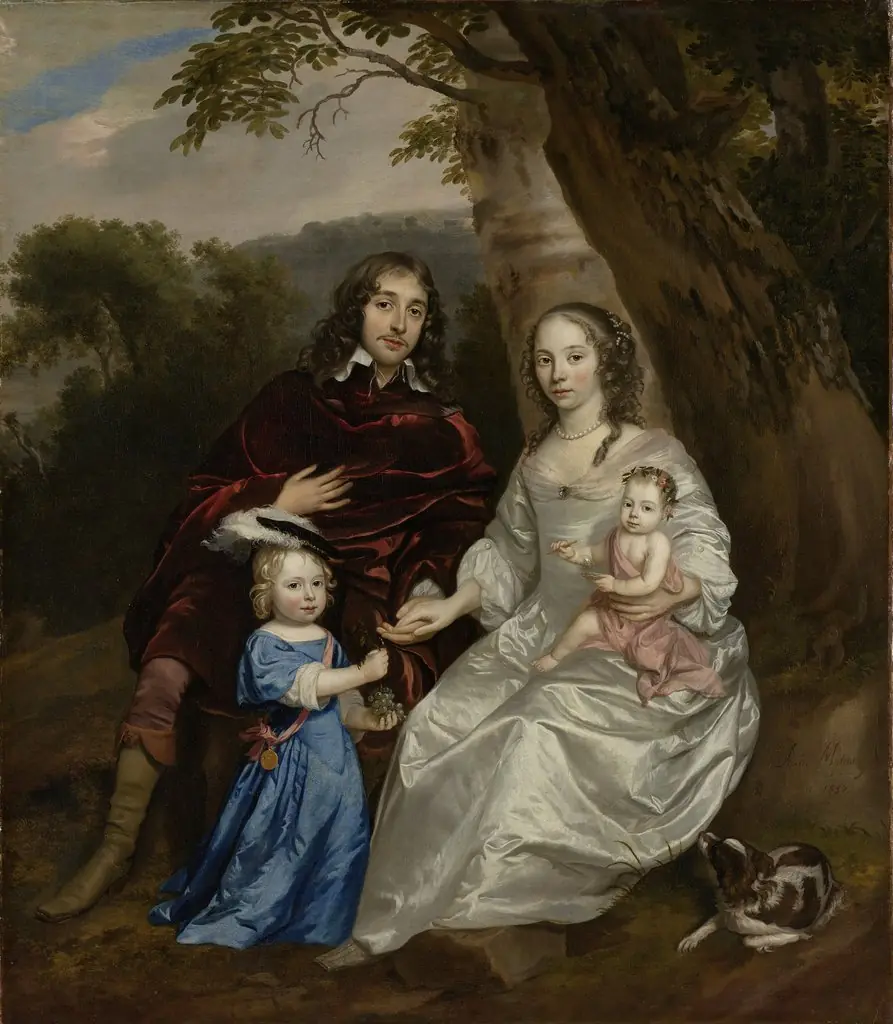 Govert van Slingelandt (1623-90), lord of Dubbeldam. With his first wife Christina van Beveren and their two sons
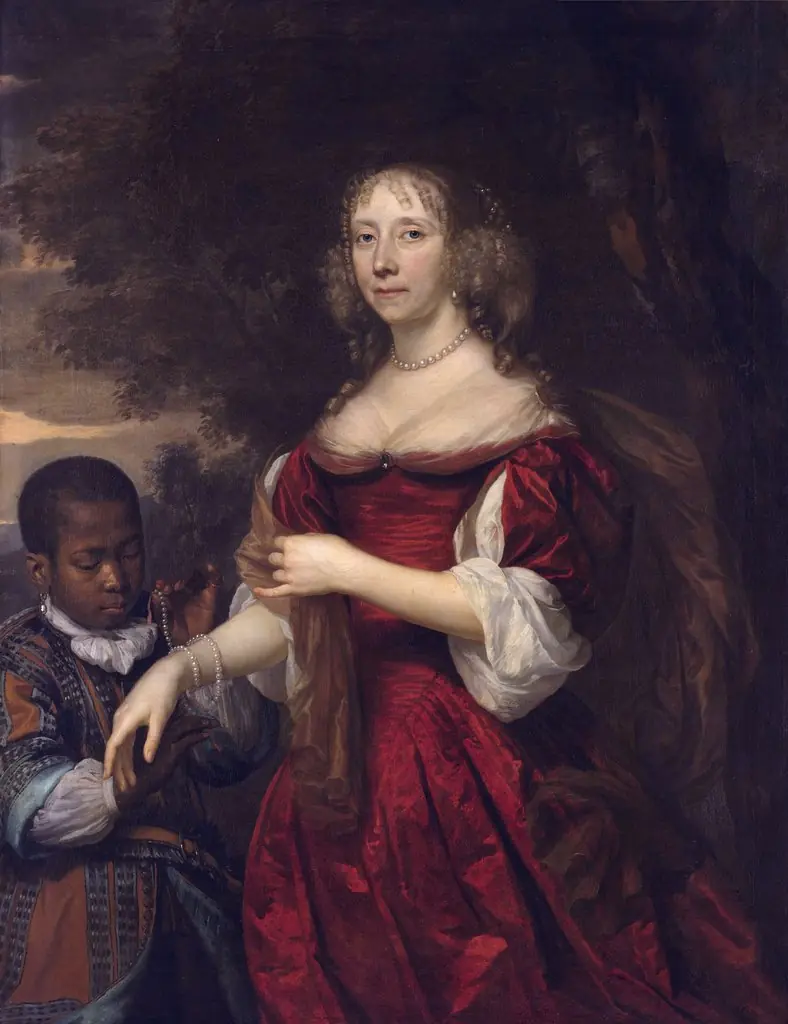 Portrait of Margaretha van Raephorst (d 1690). Wife of Cornelis Tromp
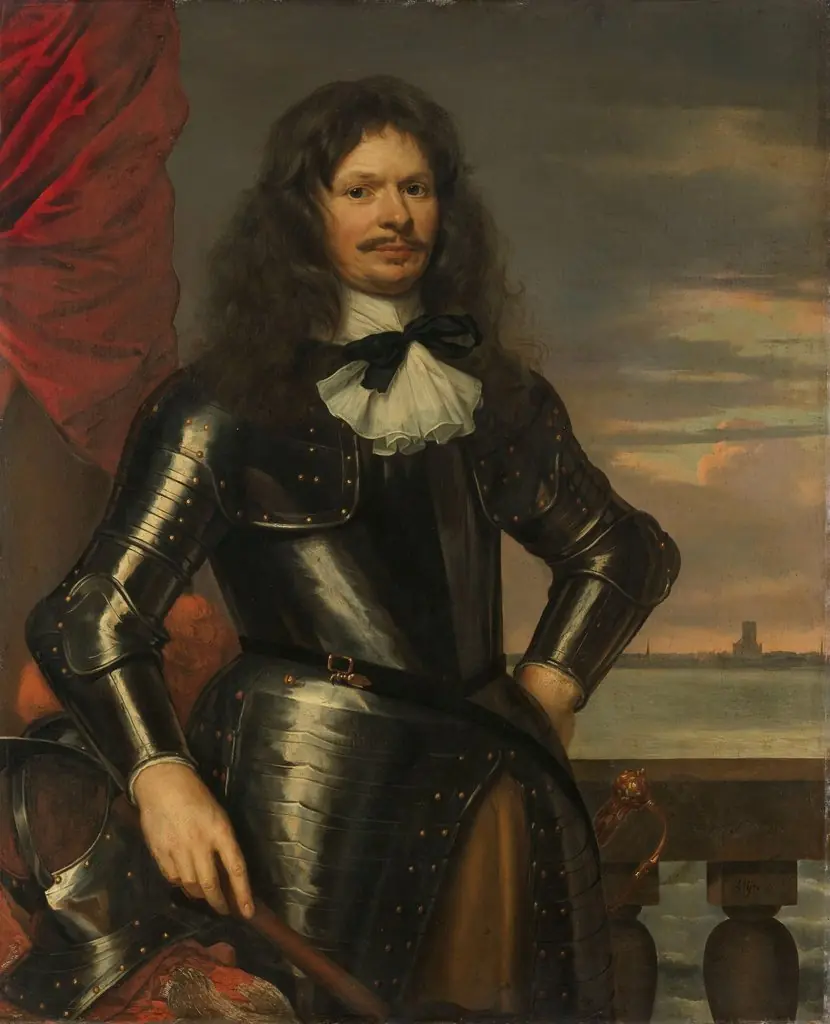 Portrait of Johan van Beaumont. Colonel in the Holland guards and commander of Den Briel
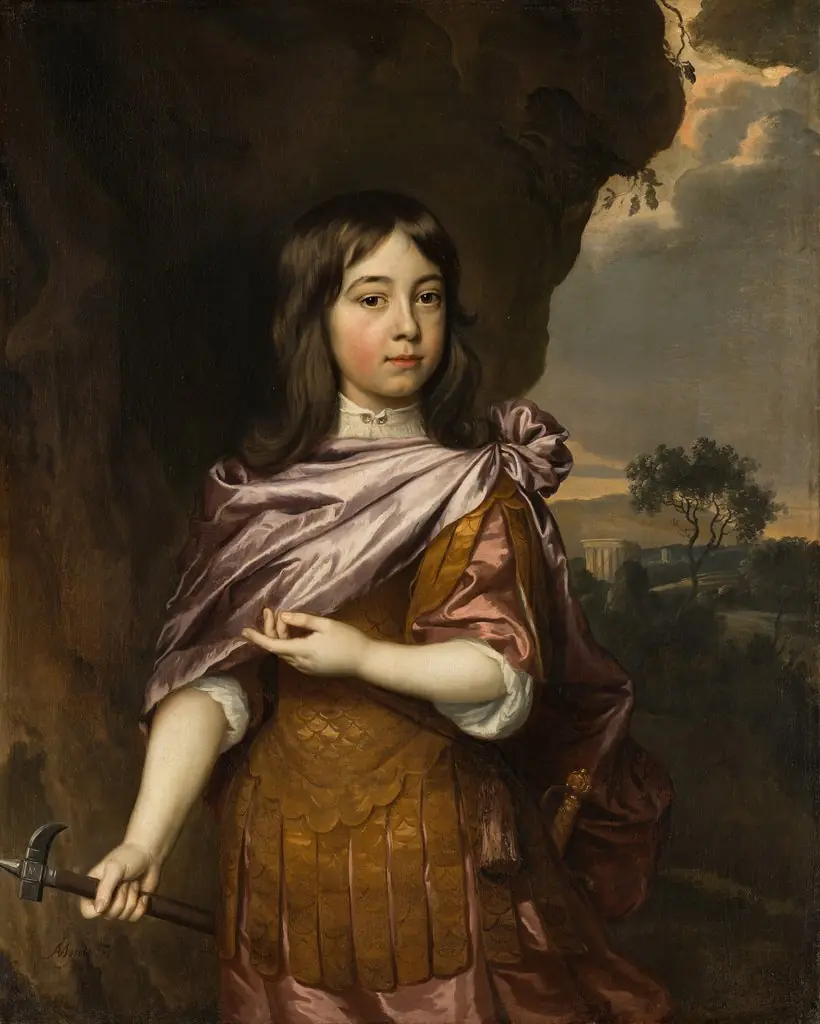 Portrait of Wolfert van Brederode
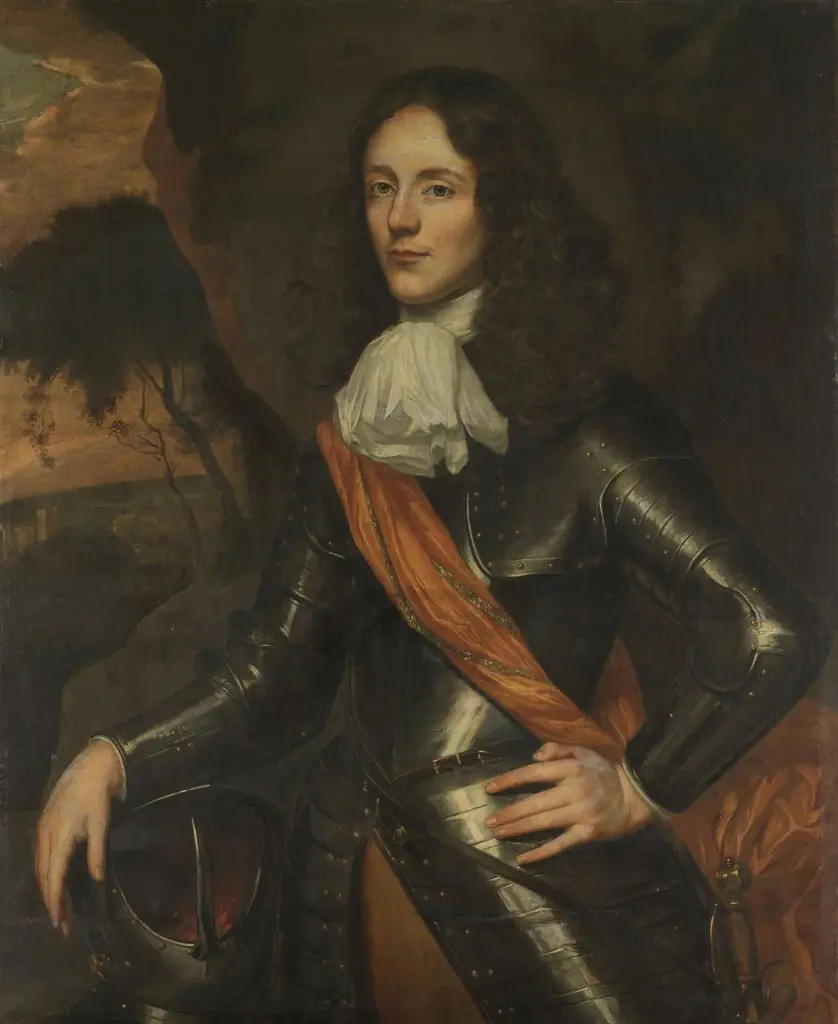 A military officer
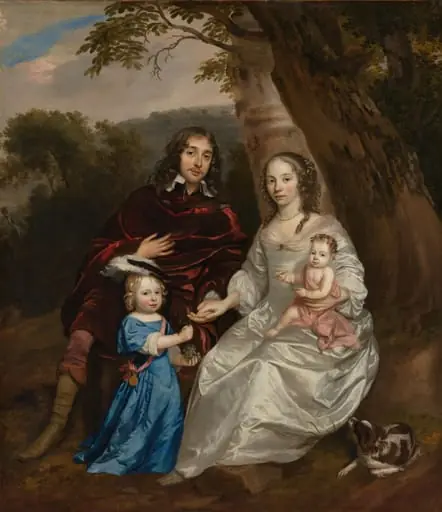 Portrait of Govert van Slingelandt (1623-1690), with his First Wife Christina van Beveren (1632-1656) and their Two Children
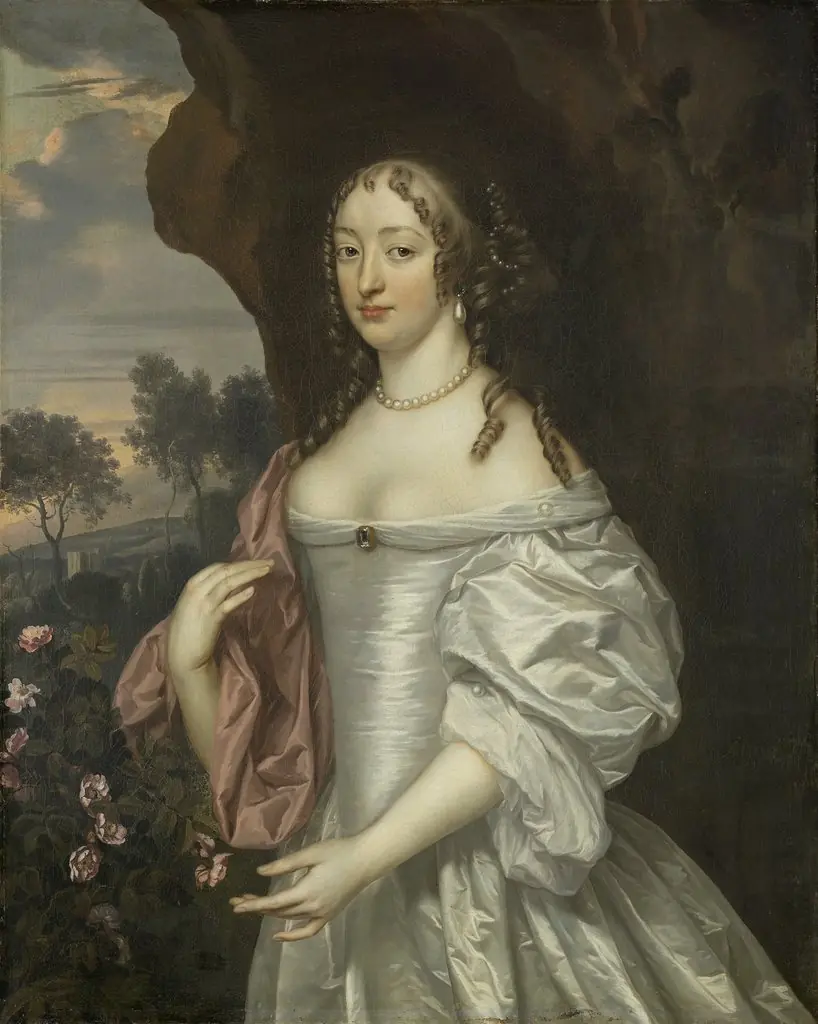 Jacoba van Orliens (1643-91). Wife of Jacob de Witte van Haamstede
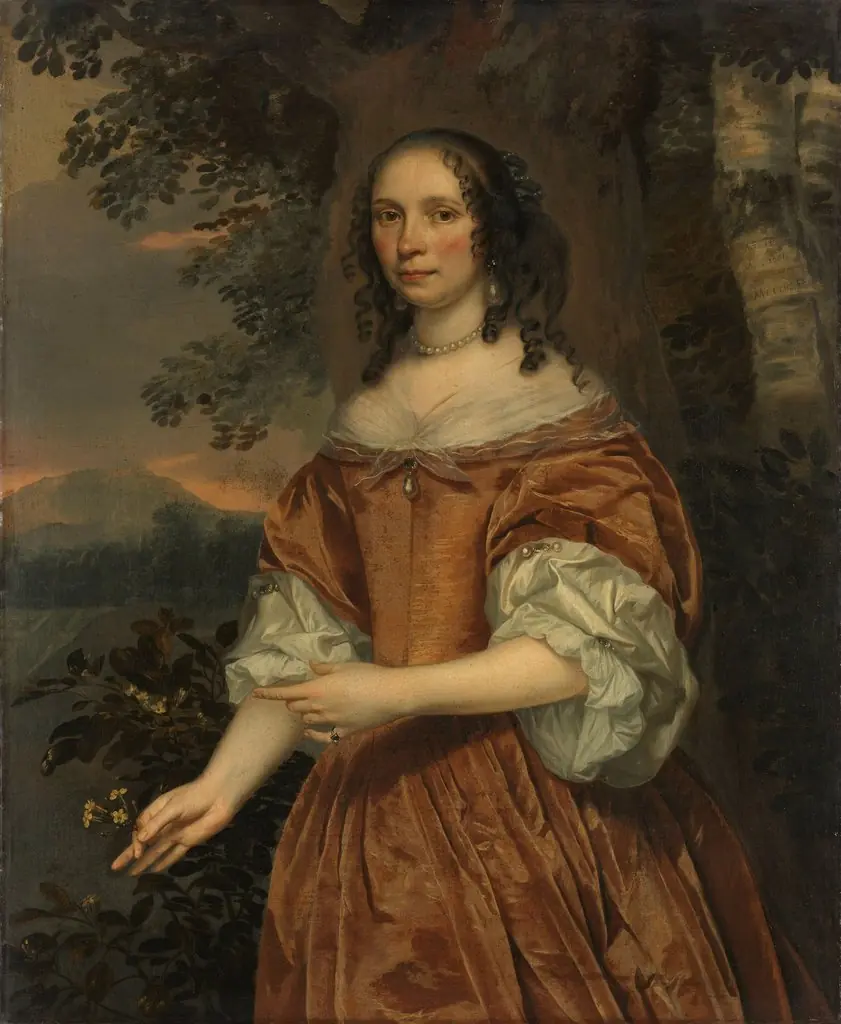 Portrait of Maria de Witte Françoisdr (b 1616). Wife of Johan van Beaumont
- Paris and Oenone
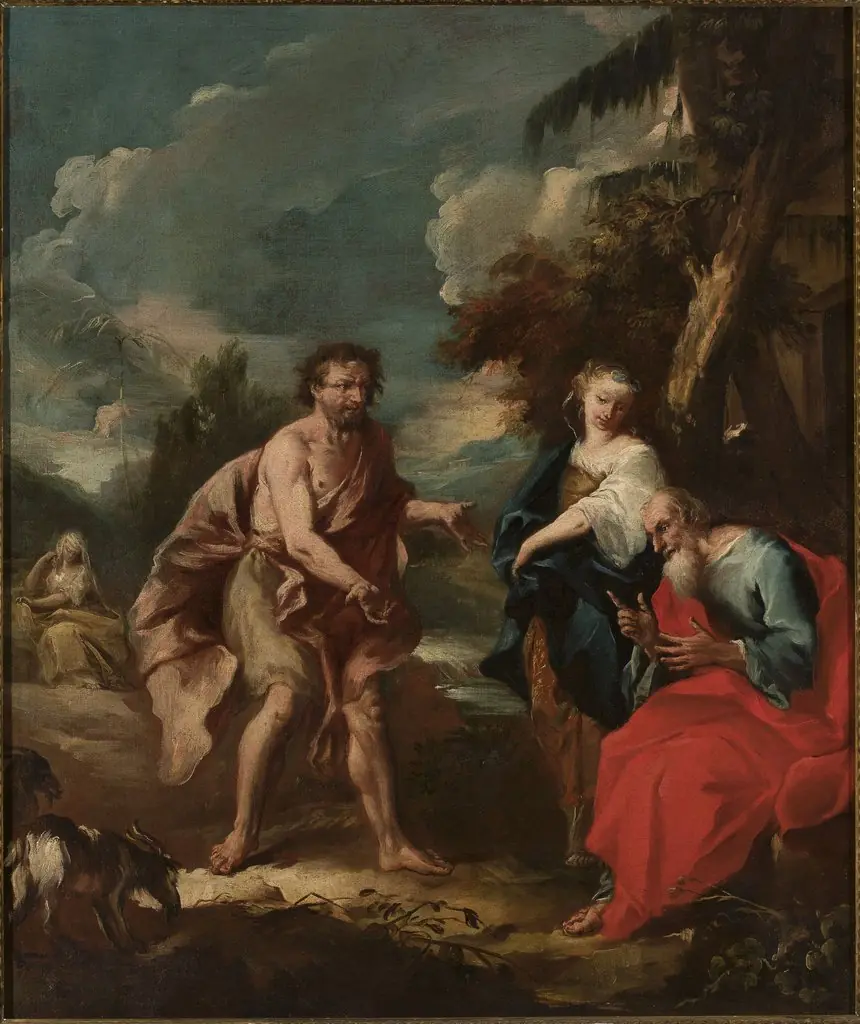 Jacob and Rachel
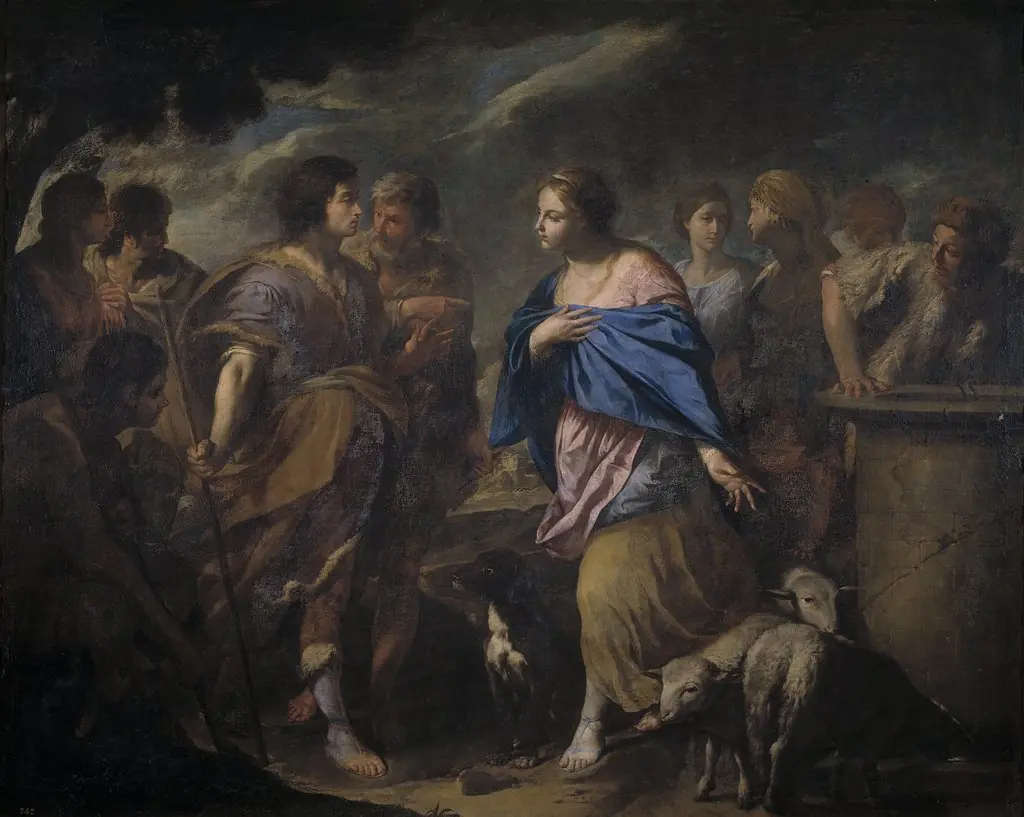 Meeting of Isaac and Rebeca
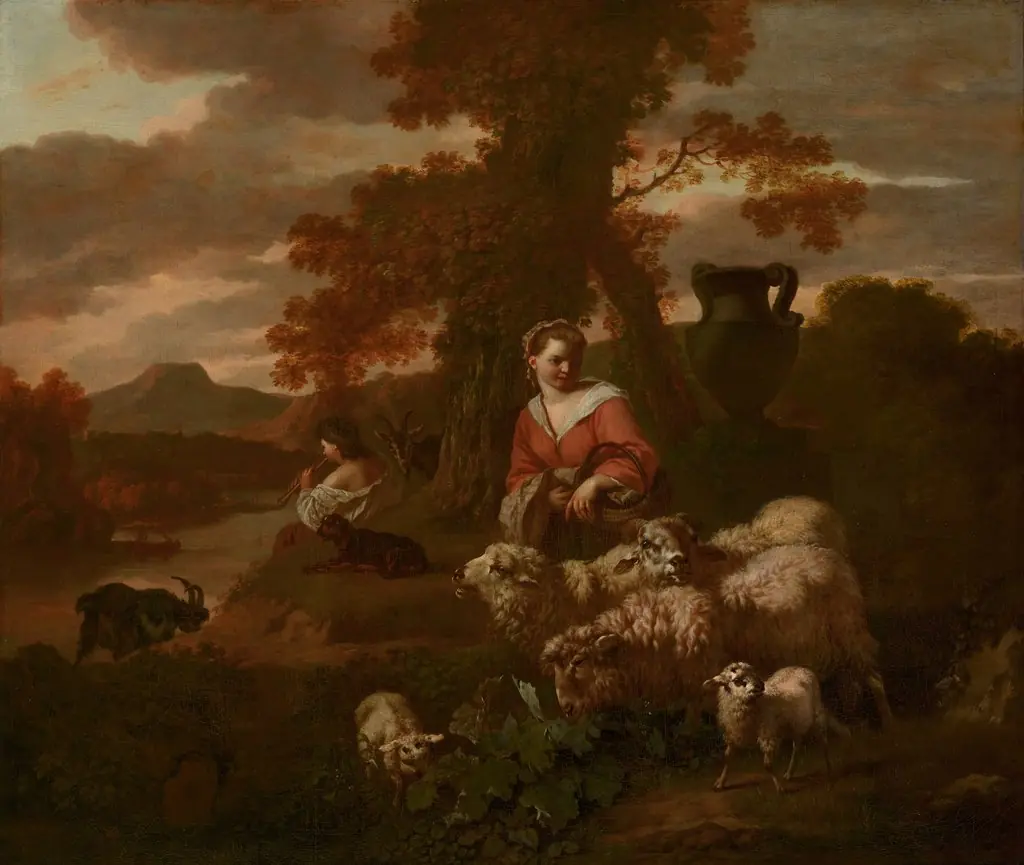 Shepherdess and Shepherd with Sheep and Goats
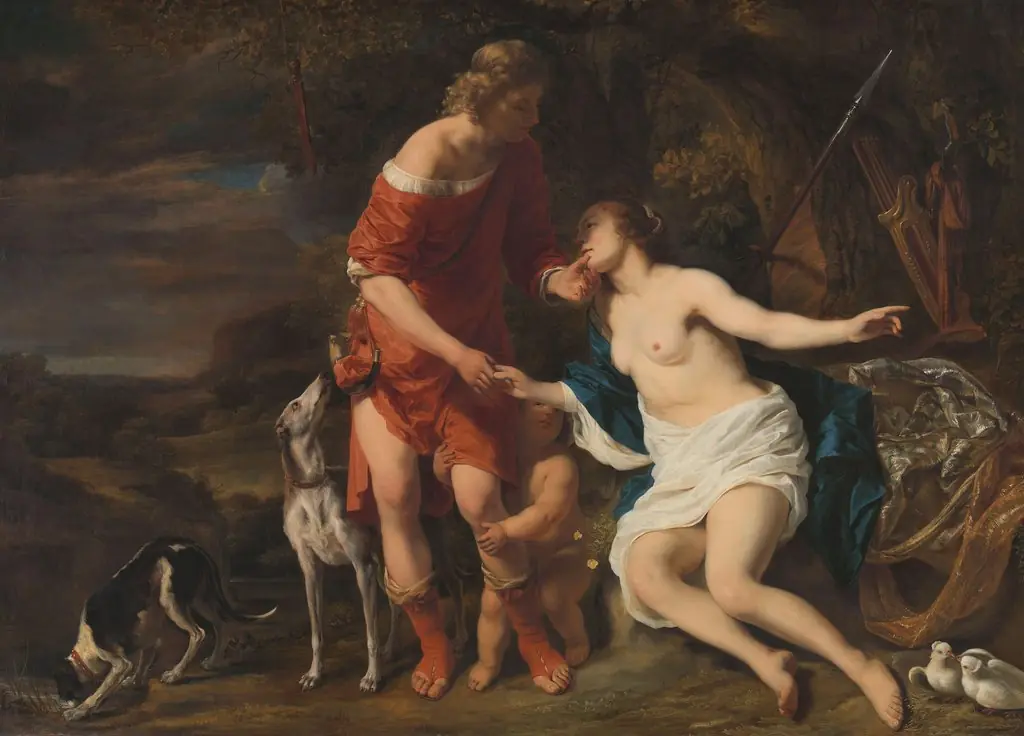 Venus and Adonis
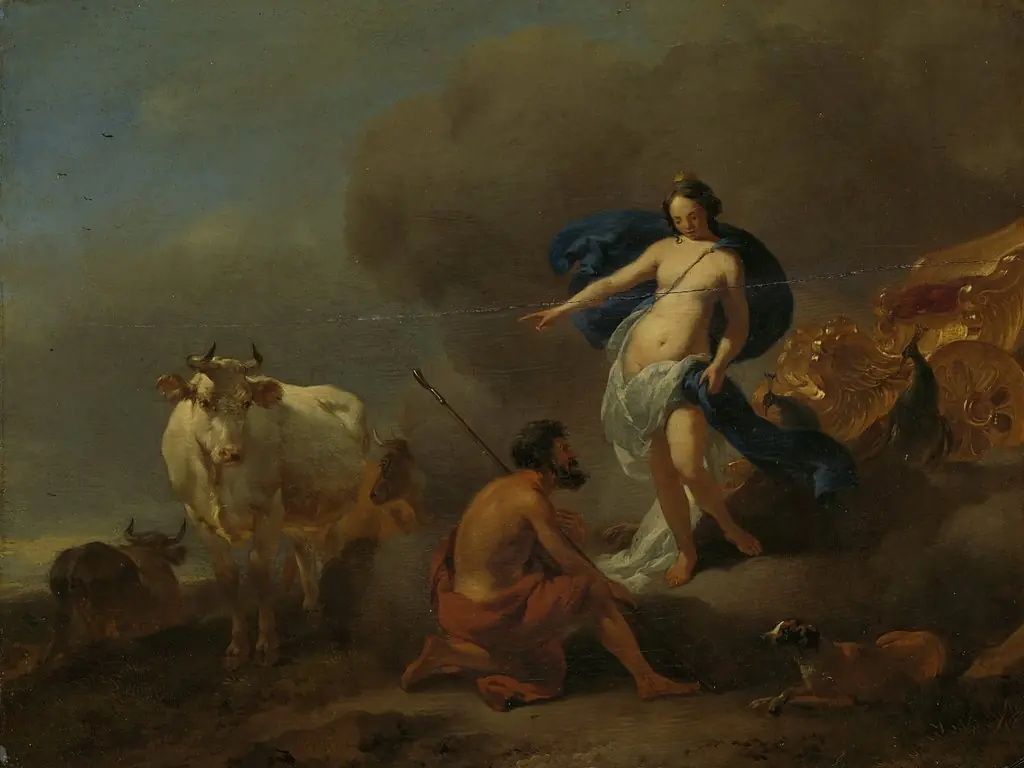 Juno commanding Argus to keep watch on Io
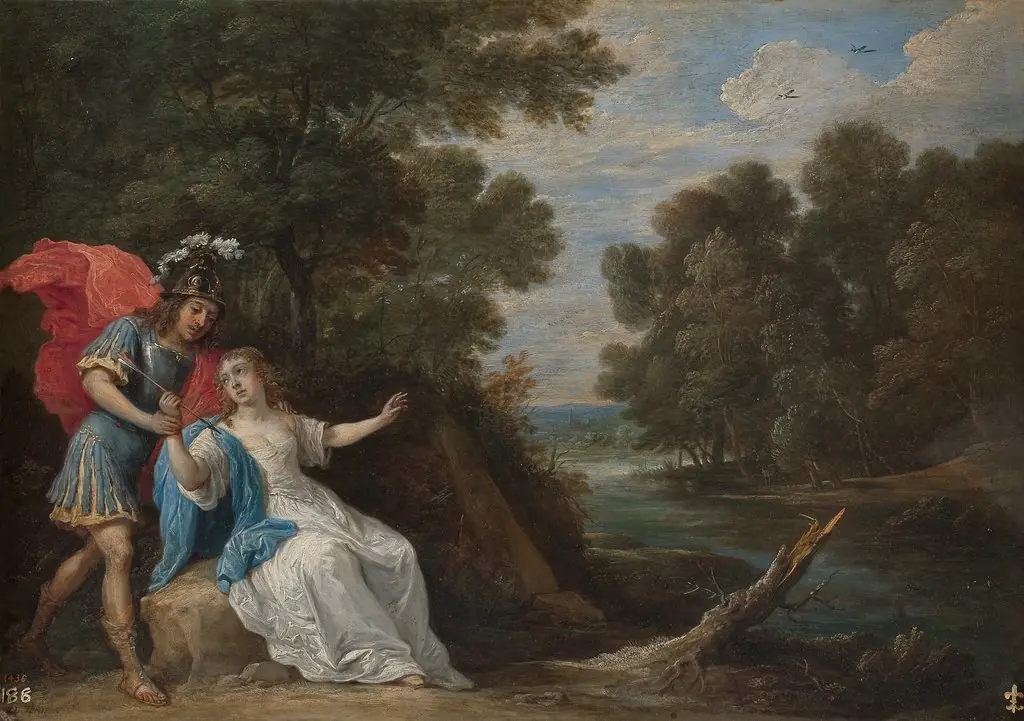 Reconciliación de Reinaldo y Armida
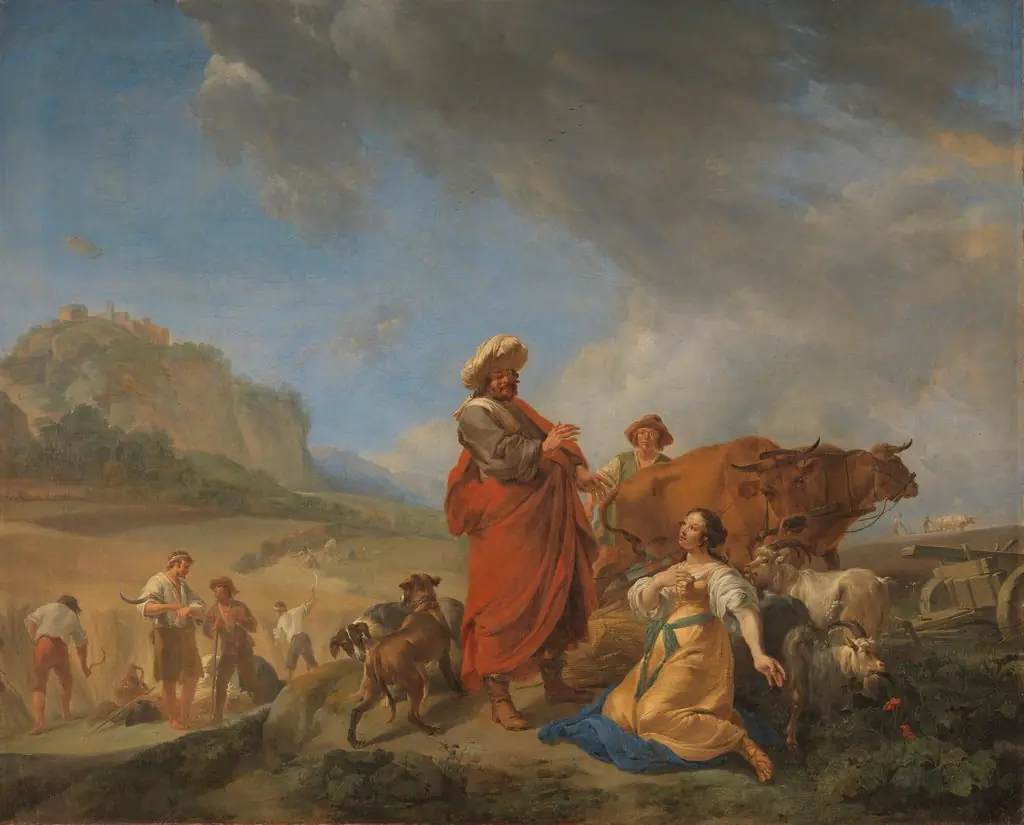 Ruth and Boas
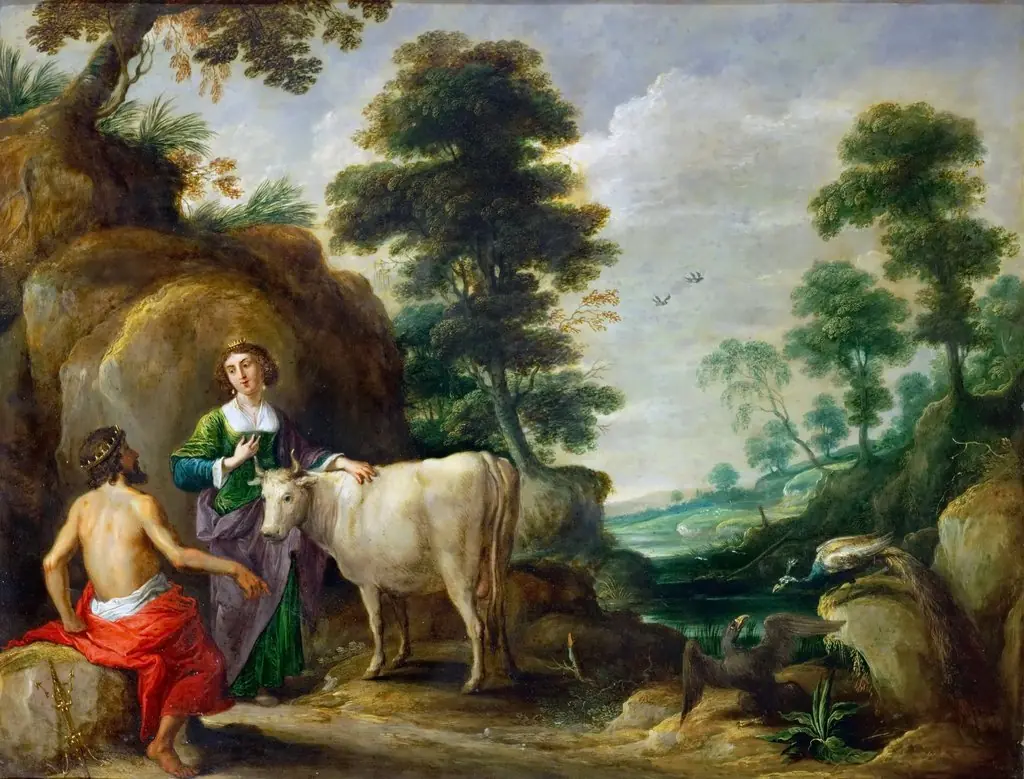 Io, transformed into a cow, is handed to Juno by Jupiter
 Rebecca and Eliezer at the Well
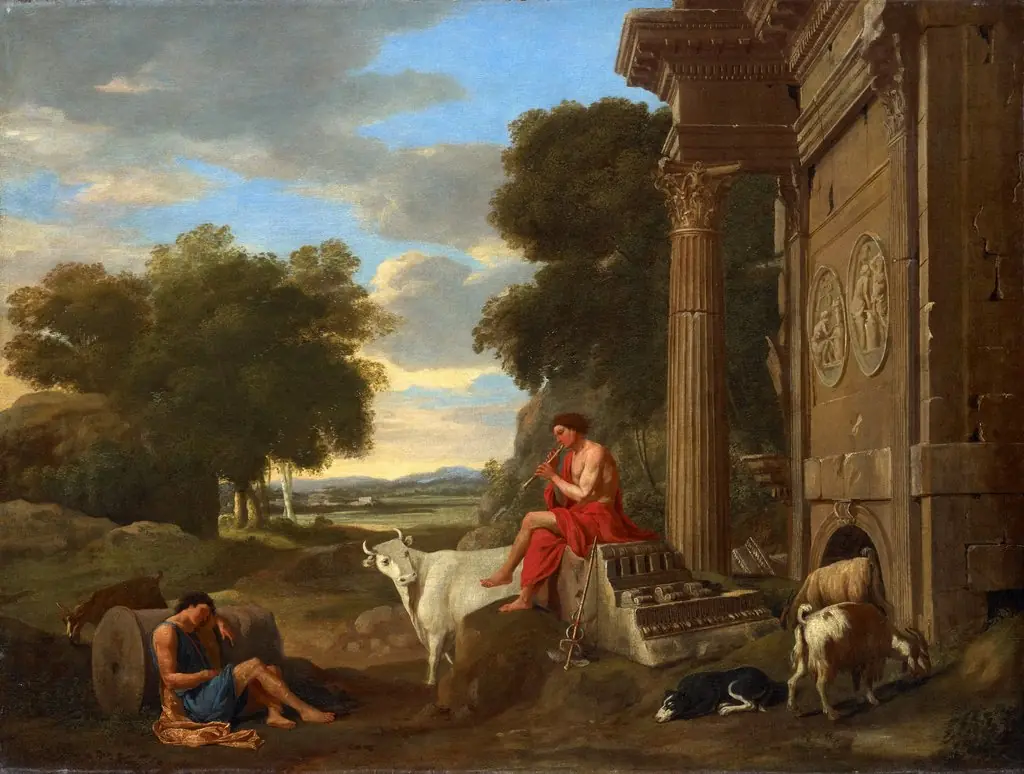 Mercury and Argus
 Young Couple in Shepherd's Costumes