Artwork
Paris and Oenone
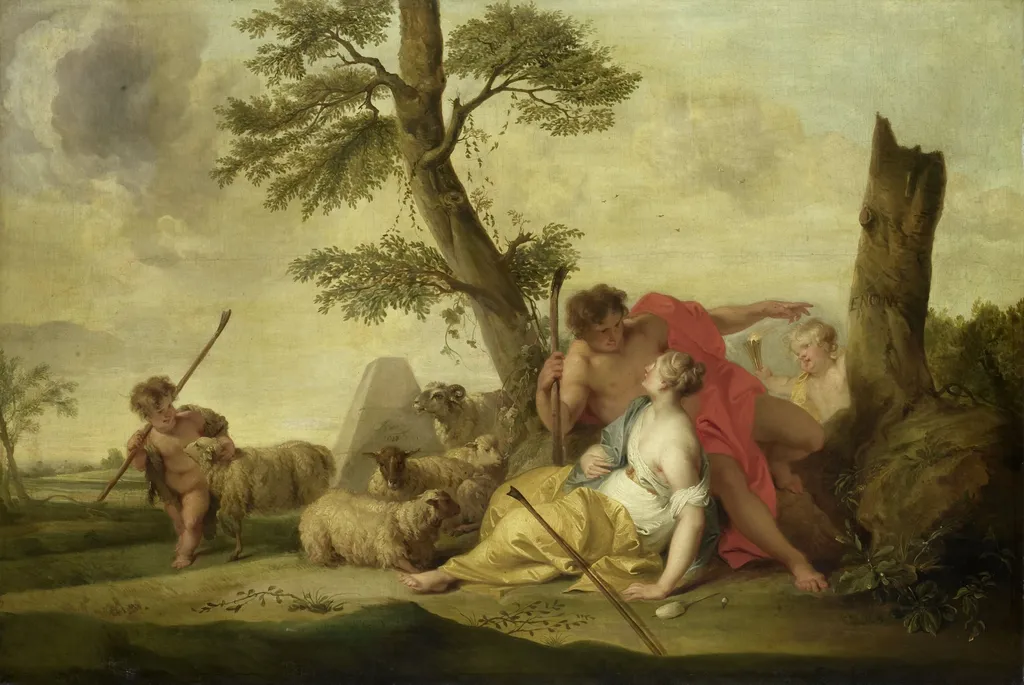
Paris and Oenone is an oil painting by the Rococo painting artist Jacob de Wit. It dates from 1737 and is held in the collection of the Rijksmuseum.
About this work
Technique & Style
Jacob de Wit painted Paris and Oenone in 1737 using oil on canvas. The work measures 99.5 cm in height and 146.5 cm in width, depicting the mythological figures Paris and Oenone beneath a tree. It is classified as a mythological painting and is part of the Rijksmuseum's collection.
History & Provenance
No further details about its creation circumstances or provenance chain are provided beyond its 1737 inception and current institutional custody.
Paris and Oenone is an oil painting on canvas by Jacob de Wit, dated 1737. According to the Wikidata record, the work was created in 1737 and is held in the collection of the Rijksmuseum, where it remains located. The sources do not specify a commissioner, patron, or earlier ownership history prior to the Rijksmuseum's acquisition, nor do they document intermediate owners, sales, or exhibition records.
No further details about its creation circumstances or provenance chain are provided beyond its 1737 inception and current institutional custody.
Jacob de Wit's mythological painting Paris and Oenone, created in 1737, is held in the collection of the Rijksmuseum in Amsterdam. The work is executed in oil on canvas and measures 99.5 cm in height by 146.5 cm in width. While the painting resides within the Rijksmuseum's permanent holdings, the provided sources do not specify a unique inventory or accession number for the piece. Furthermore, the available documentation contains no information regarding a specific exhibition history for this artwork.
Legacy
Jacob de Wit's 1737 oil painting Paris and Oenone, depicting the mythological lovers under a tree, entered the Rijksmuseum collection and remains part of its holdings. The work is recognized as a notable example of Dutch mythological painting from the 18th century. Its composition influenced later interpretations of the Paris and Oenone narrative in European art, particularly in Dutch and German academic circles of the 19th century.
Overview
Jacob de Wit’s 1737 oil painting Paris and Oenone presents a quiet pastoral scene in which the Trojan prince Paris and the nymph Oenwen share a moment beneath a tree. The composition balances human figures with surrounding livestock and a distant landscape, conveying a calm, idyllic atmosphere typical of Rococo sensibility.
Subject & Meaning
The work draws on the myth of Paris and Oenwen, portraying the couple in an intimate, non‑dramatic setting rather than a narrative climax. Their relaxed pose, together with the presence of a cherubic attendant, suggests a moment of private affection and the gentle allure of nature, emphasizing personal emotion over heroic action.
Context
De Wit, primarily known for decorative ceiling and wall panels, applied his interior‑decorator’s eye to this easel work. The piece aligns with contemporary tastes for mythological themes rendered in a light, decorative manner, echoing the broader European fascination with classical stories presented in a leisurely, pastoral guise.
Own this work as a print
Artist & collection
Artist
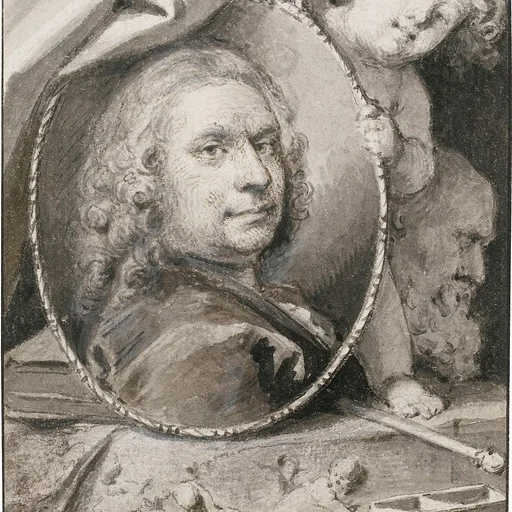
Jacob de Wit (19 December 1695 – 12 November 1754) was a Dutch painter and interior decorator. He is best known for his depictions of religious scenes.

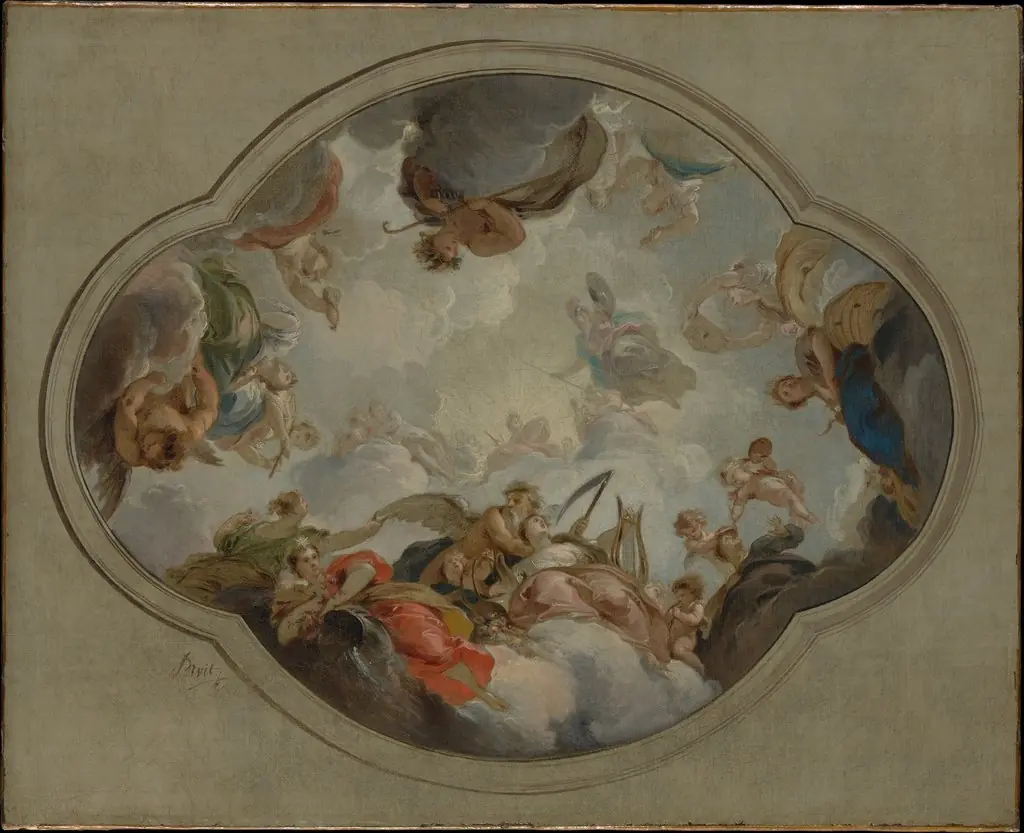
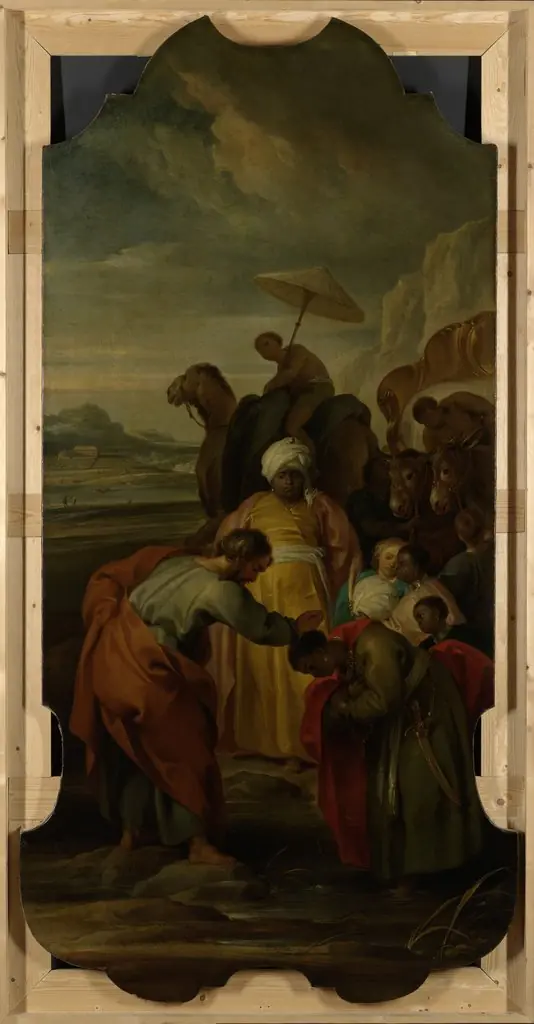
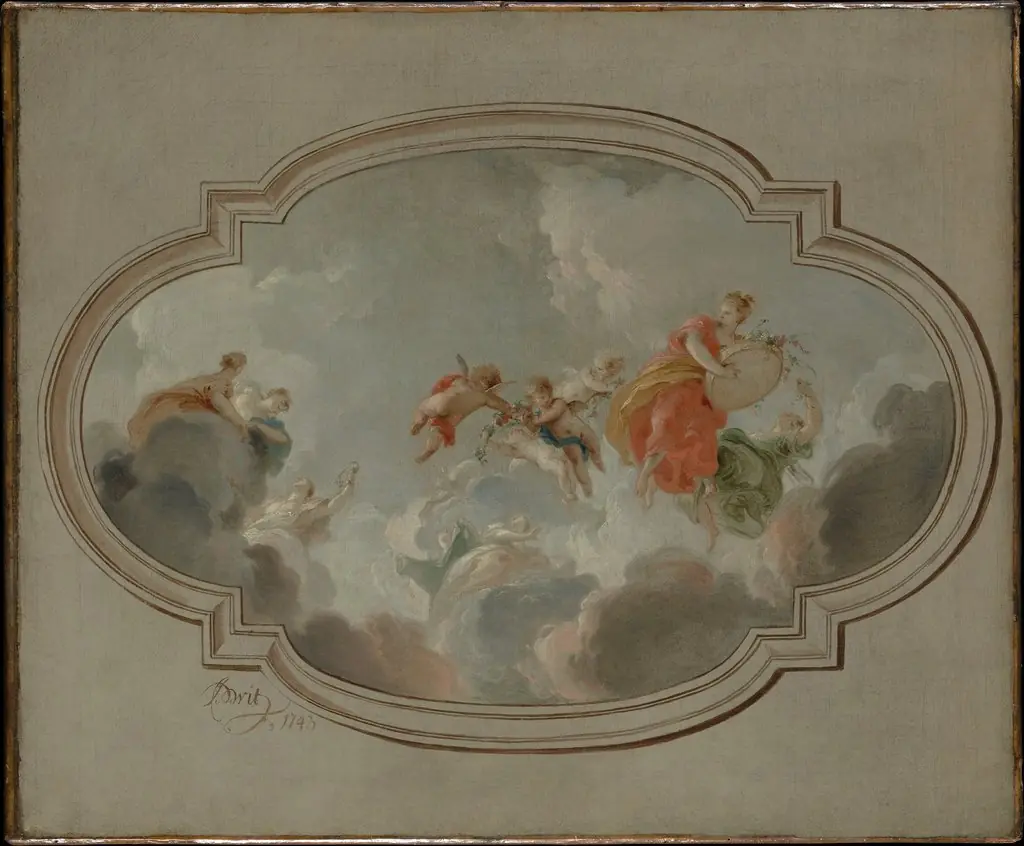
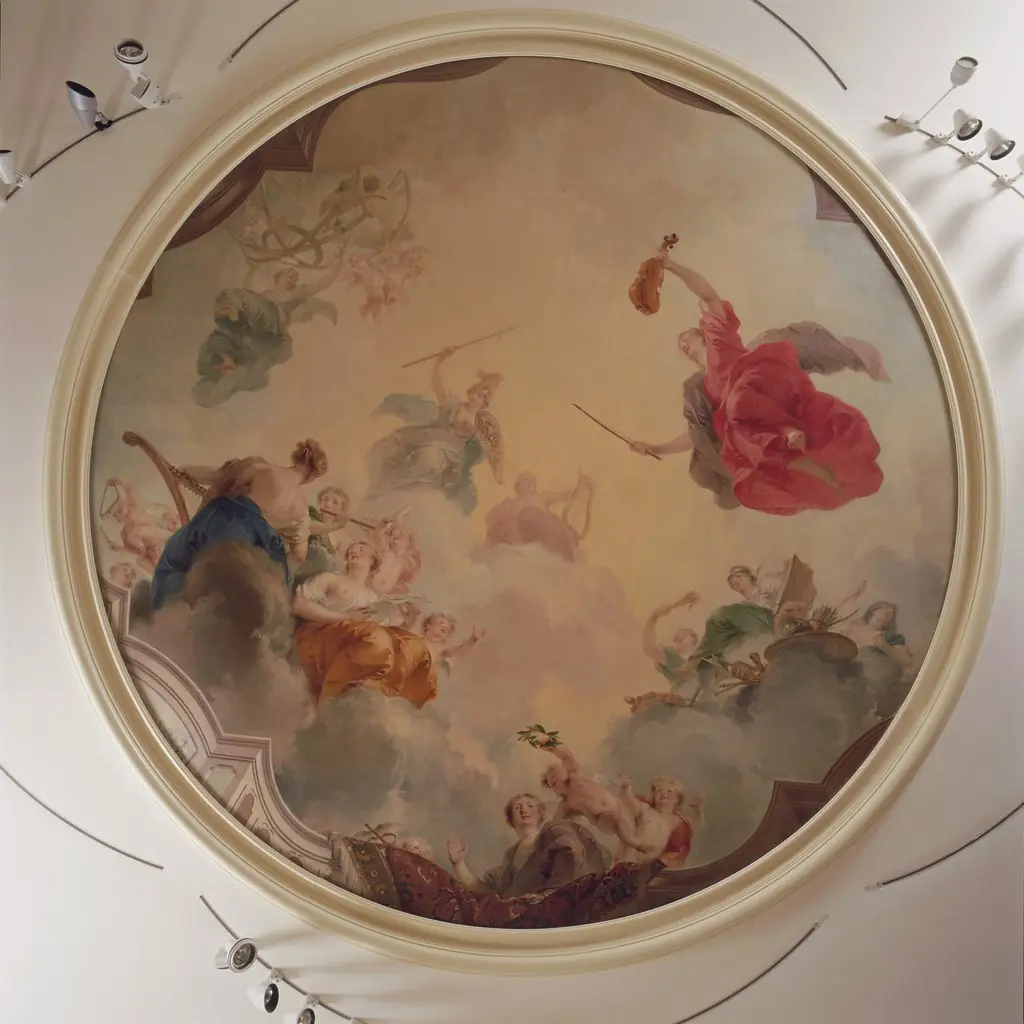
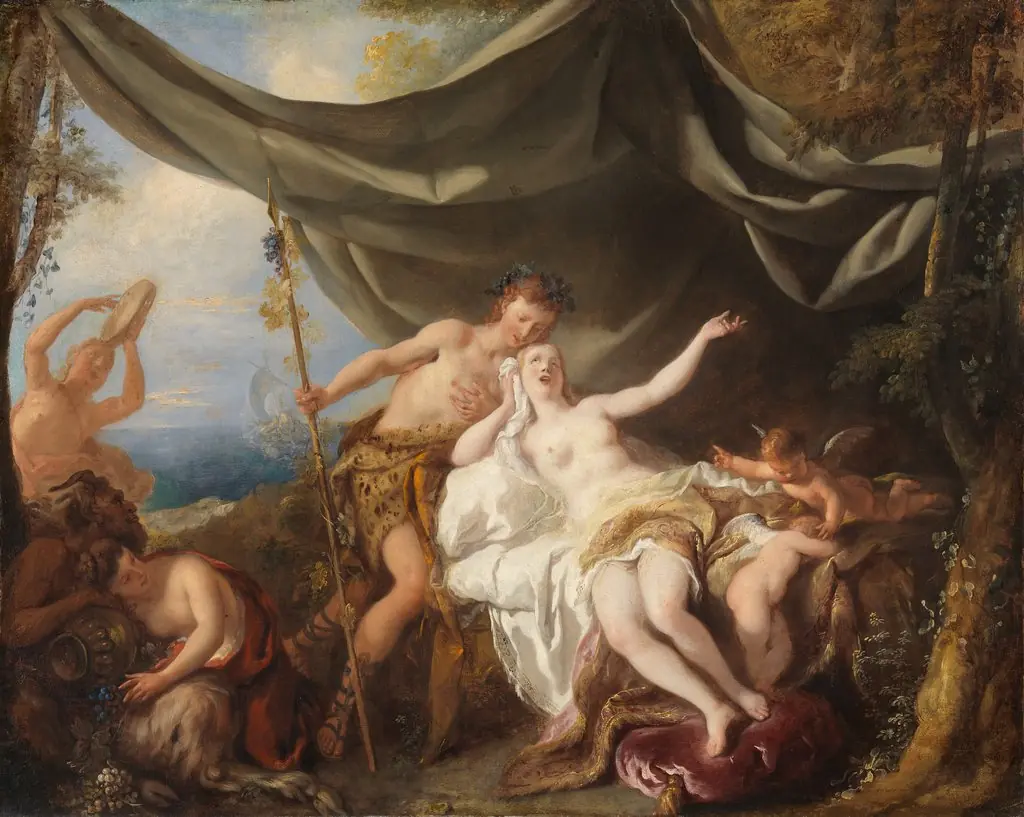
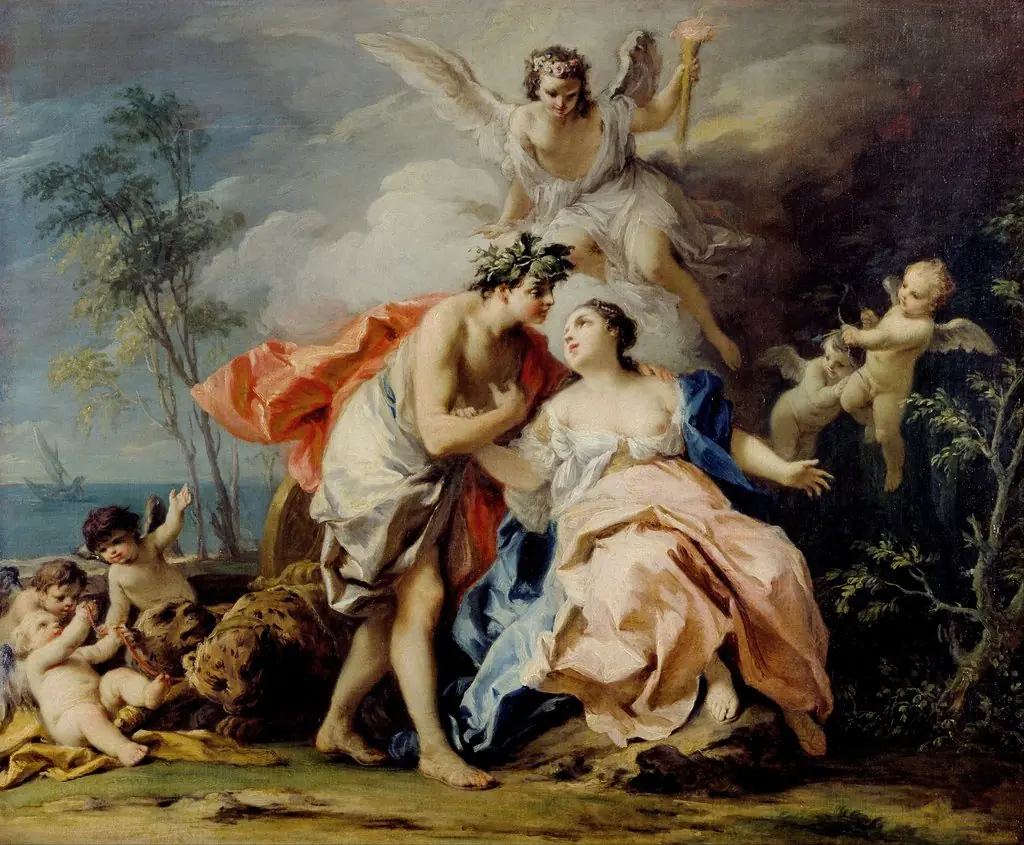
- Bacchus and Ariadne
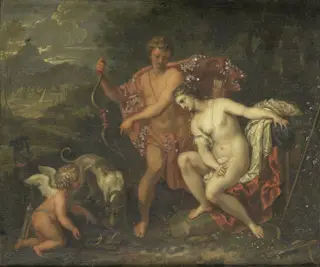 Meleager and Atalanta
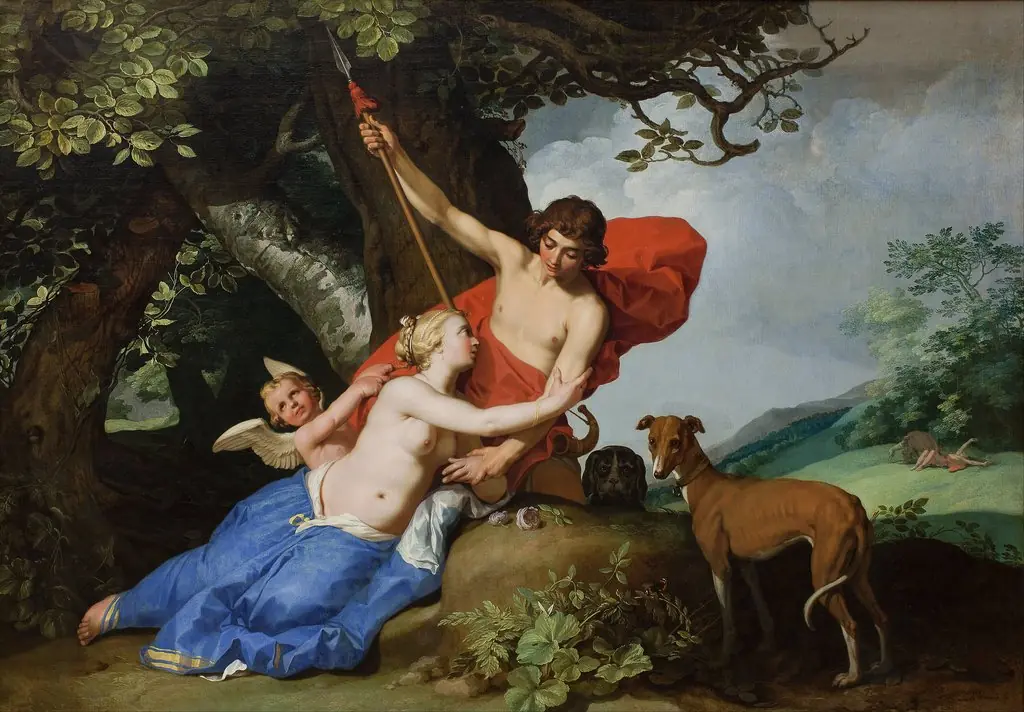 Venus and Adonis
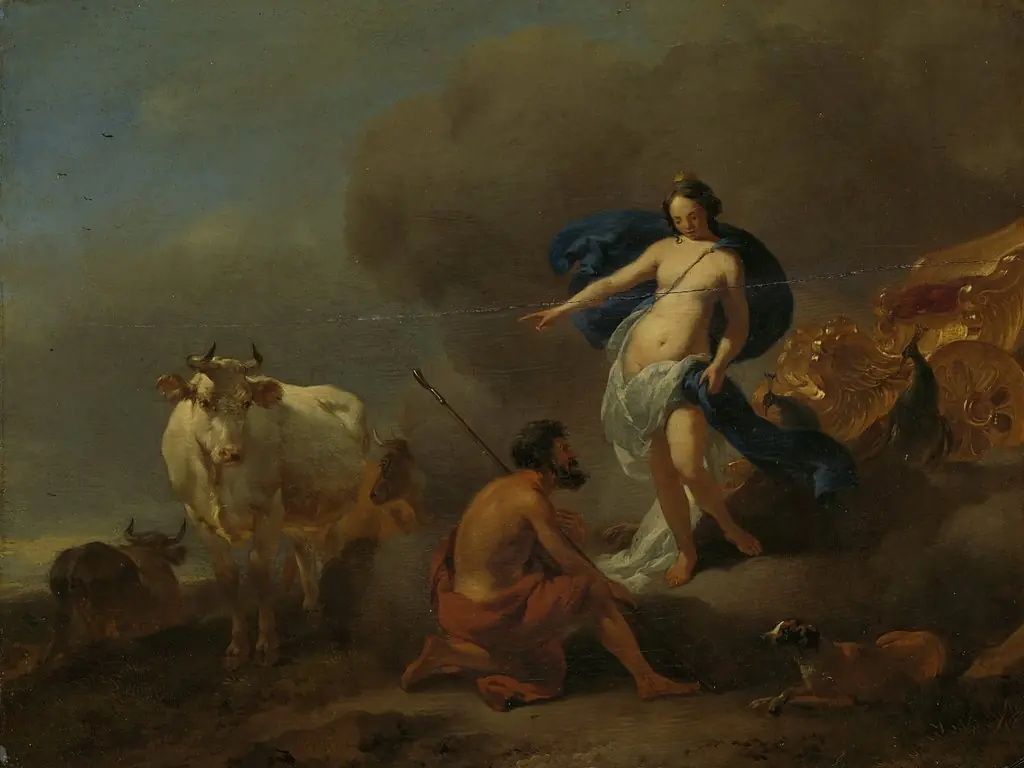 Juno commanding Argus to keep watch on Io
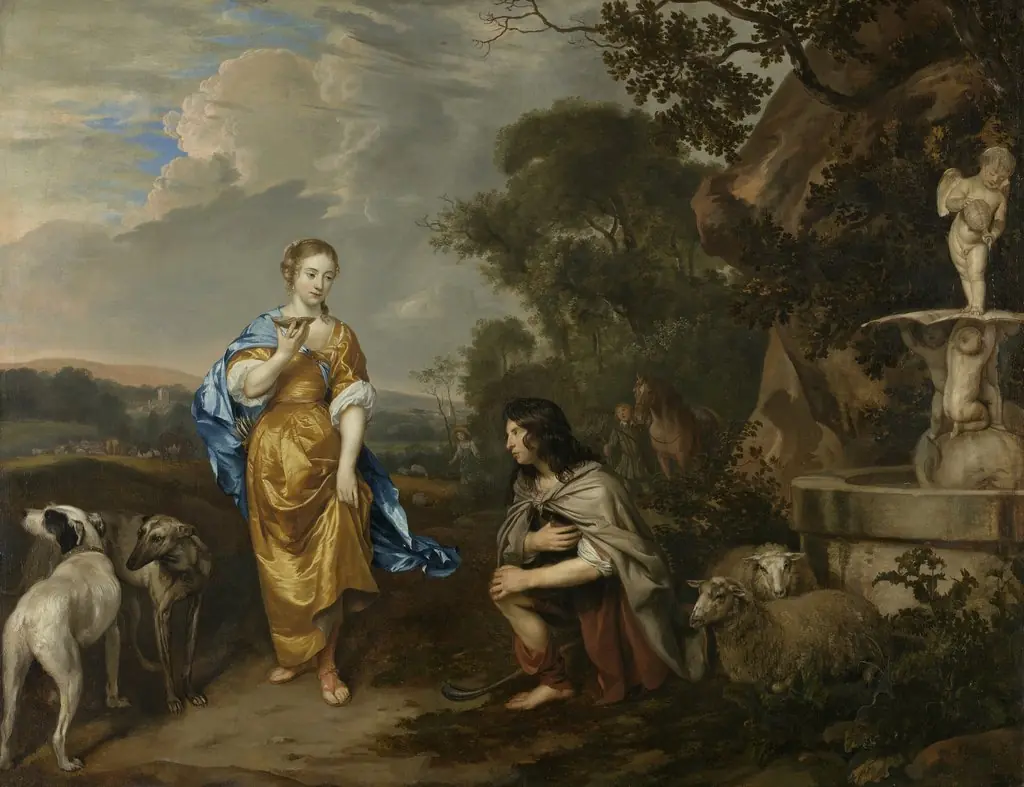 Double portrait of a young couple as Granida and Daiphilo
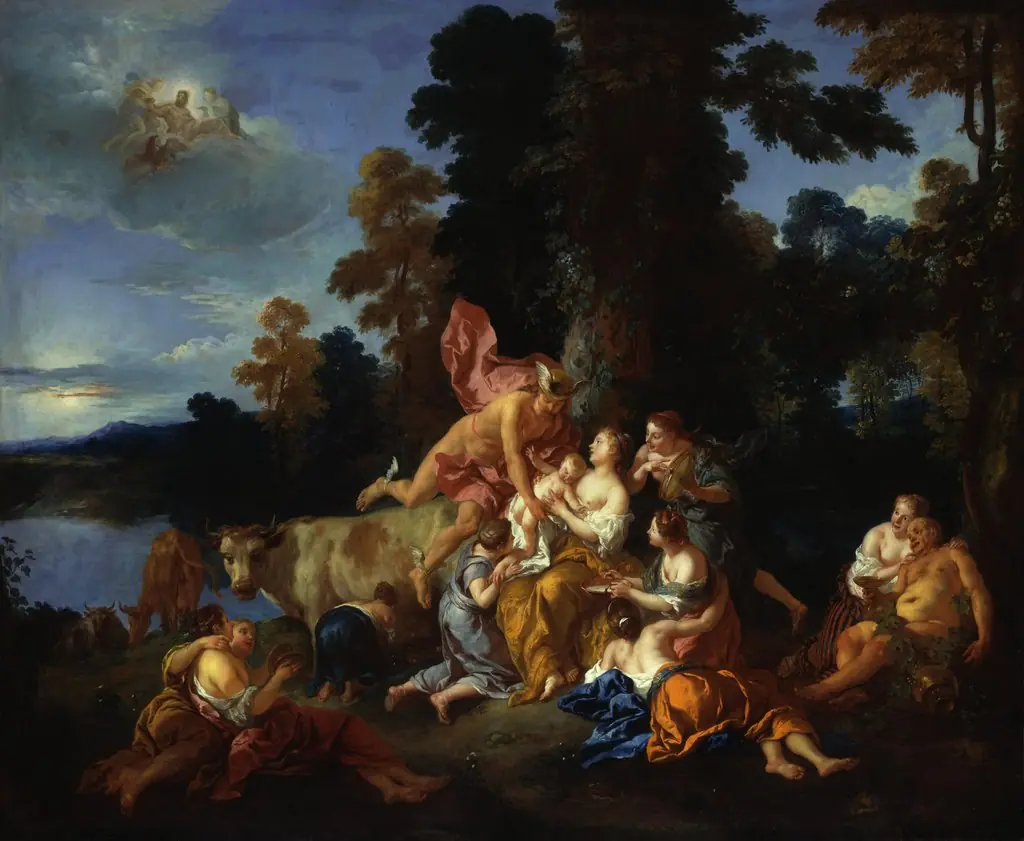 The Rearing of Bacchus
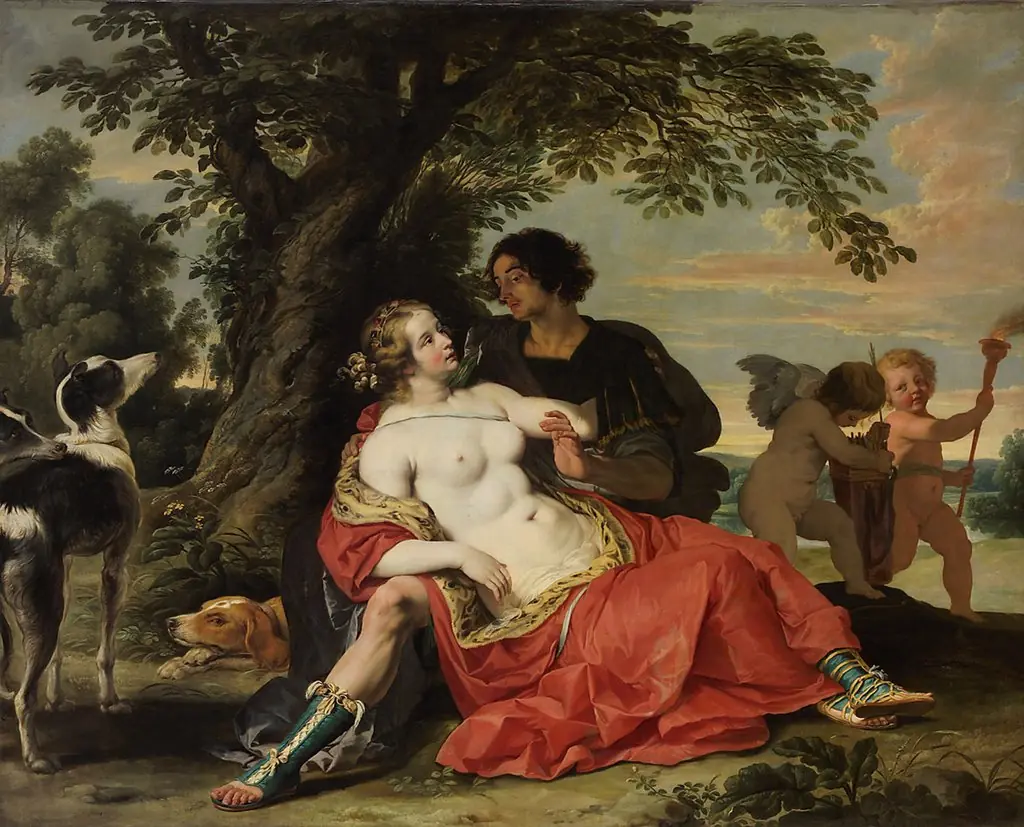 Venus   and  Adonis
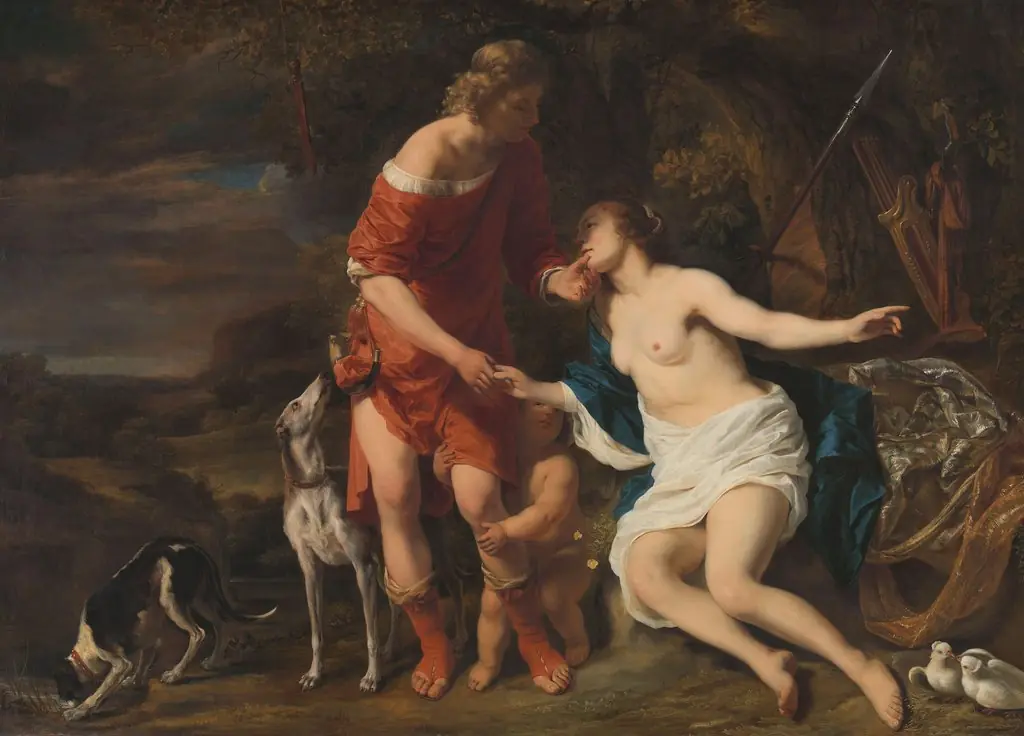 Venus and Adonis
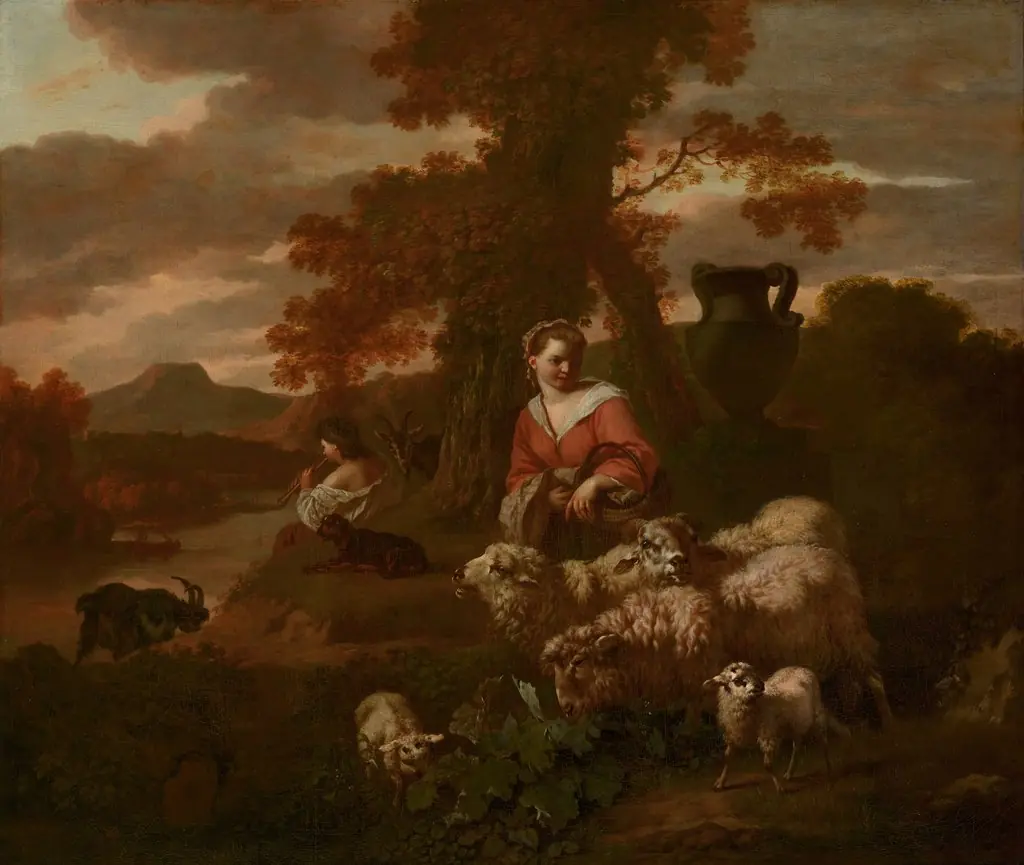 Shepherdess and Shepherd with Sheep and Goats
 Bacchus and Ariadne
 Paris's Judgement
 Bucolic scene (shepherd scene ?)