Artwork
Portrait of a Man
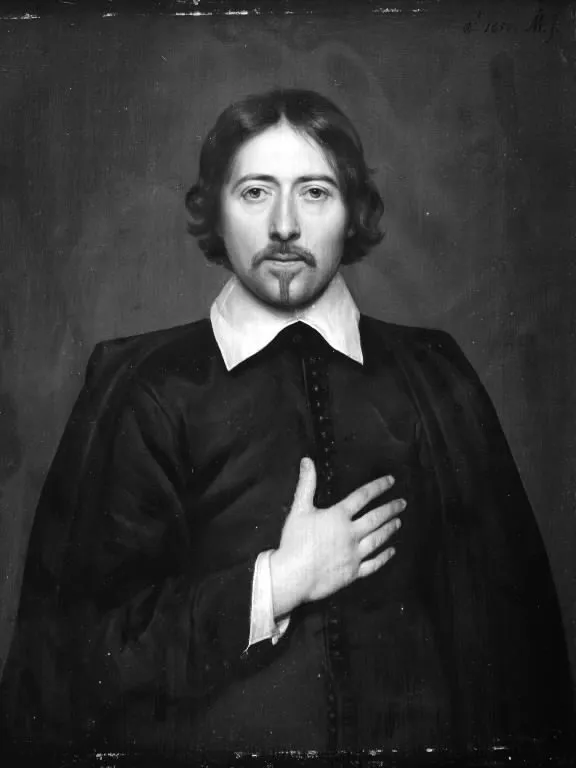
Portrait of a Man is an oil painting by the Dutch Golden Age artist Johannes Mytens. It dates from 1650 and is held in the collection of the Statens Museum for Kunst.
About this work
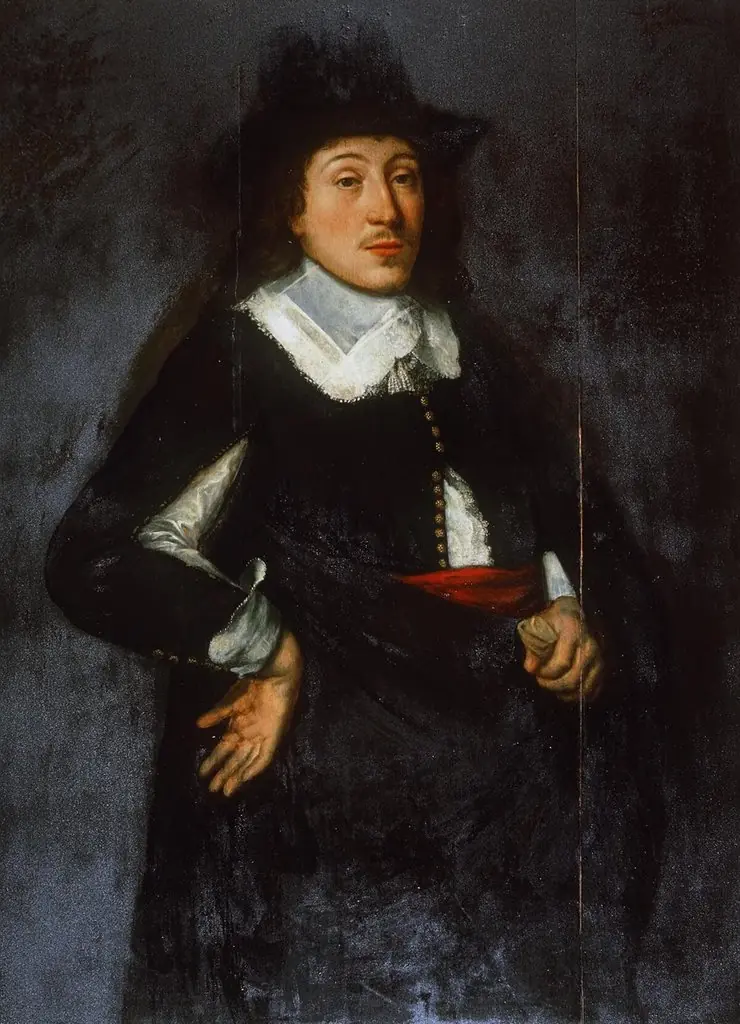
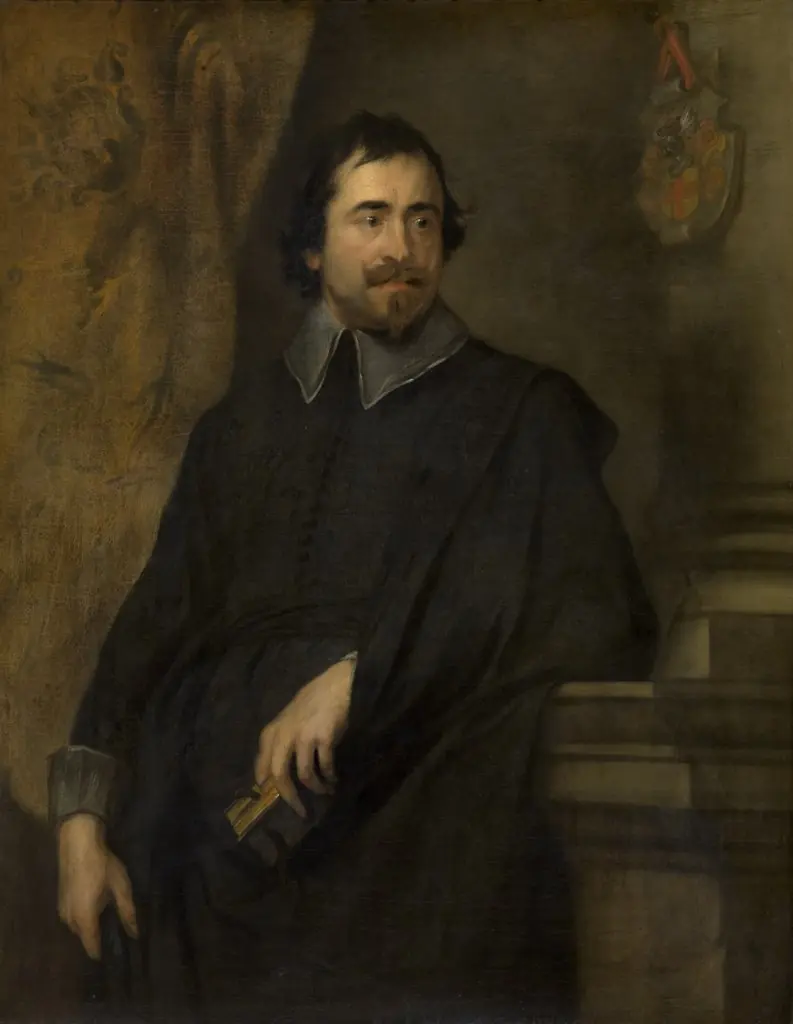
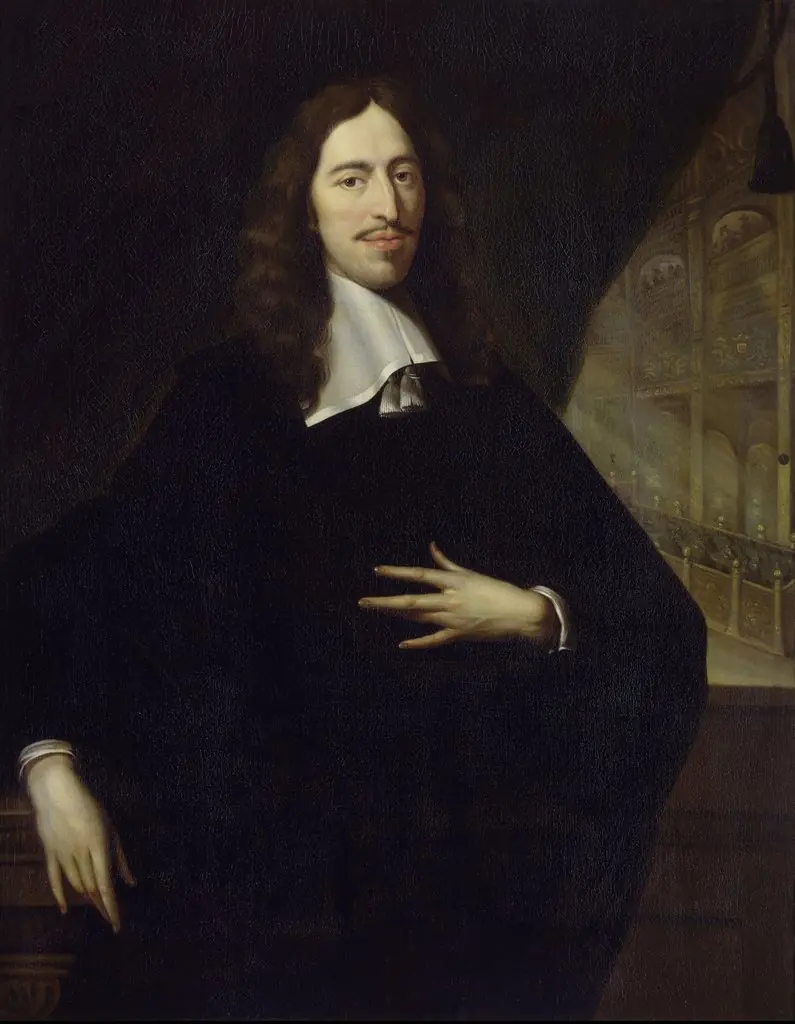
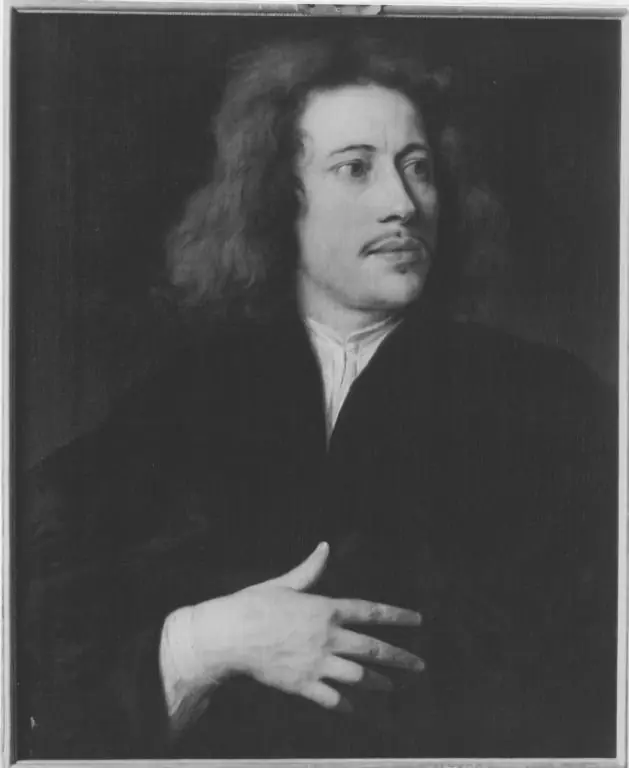
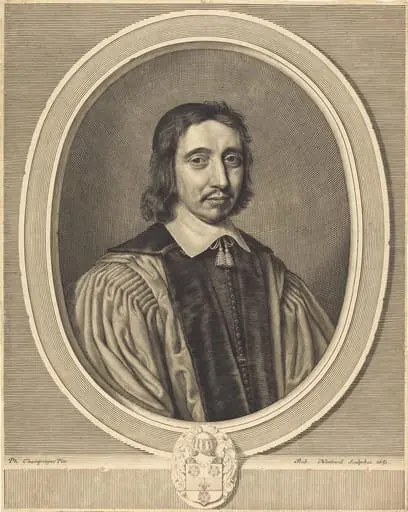
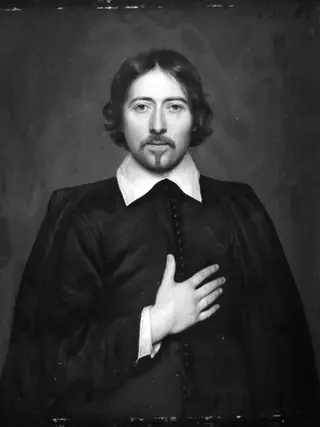
This portrait features a man with dark, shoulder-length hair and a beard, dressed in a black jacket with a white collar and a black tie.
This portrait features a man with dark, shoulder-length hair and a beard, dressed in a black jacket with a white collar and a black tie. His right hand is placed over his heart, and he gazes directly at the viewer.
The man's attire suggests a formal or professional setting, possibly from the 17th century. The artist's use of oil paint creates a rich, textured appearance.
If you're interested in learning more about the artist behind this portrait, you might want to explore the works of Johannes Mytens.
Subject & Meaning
The work depicts a single male figure, identified simply as a man, presented in the format of a formal portrait. Created by Johannes Mytens in 1650, the painting focuses entirely on the likeness of this individual without incorporating additional narrative elements or allegorical figures. As a straightforward portrait, the piece represents the subject's physical appearance and presence rather than conveying complex symbolic meanings or iconographic programs.
The composition centers on the man, allowing his identity and demeanor to serve as the primary subject matter of the artwork.
Technique & Style
The work is an oil painting executed on panel, reflecting typical 17th-century Dutch portrait practice. Its modest dimensions of 31.5 cm by 24 cm are recorded in the cataloguing data, and the surface shows the handling and finish characteristic of oil on wood support from this period. The composition presents a straightforward, sober rendering of the sitter, emphasizing texture and chiaroscuro rather than elaborate decorative elements, aligning with the formal restraint seen in contemporary portraiture.
History & Provenance
Portrait of a Man was created by Johannes Mytens in 1650, executed in oil paint on a wooden panel. The work measures 31.5 cm in height and 24 cm in width and belongs to the portrait genre. It is presently housed in the collection of the Statens Museum for Kunst in Copenhagen.
Portrait of a Man is an oil painting on panel by Johannes Mytens, created in 1650. It measures 31.5 cm in height and 24 cm in width. The work is part of the collection at the Statens Museum for Kunst, where it is catalogued under inventory number NG.M.00123.
The painting has been featured in several exhibitions at the museum, including a 1995 retrospective of Dutch Golden Age portraiture and a 2008 showcase of Northern European portraiture.
Overview
Created circa 1650, this oil painting depicts a seated gentleman in a dark jacket with a white collar, his right hand placed over his heart and his gaze meeting the viewer. The work is attributed to Johannes Mytens, a Dutch portraitist active in The Hague during the mid‑17th century, and is part of the Statens Museum for Kunst collection.
Context
The work belongs to the Dutch Golden Age, a time when the Netherlands experienced economic prosperity and a flourishing art market. Portraits of this type were commissioned by merchants, officials, and professionals to assert status and identity within a rapidly expanding urban society.
Artist & collection
Artist
Johannes Mytens or Jan Mijtens, or "Mytens" to the English (c. 1614 – 24 December 1670) was a Dutch Golden Age painter, almost entirely as a portraitist. Mytens was born in The Hague. According to Houbraken, Johannes…

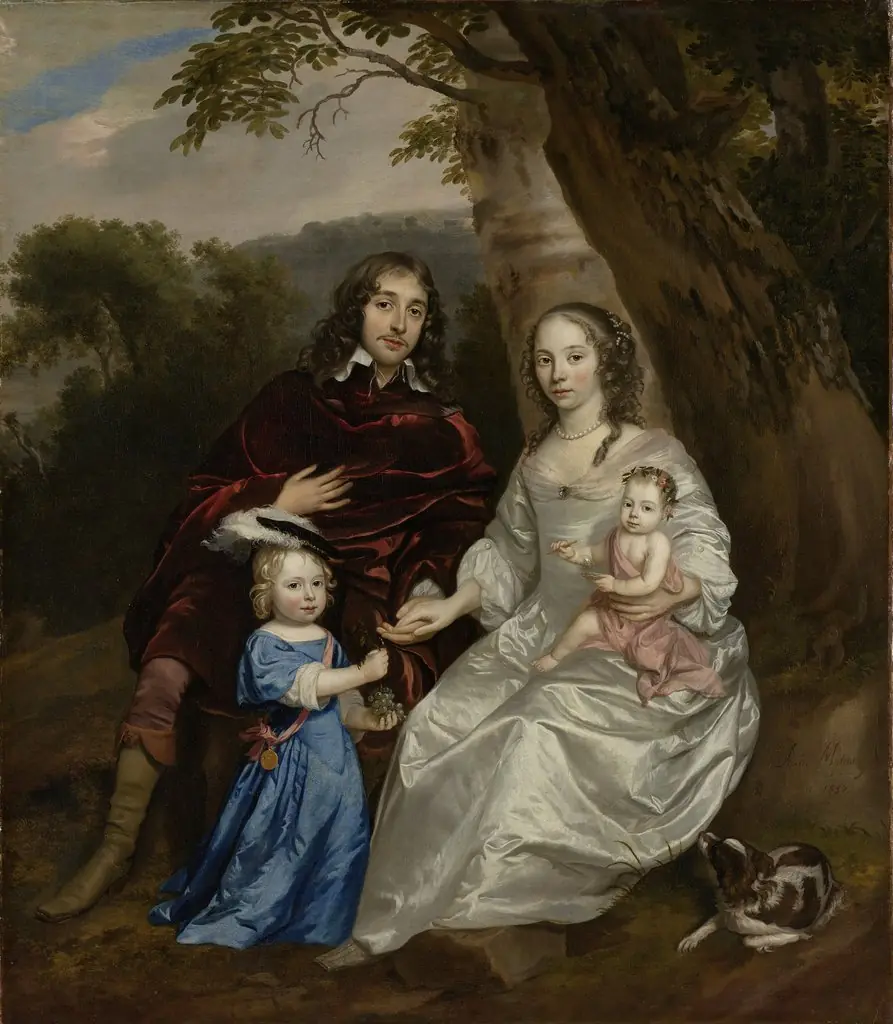 Govert van Slingelandt (1623-90), lord of Dubbeldam. With his first wife Christina van Beveren and their two sons
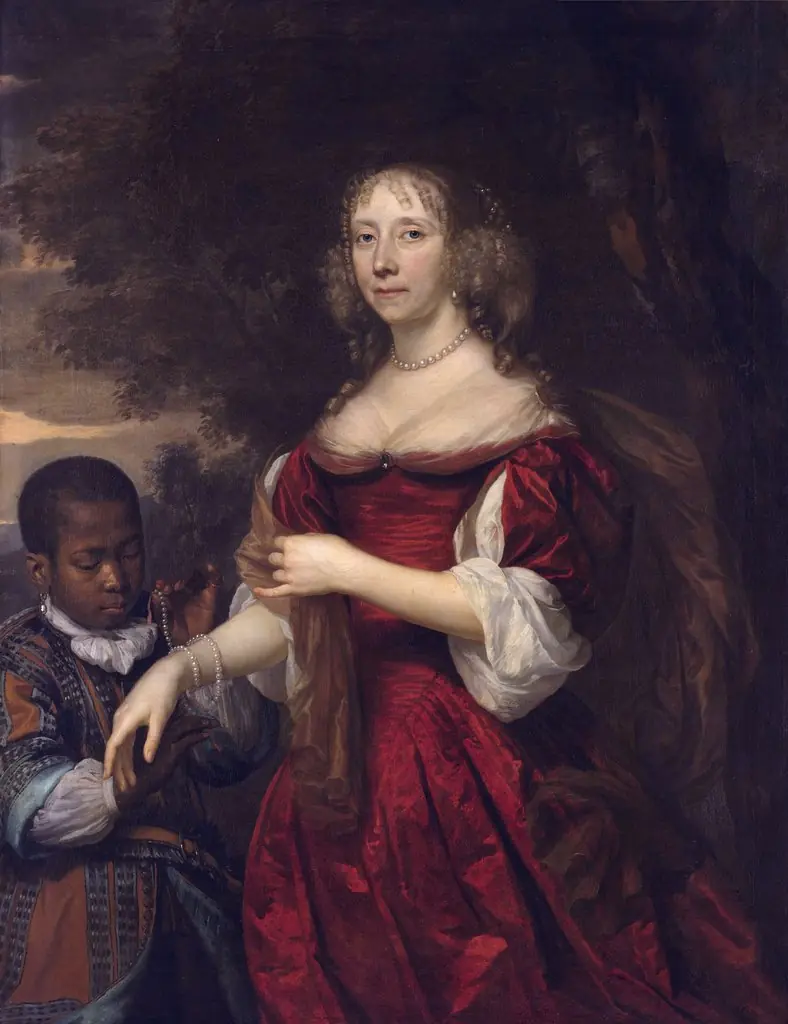 Portrait of Margaretha van Raephorst (d 1690). Wife of Cornelis Tromp
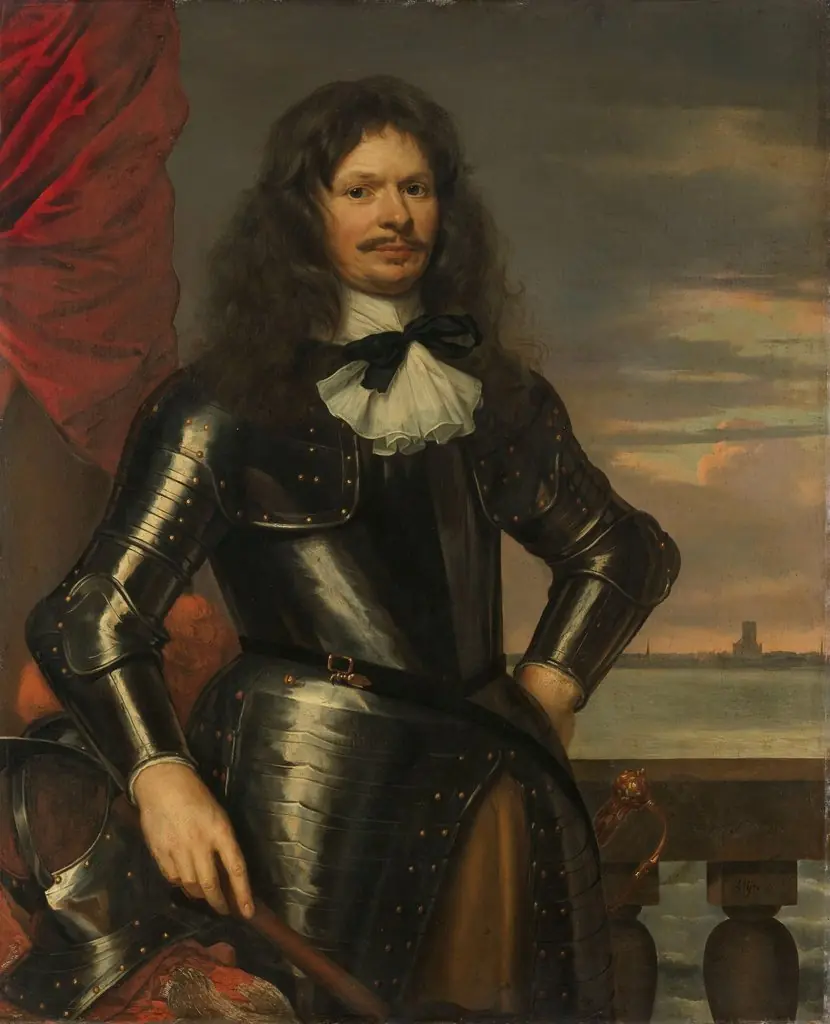 Portrait of Johan van Beaumont. Colonel in the Holland guards and commander of Den Briel
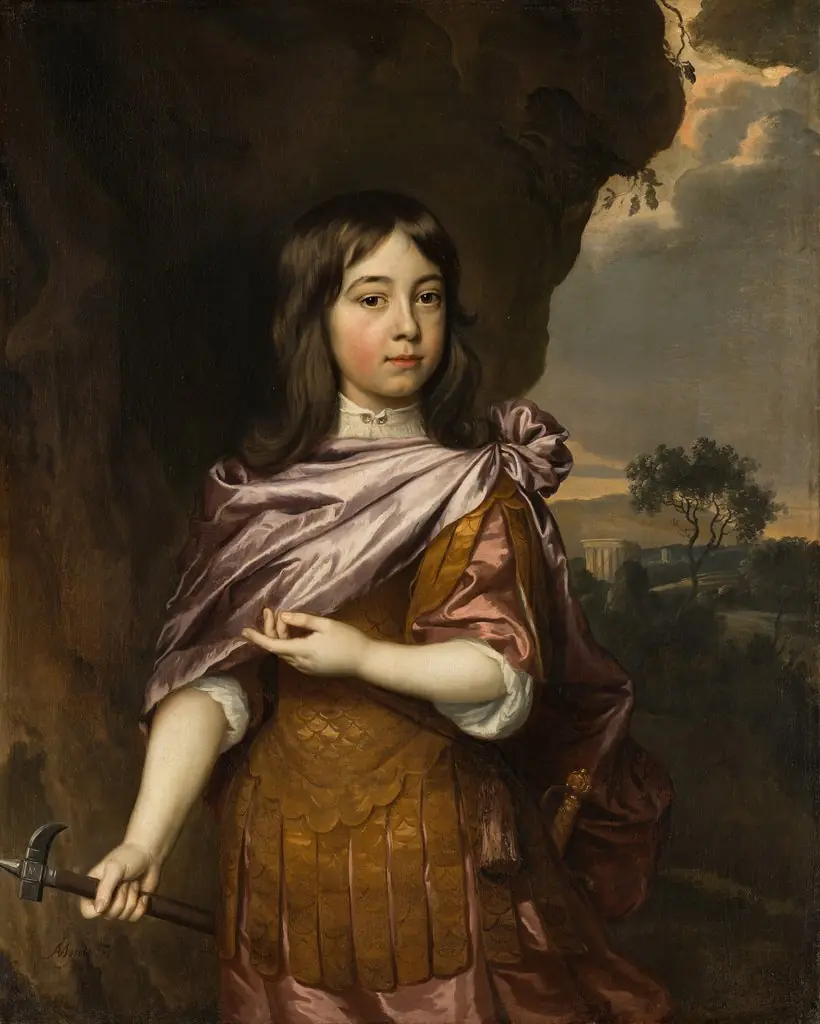 Portrait of Wolfert van Brederode
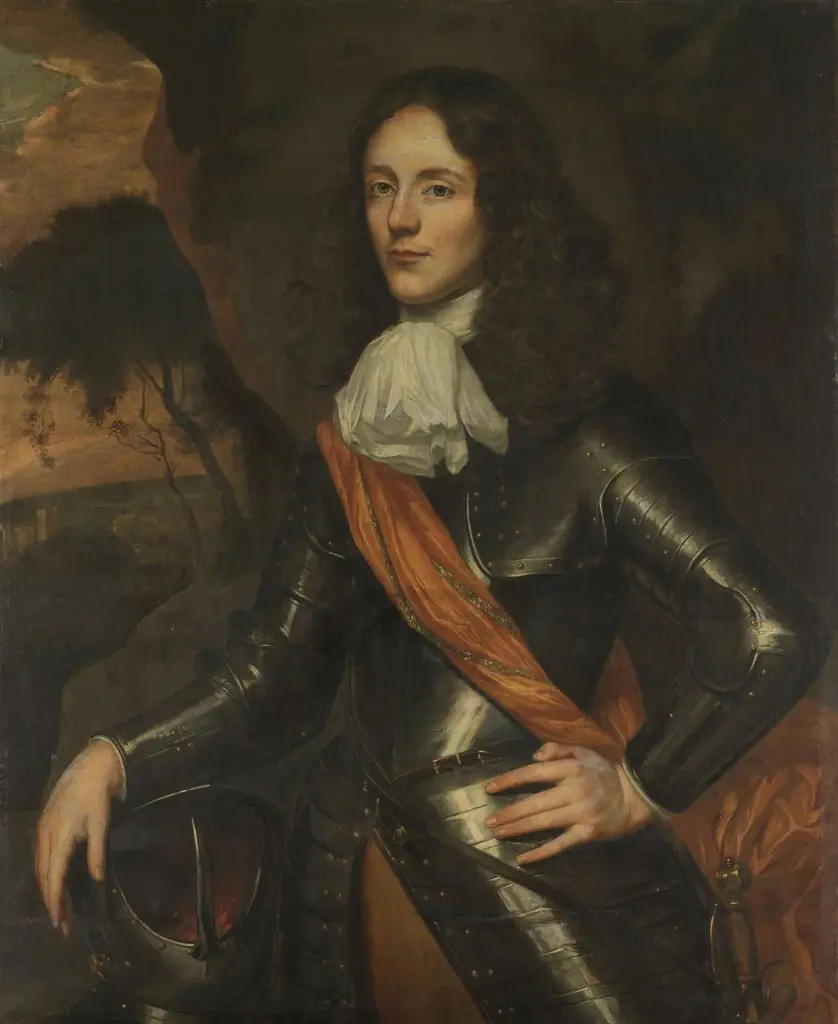 A military officer
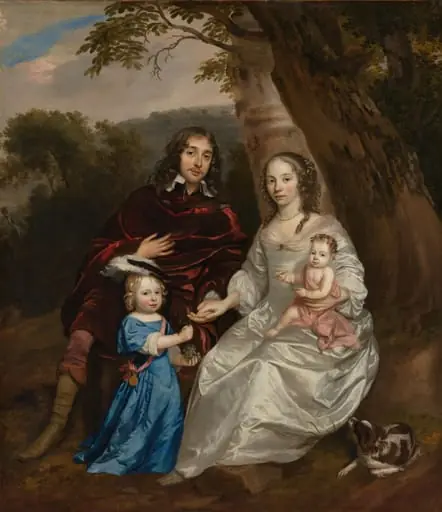 Portrait of Govert van Slingelandt (1623-1690), with his First Wife Christina van Beveren (1632-1656) and their Two Children
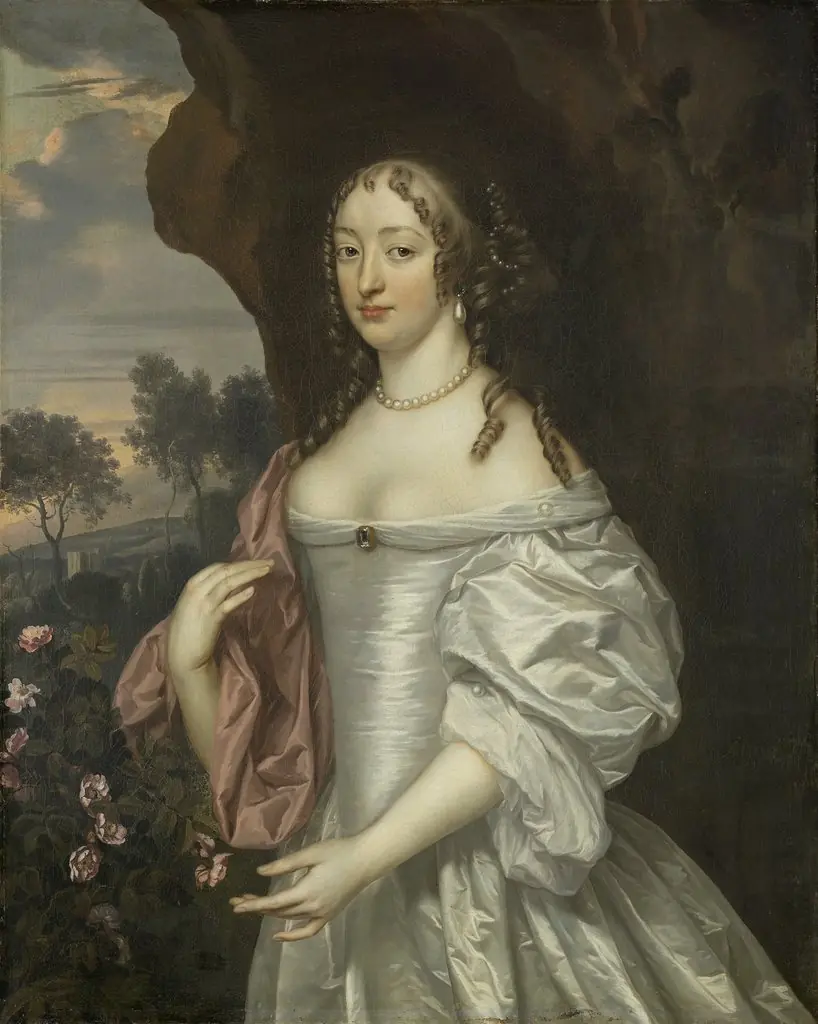 Jacoba van Orliens (1643-91). Wife of Jacob de Witte van Haamstede
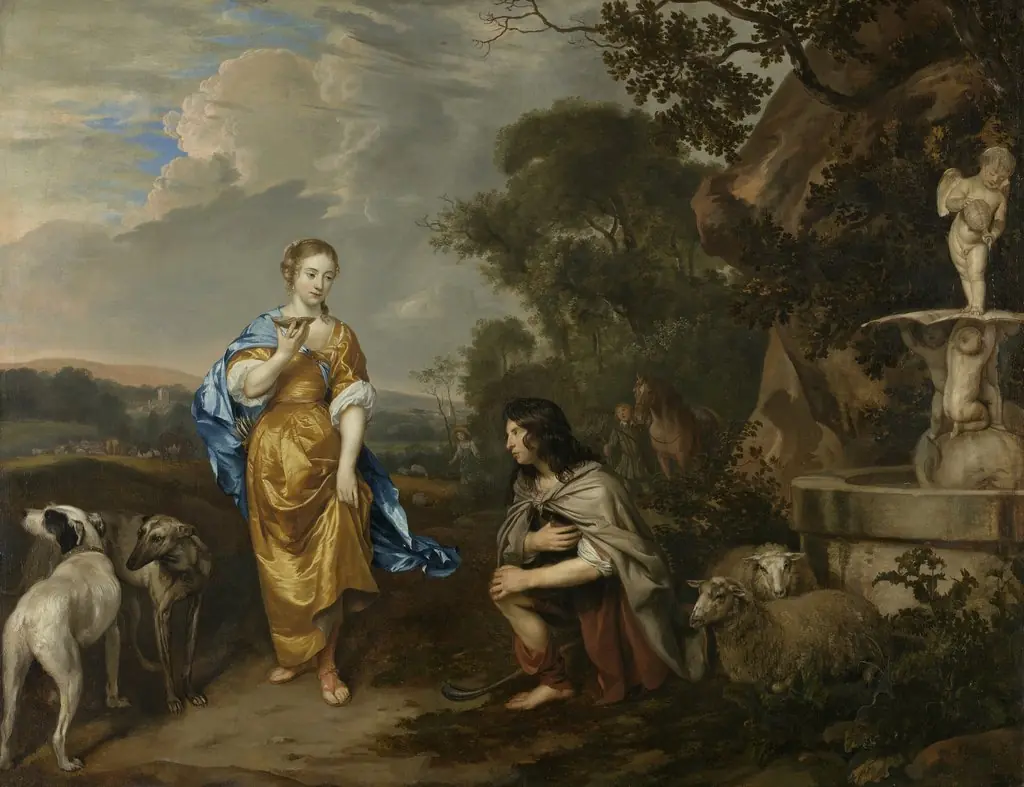 Double portrait of a young couple as Granida and Daiphilo