Artwork
The Alhambra, Granada, Spain
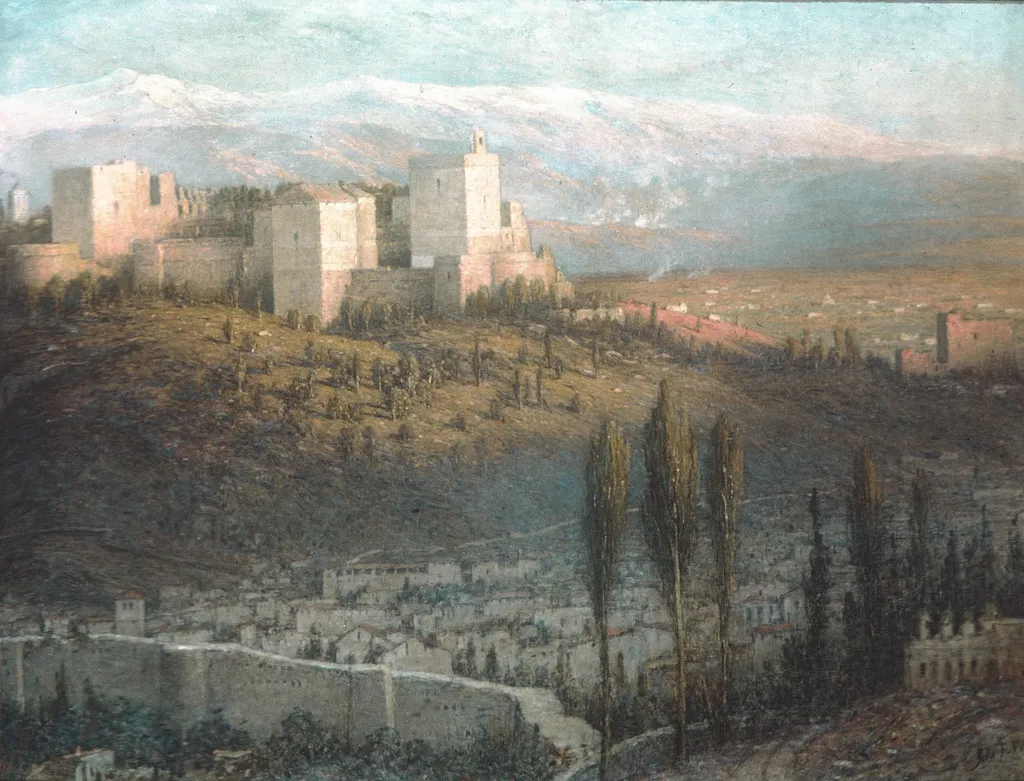
The Alhambra, Granada, Spain is an oil painting by the American Impressionist artist John Ferguson Weir. It dates from 1901 and is held in the collection of the Metropolitan Museum of Art.
About this work
Subject & Meaning
Rendered in oil on canvas in 1901, the work is classified as a landscape and includes a prominent tree, underscoring the site's verdant surroundings.
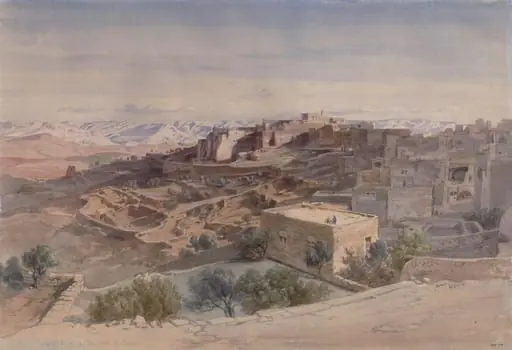
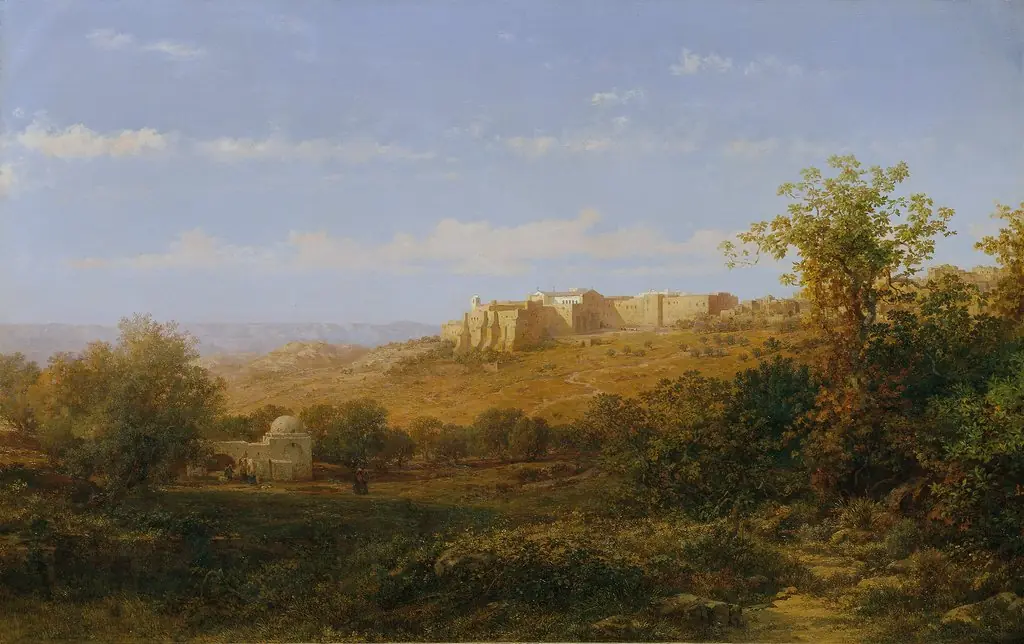
The painting titled "The Alhambra, Granada, Spain" presents the historic palace complex as part of a broader landscape, integrating architectural motifs with natural elements. Rendered in oil on canvas in 1901, the work is classified as a landscape and includes a prominent tree, underscoring the site's verdant surroundings. As a landscape painting in the Metropolitan Museum of Art's collection, it emphasizes the interplay of light on the Alhambra's stone surfaces and the adjacent gardens, reflecting the genre's focus on scenic topography. The depiction aligns with the artist's interest in capturing Spain's cultural heritage through a naturalistic visual language.
Technique & Style
The Alhambra, Granada, Spain is an oil-on-canvas landscape painting executed in 1901. The work measures approximately 92.1 cm in height by 118.1 cm in width and is classified as a landscape. Its support is a canvas substrate and the paint medium is oil.
The composition depicts a tree within a broader landscape motif, reflecting the genre's emphasis on natural scenery. The painting is part of the Metropolitan Museum of Art collection. No specific information regarding handling, conservation treatment, or current condition is provided in the available documentation.
History & Provenance
Created in 1901 by the American artist John Ferguson Weir, this oil painting on canvas depicts a landscape view of the Alhambra in Granada, Spain. The work measures approximately 92.1 by 118.1 centimeters. While specific details regarding its original commission or intermediate ownership history are not provided in the available records, the painting is currently held in the collection of the Metropolitan Museum of Art in New York City.
Its accession number is not listed in the available documentation, and no exhibition record for this work appears in the cited references.
Overview
John Ferguson Weir, an American artist and educator, completed The Alhambra, Granada, Spain in 1901. This oil-on-canvas work captures a landscape view of the historic Alhambra palace and its surroundings. The painting exemplifies characteristics of American Impressionism, particularly its attention to light and atmospheric qualities. It is currently part of the collection at The Metropolitan Museum of Art.
Context
John Ferguson Weir emerged from a notable artistic lineage; he was the son of painter Robert Walter Weir and the brother of J. Alden Weir, also an accomplished artist. Beyond his own painting practice, Weir was a prominent educator, influencing a generation of American artists. This landscape reflects his sustained interest in capturing natural and architectural environments, a significant aspect of his artistic output.
Own this work as a print
Artist & collection
Artist
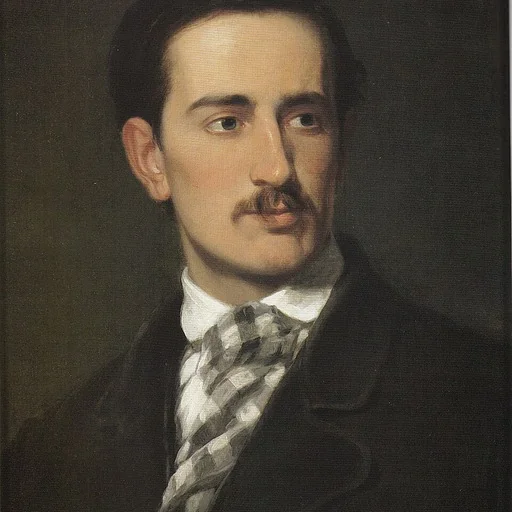
John Ferguson Weir (August 28, 1841 – April 26, 1926) was an American painter, sculptor, writer, and educator.