Artwork
Edward Blake Parkman
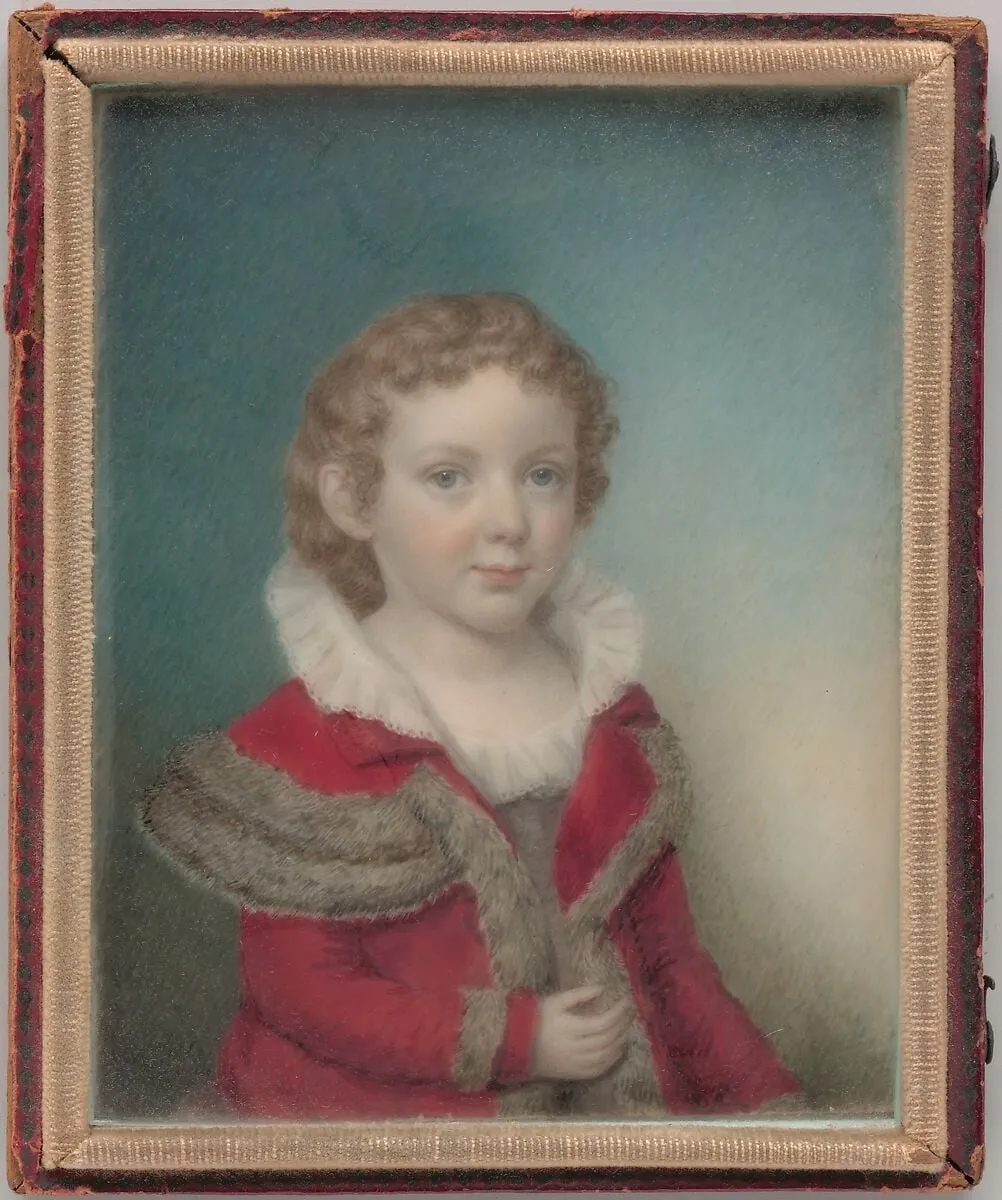
Edward Blake Parkman is a watercolor painting by the American Folk Art artist Sarah Goodridge. It dates from 1825 and is held in the collection of the Metropolitan Museum of Art.
About this work
Subject & Meaning
The depiction of a child emphasizes youth and innocence, aligning with contemporary visual conventions for representing emerging identity.
The work titled Edward Blake Parkman, executed by Sarah Goodridge in 1825, is a watercolor portrait on ivory that depicts a young boy identified as Edward Blake Parkman. As a portrait in the American Wing of the Metropolitan Museum of Art, the image functions to record the sitter’s appearance and social standing, a common aim of early‑19th‑century portraiture. The depiction of a child emphasizes youth and innocence, aligning with contemporary visual conventions for representing emerging identity.
The painting’s classification as a portrait and its presence in a major museum collection underscore its historical significance as a representation of an individual subject.
Technique & Style
Executed in 1825, this portrait of Edward Blake Parkman by Sarah Goodridge utilizes watercolor applied to an ivory support. The work is classified as a miniature portrait, a genre characterized by its small scale and delicate handling. The physical dimensions of the piece are approximately 9.8 cm in height and 7.3 cm in width.
Stylistically, the painting focuses on the depiction of the young subject, adhering to the conventions of early 19th-century American portraiture found within the Metropolitan Museum of Art's collection. The choice of ivory as a ground allows for the luminous quality typical of Goodridge's watercolor technique during this period.
Overview
Sarah Goodridge created this watercolor portrait, titled Edward Blake Parkman, around 1825. This miniature depicts a young boy, whose gaze meets the viewer directly. Dressed in a dark coat, his neatly combed hair and rosy complexion are rendered with delicate detail.
The artwork's small scale, characteristic of miniatures, allows for intimate viewing, emphasizing the boy's features against a simple background.
Context
During the early 19th century, miniature portraits served as an accessible form of personal art, often commissioned by affluent families. These small-scale works provided a means to capture and preserve the likenesses of loved ones, functioning as cherished mementos. While the specific patron for Edward Blake Parkman is not recorded, the existence of such a finely rendered portrait suggests a commission from a family of means, reflecting the social customs of the era.
Artist & collection
Artist
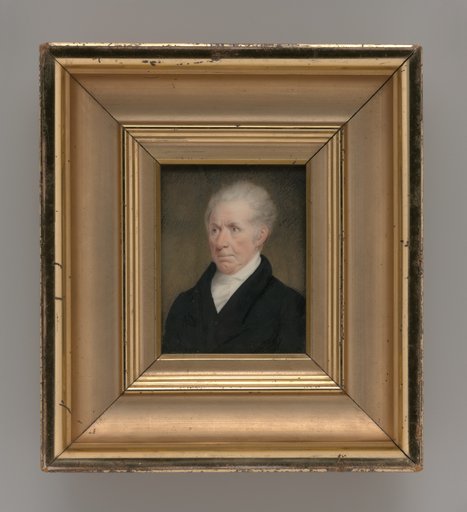
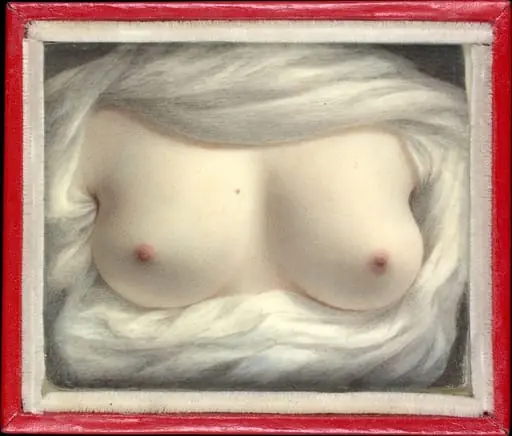
Sarah Goodridge spent her life in Boston, teaching herself to paint miniatures on ivory, tiny portraits so sharp you could count the threads in a lace collar.

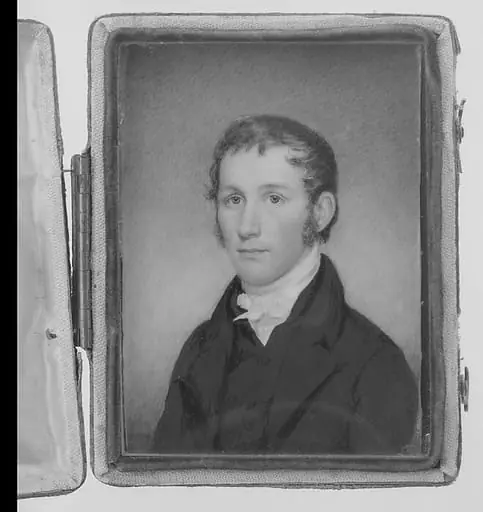
- Portrait of a Boy
 Seated Boy
 Portrait of a Boy
 John Caflin Southwick, Jr.
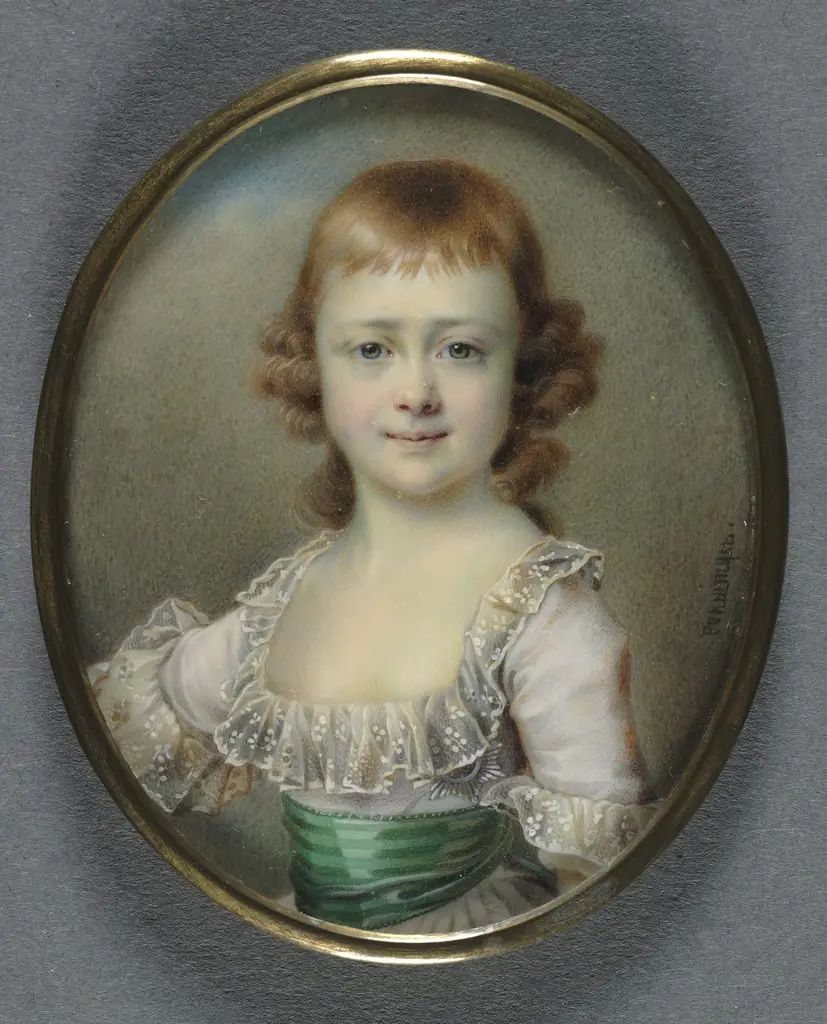 Portrait of Grand Duchess Catherine Pavlovna, later Queen of Württemberg
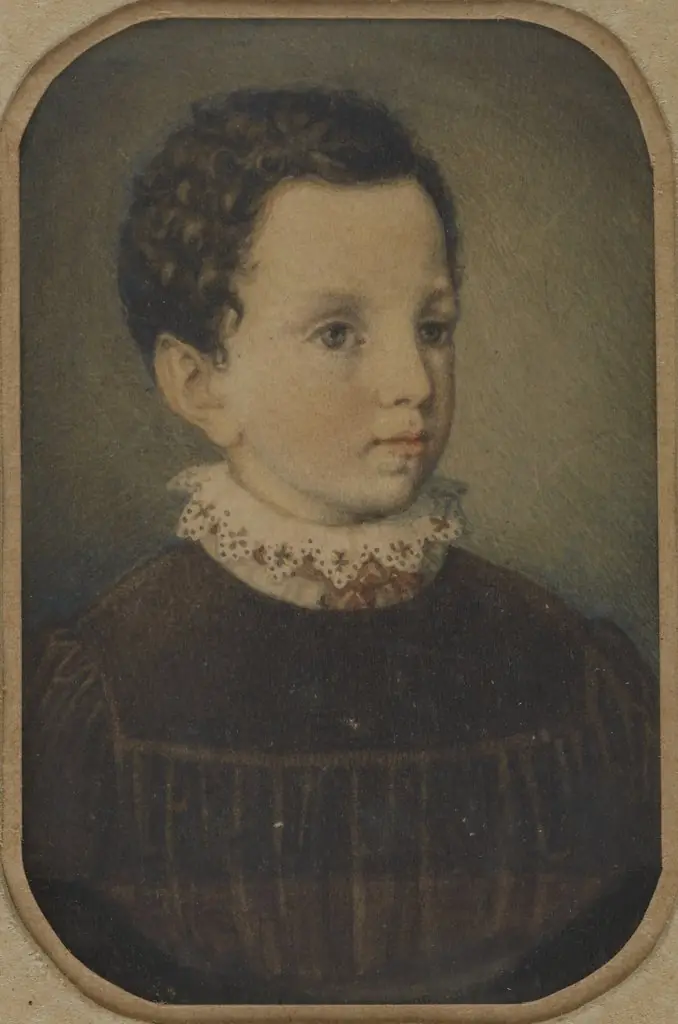 Portrait of Antoni Pleszowski
 Portrait of Grand Duchess Catherine Pavlovna, later Queen of Württemberg
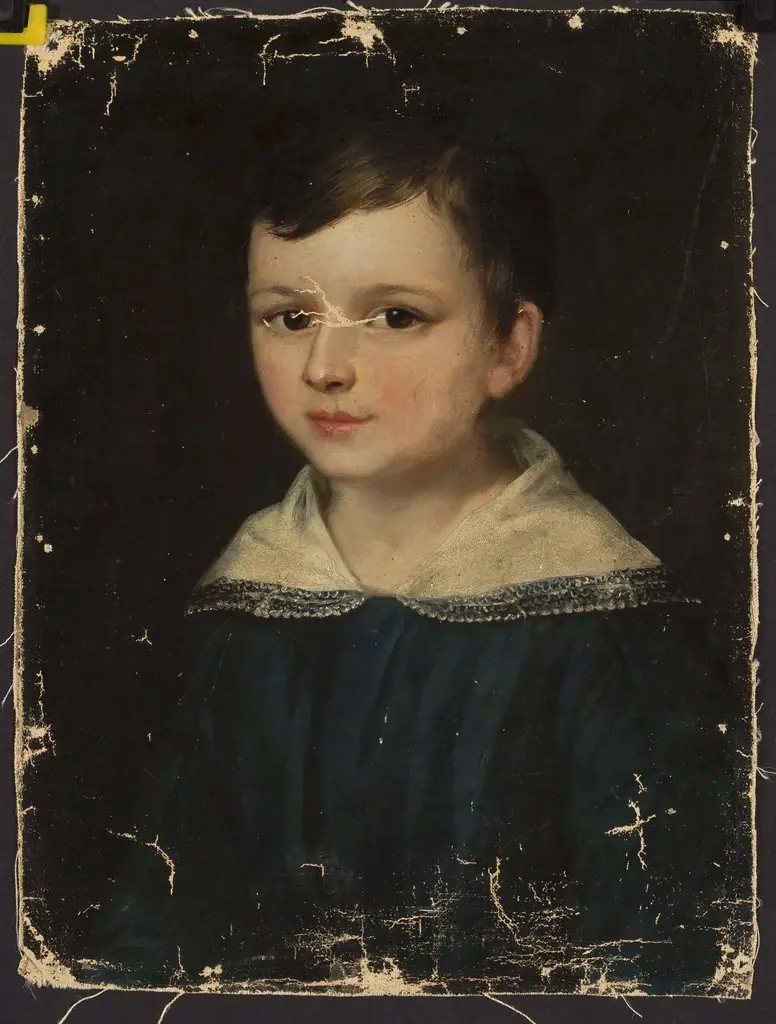 Portrait of Oktawian Szukiewicz as a child
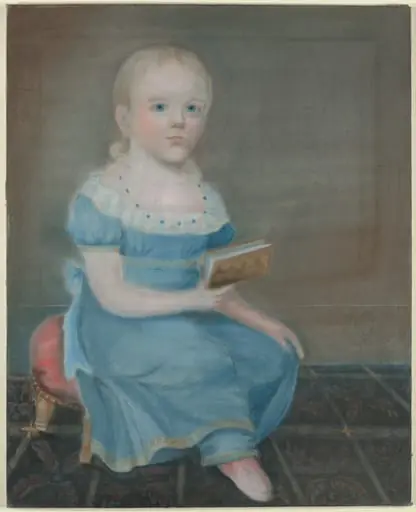 Portrait of a Girl with Blue Eyes and Blue Dress
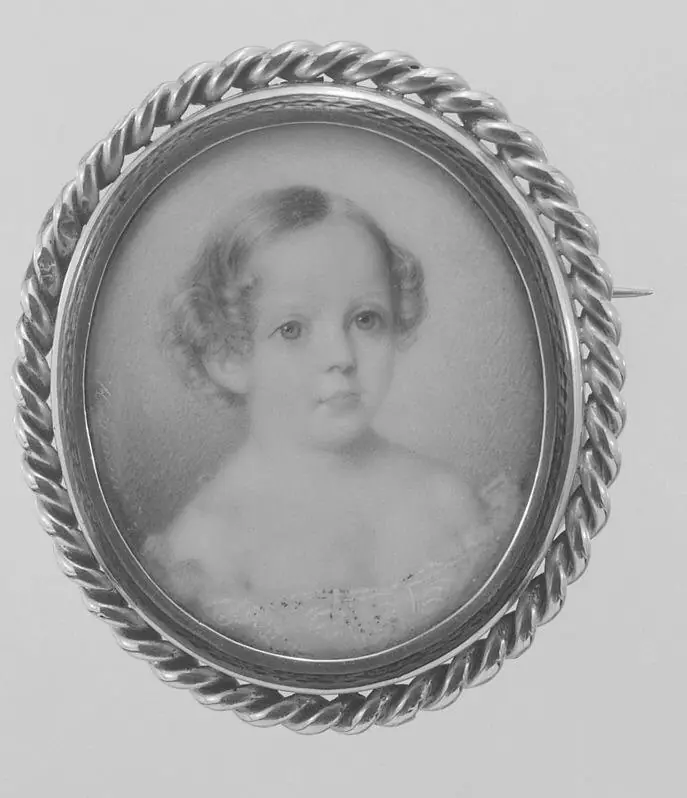 Portrait of a Girl
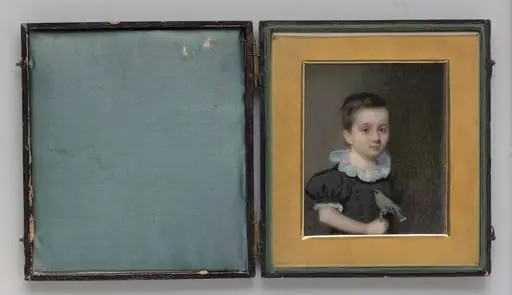 Henry Larcom Abbot
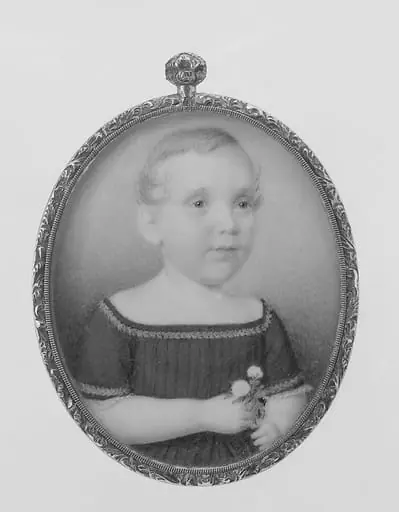 Portrait of a Boy