Artwork
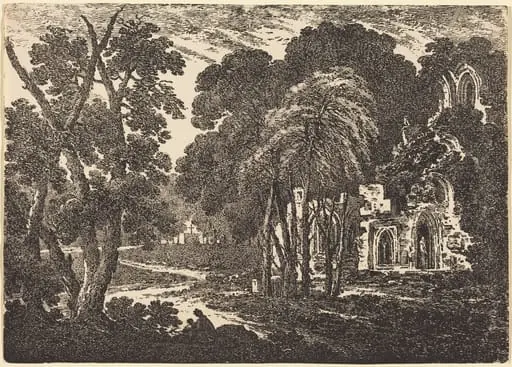
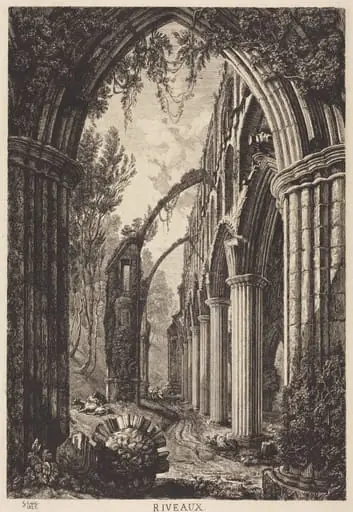
View of a Ruined English Abbey
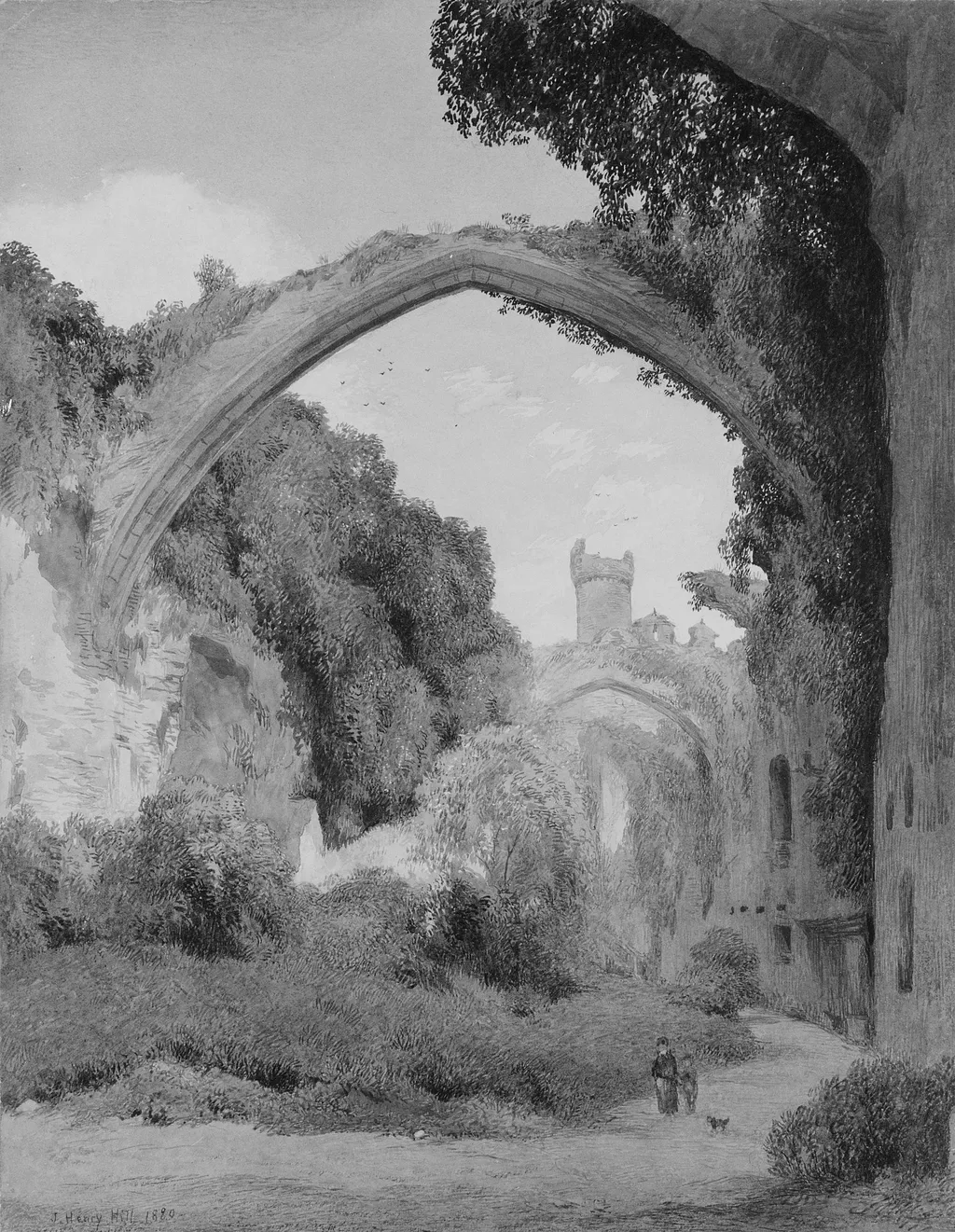
View of a Ruined English Abbey is an unspecified painting by the American Impressionist artist John Henry Hill. It dates from 1890 and is held in the collection of the Metropolitan Museum of Art.
About this work
Technique & Style
The work is a drawing executed by John Henry Hill in 1880. It is created on paper and measures 35.6 cm in height by 27.3 cm in width. The drawing depicts a tree within a ruined English abbey setting and is housed in the Metropolitan Museum of Art.
The formal qualities reflect a precise draftsman's handling of line and tonal contrast to render architectural decay and natural growth in tandem.
History & Provenance
The museum's location is listed as the Metropolitan Museum of Art, confirming the institution's current custody of the artwork.
The work View of a Ruined English Abbey by John Henry Hill is held in the collection of the Metropolitan Museum of Art. Created in 1880, the piece is classified as a drawing depicting a tree, with physical dimensions of 35.6 cm in height and 27.3 cm in width. No specific accession number or exhibition history is provided in the available records.
The museum's location is listed as the Metropolitan Museum of Art, confirming the institution's current custody of the artwork.
Overview
John Henry Hill’s 1890 oil painting titled View of a Ruined English Abbey presents a tranquil garden scene framed by the remnants of a medieval structure. The composition leads the eye along a winding path beneath a stone arch, through dense foliage, toward a partially visible tower and crumbling walls. A solitary figure traverses the path, emphasizing the quiet, abandoned atmosphere of the space.
Subject & Meaning
The work juxtaposes the vitality of trees and shrubs with the decay of the abbey’s stone architecture, suggesting a dialogue between nature’s persistence and human impermanence. The lone wanderer, rendered small against the overgrown setting, reinforces a sense of contemplation and the passage of time, inviting viewers to consider the layered histories embedded in the landscape.
Own this work as a print
Artist & collection

 Fantasy of Mountain Scenery
 Cascatellen ved Tivoli
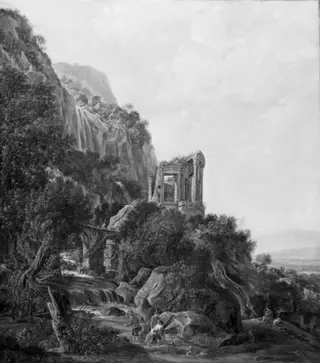 The Cascate di Tivoli
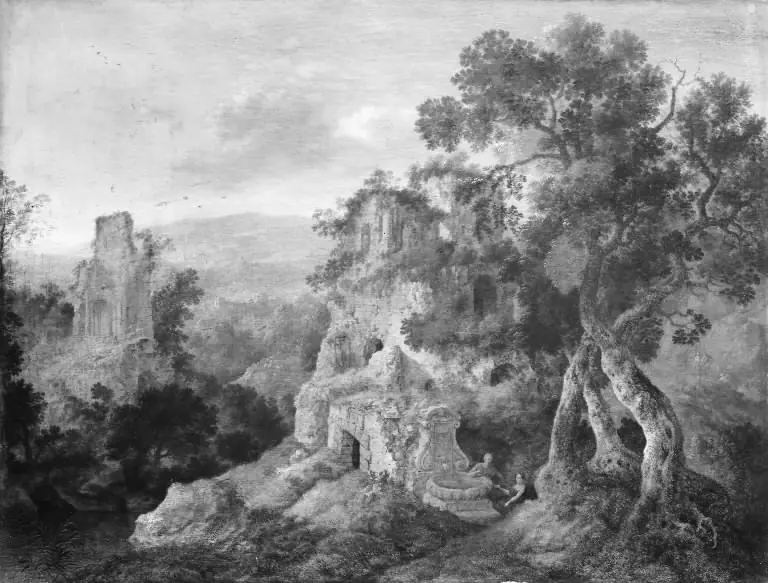 Fantasy of Mountain Scenery
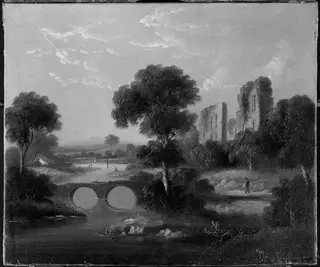 Warwick Castle
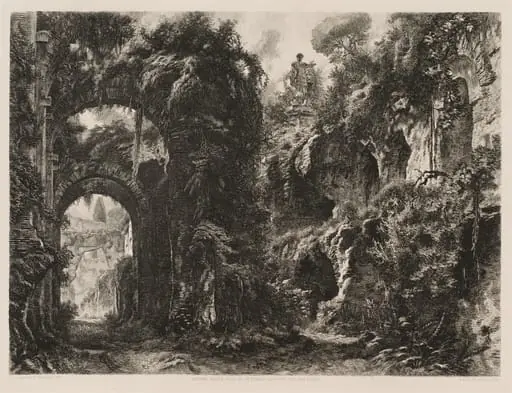 Ruins of the House of Septimius Severus on the Palatine (Rovine della casa di S.S. sul Palatino )
 River Landscape
 Felsenküste an einer Bucht
 Idyllische Landschaft
 David at the Cave of Adullam
 Riveaux
- Ruined Abbey among Trees