Artwork
John Walsh
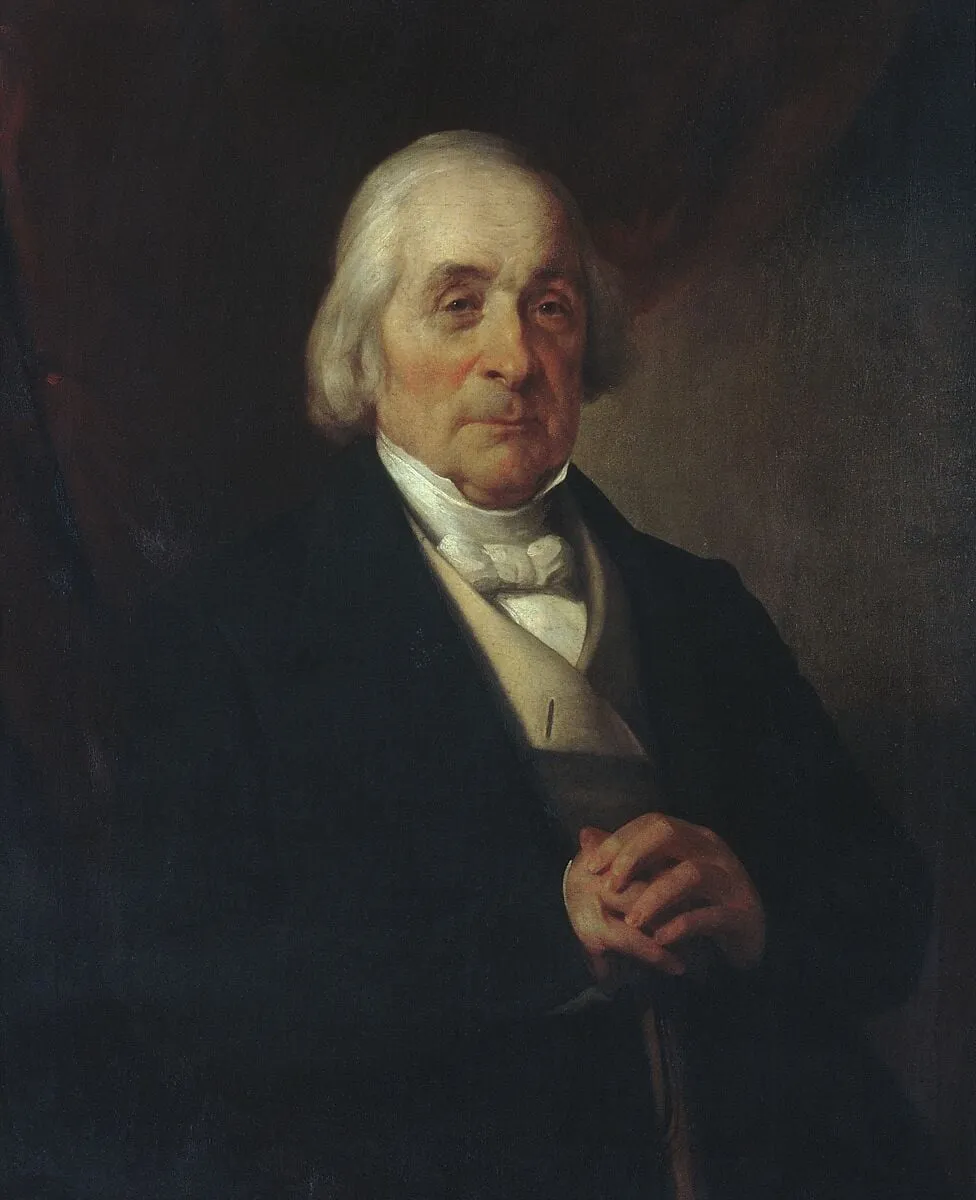
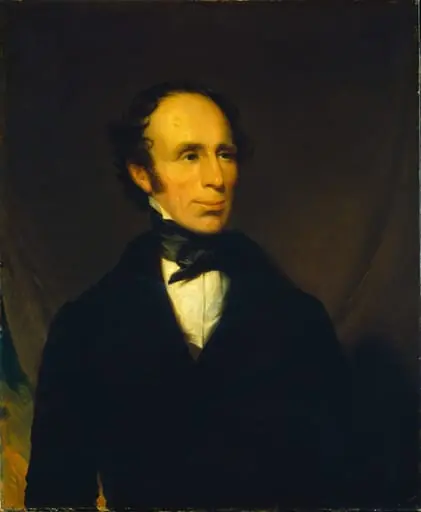
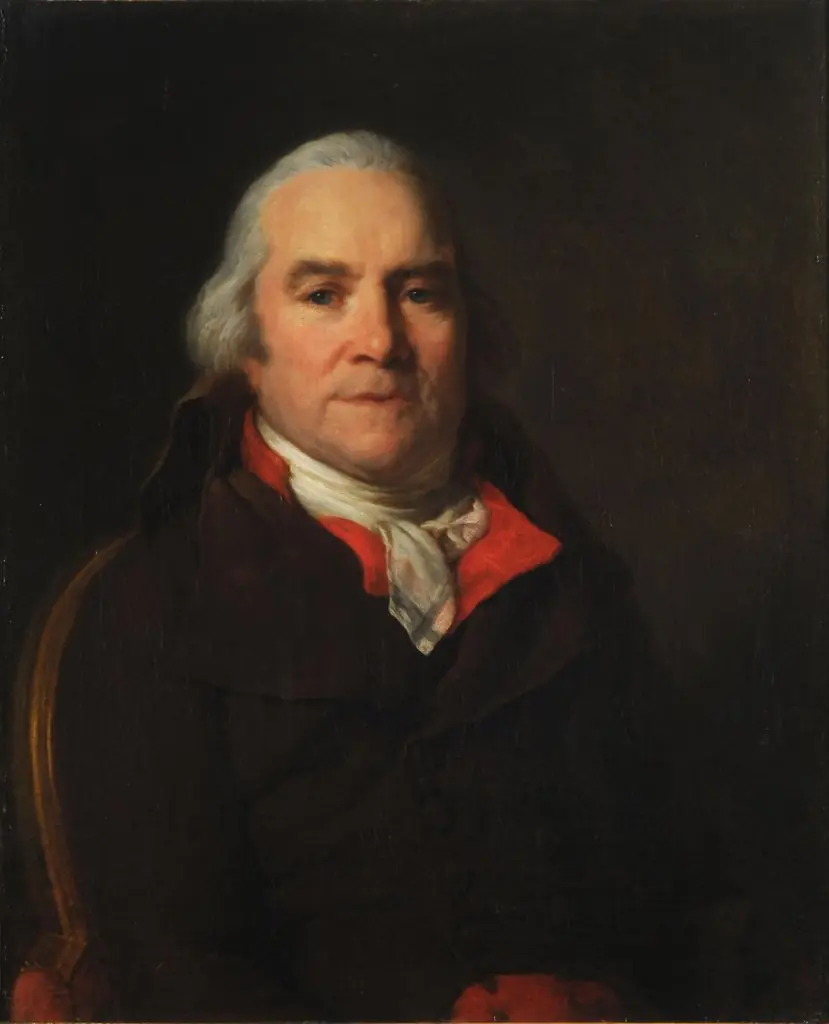
John Walsh is an oil painting by the American Folk Art artist John Neagle. It dates from 1840 and is held in the collection of the Metropolitan Museum of Art.
About this work
His face is lit softly, almost like candlelight, while the rest of the room fades into shadow.
You see a man in a dark coat, sitting sideways in a wooden chair. His face is lit softly, almost like candlelight, while the rest of the room fades into shadow.
Neagle painted this around 1840, when most portraits showed people stiff and formal. Here, the man looks relaxed, even a little tired, like he just sat down for a quick break. The light on his face feels real, not staged.
If you like how the light plays on his skin, look up chiaroscuro. It’s the trick of using strong light and dark to give depth.
Technique & Style
John Neagle's 1840 portrait of John Walsh is executed in oil paint on a canvas support. The work adheres to the formal conventions of mid-nineteenth-century American portraiture, depicting a male subject with a focus on realistic representation. The physical dimensions of the canvas measure 91.4 centimeters in height and 73.7 centimeters in width.
As a piece within the American Wing genre, the painting relies on traditional oil-on-canvas handling techniques typical of the period to render the sitter's likeness. The medium allows for the nuanced modeling of the figure, consistent with Neagle's approach to portraiture during this era.
History & Provenance
The portrait of John Walsh was painted by John Neagle in 1840 in oil on canvas, measuring 91.4 by 73.7 centimeters and depicting a male sitter. It is held in the collection of the Metropolitan Museum of Art, classified within the American Wing as a portrait. The available sources do not record the original commission, intermediate ownership, a specific accession or inventory number, or any exhibition history for the work.
Overview
John Neagle, a prominent Philadelphia portraitist, created John Walsh around 1840 using oil on canvas. This work exemplifies the artist's approach to depicting individuals during the early 19th century. It presents a direct portrayal of its subject, characteristic of American portraiture from that period and reflecting Neagle's practice in the city.
Subject & Meaning
The sitter, John Walsh, is depicted in a relaxed, informal pose, seated sideways in a wooden chair. This presentation deviates from the more rigid and formal conventions often seen in portraits from the 1840s. His expression conveys a sense of ease, suggesting a momentary pause rather than a staged formality, offering a glimpse into a private moment.
Context
As a prominent portrait painter in Philadelphia during the first half of the 19th century, John Neagle was known for capturing fashionable subjects. John Walsh reflects his established practice within the city's artistic community. The painting's straightforward depiction aligns with aspects of the American folk art tradition, emphasizing directness over elaborate staging typical of the era.
Artist & collection

Artist
John Neagle (November 4, 1796 – September 17, 1865) was a fashionable American painter, primarily of portraits, during the first half of the 19th century in Philadelphia.

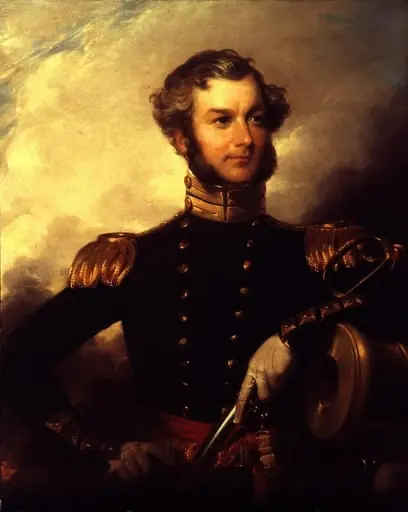
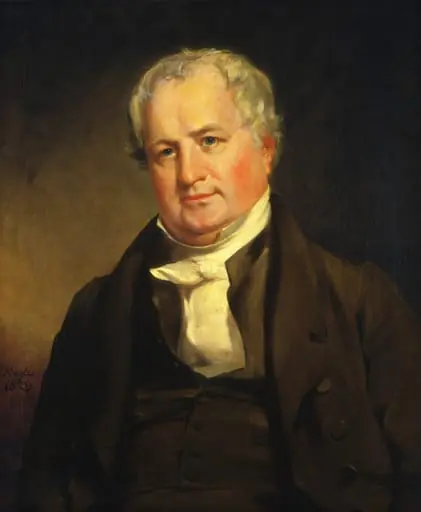
- Portrait of John Rogers (1739-1811)
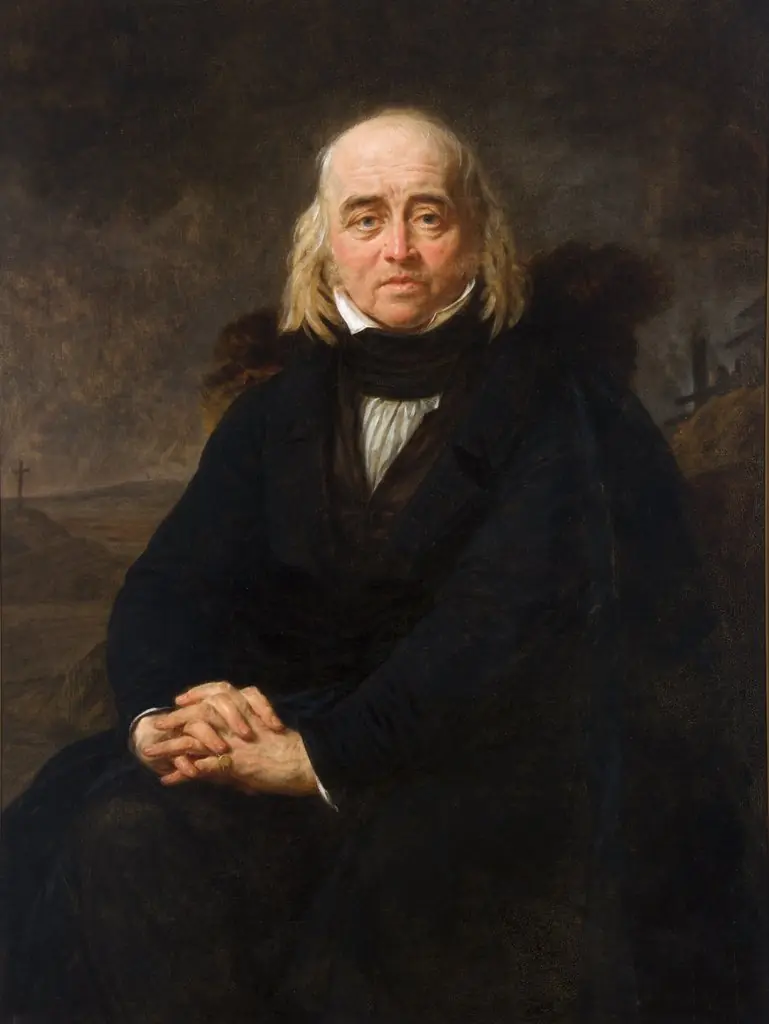 Portrait of Julian Ursyn Niemcewicz (1758–1841)
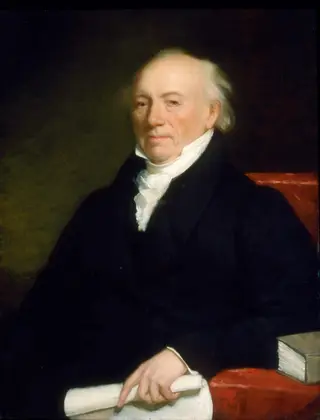 Judge Edward Hutchinson Robbins
 W. H. Furness
 Professor of Divinity Andreas Christian Krog
 Self-Portrait
 Portrait of William Gooch.
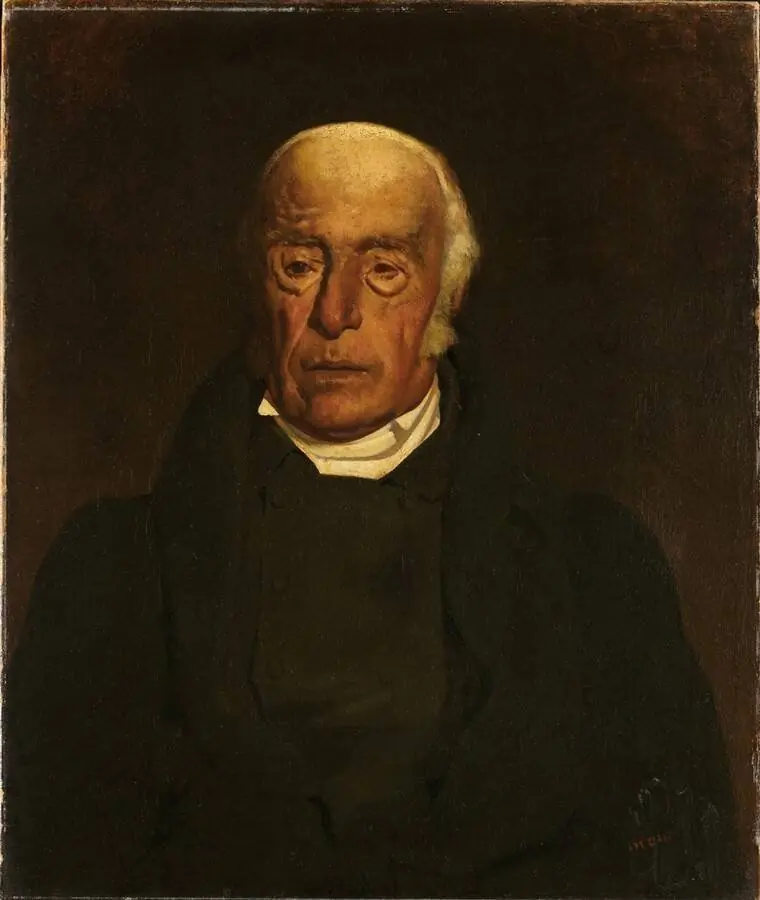 Portrait of Joseph Antoine Monticelli
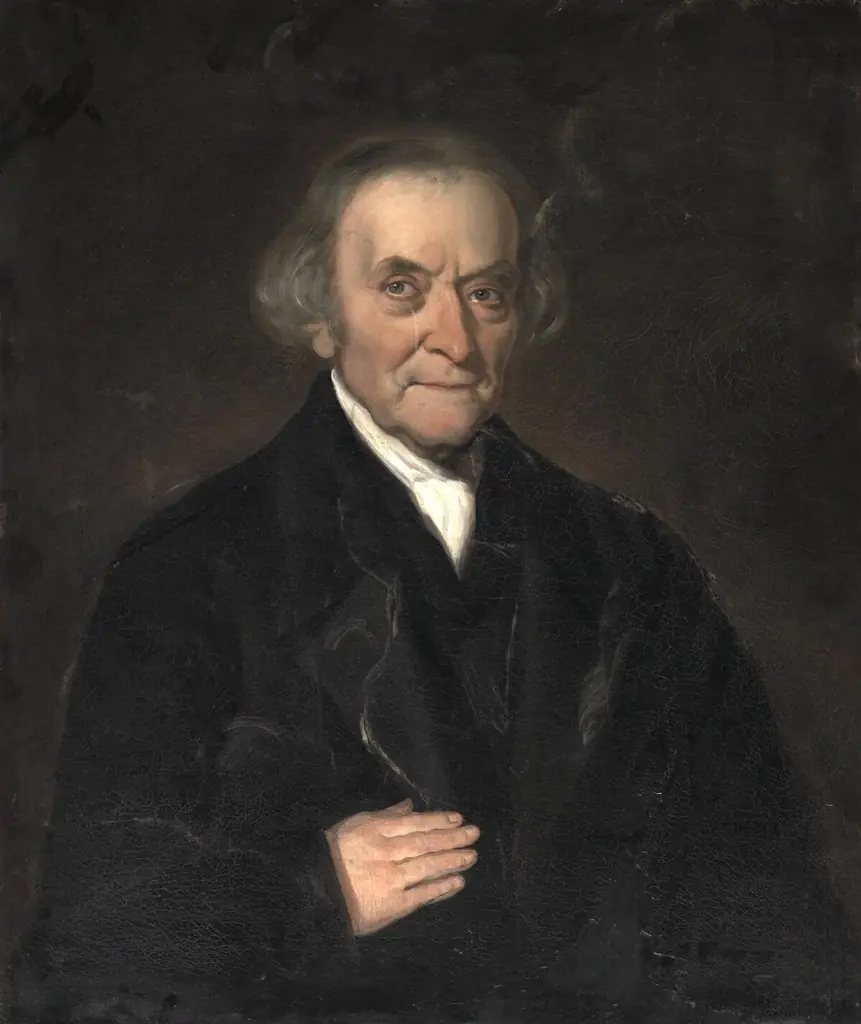 Rev. John Jones,Tremadog
 Portrait of the Amsterdam Art Collector Jacob de Vos Senior
 Robert ap Gwilym Ddu
 Hombre de época