Artwork
John Haviland
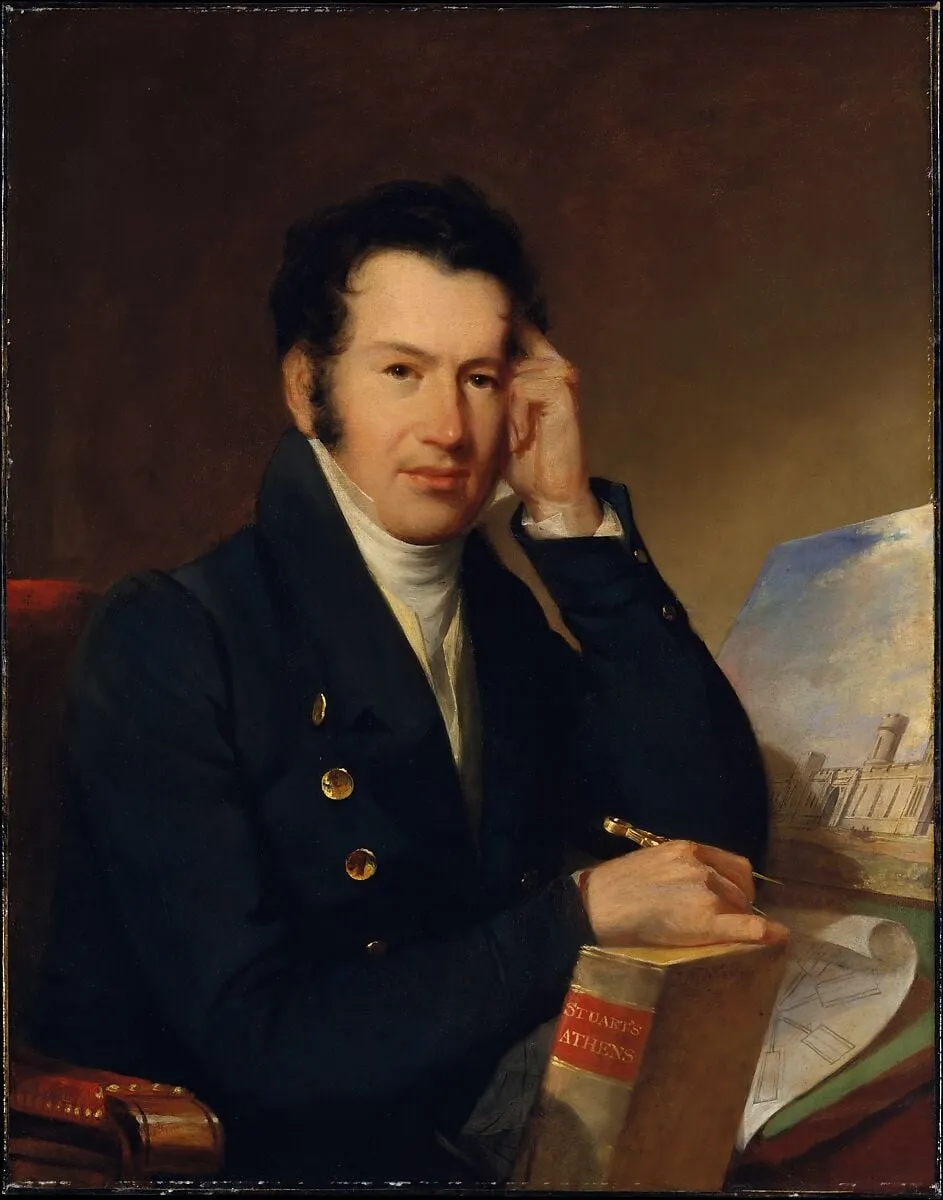
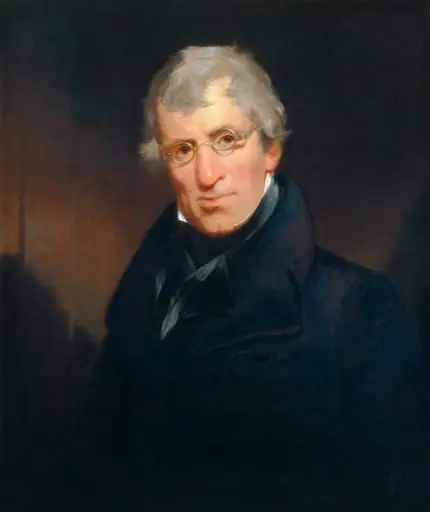
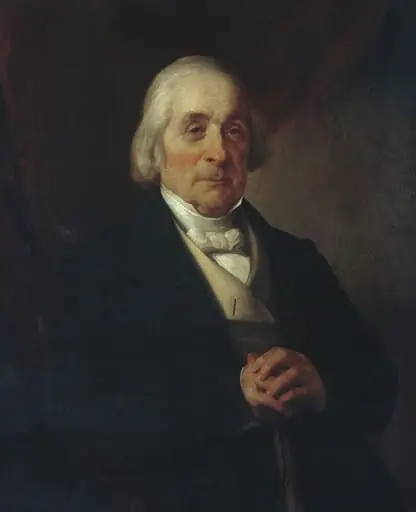
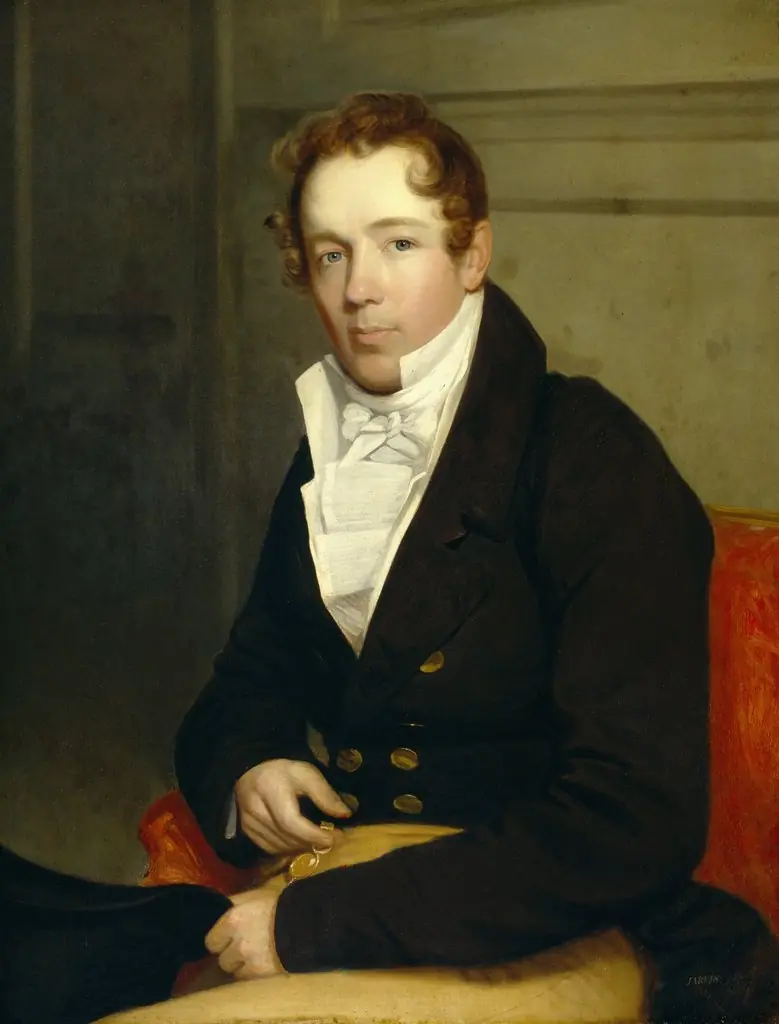
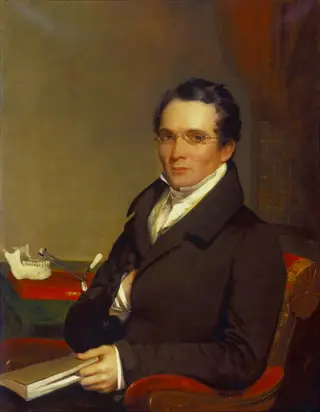
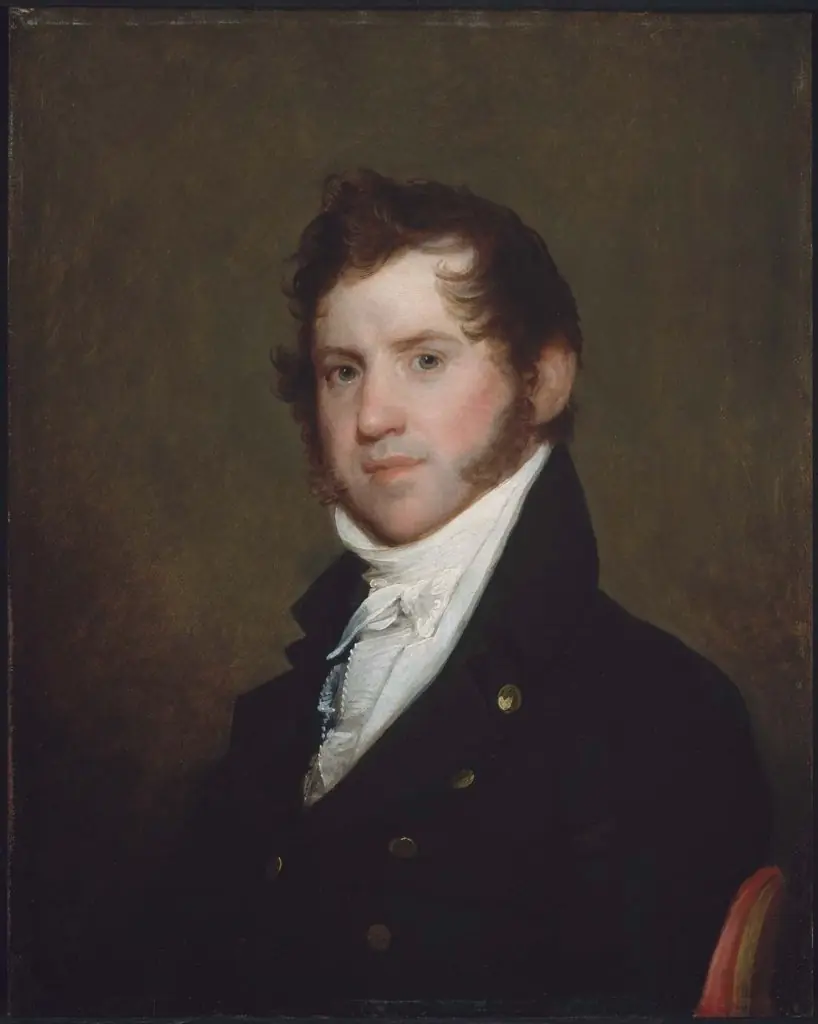
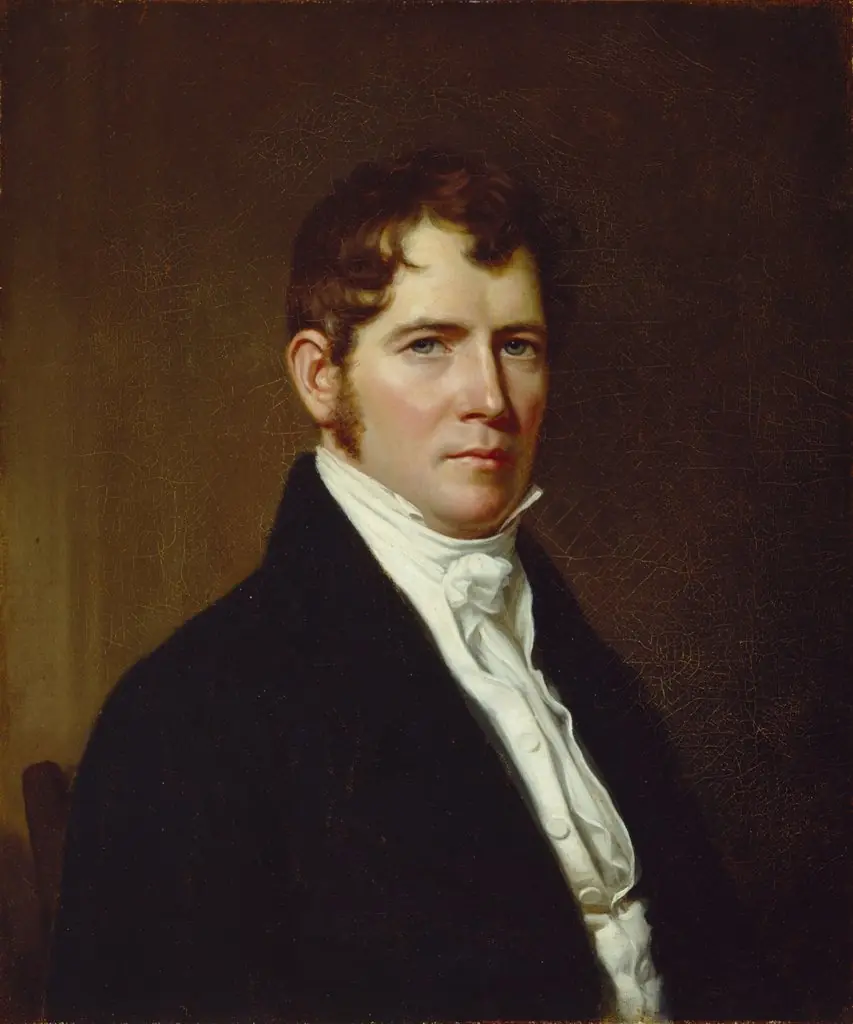
John Haviland is an oil painting by the American Folk Art artist John Neagle. It dates from 1828 and is held in the collection of the Metropolitan Museum of Art.
- Accession no.
- 38.82
- Credit line
- The Alfred N. Punnett Endowment Fund, 1938
About this work
Subject & Meaning
John Haviland is presented as an architect engaged in scholarly activity, his likeness framed by a book that signals his contributions to architectural literature. The portrait, executed by John Neagle in 1828, emphasizes the sitter's professional identity through the inclusion of a volume and his dignified posture, reflecting early 19th-century ideals of the learned architect. The work's composition underscores themes of knowledge and civic responsibility, positioning Haviland as both a practitioner and a cultural figure within the emerging American architectural discourse.
History & Provenance
The painting is part of the American Wing collection at the Metropolitan Museum of Art, where it has resided since its acquisition.
The portrait of John Haviland was painted in 1828 by American artist John Neagle in oil on canvas. It is a portrait genre work that depicts Haviland with a book, underscoring his identity as an architect and man of letters. The painting is part of the American Wing collection at the Metropolitan Museum of Art, where it has resided since its acquisition. Earlier provenance details, including any commission or prior owners, are not recorded in the supplied sources.
Overview
Painted in 1828 by John Neagle, this oil-on-canvas portrait depicts the architect John Haviland seated at a desk. The composition centers on Haviland, who wears a dark coat and rests one hand upon an open book, signaling his intellectual engagement. The desk is arranged with rolled-up architectural plans, identifying the sitter's profession and current projects.
This work was created during a pivotal moment in Haviland's career, coinciding with his design of Eastern State Penitentiary in Philadelphia, recognized as the first modern prison in the United States. Neagle, a prominent American portraitist of the early nineteenth century, utilized these specific props to characterize Haviland not merely as a subject, but as a man of industry and innovation. The painting reflects the era's growing appreciation for professional achievement and the role of the architect in shaping American civic infrastructure.
By focusing on the tools of the trade rather than ornate decoration, Neagle emphasizes the sitter's practical contributions to society. The work stands as a significant example of American portraiture that integrates biographical narrative with formal composition, documenting a key figure in the nation's architectural history.
Technique & Style
Neagle's approach to portraiture in this work demonstrates his ability to imbue a seemingly quiet, introspective scene with considerable gravity. The artist meticulously renders the details of Haviland's study, from the open book to the scattered architectural plans, to convey the intellectual depth of his subject. Through careful composition and lighting, Neagle elevates a private moment of professional engagement into a significant representation of an influential figure's contribution to society.
Artist & collection

Artist
John Neagle (November 4, 1796 – September 17, 1865) was a fashionable American painter, primarily of portraits, during the first half of the 19th century in Philadelphia.