Artwork
The Reverend John Albert Ryan
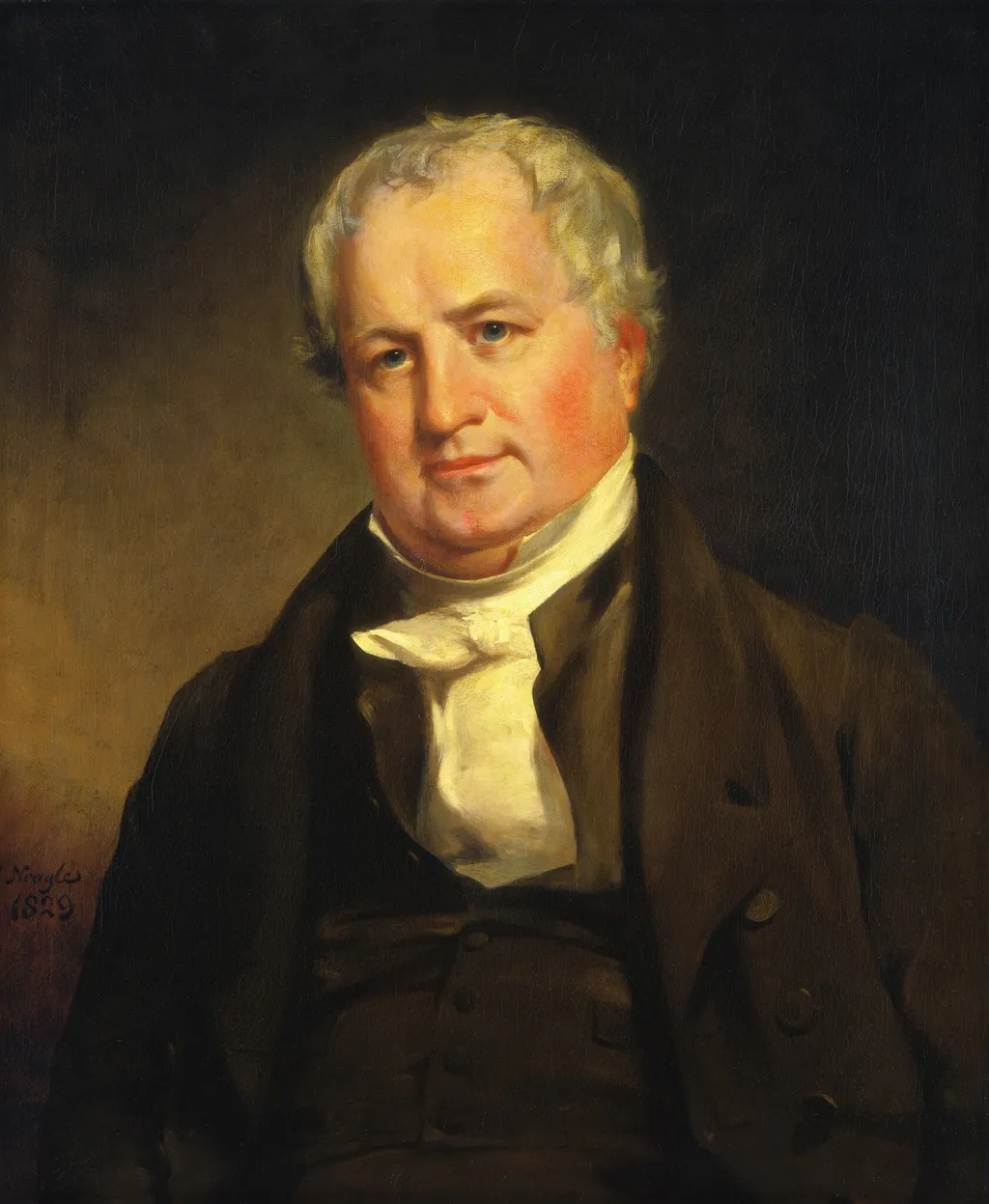
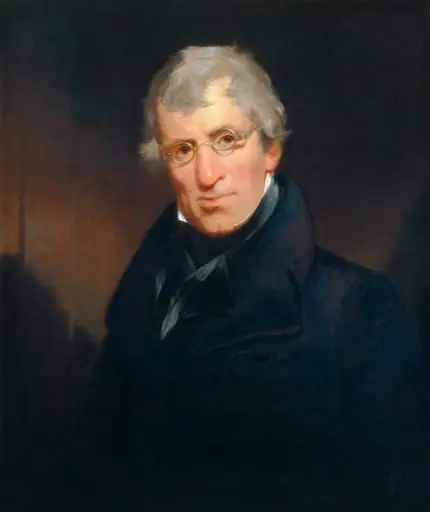
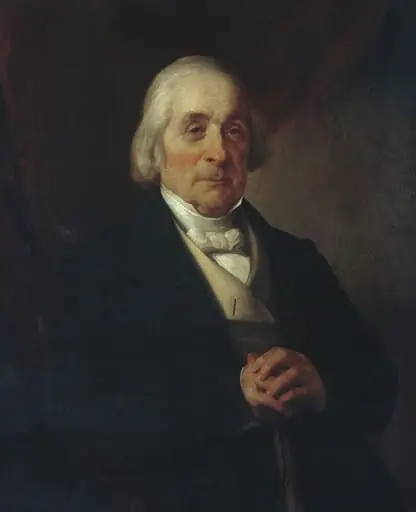
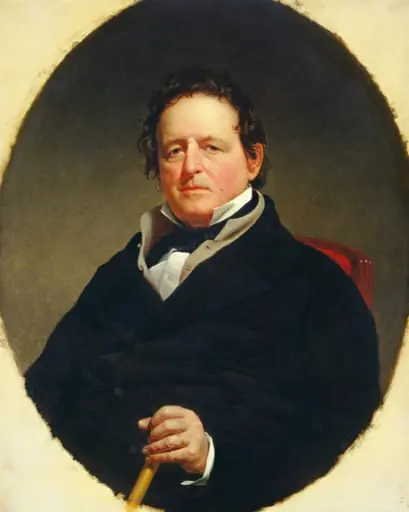
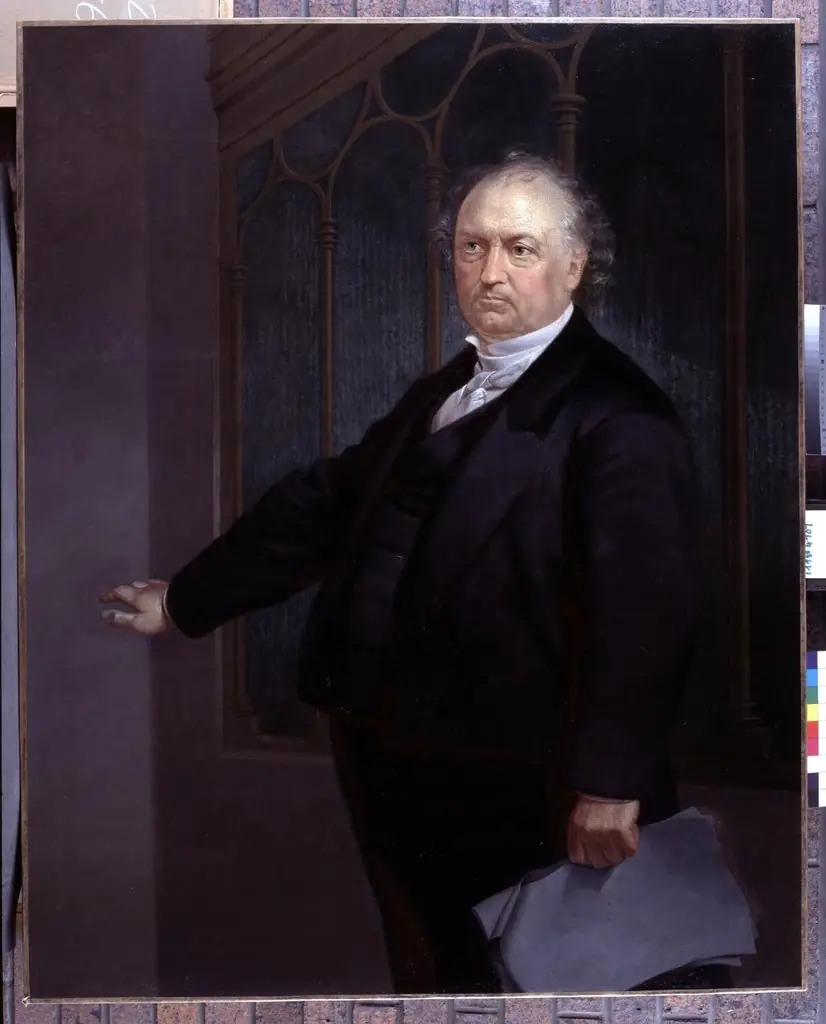
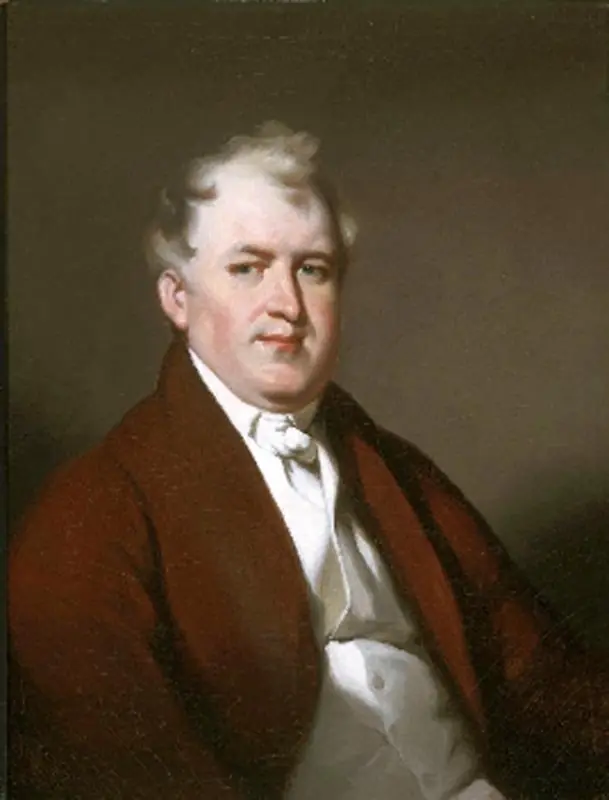
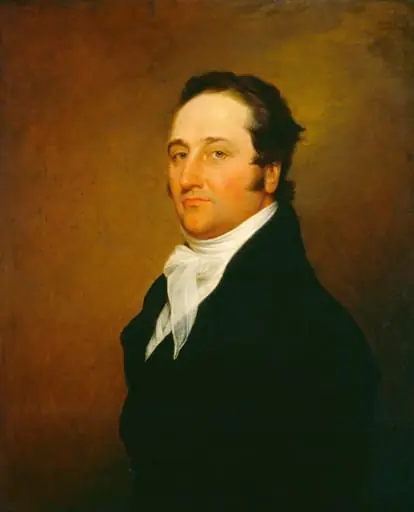
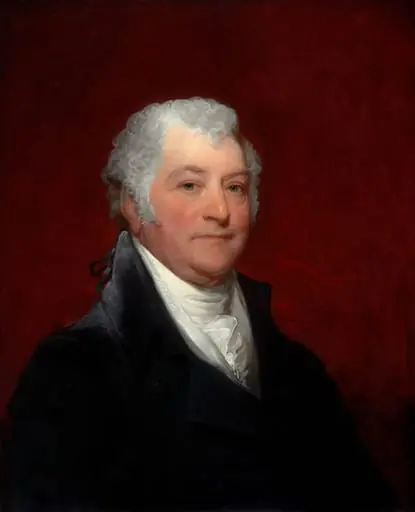
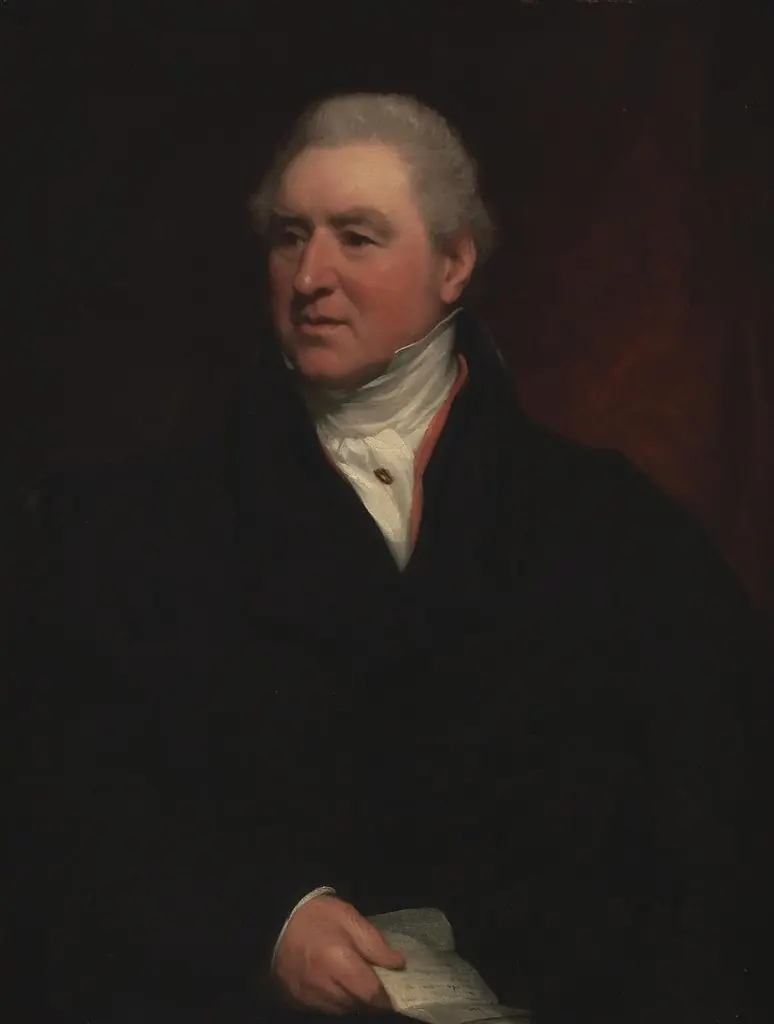
The Reverend John Albert Ryan is an oil painting by the American Folk Art artist John Neagle. It dates from 1827 and is held in the collection of the National Gallery of Art.
- Inscription
- Inscribed:lower left: J Neagle / 1829
About this work
He is dressed in a dark jacket with a white cravat and a high collar, which was a common style during the early 19th century.
The painting is a portrait of a man, likely in his 50s or 60s, with short, white hair and a serious expression. He is dressed in a dark jacket with a white cravat and a high collar, which was a common style during the early 19th century.
The man's face is rendered in detail, with a subtle smile and a hint of kindness in his eyes. The background of the painting is dark, which helps to focus attention on the subject. The overall effect is one of dignity and respectability.
This painting is an example of Romanticism, a movement that emphasized emotion and individualism. To learn more about this style, look up Romanticism.
Technique & Style
The Reverend John Albert Ryan is an oil painting executed on canvas, a standard support for American portraiture of the period. The work measures 76.5 by 63.8 centimeters, a moderately sized format suited to an intimate portrait composition.
The canvas support and oil medium would have allowed Neagle to build up subtle tonal transitions in the sitter's face and hands, while the relatively modest dimensions favor a focused, close-up treatment of the figure. The painting is classified as a portrait and is held in the Andrew W. Mellon collection at the National Gallery of Art in Washington, D.C.
History & Provenance
The portrait of The Reverend John Albert Ryan was painted by John Neagle in 1827 in oil on canvas. Its early provenance traces to C.K. Johnson of Greenwich, Connecticut, from whom Thomas B. Clarke (1848–1931) of New York purchased the work on 1 May 1923. After Clarke's death, the painting entered his estate and was sold on 29 January 1936 as part of the Clarke collection, through M. Knoedler & Co. in New York, to The A.W. Mellon Educational and Charitable Trust in Pittsburgh.
In 1947 the trust transferred the painting to the National Gallery of Art as a gift, where it remains in the Andrew W. Mellon collection.
The painting is held by the National Gallery of Art, Washington, D.C., where it entered the collection as a gift from The A.W. Mellon Educational and Charitable Trust in 1947. It is accessioned as part of the Andrew W. Mellon collection with inventory numbers corresponding to dimensions of 76.5 cm in height and 63.8 cm in width. The work was previously in the collection of Thomas B. Clarke, who acquired it in 1923 and whose estate sold it in 1936 via M. Knoedler & Co. to The A.W. Mellon Educational and Charitable Trust.
Legacy
The Reverend John Albert Ryan has been recognized as an important example of early American portraiture, particularly noted for its technical mastery and historical significance. Its inclusion in major collections, such as the National Gallery of Art, underscores its scholarly and curatorial importance. The work continues to be referenced in studies of 19th-century American art and the development of clerical portraiture.
Overview
John Neagle’s 1827 oil on canvas depicts Reverend John Albert Ryan, a clergyman of middle age, rendered with a solemn demeanor. The portrait presents the subject against a dark backdrop, drawing the viewer’s focus to his face and attire, and conveys a sense of gravitas appropriate to his clerical role.
Subject & Meaning
The sitter appears to be in his fifties or sixties, his hair whitened and cut short. He wears a dark coat, white cravat, and a high‑collared shirt typical of early‑19th‑century fashion. A faint smile and gentle eyes suggest a restrained kindness beneath his formal exterior, reflecting the respectable character expected of a reverend.
Own this work as a print
Artist & collection

Artist
John Neagle (November 4, 1796 – September 17, 1865) was a fashionable American painter, primarily of portraits, during the first half of the 19th century in Philadelphia.