Artwork
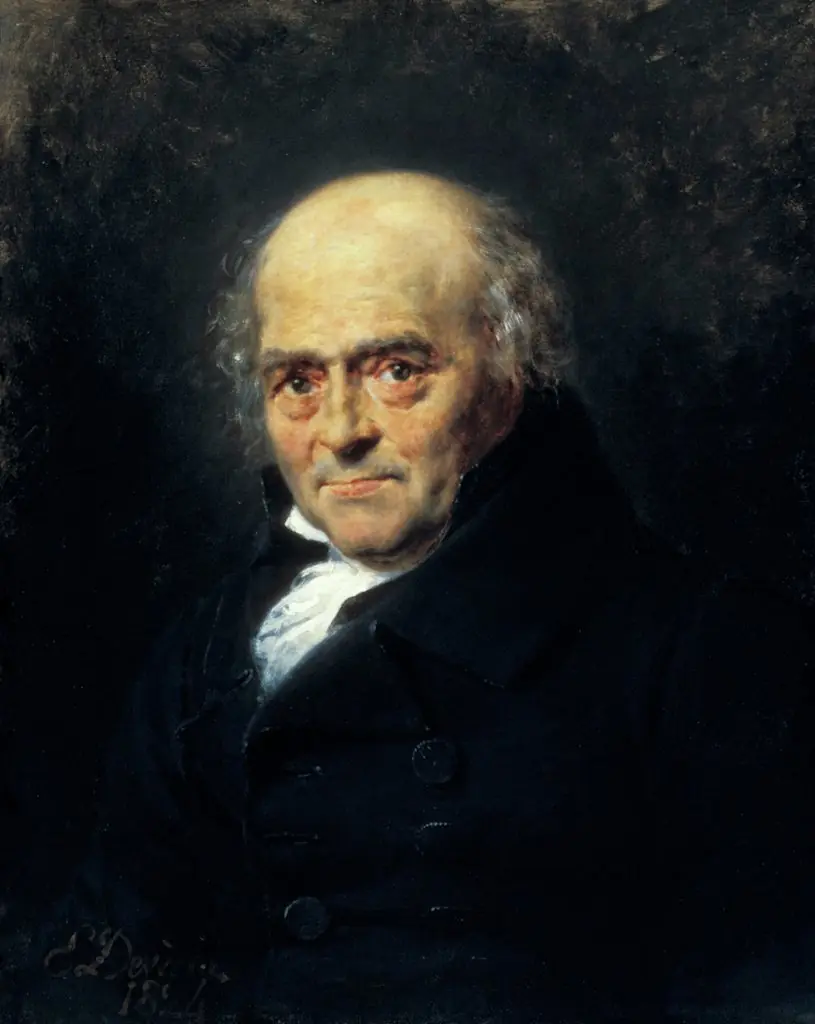
Portrait of Julian Ursyn Niemcewicz (1758–1841)
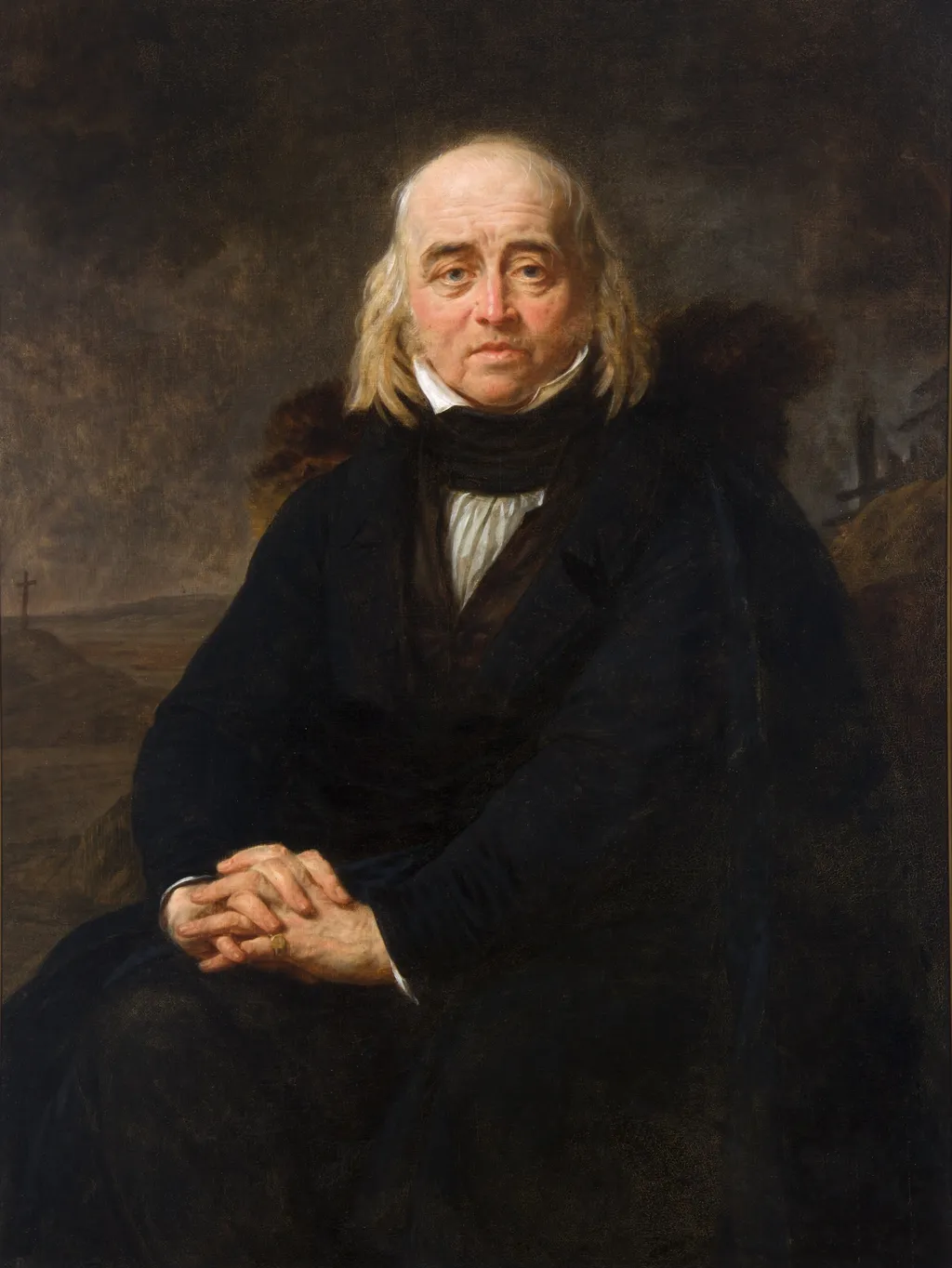
Portrait of Julian Ursyn Niemcewicz (1758–1841) is an oil painting by Antoine-Jean Gros. It dates from 1833 and is held in the collection of the National Museum in Kraków.
About this work
Overview
Painted in 1833 by French artist Antoine-Jean Gros, this oil portrait captures Julian Ursyn Niemcewicz, a Polish intellectual and political figure.
Painted in 1833 by French artist Antoine-Jean Gros, this oil portrait captures Julian Ursyn Niemcewicz, a Polish intellectual and political figure. Gros, known for his historical paintings and association with Jacques-Louis David, turned to intimate portraiture in his later years. The work is part of the National Museum in Kraków’s collection, reflecting its significance in Polish cultural memory. The composition emphasizes stillness and introspection, aligning with the subject’s reputation as a thinker and diplomat.
Subject & Meaning
Julian Ursyn Niemcewicz was a prominent Polish poet, playwright, and statesman who lived through the partitions of Poland and spent years in exile. The portrait presents him in old age, his expression calm yet burdened, suggesting contemplation of a life shaped by political upheaval. His clasped hands and direct gaze convey dignity and quiet resolve.
The absence of overt symbols of office or achievement focuses attention on his inner presence rather than his public roles.
Technique & Style
Gros employs chiaroscuro to model the subject’s face and hands with subtle gradations of light and shadow, enhancing their three-dimensionality. The dark, neutral background isolates Niemcewicz, reinforcing the portrait’s introspective tone. Brushwork is precise yet restrained, particularly in the rendering of fabric and hair, where fine strokes suggest texture without flourish.
The muted palette, dominated by blacks, grays, and off-whites, supports the somber mood and directs focus to the sitter’s features.
History & Provenance
Commissioned during Gros’s later career, the portrait was created after Niemcewicz returned to Poland following decades abroad. It was likely painted in Warsaw or Kraków, where Niemcewicz settled in his final years. The painting entered the National Museum in Kraków’s collection in the 19th century, where it has remained as part of its national heritage holdings. Its preservation reflects the enduring respect for Niemcewicz as a cultural figure in Polish history.
Context
In the 1830s, Poland was under foreign partition, and many of its intellectuals, like Niemcewicz, became symbols of national identity through cultural work rather than political power. Gros, though French, had ties to Polish exiles and was familiar with their struggles. This portrait emerges from a period when art served as a vessel for collective memory, portraying individuals who embodied resilience and intellectual continuity amid national fragmentation.
Legacy
The portrait endures as a quiet testament to Niemcewicz’s role in Polish cultural life. Unlike grand historical scenes Gros was known for, this work captures the dignity of a civilian intellectual, offering a counterpoint to the era’s militarized imagery. It remains a key example of early 19th-century portraiture that prioritizes psychological depth over ornamentation, influencing later Polish artists seeking to define national identity through individual presence.
Own this work as a print
Artist & collection
Artist
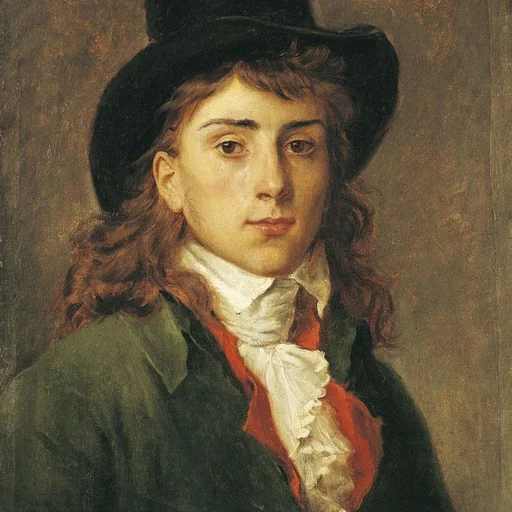
Antoine-Jean Gros (French pronunciation:; 16 March 1771 – 25 June 1835) was a French painter of historical subjects.

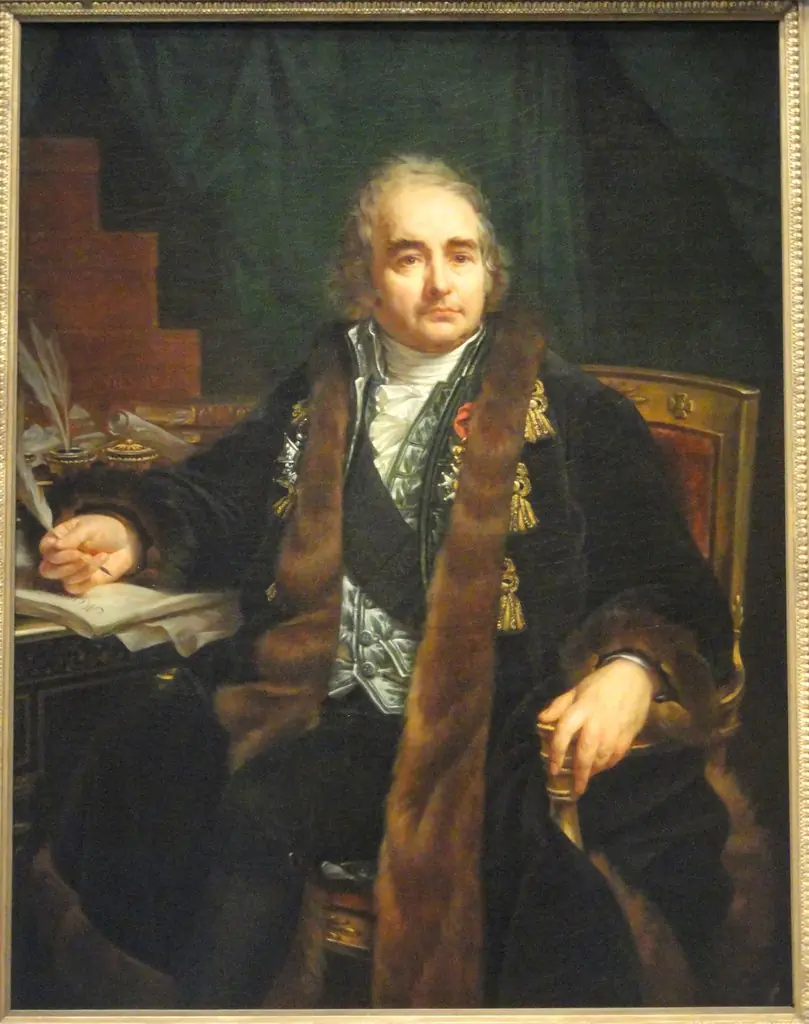 portrait of Jean-Antoine Chaptal
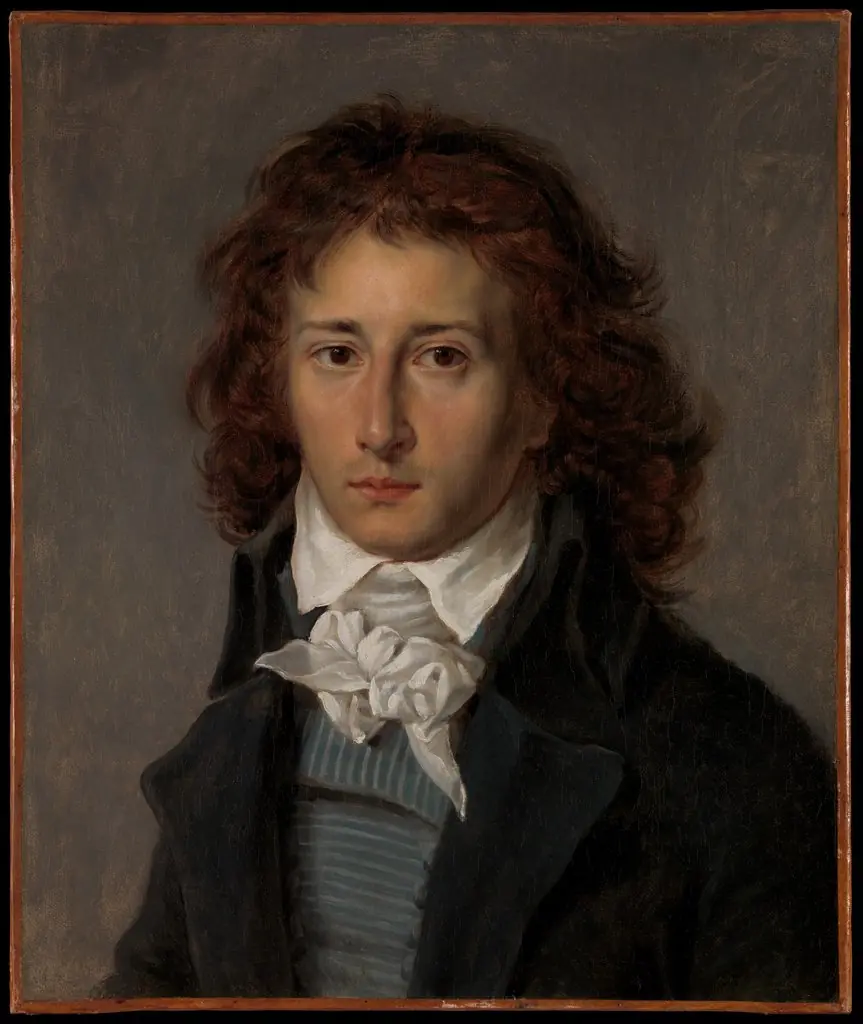 François Gérard (1770–1837), later Baron Gérard
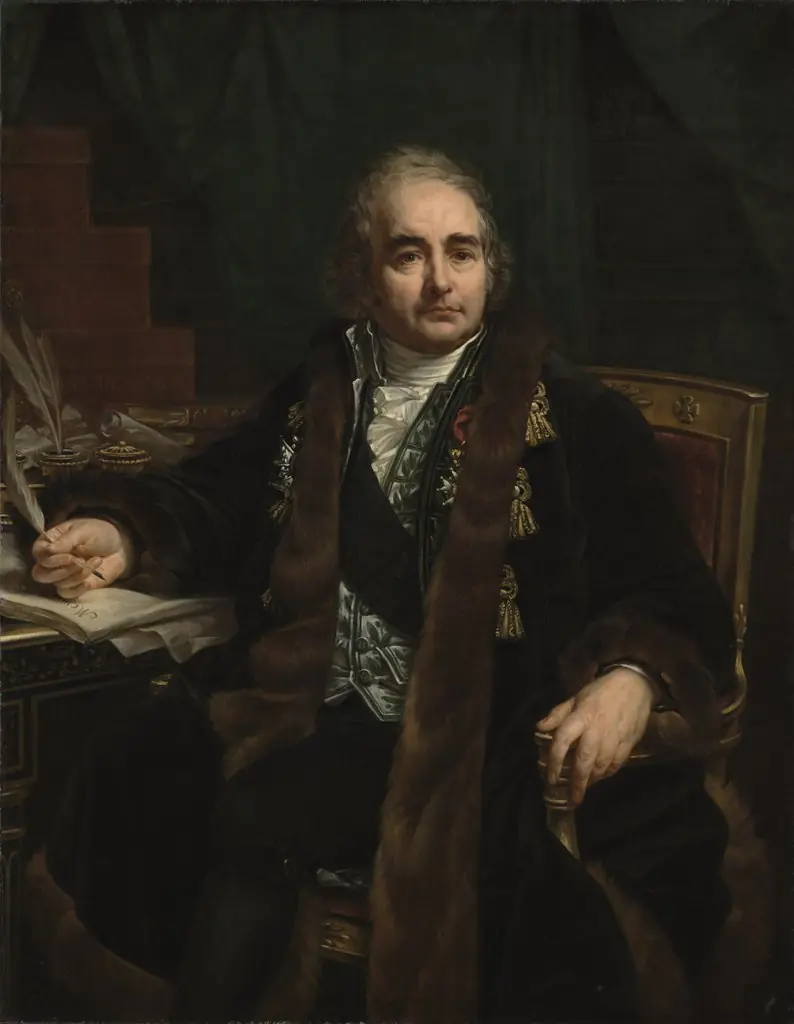 Portrait of Count Jean-Antoine Chaptal
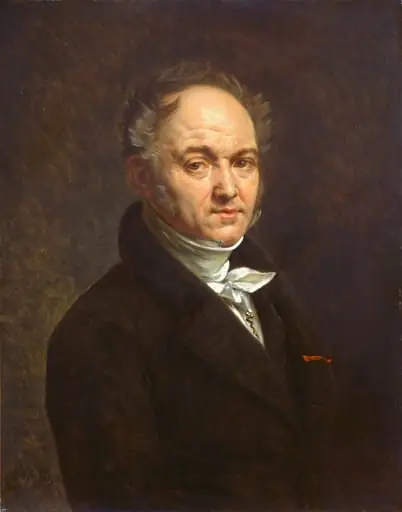 Dr. Vignardonne
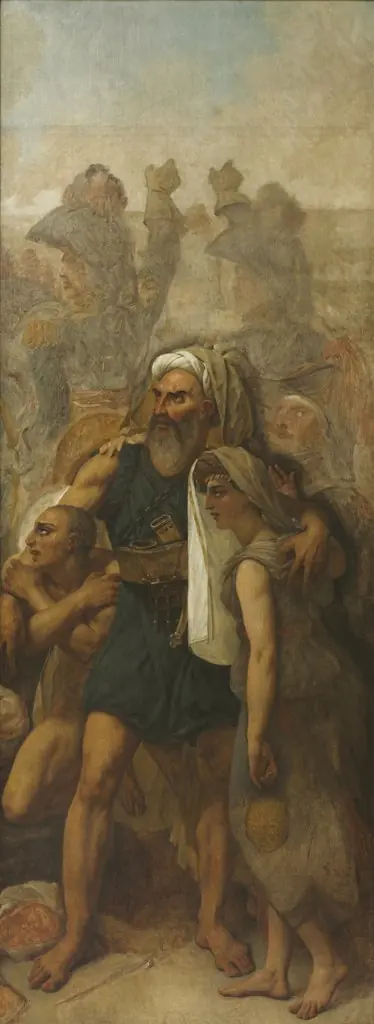 Egyptian Family (Sketch for "The Battle of the Pyramids")
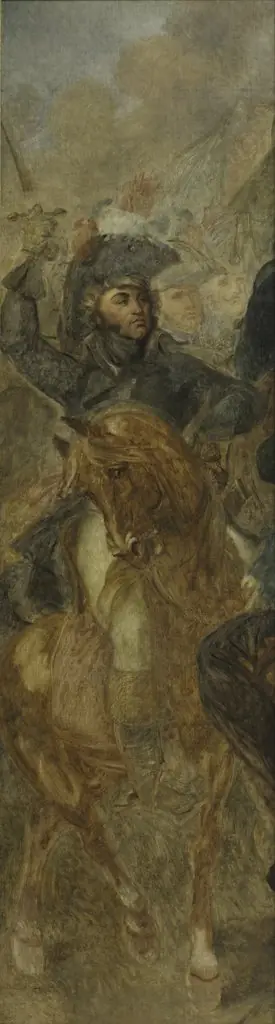 General Jean-Baptiste Kléber (Sketch for "The Battle of the Pyramids")
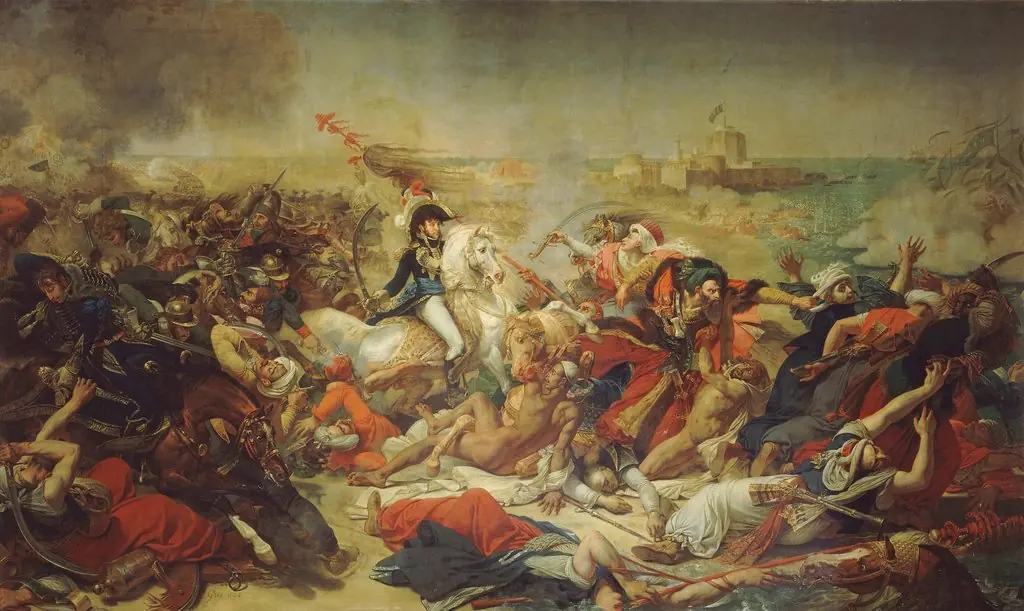 Bataille d'Aboukir, 25 Juillet 1799
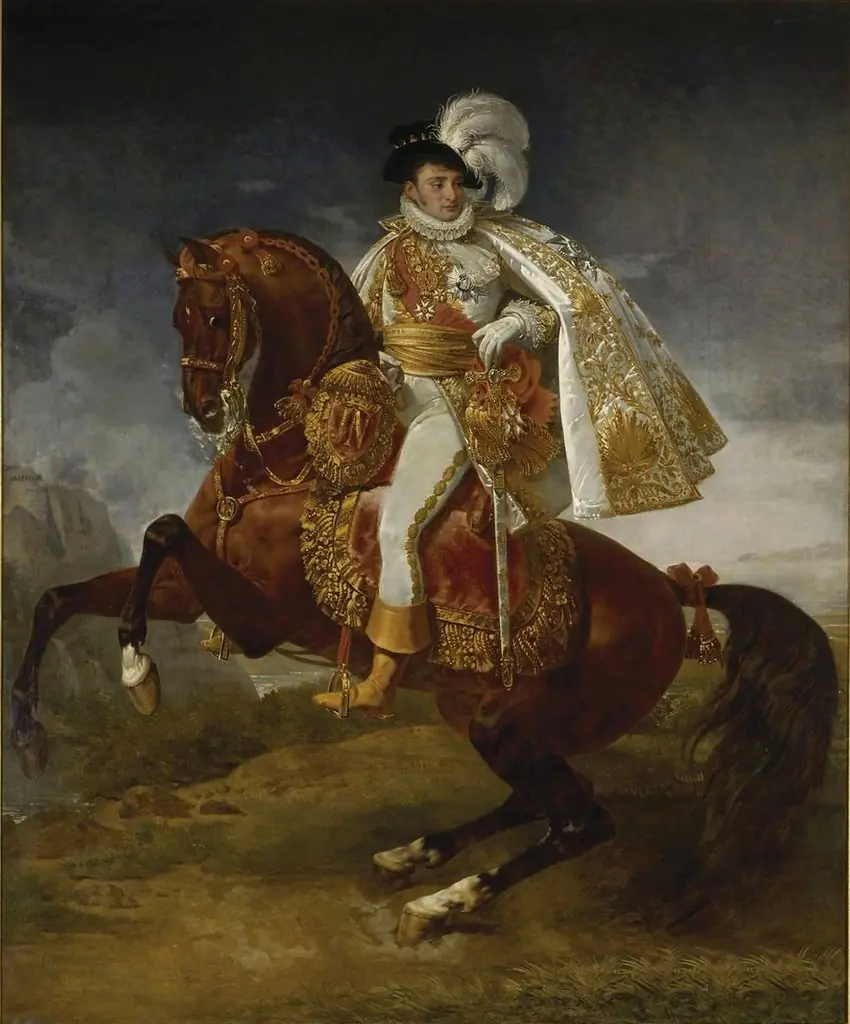 Jérôme Bonaparte, King of Westphalia
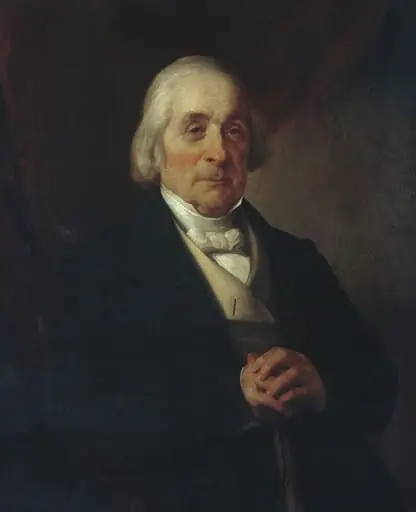 John Walsh
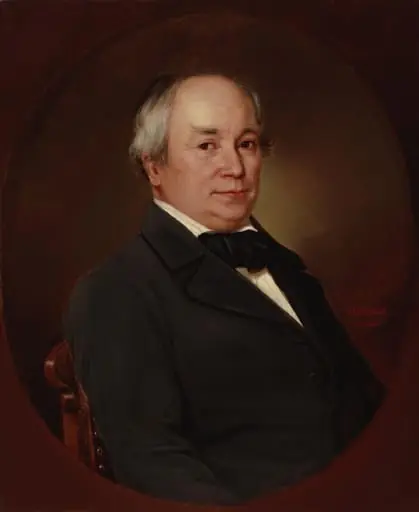 Ivan Sinebrychoff
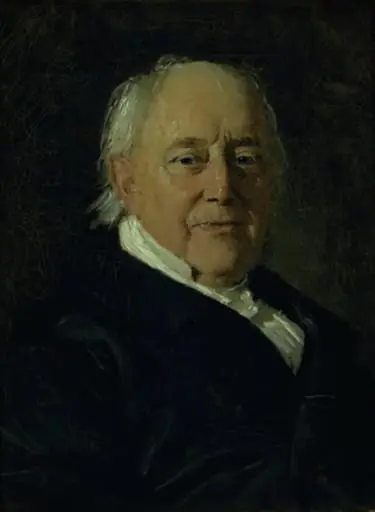 Professor of Divinity Andreas Christian Krog
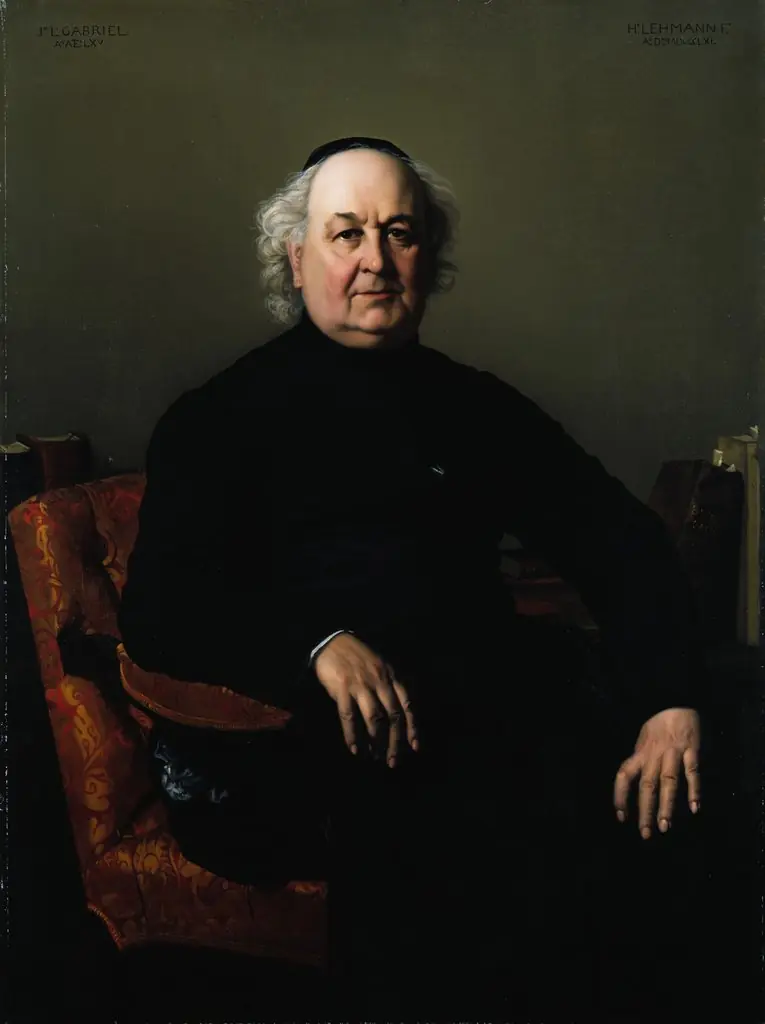 Jean Louis Gabriel, Rector of Saint Merri
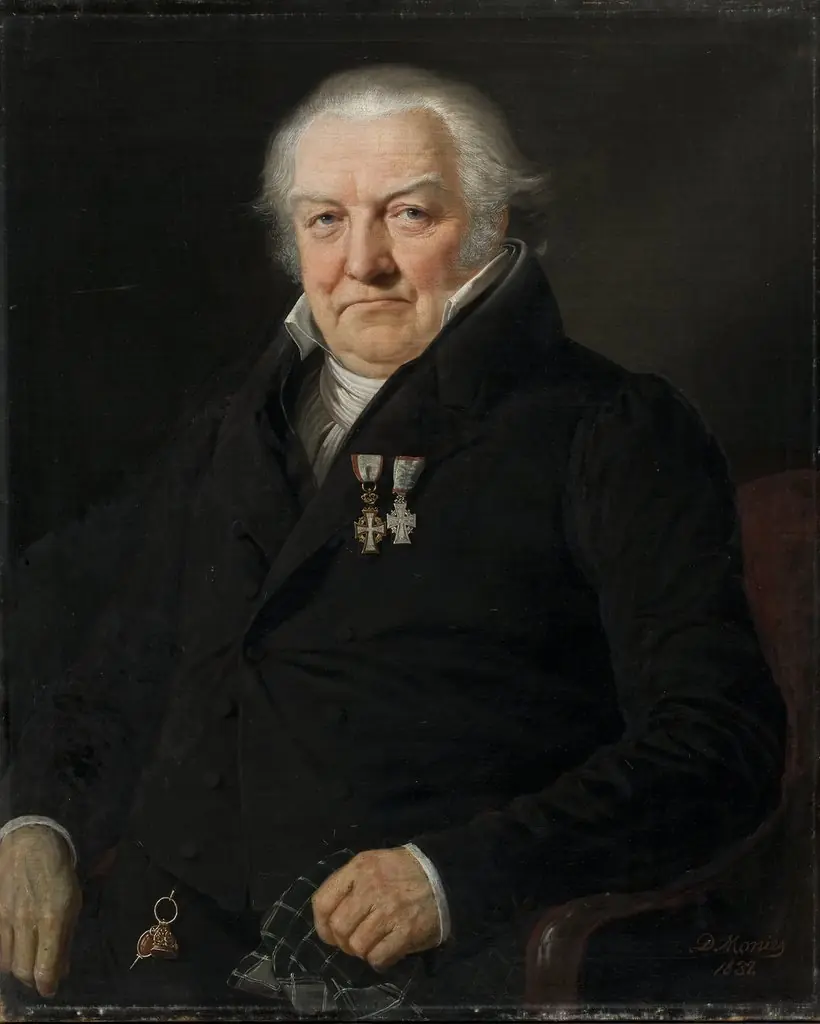 Professor, dr. med. J.D. Herholdt
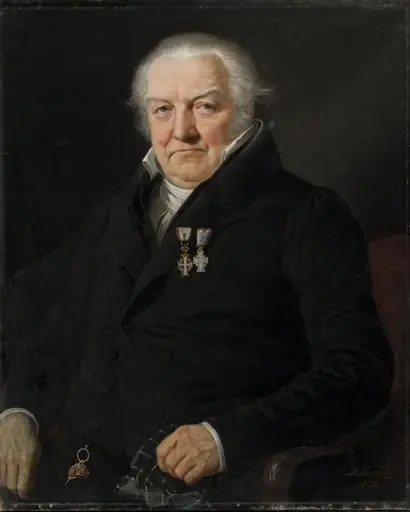 Professor, dr. med. J.D. Herholdt
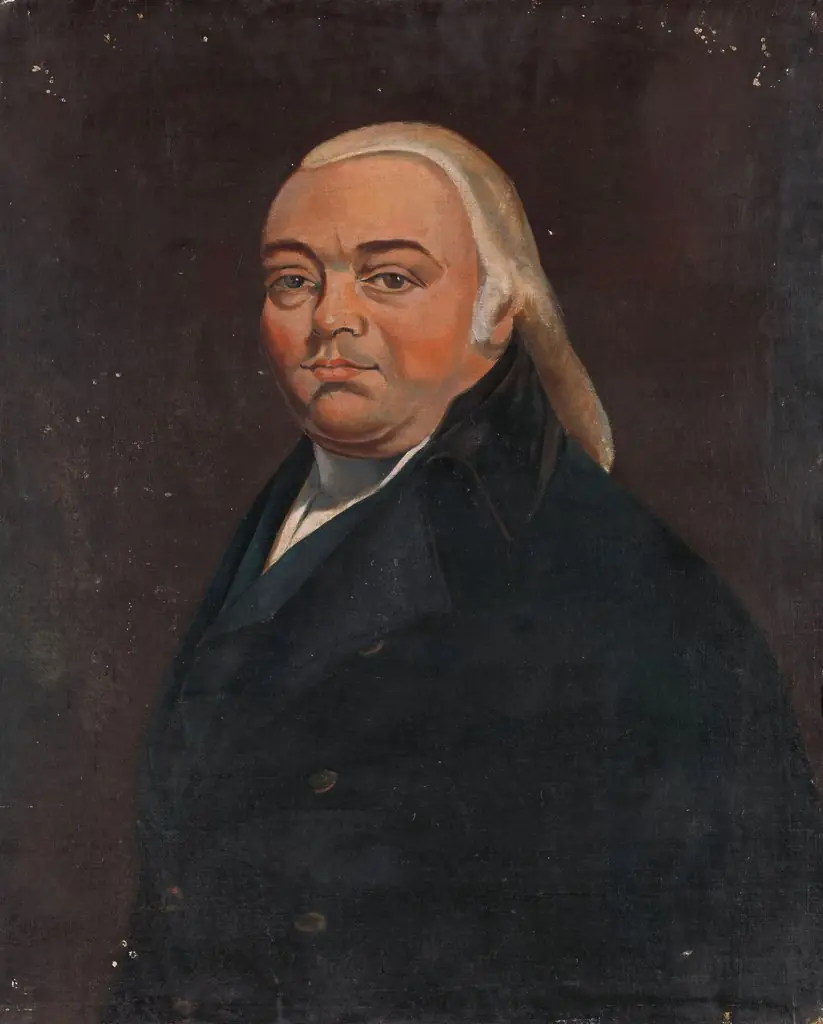 Sebastiaan Cornelis Nederburgh (1762-1811). Commissaris-generaal (1791-99)
 Untitled
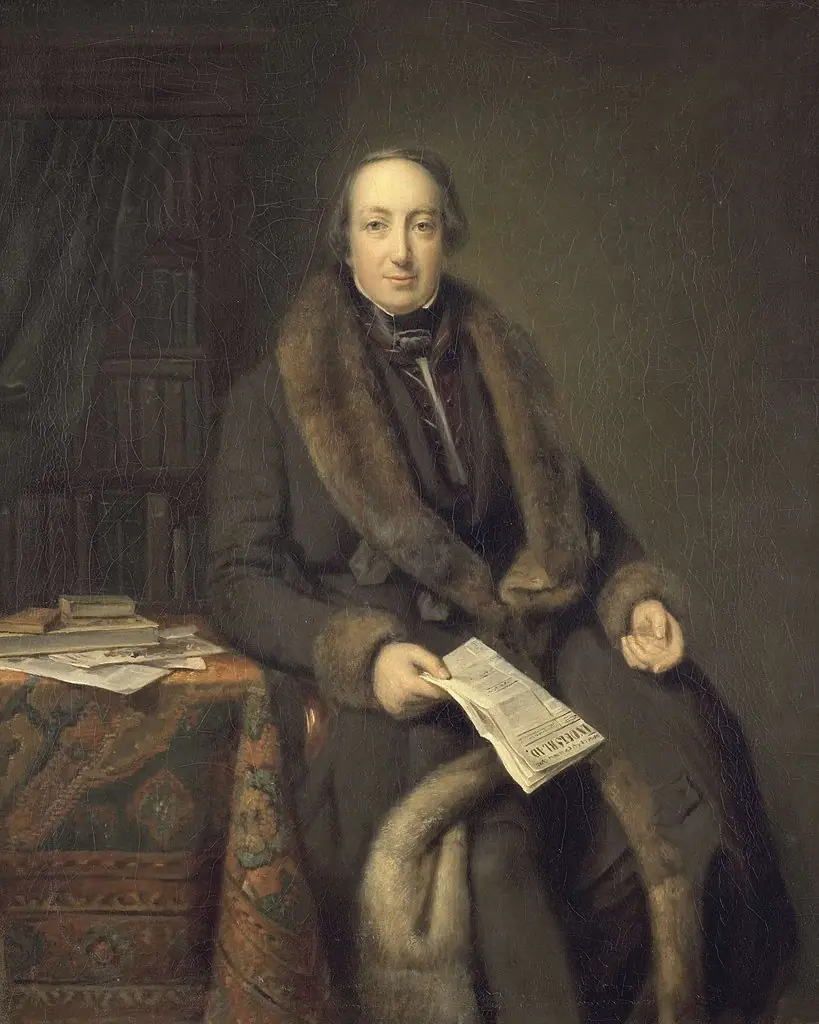 Portrait of Pieter Arnold Diederichs (1804-74), bookseller and founder AD in 1828
 Portrait of Monsieur Couche