Artwork
Edward Robinson
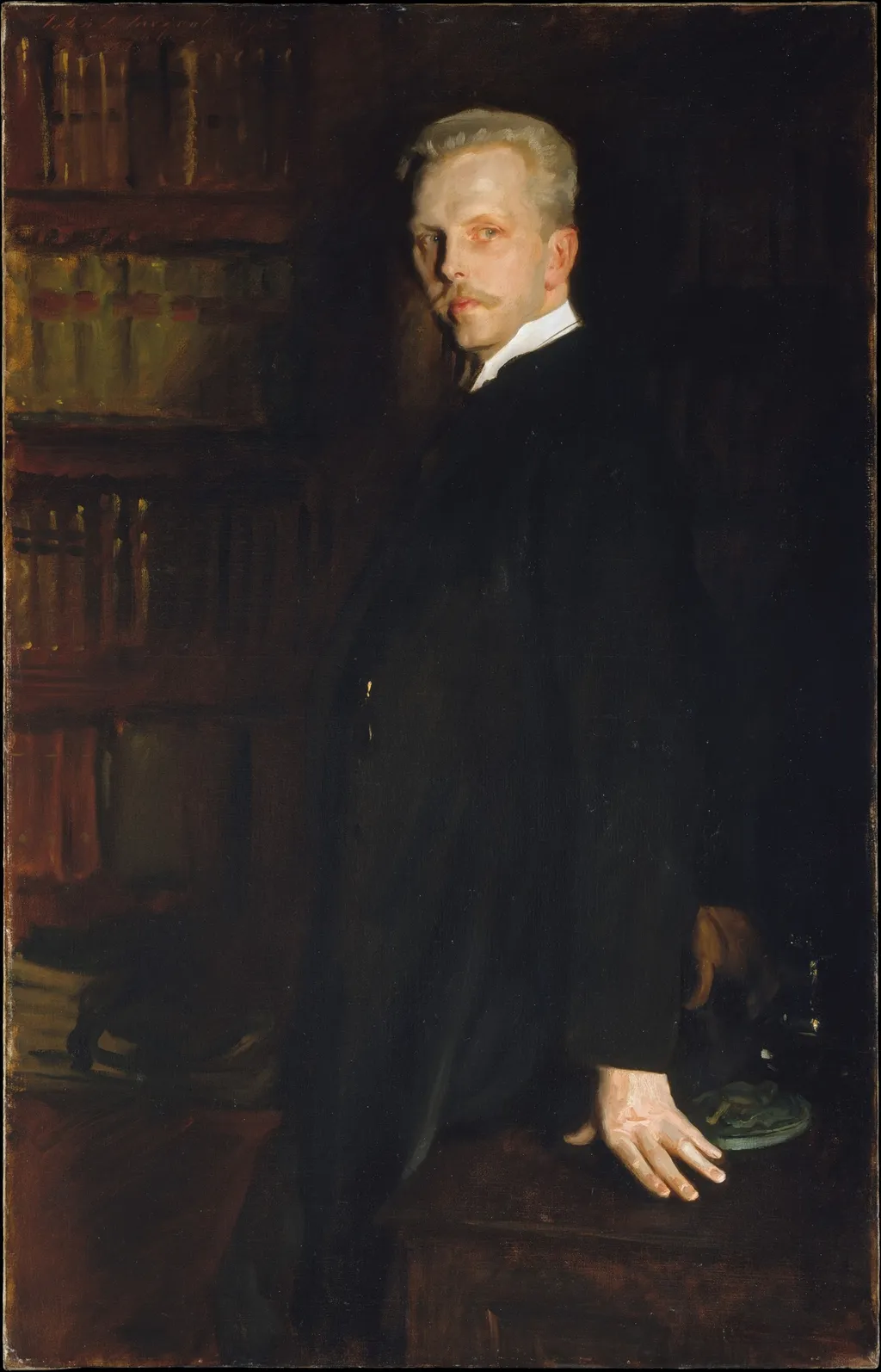
Edward Robinson is an oil painting by the American Impressionist artist John Singer Sargent. It dates from 1903 and is held in the collection of the Metropolitan Museum of Art.
About this work
A man in a black suit and white shirt stands in a dark room, facing left, one hand resting on a table beside him. Hints of a bookshelf sit behind him, and Sargent's light and shadow give the formal scene its depth. Oil, 1903.
Subject & Meaning
Created in 1903 by John Singer Sargent, the piece serves as a visual record of Robinson, capturing his appearance at that time.
The work is a formal portrait depicting Edward Robinson, a man identified as the primary subject of the composition. Executed in oil paint on canvas, the painting presents Robinson in a manner consistent with the portrait genre, focusing on the individual's likeness and presence. Created in 1903 by John Singer Sargent, the piece serves as a visual record of Robinson, capturing his appearance at that time.
The work measures 143.5 by 92.1 centimeters and is held at the Metropolitan Museum of Art. As a portrait, the painting's meaning is rooted in the representation of this specific historical figure, emphasizing his identity through Sargent's artistic interpretation.
Technique & Style
Edward Robinson is an oil-on-canvas portrait painted by John Singer Sargent in 1903. The work employs layered brushwork to model the sitter's features and attire, characteristic of Sargent's mature portraiture. As a portrait, the composition emphasizes a realistic rendering of Edward Robinson's likeness, with attention to facial detail and subtle handling of light and shadow.
The painting presents the subject in a dignified pose against a muted background, typical of early-twentieth-century American portraiture.
History & Provenance
The portrait Edward Robinson by John Singer Sargent was created in 1903. The work is an oil painting on canvas measuring 143.5 cm in height and 92.1 cm in width. It is currently held in the collection of the Metropolitan Museum of Art, where it remains. No direct commission records have been cited in the available sources.
Legacy
The work titled Edward Robinson, created by John Singer Sargent in 1903, is an oil portrait held by the Metropolitan Museum of Art. As a portrait measuring 143.5 cm by 92.1 cm, it is part of the museum's permanent collection, indicating its acknowledged importance within major cultural institutions. The work's presence in a prominent public collection has contributed to continued scholarly interest in Sargent's portraiture and maintains the painting's relevance in the historical record of early twentieth-century art.
Overview
John Singer Sargent's oil painting, Edward Robinson, created in 1903, presents a formal portrait of its namesake. The American expatriate artist, recognized for his depictions of prominent figures from the Belle Époque and Edwardian eras, rendered this work in a style associated with American Impressionism. The piece is part of Sargent's extensive body of oil paintings and is now housed in The Metropolitan Museum of Art.
Context
John Singer Sargent, an American artist who spent much of his life abroad, established a significant reputation for his portraiture. After training in art academies in Florence and Paris, he ultimately settled in London, becoming a sought-after painter for society figures across Europe and America. Edward Robinson is one of approximately 900 oil paintings Sargent produced, reflecting his prolific career and consistent focus on capturing individual personalities.
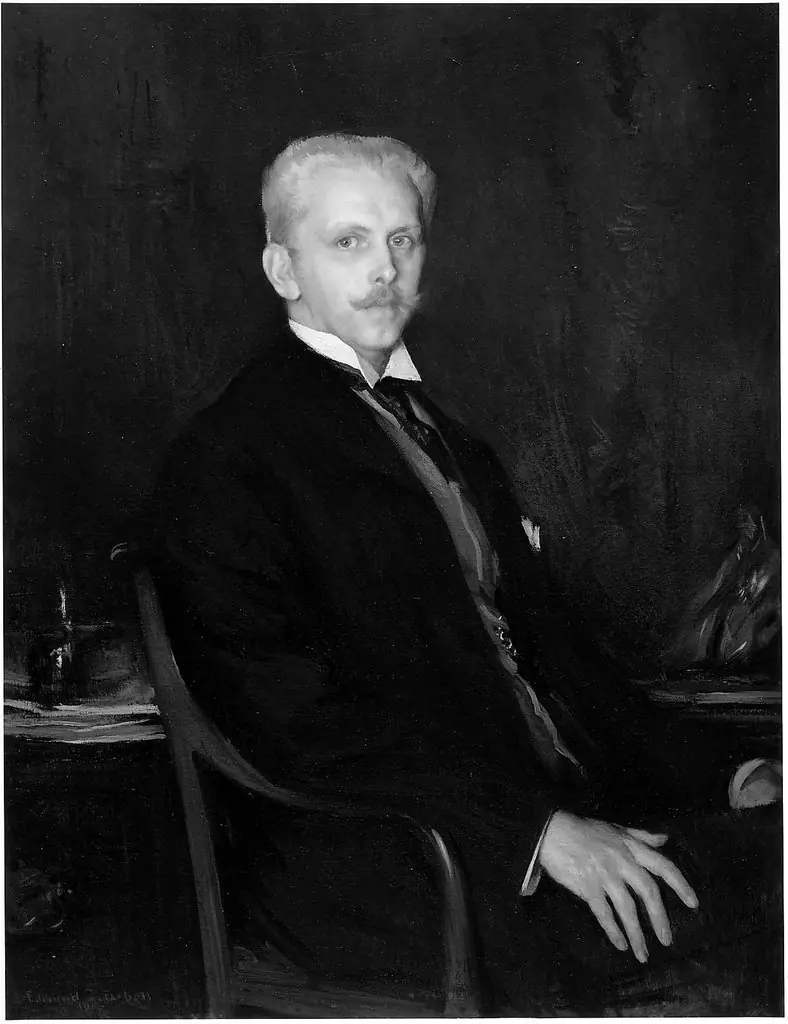
Own this work as a print
Artist & collection
Artist
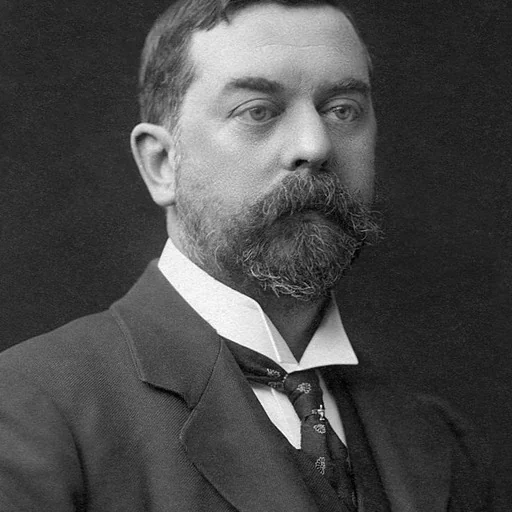
John Singer Sargent (; January 12, 1856 – April 15, 1925) was an American expatriate artist, considered the "leading portrait painter of his generation" for his evocations of Belle Époque and Edwardian-era luxury.

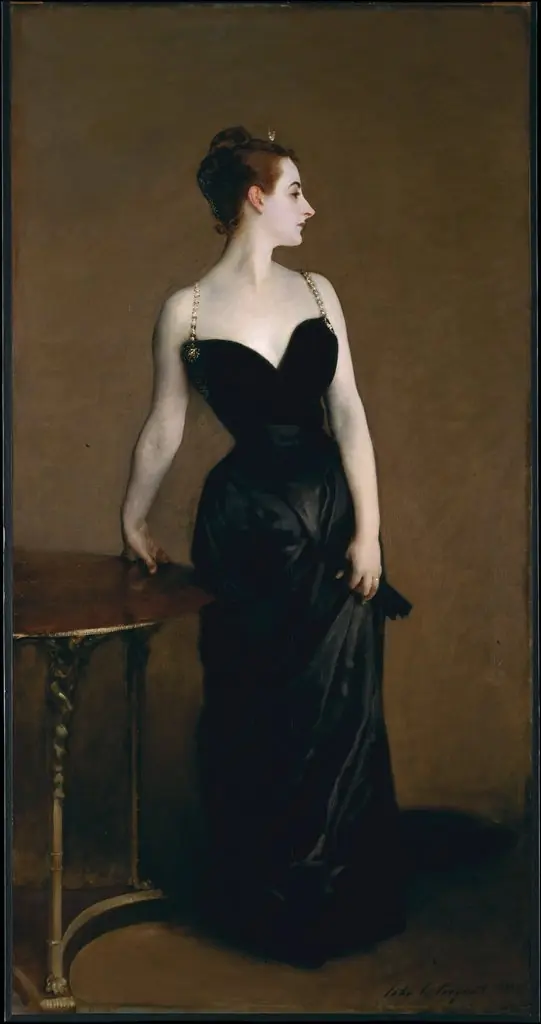
 Portrait of Wiktor Osławski
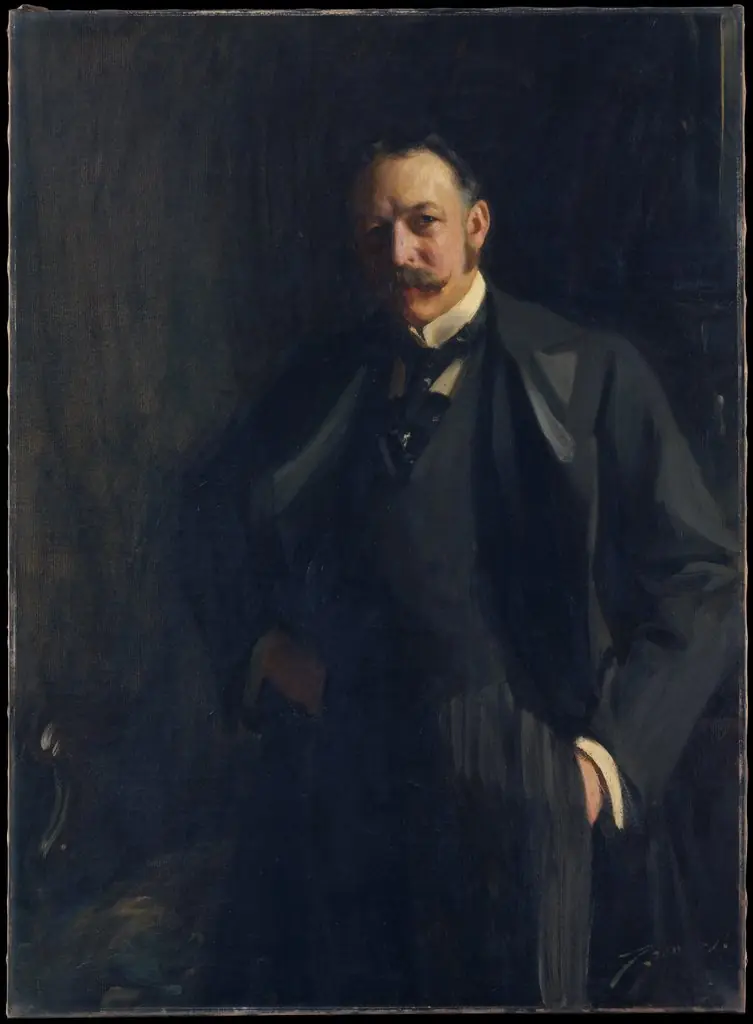 Edward R. Bacon (1846–1915)
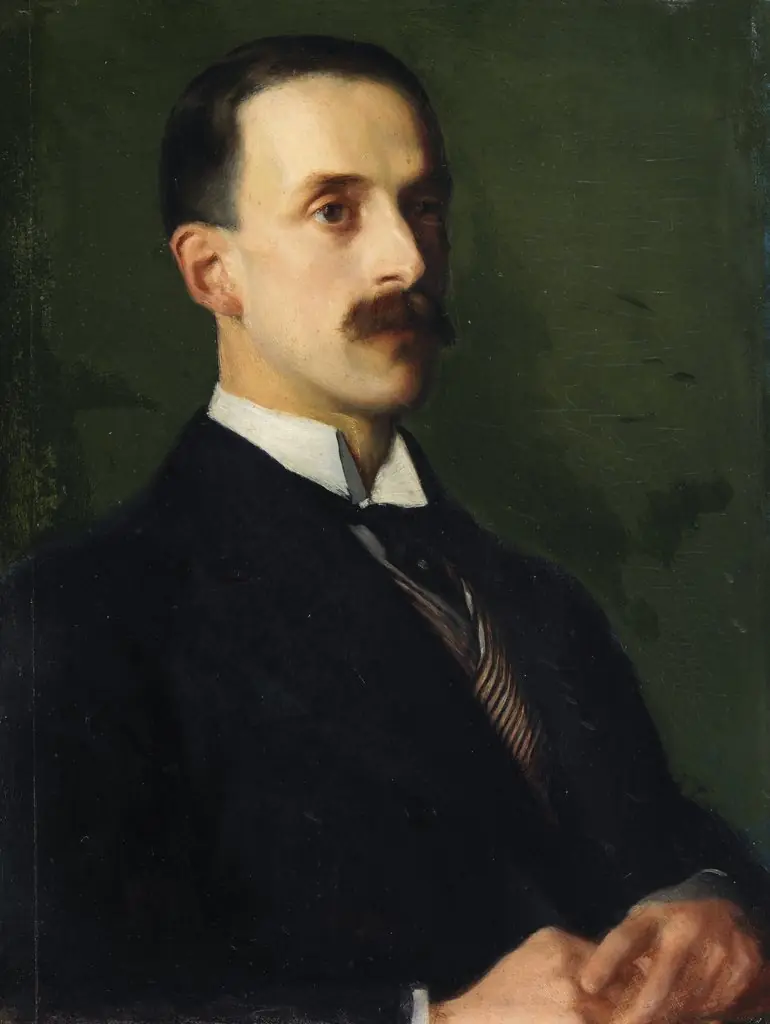 Portrait of Sir Hugh Lane (1865-1915), Director of the National Gallery of Ireland 1914-1915
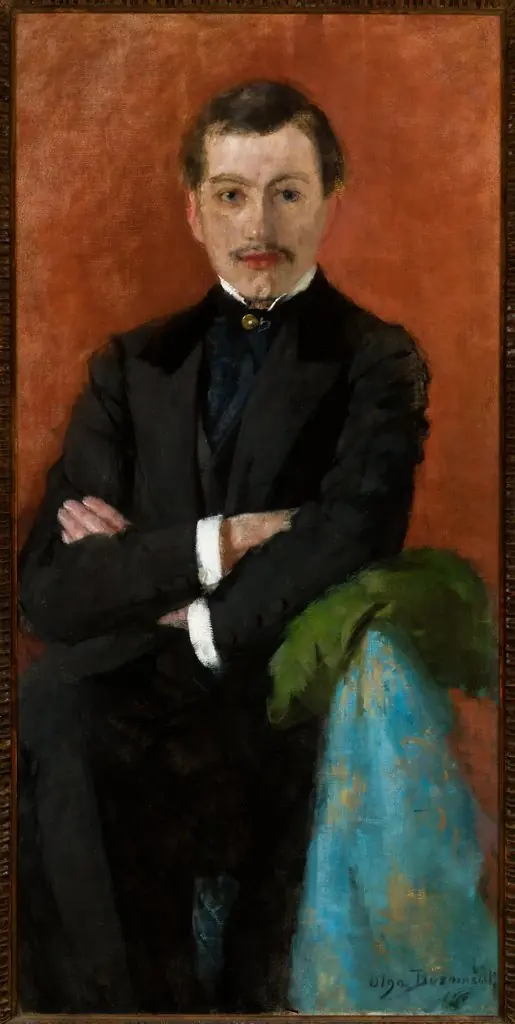 Portrait of Józef Czajkowski
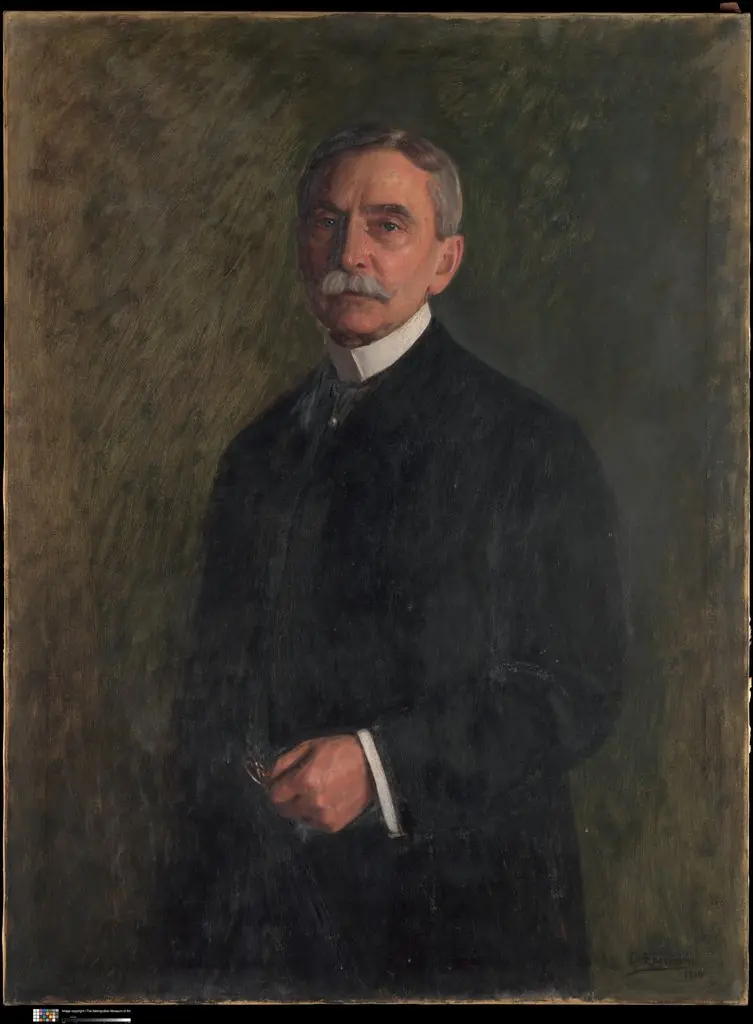 Portrait of Isaac D. Fletcher
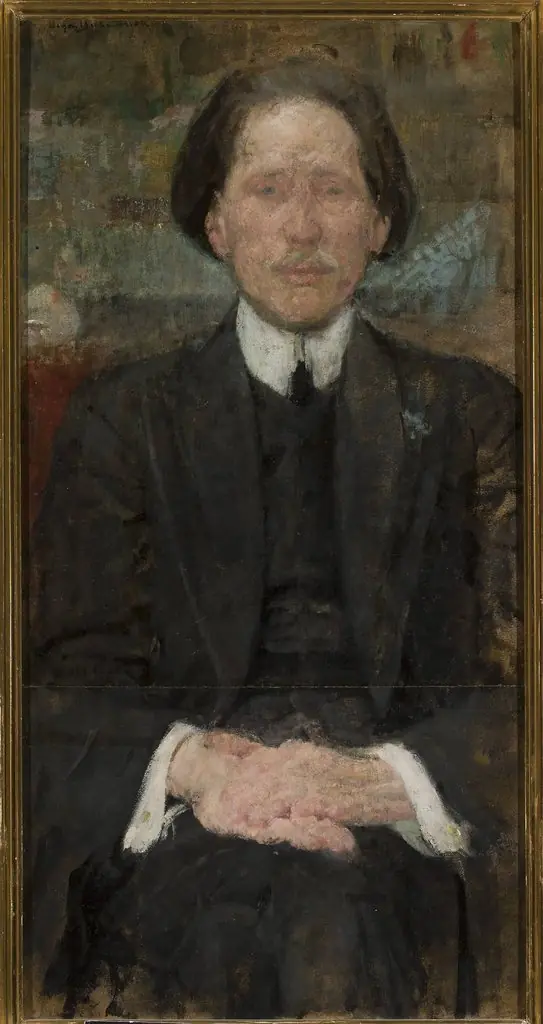 Portrait of a young man in black
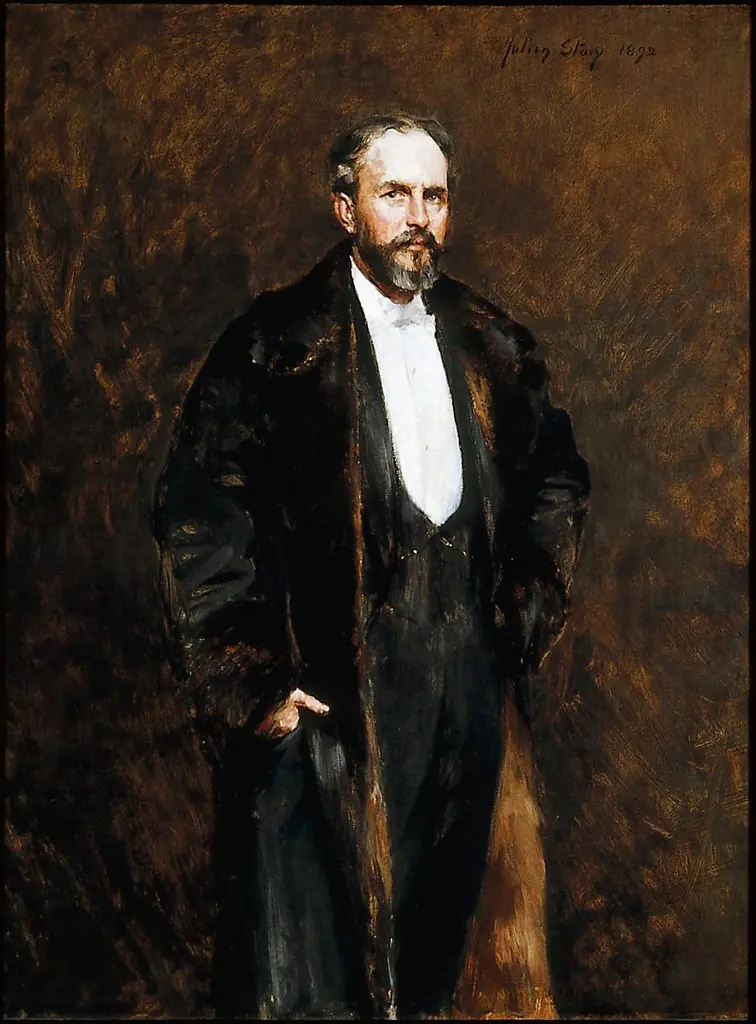 Ernest Wadsworth Longfellow
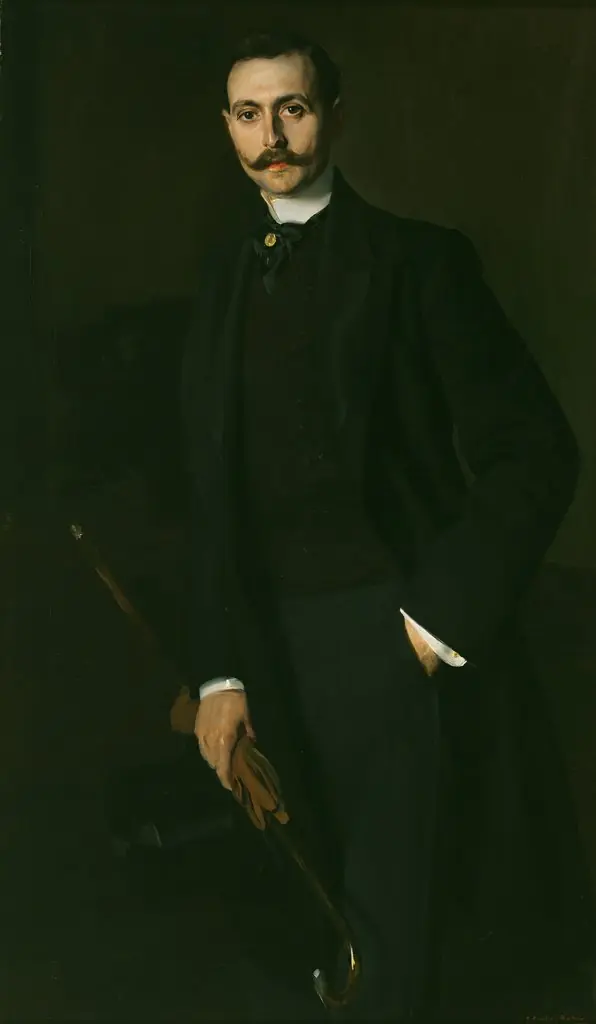 Aureliano de Beruete y Moret, Jr.
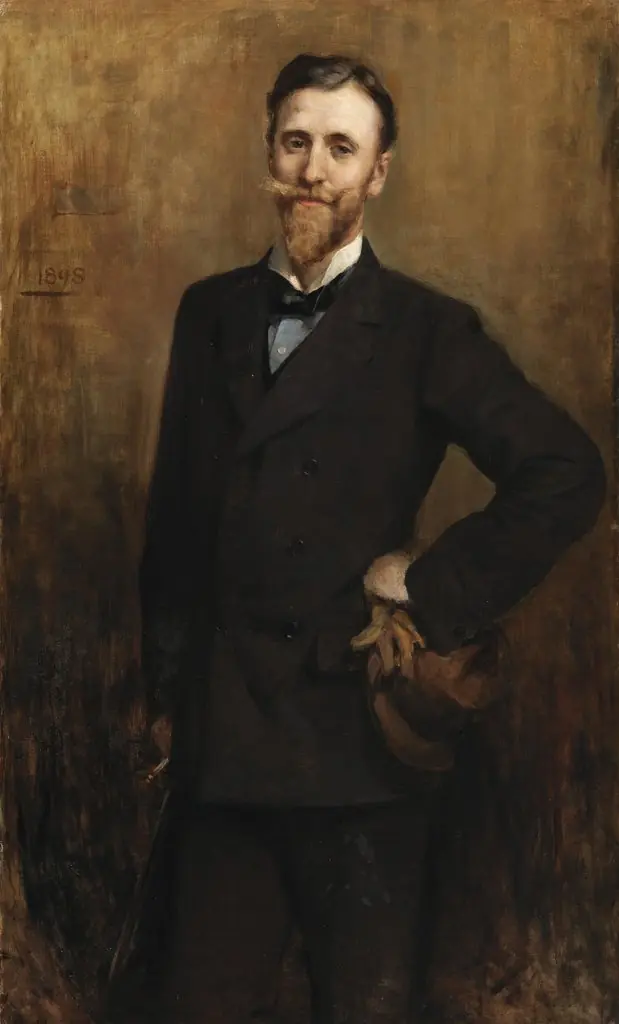 Portrait of T.P. Gill, Journalist, Secretary, Department of Agriculture and Technical Instruction
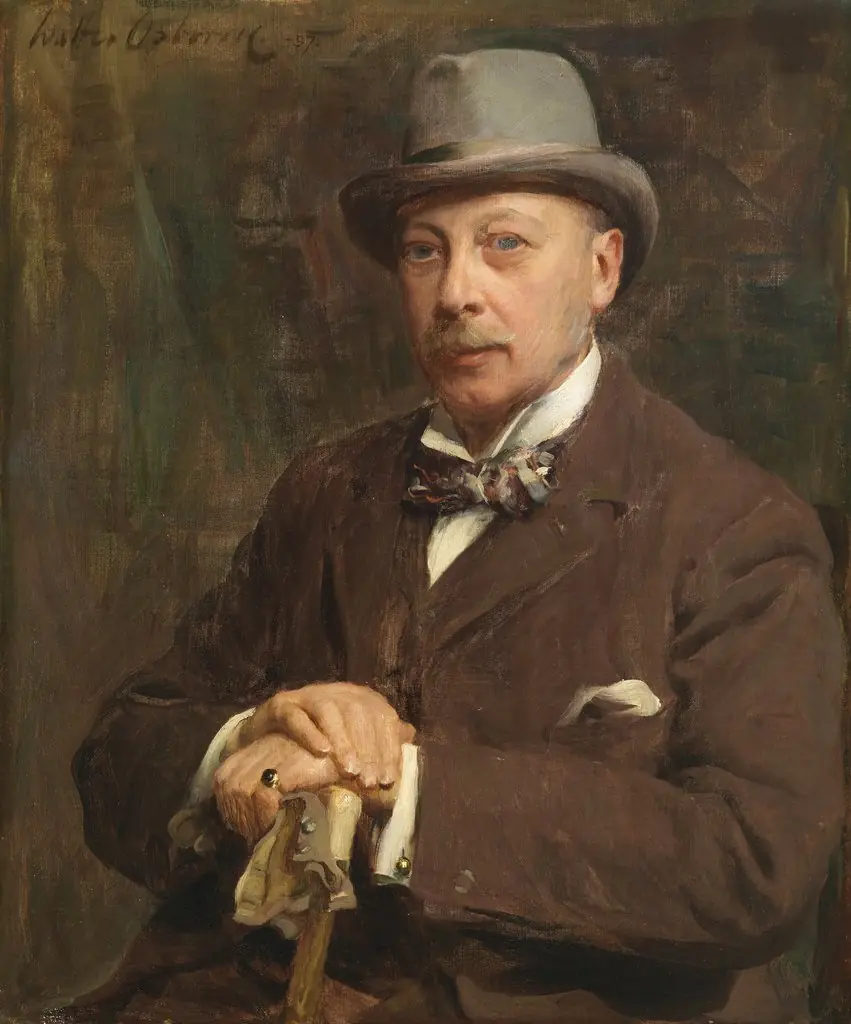 Portrait of a Gentleman
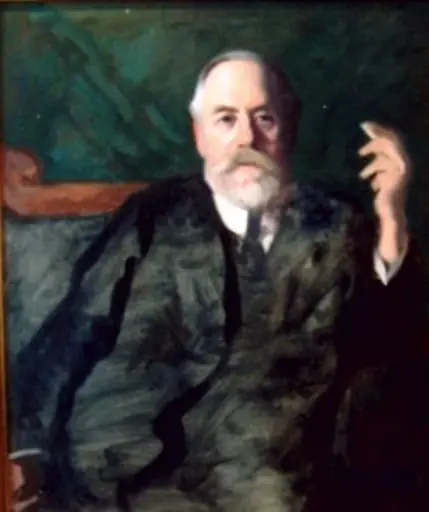 Pictorul Szinyeu
- Edward Robinson