Artwork
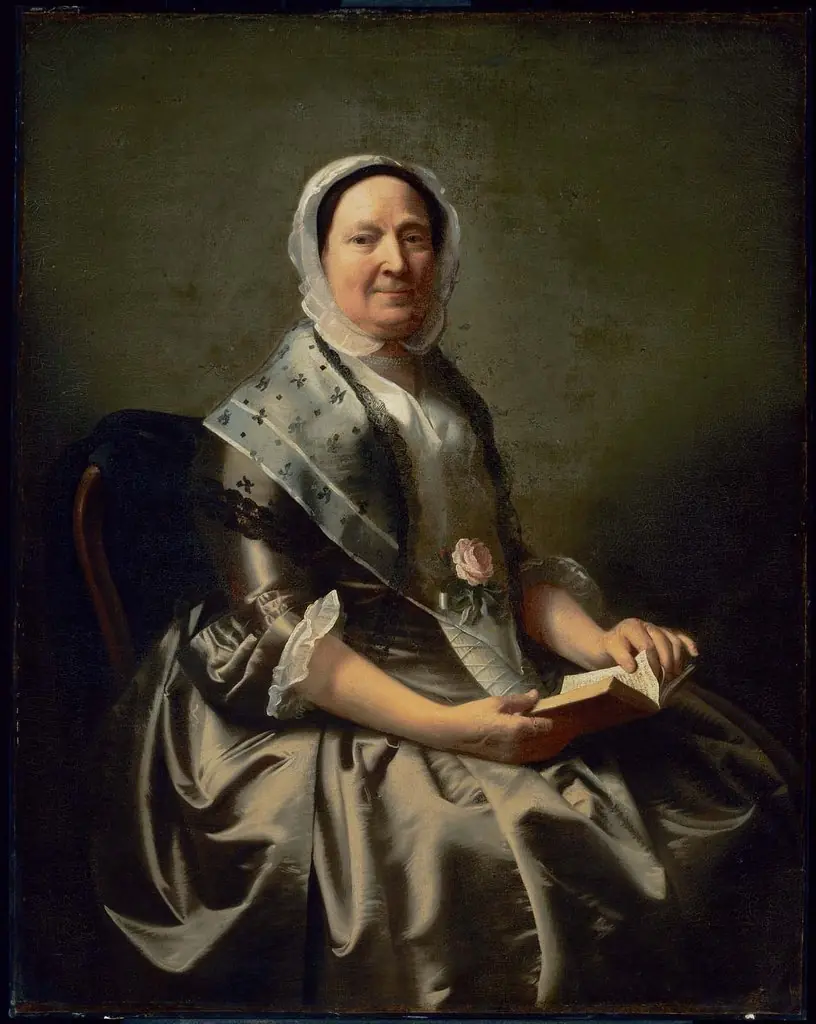
Mrs. Sylvanus Bourne
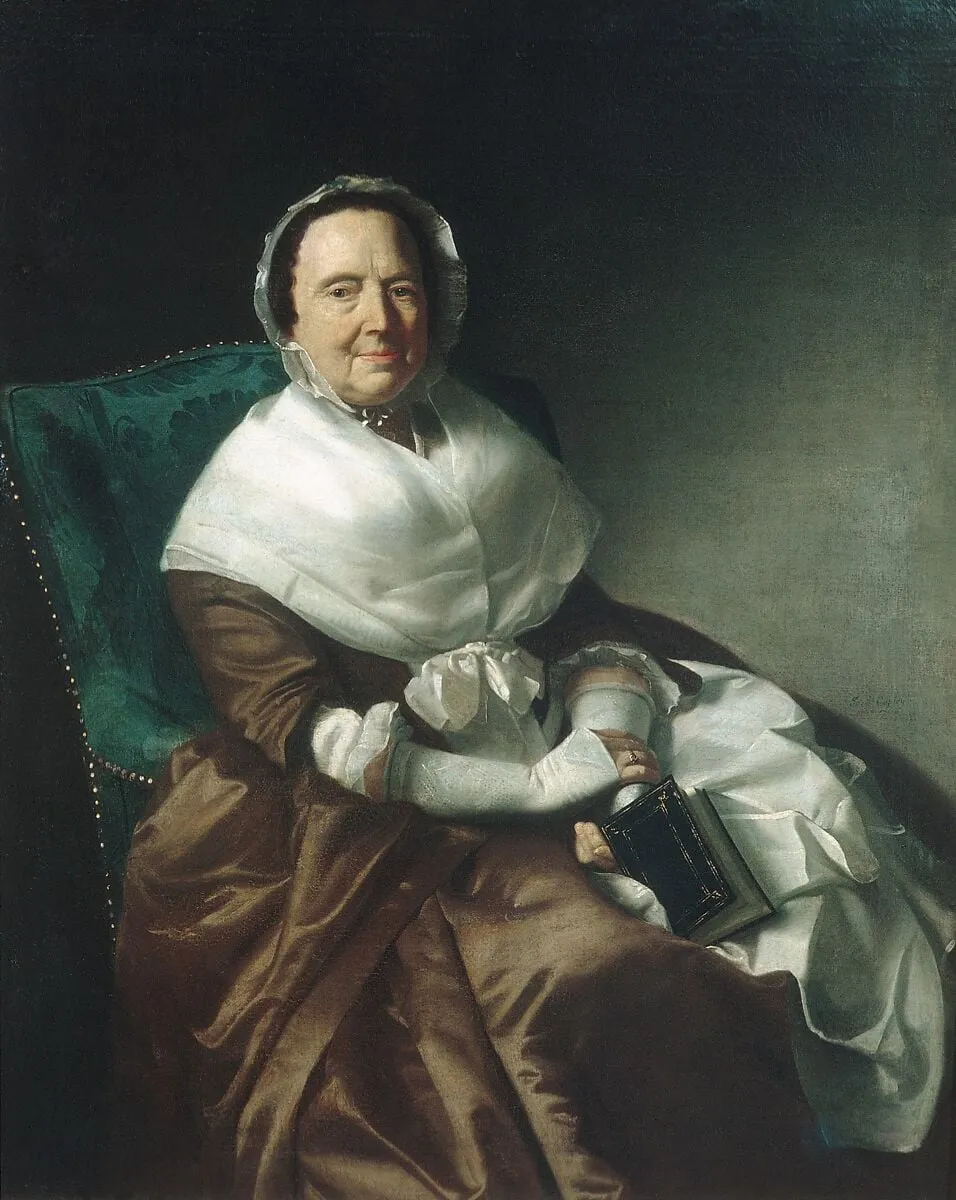
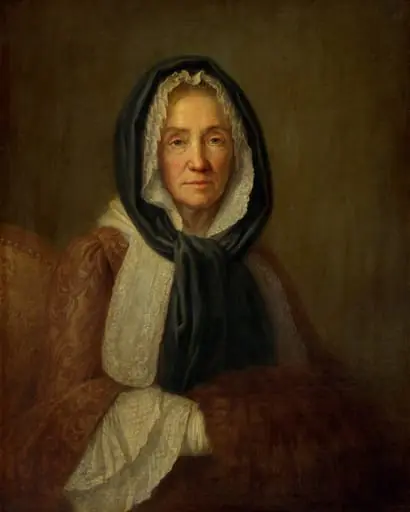
Mrs. Sylvanus Bourne is an oil painting by the Rococo painting artist John Singleton Copley. It dates from 1766 and is held in the collection of the Metropolitan Museum of Art.
About this work
Subject & Meaning
These symbolic elements together convey an ideal of refined, virtuous womanhood aligned with contemporary notions of piety and domestic responsibility.
The portrait shows Mrs. Sylvanus Bourne, a woman of respectable standing in colonial Boston, identified through her attire and accessories. She wears a fichu and cap that denote modesty and domestic virtue, while a bow and ring suggest marital status and personal modesty. A book held in her hands signals literacy and the moral education expected of women of her class.
The inclusion of a ring and the careful rendering of her clothing reflect both familial honor and the social expectations of femininity in mid‑18th‑century America. These symbolic elements together convey an ideal of refined, virtuous womanhood aligned with contemporary notions of piety and domestic responsibility.
Technique & Style
The painting is an oil on canvas portrait created in 1766, measuring 127.6 cm by 101.6 cm. It is executed in oil paint on a canvas support, typical of Copley’s technique for achieving fine detail and subtle modeling. The work belongs to the American Wing collection at the Metropolitan Museum of Art and is classified as a portrait genre piece. Formal qualities include a naturalistic rendering of the sitter, with careful attention to the textures of fabric, the delicate fichu, cap, bow, book, and ring that identify her.
The composition reflects the precision and realism characteristic of Copley’s portraiture, emphasizing both psychological presence and material richness.
Context
John Singleton Copley painted Mrs. Sylvanus Bourne in 1766, an oil on canvas portrait that exemplifies his mature style and his role in shaping early American portraiture. The work, classified within The American Wing at the Metropolitan Museum of Art, reflects the genre of elite colonial portraiture and incorporates symbolic attributes such as a fichu, bow, book, and ring, which scholars interpret as markers of genteel domestic virtue. Its inclusion in a major museum collection underscores its significance in the narrative of American artistic identity, and it remains a frequently cited example in studies of Copley’s synthesis of British technique and American subject matter.
Overview
Painted in 1766 by John Singleton Copley, Mrs. Sylvanus Bourne is a half-length oil portrait depicting the sitter seated in a dark wooden chair. She wears a white cap and a dark dress with a white apron, holding an open book in her lap. Copley focuses the composition on the subject's face, rendering her expression with a calm, gentle demeanor characteristic of his colonial portraiture.
The artist employs a simple, dark background to isolate the figure and emphasize the subtle modeling of her features and the texture of her clothing. The lighting is soft and directional, highlighting the face and hands while allowing the rest of the form to recede into shadow. This work exemplifies Copley's mature style prior to his departure for Europe, showcasing his ability to capture the quiet dignity and domestic virtue of New England society.
The painting demonstrates his technical mastery in rendering fabric and skin tones with a naturalistic precision that defined his reputation in Boston during the 1760s.
Artist & collection

Artist
John Singleton Copley (July 3, 1738 – September 9, 1815) was an American-born British painter active in both the Thirteen Colonies and England.

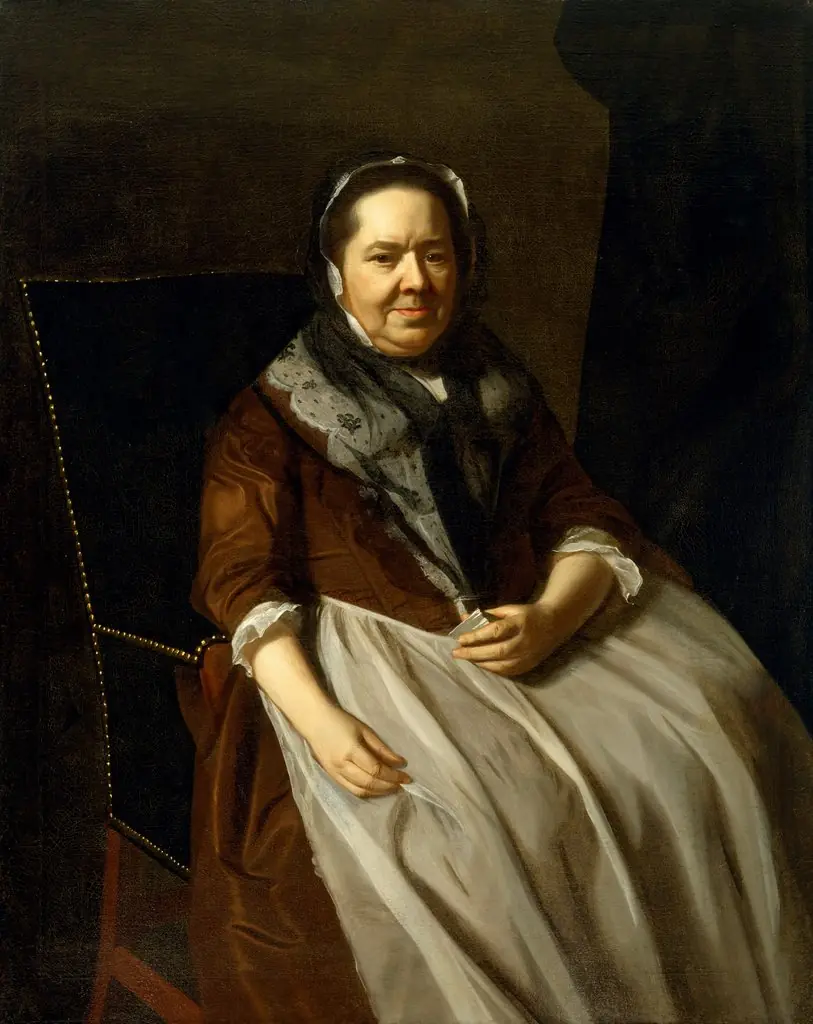 Portrait of Mrs. Paul Richard (Elizabeth Garland, 1700–1774)
 Mrs. Nathaniel Ellery (Ann Sargent)
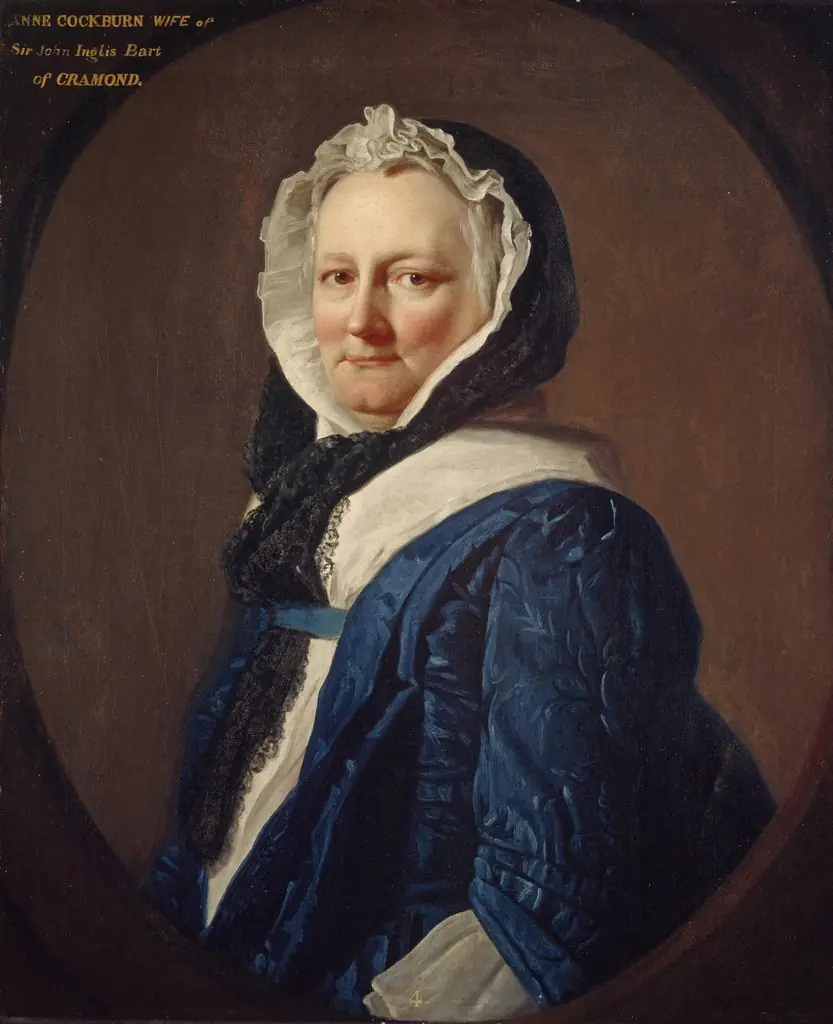 Anne Cockburn, Lady Inglis (died 1772)
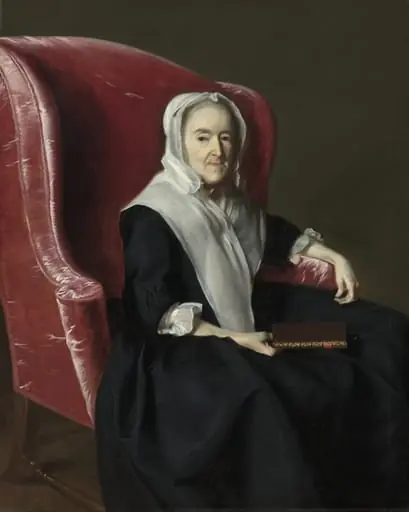 Anna Dummer Powell
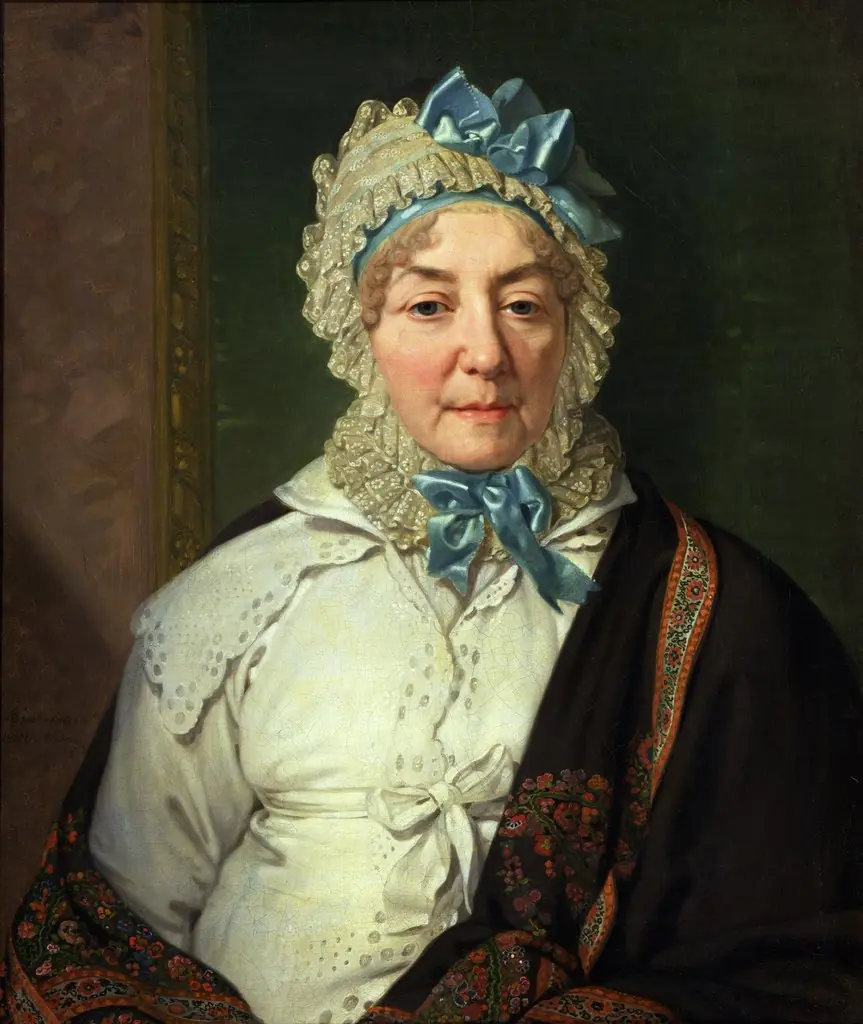 Porträt der Ye. A. Arkharova
 Portrait of Elisabeth Troost (1730-1790)
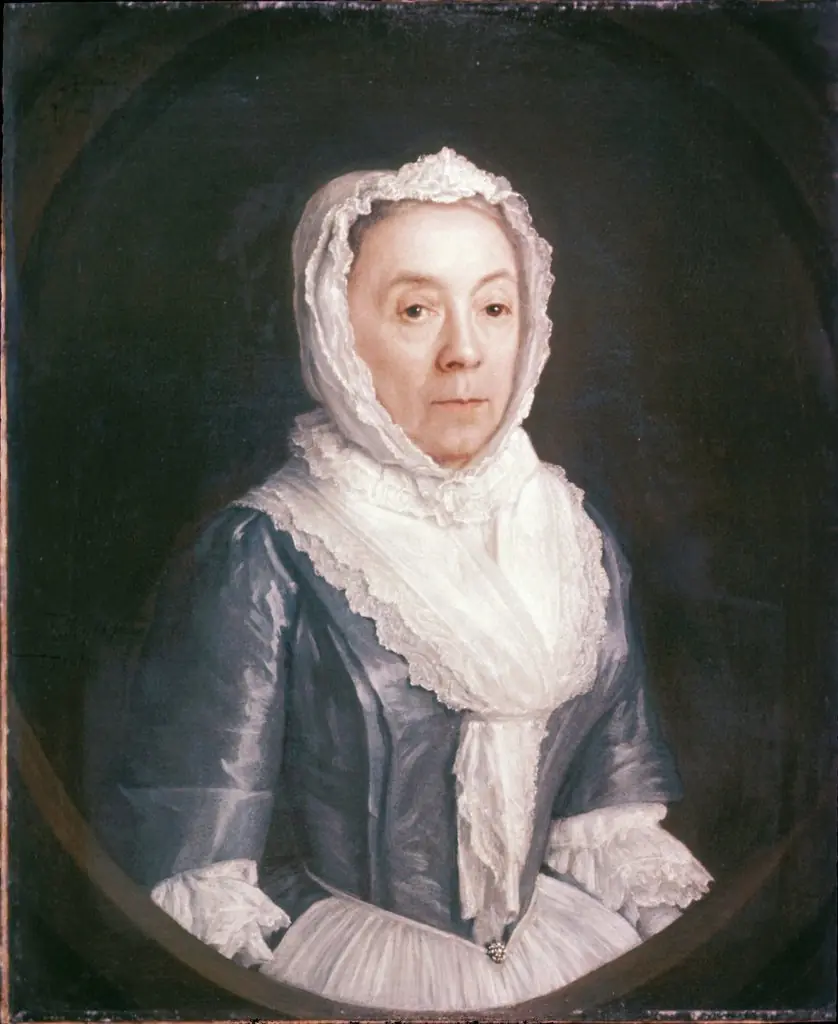 Portrait of Mrs. E.B.
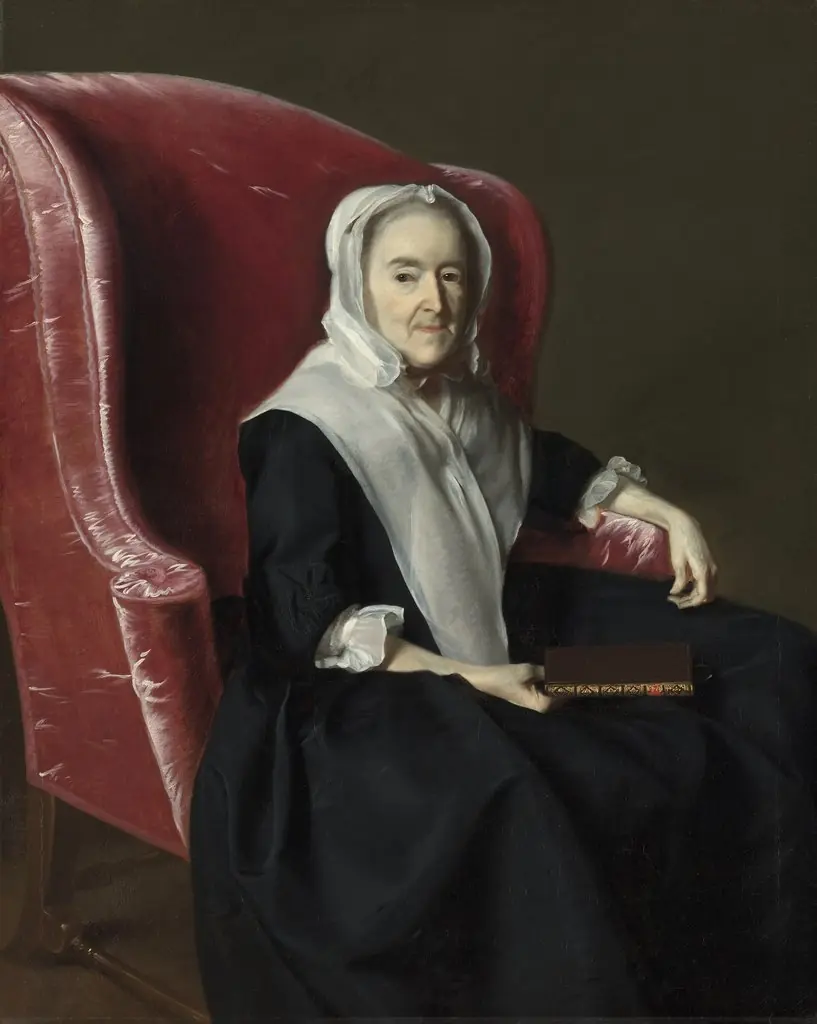 Anna Dummer Powell
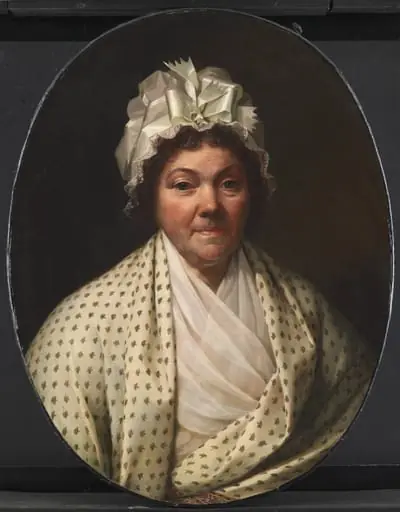 Cecilie Marie Elisabeth Schouw, f. Bagge, Poul Johan Schouws hustru
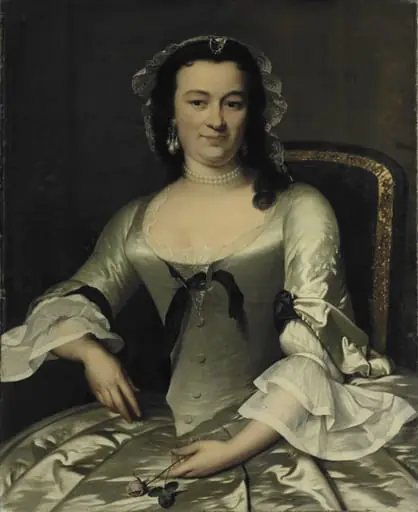 Portrait of Maria Henriëtte van de Pol, Wife of Willem Sautijn
 Old Woman with a Muff
- Mrs. Thomas Sprigg