Artwork
The Return of Neptune
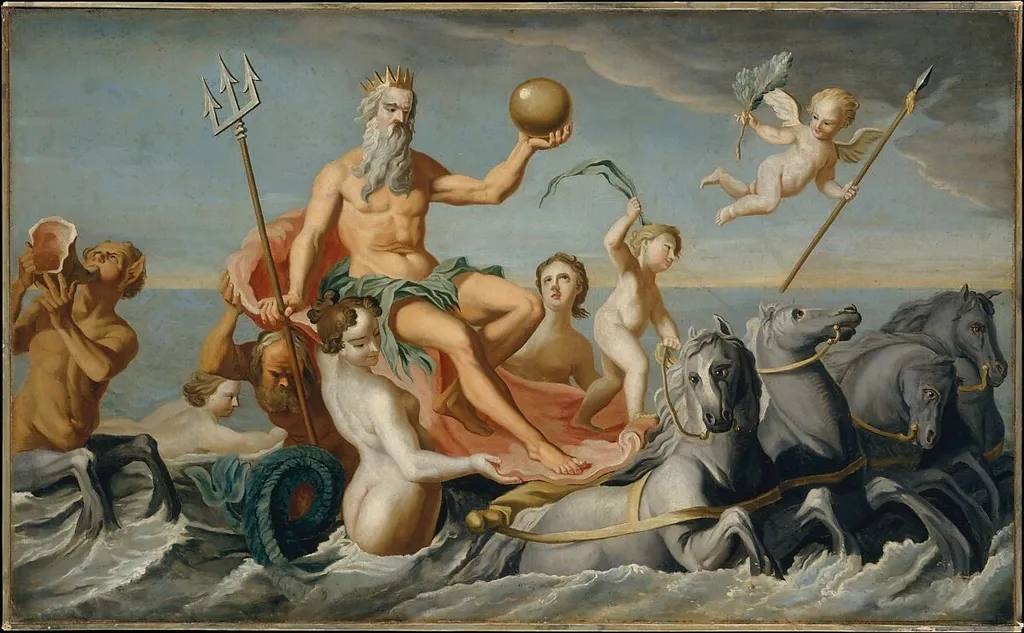
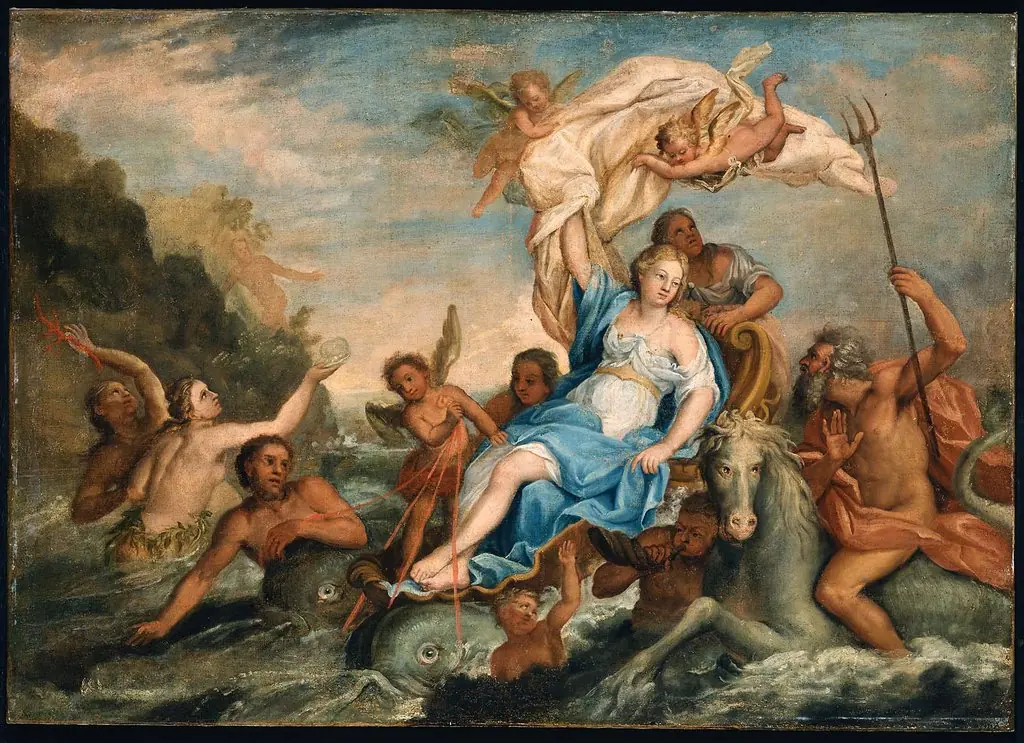
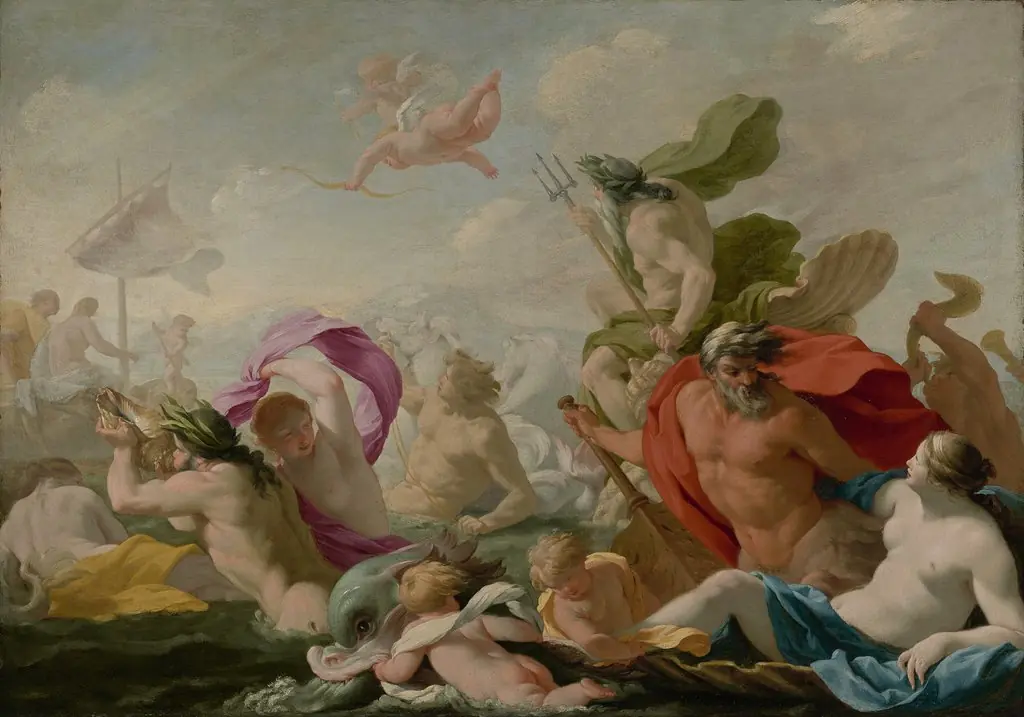
The Return of Neptune is an oil painting by the Rococo painting artist John Singleton Copley. It dates from 1754 and is held in the collection of the Metropolitan Museum of Art.
About this work
Subject & Meaning
The composition emphasizes Neptune’s authority over water and marine life, a theme that resonated with contemporary ideas of divine favor and natural order.
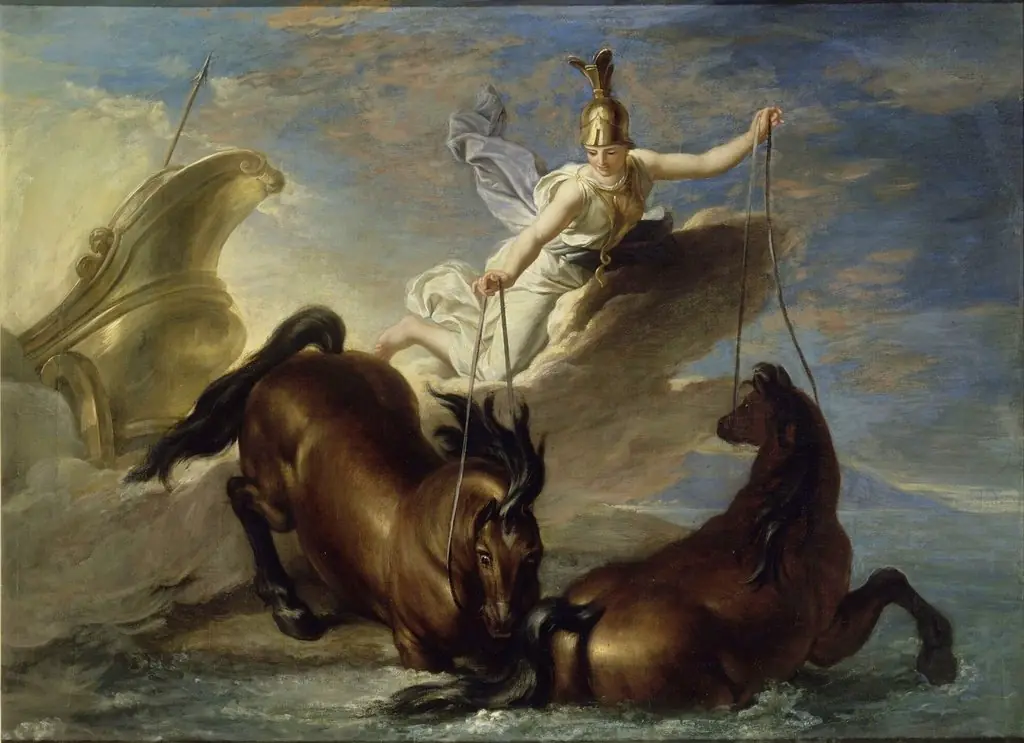
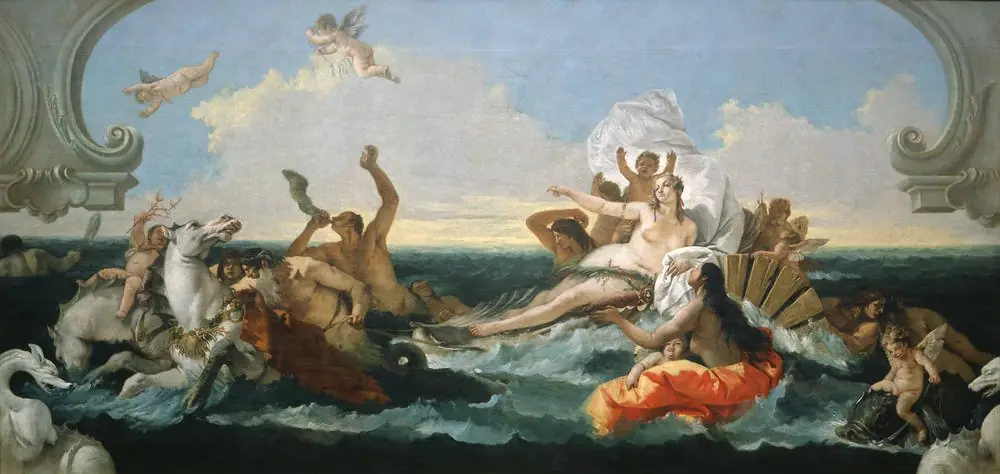
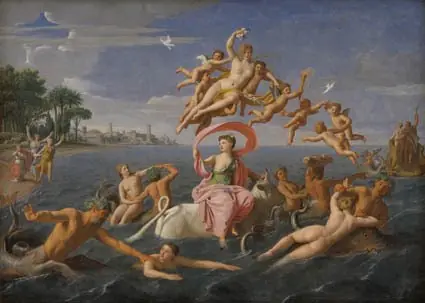
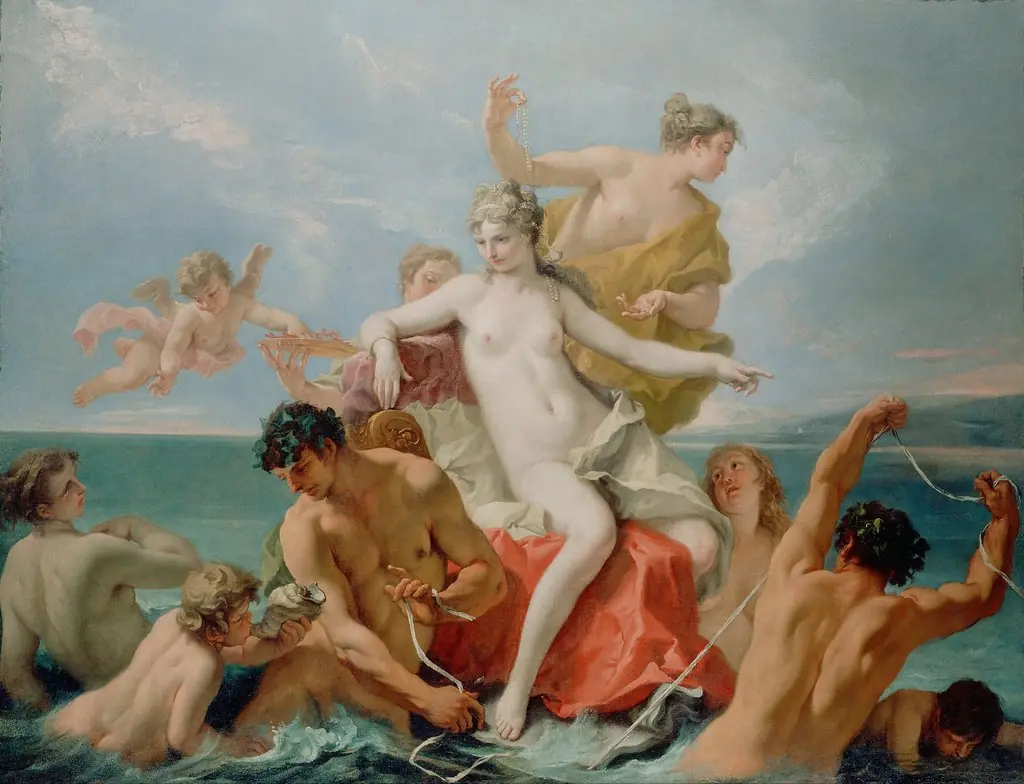
The painting portrays the Roman sea god Neptune in a dynamic, nude stance, accompanied by a centaur, a horse and a mermaid, illustrating his mythic return from the depths. These figures constitute the core iconography, linking the work to classical mythology while the religious classification reflects its function within an 18th‑century American devotional context. The composition emphasizes Neptune’s authority over water and marine life, a theme that resonated with contemporary ideas of divine favor and natural order.
Executed in oil on canvas in 1754 and housed in the Metropolitan Museum of Art, the piece combines devotional intent with a grand, mythological narrative.
Technique & Style
The Return of Neptune is executed in oil on canvas, a standard medium for mid-eighteenth-century British and colonial American easel painting. Its support measures 69.9 by 113 centimeters, yielding a horizontal format suited to a panoramic mythological composition. The work is classified as religious art and depicts Neptune alongside figures including a centaur, a horse, a mermaid, and nude figures, suggesting the artist employed a full-figure, multi-character arrangement typical of history painting of the period.
The painting is held in the collection of the Metropolitan Museum of Art, where its canvas support and oil-paint surface have been preserved as part of the museum's holdings in the American Wing.
History & Provenance
The Return of Neptune was painted in 1754 by the American artist John Singleton Copley. Executed in oil on canvas, the work depicts Neptune accompanied by a centaur, horse, mermaid and nude figures. According to its provenance, the painting entered the collection of the Metropolitan Museum of Art in New York, where it is catalogued as accession number 59.198. No earlier owners or commission details are recorded in the available sources.
Overview
“The Return of Neptune” is an oil painting on canvas by John Singleton Copley. This early work depicts the mythological sea god Neptune, astride a powerful, rearing horse, emerging from the ocean. It represents a significant example of Copley's nascent artistic abilities, created when he was just sixteen years old, before his relocation to Europe. The painting is housed within a collection dedicated to American art.
Artist & collection

Artist
John Singleton Copley (July 3, 1738 – September 9, 1815) was an American-born British painter active in both the Thirteen Colonies and England.