Artwork
Watson and the Shark
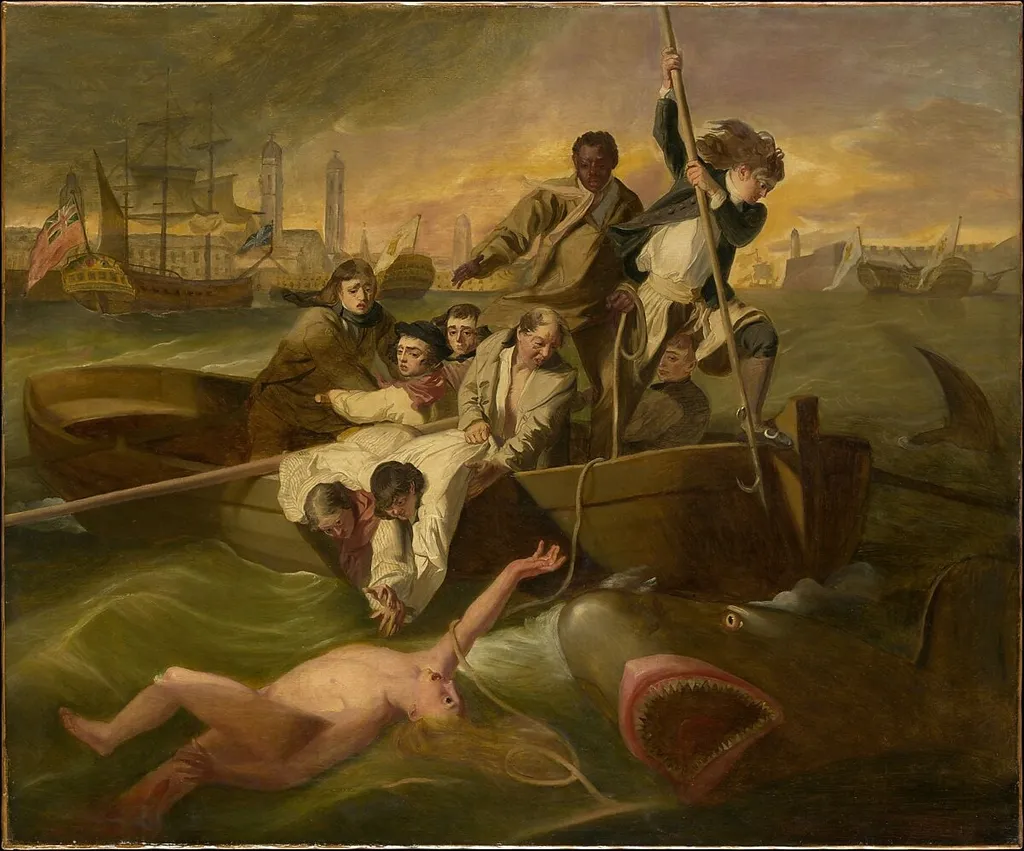
Watson and the Shark is an oil painting by the Rococo painting artist John Singleton Copley. It dates from 1778 and is held in the collection of the Metropolitan Museum of Art.
- Accession no.
- 42.71.1
- Credit line
- Gift of Mrs. Gordon Dexter, 1942
About this work
In Havana Harbor in 1749, teenage Brook Watson lost his leg to a shark while swimming.
In Havana Harbor in 1749, teenage Brook Watson lost his leg to a shark while swimming. Nearly three decades later, John Singleton Copley turned that Atlantic trauma into a rapid oil study, now at the Metropolitan Museum of Art, showing Watson's pale body reaching toward a Black sailor who holds the rescue rope. Painted around 1778 as preparation for the larger canvas now at the National Gallery of Art in Washington, the small panel measures just under 25 by 30 inches and freezes the instant before another strike.
Overview
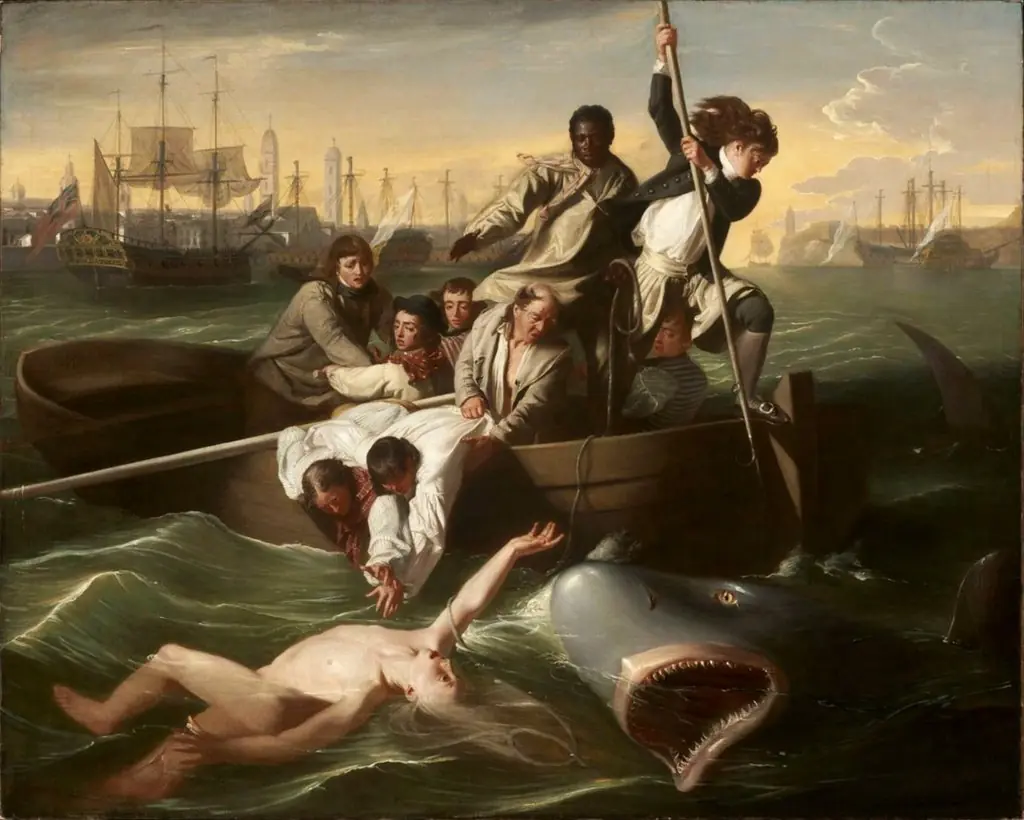
John Singleton Copley's Watson and the Shark depicts a harrowing true event from 1749: the shark attack on teenage Brook Watson in Havana Harbor. This oil study, created around 1778, served as a preparatory work for a larger canvas commissioned by Watson himself, who survived the ordeal to become a prominent London figure. The painting captures the dramatic moment of rescue, highlighting the vulnerability of the individual against nature's power.
Subject & Meaning
The composition centers on a nude Brook Watson, adrift in turbulent waters, reaching towards a rescue boat. A Black sailor, positioned prominently, extends a rope while other figures strain to save him from the unseen shark, whose fin hints at its lurking presence. The background details of Havana harbor ground the dramatic scene in a specific, bustling port.
This work commemorates Watson's survival and his subsequent rise to success, transforming a personal trauma into a public narrative.
Technique & Style
This oil on canvas is a rapid study, measuring just under 25 by 30 inches, which Copley produced as he developed the larger, final composition. It demonstrates his process of refining the dramatic moment, freezing the instant before a potential second strike. Copley's style here emphasizes the raw emotion and physical struggle, using dynamic poses and contrasts in skin tone to heighten the tension and urgency of the rescue.
Context
When the full-scale version debuted at London's Royal Academy in 1778, it garnered significant attention for its innovative approach. Unlike traditional history paintings that featured classical heroes or mythological subjects, Copley's work elevated a contemporary, secular event involving an ordinary individual to the same grand scale. This challenged established artistic conventions, presenting a modern drama of human vulnerability and survival in the Atlantic World.
History & Provenance
The Metropolitan Museum of Art acquired this preparatory study in 1942, a gift from Mrs. Gordon Dexter. While not the final version, it is a crucial example of Copley's artistic process and his impact on British-American art. The study illustrates how he transformed a personal account into a compelling visual narrative, contributing to a new genre of history painting that focused on real-life events and individual experience.
Artist & collection

Artist
John Singleton Copley (July 3, 1738 – September 9, 1815) was an American-born British painter active in both the Thirteen Colonies and England.

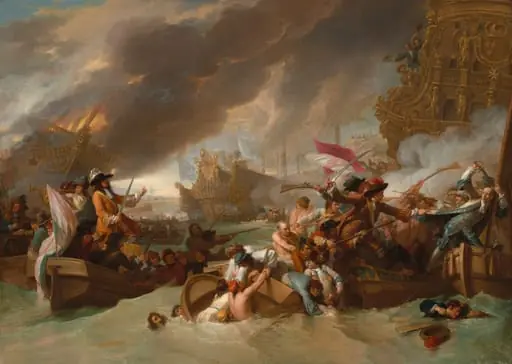 The Battle of La Hogue
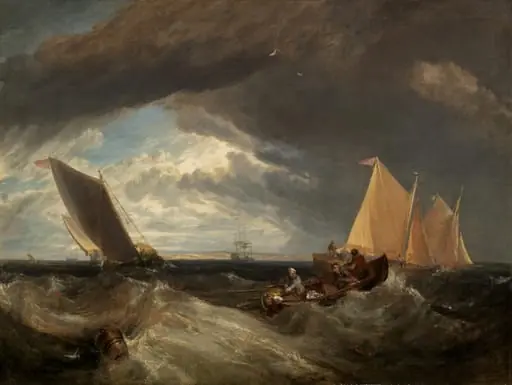 The Junction of the Thames and the Medway
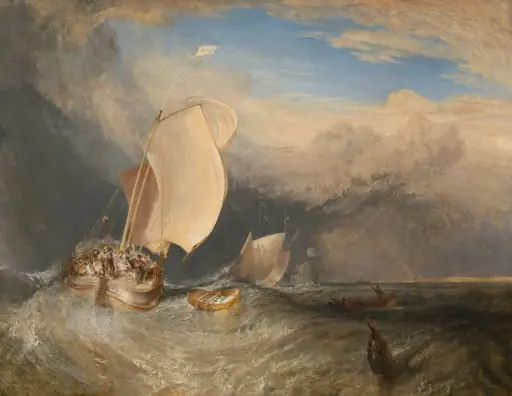 Fishing Boats with Hucksters Bargaining for Fish
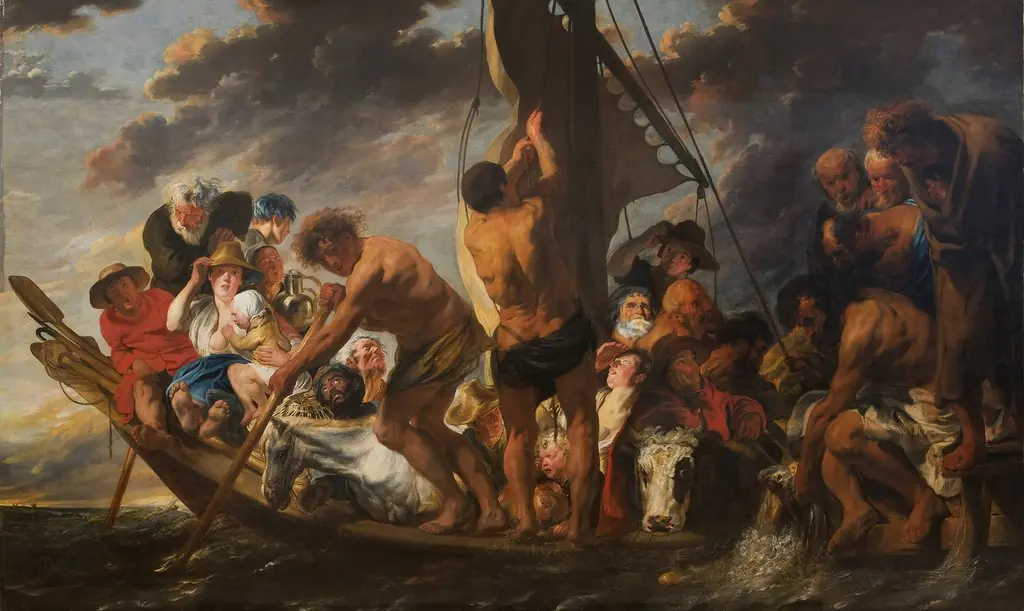 The Tribute Money. Peter Finding the Silver Coin in the Mouth of the Fish. Also called "The Ferry Boat to Antwerp"
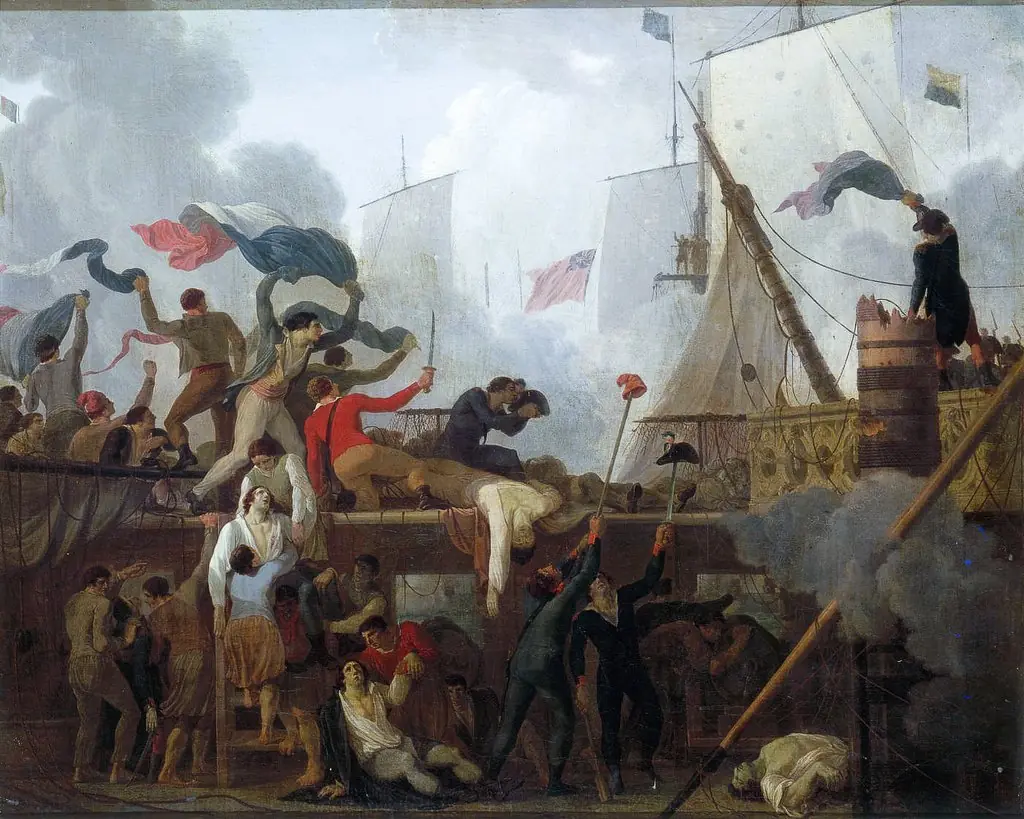 Héroïsme des marins du vaisseau Le Vengeur commandés par le capitaine Renaudin
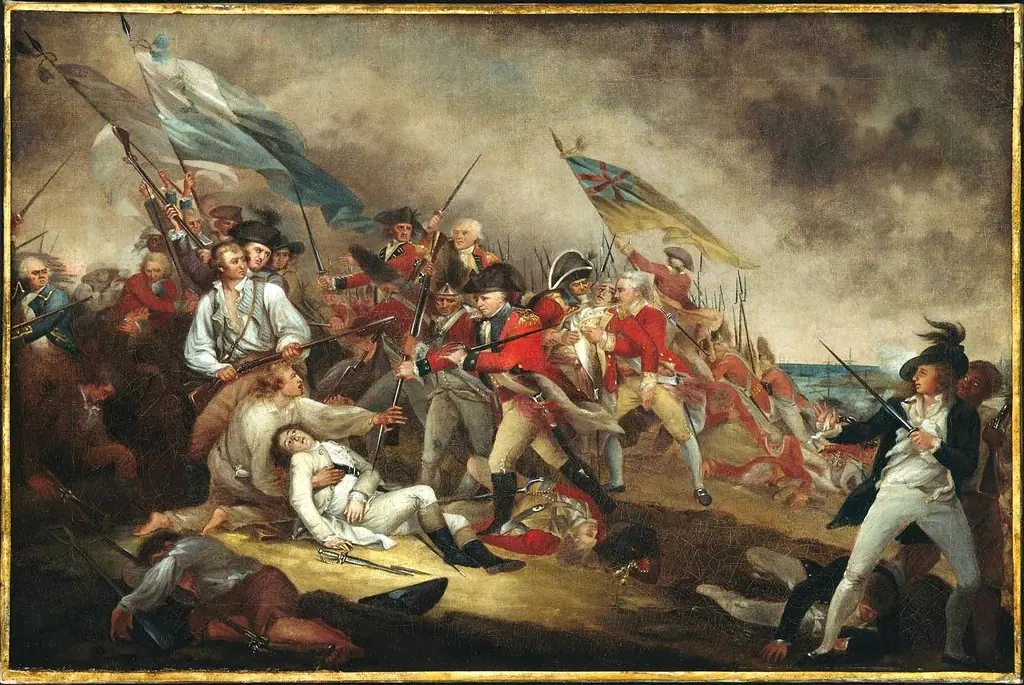 The Death of General Warren at the Battle of Bunker's Hill, 17 June, 1775
 Boats Carrying Out Anchors to the Dutch Men of War