Artwork
Elizabeth Greenleaf
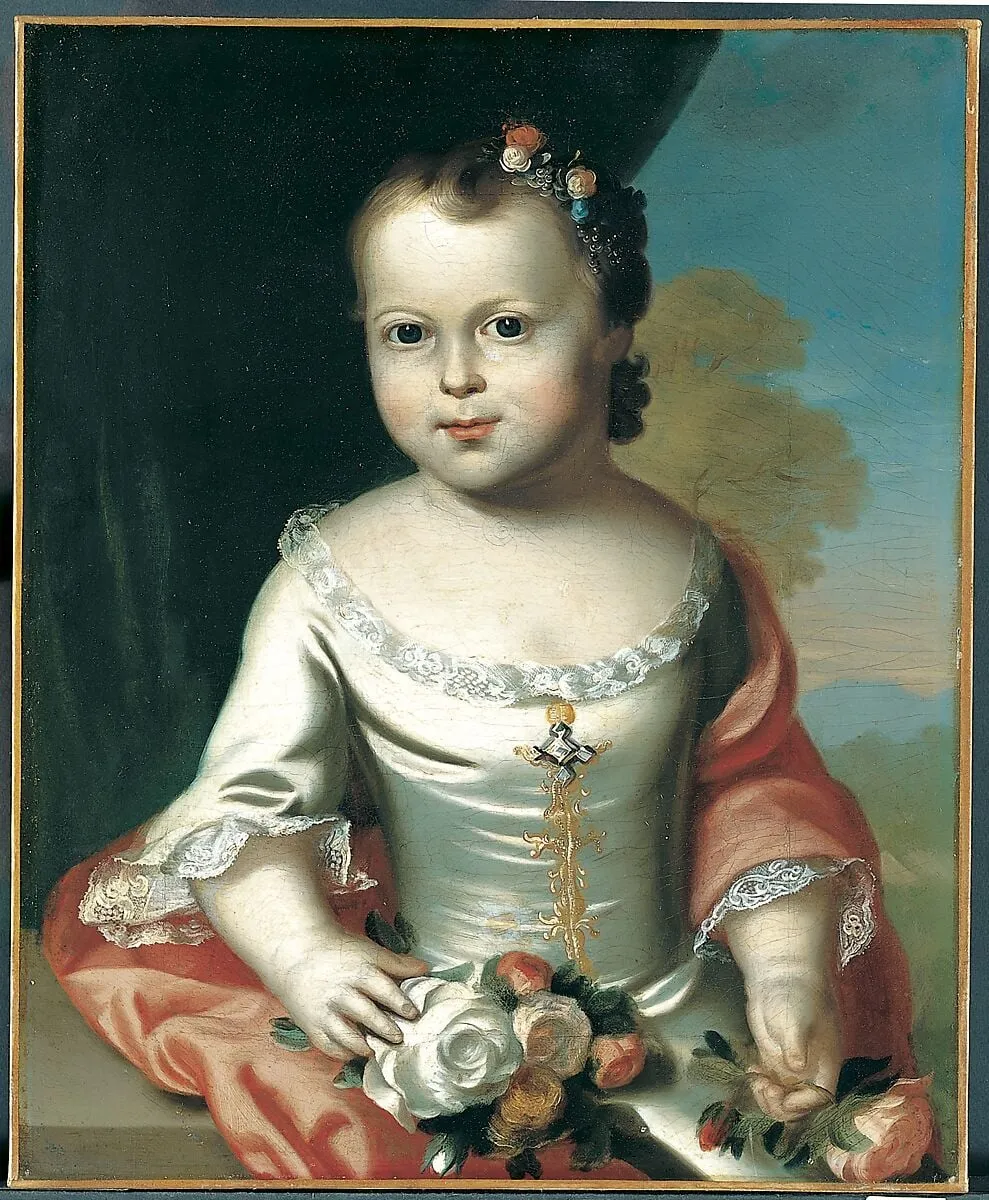
Elizabeth Greenleaf is an oil painting by the Rococo painting artist John Singleton Copley. It dates from 1754 and is held in the collection of the Metropolitan Museum of Art.
- Accession no.
- 2002.612
- Credit line
- Gift of Marc Holzer, 2002
About this work
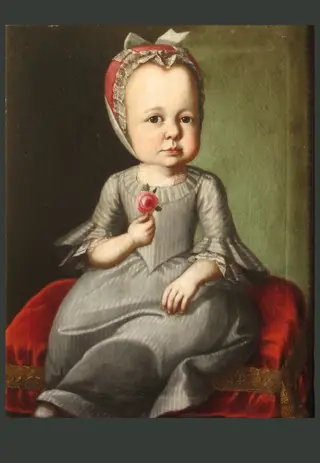
A young girl in fine clothes holds a bunch of roses, her expression bright. This is Elizabeth Greenleaf, painted by John Singleton Copley in 1754. Children were common subjects in American portraits of the time, often standing for innocence and youth.
Subject & Meaning
The painting presents Elizabeth Greenleaf as a young girl, shown in a half‑length portrait holding a bouquet of roses while wearing attire trimmed with lace.
The painting presents Elizabeth Greenleaf as a young girl, shown in a half‑length portrait holding a bouquet of roses while wearing attire trimmed with lace. The composition centers on her youthful appearance and the floral bouquet, which together convey a sense of innocence and genteel refinement appropriate to a child of the mid‑eighteenth‑century colonial elite. As a portrait, the work serves to memorialize the sitter’s identity and social standing through these visual cues.
Technique & Style
Created in 1753, Elizabeth Greenleaf is executed in oil paint on a canvas support, measuring 54.6 by 45.1 centimeters. As a portrait by John Singleton Copley, the work exhibits formal qualities centered on the depiction of a young girl holding a bouquet of roses. Copley renders the subject with attention to textural contrasts, particularly in the intricate detailing of lace garments against the soft floral arrangement.
The composition adheres to the genre conventions of mid-eighteenth-century portraiture, utilizing the oil medium to achieve a realistic representation of the child's features and attire. The painting remains part of the collection at the Metropolitan Museum of Art, where its material integrity and stylistic execution reflect Copley's early American portraiture techniques.
History & Provenance
Elizabeth Greenleaf was painted by John Singleton Copley in 1753 as an oil on canvas portrait. The work’s creation history is documented by its inscription and stylistic attribution to Copley’s early Boston period. After its completion, the painting entered a private collection before being acquired by the Metropolitan Museum of Art, where it is now housed and catalogued within the American Wing. No further details of earlier ownership or specific commission are recorded in the available sources.
Elizabeth Greenleaf is held by the Metropolitan Museum of Art in New York, where it is listed in the museum’s collection of The American Wing. The work is catalogued under the museum’s inventory as part of the American Wing’s holdings, though an explicit accession number is not provided in the available documentation. The painting entered the museum’s collection at an undocumented date and has not been noted in the supplied sources as having been included in any documented exhibition beyond its display within the American Wing galleries.
Overview
Painted in 1754 by John Singleton Copley, Elizabeth Greenleaf is a half-length portrait of the artist's cousin, Elizabeth Greenleaf (1746–1766), at approximately eight years of age. The composition features the young sitter standing against a dark, neutral background, which isolates her figure and emphasizes the luminosity of her face and attire. She wears a white dress with a blue sash and holds a bouquet of red roses, a traditional symbol of youth and transience.
Copley renders the textures of the fabric and the softness of the child's skin with meticulous attention to detail, demonstrating the technical proficiency that would soon define his career. Executed when the artist was only sixteen, this work stands as a significant early example of American colonial portraiture. It captures the transition from the stiff, formal conventions of earlier provincial painting to a more naturalistic and psychologically engaging style.
The painting reflects Copley's early mastery of light and form, establishing the foundation for his reputation as the preeminent portraitist of Boston before his later move to London.
Context
This portrait exemplifies a prevalent trend in American art, where children were frequently commissioned subjects. Artists of the time, including prominent figures like John Singleton Copley, often explored similar themes and compositional approaches in their depictions of young sitters, contributing to a distinct tradition of American portraiture that emphasized individual character within a formal setting.
Artist & collection

Artist
John Singleton Copley (July 3, 1738 – September 9, 1815) was an American-born British painter active in both the Thirteen Colonies and England.




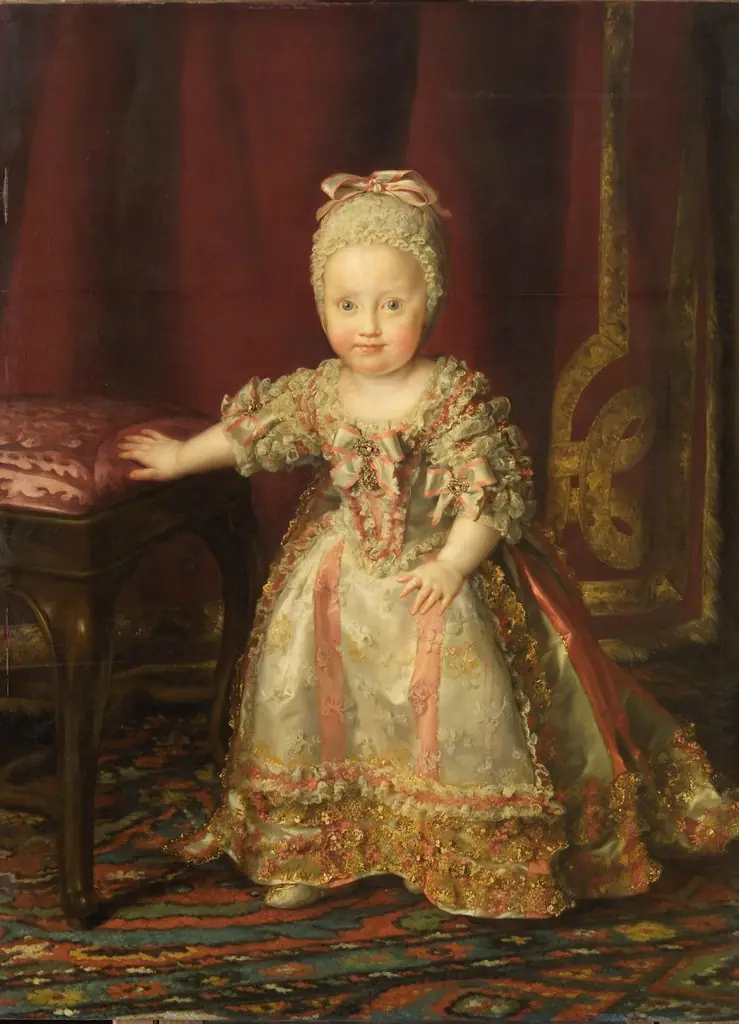 Infantin Maria Theresa von Neapel (1772-1807)
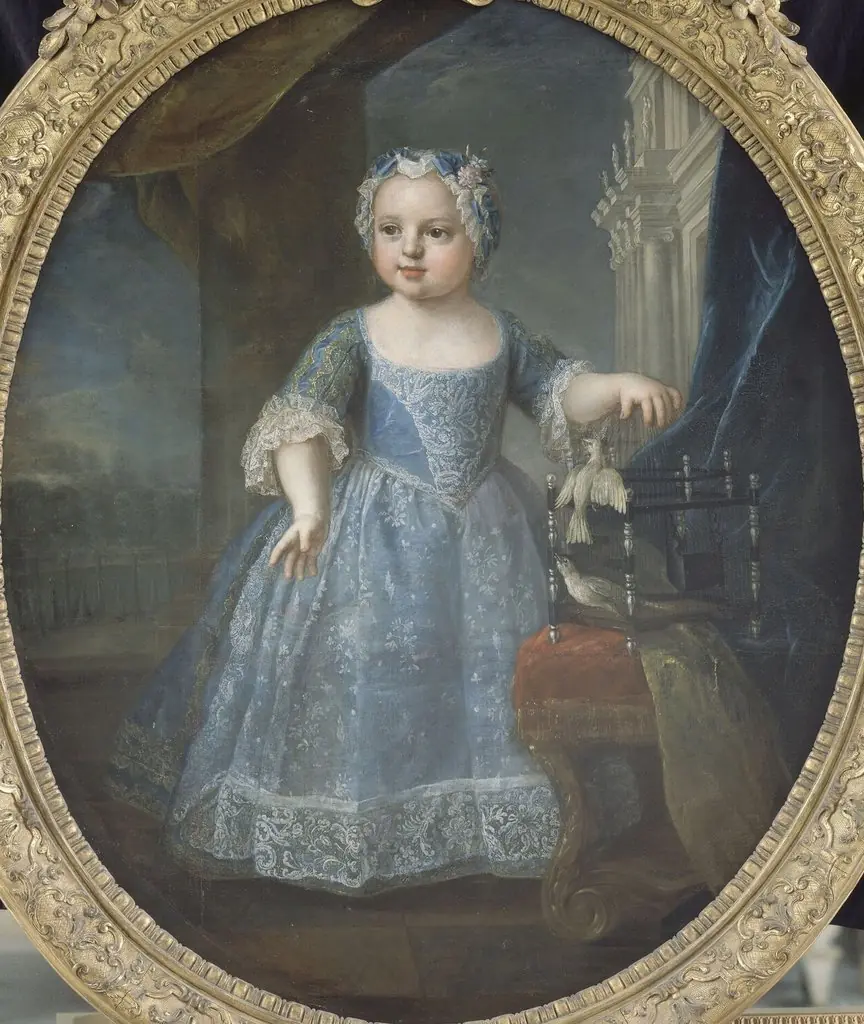 Marie-Louise de France (1728-1733), dite Madame Louise / Madame Troisième
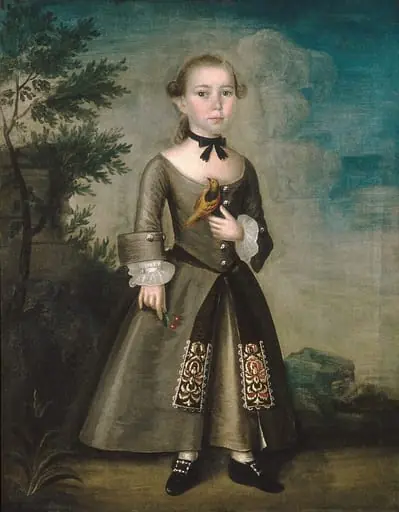 James Badger
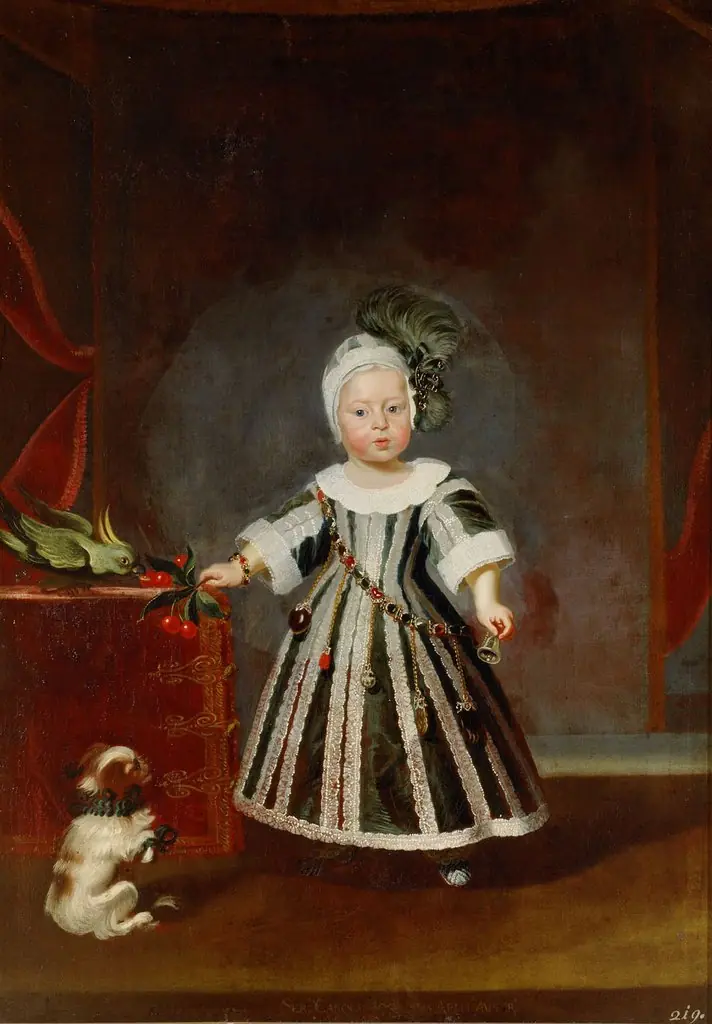 Portrait of Charles Joseph, Archduke of Austria (1745-1761)
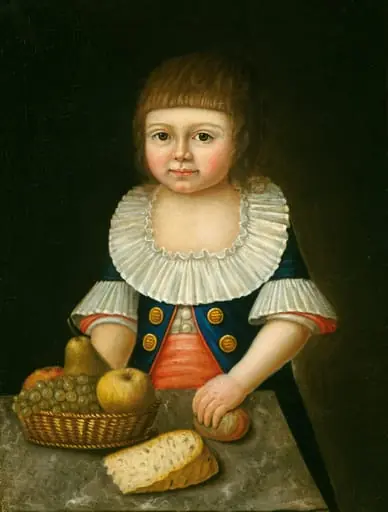 Boy with a Basket of Fruit
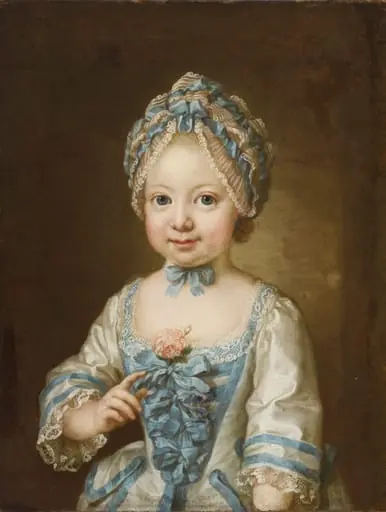 Hedvig Ulrika Hedengran
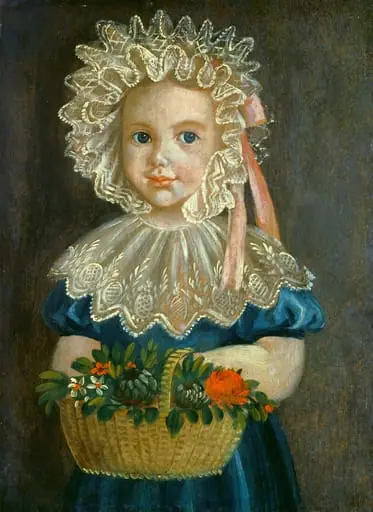 Little Girl with Flower Basket
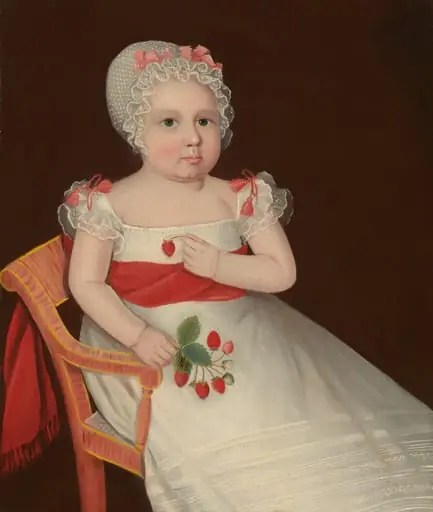 The Strawberry Girl
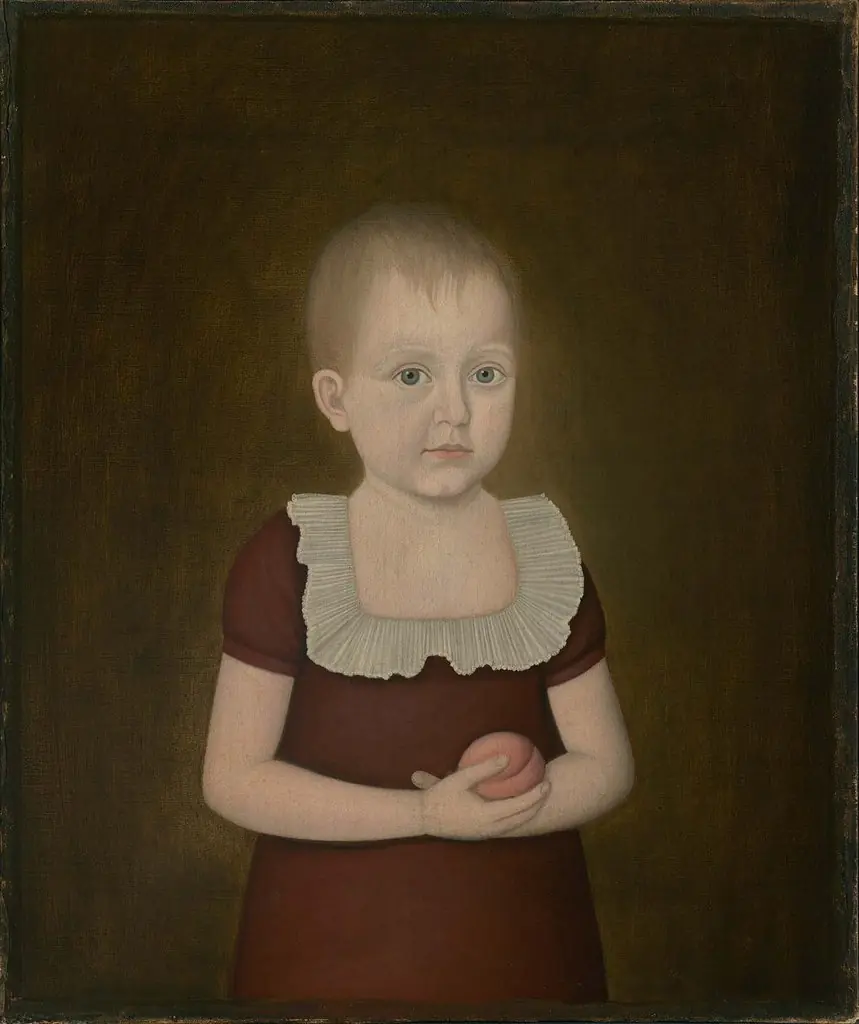 Child with a Peach
 Sophia von Brukenthal, fiica lui Samuel von Brukenthal (în registrul inventar: Fiica guvernatorului Samuel von Brukenthal)