Artwork
Mrs. Jacob Hurd and Child
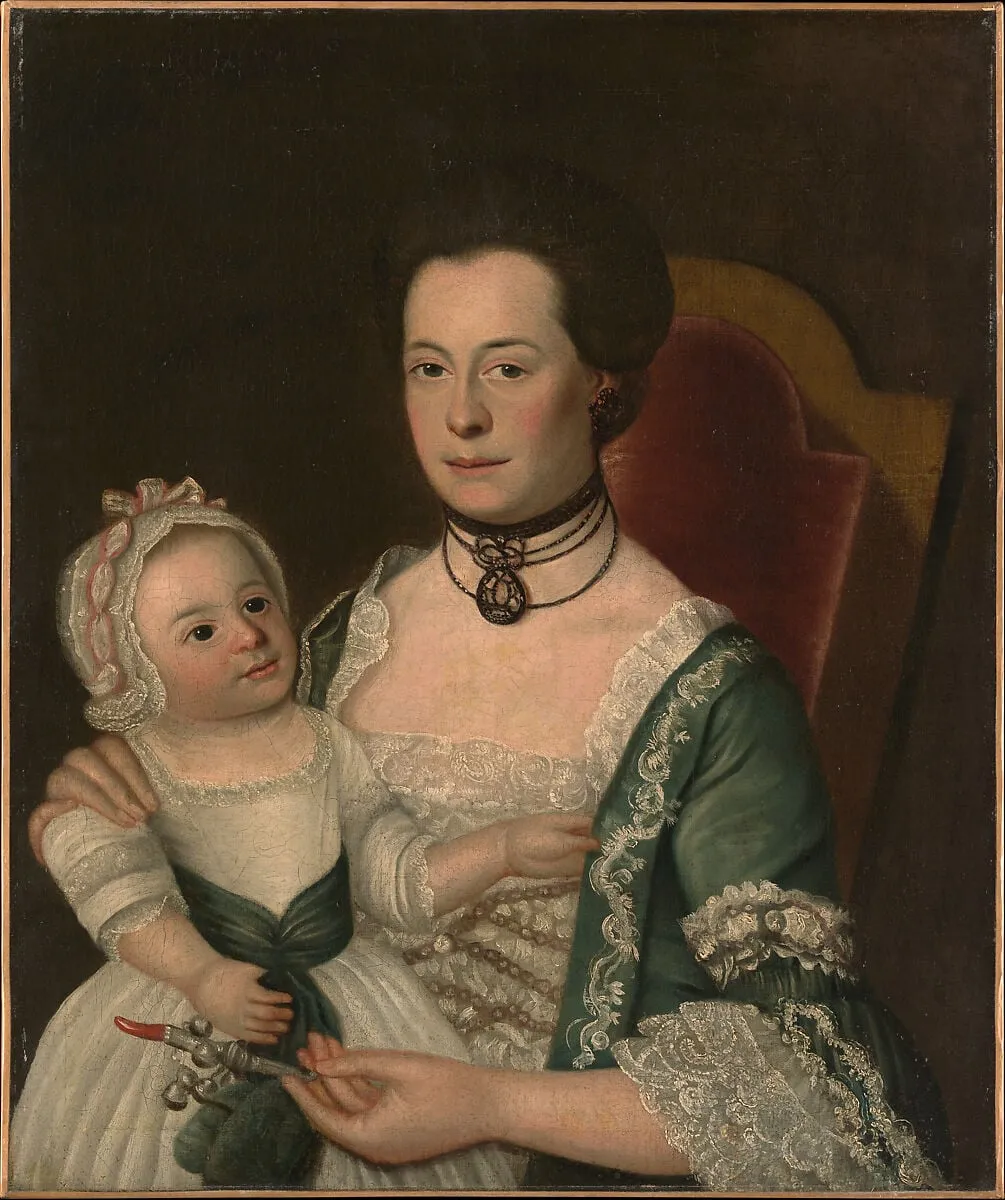
Mrs. Jacob Hurd and Child is an oil painting by the Rococo painting artist John Singleton Copley. It dates from 1762 and is held in the collection of the Metropolitan Museum of Art.
About this work
Margaret Brown of Boston sits with her young son Jacob, her silk gown and lace collar marking the prosperity of her husband's silversmithing family. Painted around 1762 and once credited to John Singleton Copley, the portrait is now given to William Johnston by curators at the Metropolitan Museum of Art.
Overview
However, scholarly analysis has since confirmed Johnston as the artist, identifying stylistic elements consistent with his documented oeuvre.
This oil on canvas, painted by William Johnston around 1762, depicts Margaret Brown Hurd, wife of a prominent Boston silversmith, alongside her young son, Jacob. For many years, the portrait was mistakenly credited to John Singleton Copley. However, scholarly analysis has since confirmed Johnston as the artist, identifying stylistic elements consistent with his documented oeuvre. It offers insight into colonial family life and the practice of portraiture in mid-18th century New England.
Subject & Meaning
Margaret Brown, wife of Boston silversmith Jacob Hurd, is portrayed here with one of her children, likely their son Jacob, born around 1762. Her elegant silk gown and lace collar subtly convey the family's financial standing, derived from her husband's successful trade. Such portraits served to document family lineage and social status within colonial society, presenting an image of domesticity and prosperity.
Technique & Style
Johnston’s approach to portraiture in this work reflects the dominant artistic trends in Boston during the mid-18th century. The composition, featuring a mother holding her child, draws from established precedents set by painters such as John Smibert and the emerging John Singleton Copley. The painting's distinctive brushwork and rendering of form ultimately led scholars to reattribute it to Johnston, aligning it with other known examples of his hand.
History & Provenance
This portrait was long believed to be a work by John Singleton Copley, a testament to Johnston's skill in emulating leading artists. However, museum research identified its true authorship by comparing it to documented portraits like those of Dr. Hall Jackson and Mrs. Ralph Isaacs. The Metropolitan Museum of Art acquired the painting in 1964 as an anonymous gift, and it is now displayed alongside its companion piece depicting Jacob Hurd.
Context
William Johnston emerged from a family tradition of artistry, having been trained in the busy decorative-arts workshop of his father, Thomas Johnston. He established himself as a portraitist across New England, working in New Hampshire, Connecticut, and Boston. His career took a different turn in 1770 when he relocated to Barbados, where he served as an organist while continuing to paint until his death in Bridgetown two years later.
Artist & collection

Artist
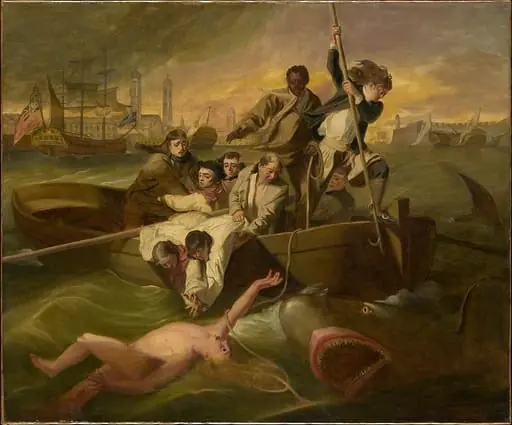
John Singleton Copley (July 3, 1738 – September 9, 1815) was an American-born British painter active in both the Thirteen Colonies and England.

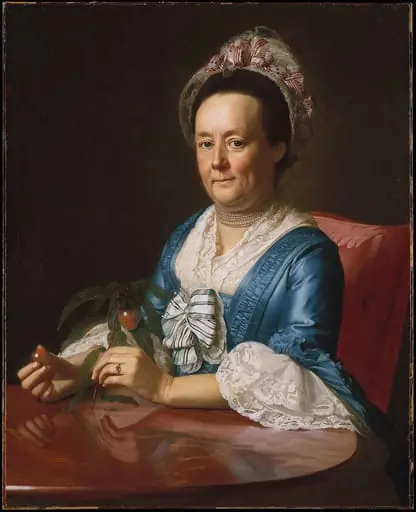


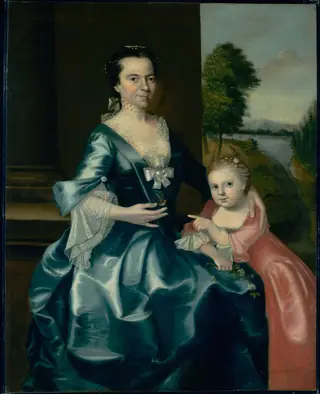
- Mother and Child
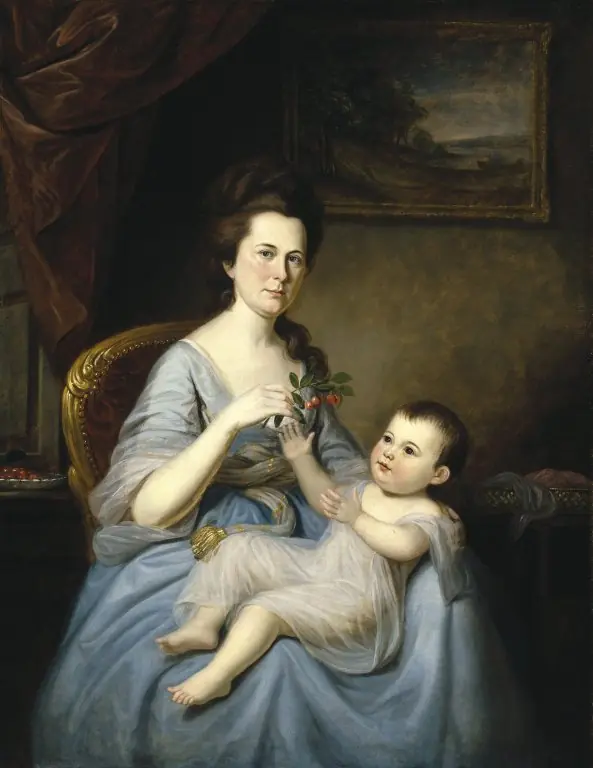 Mrs. David Forman and Child
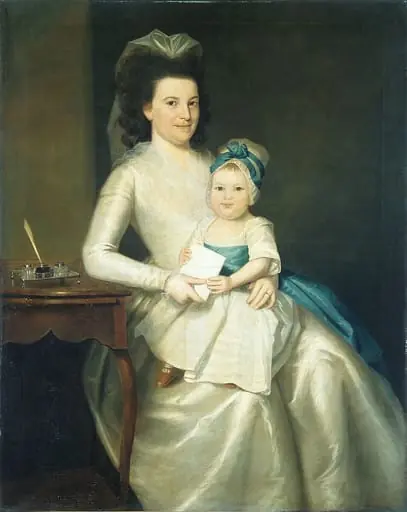 Lady Williams and Child
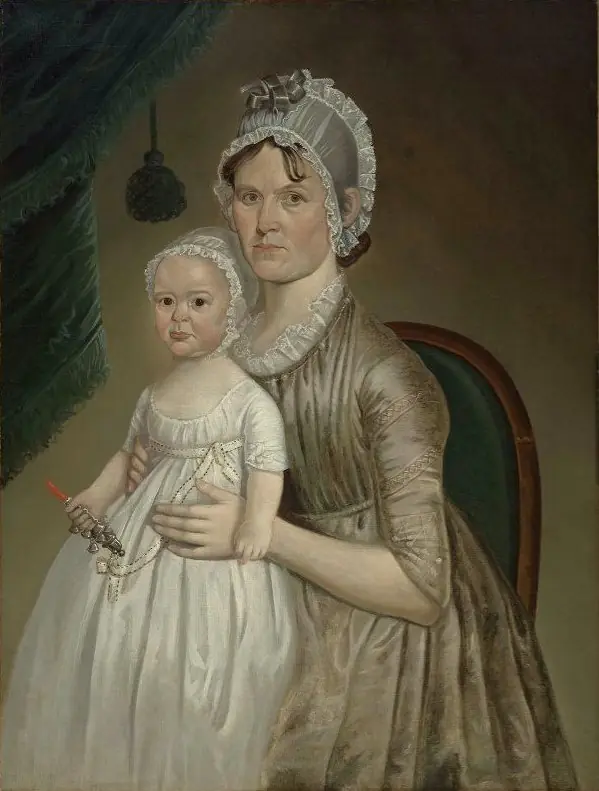 Mrs. Cephas Smith, Jr. (Mary Gove) and Child
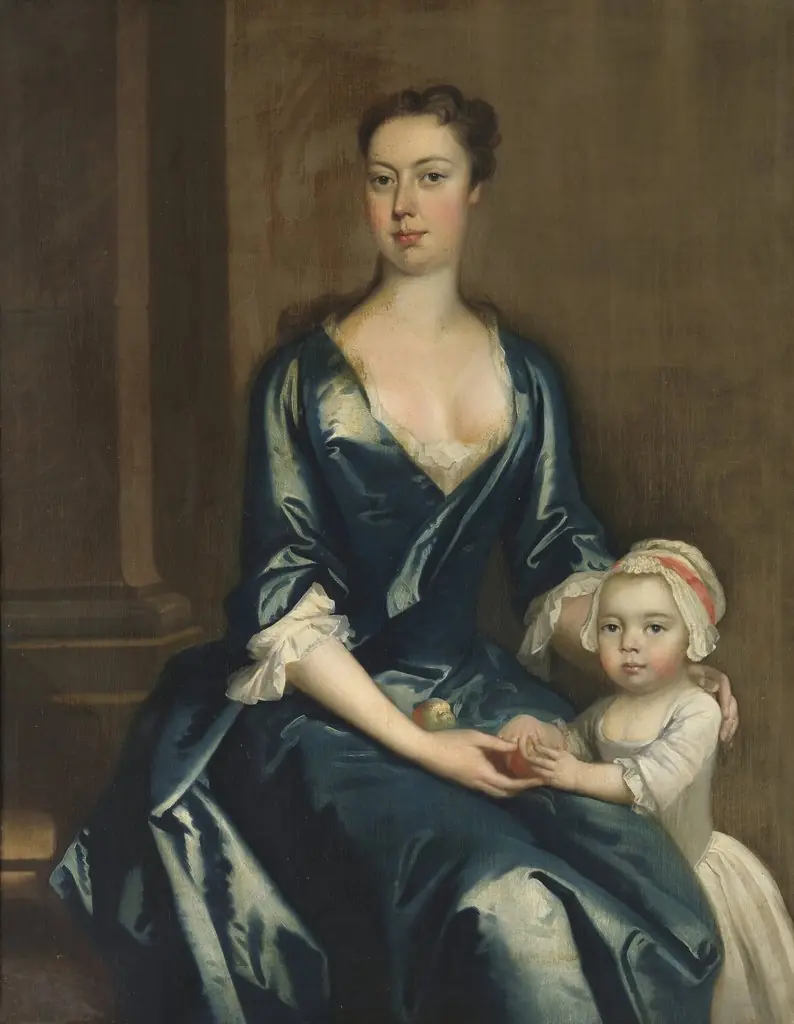 Portrait of a Lady with her daughter
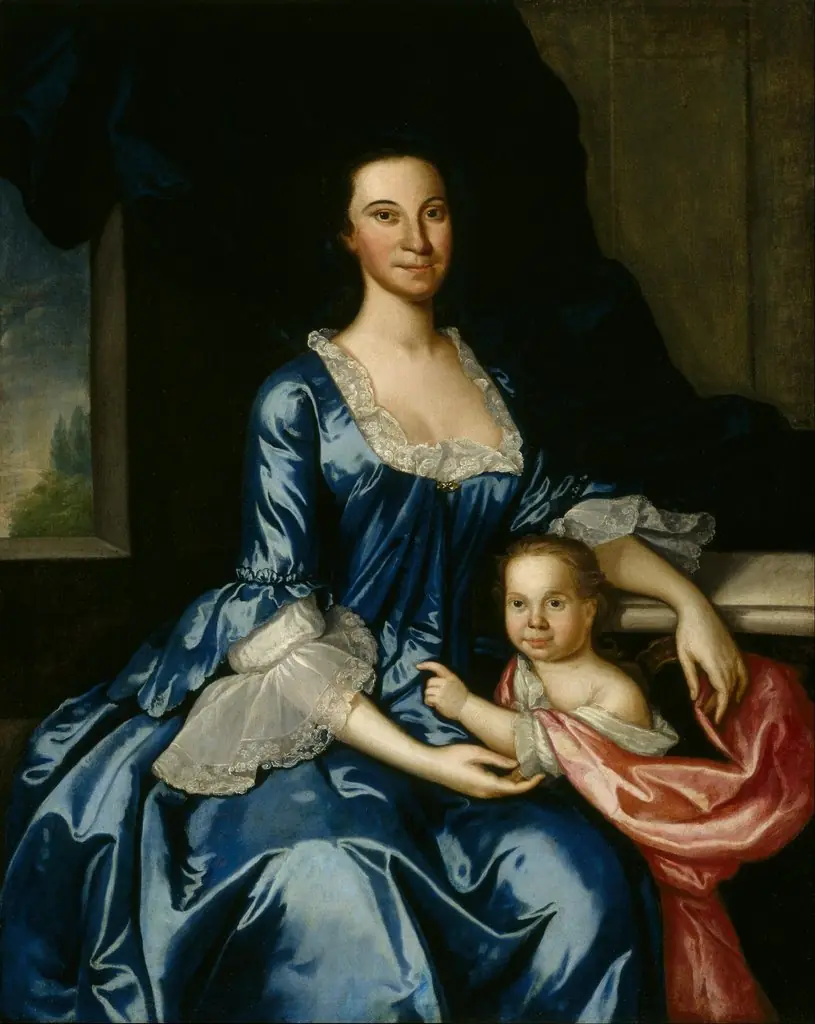 Portrait of Mrs. Matthew Tilghman (Anna Lloyd, 1724–1794) and Her Daughter, Anna Maria (1755–1843)
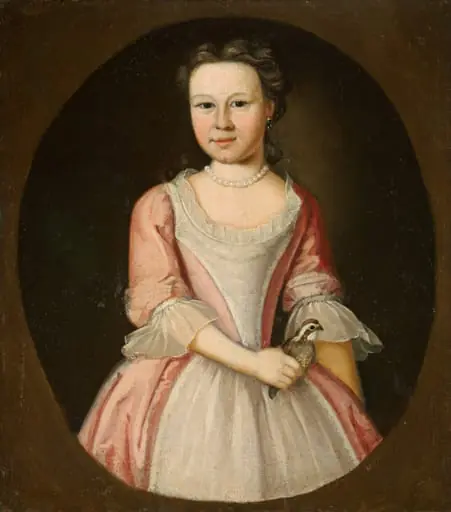 Possibly Margaret Robins
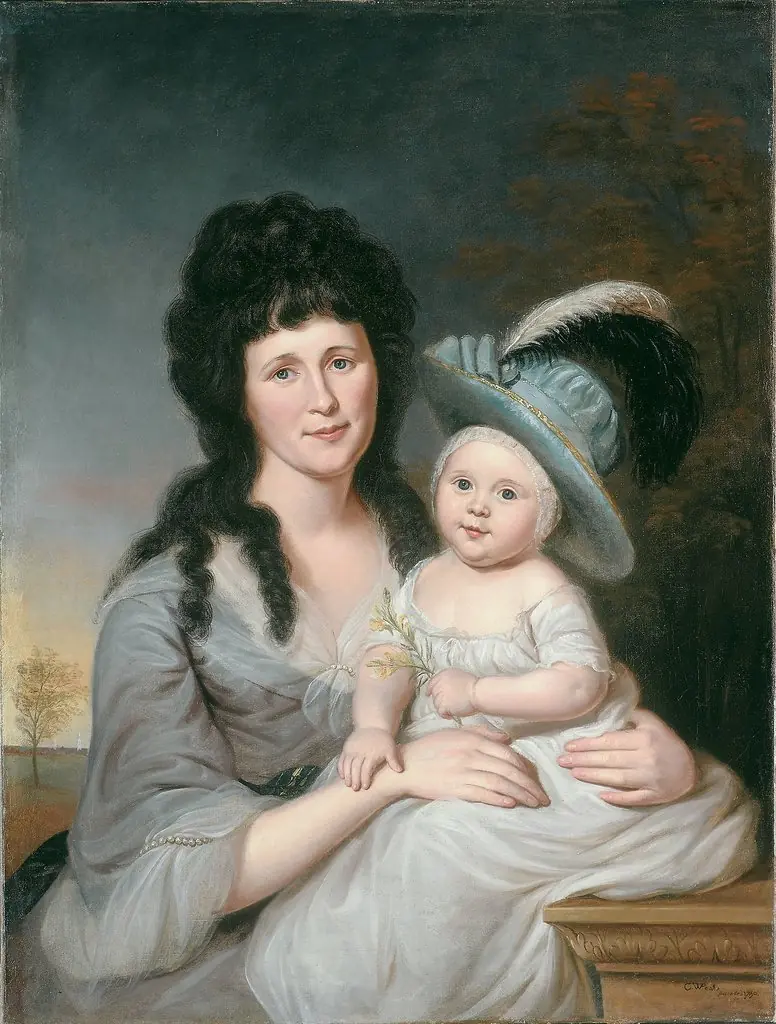 Mrs. John Nicholson (Hannah Duncan) and John Nicholson, Jr.
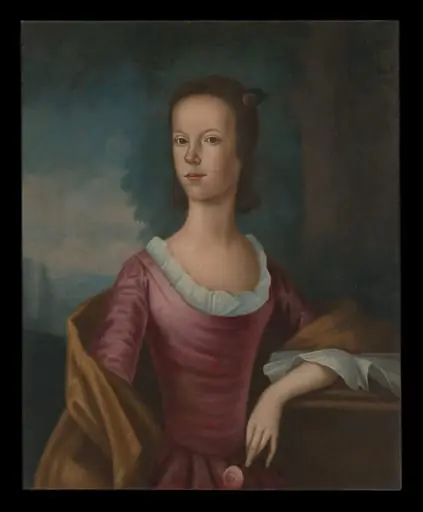 Sarah Ursula Rose
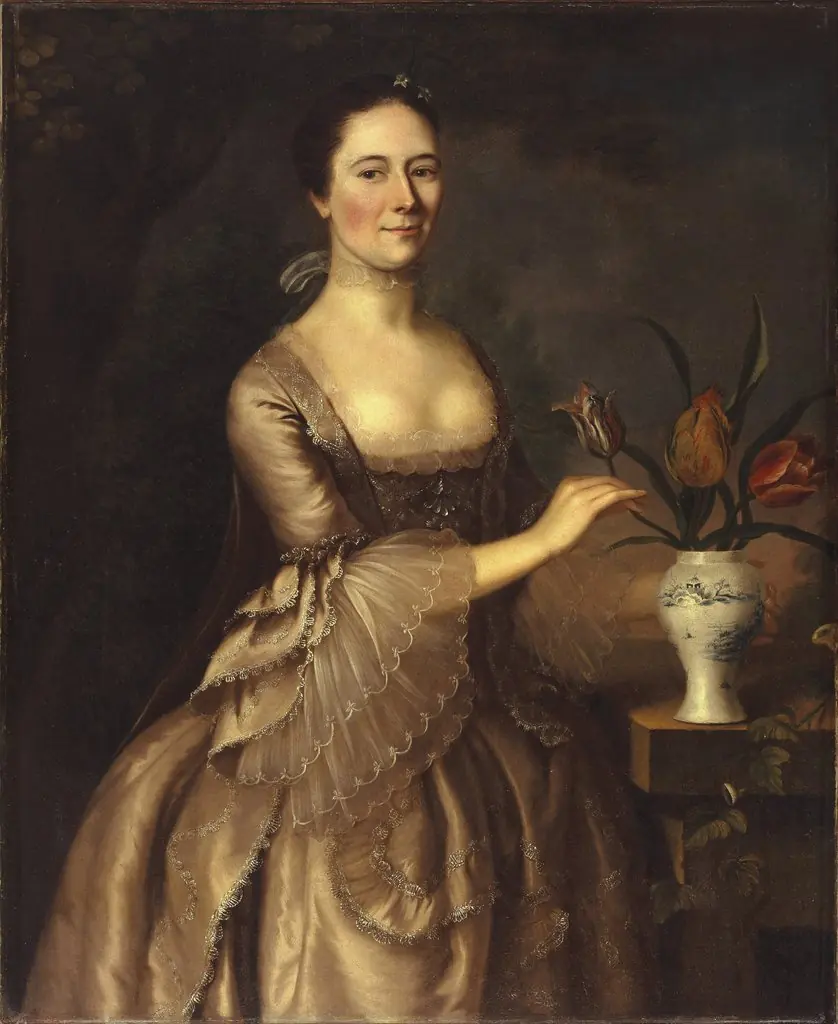 Portrait of a Woman
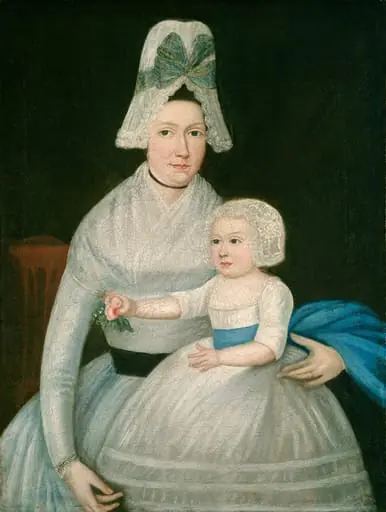 Mother and Child in White
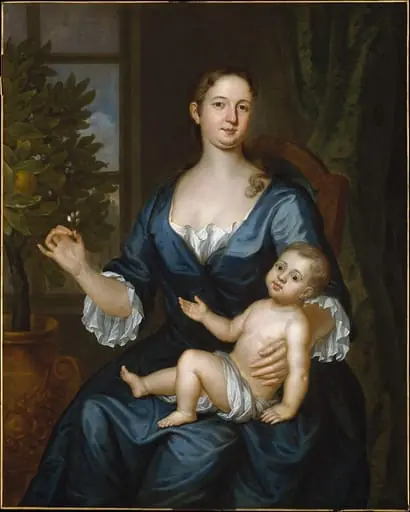 Mrs. Francis Brinley and Her Son Francis