Artwork
Mrs. John Winthrop
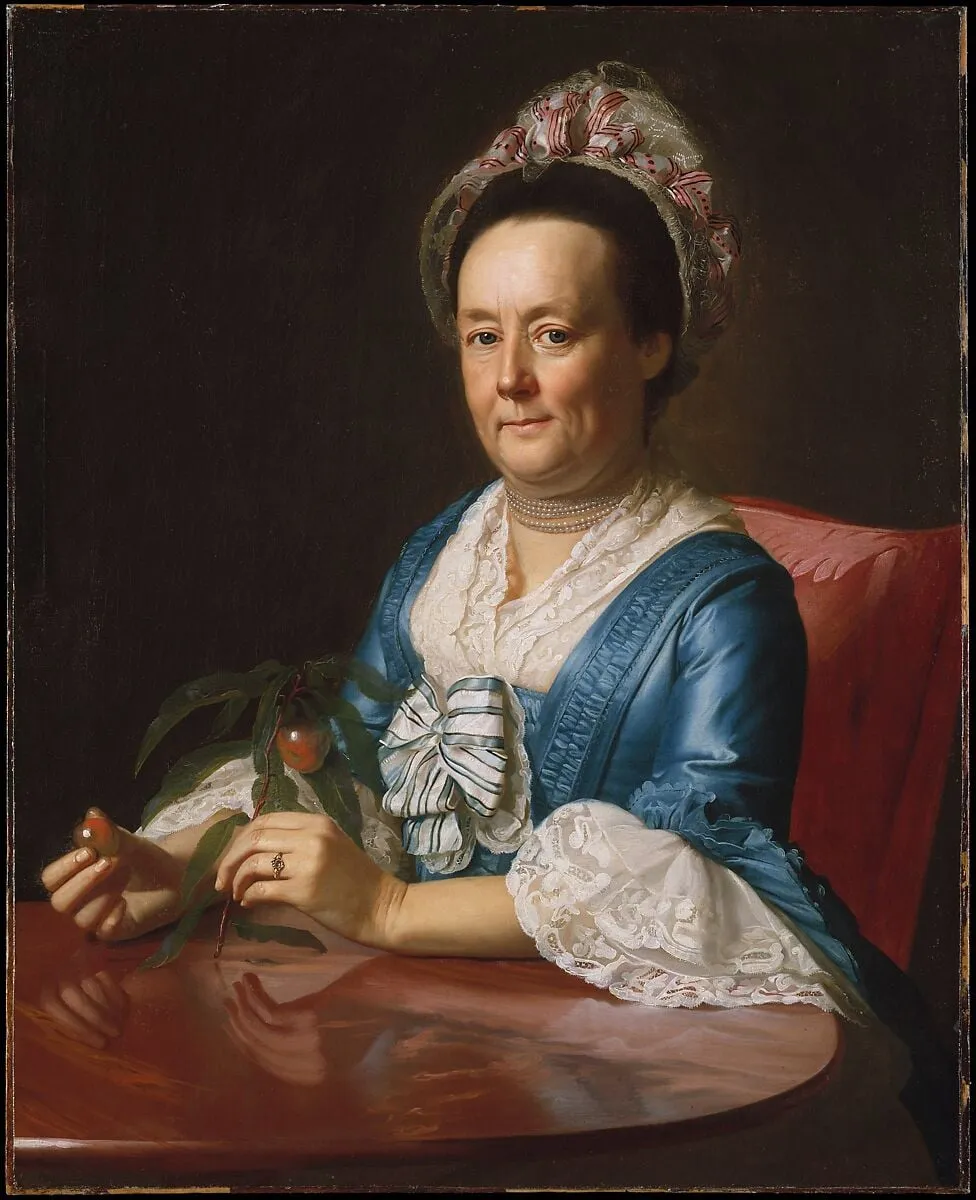
Mrs. John Winthrop is an oil painting by the Rococo painting artist John Singleton Copley. It dates from 1773 and is held in the collection of the Metropolitan Museum of Art.
About this work
Hannah Winthrop presses a freshly cut nectarine branch against a polished mahogany table, the fruit still on its stem. John Singleton Copley painted the wife of Harvard professor John Winthrop in 1773, seated in silk damask, her muslin cap and lace cuffs rendered with exacting precision. The nectarines came from her own Cambridge greenhouse, a quiet nod to colonial horticulture.
Overview
Executed just months before Copley's permanent relocation to London, it exemplifies the peak of his artistic development in colonial America.
This portrait, painted by John Singleton Copley in 1773, depicts Hannah Winthrop, the wife of a prominent Harvard professor. Executed just months before Copley's permanent relocation to London, it exemplifies the peak of his artistic development in colonial America. The work showcases his meticulous attention to detail and ability to capture the sitter's character, making it a significant example of American colonial portraiture.
Subject & Meaning
Hannah Winthrop was recognized in her time as a patriot, engaging in correspondence with other notable women like Abigail Adams and Mercy Otis Warren. Her portrait subtly conveys the Winthrops' social and intellectual standing through the inclusion of nectarines. These fruits, cultivated in their Cambridge greenhouse, symbolize both their scientific interests in horticulture and their refined status within colonial society.
Technique & Style
Copley's distinctive approach to portraiture is evident in his precise rendering of textures and surfaces. He meticulously captures the crispness of Mrs. Winthrop's muslin cap, the reflective quality of her silk dress, and the intricate lacework at her cuffs. This empirical observation and detailed realism distinguished his work among colonial artists, demonstrating a mastery of light and material representation.
History & Provenance
This painting marks a pivotal moment in the artist's career, completed shortly before John Singleton Copley departed Boston for London in June 1774, never to return to America. The Metropolitan Museum of Art acquired the portrait in 1931 through the Morris K. Jesup Fund, adding a key example of colonial American art to its collection.
Artist & collection

Artist
John Singleton Copley (July 3, 1738 – September 9, 1815) was an American-born British painter active in both the Thirteen Colonies and England.



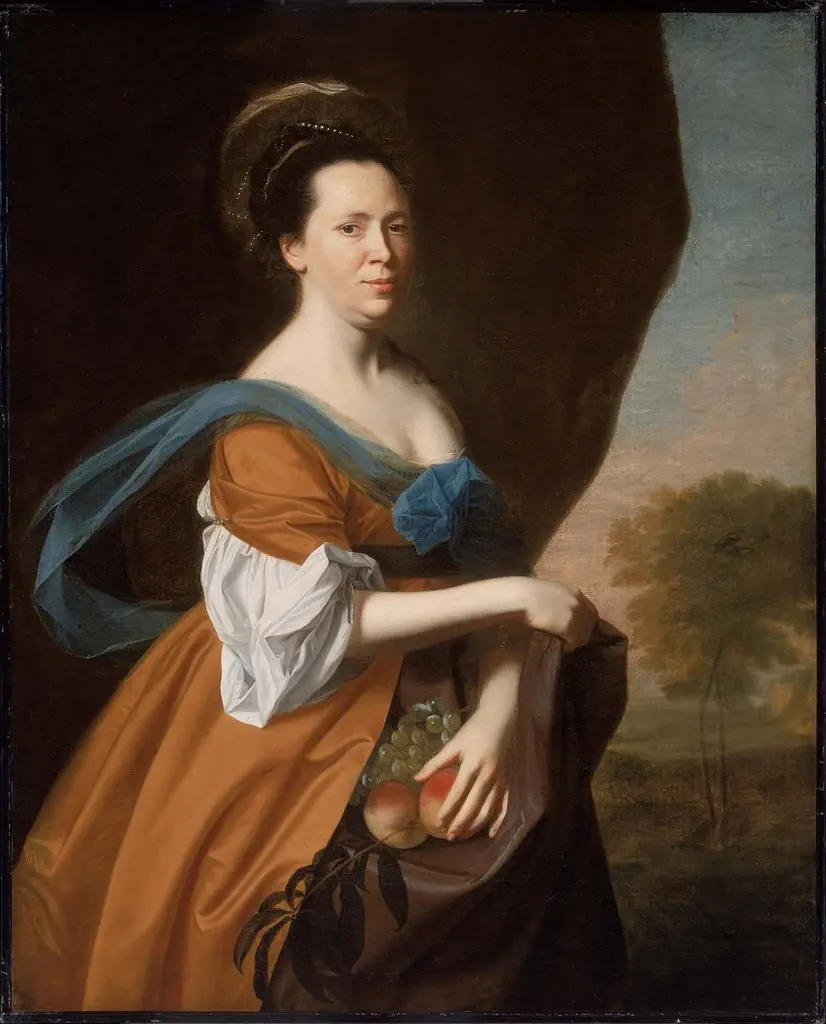 Mrs. James Smith (Elizabeth Murray)
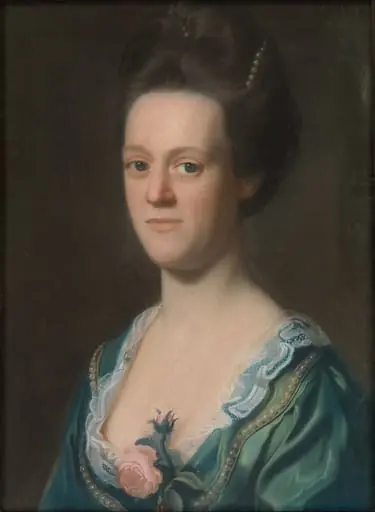 Elizabeth Green (Mrs. Ebenezer Storer II)
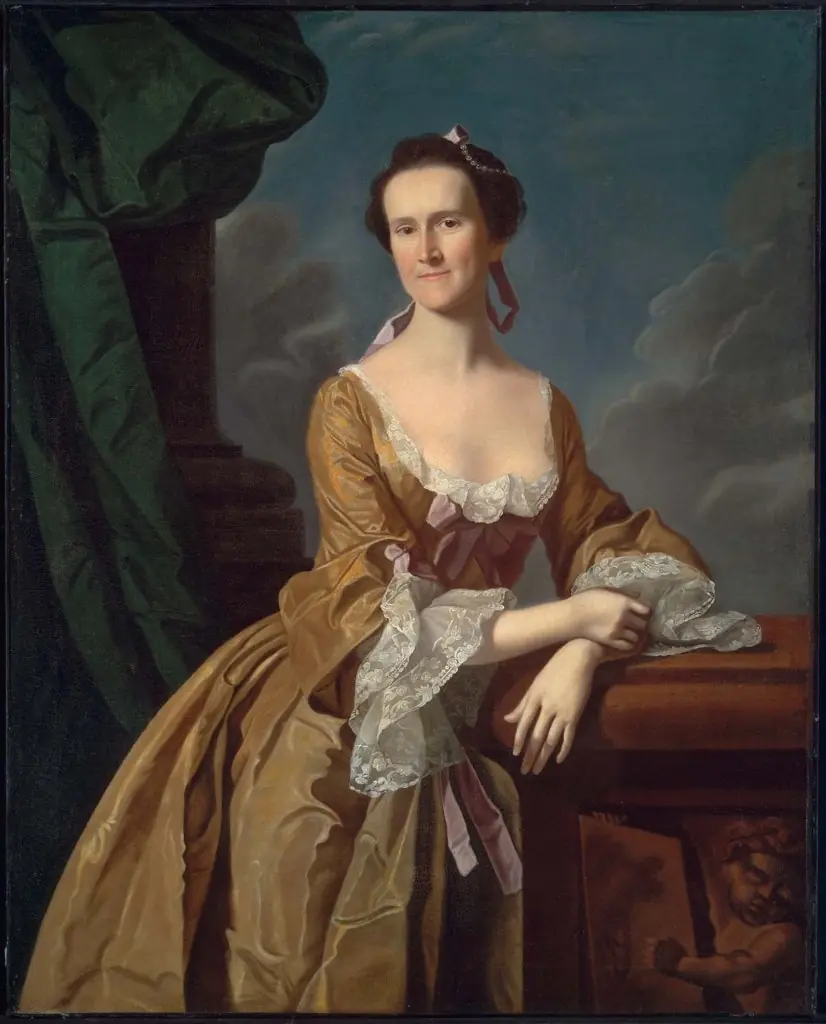 Mrs. John Amory (Katherine Greene)
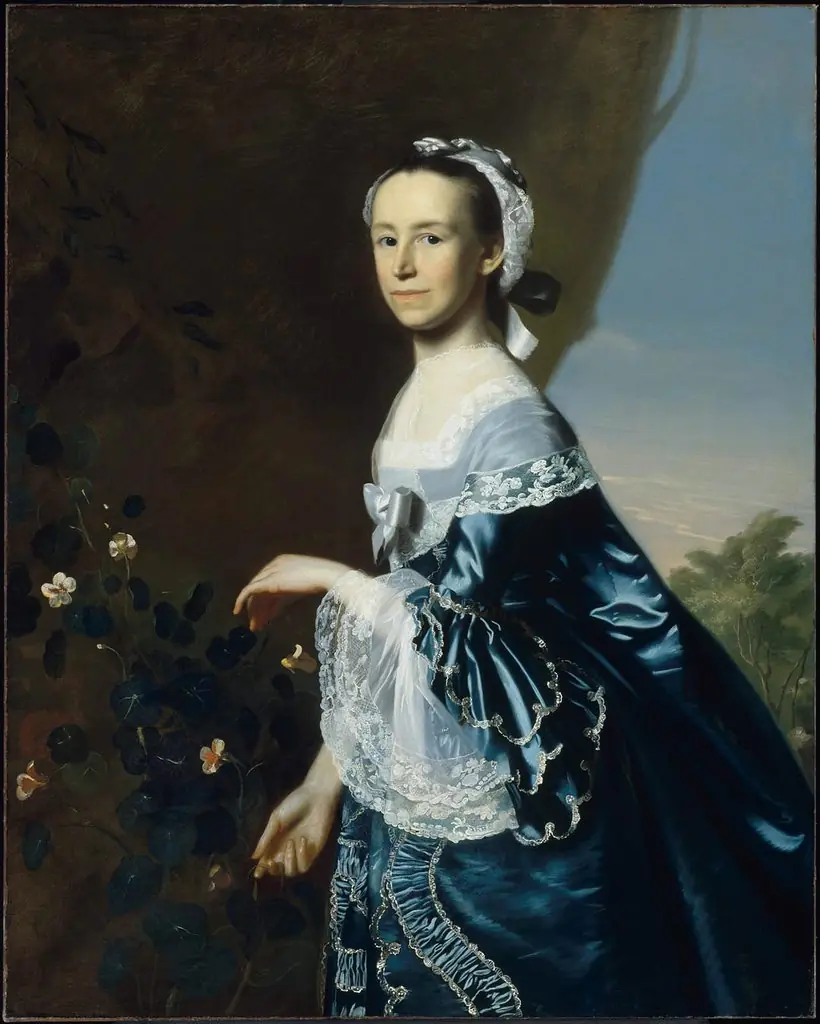 Mrs. James Warren (Mercy Otis)
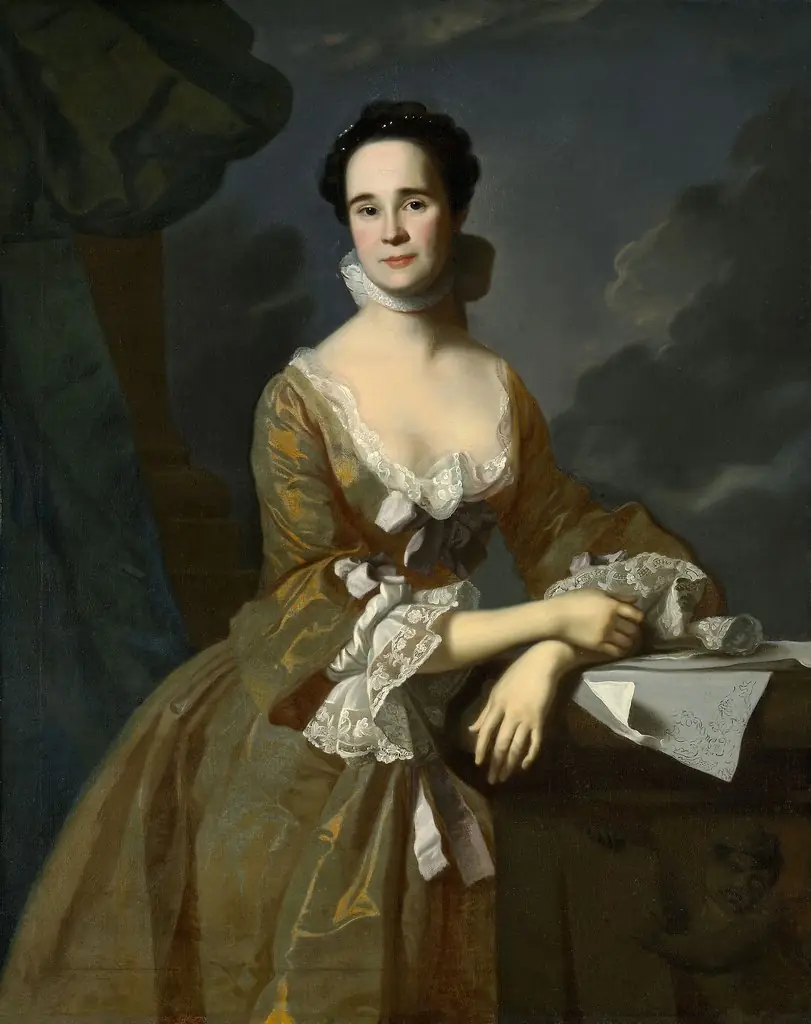 Mrs. Daniel Hubbard (Mary Greene)
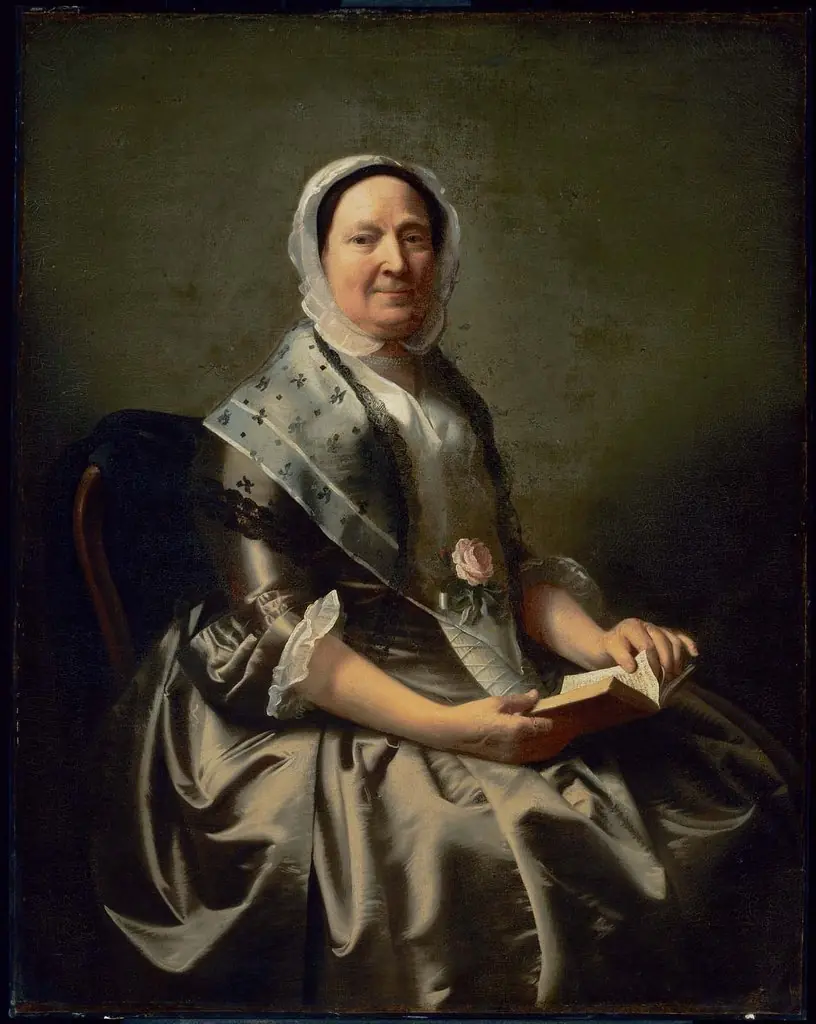 Mrs. Nathaniel Ellery (Ann Sargent)
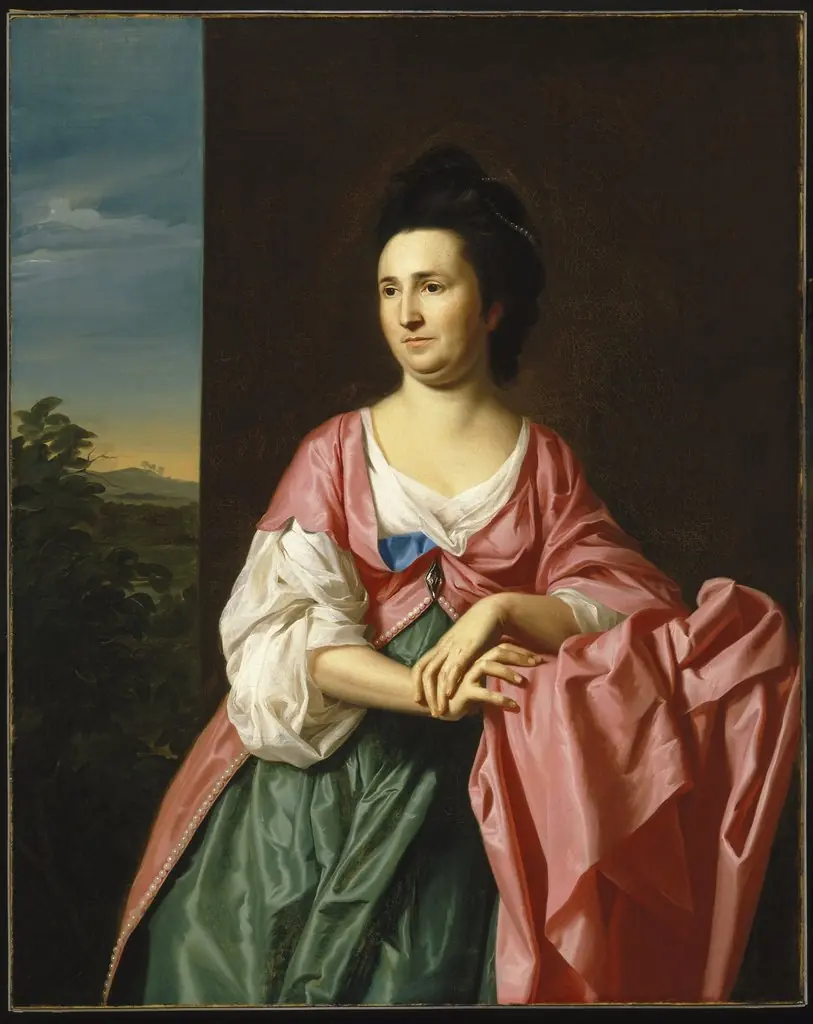 Mrs. Sylvester Gardiner, née Abigail Pickman, formerly Mrs. William Eppes
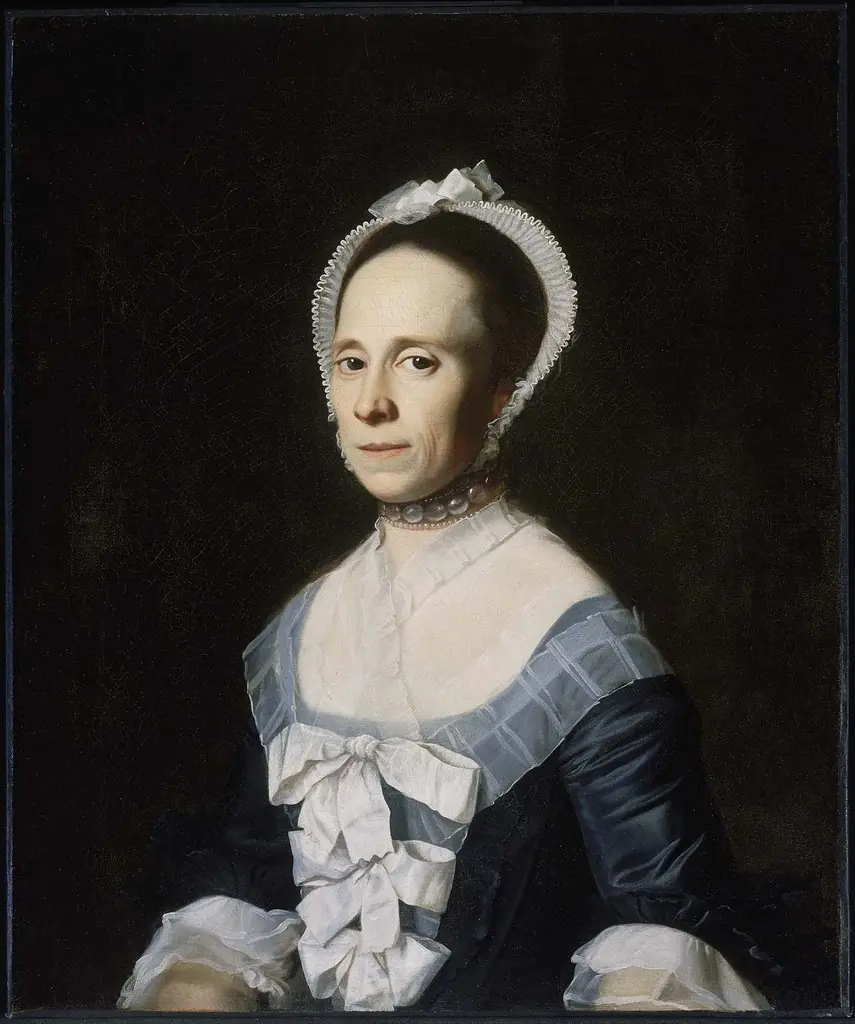 Mrs. William Coffin (Ann Holmes)
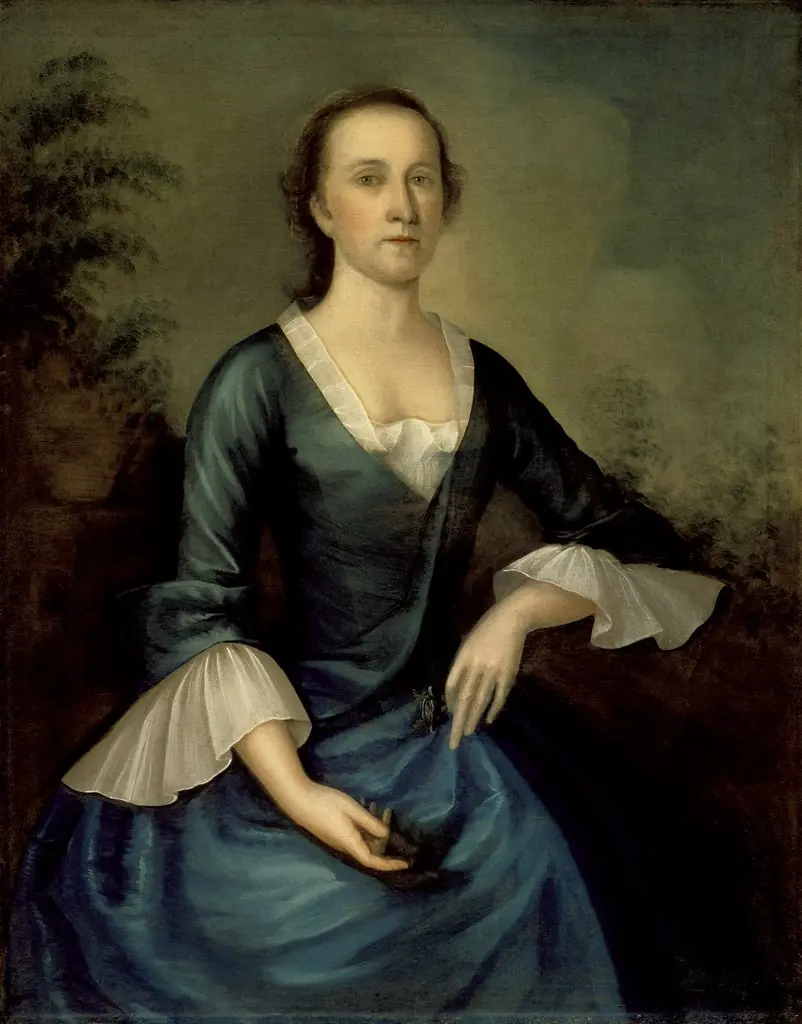 Portrait of Sarah Larrabee Edes
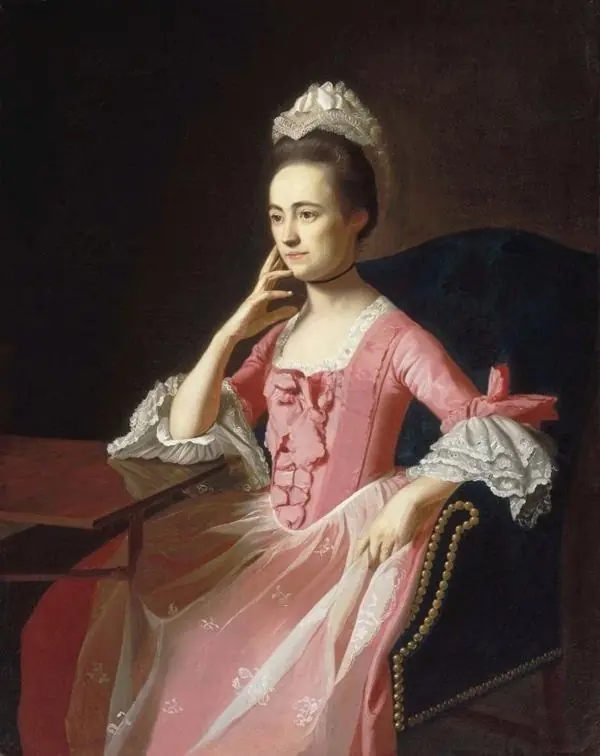 Dorothy Quincy (Mrs. John Hancock)