Artwork
Francis Brinley
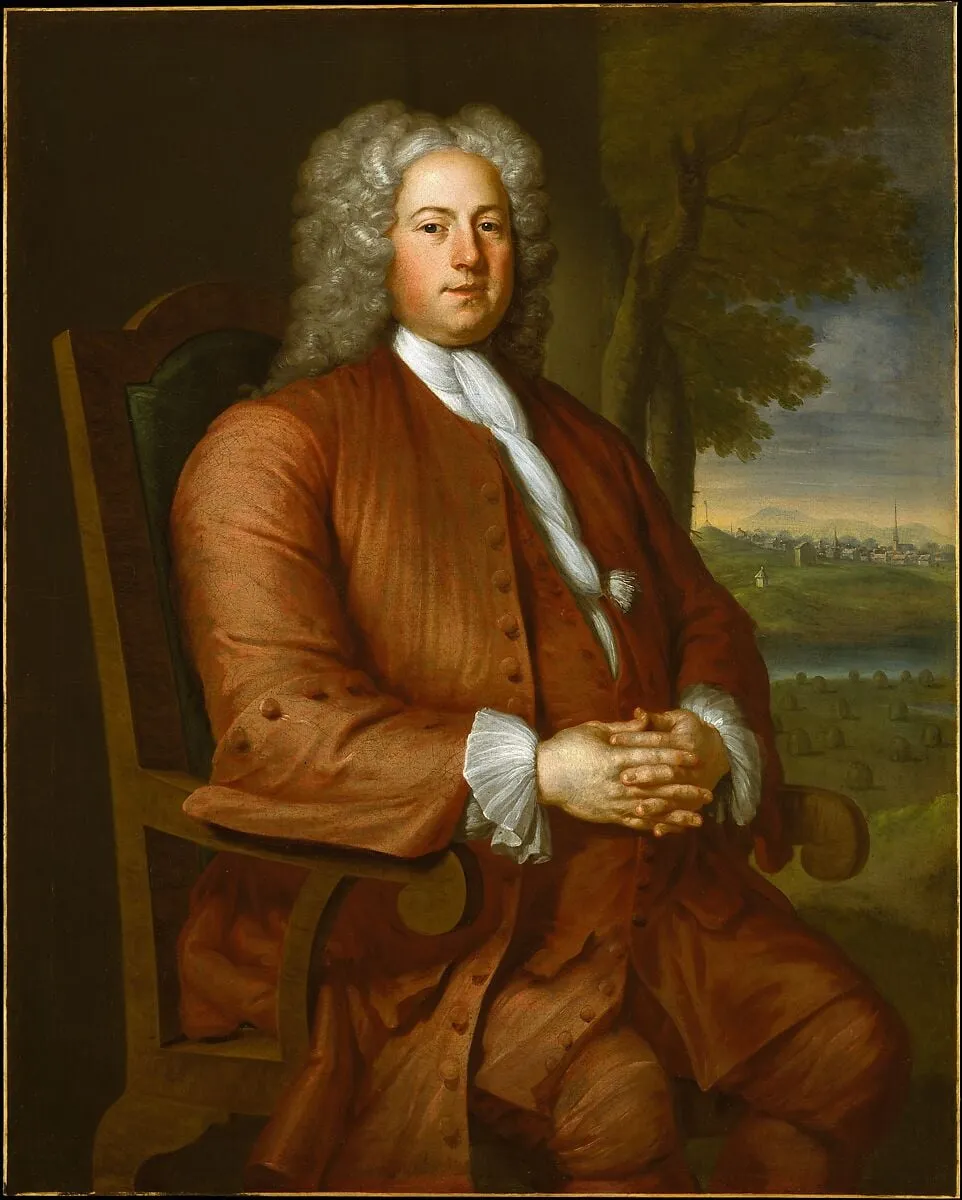
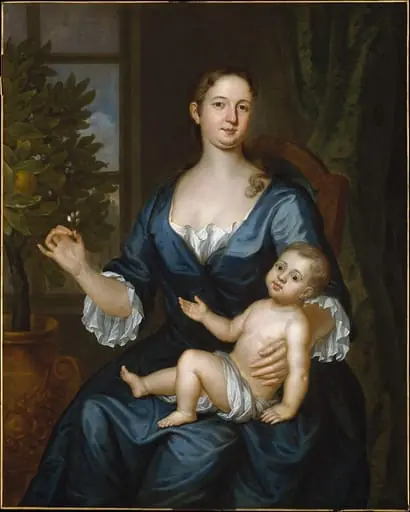
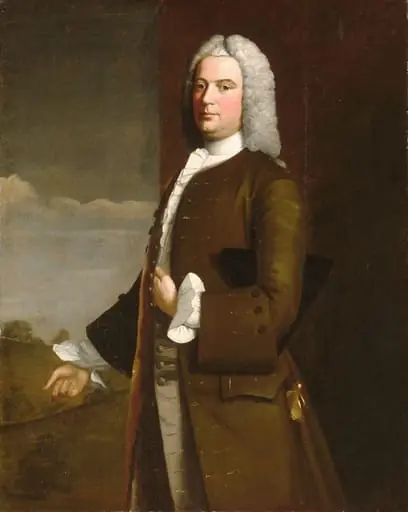
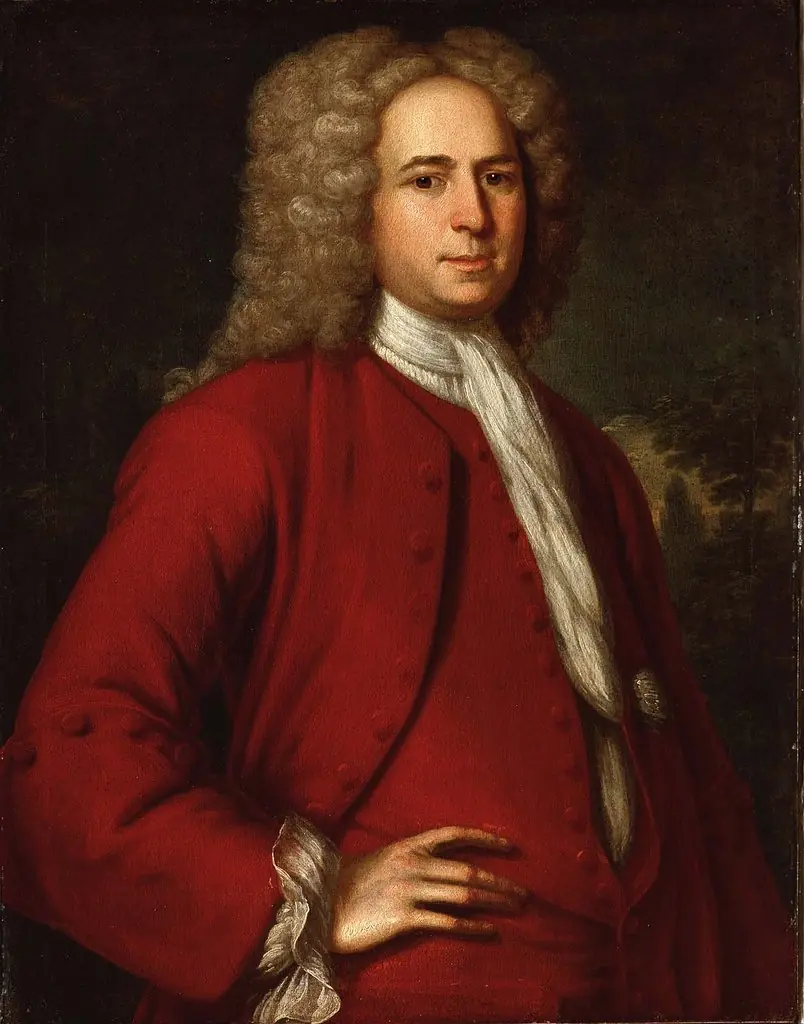
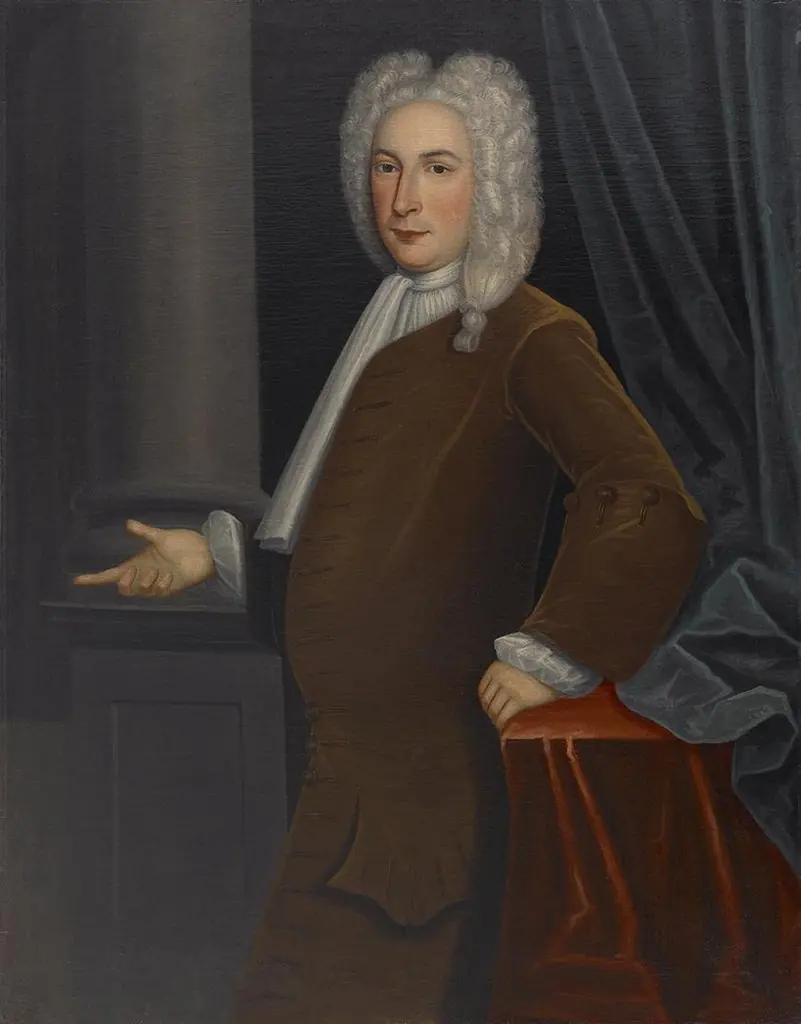
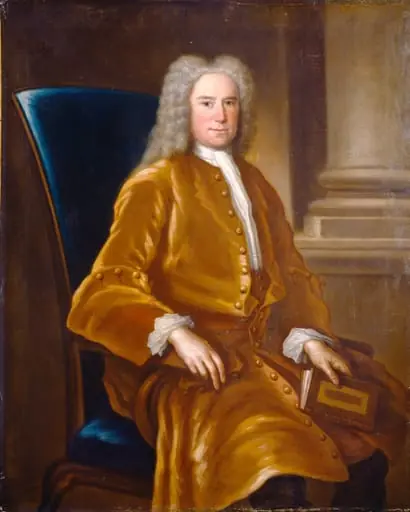
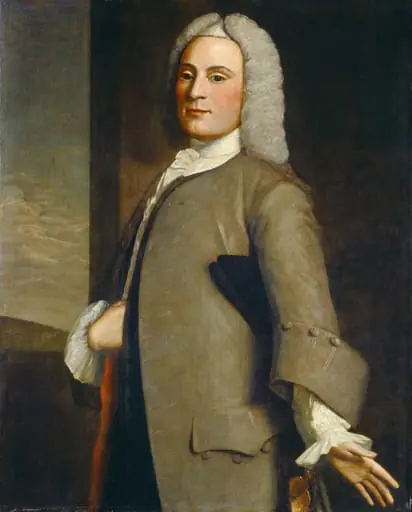
Francis Brinley is an oil painting by the Baroque artist John Smibert. It dates from 1729 and is held in the collection of the Metropolitan Museum of Art.
About this work
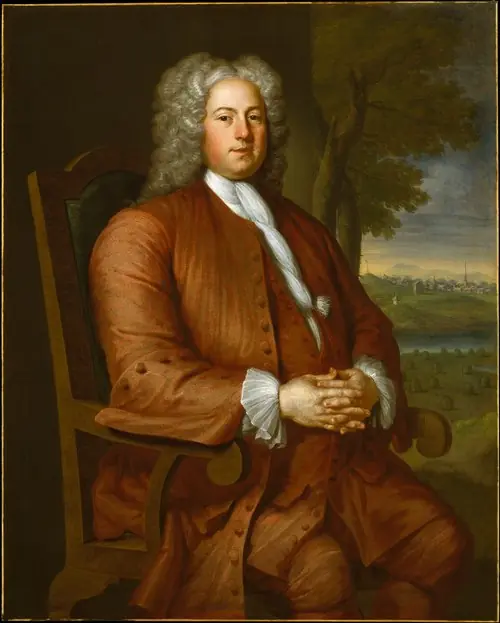
A man in a dark coat sits in a carved wooden chair, one hand resting on a table, his face softly lit. The sitter is Francis Brinley, a Boston merchant, painted in 1729 in one of the first professional portraits made in America. John Smibert had just arrived from Europe, bringing polished British portraiture to the colonies, and the gentle light leaves Brinley looking calm and self-assured.
Technique & Style
A portrait by John Smibert, it depicts the sitter seated in a chair in a Boston setting, presenting him in a formal upright format.
Created in 1729, Francis Brinley is executed in oil paint on a canvas support and measures 127 centimeters in height by 99.7 centimeters in width. A portrait by John Smibert, it depicts the sitter seated in a chair in a Boston setting, presenting him in a formal upright format. The medium and dimensions are consistent with the artist's portraiture of the period, and the composition uses the oil-on-canvas technique to render the figure and his immediate surroundings.
The piece is held in the collection of the Metropolitan Museum of Art, where it is classified within The American Wing.
History & Provenance
John Smibert's 1729 portrait of Francis Brinley is held in the collection of the Metropolitan Museum of Art, specifically within its American Wing. The work, executed in oil on canvas, measures 127 cm in height and 99.7 cm in width and depicts Brinley seated in a chair in Boston. While the provided sources confirm the painting's current location and physical dimensions, they do not contain a specific accession number or a detailed record of its exhibition history.
Context
John Smibert was among the first professionally trained painters active in colonial America, and his 1729 oil-on-canvas portrait of the Boston merchant Francis Brinley exemplifies early colonial portraiture. Classified as a portrait in The American Wing of the Metropolitan Museum of Art, the work portrays Brinley as a Boston resident and man of status. Its inclusion in a major museum collection underscores its significance as a representative example of eighteenth-century American portraiture, studied for its technical execution and historical context.
Overview
Painted in 1729 by John Smibert, this oil on canvas portrait depicts Francis Brinley, a prominent Boston merchant. The composition features the sitter seated in a carved wooden chair, dressed in a dark coat, with one hand resting on a table. His face is illuminated by a soft, directional light that suggests an interior setting, highlighting his features against a shadowed background.
Created shortly after Smibert's arrival from London, this work stands as a significant example of early American portraiture. Smibert introduced a sophisticated Baroque style to the colonies, moving beyond the flat, linear aesthetic common in earlier colonial art. This painting demonstrates his ability to render three-dimensional form and texture, particularly in the fabric of the coat and the wood of the chair.
As one of the first professional portraits executed in the American colonies by a trained European artist, it marks a pivotal moment in the development of a distinct visual culture in New England. The work reflects the growing wealth and social aspirations of the merchant class in Boston during the early 18th century.
Subject & Meaning
The portrait presents Francis Brinley seated in a carved wooden chair, his dark coat contrasting with his softly illuminated face. One hand rests casually on a table, conveying an impression of quiet confidence and self-possession. Brinley's calm demeanor and direct gaze suggest a man secure in his position within colonial society, characteristic of the emerging merchant class of the era.
Artist & collection

Artist
John Smibert (24 March 1688 – 2 April 1751) was a Scottish-born painter who specialised in portrait painting and was the first academically trained artist to work in British America.