Artwork
Portrait of a Gentleman
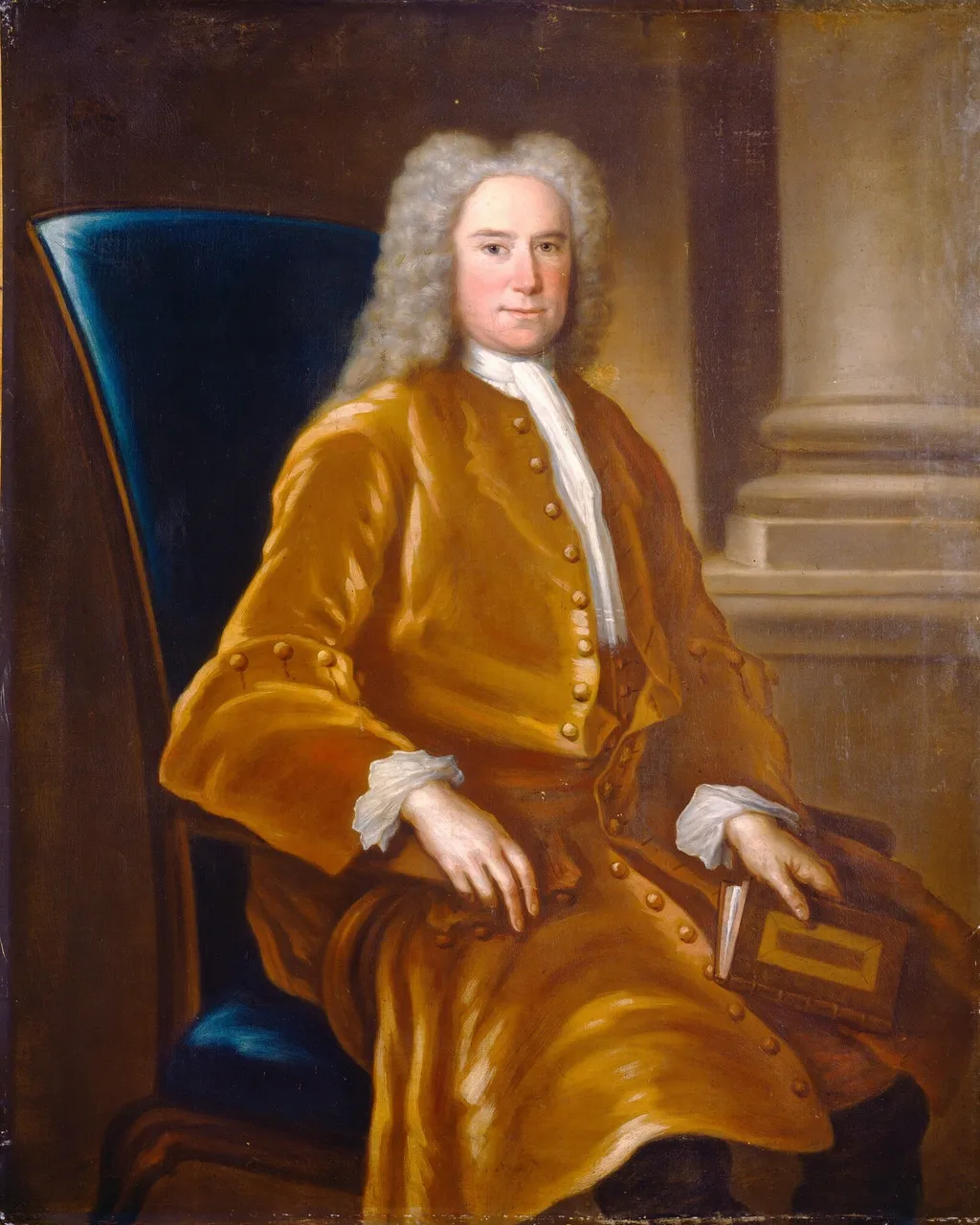
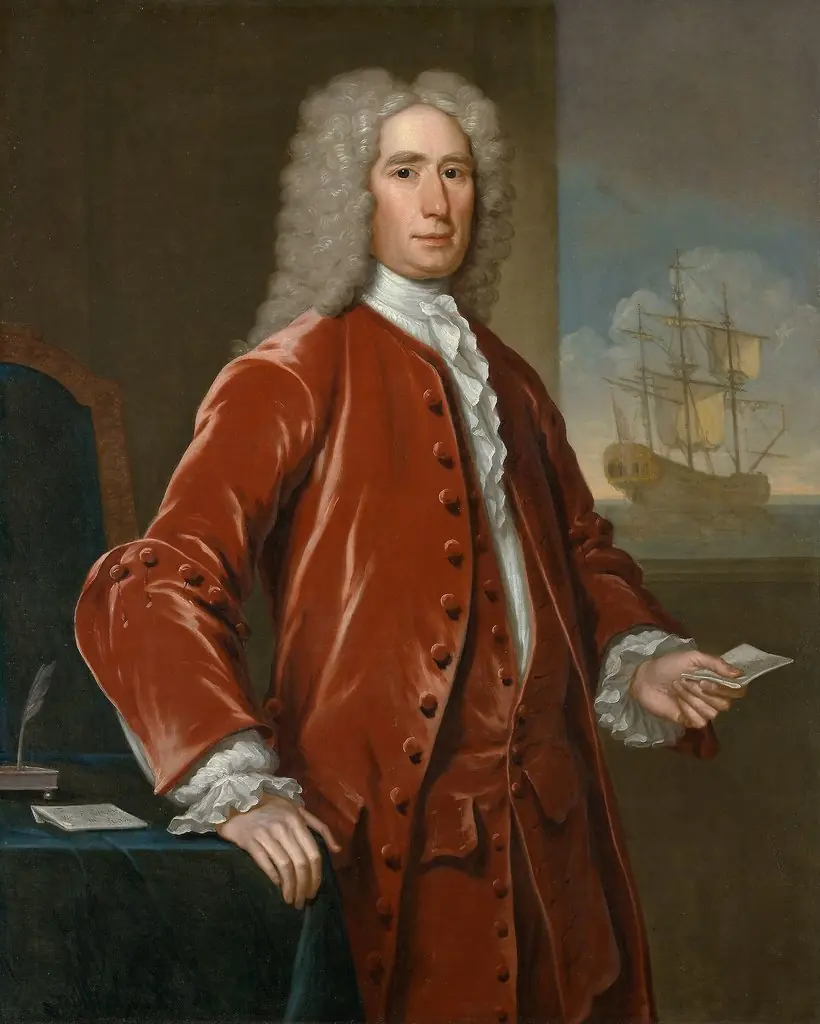
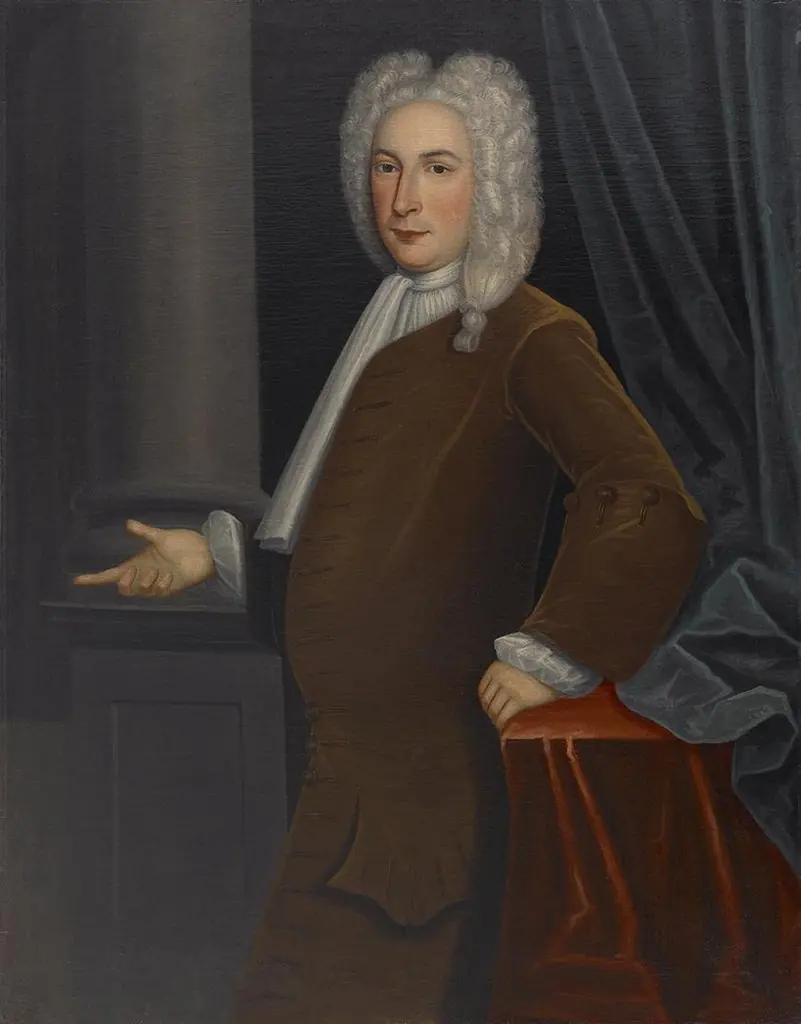
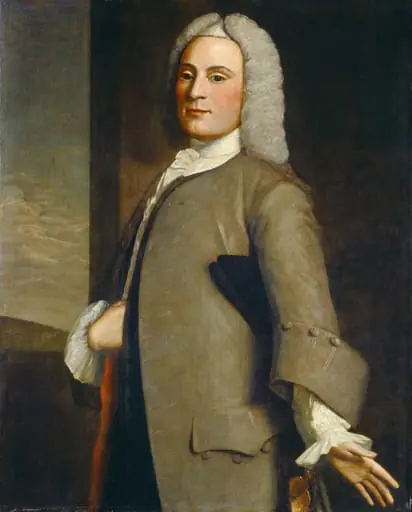
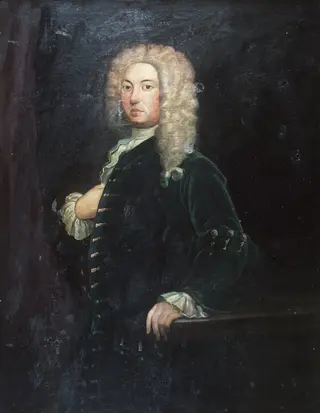
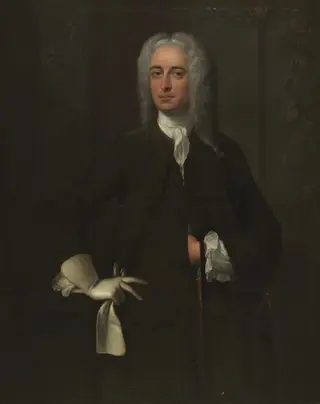
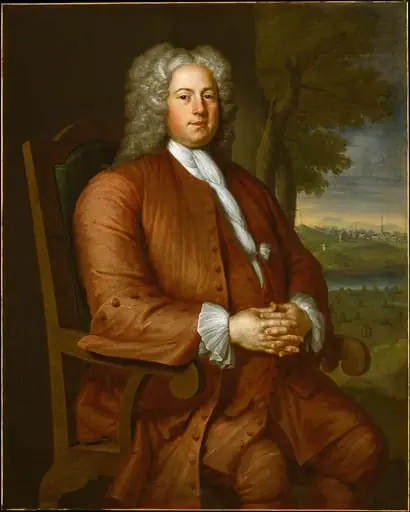
Portrait of a Gentleman is an oil painting. It dates from 1733 and is held in the collection of the National Gallery of Art.
About this work
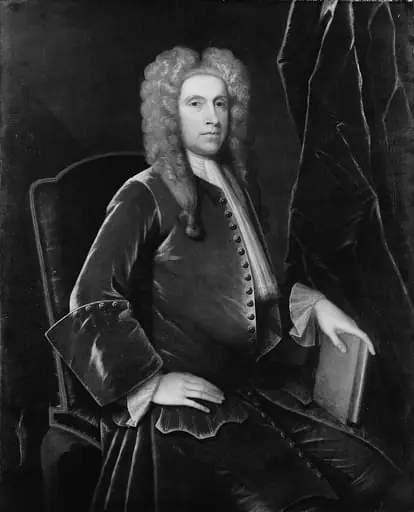
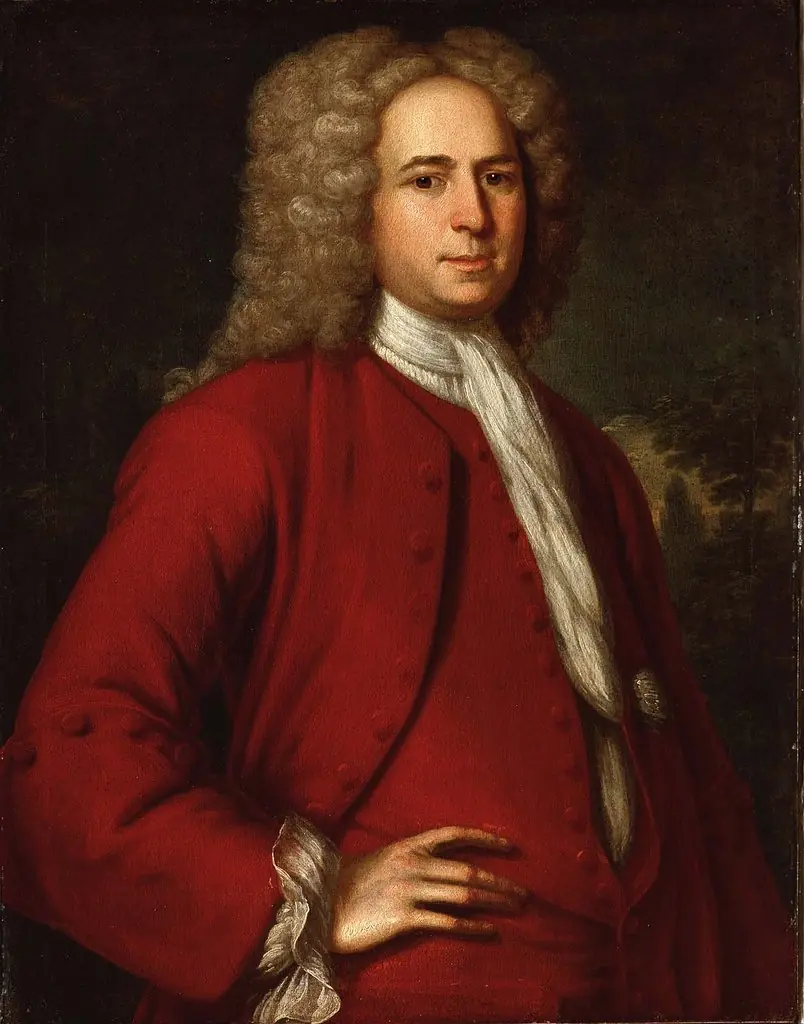
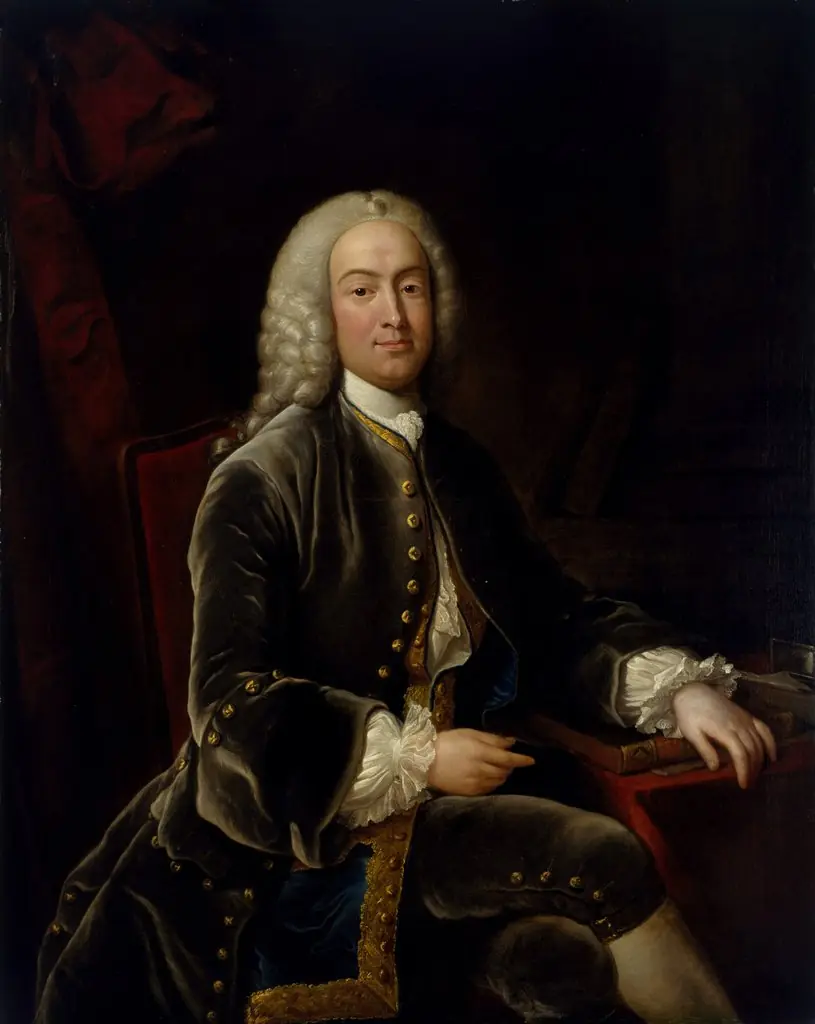
A man sits in a formal pose, dressed in fine clothes and a wig, his face and costume rendered with close attention. His expression is calm and serious. Portraits like this were popular in the 18th century, when sitters wanted to display their wealth and status.
History & Provenance
Mellon Educational and Charitable Trust in Pittsburgh acquired the painting from Knoedler on 29 January 1936, as part of the Clarke collection.
Created in 1733 by an unknown British eighteenth-century artist, this oil-on-canvas portrait entered the documented ownership chain through the Copley Gallery in Boston before passing to Robert C. Vose. On 21 August 1930, it was sold to Thomas B. Clarke of New York, where it was identified as a portrait of Robert Auchmuty by Joseph Badger, an attribution linked to unverified provenance supplied by dealer Rose M. de Forest. Following Clarke's death, his executors sold the work to M. Knoedler & Co. in New York.
The A.W. Mellon Educational and Charitable Trust in Pittsburgh acquired the painting from Knoedler on 29 January 1936, as part of the Clarke collection. The Trust subsequently gifted the work to the National Gallery of Art in Washington, D.C., in 1947, where it remains part of the Andrew W. Mellon collection.
Portrait of a Gentleman is held by the National Gallery of Art, where it forms part of the Andrew W. Mellon Collection under accession number 1947.17.22. It entered the National Gallery of Art in 1947 as a gift from The A.W. Mellon Educational and Charitable Trust of Pittsburgh, which had acquired it on 29 January 1936 from M. Knoedler & Co. in New York as part of the Thomas B. Clarke collection. Earlier in its documented provenance, it had been sold on 21 August 1930 to Clarke through the dealer Robert C. Vose of Boston, with a tentative earlier association with the Copley Gallery in Boston.
The work was referenced in connection with a 1928 Clarke exhibition catalogue, according to annotations drawn from the files of M. Knoedler & Co.
Overview
The work titled Portrait of a Gentleman is an oil on canvas painting that captures a male figure in a formal, seated pose. Created in the 18th century, this piece reflects a prevalent artistic trend where individuals commissioned portraits to visually affirm their wealth and social status. The artist dedicated considerable attention to rendering the intricate details of the sitter's attire and facial characteristics.
Subject & Meaning
The gentleman is depicted with a calm and serious demeanor, dressed in elaborate clothing and a fashionable wig, which were hallmarks of 18th-century elite fashion. This deliberate presentation was crucial for conveying the sitter's prosperity and position within society. Such formal portraits served as important visual declarations of an individual's standing and influence during this historical period.
Technique & Style
Executed in oil on canvas, the painting demonstrates a meticulous approach to detail, particularly in the depiction of the sitter's face and the rich textures of his garments. This precision contributes to the overall sense of formality and presence. The artistic style prevalent in this era often incorporated techniques like chiaroscuro, which uses strong contrasts between light and dark, to create dramatic effects and a sense of three-dimensionality.
Artist & collection