Artwork
Landscape with Mountains, Lake and Bridge
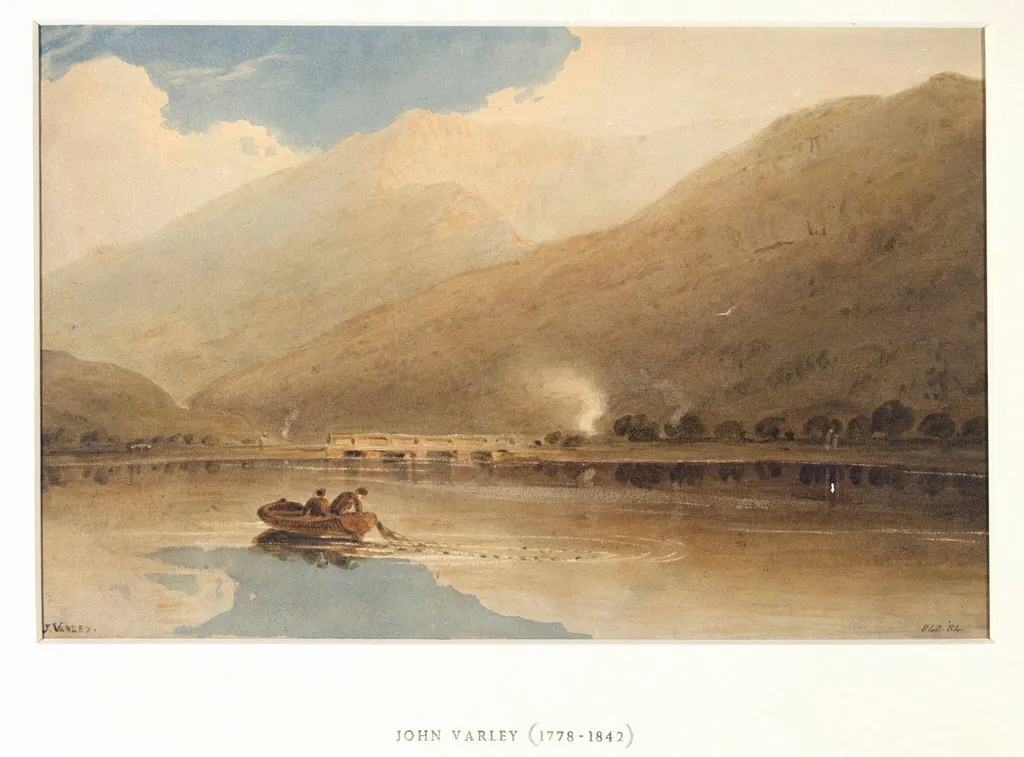
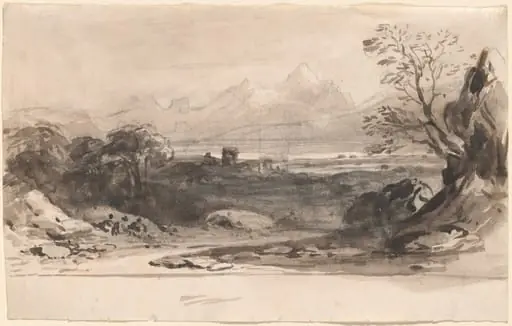
Landscape with Mountains, Lake and Bridge is a watercolor work on paper by the Romanticist artist John Varley. It dates from 1800 and is held in the collection of the Victoria and Albert Museum.
About this work
Overview
Its quiet composition invites contemplation rather than dramatic emphasis, reflecting the period’s interest in natural harmony and subtle atmospheric effects.
Created in 1800, this watercolour by John Varley presents a tranquil rural scene with mountains, a still lake, and a slender bridge. The work is signed and executed in delicate, transparent washes typical of early 19th-century British watercolour practice. Its quiet composition invites contemplation rather than dramatic emphasis, reflecting the period’s interest in natural harmony and subtle atmospheric effects.
Subject & Meaning
The scene depicts a quiet lake with a small boat carrying two figures, a bridge arching over the water, and distant hills under a hazy sky. The absence of human architecture beyond the bridge suggests a retreat from urban life. The painting evokes solitude and stillness, aligning with Romantic-era sensibilities that valued nature as a space for reflection rather than activity or conquest.
Technique & Style
Varley employed light, fluid washes to suggest the reflective surface of the lake and the soft diffusion of mist along the hills. Colours are restrained, earthy browns, pale blues, and greys, blended seamlessly to avoid sharp contours. The brushwork is loose yet deliberate, capturing movement in water and air without detail, relying on tonal gradations to imply depth and atmosphere.
History & Provenance
The work dates from the early phase of Varley’s career, when he was developing his distinctive watercolour style alongside contemporaries like Turner. Though specific ownership history is not documented here, the piece aligns with works held in British institutional collections, particularly those associated with the Society of Painters in Water Colours, which Varley helped found in 1804.
Context
In 1800, British watercolour was transitioning from topographical sketching to expressive landscape art. Varley’s work reflects this shift, embracing mood and light over precision. His approach was influenced by the Picturesque movement and the growing public interest in domestic scenery, as travel became more accessible and landscape painting gained cultural prestige outside oil traditions.
Legacy
Varley’s watercolours contributed to establishing the medium as a serious artistic form in Britain. His emphasis on atmospheric effects and emotional tone influenced later artists, including members of the Pre-Raphaelite circle. Though less widely known than Turner, his quiet, lyrical landscapes remain important examples of early Romantic watercolour practice in the national collection.
Own this work as a print
Artist & collection
Artist
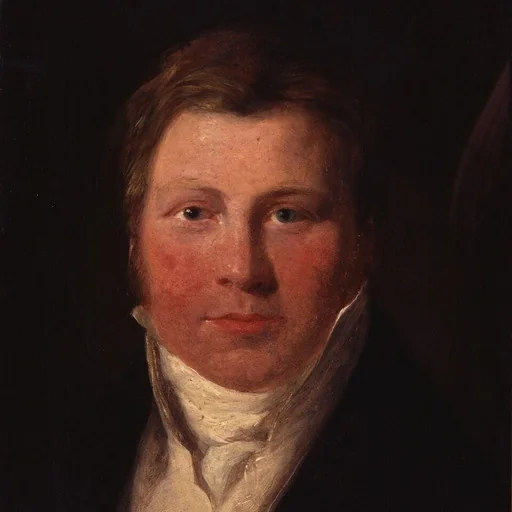
John Varley (17 August 1778 – 17 November 1842) was an English watercolour painter and astrologer, and a close friend of William Blake.

![Study of a Head in Profile [verso], by John Varley](https://artifactworldgallery.com/img/john-varley--study-of-a-head-in-profile-verso--3e16e84b6ceccae1-w320.webp)
![Two Studies of a Figure Holding a Basket [verso], by John Varley](https://artifactworldgallery.com/img/john-varley--two-studies-of-a-figure-holding-a-basket-verso--7e8aaeb3f643e9b3-w320.webp)
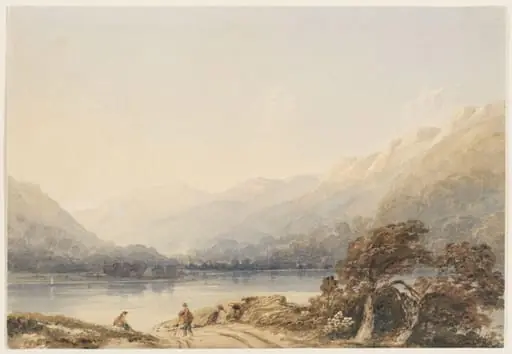 Lake scene with mountains
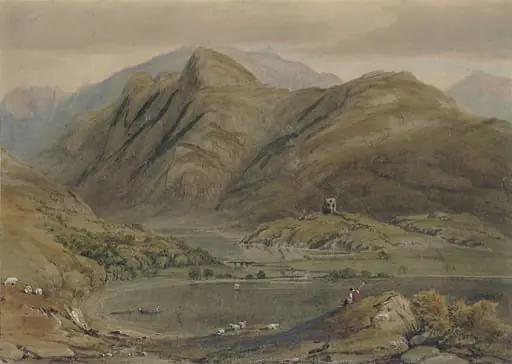 Llanberis, North Wales
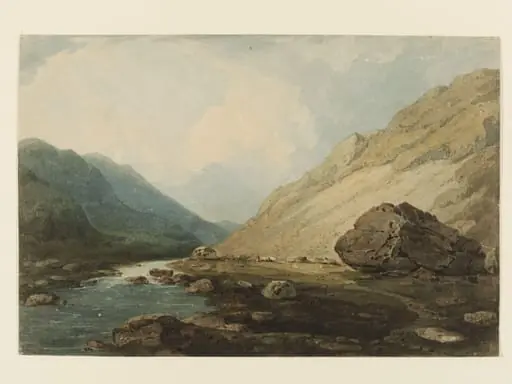 View in the Pass of Llanberis, Wales
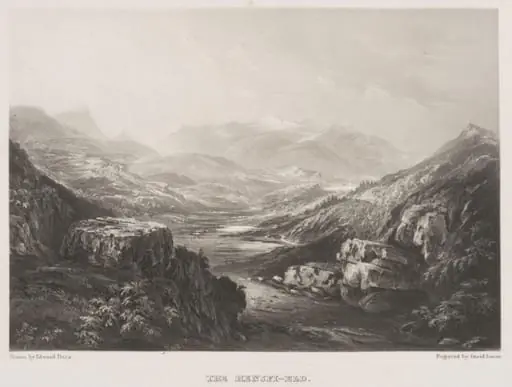 The Hensfi-eld
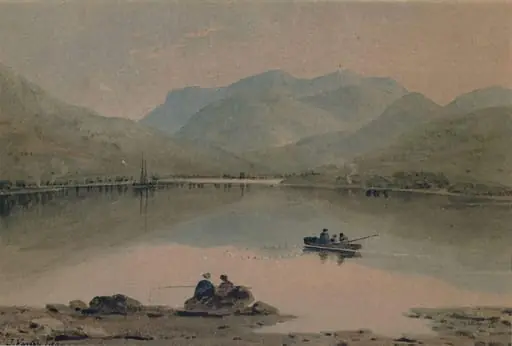 Tal-y-Llyn, North Wales
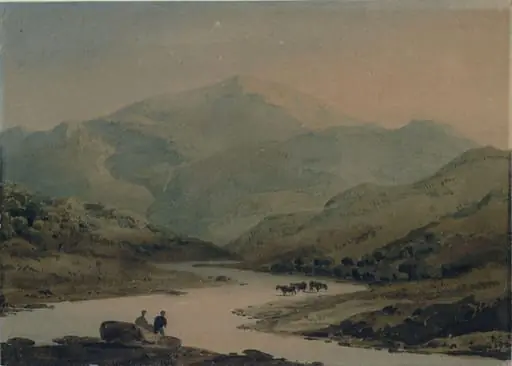 River scene: cattle in shallows
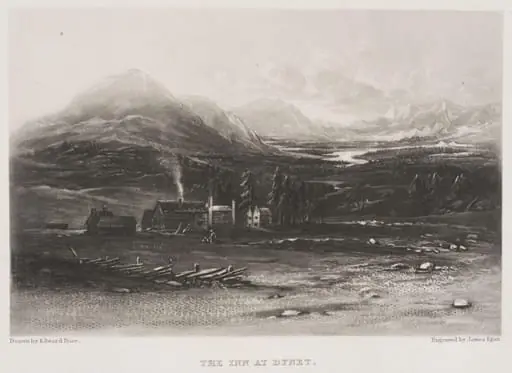 The Inn at Dfnet
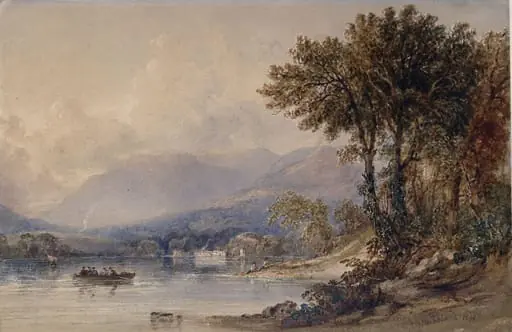 The Rydal mountains near the head of Windermere
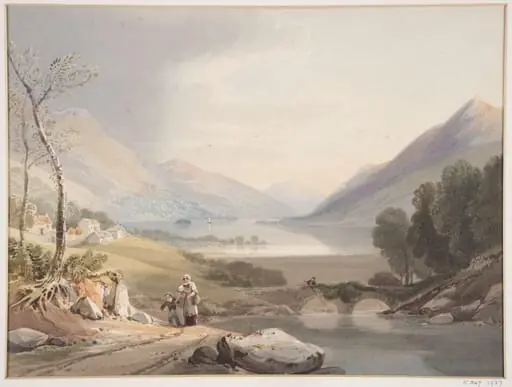 Ullswater from Patterdale Bridge
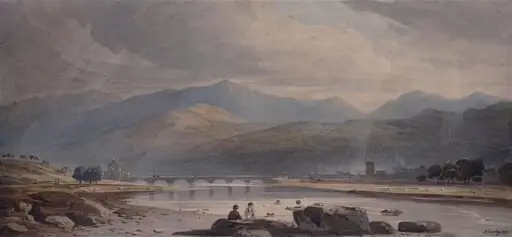 Dolgelly, North Wales
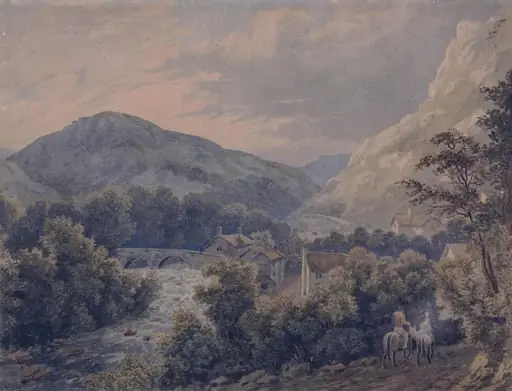 Lynmouth, Devon
- Landscape with lake and mountains