Artwork
Saint Eulalia
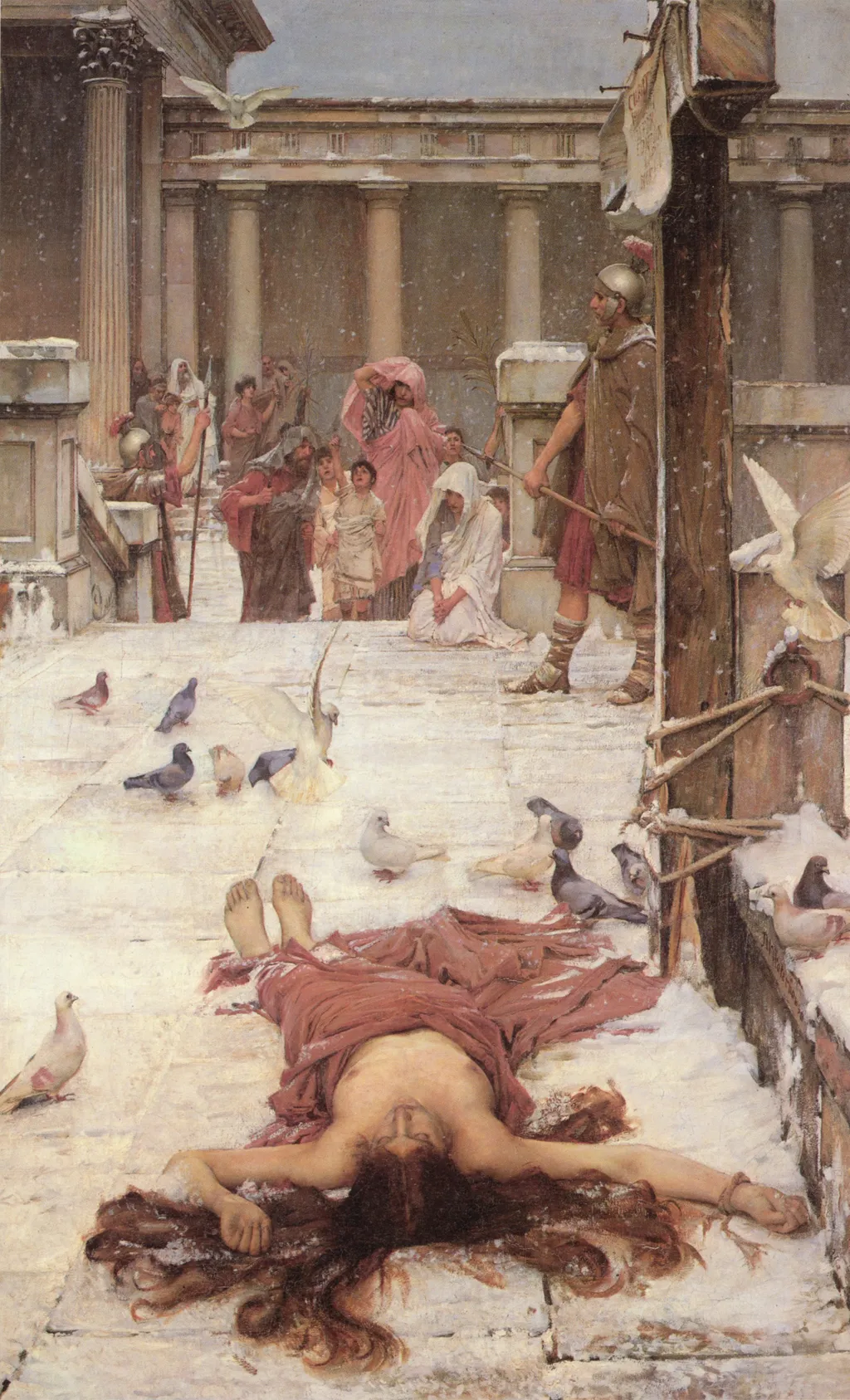
Saint Eulalia is an oil painting by the Pre-Raphaelite artist John William Waterhouse. It dates from 1893 and is held in the collection of the National Gallery.
About this work
Overview
John William Waterhouse’s 1885 canvas Saint Eulalia presents a quiet, post‑mortem scene rendered in oil. The work measures the artist’s engagement with narrative painting, focusing on the tragic conclusion of the early Christian martyr Eulalia of Mérida. Currently held by Tate Britain in London, the piece is not on public view as of 2025.
Subject & Meaning
The composition captures the immediate aftermath of Saint Eulalia’s martyrdom, emphasizing the solemnity of her sacrifice rather than the act of violence itself. By concentrating on the stillness that follows, Waterhouse invites contemplation of faith, endurance, and the quiet dignity attributed to early saints in Christian hagiography.
Technique & Style
Executed in oil on canvas, the painting employs the luminous color palette and meticulous detail characteristic of the Pre‑Raphaelite aesthetic. Waterhouse’s handling of light creates a soft, ethereal glow that envelops the figures, while the precise rendering of textures, fabric, stone, and foliage, reflects the movement’s devotion to naturalistic observation.
History & Provenance
After its completion in 1885, Saint Eulalia entered the collection of Tate Britain, where it has remained part of the institution’s permanent holdings. Although catalogued within the museum’s archives, the work has not been included in the gallery’s display schedule for the year 2025, limiting public access to its visual narrative.
Artist & collection
Artist
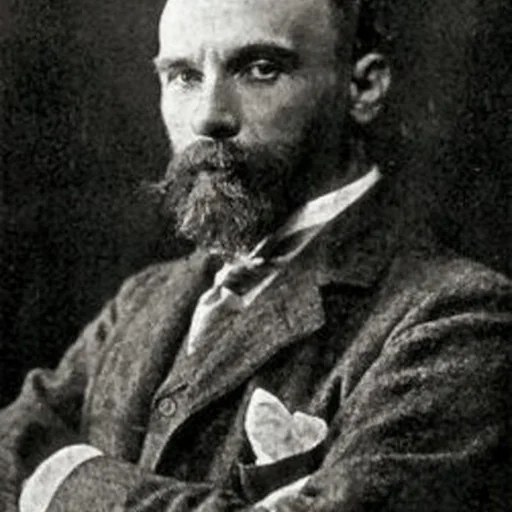
John William Waterhouse (baptised 6 April 1849 – 10 February 1917) was an English painter known for working first in the Academic style and for then embracing the Pre-Raphaelite Brotherhood's style and subject matter.

- Триумф Тита
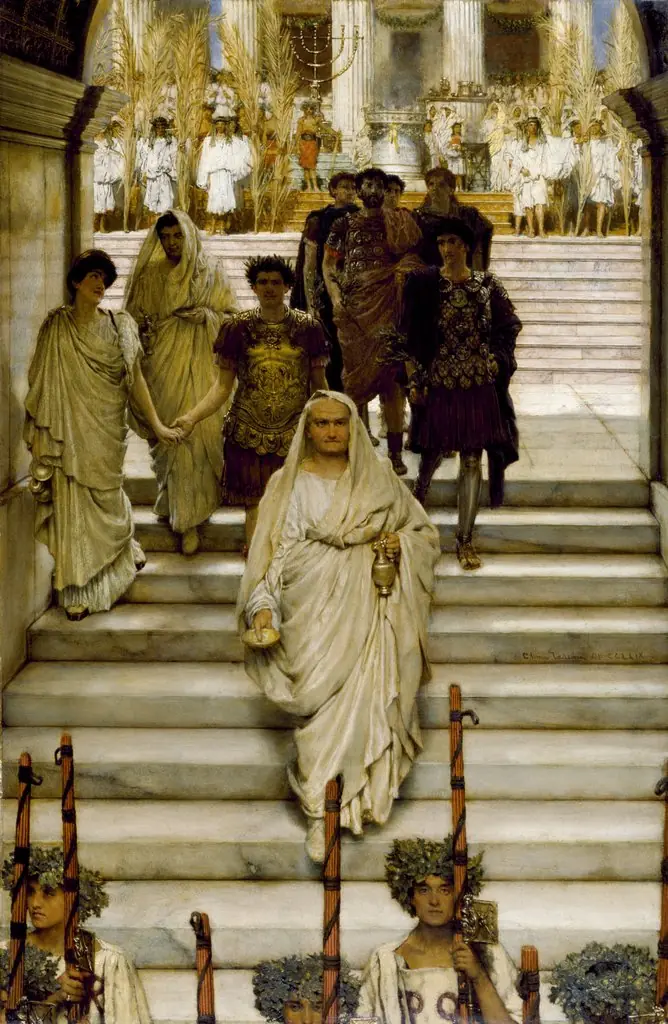 The Triumph of Titus: The Flavians
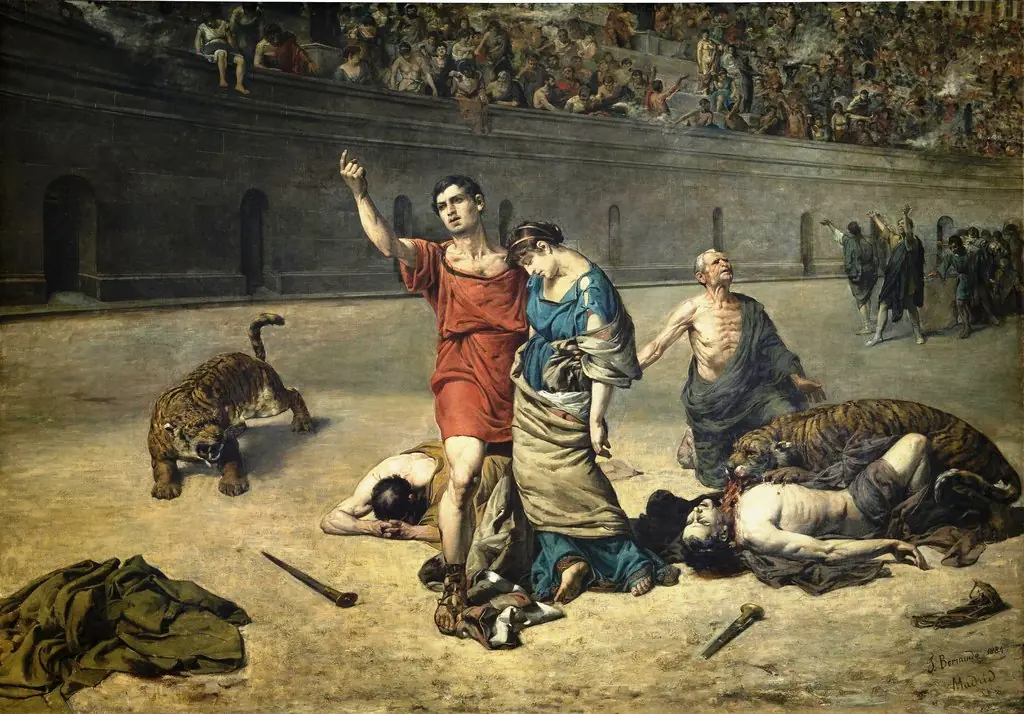 Eudoro y Cimodocea en el anfiteatro
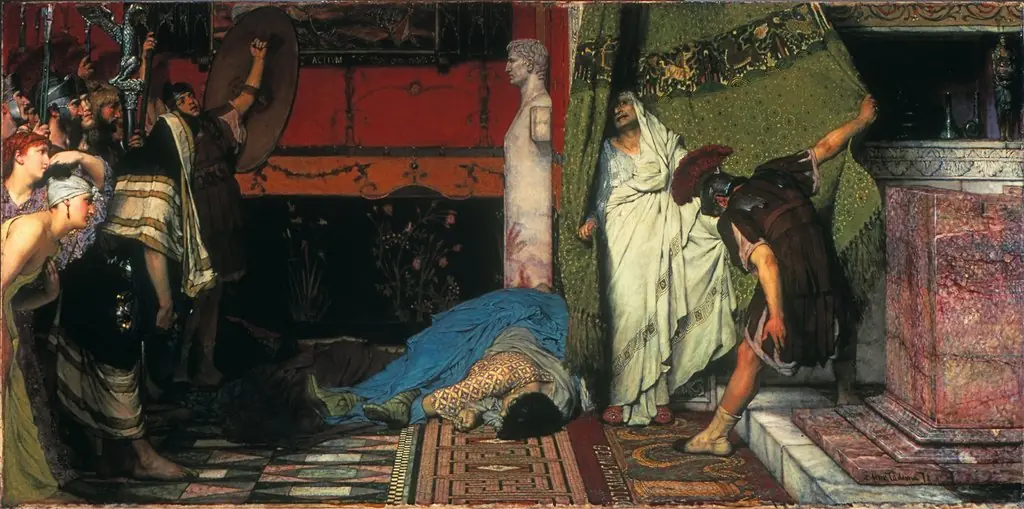 A Roman Emperor (Claudius)
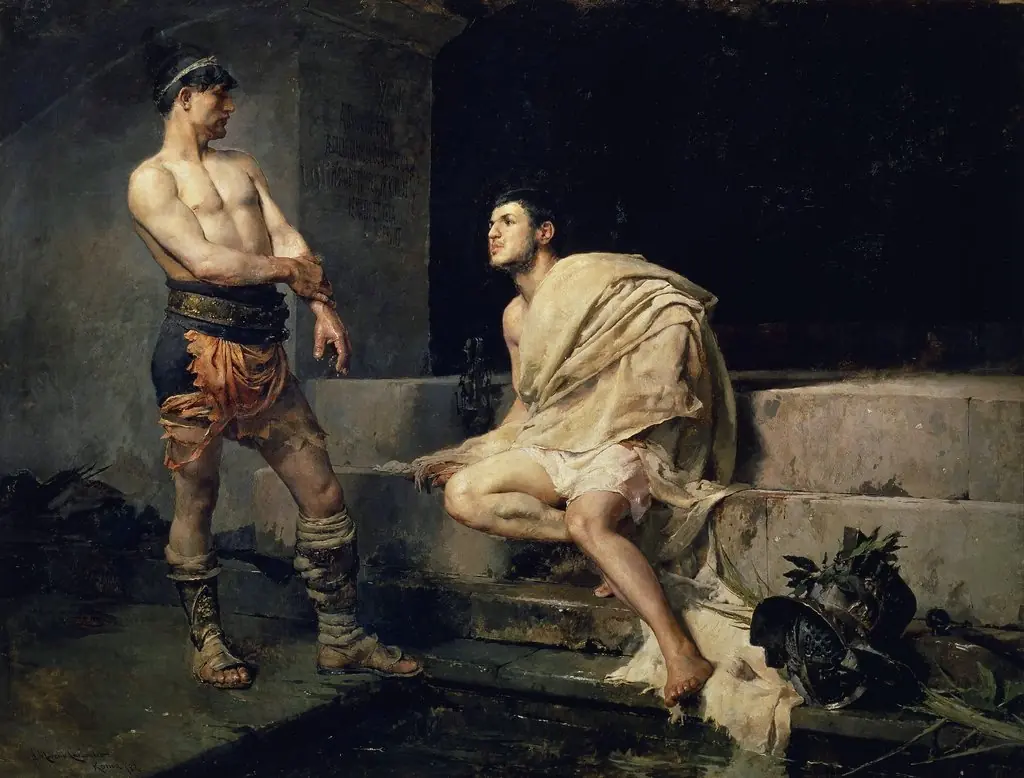 The Gladiators
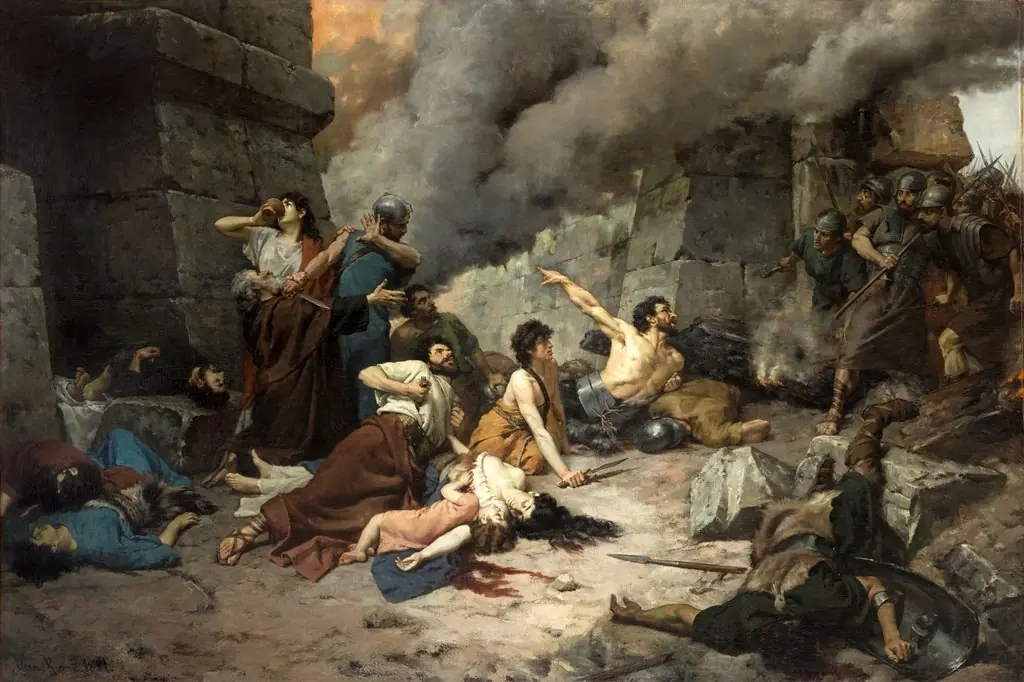 El darrer dia de Numància
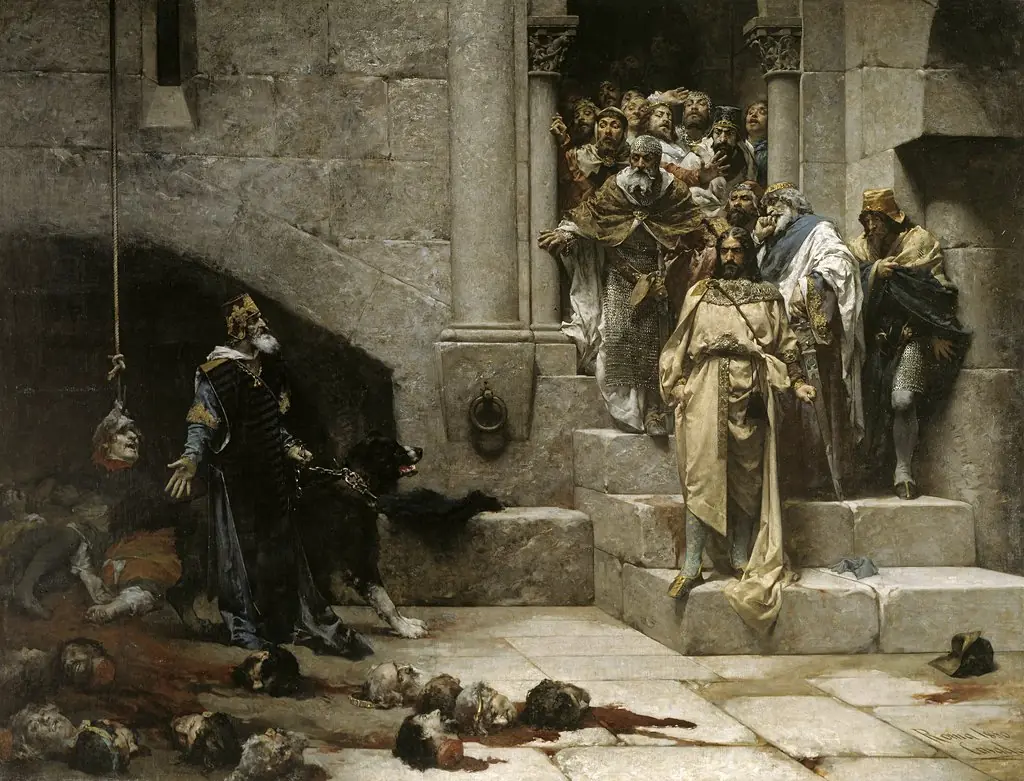 La campana de Huesca
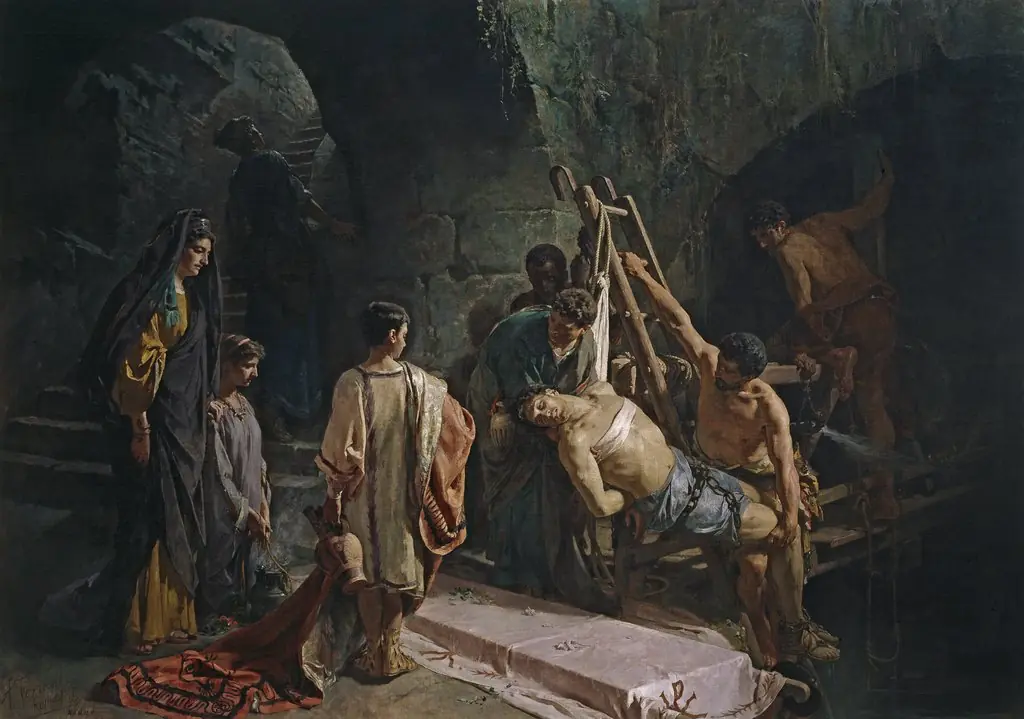 The Burial of Saint Sebastian
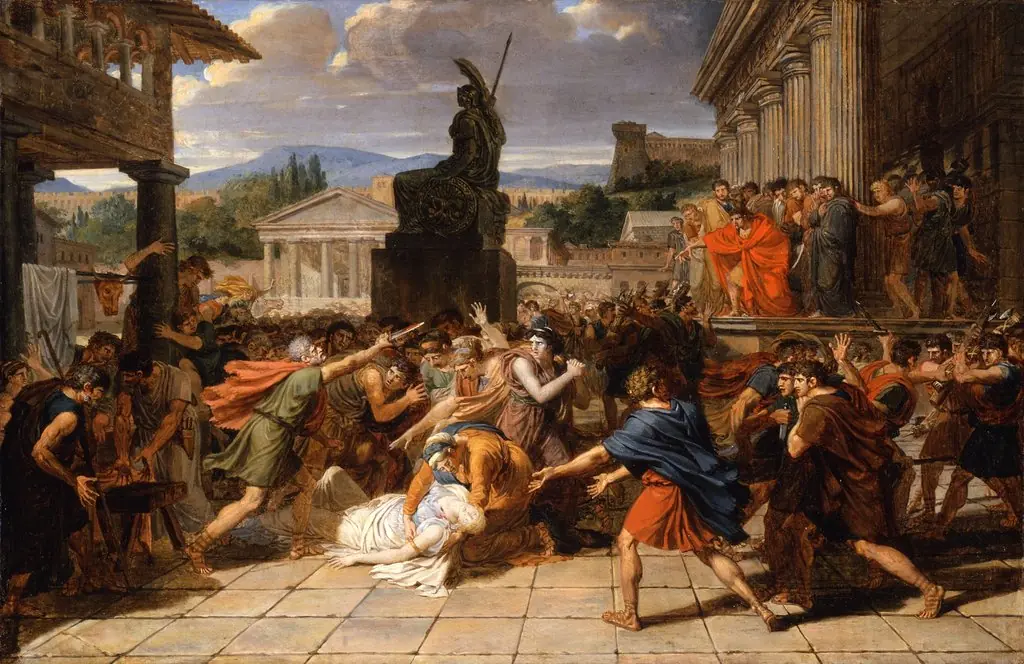 The Death of Virginia
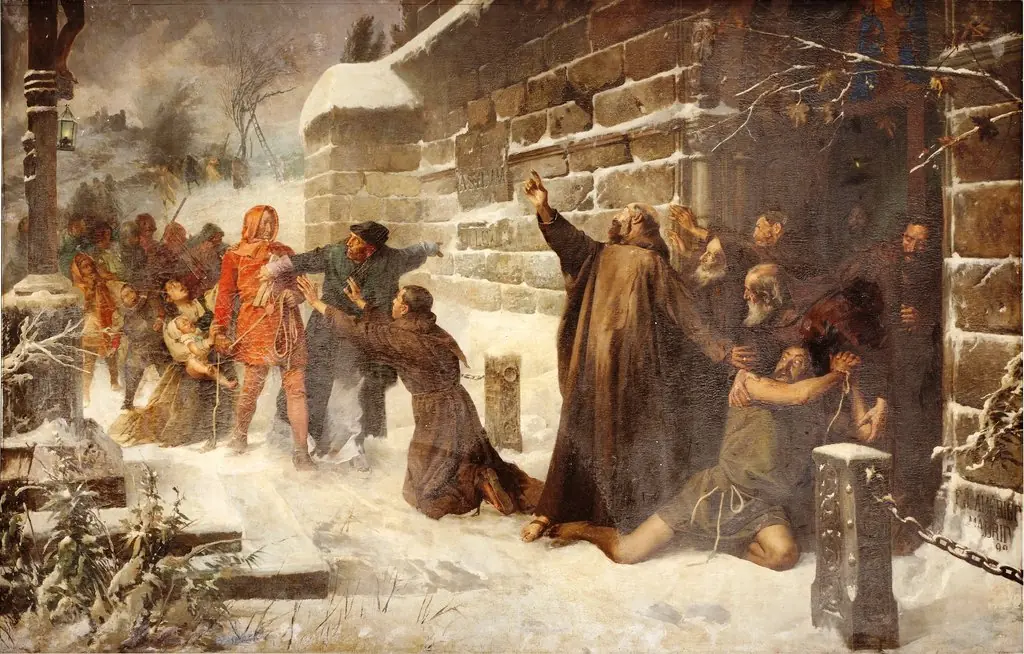 El derecho de asilo
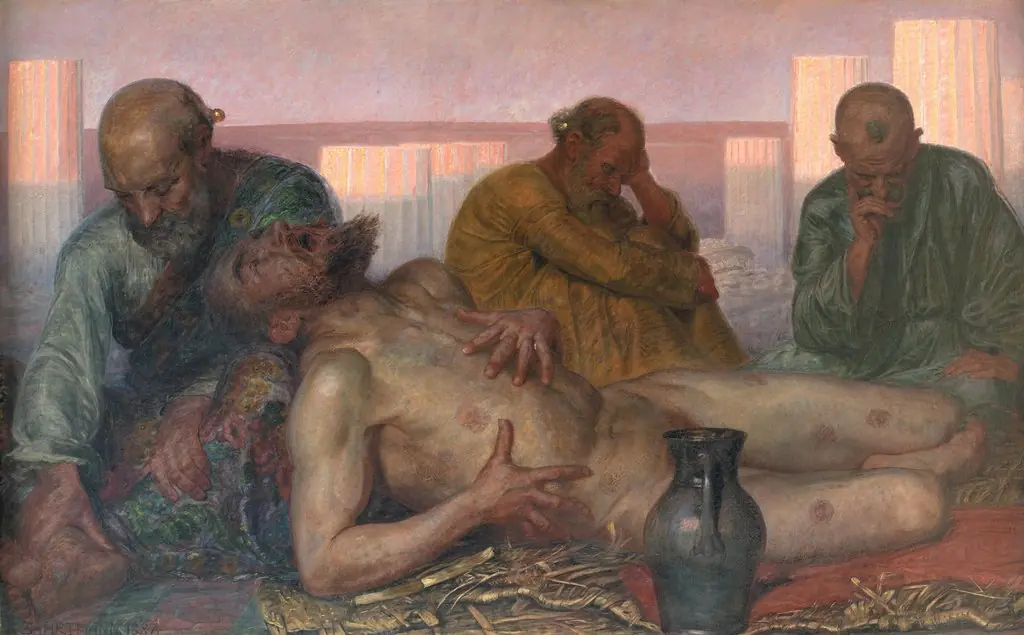 Job and His Friends
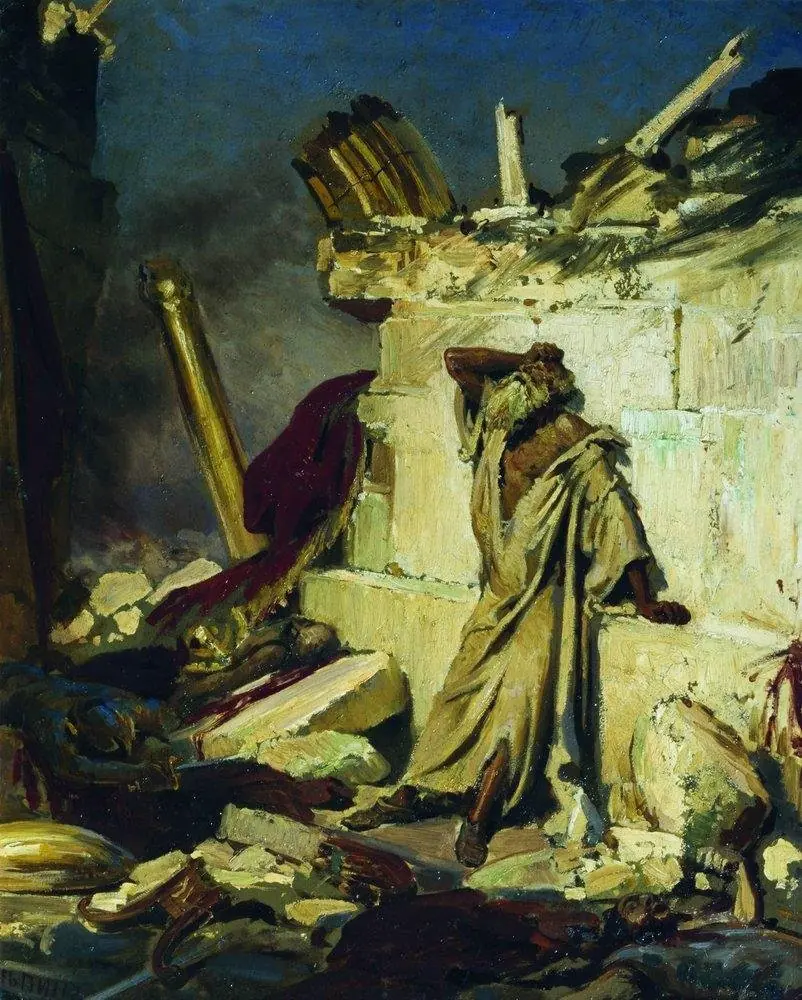 Cry of prophet Jeremiah on the Ruins of Jerusalem