Artwork
The Magic Circle
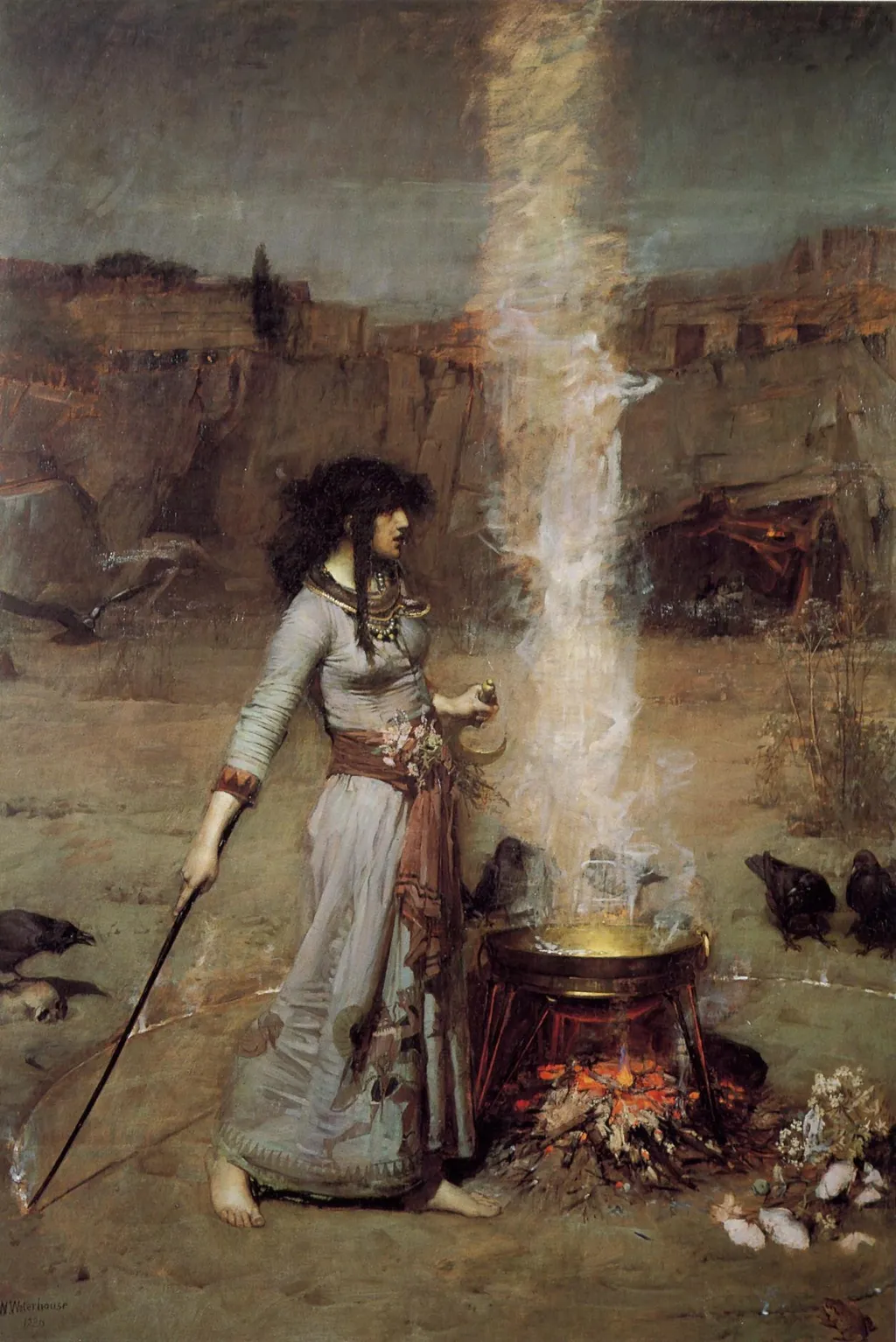
The Magic Circle is an oil painting by the Pre-Raphaelite artist John William Waterhouse. It dates from 1894 and is held in the collection of the National Gallery.
About this work
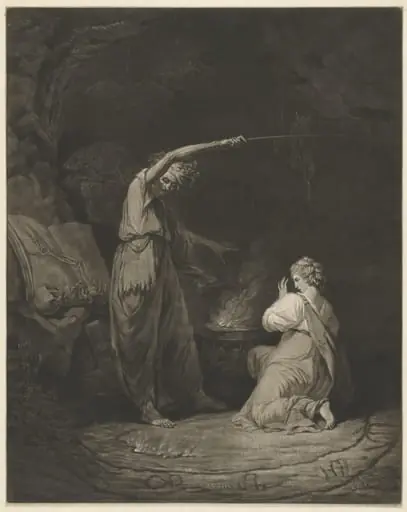
John William Waterhouse painted The Magic Circle in 1886. It’s an oil painting in the Pre-Raphaelite style. The work shows a witch drawing a fiery circle on the ground for a ritual.
This painting repeats a subject Waterhouse painted twice. He also made a study version. Collectors often asked artists to redo popular pieces.
Look up the artist John William Waterhouse next.
Overview
The Magic Circle is an 1886 oil painting by John William Waterhouse, executed in the Pre-Raphaelite style. Two versions of the painting and a preparatory study were created.
Subject & Meaning
The painting depicts a solitary female figure, identified as a witch or sorceress, in the act of drawing a fiery magic circle on the ground with a wand, establishing a ritualistic space for ceremonial magic.
Technique & Style
Characterized by the dreamy, detailed, and symbolic qualities of the Pre-Raphaelite movement, the painting showcases Waterhouse's adherence to the style's emphasis on beauty, mysticism, and meticulous craftsmanship.
History & Provenance
Waterhouse produced two versions of The Magic Circle, likely at a collector's request, a practice common among artists of the period for popular subjects. A study for the work also exists.
Context
Created in 1886, the painting reflects the late 19th-century fascination with mysticism and the occult, as well as the enduring influence of the Pre-Raphaelite Brotherhood on British art.
Legacy
While specific impacts or exhibitions of The Magic Circle are not highlighted in available information, it remains a notable work in Waterhouse's oeuvre, illustrating his exploration of mystical themes within the Pre-Raphaelite tradition.
Own this work as a print
Artist & collection
Artist
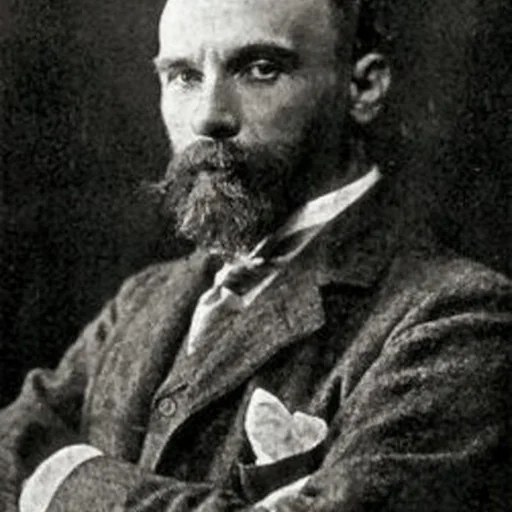
John William Waterhouse (baptised 6 April 1849 – 10 February 1917) was an English painter known for working first in the Academic style and for then embracing the Pre-Raphaelite Brotherhood's style and subject matter.

 Studied in the Pre-Raphaelites course