Artwork
Xanthus
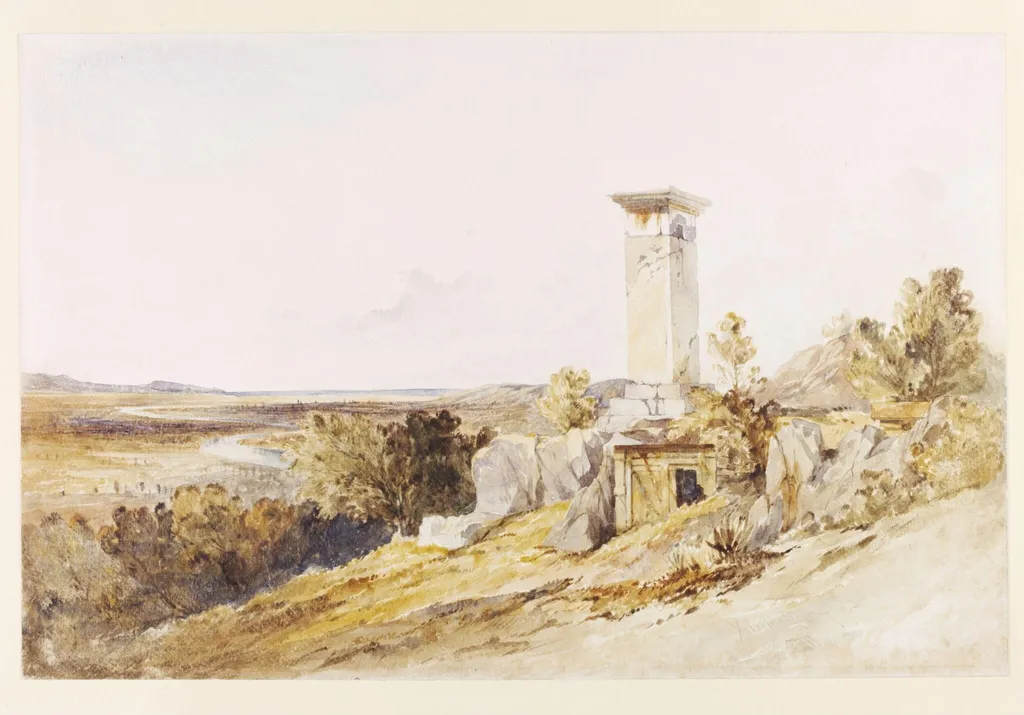
Xanthus is a watercolor work on paper by the British Romanticist artist Harry John Johnson. It dates from 1843 and is held in the collection of the Victoria and Albert Museum.
About this work
Harry John Johnson painted it in 1843, right when explorers were digging up forgotten ruins in Turkey.
This watercolor shows a British artist’s view of an ancient town. Harry John Johnson painted it in 1843, right when explorers were digging up forgotten ruins in Turkey. He likely used quick brushstrokes to catch the light and mood of the place.
Back then, teams with navy help hauled whole tombs and columns back to England. It’s one of those rare scenes that mixes adventure with old stones.
Next, look up the Victoria and Albert Museum.
Overview
Harry John Johnson’s 1843 watercolour depicts the ancient Lycian city of Xanthus, situated on the southwestern coast of present‑day Turkey. The composition centers on the distinctive pillar tomb that dominates the site, with the Esen Çay (formerly the Xanthus River) flowing behind it. Rendered in the British watercolour tradition, the work captures the atmospheric light and rugged landscape of the ruin.
Subject & Meaning
The painting records a moment in the mid‑19th‑century surge of archaeological interest in Lycia, a region previously known only from brief references in Greek histories. By portraying the tomb and river, Johnson emphasizes the juxtaposition of monumental ancient architecture against a natural setting, reflecting contemporary fascination with uncovering and documenting forgotten civilizations.
Technique & Style
Johnson employed the rapid, transparent brushwork characteristic of British watercolour landscape practice, a method he learned under William Müller. The medium allows for delicate washes that convey the play of sunlight on stone and water, while the limited palette and loose handling suggest an immediacy appropriate to field sketching during an expedition.
History & Provenance
The artwork was produced during an expedition to Xanthus that included the painter William Müller and was supported by the British Navy and government funds. The same campaign facilitated the removal of Lycian monuments, such as the Harpy Tomb reliefs, to the British Museum. Johnson’s watercolour, created on site in 1843, later entered the collection of the Victoria and Albert Museum.
Context
In the 1840s, parts of the Anatolian coast were accessible only by sea, making naval assistance essential for archaeological surveys. Sir Charles Fellows’ earlier surveys of Xanthus, Pinara, Patara, Tlos, Myra and Olympus had mapped the region and sparked further artistic and scholarly visits, of which Johnson’s work is a visual record of that exploratory era.
Own this work as a print
Artist & collection
Artist
Henry John Johnson, usually known as Harry was an English landscape and water colour painter.

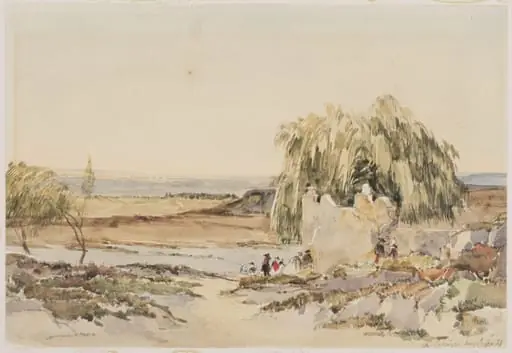 Leiria
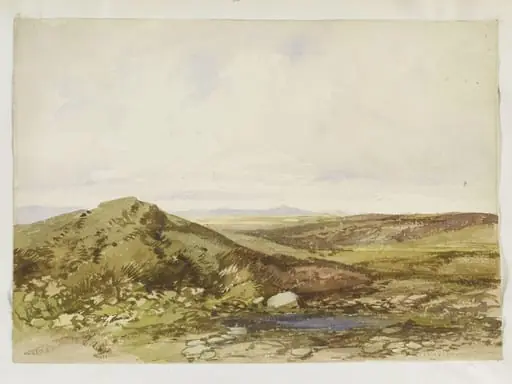 Watercolour in album of 51 drawings and watercolours by James Duffield Harding
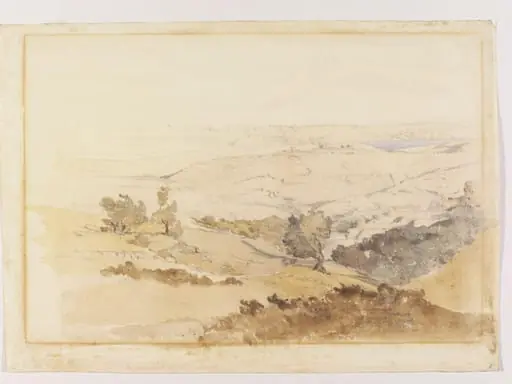 The Sea of Galilee from the heights of Safad
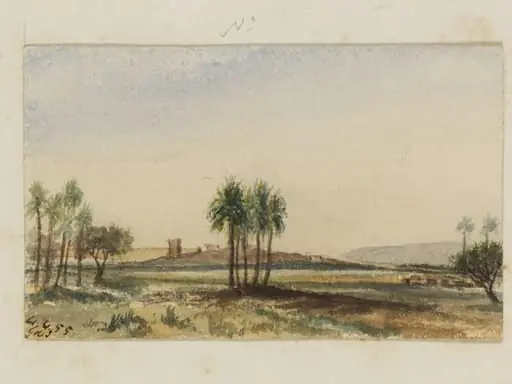 `Temple of Denderah. Distant view from bank of River. Upper Egypt'
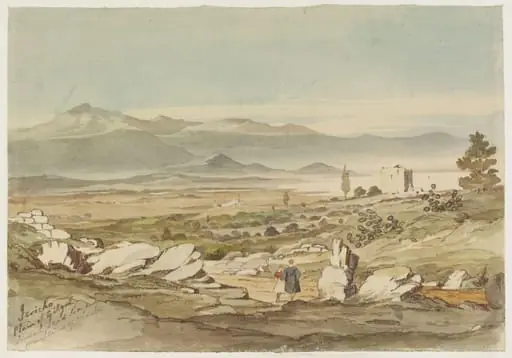 Jericho Plain of Gilgal, Jordan, Dead Sea, and Mountains of Moab
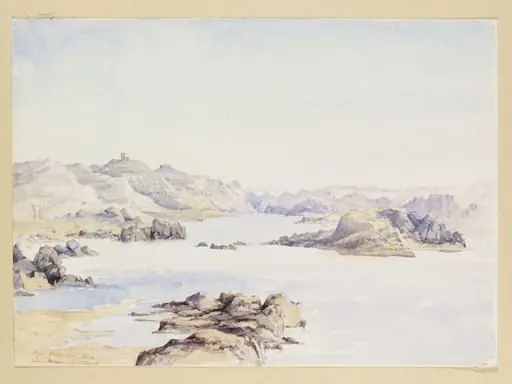 From Elephantine between Asouan and the 1st Cataract
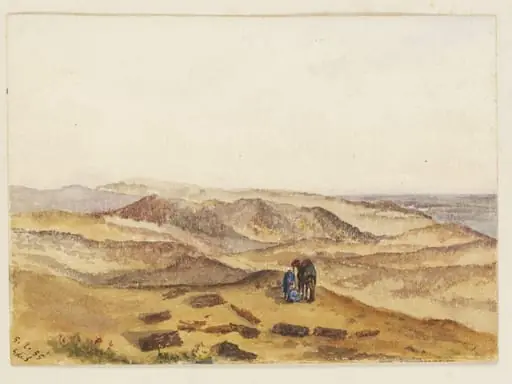 `Petrified Forest Desert near Cairo'
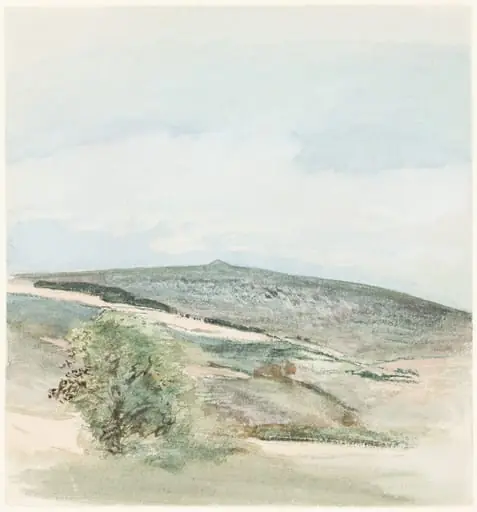 A Heath in Sussex
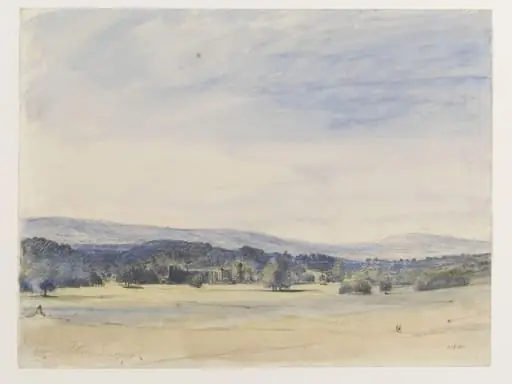 The ruins of a Cowdray House
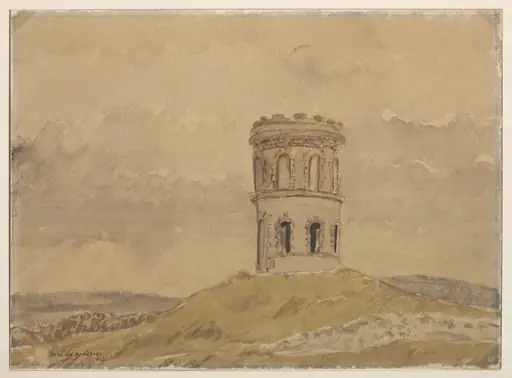 Solomon's Temple, Buxton