Artwork
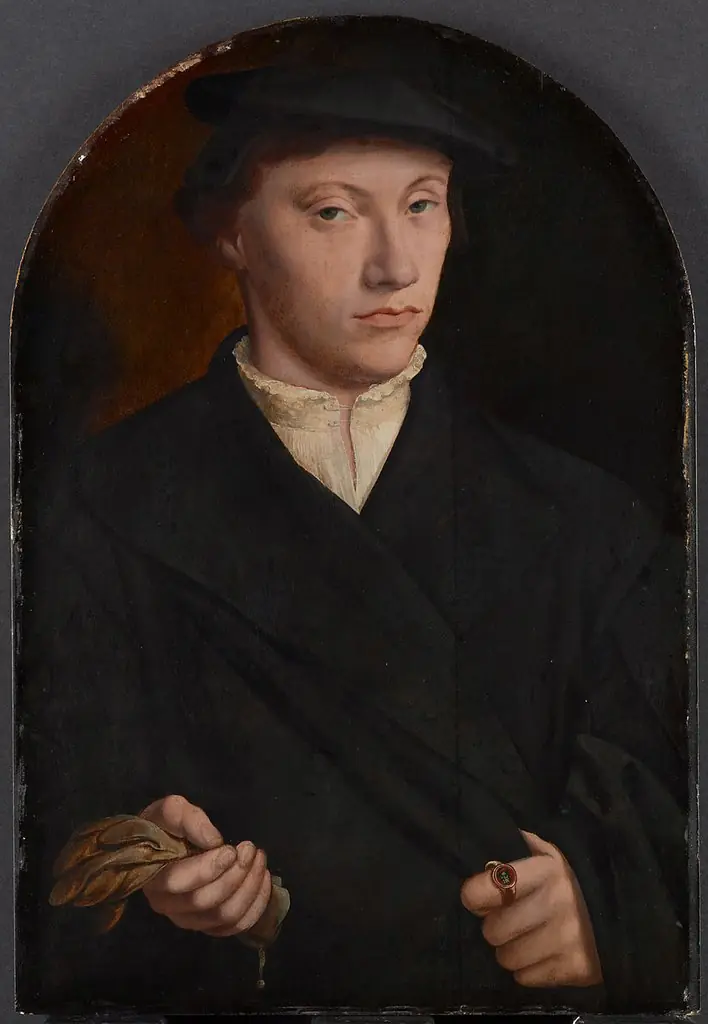
Portrait of a Man with Gloves
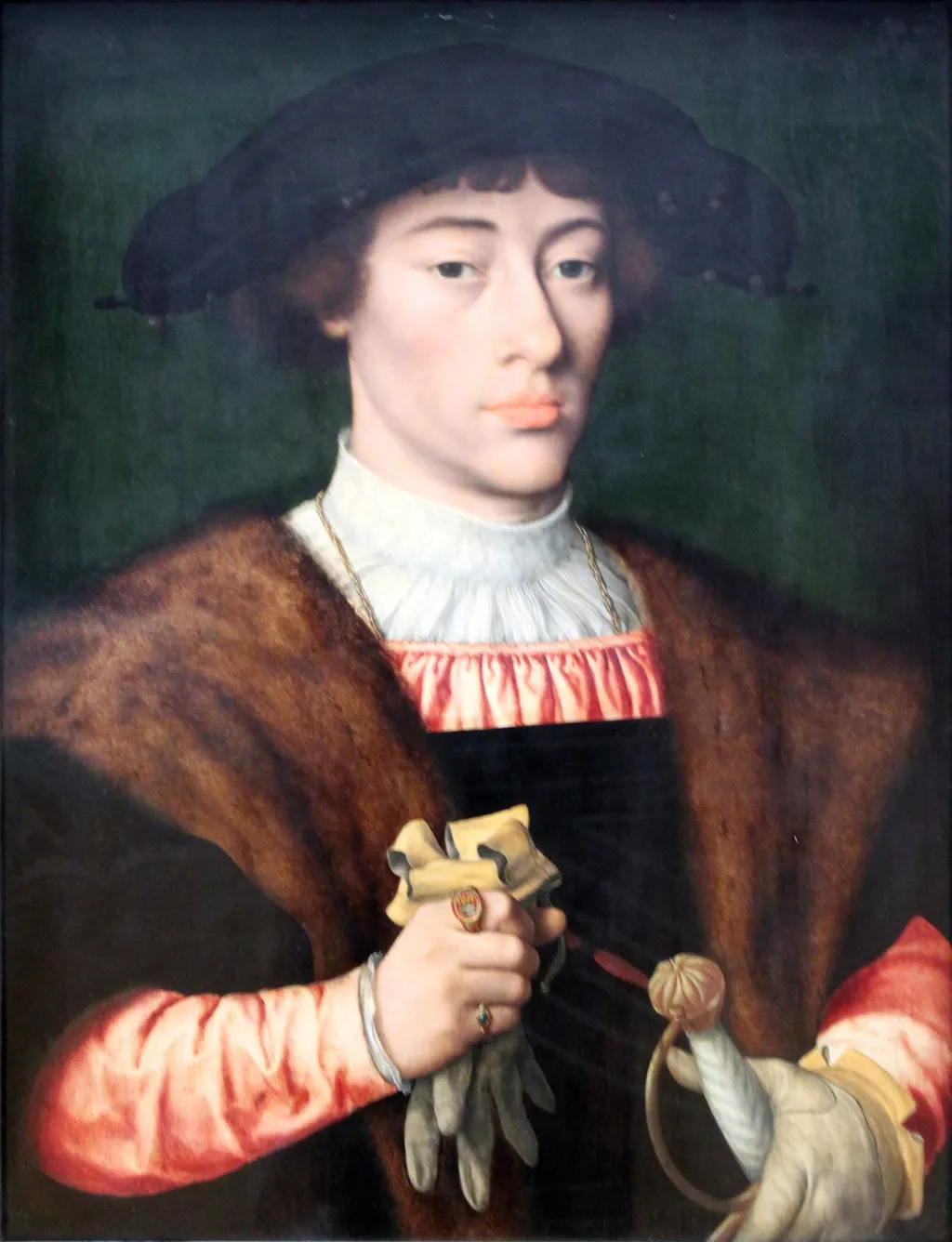
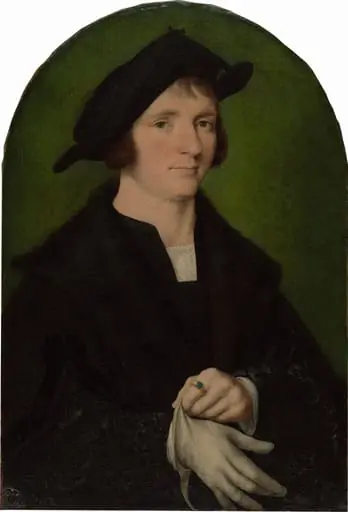
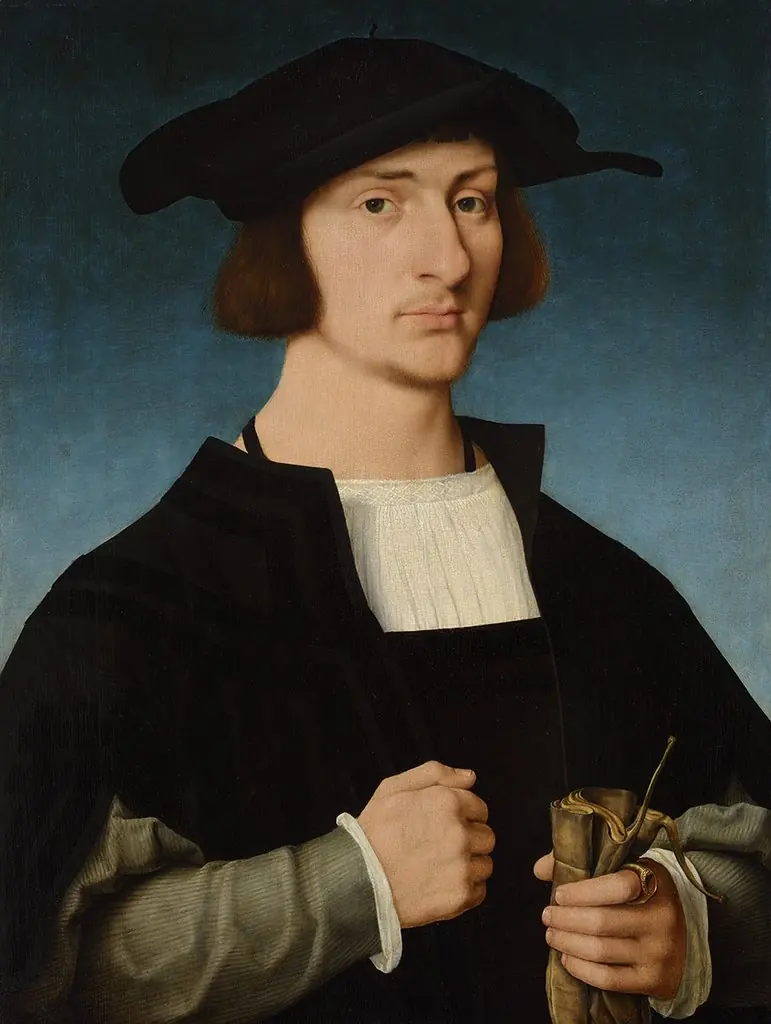
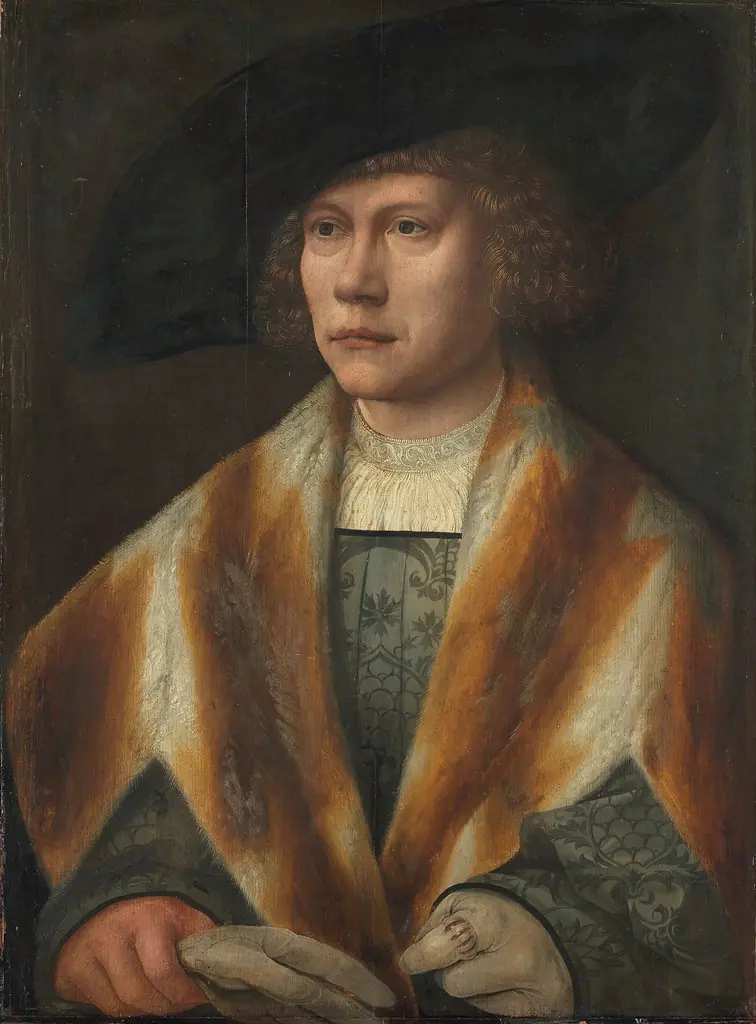
Portrait of a Man with Gloves is an oil painting by the Northern Renaissance artist Joos van Cleve. It dates from 1528 and is held in the collection of the Gemäldegalerie Berlin.
About this work
Overview
Measuring 62 by 47 centimeters, the half-length portrait depicts an unidentified male sitter holding a pair of gloves against a dark background.
Portrait of a Man with Gloves is a 1528 oil on panel painting by the Netherlandish artist Joos van Cleve. Measuring 62 by 47 centimeters, the half-length portrait depicts an unidentified male sitter holding a pair of gloves against a dark background. The work is currently held in the Gemaldegalerie Berlin. The painting stands as a significant example of Antwerp portraiture from the early sixteenth century, demonstrating the fusion of Northern European detail with Italian Renaissance influences that characterized van Cleve's output.
Subject & Meaning
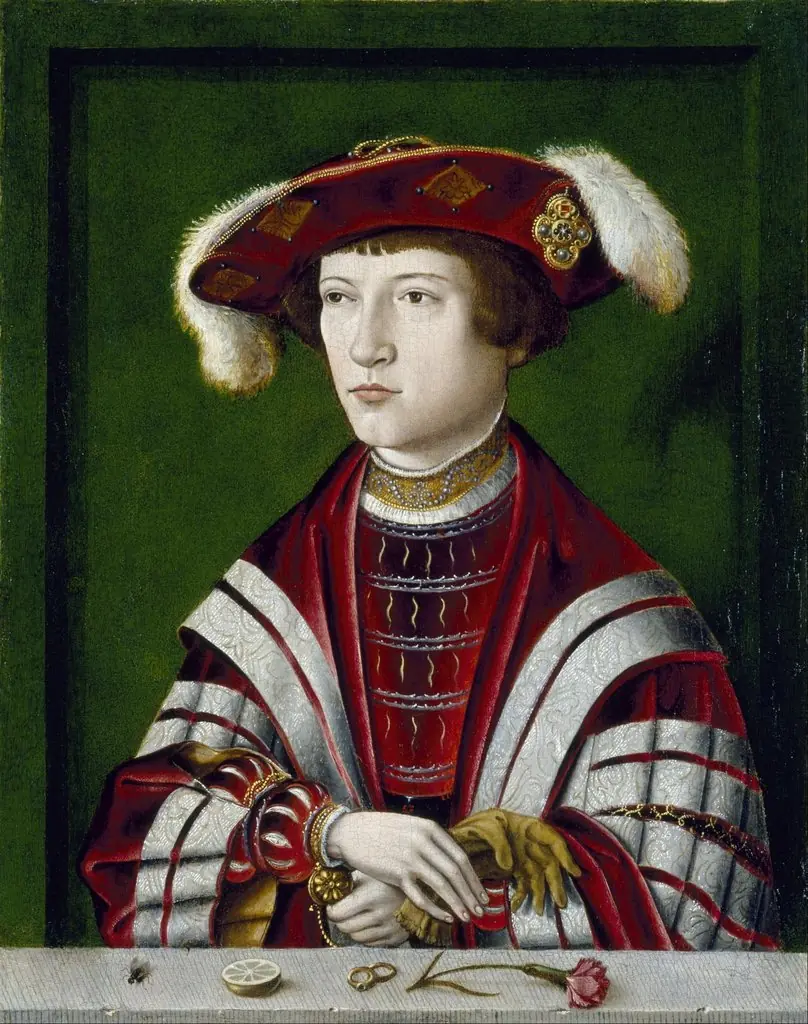
The painting portrays an unidentified man turned three-quarters toward the viewer against a dark green background. He wears a large black beret and a white pleated collar, complemented by a black bodice crossed by a red satin band, red puffed sleeves, and a heavy brown fur stole draped over his shoulders. A gold chain encircles his neck, and he wears two rings alongside a silver bracelet on his right hand. In his right hand he holds a pair of tan leather gloves, with the left glove hanging by a cord. During this period, gloves and fine accessories often functioned as symbols of the sitter's social status and gentility.
Technique & Style
Executed in oil on a wooden panel, the artwork features a smooth paint surface with fine detail in the rendering of fabrics and fur. Light falls evenly across the figure, leaving the background in shadow and emphasizing the textural contrasts of the red satin, brown fur, and tan leather. Van Cleve's approach to portraiture frequently incorporated Italian influences, particularly the introduction of Leonardesque sfumato in his later works. This synthesis of precise Northern European realism with Italian compositional and atmospheric elements defines the stylistic qualities of his portraiture.
History & Provenance
Created in 1528, the painting eventually passed into the collection of Georg Andreas Reimer. The provenance of a closely related portrait of a man, attributed variably to Joos van Cleve or his son Cornelis van Cleve, reveals a dramatic ownership chain. That work was owned by the Bromberg family in Hamburg before being sold under duress in 1938. It passed through several dealers, including F. Kleinberger and Victor Mandl, before being purchased by Galerie Maria Almas Dietrich in Munich in 1941. The Reichskanzlei acquired it for the intended Fuhrermuseum in Linz, but Allied Monuments Men recovered it from the salt mines at Alt-Aussee in 1945. The Portrait of a Man with Gloves is now accessioned in the Gemaldegalerie Berlin.
Context
Joos van Cleve was among the leading painters in Antwerp in the early sixteenth century, though his biography remains uncertain. He is recorded in the Antwerp Guild in 1511, and his first dated work is from 1507. He operated a large and active workshop that produced numerous religious pictures and a coherent corpus of portraits. His later works from the 1530s sometimes betray Italian influences. Scholarly debate surrounds the attribution of some late portraits, with John Oliver Hand questioning Friedlander's definition of the late works and suggesting the hand of an unidentified artist. Some portraits, such as those of Francois I of France, carry documentary authority, though the broader corpus requires ongoing revision.
Own this work as a print
Artist & collection
Artist
Joos van Cleve (; also Joos van der Beke; c. 1485–1490 – 1540/1541) was a leading painter active in Antwerp from his arrival there around 1511 until his death in 1540 or 1541. Within Dutch and Flemish Renaissance…