Artwork
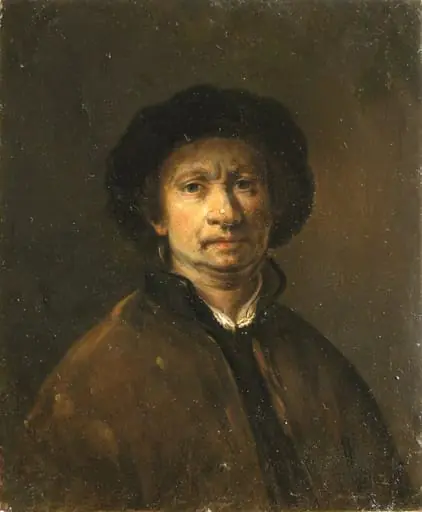
Self portrait
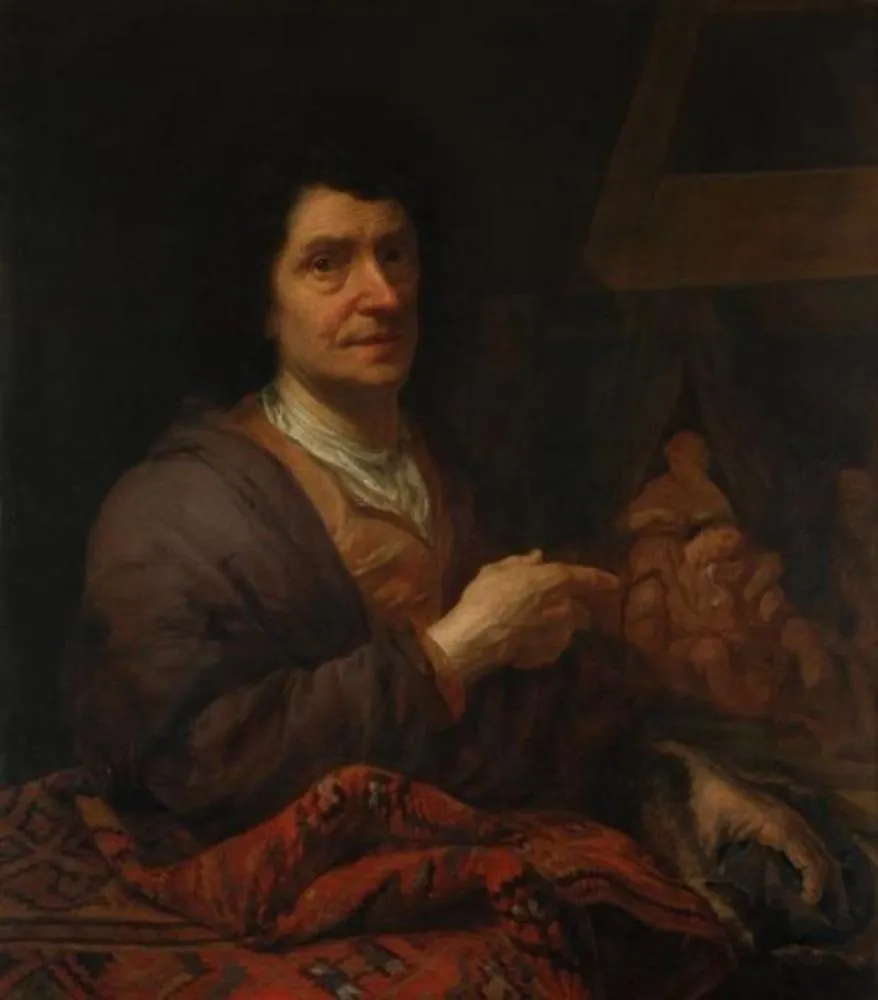
Self portrait is an oil painting by the Dutch Golden Age artist Joost van Geel. It dates from 1690 and is held in the collection of the Rijksmuseum.
About this work
Subject & Meaning
This 1680 oil painting functions as a self-portrait, with the artist Joost van Geel serving as both the creator and the sole subject depicted.
This 1680 oil painting functions as a self-portrait, with the artist Joost van Geel serving as both the creator and the sole subject depicted. The work's iconography is direct, focusing entirely on the physical likeness of the painter without additional allegorical figures or complex symbolic attributes noted in available records. As a genre piece, it represents a straightforward documentation of the artist's appearance during the late seventeenth century.
The composition emphasizes the individual identity of van Geel, adhering to the traditional conventions of self-representation where the artist acts as the main subject of the study.
Technique & Style
The painting is executed in oil on canvas, a medium characteristic of Dutch portraiture of the late seventeenth century. The support dimensions are approximately 84.5 cm in height by 74.5 cm in width, with slight variations recorded between sources. Handling is consistent with the period’s refined brushwork, employing smooth glazes to model the face and costume with subtle transitions in tone rather than visible impasto.
The composition is frontal, with the sitter positioned close to the picture plane, directing attention to the face and the restrained, direct gaze. These formal choices emphasize psychological presence over elaborate setting, aligning with the restrained self-representation typical of Dutch self-portraits of the era.
History & Provenance
Joost van Geel executed this oil on canvas self-portrait in 1680. The work measures 84.5 by 74.5 cm and depicts the artist himself. Historical records indicate that the painting was once owned by Gerrit van der Pot. The artwork is currently held in the collections of the Rijksmuseum and the Museum Rotterdam.
The work is held in the collections of Rijksmuseum and Museum Rotterdam, where it is catalogued under the accession numbers linked to Gerrit van der Pot’s ownership. It was exhibited in the Rijksmuseum’s 1980 retrospective of Dutch Golden Age portraiture and later featured in the Museum Rotterdam’s 1995 exhibition on self-portraits from the late 17th century.
Legacy
Joost van Geel's 1680 self portrait entered several prominent Dutch collections including the Rijksmuseum and Museum Rotterdam, where it remains on view as an exemplar of 17th-century portraiture. Contemporary scholars cite the work as an early influence on later Dutch portraitists who emphasized psychological depth in self representation. The painting's provenance through Gerrit van der Pot illustrates the circulation of portraiture among elite patrons in the late 17th century, a pattern that shaped collecting practices in the Netherlands.
Overview
Created in 1690, this oil on canvas is a self‑portrait by the Dutch painter Joost van Geel. The work is part of the Rijksmuseum’s collection and presents the artist seated, his gaze directed toward the viewer. The composition is framed by a dark background that isolates the figure and emphasizes his facial features.
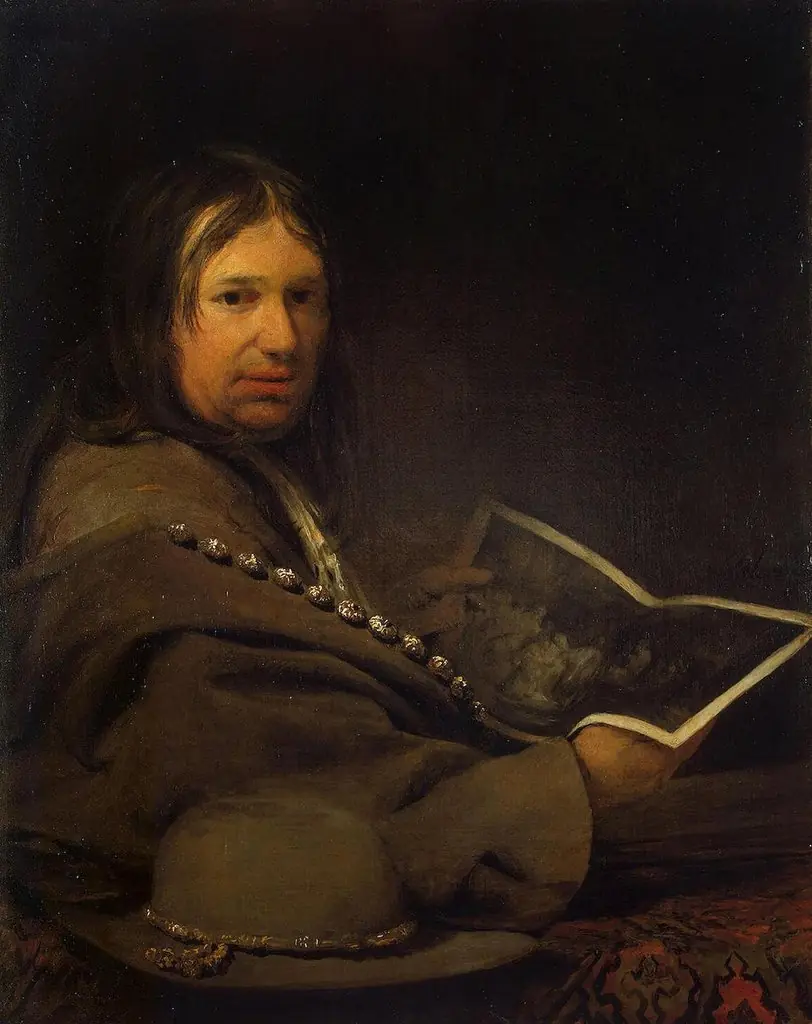
Artist & collection
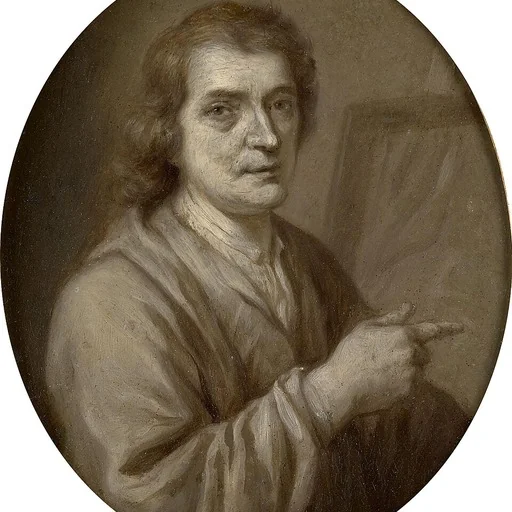

- Portrait of a Collector
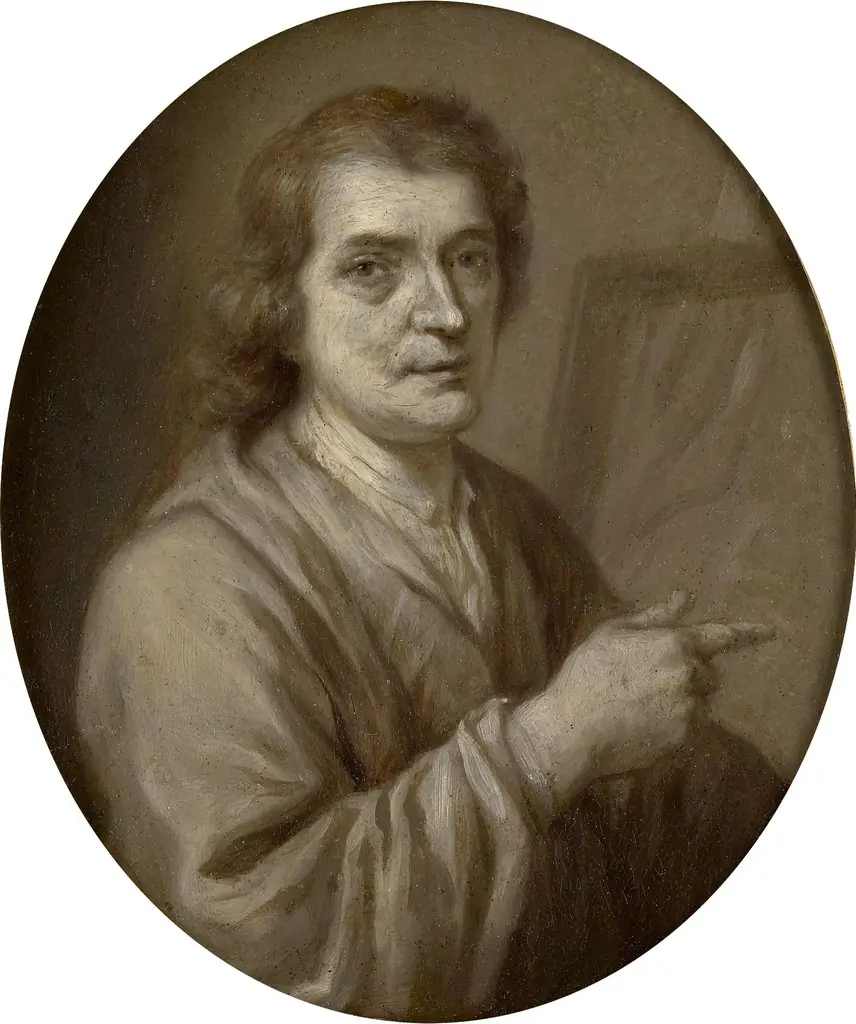 Portrait of Joost van Geel, Painter and Poet in Rotterdam
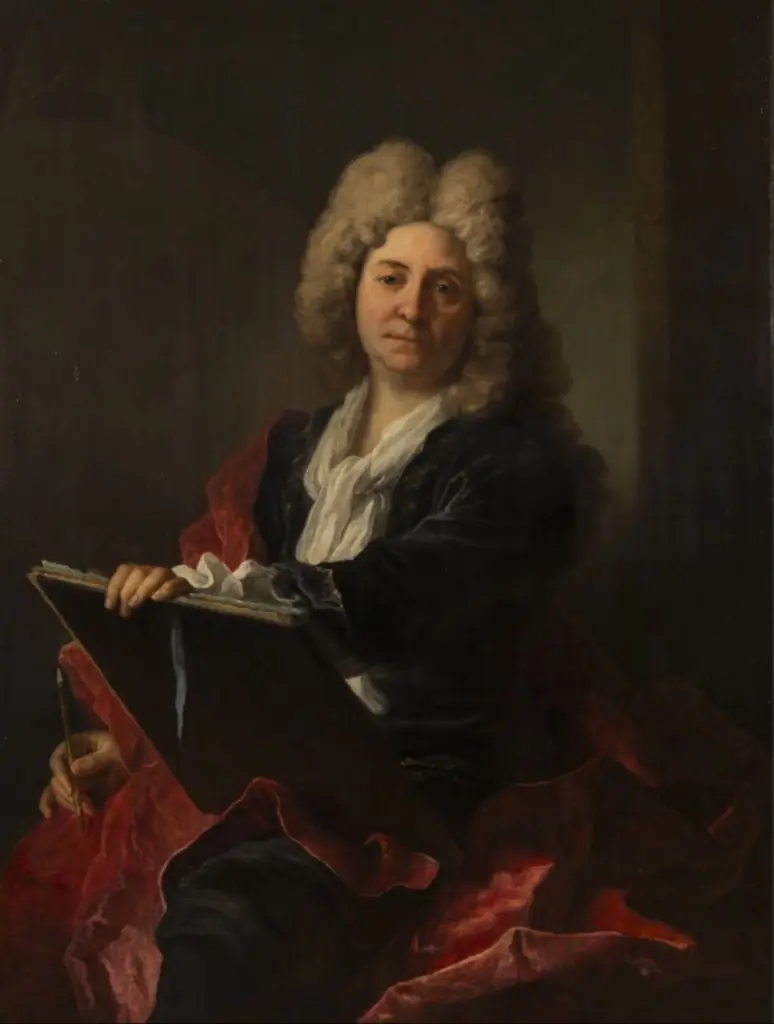 Portrait of Antoine Coypel
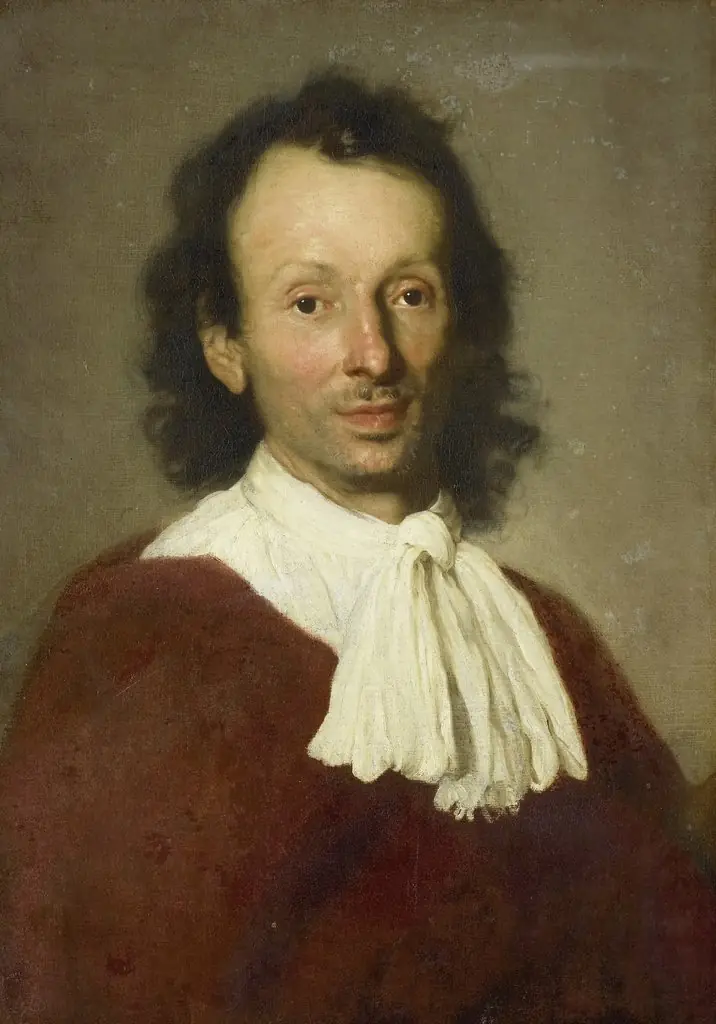 Portrait of a Man
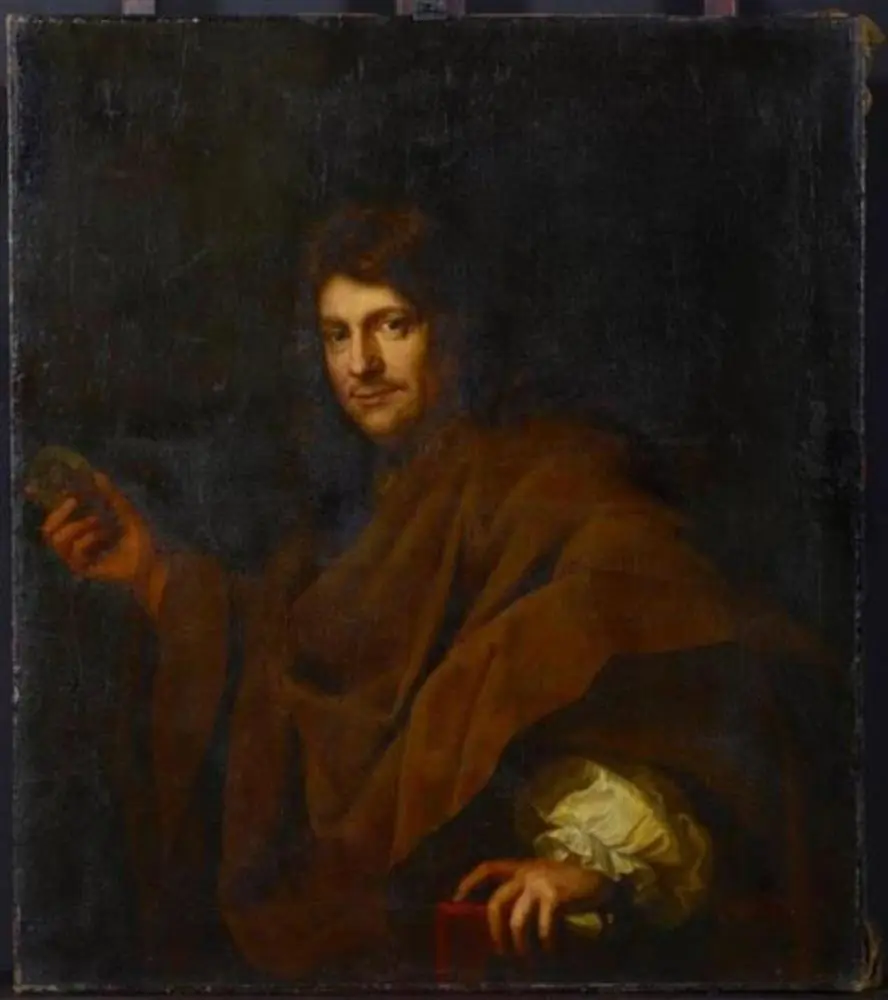 Self portrait of Jan de Baen (1633-1702)
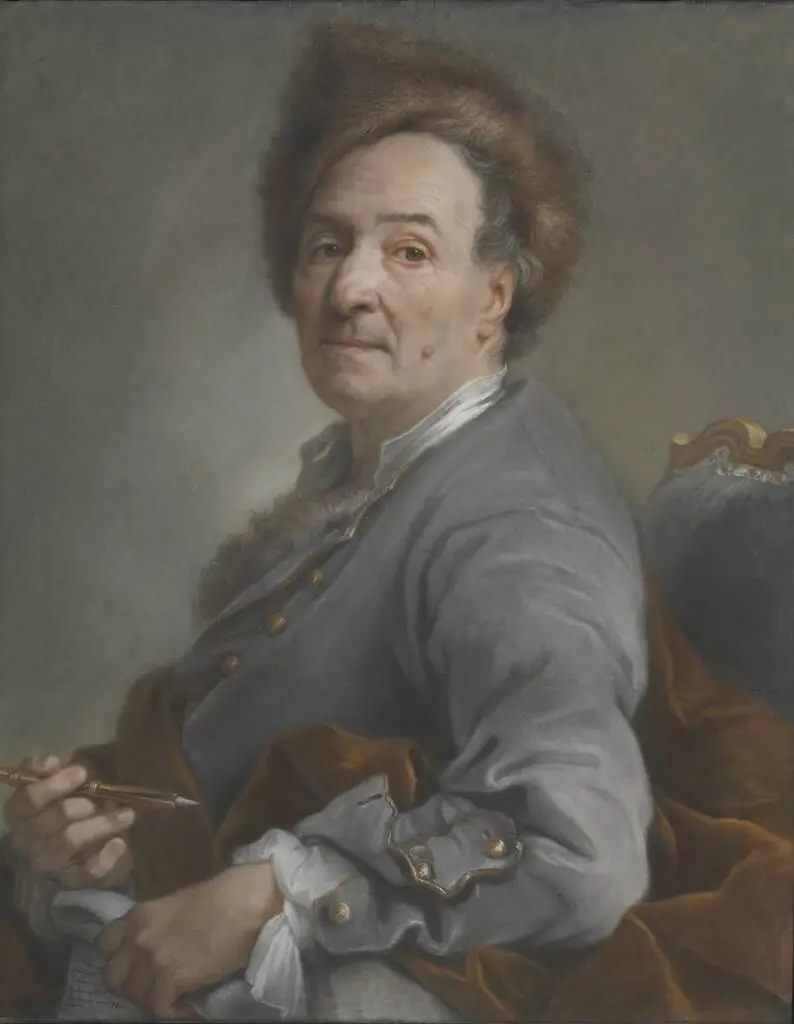 Selbstbildnis mit Pelzmütze
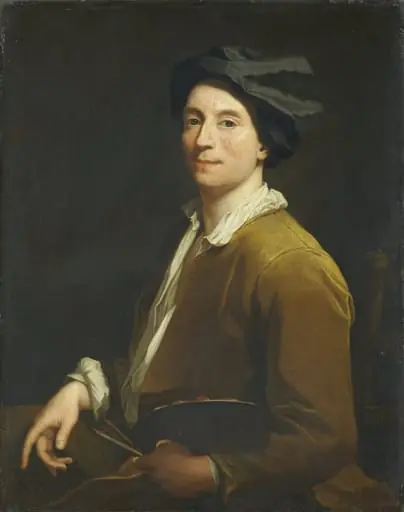 Portrait of a Painter, probably a Self Portrait
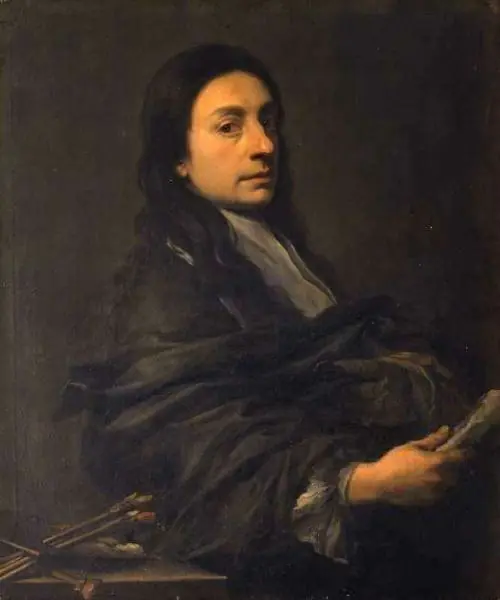 Self-portrait
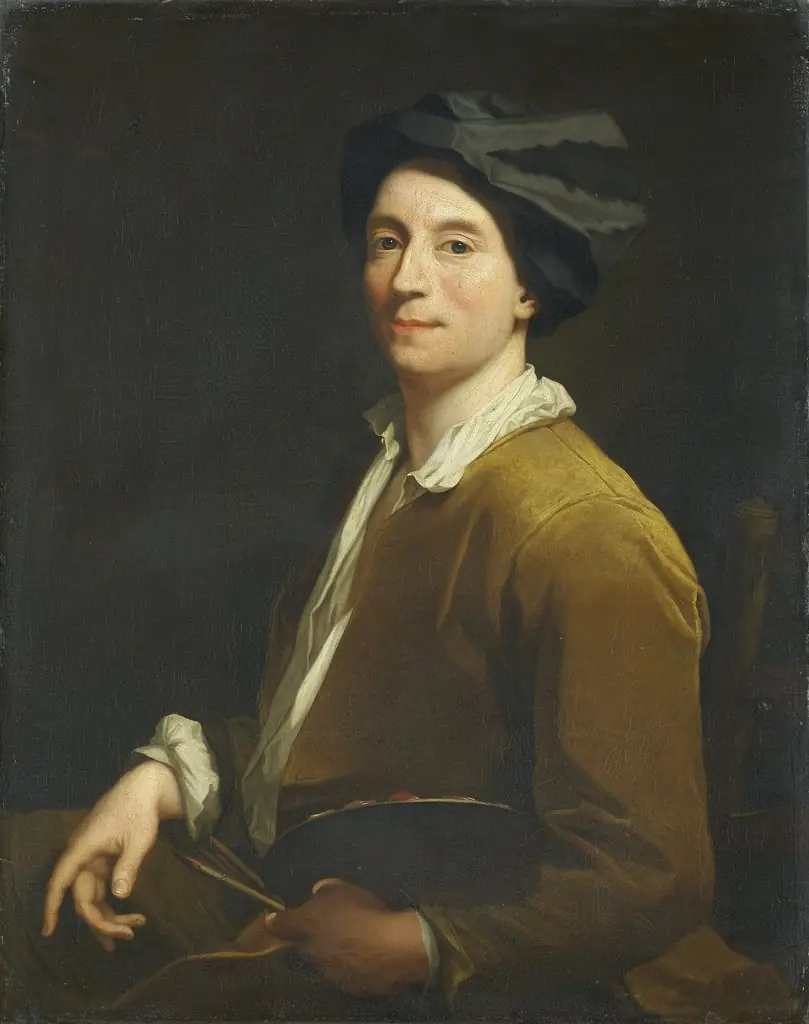 Portrait of a Painter, probably a Self Portrait
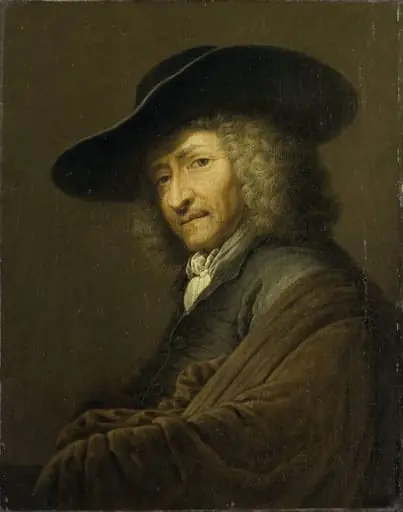 Jan Pietersz Zomer (1641-1724). Amsterdam Art Dealer
 Autoportret
 Pipăitul