Artwork
San Agustín recibe a Cristo peregrino
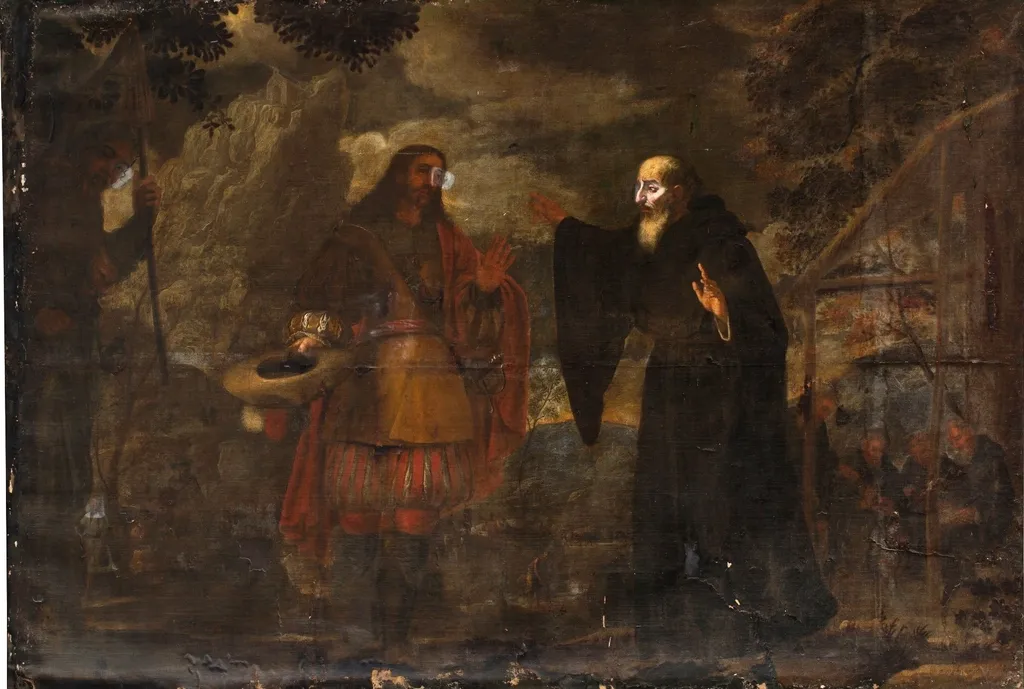
San Agustín recibe a Cristo peregrino is an oil painting by the Early Baroque Italian artist José García Hidalgo. It dates from 1663 and is held in the collection of the Museo del Prado.
About this work
Subject & Meaning
The painting portrays Saint Augustine of Hippo receiving the pilgrim Christ, an episode drawn from the saint’s legendary encounter that emphasizes his role as a teacher and his spiritual conversion. In this composition, Augustine is shown in a moment of contemplative reception, symbolizing the meeting of divine wisdom with the wandering seeker and underscoring themes of faith, guidance, and the transformative power of divine encounter.
The iconography combines traditional attributes of Augustine, a mitre, crozier, and open book, with the figure of Christ as a humble pilgrim, a visual cue that links Augustine’s scholarly authority to a personal, intimate reception of the divine. This juxtaposition reinforces the narrative of Augustine’s own conversion and his later role as a Doctor of the Church, making the work a visual sermon on the intersection of scholarly inquiry and spiritual revelation.
Technique & Style
San Agustín recibe a Cristo peregrino is an oil painting executed on canvas, a support consistent with the large-scale format of the work.
San Agustín recibe a Cristo peregrino is an oil painting executed on canvas, a support consistent with the large-scale format of the work. The canvas measures 212 cm in height by 307 cm in width, dimensions that situate the composition within the category of monumental religious canvases typical of the period.
Stylistically, the painting belongs to the religious genre and reflects the pictorial conventions of mid-to-late seventeenth-century Spanish devotional art associated with José García Hidalgo. The work is held in the collection of the Museo del Prado, where its condition and presentation can be assessed directly.
The sources do not provide further detail on specific handling, brushwork, palette, or current conservation state.
History & Provenance
José García Hidalgo created the oil painting San Agustín recibe a Cristo peregrino in 1663. Executed on canvas, the work depicts Augustine of Hippo within a religious context. The painting currently belongs to the collection of the Museo del Prado, where it is held as part of their holdings.
Overview
Created in 1663 by the Spanish painter José García Hidalgo, known in his day as El Castellano, this oil on canvas portrays a biblical encounter set against a stark, rocky landscape. The composition centers on two figures illuminated against deep shadows, while a third, partially concealed, adds narrative depth. The work is part of the Prado Museum’s collection and reflects the early Baroque sensibility that was spreading from Italy to Spain.
Own this work as a print
Artist & collection
Artist
José García Hidalgo (1645 or 1646 – 1717 or 1719) was a Spanish painter, who wrote notes of his life, but omitted to state where and when he was born.

 God the Father painting the Immaculate Conception
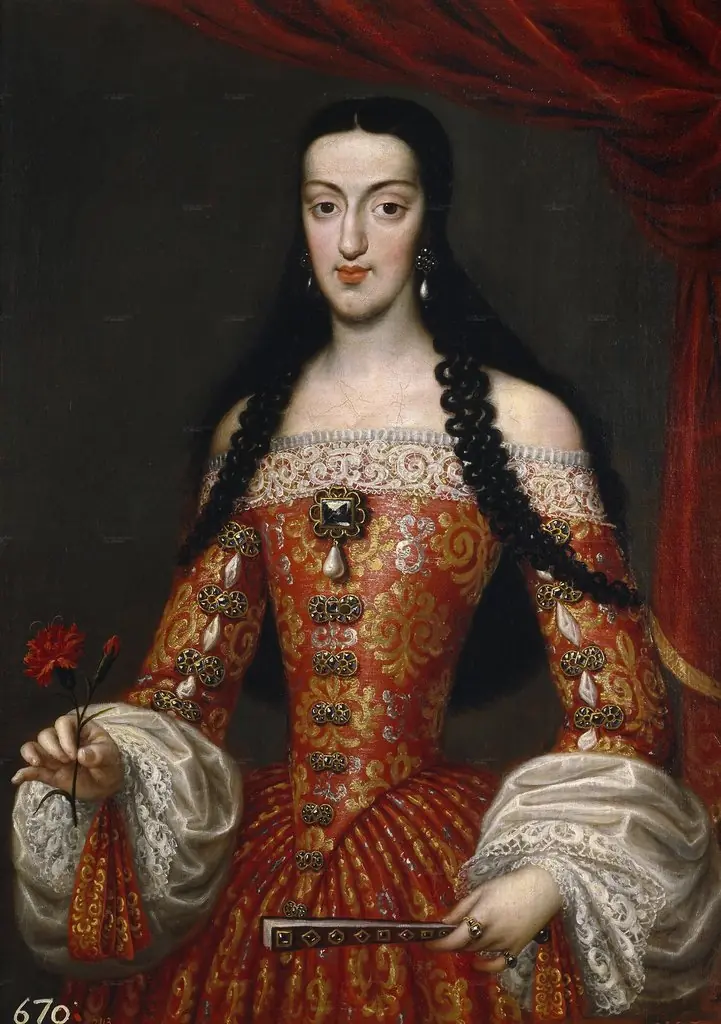 Mary Louise of Orleans, queen of Spain
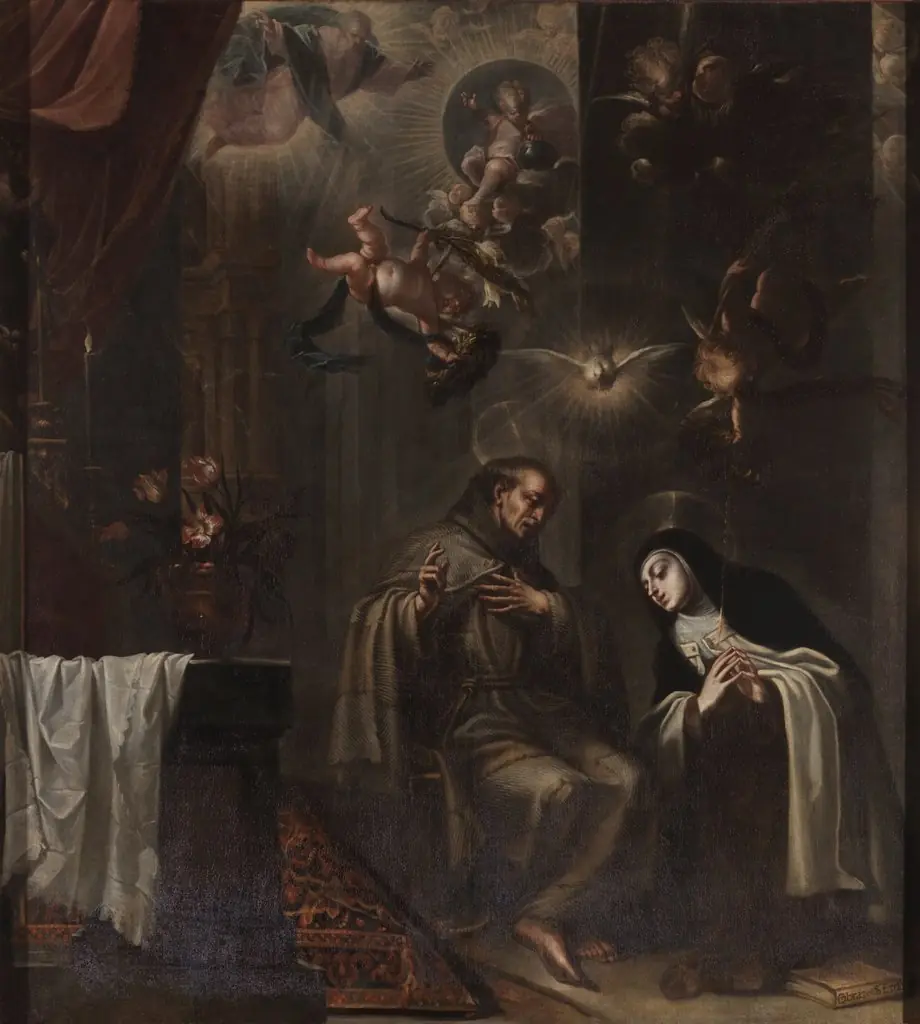 San Pedro de Alcántara confesando a Santa Teresa
 San Agustín recibiendo donaciones de los ricos para entregarlas a los pobres
 San Agustín discutiendo con el maniqueo Fortunato
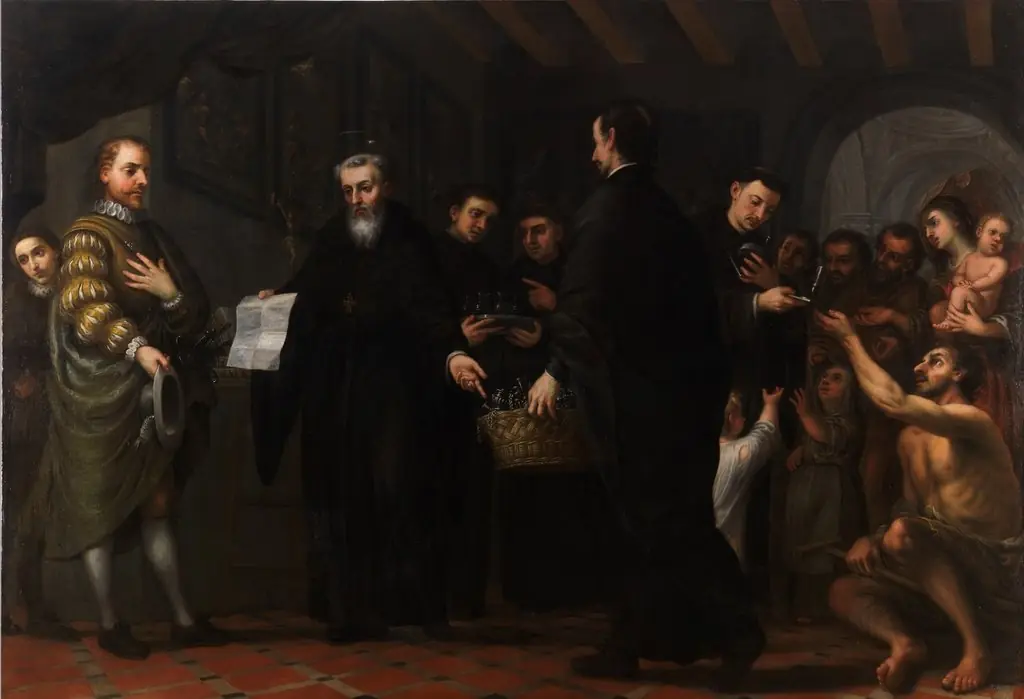 San Agustín repartiendo los bienes de los ricos entre los pobres
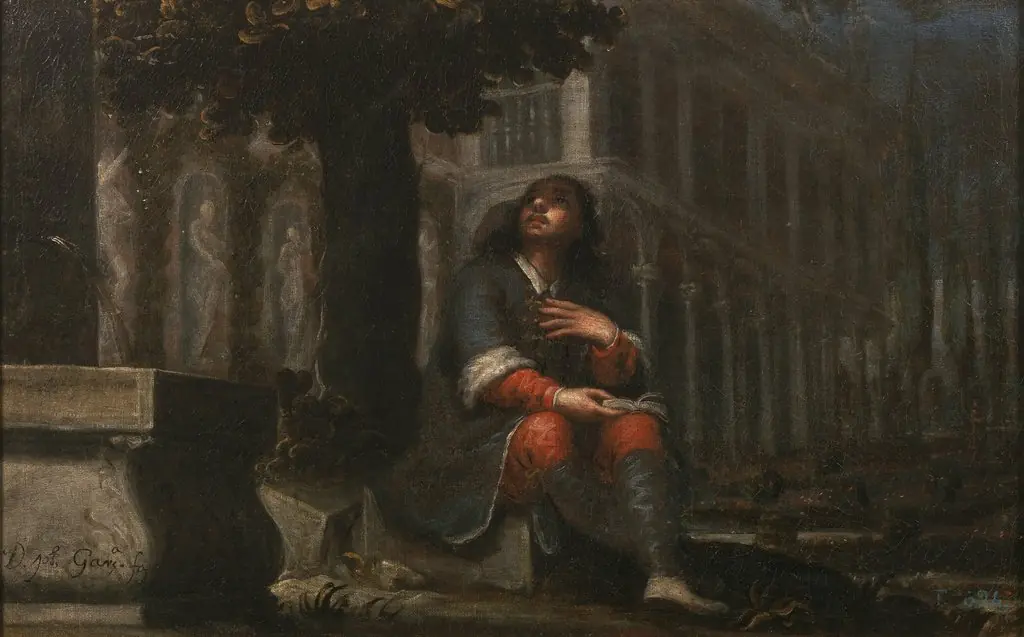 Conversion of Saint Augustin
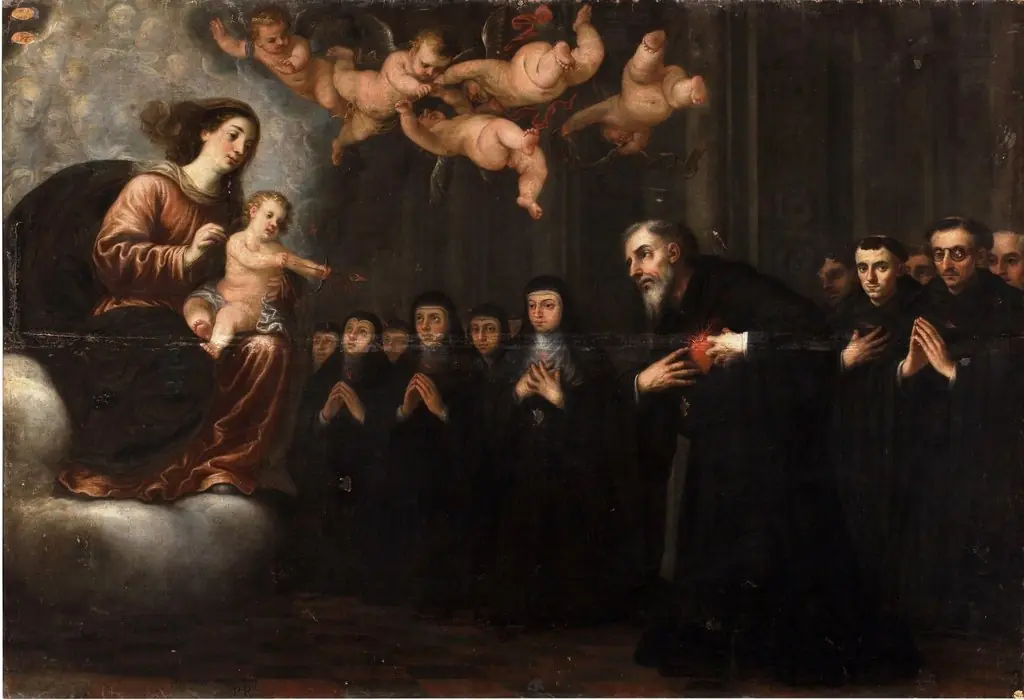 La Virgen y el Niño transverberando el corazón a San Agustín ante la comunidad de agustinos
- The Sacrifice of Isaac
 Saint Mark and Saint Luke
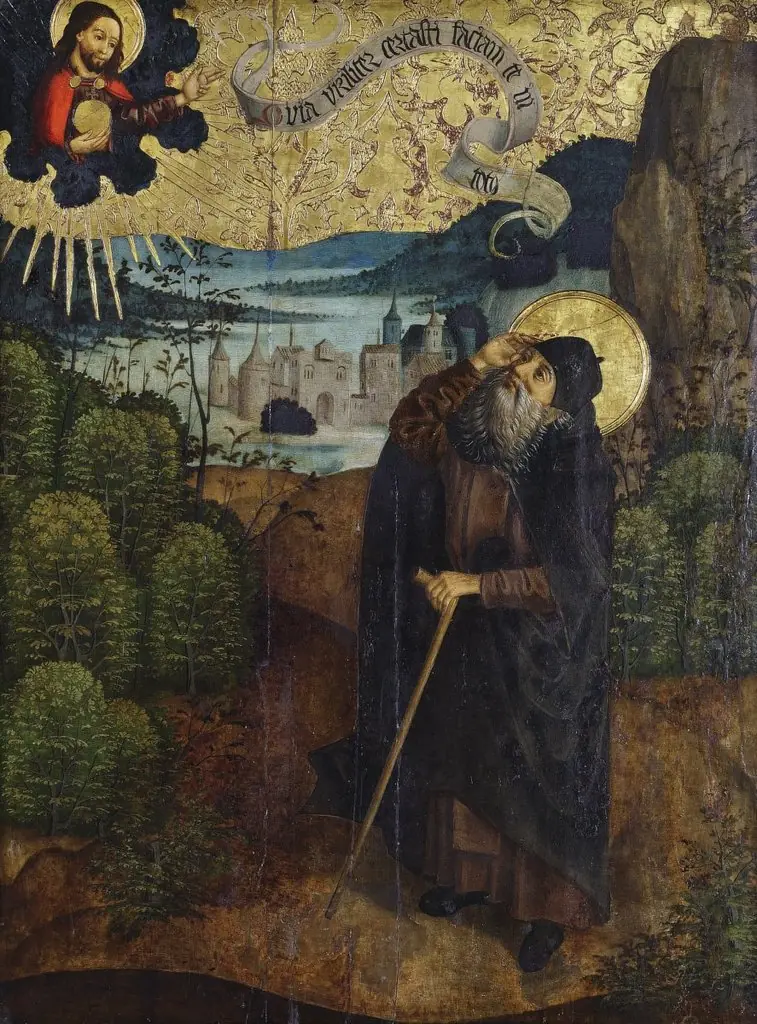 Vision of St. Anthony the Hermit, detail of an altar wing from the Church of Saint Anthony in Szepesbéla (today Spišská Belá, Slovakia)
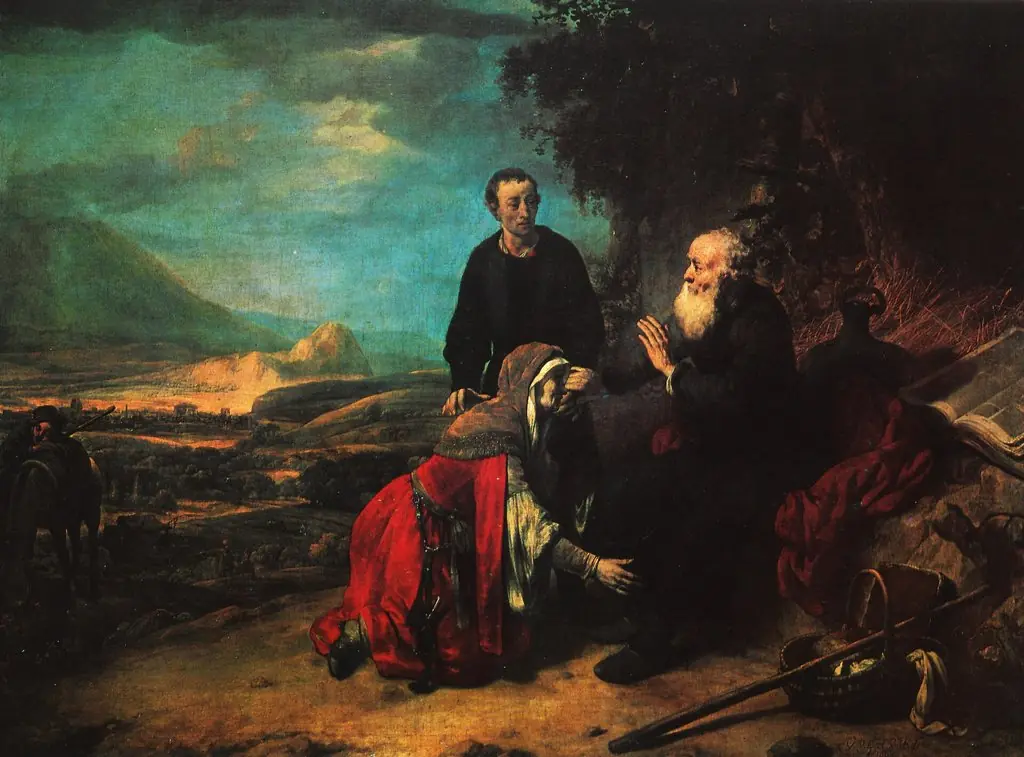 The Prophet Elisha and the Woman of Shunem
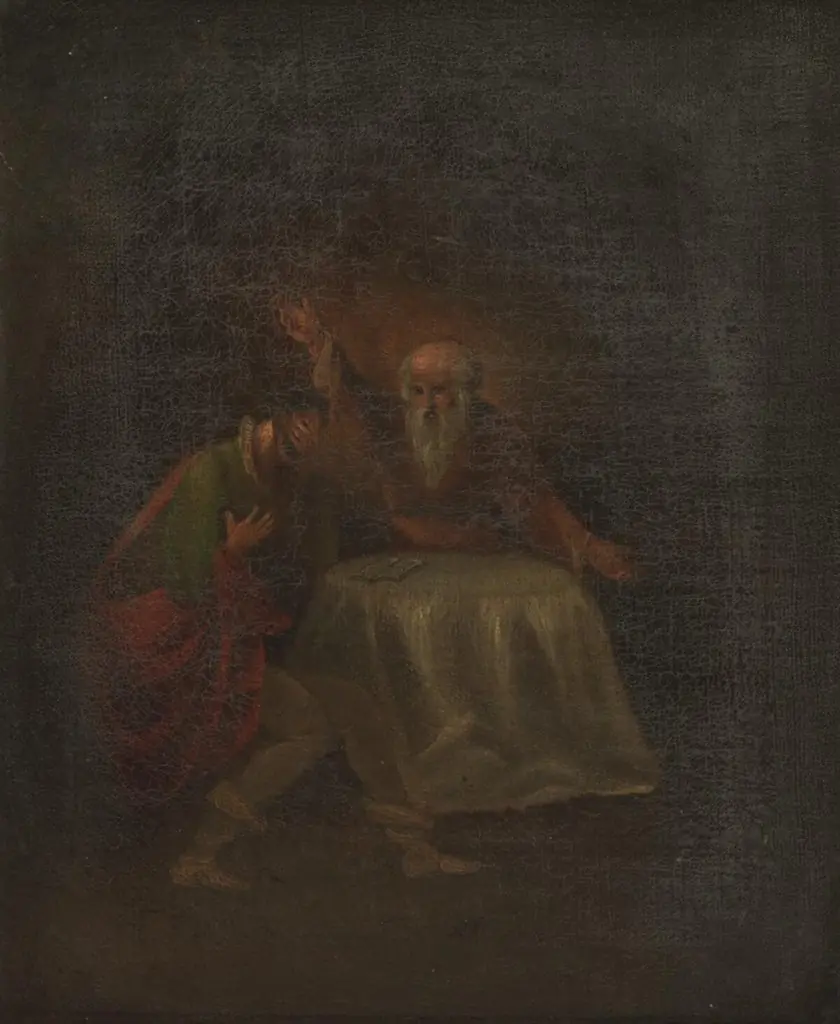 Tragedy foretold
 Visión de San Francisco de Paula
 San Diego de Alcalá en las islas Canarias
 Saint Francis of Paola
 Colón en las puertas del convento de Santa María de la Rábida pidiendo pan y agua para su hijo
 The Four Crowned at work
 Christ and the Woman Taken in Adultery
 Profeten Elias, i rød kjortel, violet gevandt og hvid turban, taler til den sunamitiske kvinde