Artwork
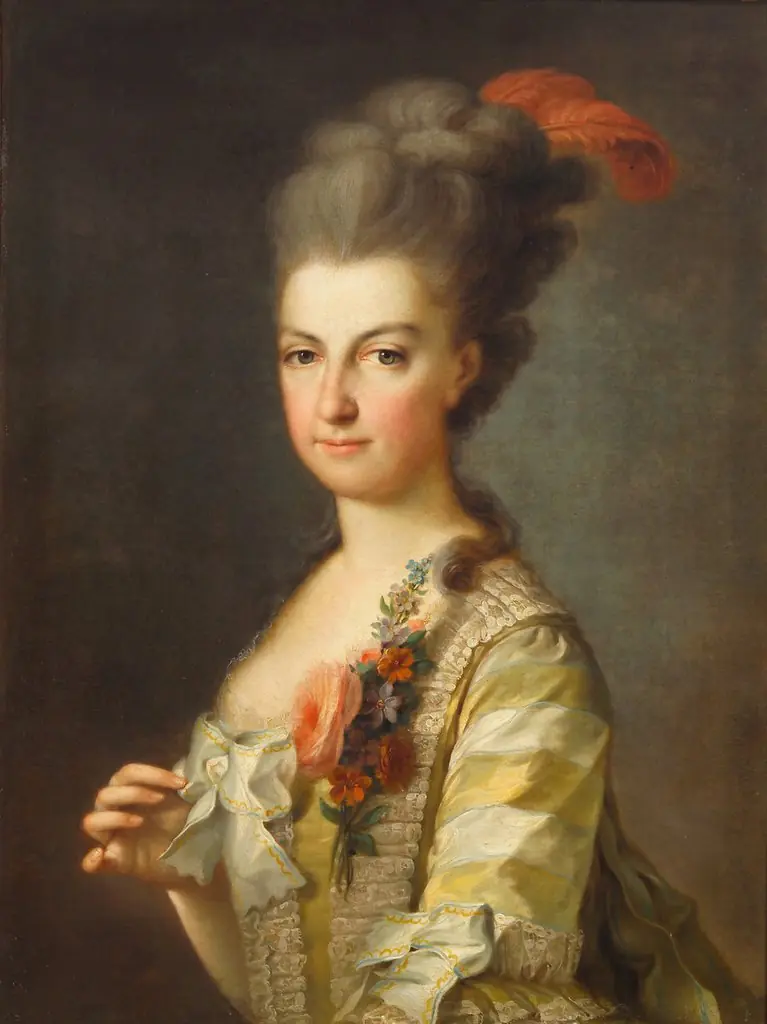
Portrait of Maria Luisa of Spain (1745-1792), Holy Roman Empress
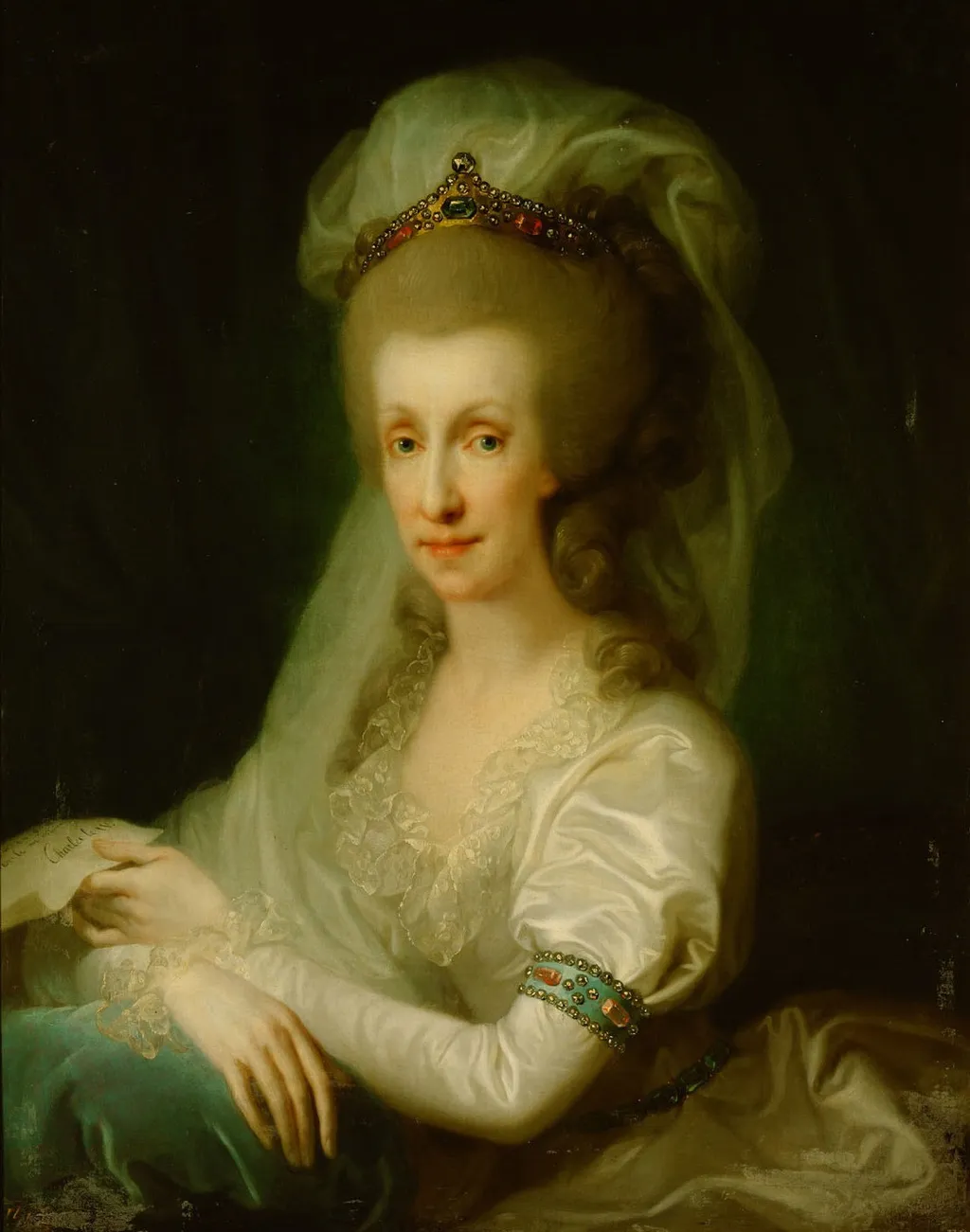
Portrait of Maria Luisa of Spain (1745-1792), Holy Roman Empress is an oil painting by the Neoclassicist artist Josef Grassi. It dates from 1796 and is held in the collection of the Kunsthistorisches Museum. The canvas, executed in oil in 1796, presents Maria Luisa of Spain, the consort of Holy Roman Emperor Leopold II.
About this work
Subject & Meaning
The portrait's iconography centers on the sitter herself, with no additional symbolic attributes documented in the available records.
The painting portrays Maria Luisa of Spain, who served as Holy Roman Empress and lived from 1745 to 1792. As a formal portrait commissioned in 1790, the work represents her in her imperial role, presenting the Spanish-born consort of Holy Roman Emperor Leopold II as a figure of dynastic and political significance.
The portrait's iconography centers on the sitter herself, with no additional symbolic attributes documented in the available records. The composition functions as a representative state image, conveying her status through the conventions of late-eighteenth-century court portraiture rather than through allegorical devices.
Its meaning lies in the visual assertion of her identity and rank: a Habsburg consort rendered by the portraitist Josef Grassi and held today in the Kunsthistorisches Museum, the work preserves the likeness of a queen whose marriage linked the Spanish and Austrian branches of the dynasty.
Technique & Style
Josef Grassi executed the portrait of Maria Luisa of Spain in 1790 using oil paint applied to a canvas support. The work measures 83 cm in height and 64 cm in width, adhering to the standard format for formal court portraiture of the era. Classified as a portrait painting, the piece depicts the Holy Roman Empress as its main subject. The artwork is currently held in the collection of the Kunsthistorisches Museum.
History & Provenance
The commissioned portrait of Maria Luisa of Spain was created in 1790 by Josef Grassi for the Habsburg imperial court, reflecting the sitter's status as Holy Roman Empress and her position within the Viennese aristocracy. The work remained in the family collection until it entered the holdings of the Kunsthistorisches Museum in Vienna, where it has been displayed as part of the museum's portrait gallery since its acquisition.
The painting's creation history is documented through its commission by imperial authorities seeking to commemorate Maria Luisa's role in court life, with Grassi's documented activity in Vienna during the 1780s supporting the attribution. Its dimensions of 83 cm by 64 cm were recorded at the time of its creation and have remained unchanged through subsequent transfers of ownership.
The painting is part of the collection at the Kunsthistorisches Museum in Vienna, where it is catalogued under accession number Inv. 2009/999. It has been featured in the museum’s permanent exhibition of Baroque portraits and was included in the 2015 special exhibition "Baroque Portraits of European Nobility" held at the same institution.
Overview
The canvas, executed in oil in 1796, presents Maria Luisa of Spain, the consort of Holy Roman Emperor Leopold II. Rendered by Austrian painter Josef Grassi, the work belongs to the late‑18th‑century neoclassical tradition and is part of the permanent collection of Vienna’s Kunsthistorisches Museum.
Context
The portrait emerges from a period when European courts favored neoclassical aesthetics to convey moral virtue and political legitimacy. Grassi, known for both portraiture and historical scenes, applied the style’s restrained elegance to emphasize the empress’s dignified presence within the broader visual culture of the late Enlightenment.
Artist & collection
Artist
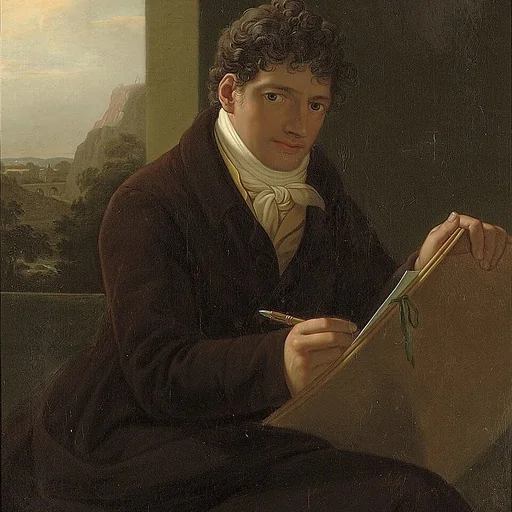
Josef Grassi (22 April 1757 – 7 January 1838) was an Austrian portrait and history painter. His middle name is usually given as "Maria", although there is evidence that it was actually "Mathias". He is also called "Giuseppe Grassi".

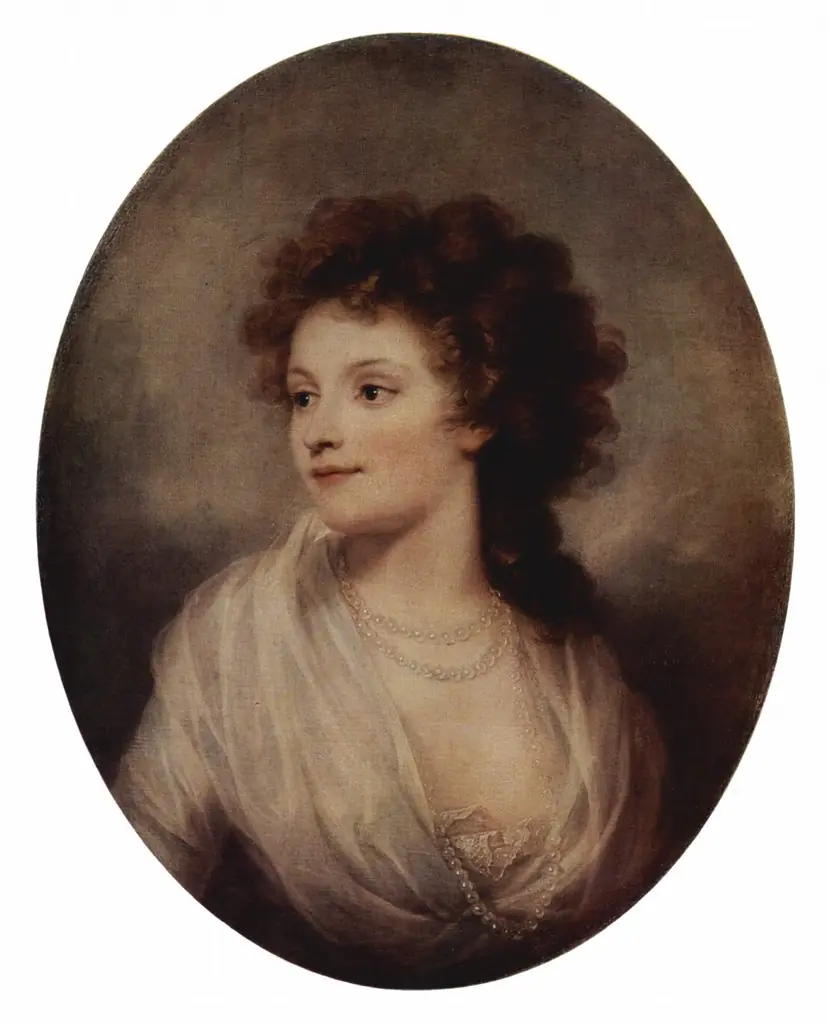 Portrait of Charlotte Bach Mannteufel
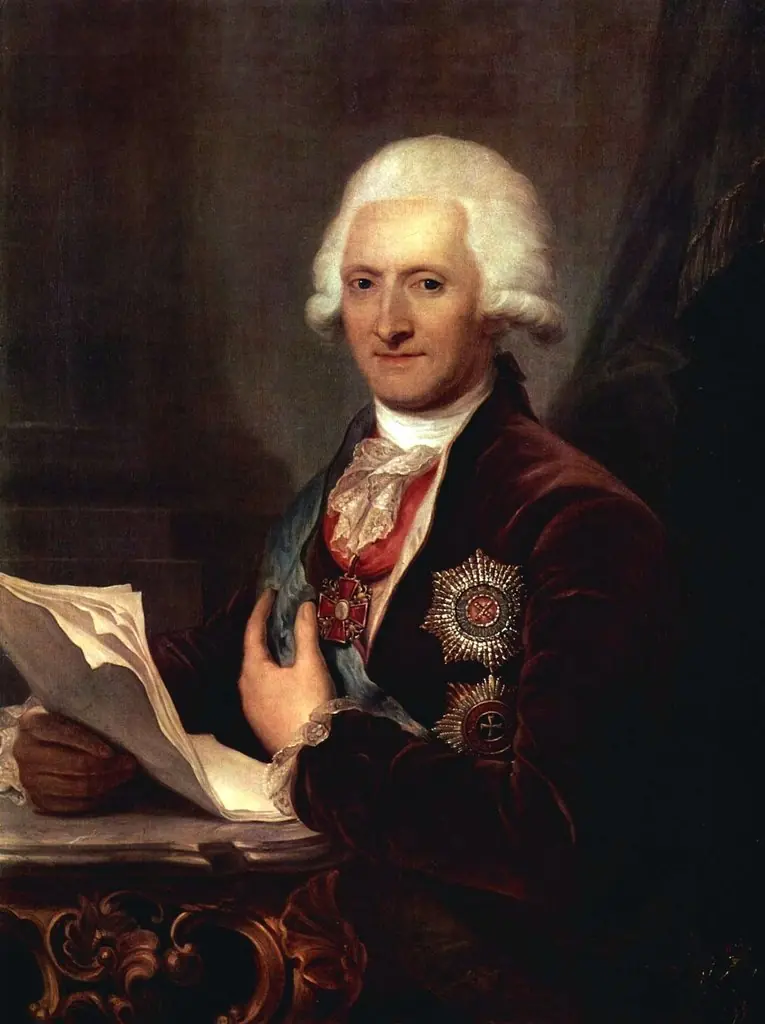 Portrait of Count J.E. Sievers
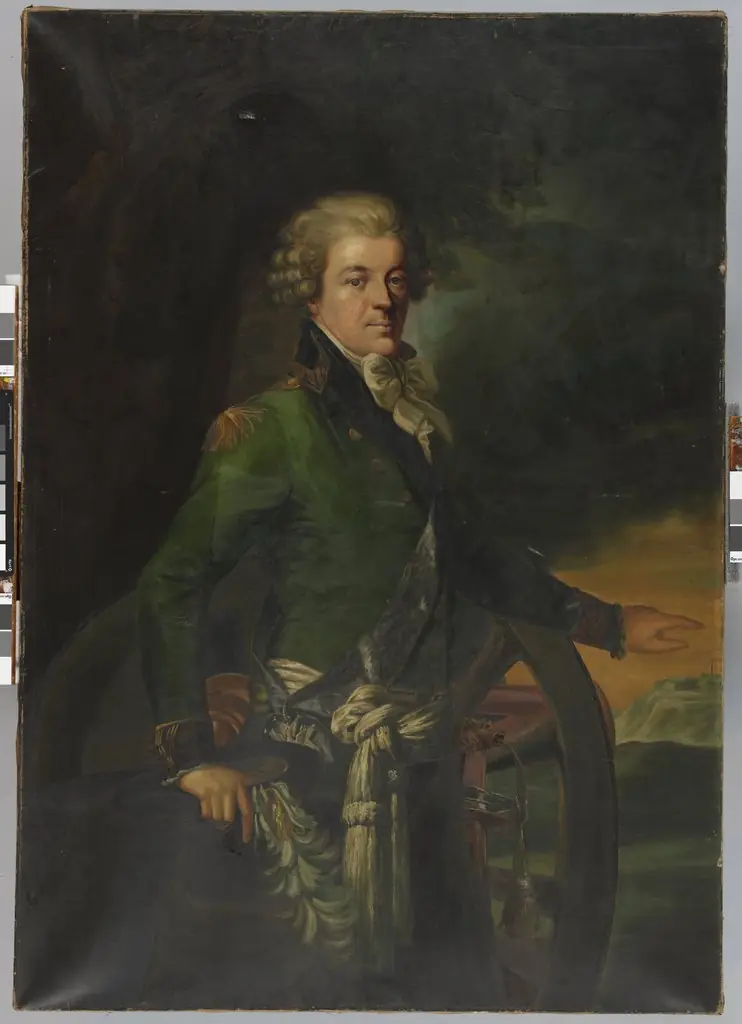 Portrait of Stanisław Kostka Potocki
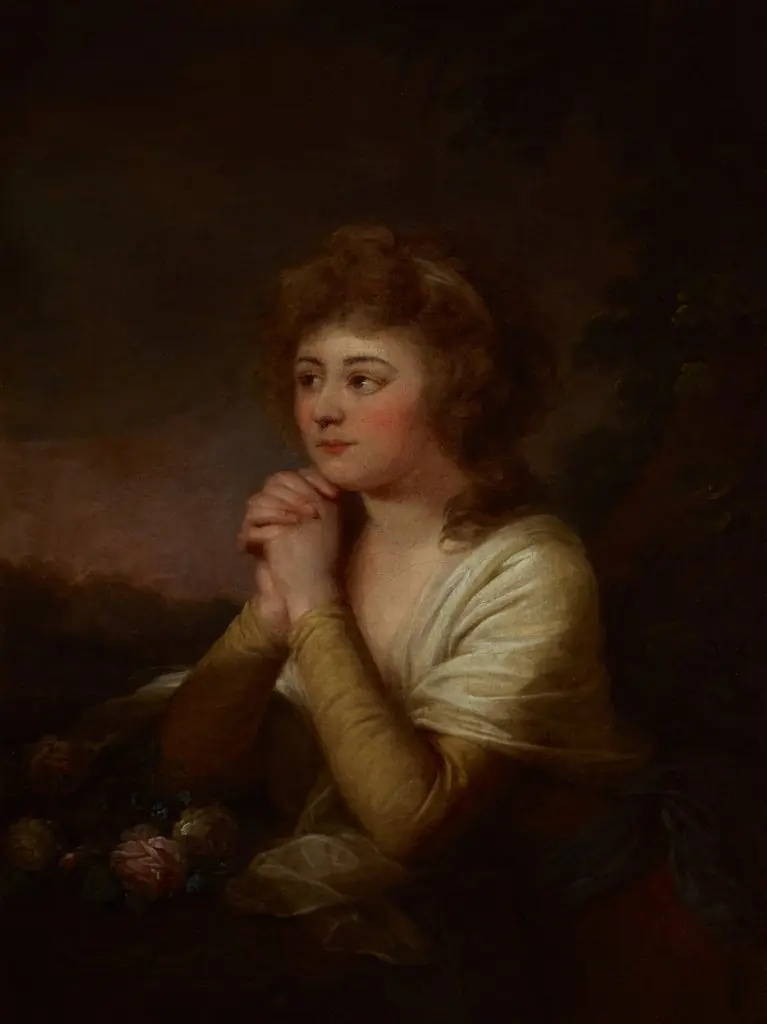 Portrait of a Lady from the Skrzyński Family
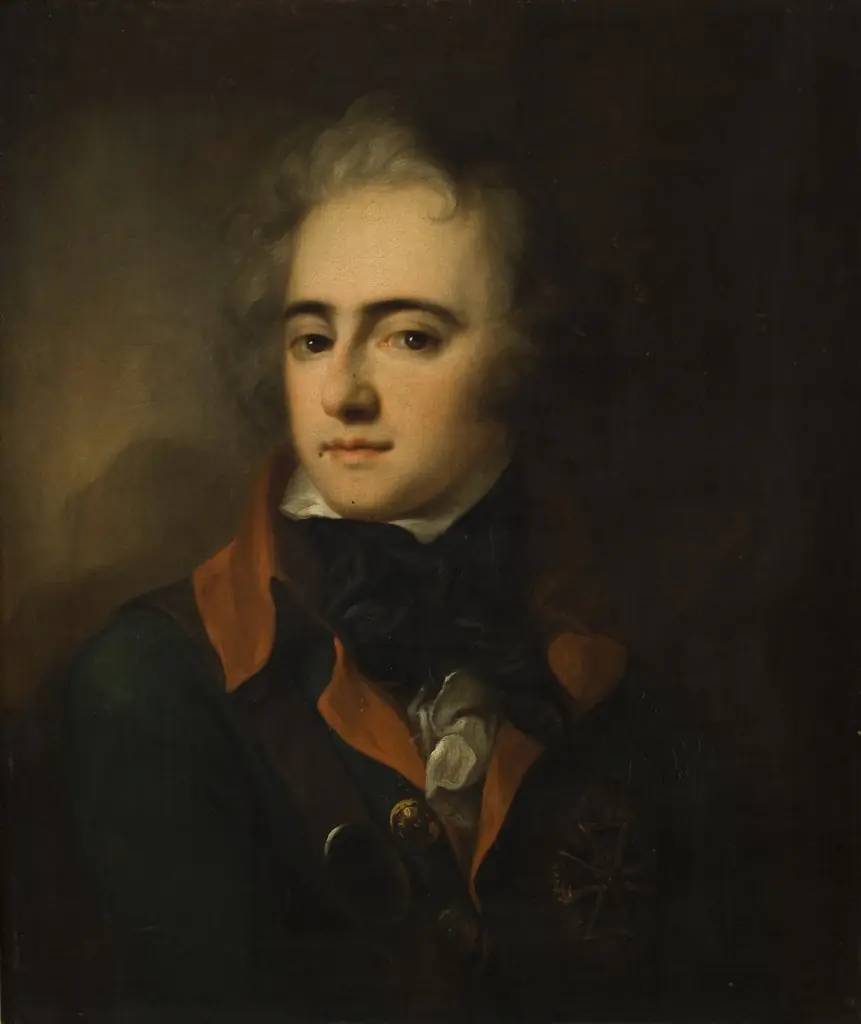 Portrait of Prince Józef Poniatowski
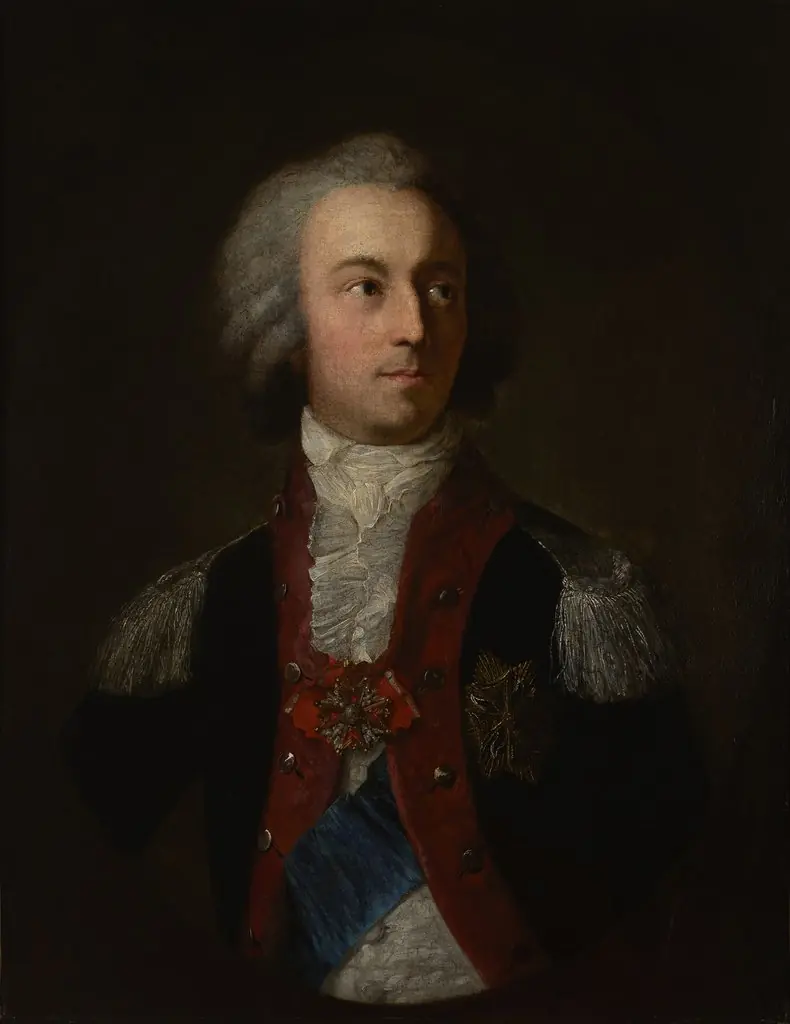 Portrait of Prince Adam Kazimierz Czartoryski (1734–1823) as the Commandant of the Corps of Cadets
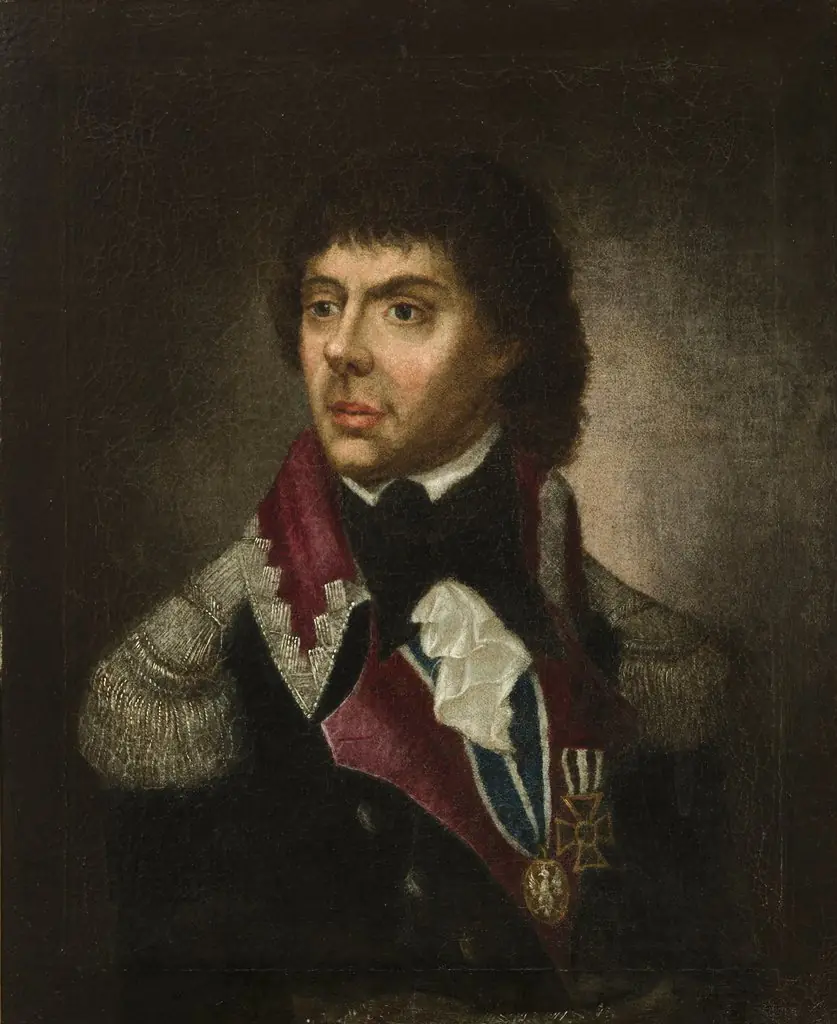 Portrait of Tadeusz Kościuszko
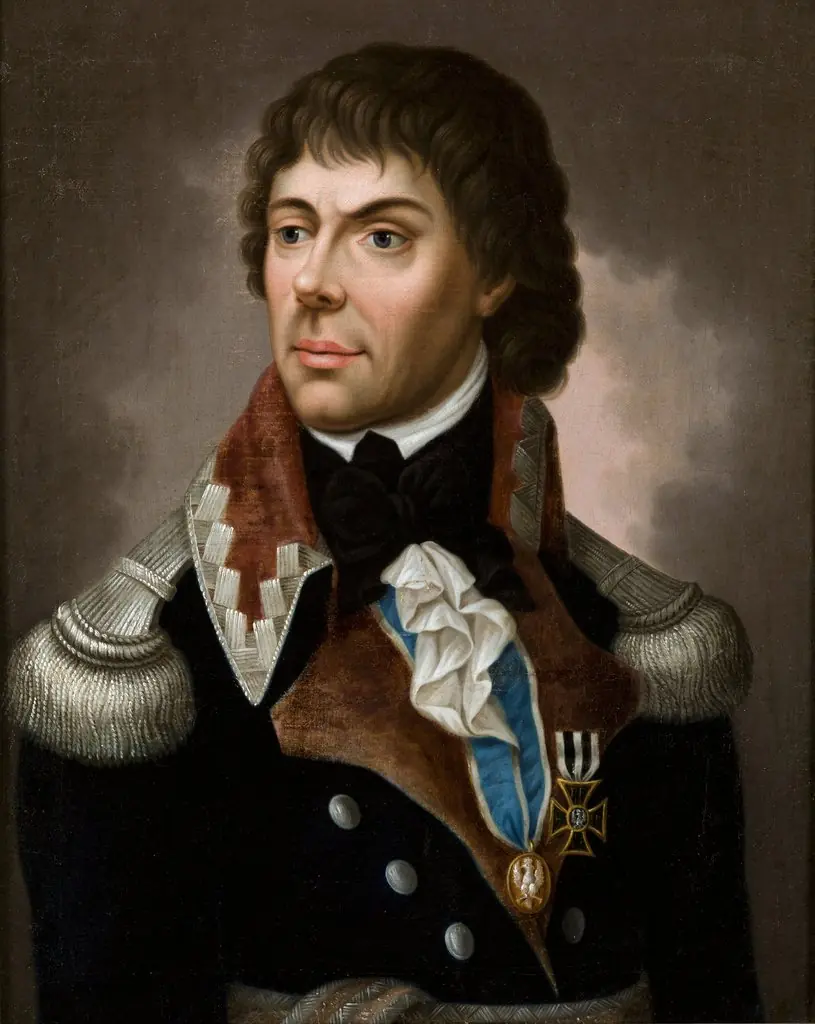 Portrait of Tadeusz Kościuszko
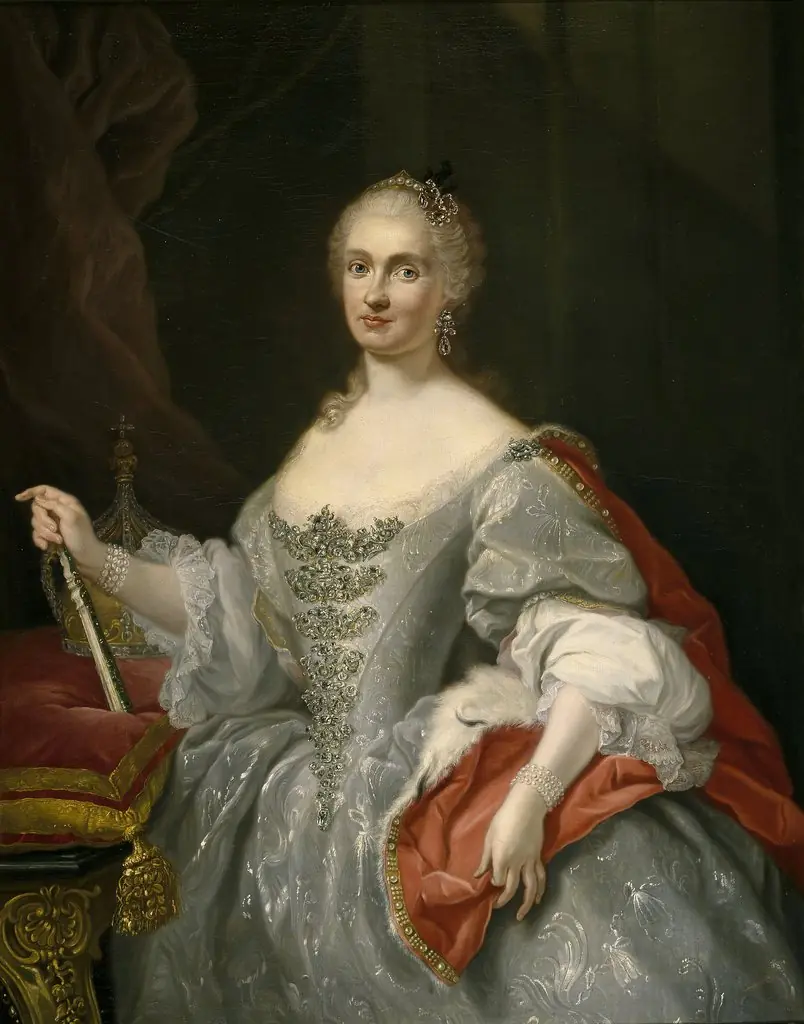 Queen Maria Amalia of Saxony
 Marie-Thérèse-Louise de Savoie-Carignan, Princess of Lamballe
 Lucrezia Mocenigo
 Bildnis Amalie Prinzessin von Preußen (1723-1787)
 Portrait of Natalia Saltikova (1742-1782)
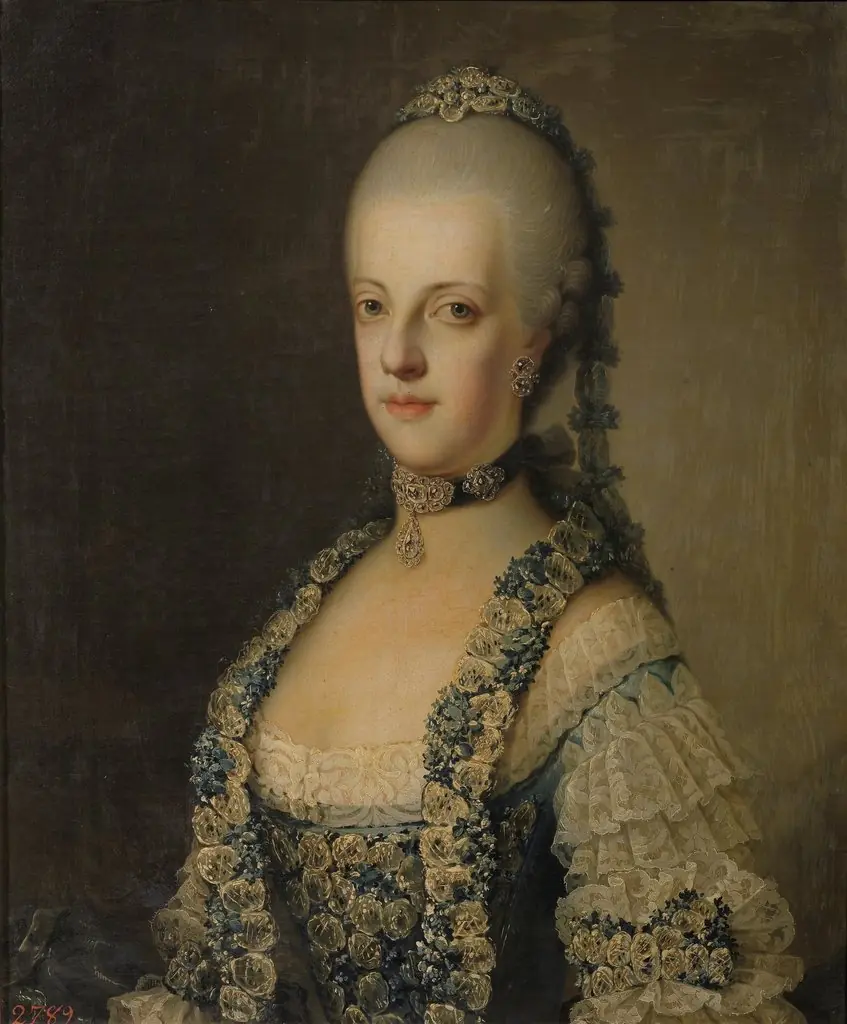 Maria Carolina of Habsburg-Lorraine, Queen of Naples
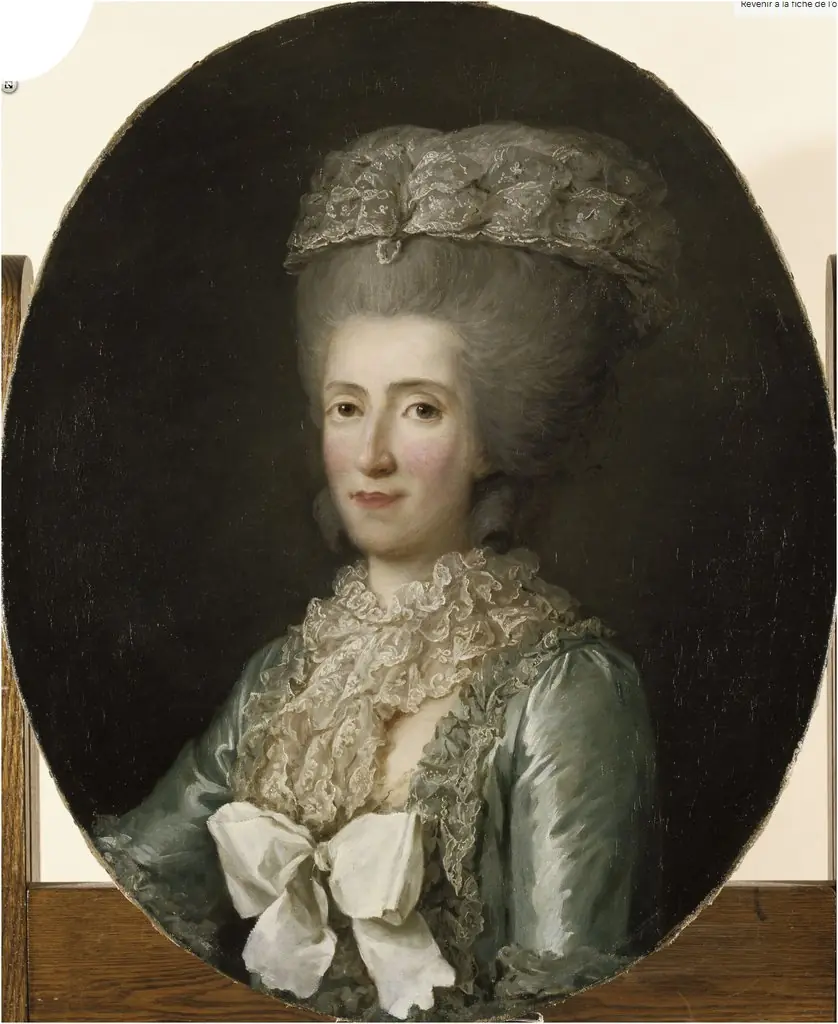 Marie-Adélaïde de France, dite Madame Adélaïde
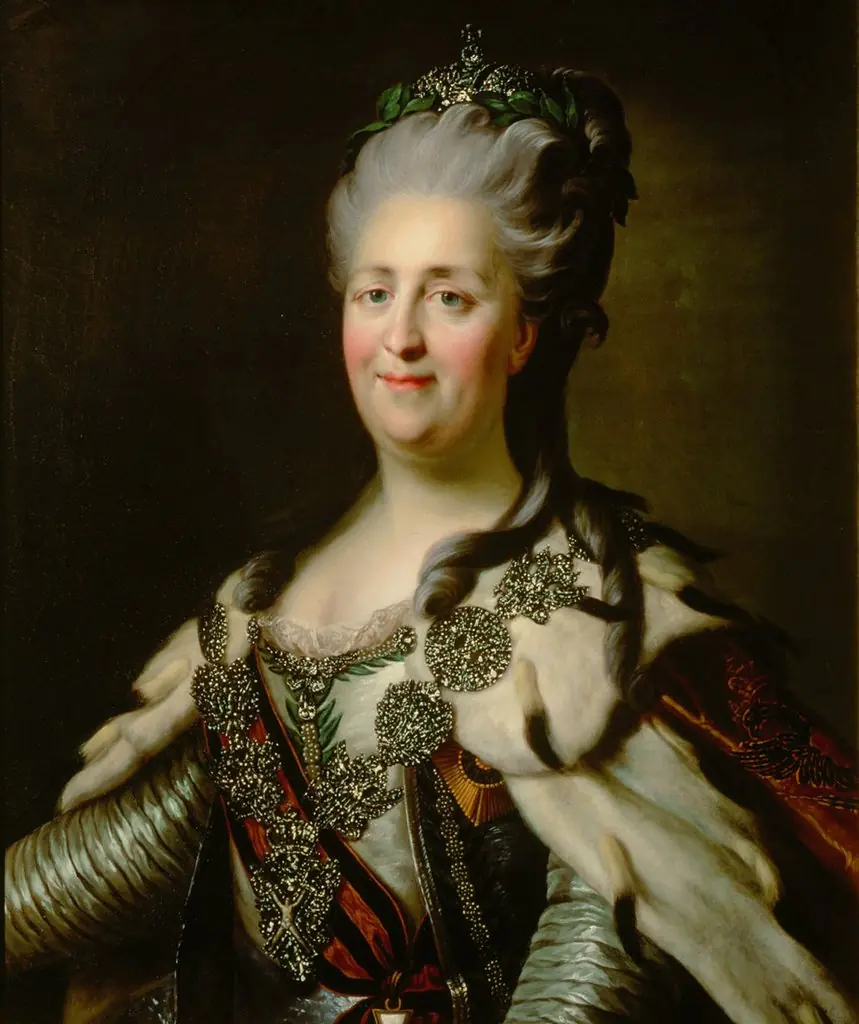 Portrait of Catherine II of Russia (1729-1796)
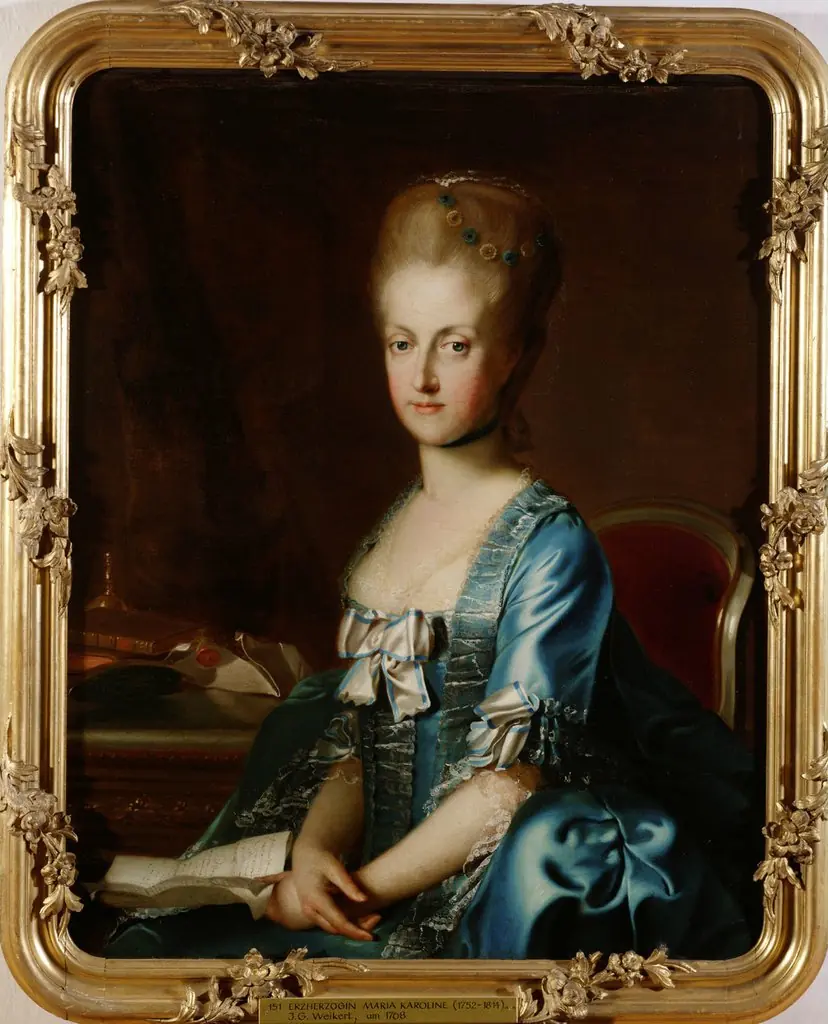 Erzherzogin Maria Karoline (1752-1814), Königin beider Sizilien, an einem Tisch sitzend, Halbfigur
 Erzherzogin Maria Christine (1742-1798), Herzogin von Sachsen - Teschen, in gestreiftem Seidenkleid, Halbfigur