Subject
Letter
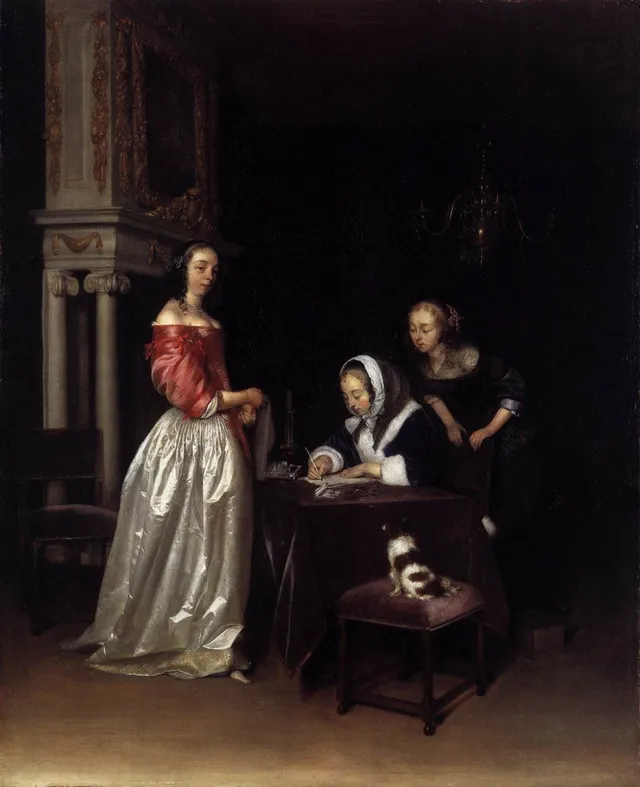
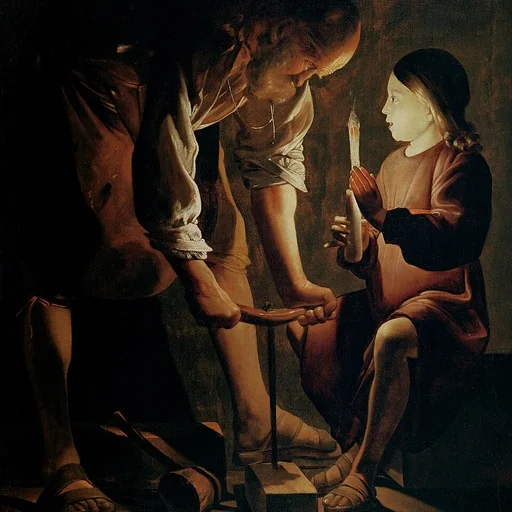
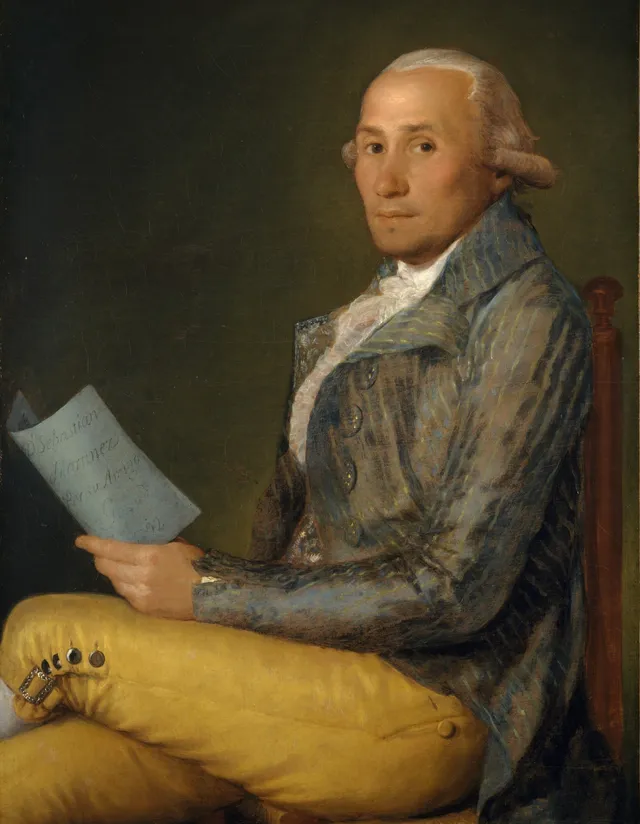
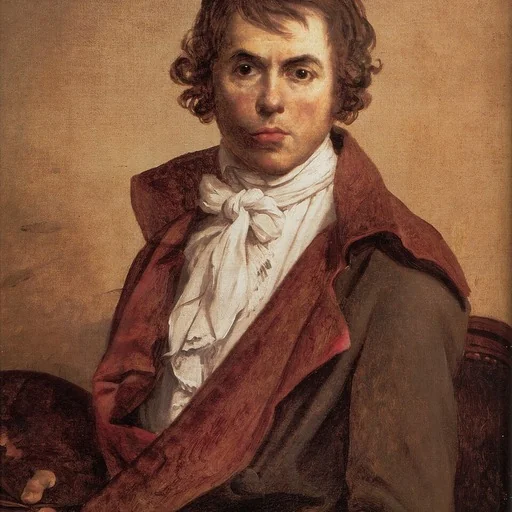
Letter is a subject in art. The gallery holds 97 works in this subject in art, including works by Georges de La Tour, Jacques-Louis David and Johannes Vermeer.
A letter is a written message conveyed from one person (or group of people) to another through a medium. Something epistolary means that it is a form of letter writing.
Key artists
Overview
A letter is a written message conveyed from one person or group to another through a physical medium. The term typically excludes written material intended for mass audiences, such as newspapers, though it can encompass open letters. For centuries, the archetypal form of a letter has been a sheet or several sheets of paper sent to a correspondent via a postal system, though earlier historical periods utilized diverse materials including metal, lead, wax-coated wooden tablets, pottery fragments, animal skin, and papyrus. Letters can be formal or informal depending on their audience and purpose. Beyond their primary function as a means of communication and a store of information, letters have played a crucial role in the reproduction of writing as an art form throughout history, serving simultaneously as personal correspondence, literary genre, and historical artifact.
Iconography & meaning
In art, the letter carries dual significance as both a practical object and a potent symbol of communication, intimacy, and secrecy. Because a letter exists ambiguously between the public and private spheres, it provides a compelling visual motif that suggests a peek into the thoughts and lives of others. The epistolary format implies honesty and truth, particularly in depictions from the 1700s, when readers associated personal letters with genuine self-expression. A letter in a visual composition often signifies an absent figure, a pending revelation, or a narrative pivot. Its physical attributes, such as wax seals, folded paper, and envelopes, further symbolize privacy and the boundary between concealed and shared knowledge.
Across movements & periods
The treatment of the letter in visual and literary culture has shifted alongside communication technologies and social practices. In antiquity, letters were inscribed on clay tablets in Mesopotamia, papyrus in Egypt, and wax tablets in Greece and Rome. By the medieval period, family letter collections became vital records of daily life and business, as seen in the British Paston, Stonor, Plumpton, and Cely correspondence. The 1700s marked the Great Age of Letter Writing, where the motif flourished in the epistolary novel and art, reflecting a culture that used correspondence to explore identity, practice critical reading, and perform social roles. During this era, postage costs heavily influenced the physical nature of the letter, forcing writers to be economical with pages. The industrialization of the postal system in the mid-nineteenth century introduced the adhesive postage stamp, standardizing the letter's appearance. In the modern era, the motif has declined in prominence as digital communication has supplanted physical mail, transforming the handwritten letter from a daily necessity into a nostalgic or artistic gesture.
Notable depictions
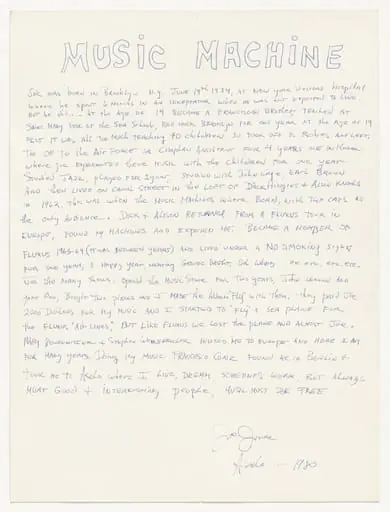
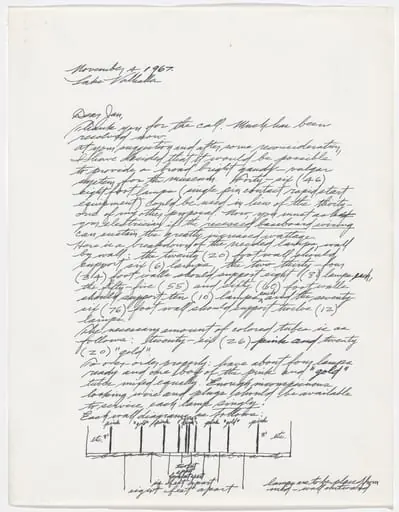
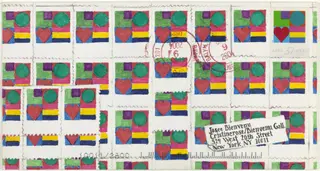
Beyond the collection's holdings, the letter has been central to numerous canonical historical and artistic moments. In the biblical tradition, the Pauline epistles form a foundational part of the New Testament. In early modern literature, the 1600s saw the debut of the epistolary novel with Love-Letters Between a Nobleman and His Sister, a format that reached its zenith in the 1700s. Artists themselves have used the letter as a medium for illustrated self-expression, as seen in the Smithsonian's Archives of American Art, which features 178 hand-illustrated letters from figures like Alexander Calder, who included playful drawings in his 1936 correspondence, and Frida Kahlo, who sealed a 1940 letter with lipstick kisses. Historically significant letters include the 1300 communication from Philip IV of France regarding William Wallace, a 1592 contract between Miguel de Cervantes and Rodrigo Osorio for six comedies, and Eleanor Roosevelt's 1944 letter to Joseph Lash discussing wartime strategy.
Legacy
The legacy of the letter extends deeply into literature, historical research, and modern communication. As a literary form, Byzantine epistolography established the letter as an art, a tradition that continued through figures like Alexander Pope, who was the first English writer to publish his own letters during his lifetime, setting a new precedent for authors to construct literary prominence through private correspondence. For historians, archives of personal, diplomatic, and business letters serve as indispensable primary sources, with academics only beginning to examine letters as material artifacts in the late 1900s. While the physical letter has faced a steep decline in volume due to the advent of electronic mail, its structural and cultural logic persists. The epistolary tradition laid the groundwork for modern social media, where figures carefully construct versions of their intimate lives for public consumption, echoing the curated self-presentation of eighteenth-century letter writers.
Works
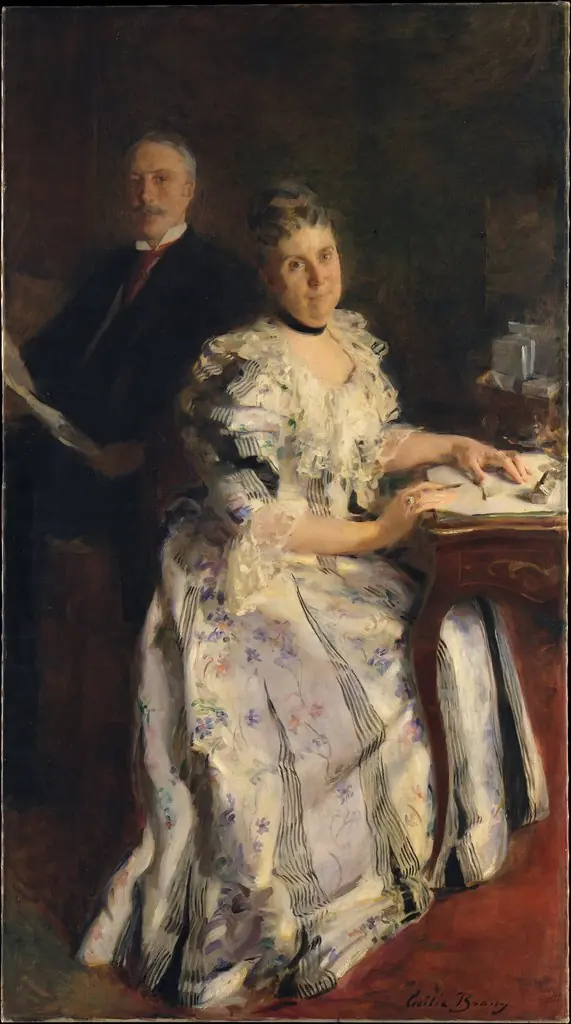 Mr. and Mrs. Anson Phelps Stokes
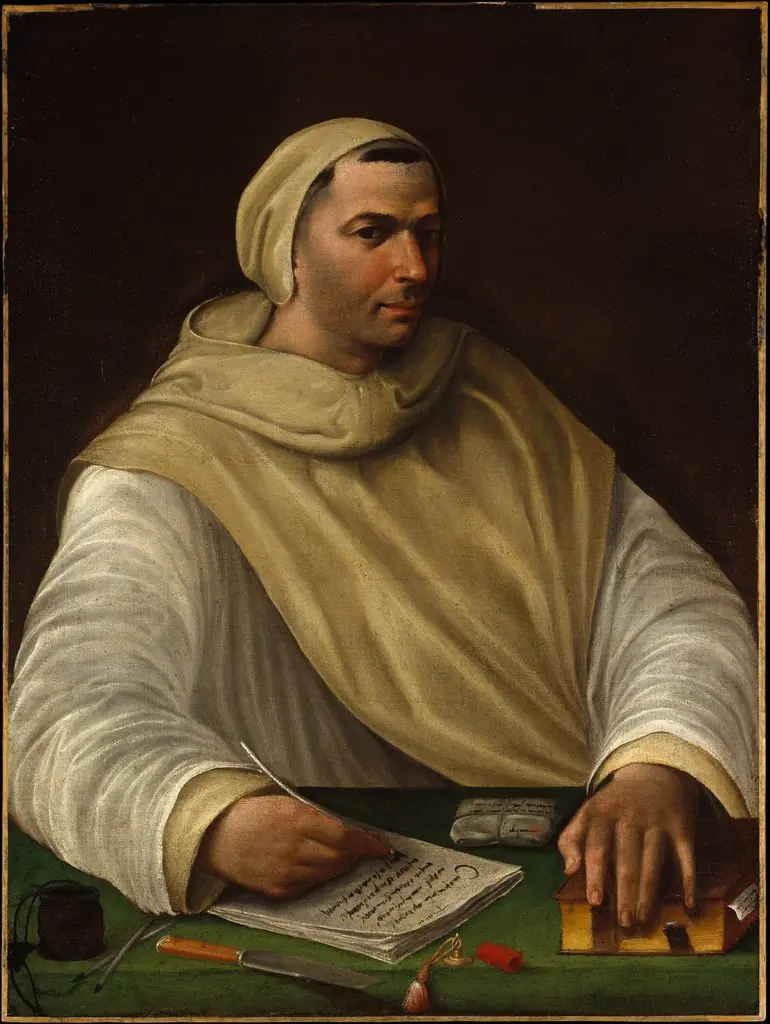 Portrait of an Olivetan Monk
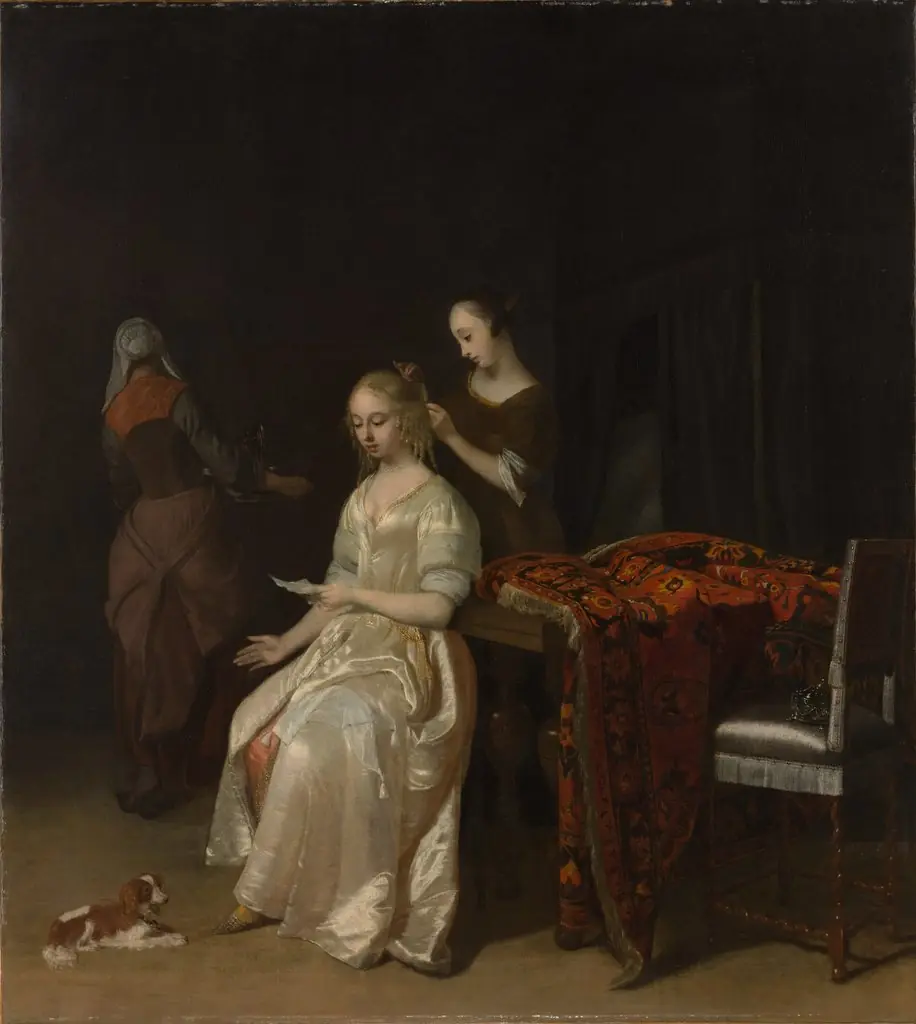 The Love Letter
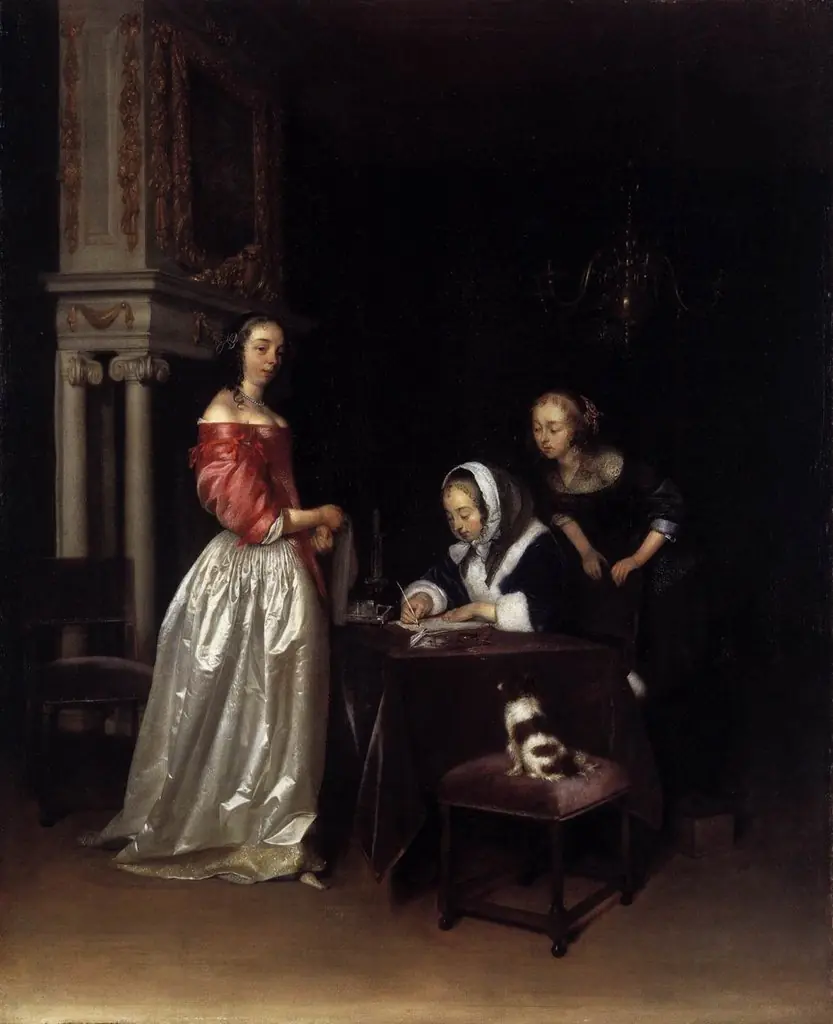 The Curious
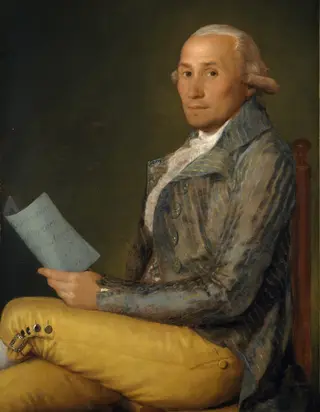 Portrait of Sebastián Martínez y Pérez
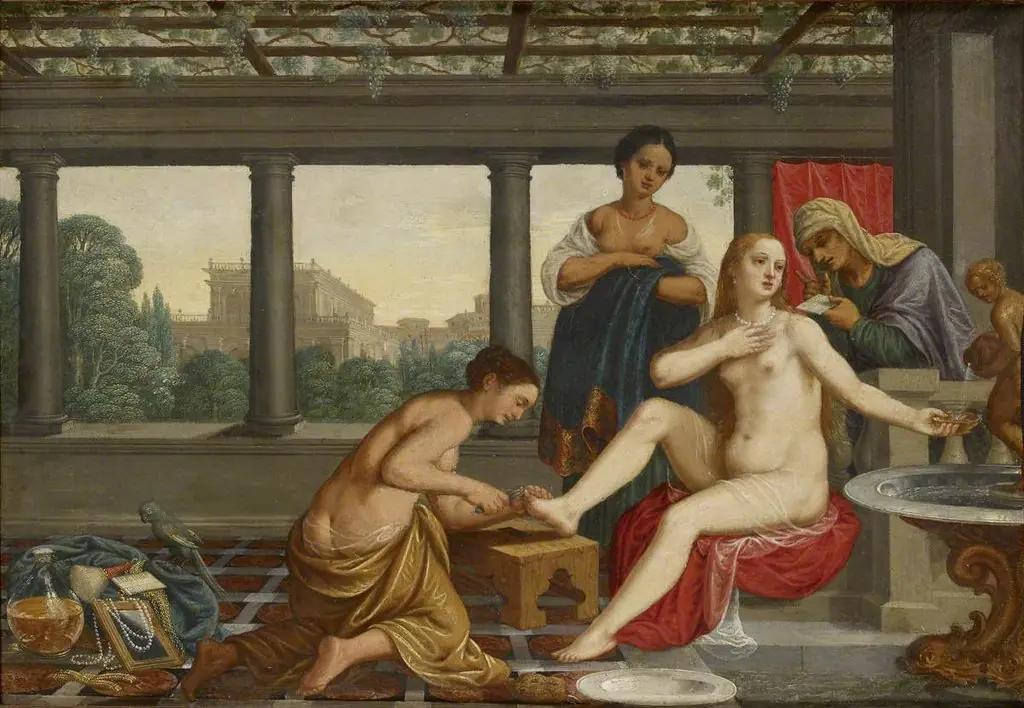 Bathsheba's Bath
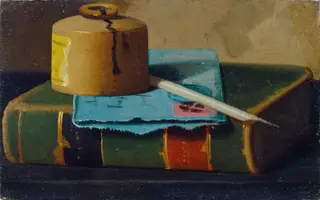 The Blue Envelope
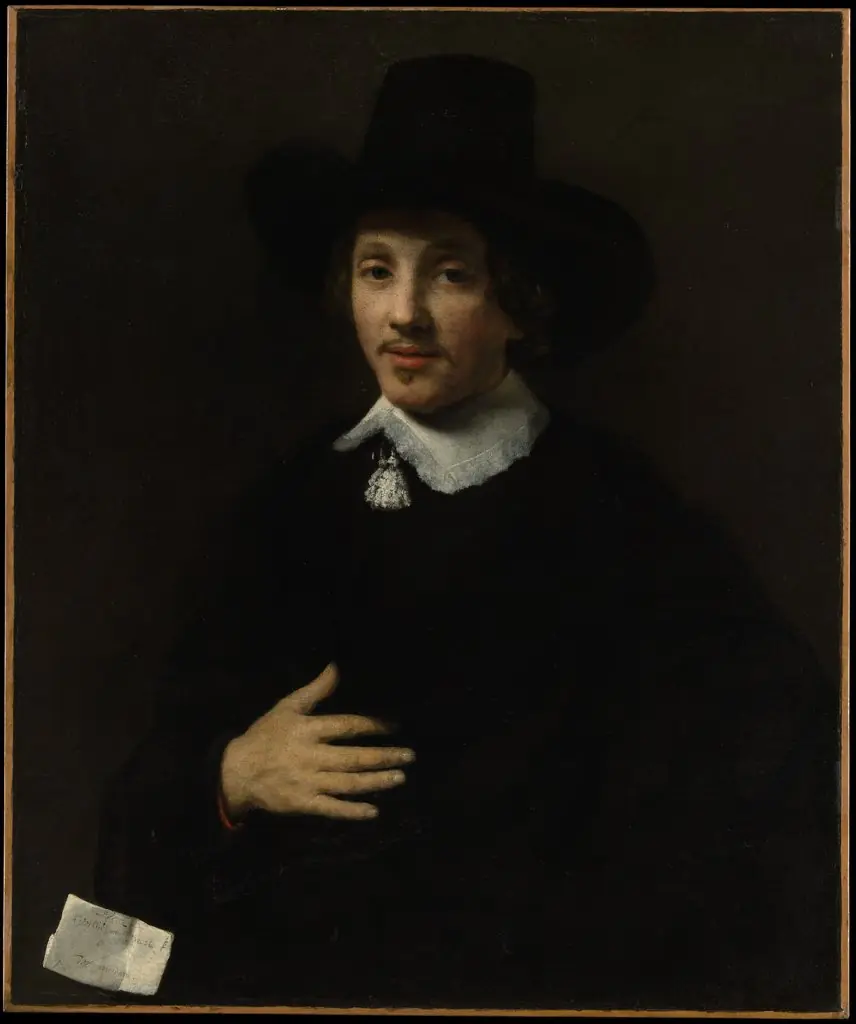 Portrait of a Man (Self-Portrait?)
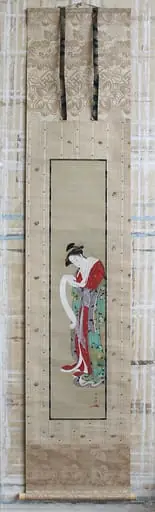 Untitled
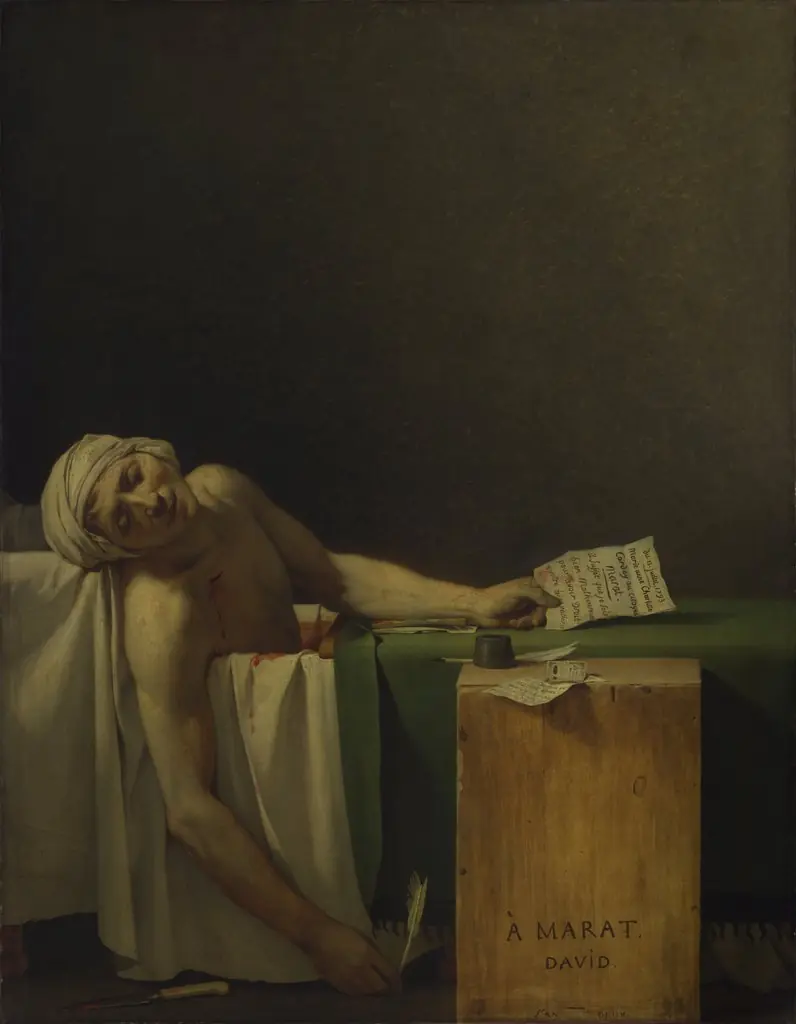 The Death of Marat
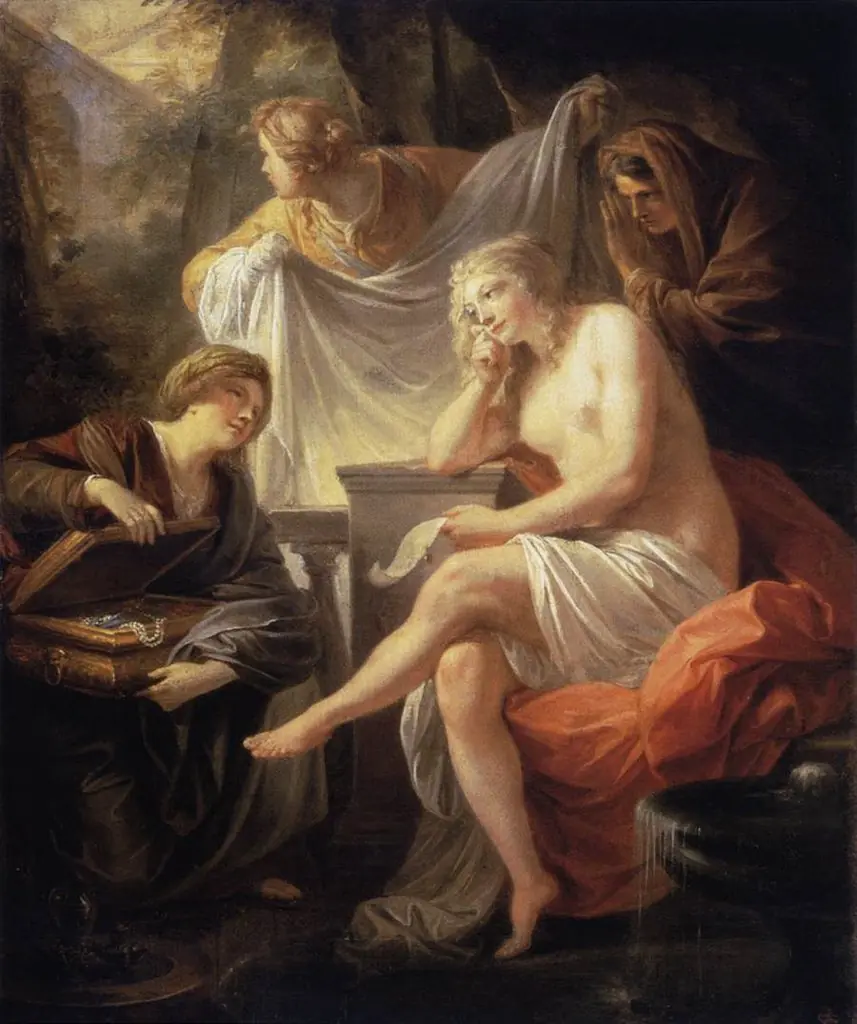 Bathsheba at her bath
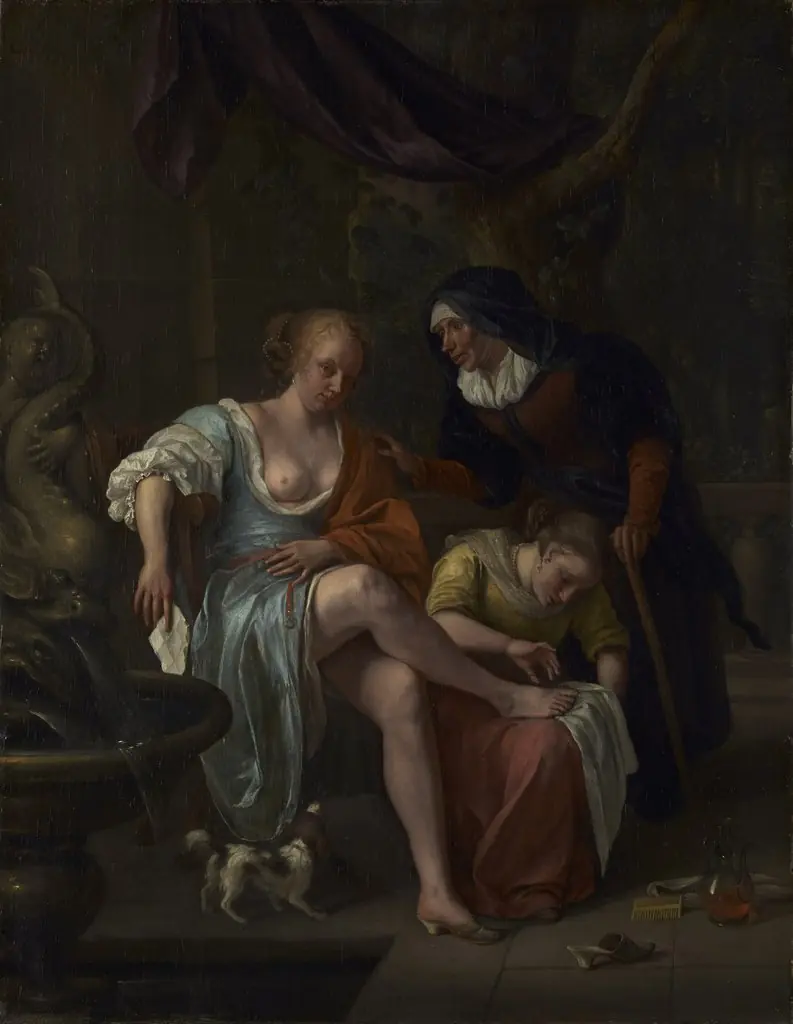 Bathsheba after the Bath
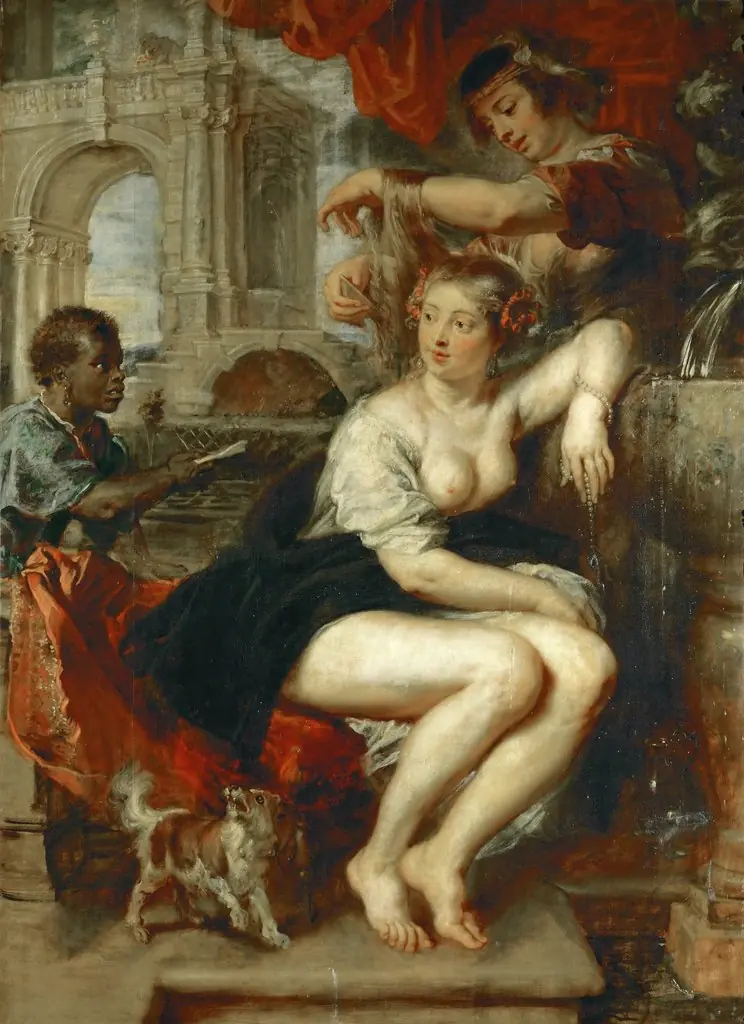 Bathsheba at Her Toilet
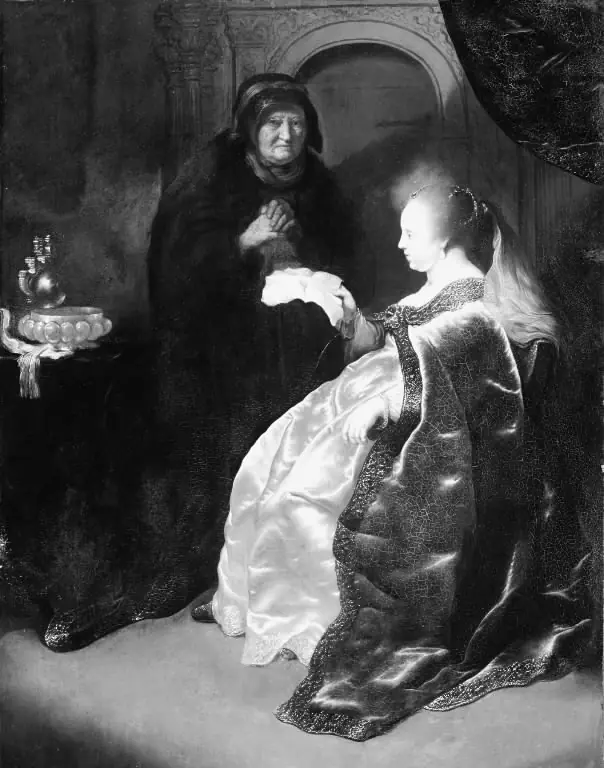 Esther reading Haman's Decree of the Extermination of the Jews
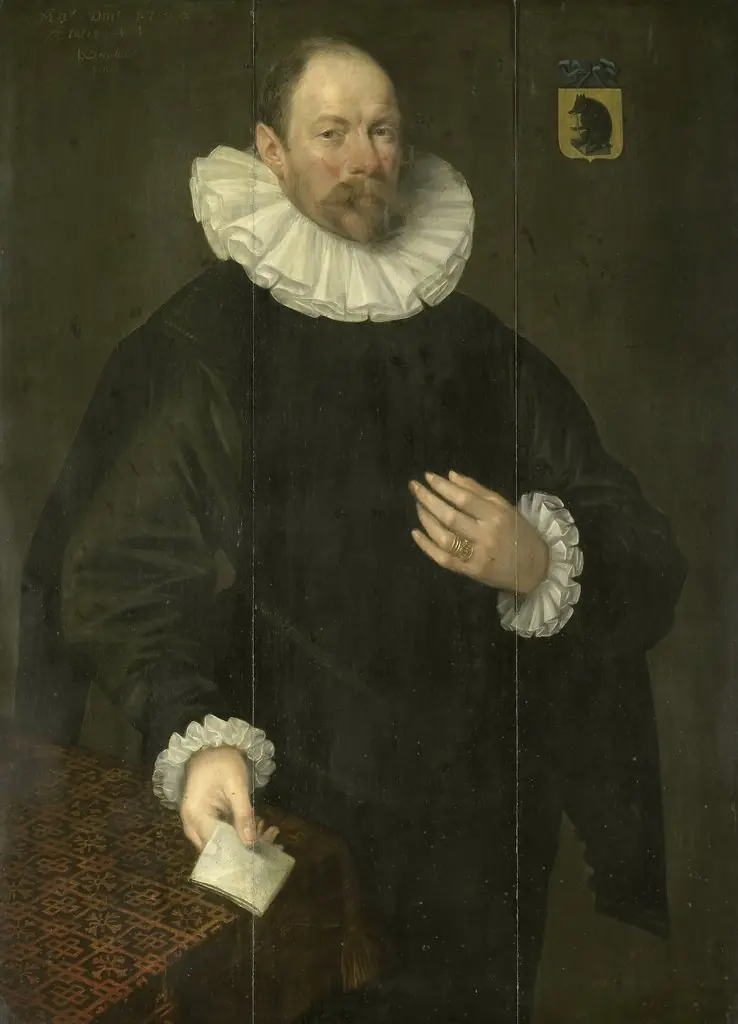 Portrait of Paulus Cornelisz van Beresteyn, Burgomaster of Delft
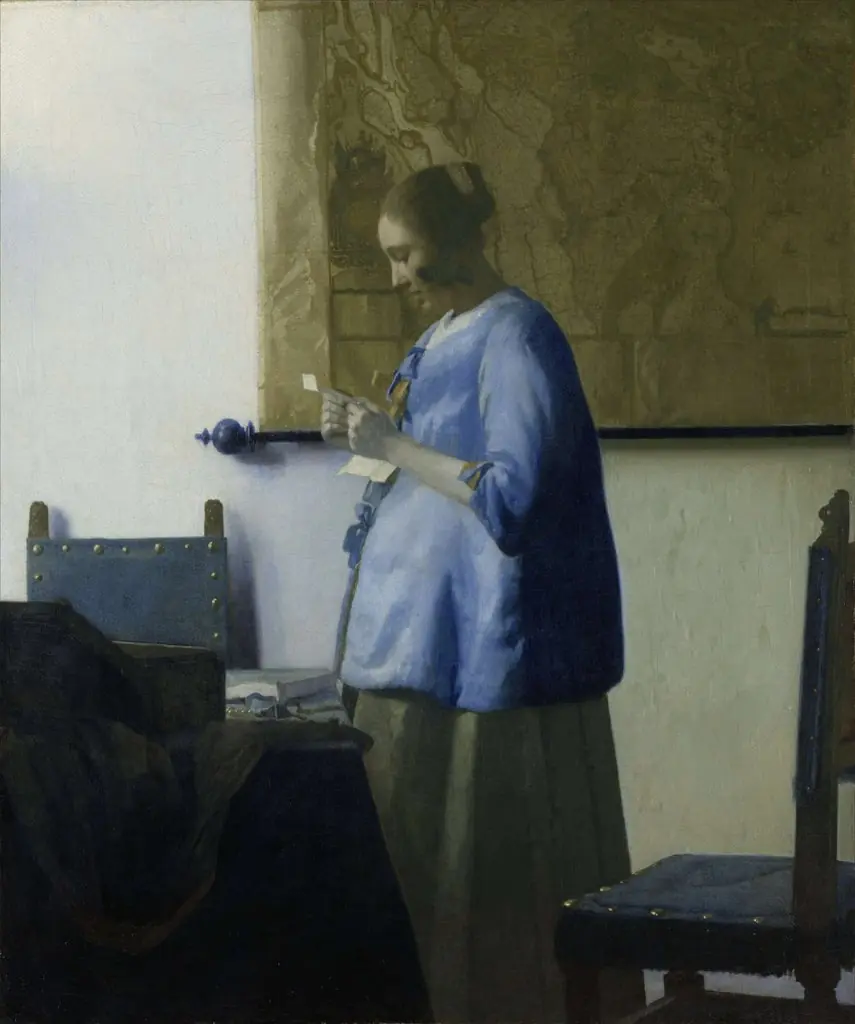 Woman in Blue Reading a Letter
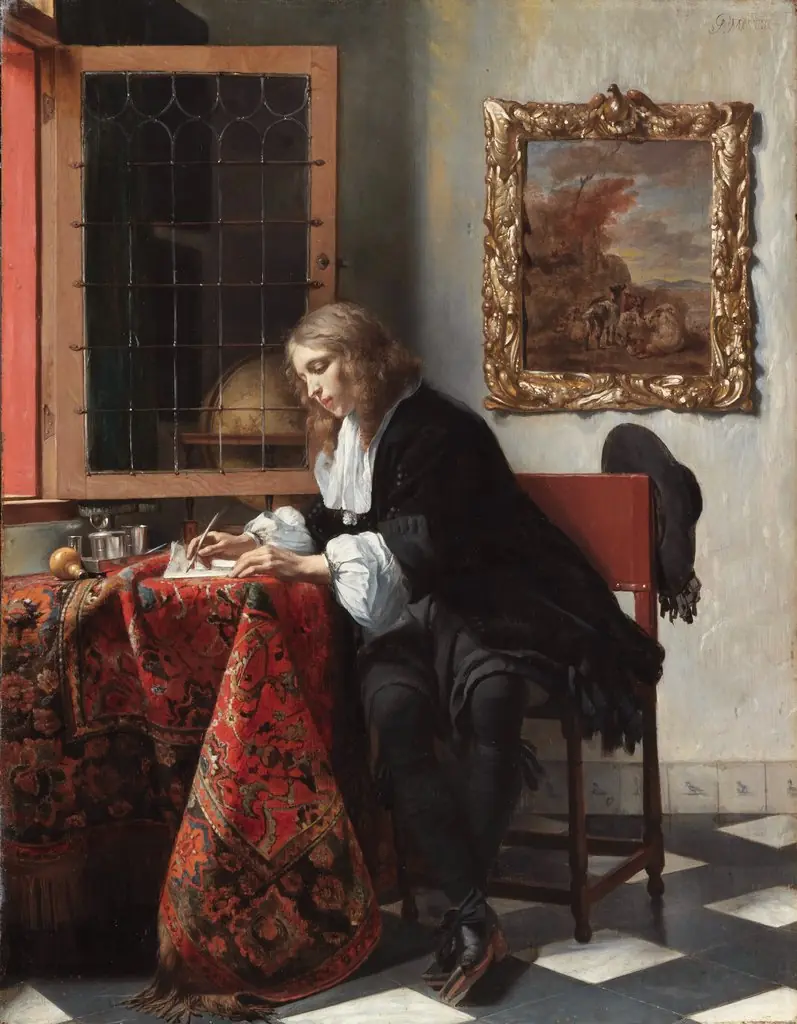 Man Writing a Letter
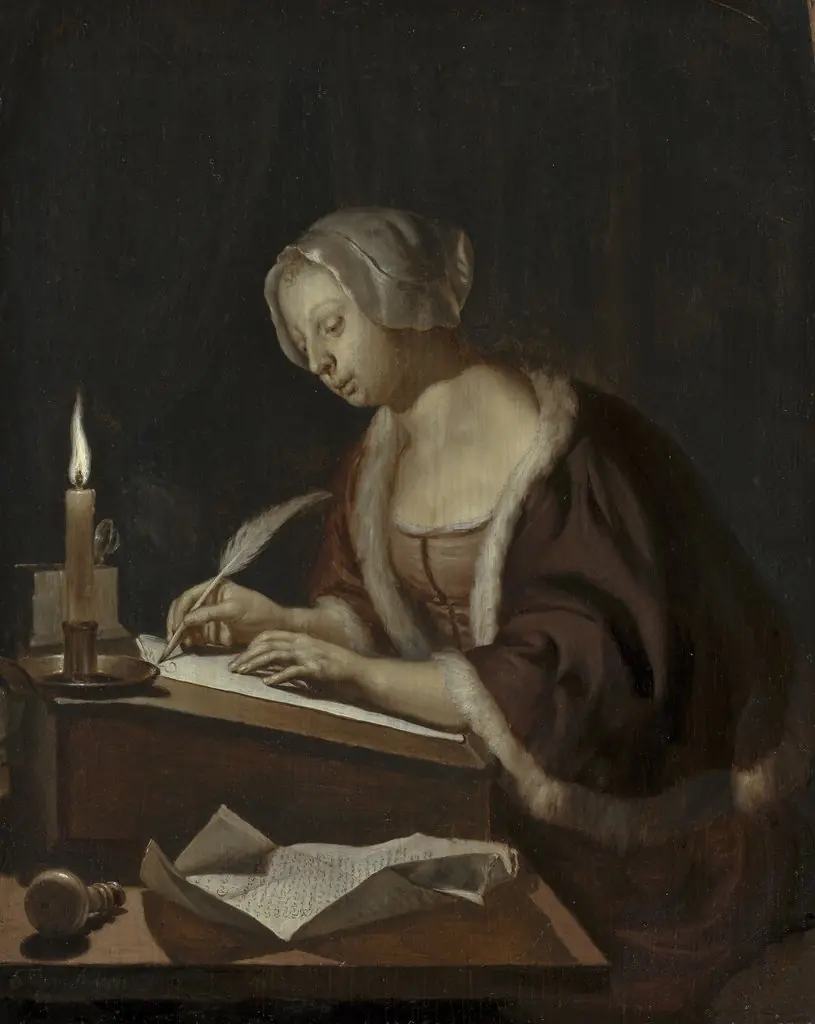 A Young Woman Writing a Letter
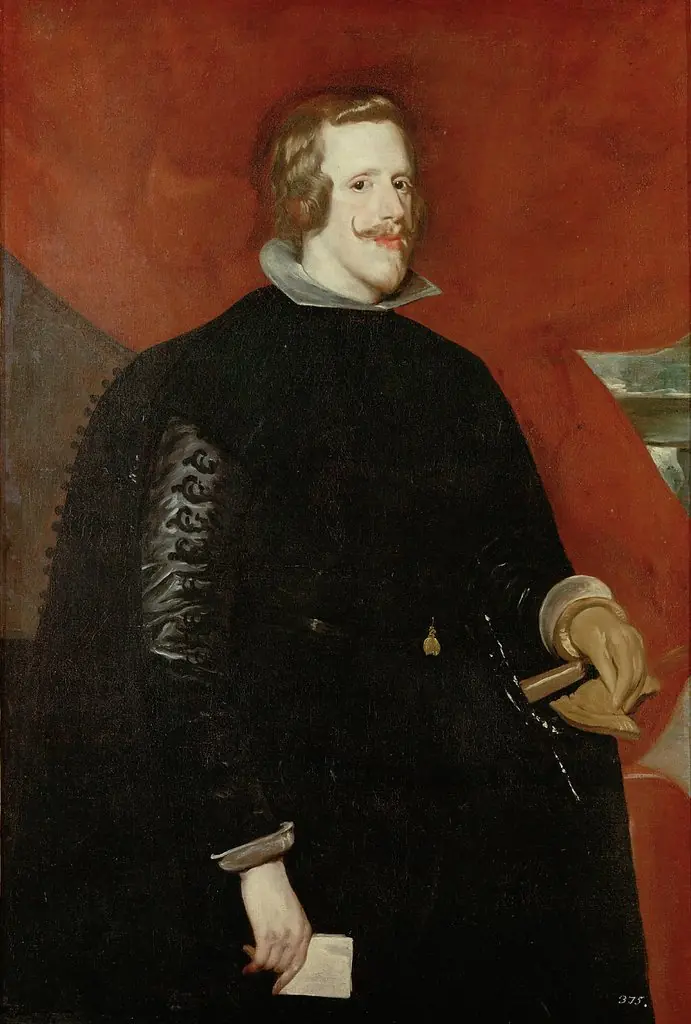 Portrait of Phillip IV of Spain, at three-quarter length
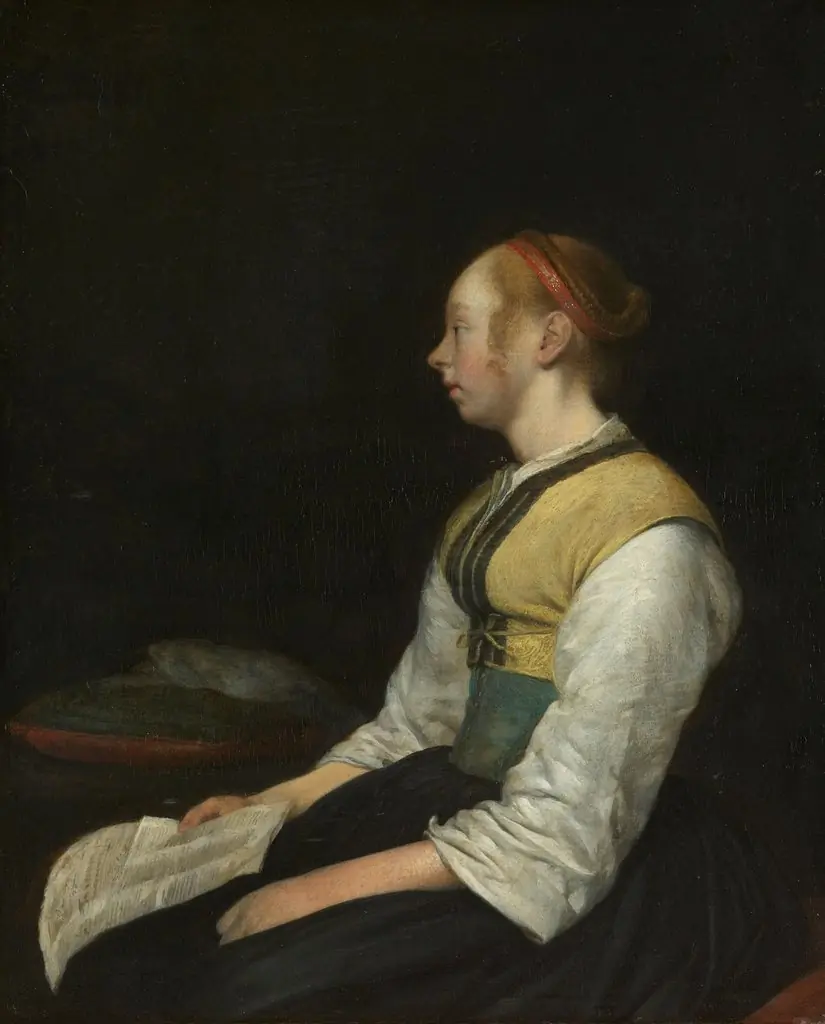 Seated Girl in Peasant Costume
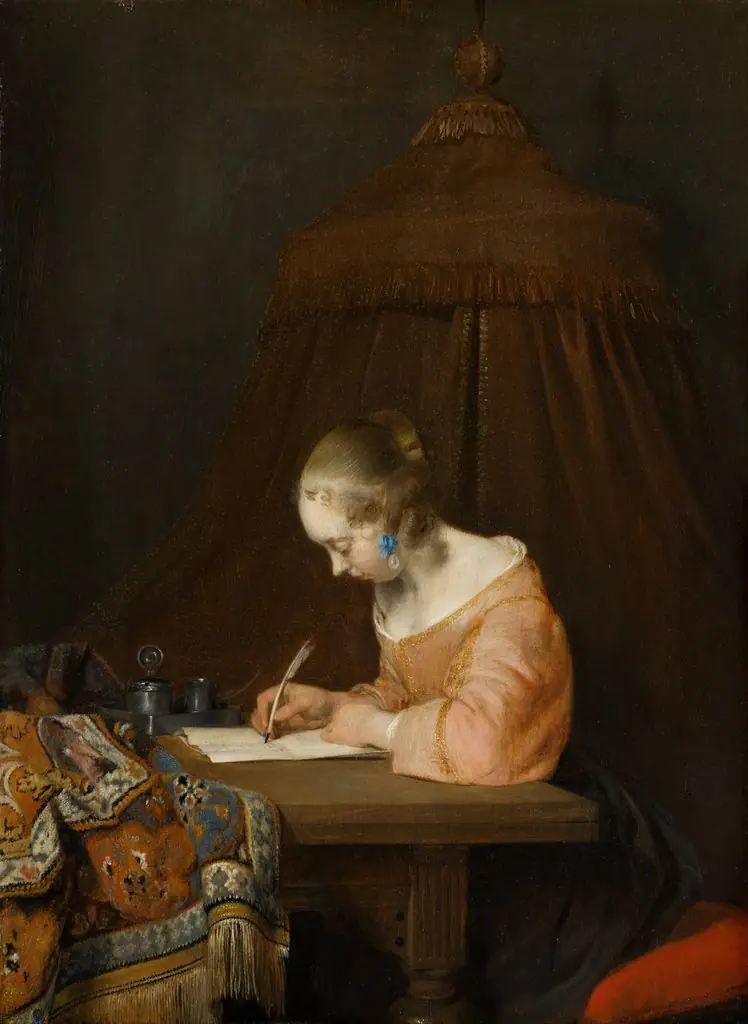 Woman writing a letter
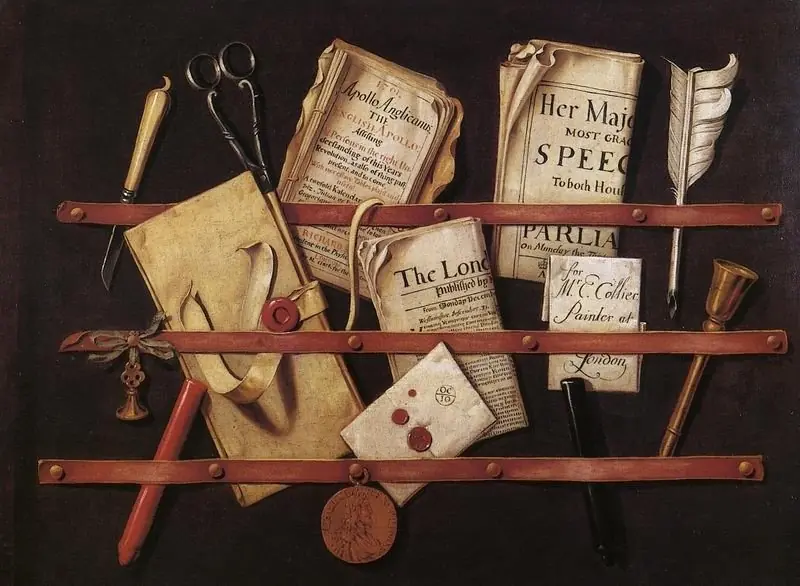 Trompe l'œil with Writing Materials
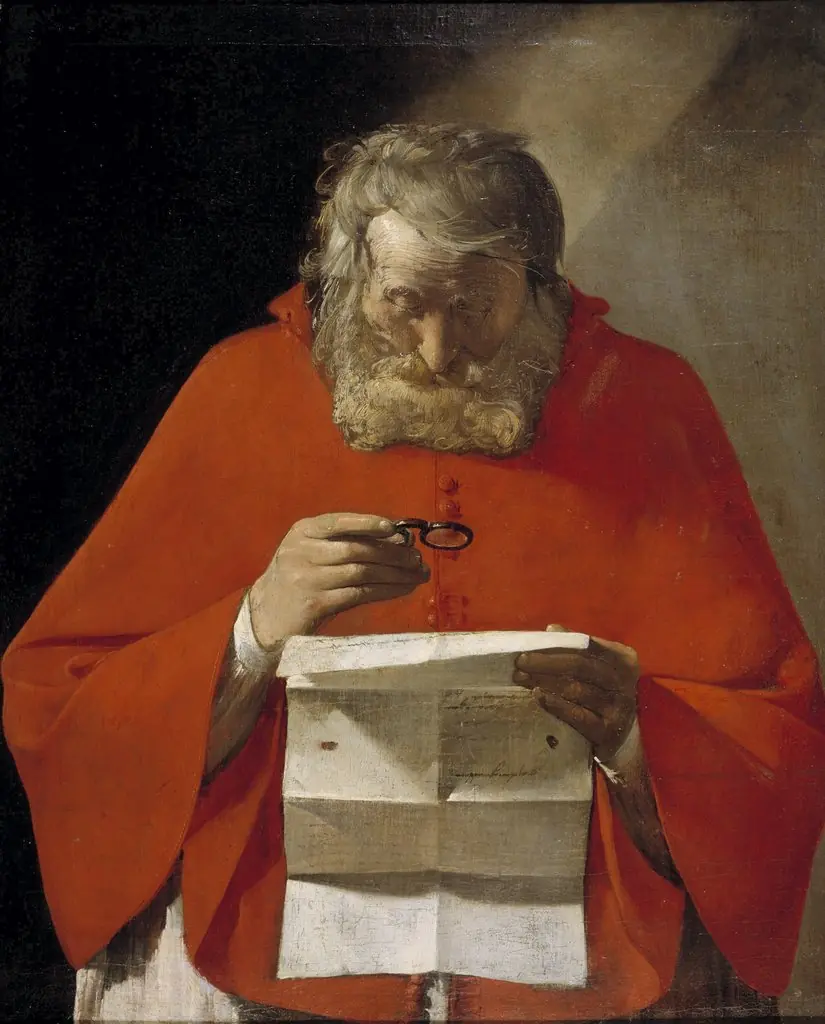 Saint Jerome reading a letter
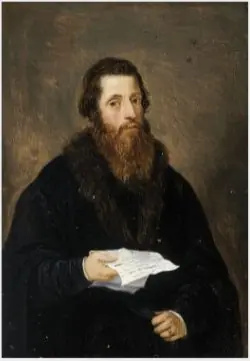 Portrait of a Man
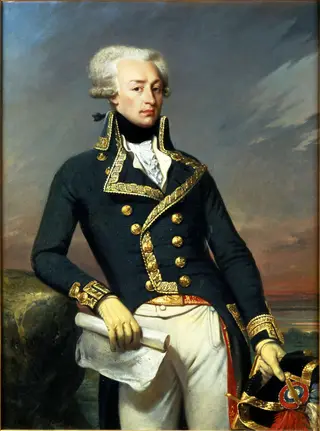 Portrait of Gilbert Motier the Marquis De La Fayette as a Lieutenant General, 1791
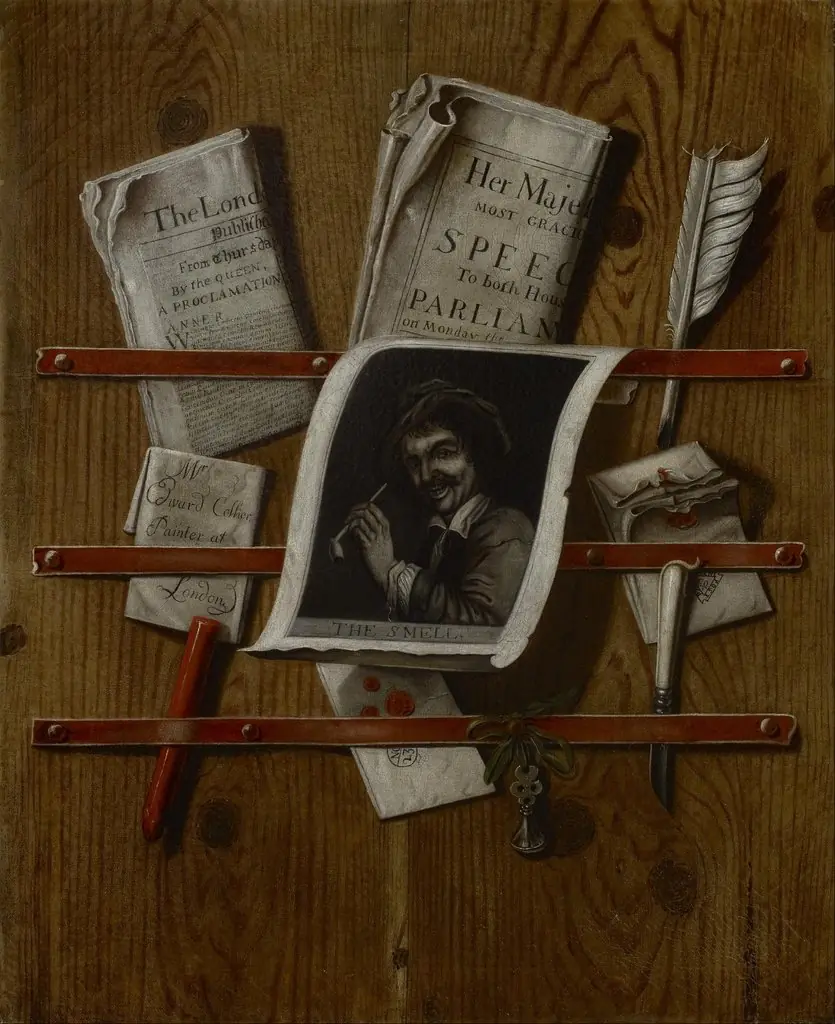 Still Life: The Smell
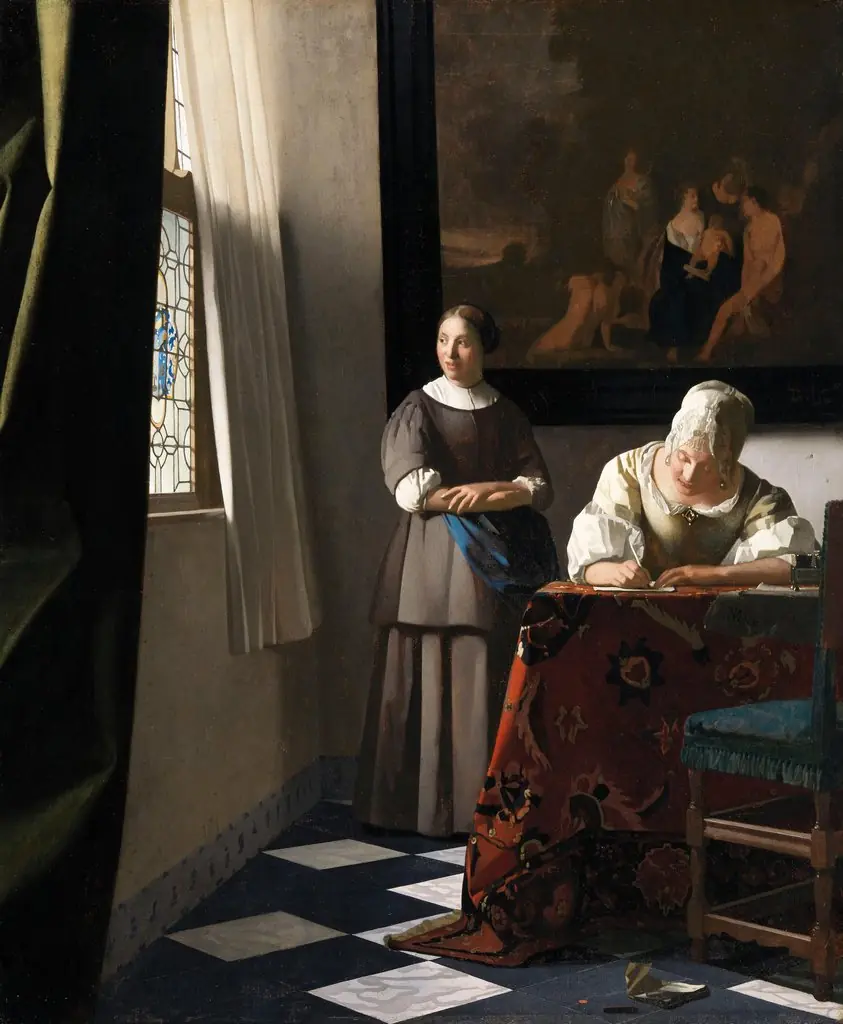 Lady Writing a Letter with her Maid
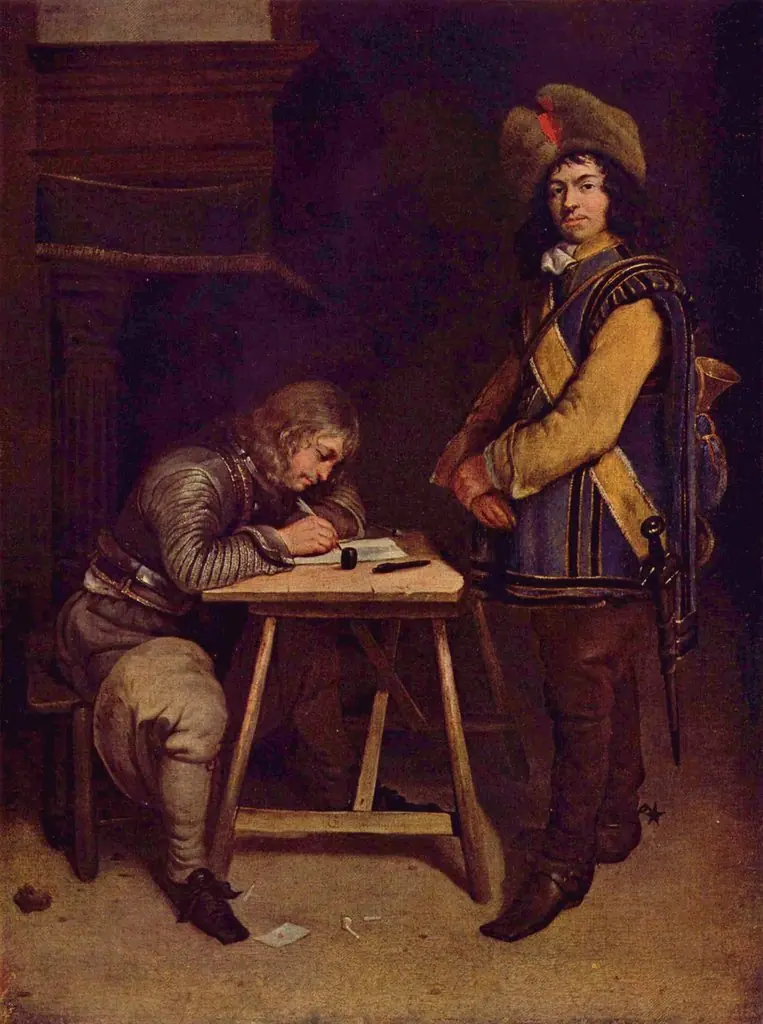 The Despatch
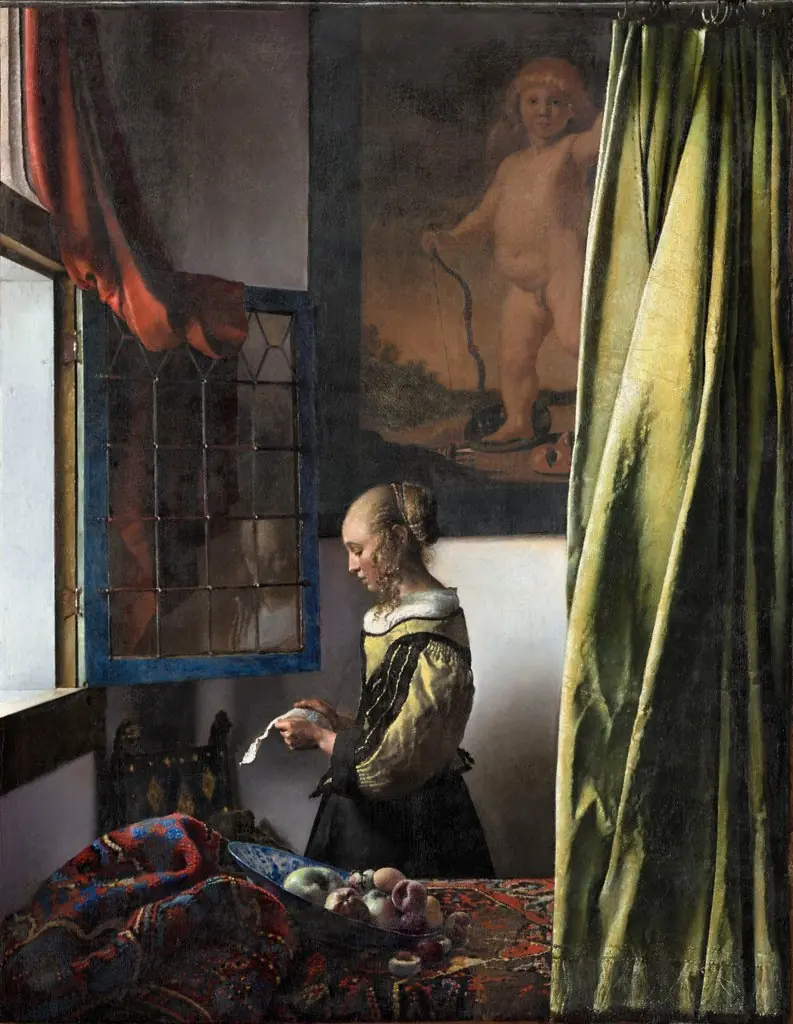 Girl Reading a Letter at an Open Window
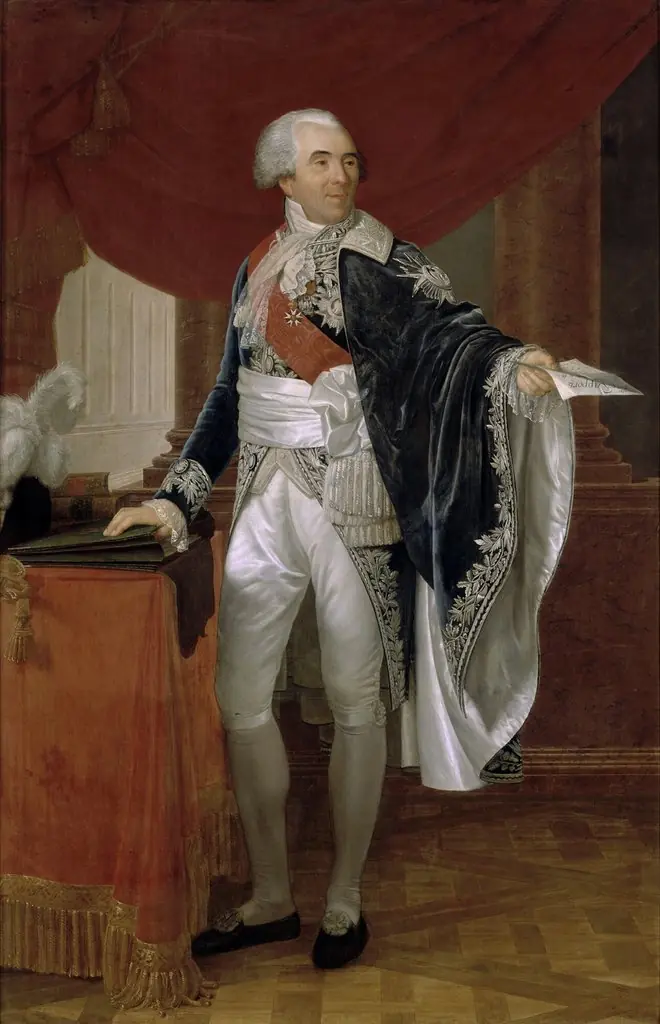 Jean-Gérard Lacués, count of Cessac (1752-1841)
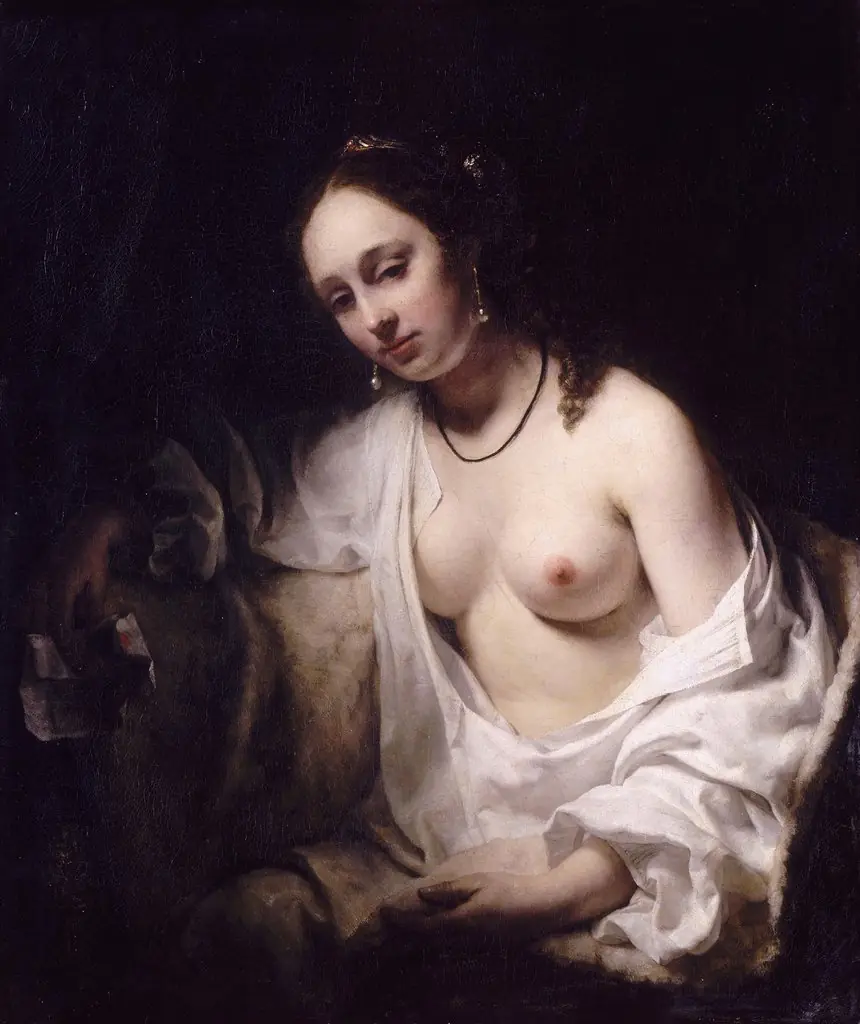 Bathsheba with King David's Letter
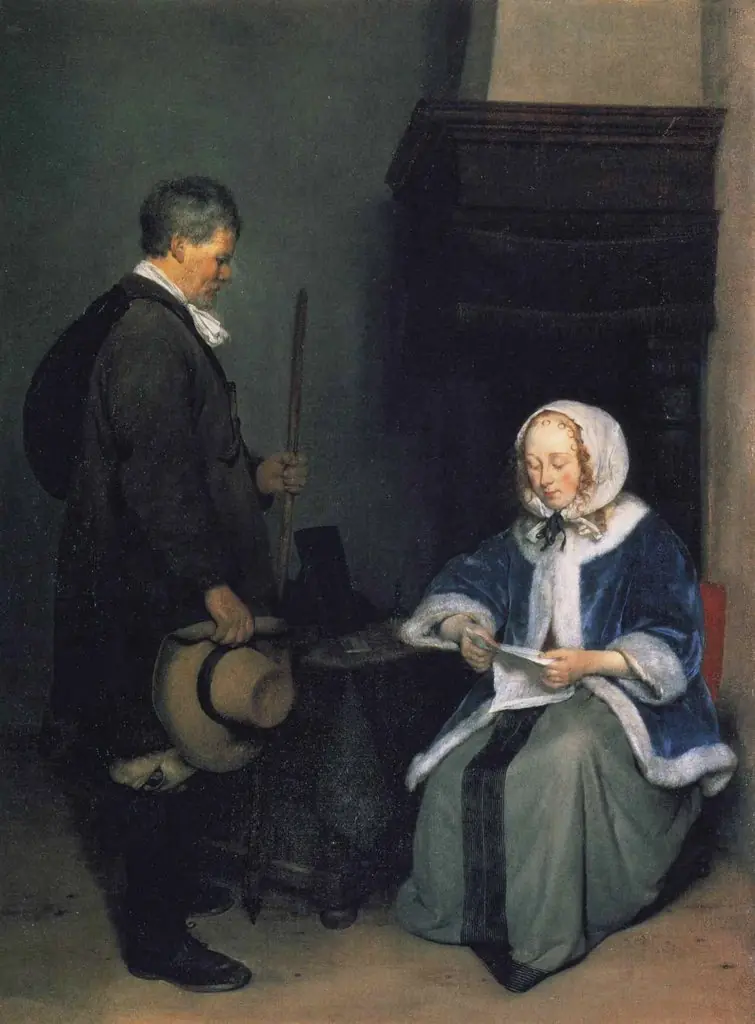 Sitting Lady Reading a Letter with a man
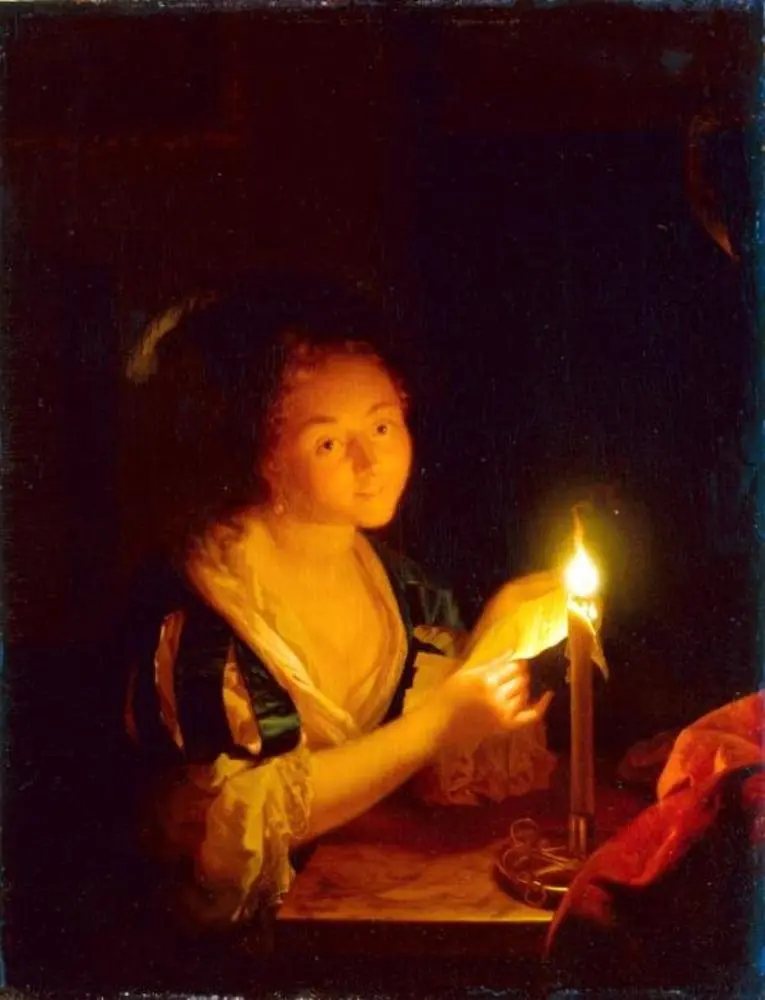 A Girl Reading a Letter
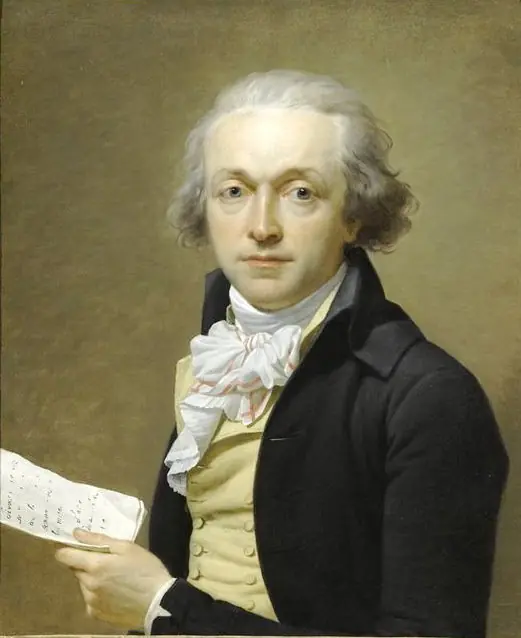 Joseph Delaunay
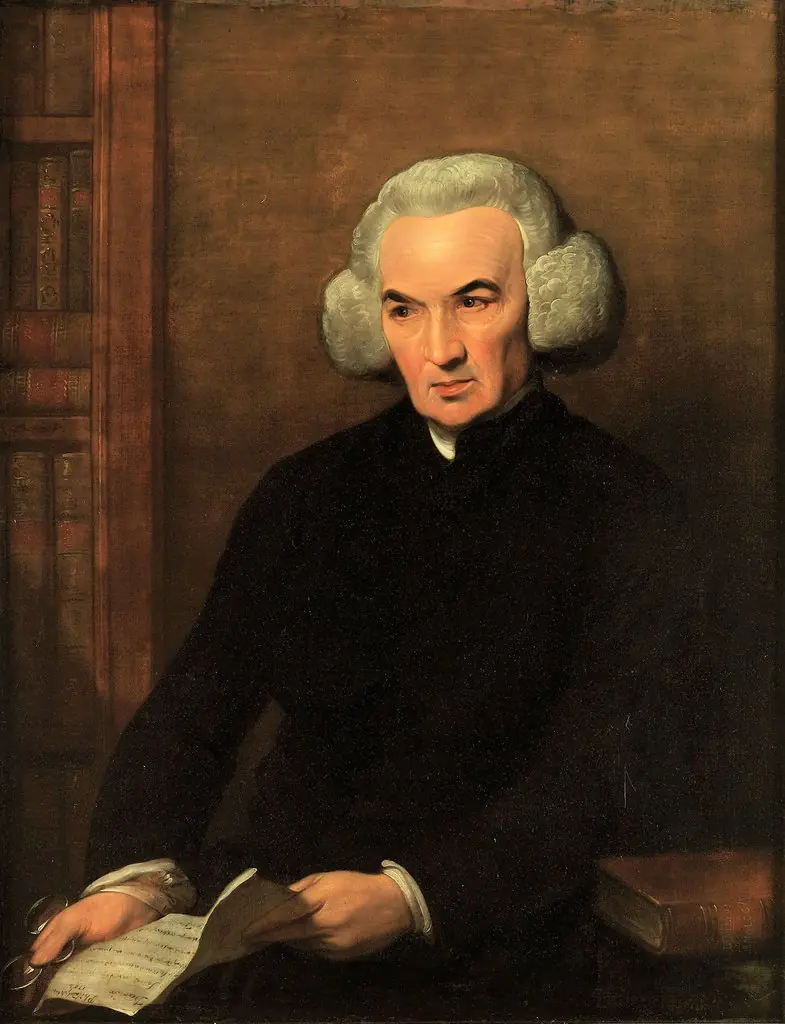 Portrait of Dr Richard Price
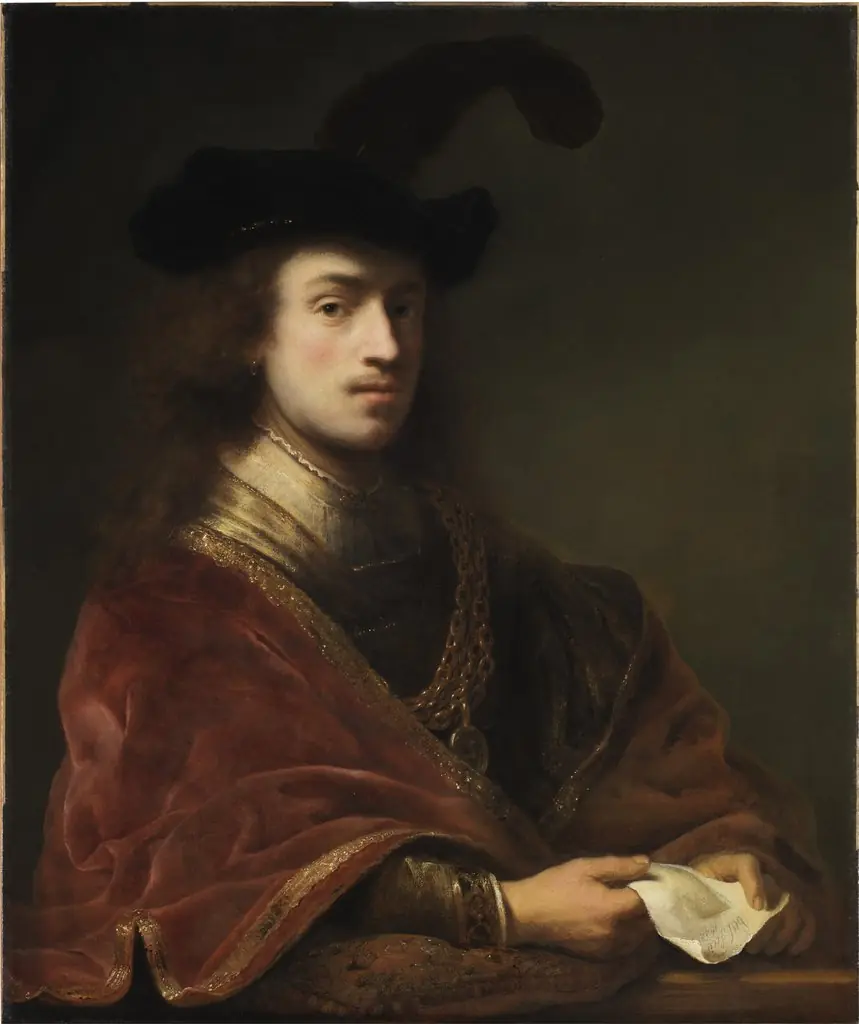 Self-Portrait, Behind a Parapet
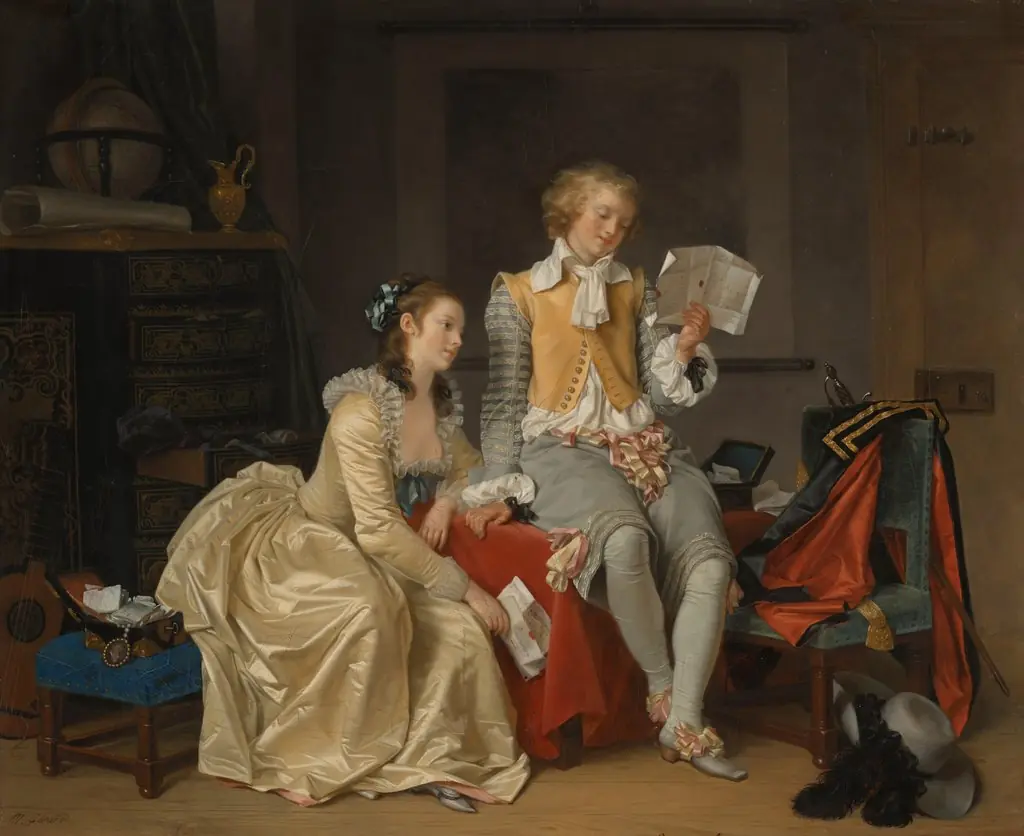 I Reread Them with Pleasure
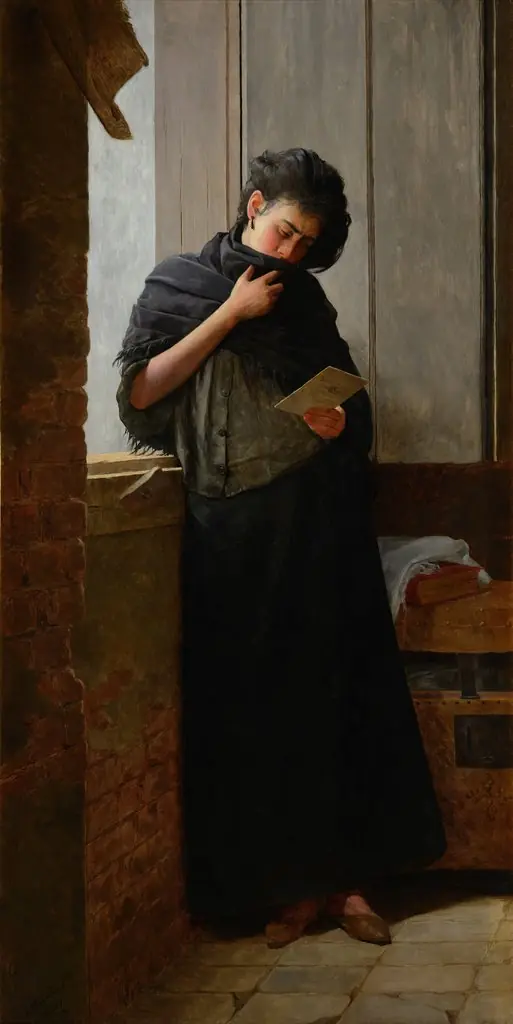 Longing
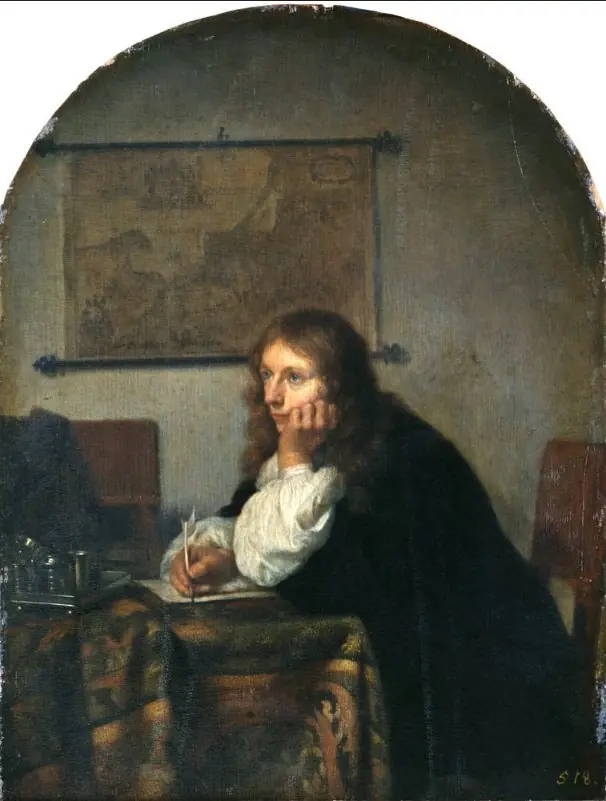 The Letter Writer
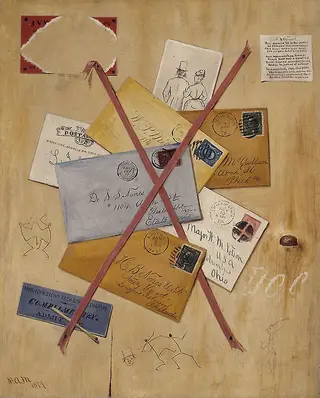 Rack Picture for Dr. Nones
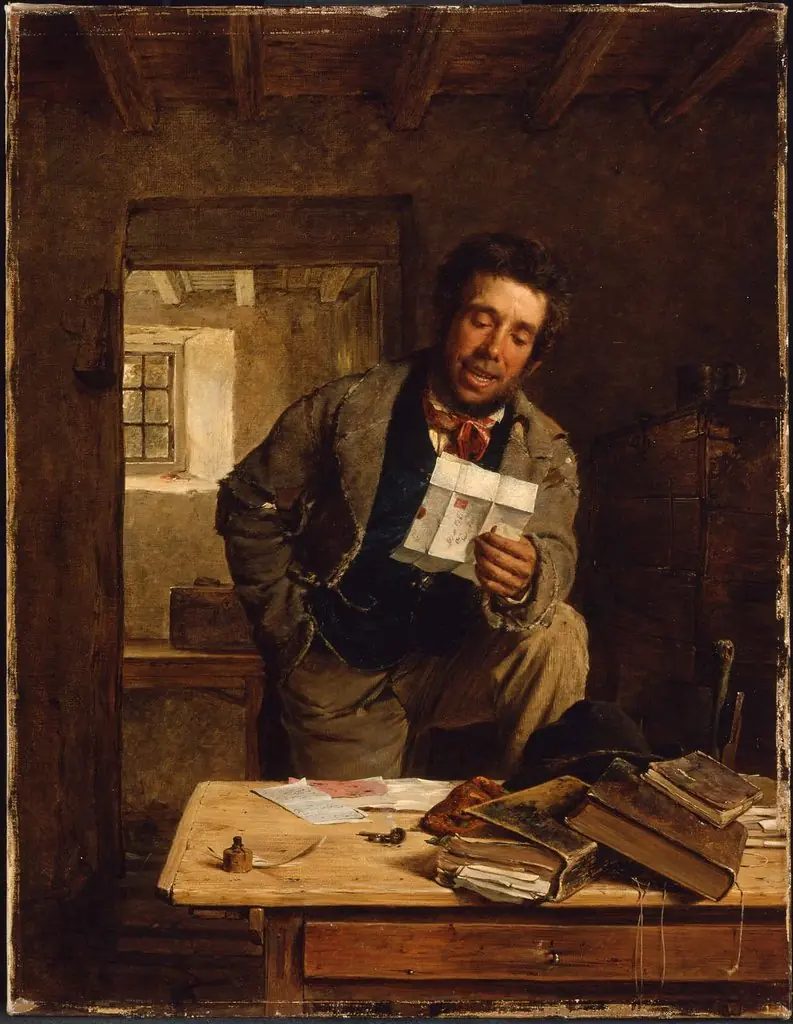 Good News
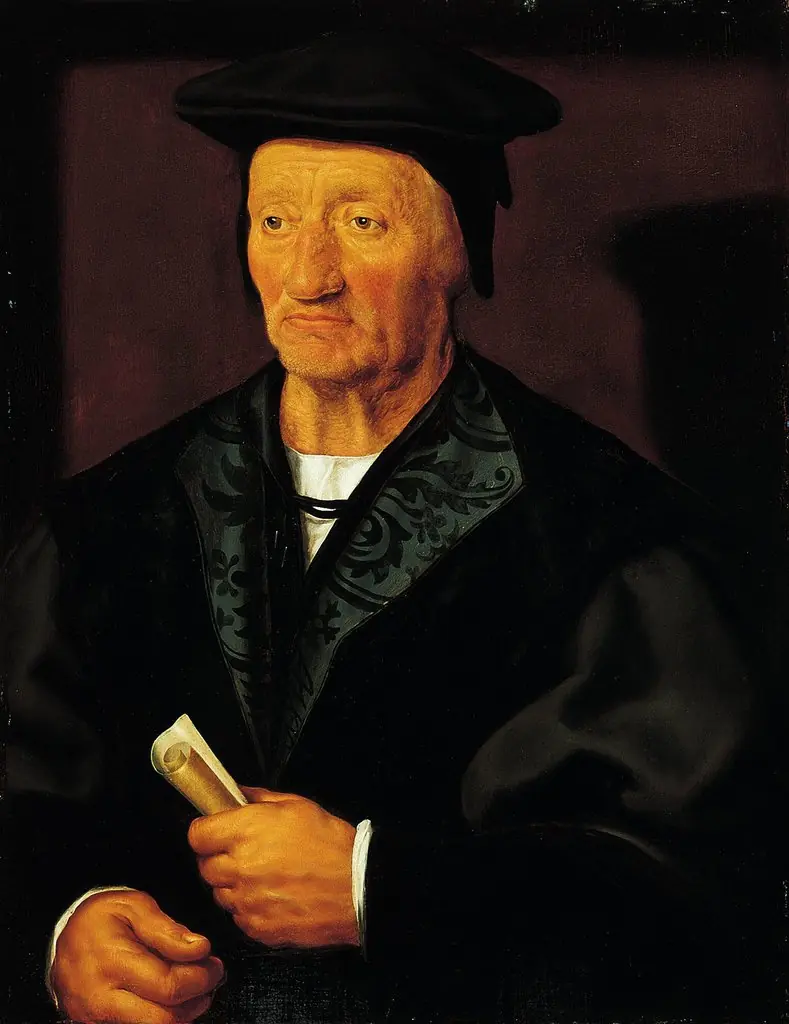 Portrait of Sebastian Münster
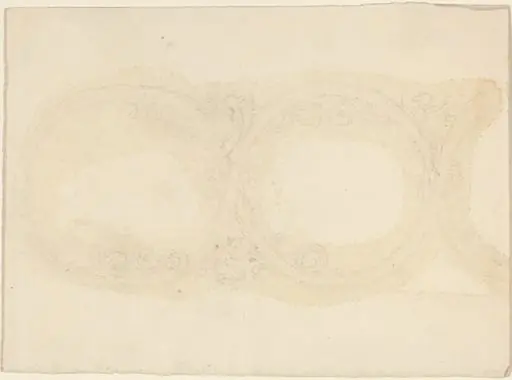 Ornamental Border Design with Winged Female Figures
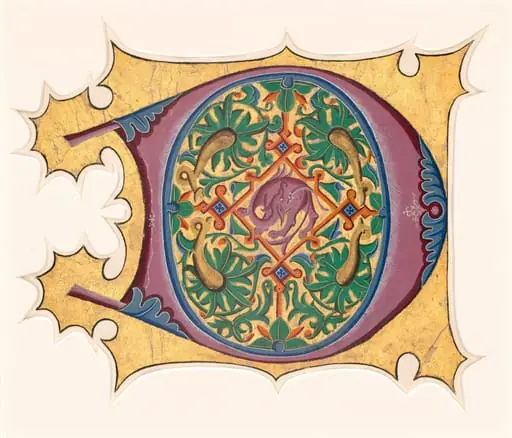 Initial D
![Studies for Jewelry Designs [verso]](https://artifactworldgallery.com/img/beatrix-godwin-whistler--studies-for-jewelry-designs-verso--6678495c47a709c3-w320.webp) Studies for Jewelry Designs [verso]
Studies for Jewelry Designs [verso]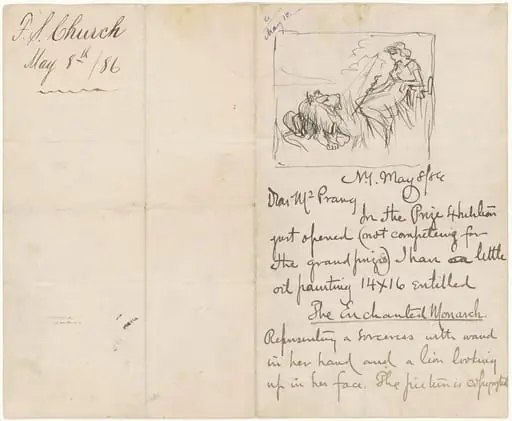 Study after "The Enchanted Monarch"
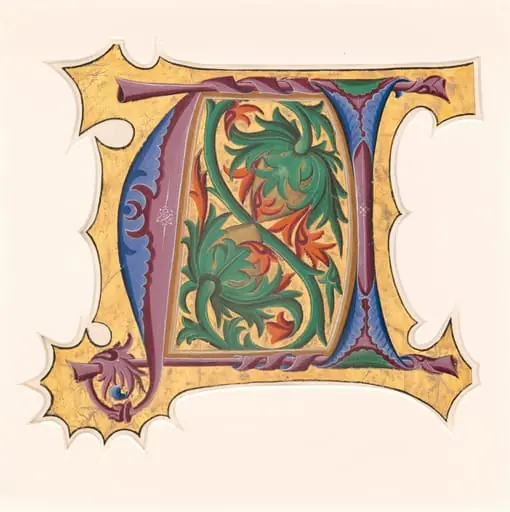 Initial U (?)
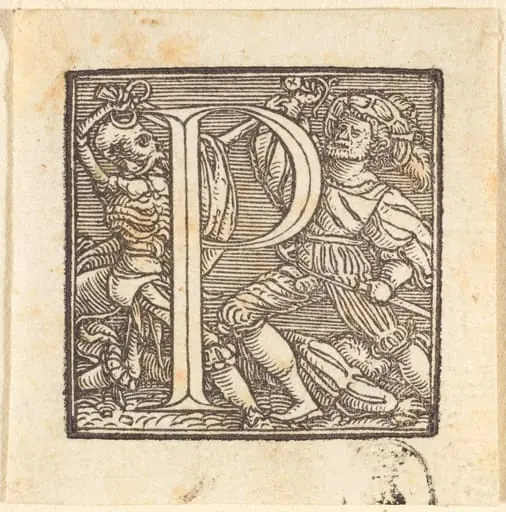 Letter P
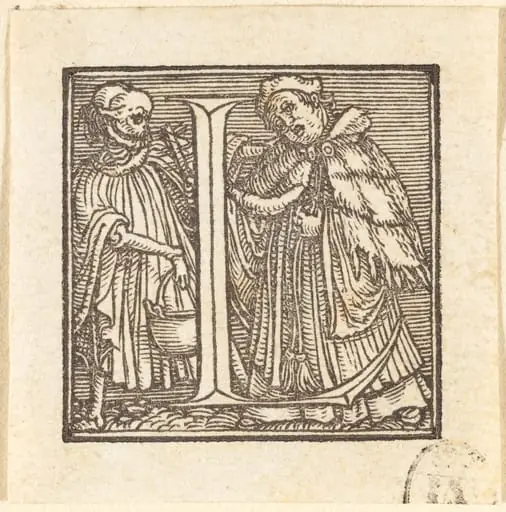 Letter L
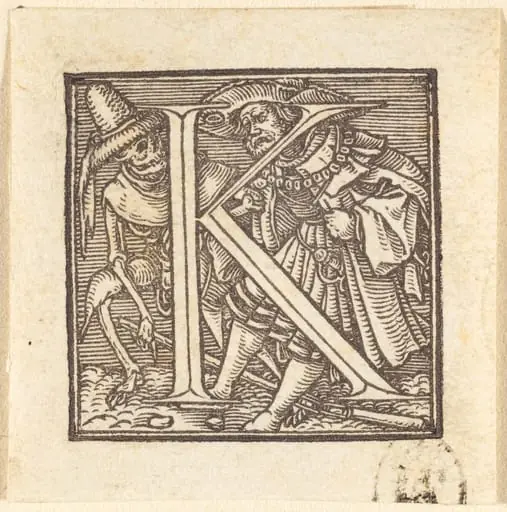 Letter K
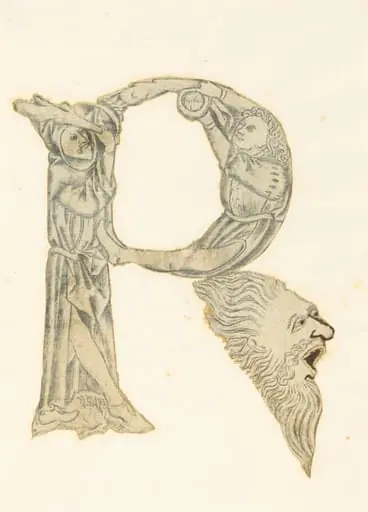 The Letter P (converted to an R)
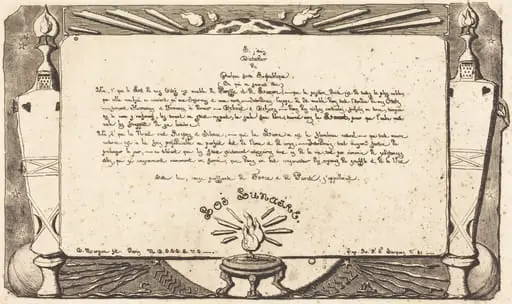 La Loi lunaire, 1er planche ("Lunar" Law, 1st plate)
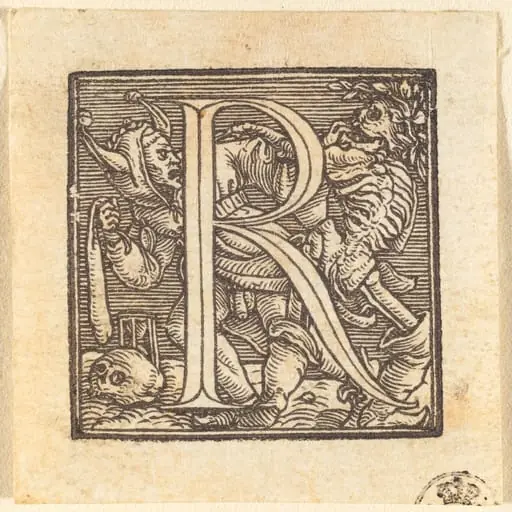 Letter R
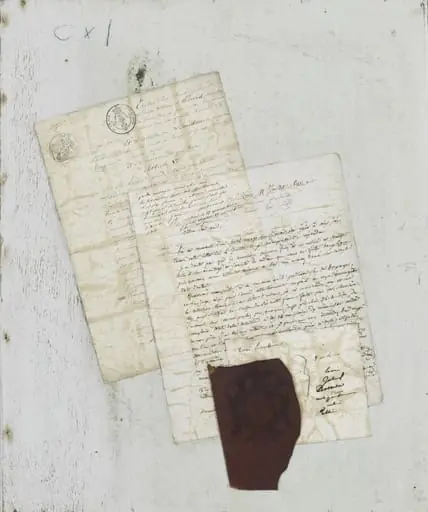 Untitled
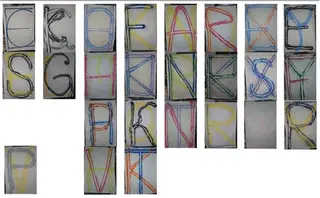 Untitled
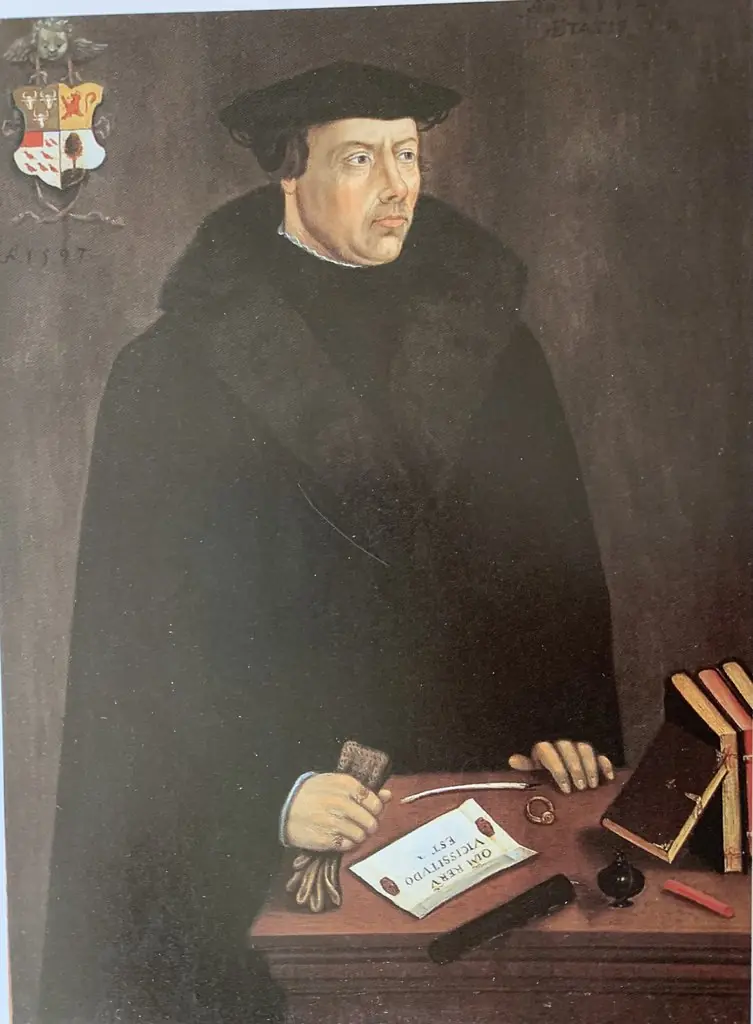 Portrait of Servaes Pietersz. Fabri
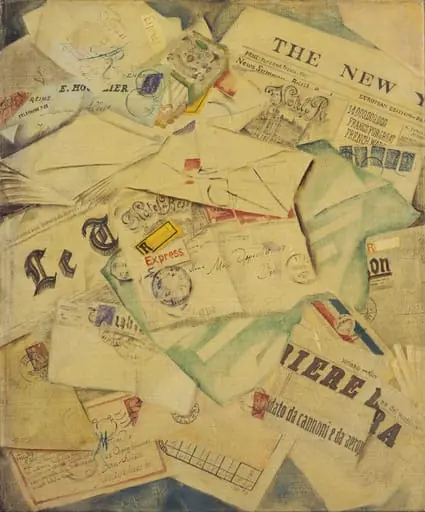 Untitled
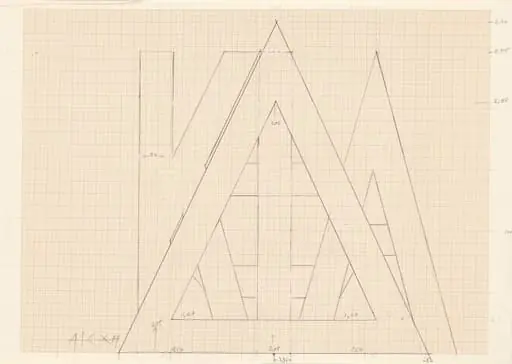 Δίκαιο -2- Μελέτη με Διαστάσεις
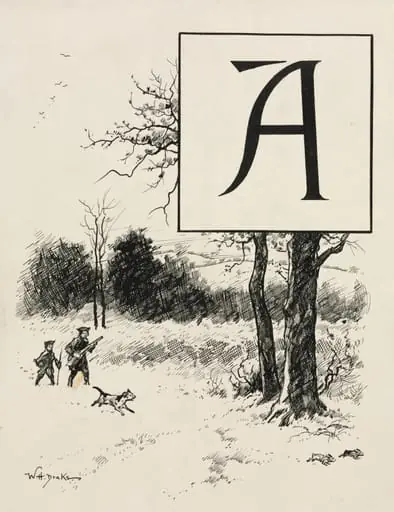 Inital A for Chapter VI from "Lorna Doone"
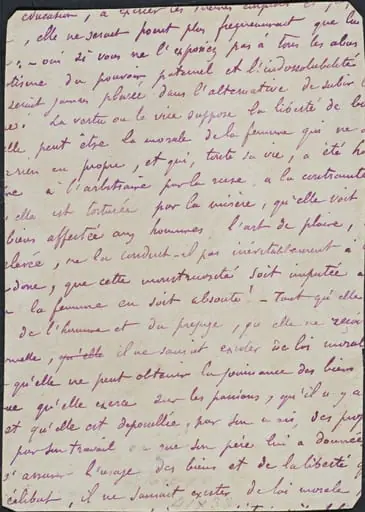 Untitled
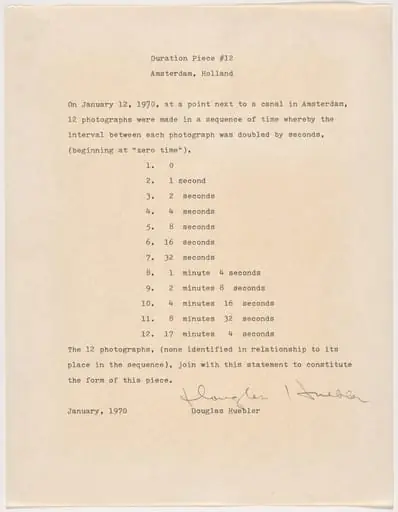 Untitled
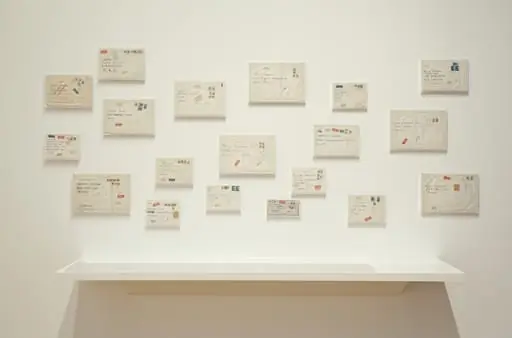 Untitled
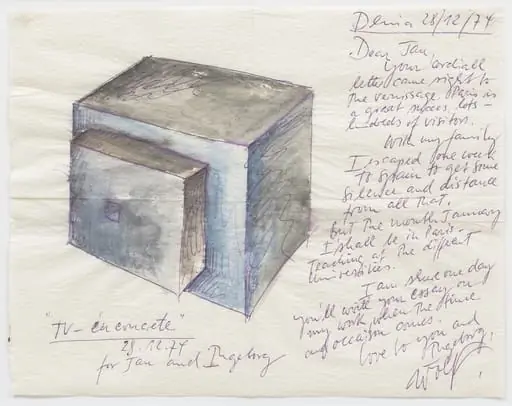 Untitled
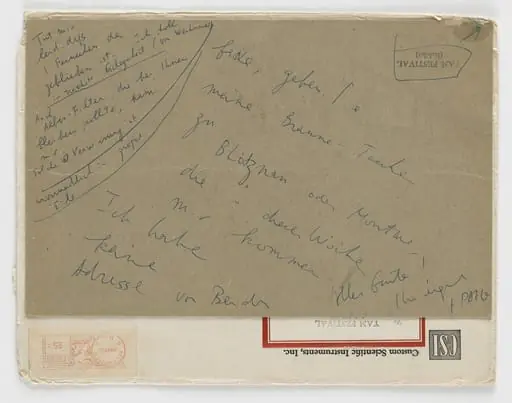 Untitled
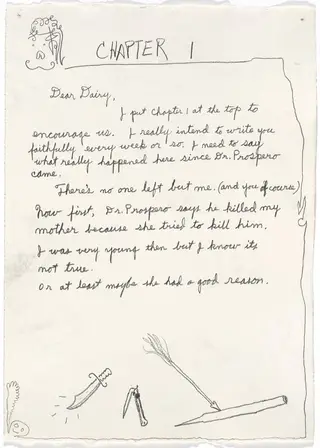 Untitled
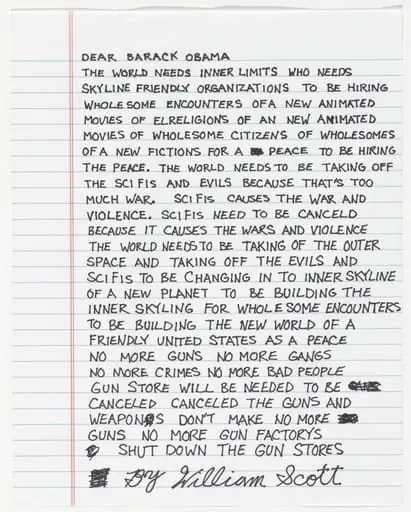 Untitled
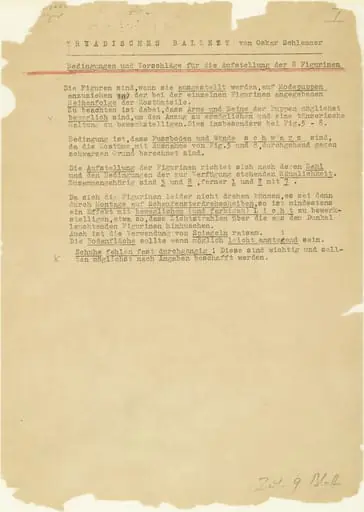 Untitled
 Untitled
 Untitled
 Untitled
 Untitled
 La terasă
 Lăcrămioare
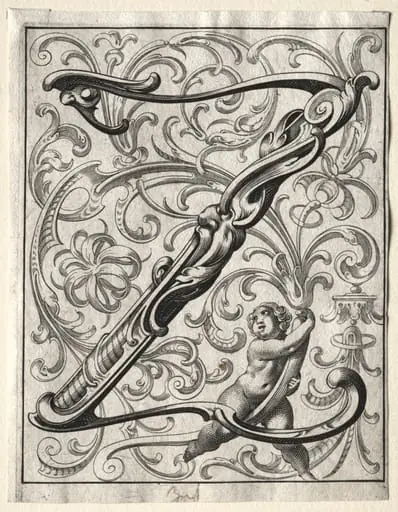 New ABC Booklet: Z
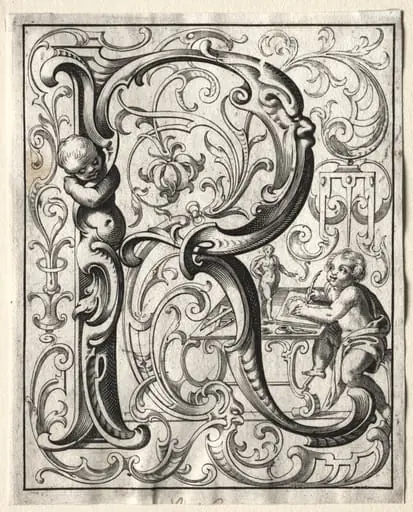 New ABC Booklet: R
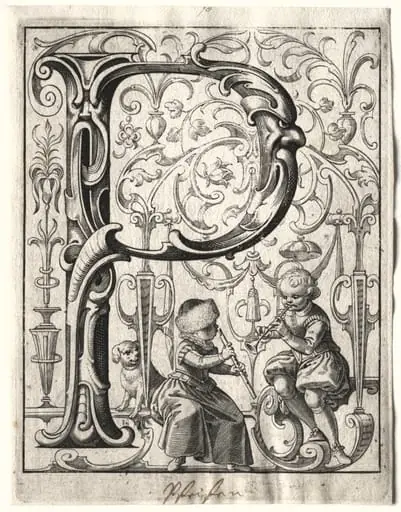 New ABC Booklet: P
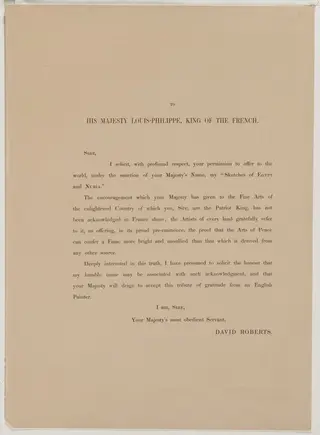 Egypt and Nubia, Volume I: Dedication Page
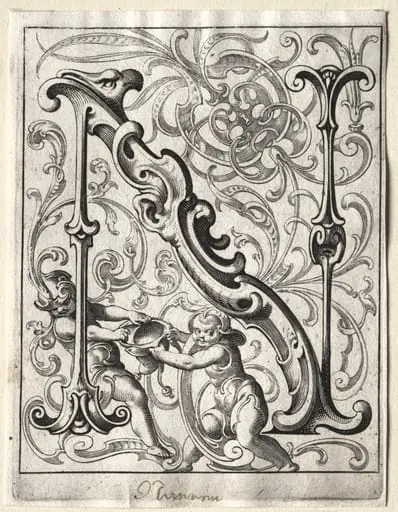 New ABC Booklet: N
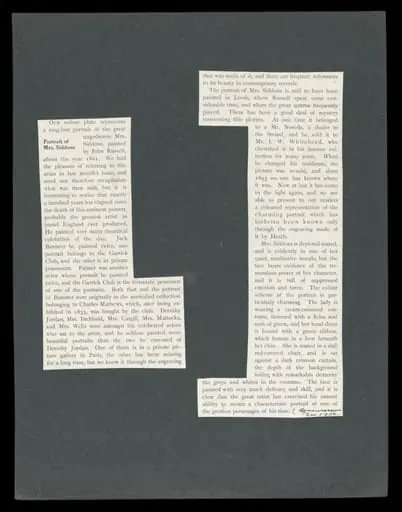 H Beard Print Collection
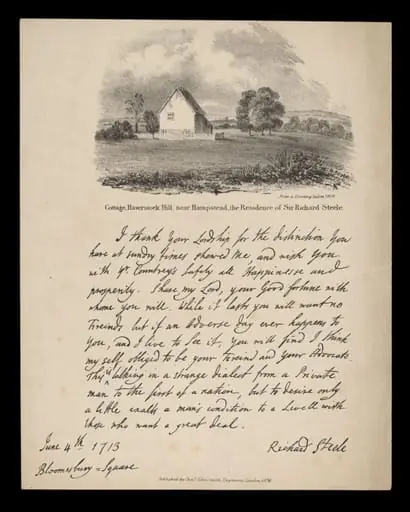 H Beard Print Collection
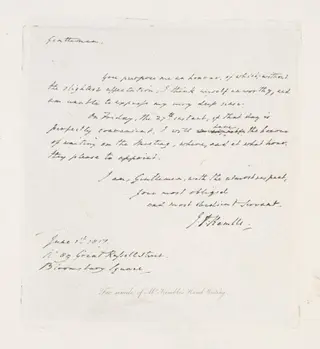 H Beard Print Collection
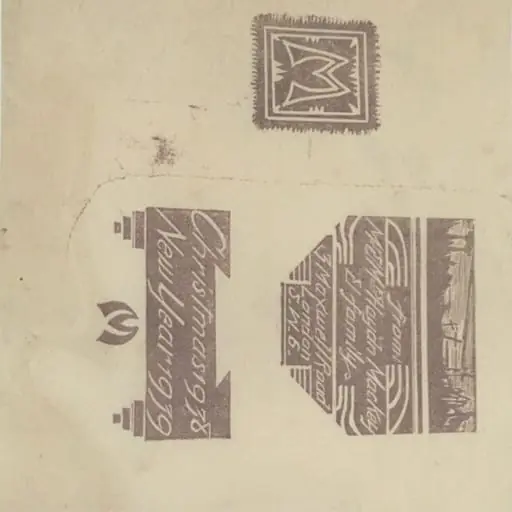 Untitled
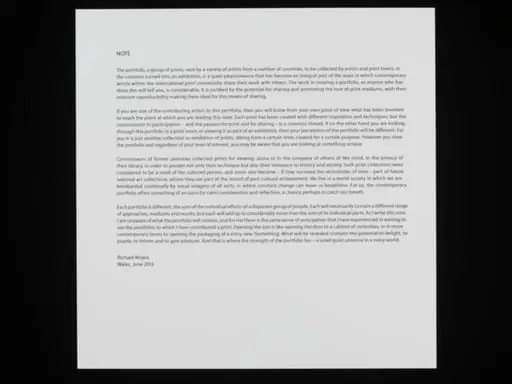 Untitled
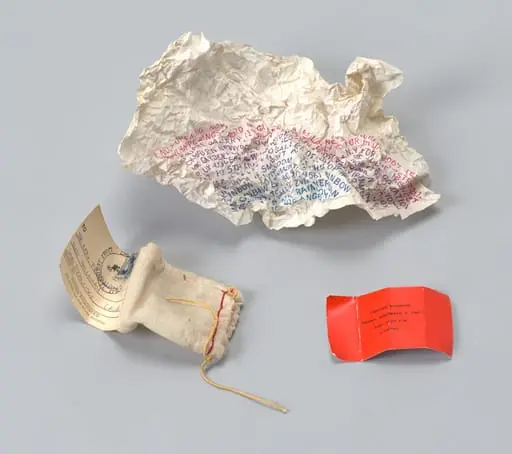 Untitled
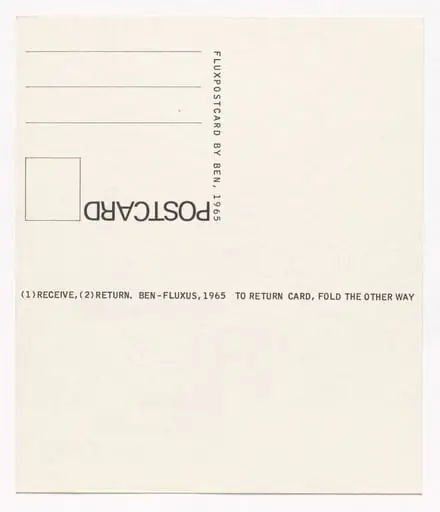 Untitled
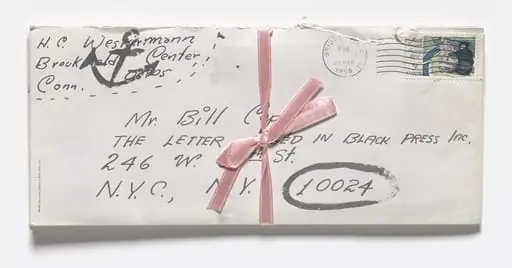 Untitled
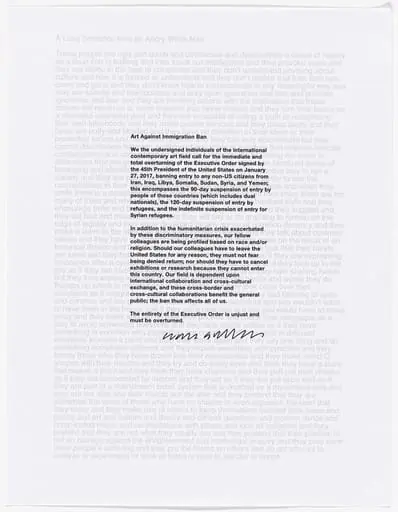 Untitled
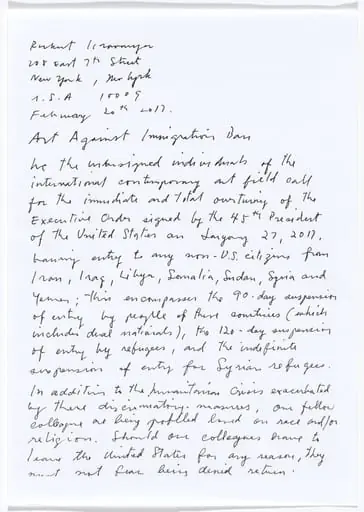 Untitled
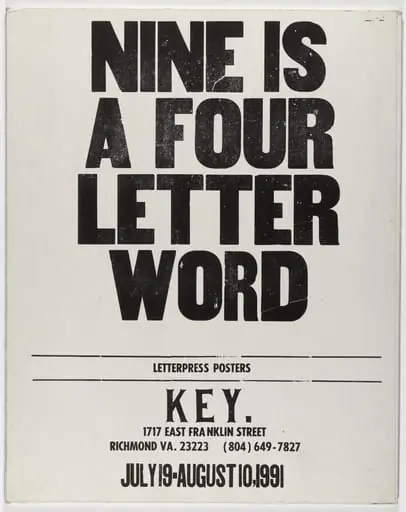 Untitled
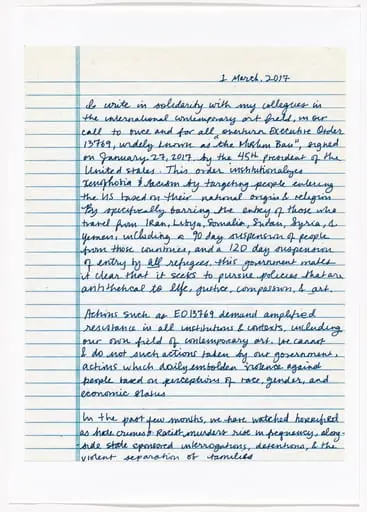 Untitled
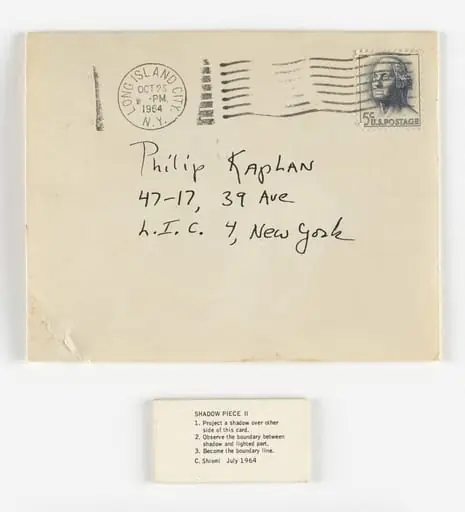 Untitled
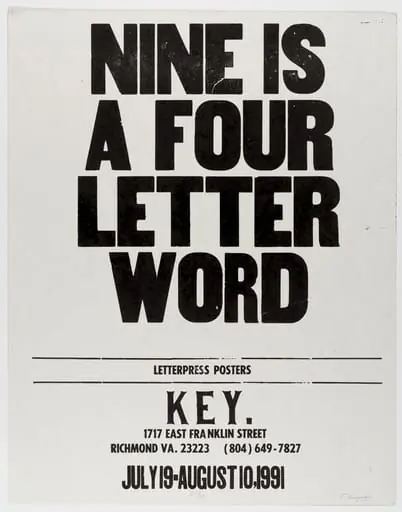 Untitled
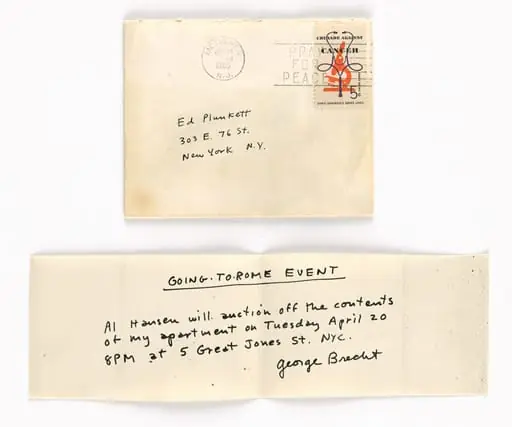 Untitled
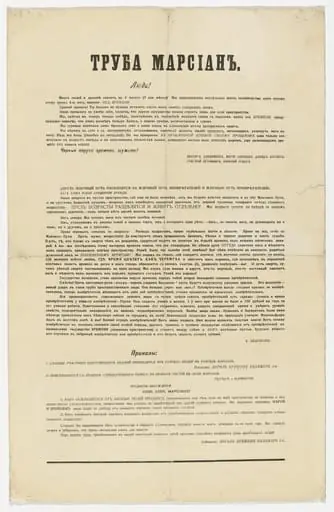 Untitled
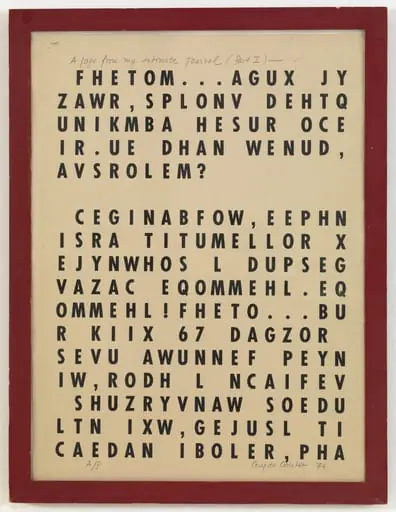 Untitled
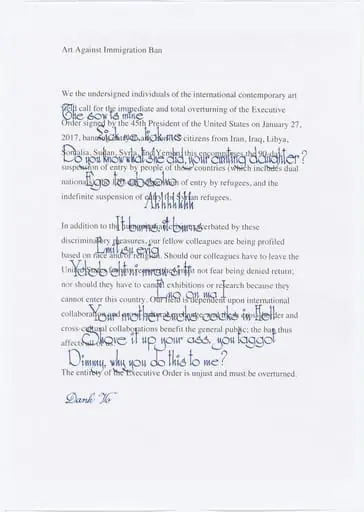 Untitled
 Untitled
Frequently asked questions
What is Letter?
Letter is a subject in art. A letter is a written message conveyed from one person (or group of people) to another through a medium.
How many Letter works does Artifact World Gallery have?
Artifact World Gallery holds 97 public-domain Letter works, all free to view and download.
Who are the key Letter artists?
Key Letter artists in the collection include Georges de La Tour, Jacques-Louis David and Johannes Vermeer.
Where can I see Letter works?
Letter works in the collection are held by Museum of Modern Art, National Gallery of Art and Metropolitan Museum of Art.