Artwork
A Gypsy Girl
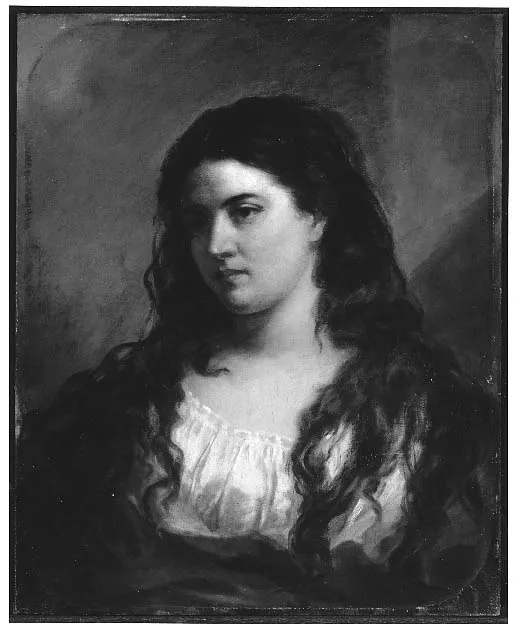
A Gypsy Girl is an oil painting by Joseph Alexander Ames. It dates from 1860 and is held in the collection of the Museum of Fine Arts Boston.
About this work
Overview
Painted in 1860 by Joseph Alexander Ames, this oil portrait captures a young woman in a modest, intimate setting. The work is part of the permanent collection at the Museum of Fine Arts, Boston. Ames, active in the mid-nineteenth century, focused on quiet, unidealized figures, often drawn from ordinary life. This piece reflects his interest in personal presence over narrative drama.
Subject & Meaning
The subject is a young woman with dark, loose hair and a simple white blouse, her gaze softly directed to the left.
The subject is a young woman with dark, loose hair and a simple white blouse, her gaze softly directed to the left. Her expression is calm, with a subtle smile that suggests introspection rather than performance. There is no indication of her identity or story, and the lack of context invites contemplation of her inner state. The portrait emphasizes dignity in stillness, avoiding romanticized stereotypes.
Technique & Style
Ames employed fine brushwork to render the texture of the woman’s hair and the soft folds of her blouse, while the background remains muted and undefined. The lighting is even, drawing attention to her face and eyes without dramatic contrast. The composition is tightly cropped at the chest, focusing the viewer’s attention on her expression and demeanor, a hallmark of Ames’s intimate portraiture.
History & Provenance
The painting was completed in 1860 and entered the Museum of Fine Arts, Boston’s collection in the late nineteenth century. Its early ownership is undocumented, but it has remained in public hands since its acquisition by the museum. No significant alterations or restorations are recorded, preserving its original surface and tonal balance.
Context
In the mid-1800s, American artists increasingly turned to individual portraits that conveyed psychological depth rather than social status. Ames’s work aligns with this trend, distinguishing itself from grand historical or aristocratic subjects. His depictions of ordinary people, including those from marginalized communities, reflect a quiet shift toward humanistic representation in American art.
Legacy
Though not widely exhibited outside institutional settings, the painting remains a representative example of Ames’s approach to portraiture. It contributes to the understanding of how mid-nineteenth-century American artists engaged with quiet, everyday subjects. Its endurance in the museum’s collection underscores its value as a thoughtful, unadorned study of presence.
Artist & collection


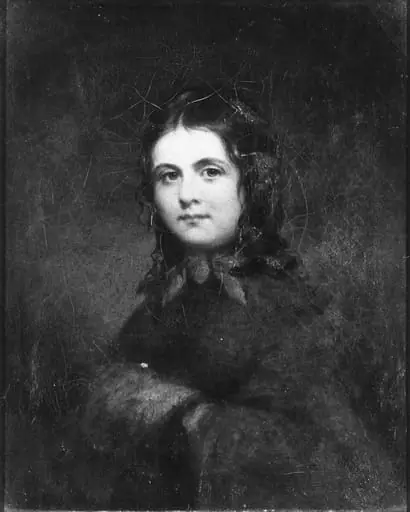
- Woman with a Muff
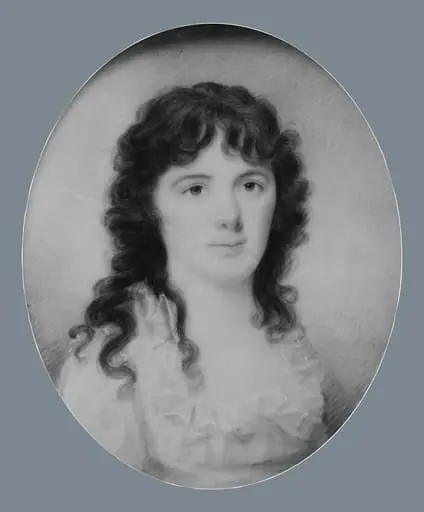 Mrs. John Nightingale (Martha Washington Greene)
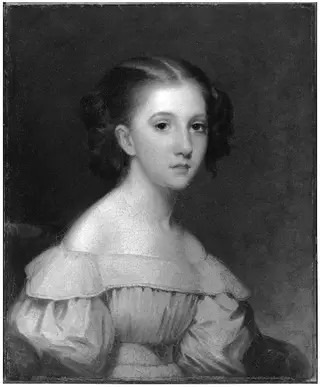 Annie Bigelow Lawrence
 Mrs. Thomas Larcombe (Anna Smith)
 Head of a Girl
 Portrait of a Woman
 Mrs. Charlotte Lennox
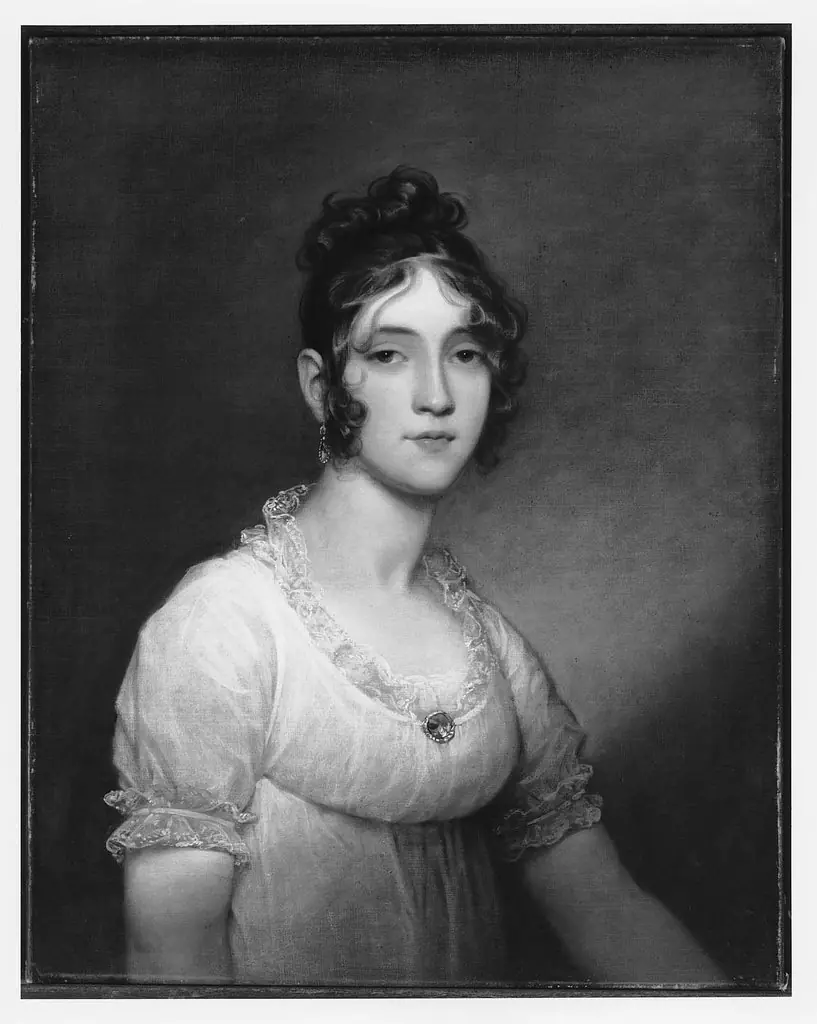 Mrs. Stephen Minot (Sally Minot)
 Hannah P. Moore
 Mrs. Samuel Vaughan
 Portrait of a Lady
![A Study from Life [and] Study for Angel Releasing Saint Peter from Prison, by Washington Allston](https://artifactworldgallery.com/img/washington-allston--a-study-from-life-and-study-for-angel-releasing-saint-peter--13db111bb86c178e-w320.webp) A Study from Life [and] Study for Angel Releasing Saint Peter from Prison
A Study from Life [and] Study for Angel Releasing Saint Peter from Prison