Artwork
Possibly Margaret Robins
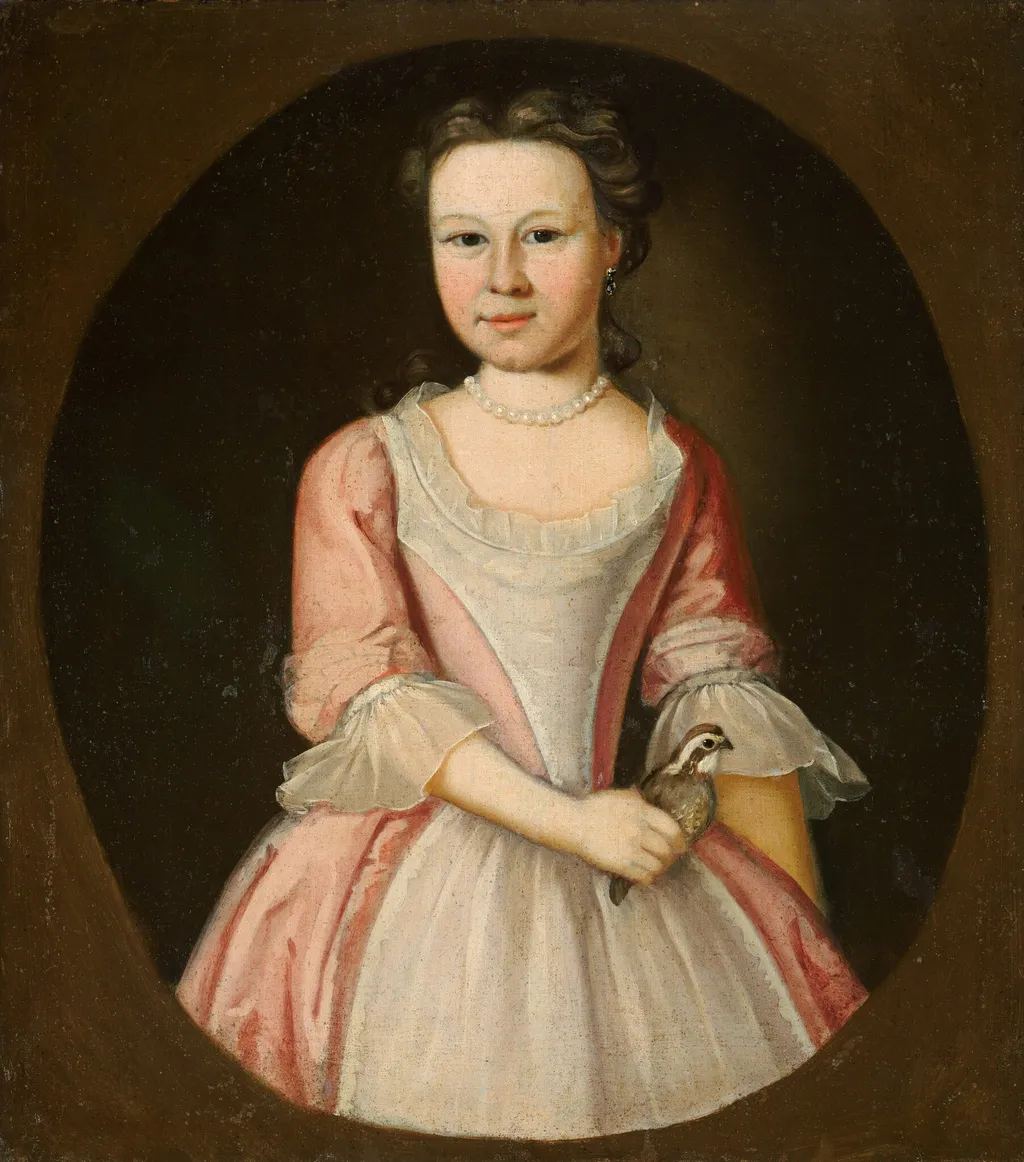
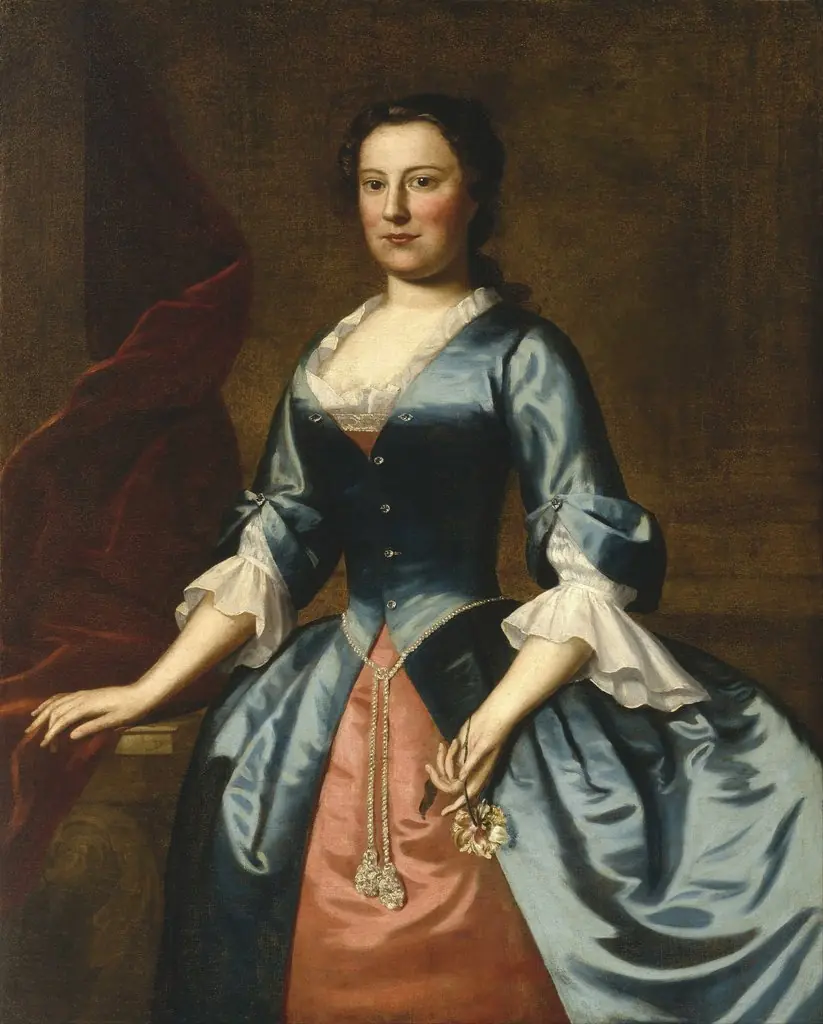
Possibly Margaret Robins is an oil painting. It dates from 1745 and is held in the collection of the National Gallery of Art.
About this work
History & Provenance
Documentary evidence, including a 1948 letter from Goldsborough and a 1954 citation by Alice Winchester, confirms this descent.
The work, an oil on canvas portrait attributed to an American 18th‑century artist, was recorded as originating in Maryland and descending through collateral relatives of the sitter to Joseph Chamberlaine Hayward of Easton. Hayward’s lineage passed the piece to Richard Goldsborough, who sold it in 1948 to Edgar William and Bernice Chrysler Garbisch; the couple later bequeathed it to the National Gallery of Art in 1980. Documentary evidence, including a 1948 letter from Goldsborough and a 1954 citation by Alice Winchester, confirms this descent. The painting is dated to 1745, matching the recorded inception date.
The painting is held in the collection of the National Gallery of Art in Washington, D.C., having entered the museum via bequest from Edgar William and Bernice Chrysler Garbisch in 1980. Prior to this acquisition, the work was sold in 1948 by Joseph Chamberlaine Hayward of Easton, Maryland, through the dealer Richard Goldsborough to the Garbisches. The piece had previously remained within the collateral descendants of the sitter, who were recorded as residing in Maryland.
While specific inventory or accession numbers are not detailed in the available records, the work's provenance is documented through a 1948 letter from Goldsborough and a 1954 editorial in Antiques magazine. There is no information provided regarding the exhibition history of this portrait.
Overview
This oil on canvas painting, tentatively titled "Possibly Margaret Robins," depicts a young woman. She is shown in a pink and white garment, gently holding a small bird. The artwork's composition emphasizes her figure against a dark backdrop, highlighting her features and attire.
Its visual characteristics align with the Baroque aesthetic, employing a particular approach to light and color to create a focused and engaging portrait.
Subject & Meaning
The central figure, a young woman, is adorned with a pearl necklace and has her hair neatly styled. Her gaze is directed outward, engaging the viewer. In her right hand, she gently cradles a small bird, which appears serene and integrated into the portrait's narrative.
This interaction between the subject and the bird may symbolize innocence, companionship, or a connection to nature, common themes in portraiture of the period.
Technique & Style
The painting exemplifies characteristics of the Baroque period through its artistic execution. Soft, diffused lighting illuminates the subject, creating subtle transitions between light and shadow that define her form. The palette consists of gentle colors, particularly in her dress, which contrast with the darker background.
This contrast serves to make the woman's face and clothing prominent, a typical Baroque technique for dramatic effect and focus.
Context
Created as an oil painting, this work reflects the prevailing artistic trends of the Baroque era, which was prominent throughout the 17th and 18th centuries. Artists during this period often explored dramatic compositions, emotional intensity, and a rich interplay of light and shadow. While specific details about its creation are limited, the painting's stylistic elements firmly place it within the broader context of 18th-century European art.
Artist & collection

- James Badger
 Jean Dick (Mrs. Anthony Stewart)
 Sarah Ursula Rose
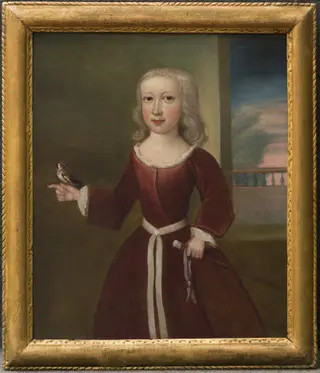 Henry Dobinson
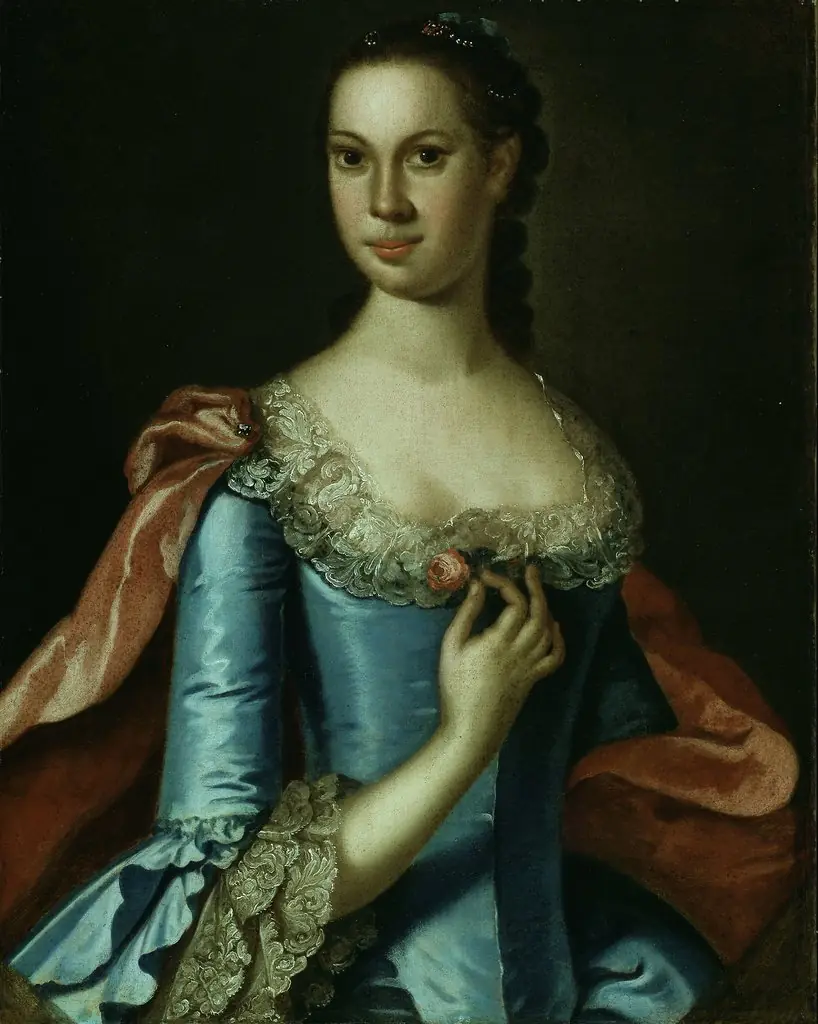 Mrs. William Carmichael
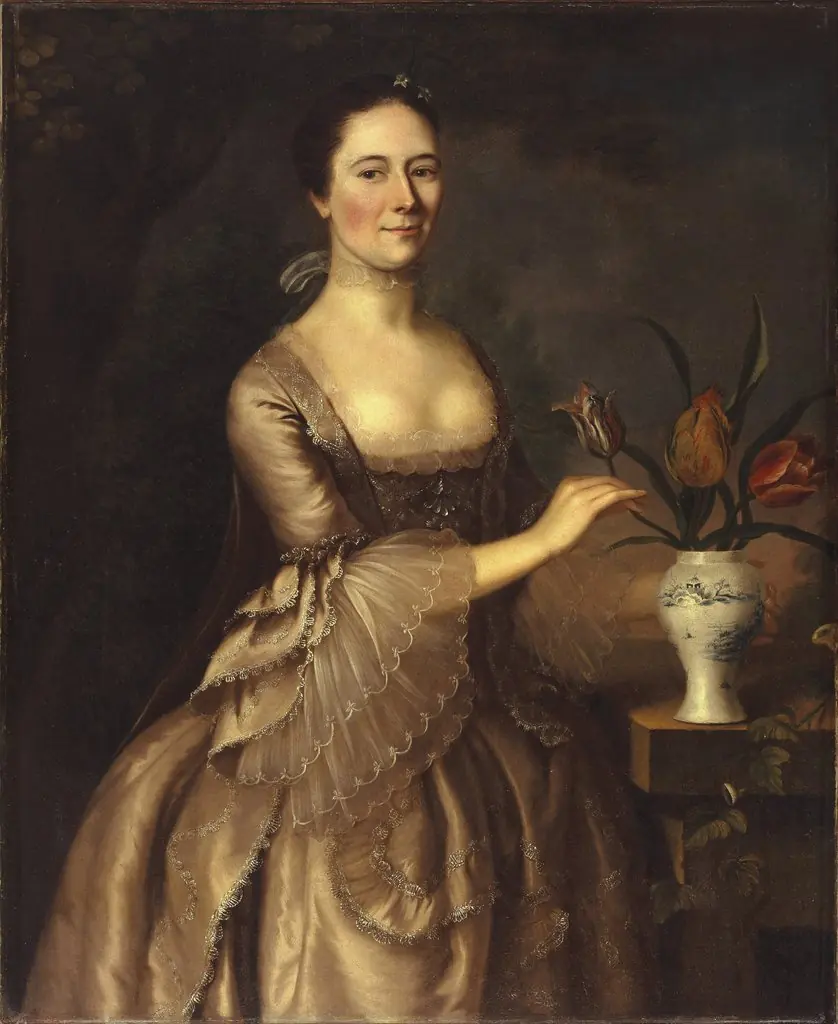 Portrait of a Woman
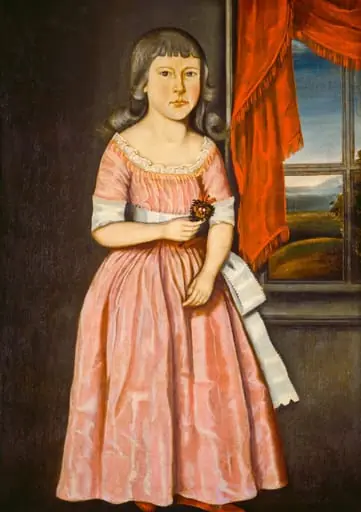 Girl in a Pink Dress
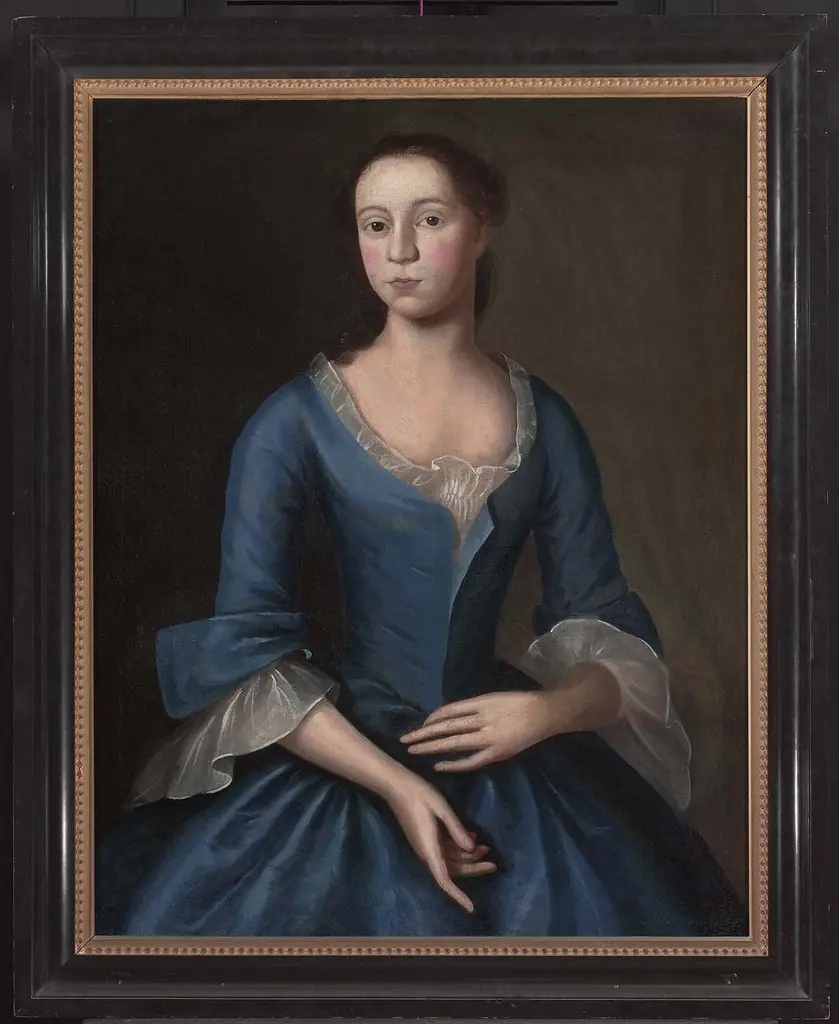 Elizabeth Storer (Mrs. Isaac Smith)
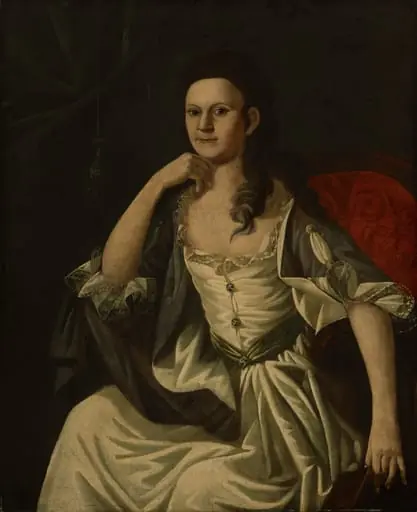 Jane Cutler Doane
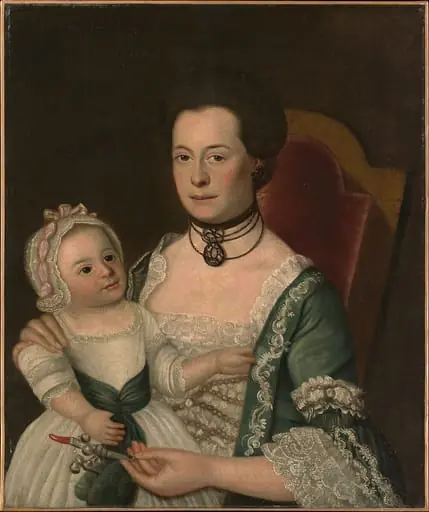 Mrs. Jacob Hurd and Child
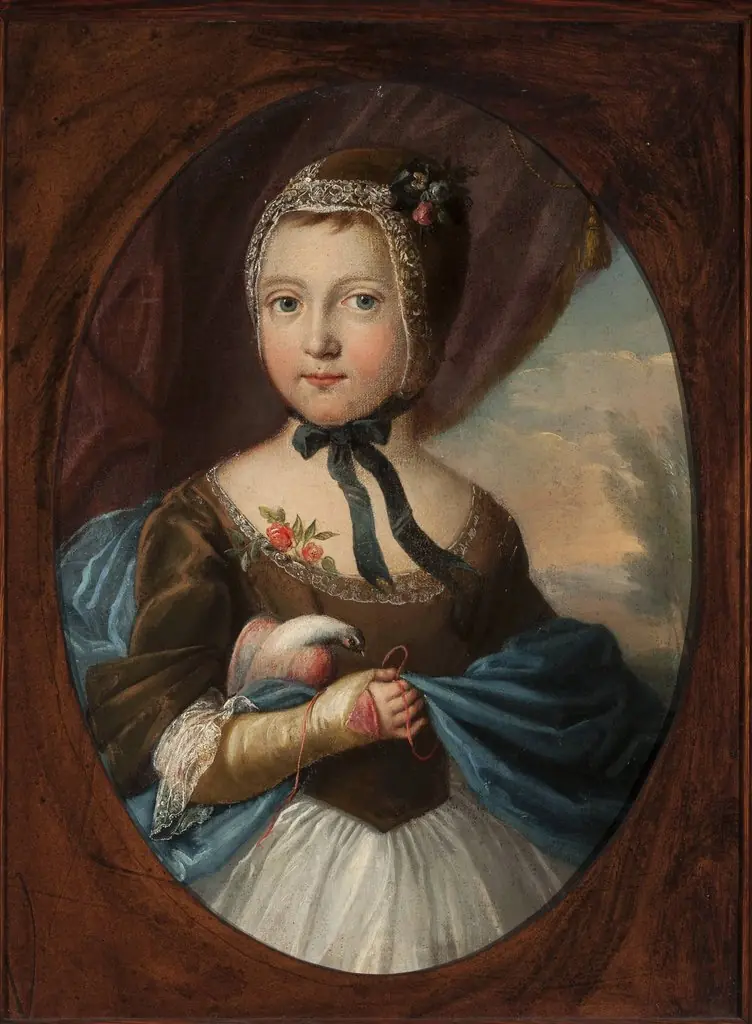 Portrait of Anna Bogusławska née Linowska (1734–1762)
 Portrait of Mrs. Samuel McCall, Sr. (Anne McCall, 1720–1785)