Artwork
Portrait of a Lady
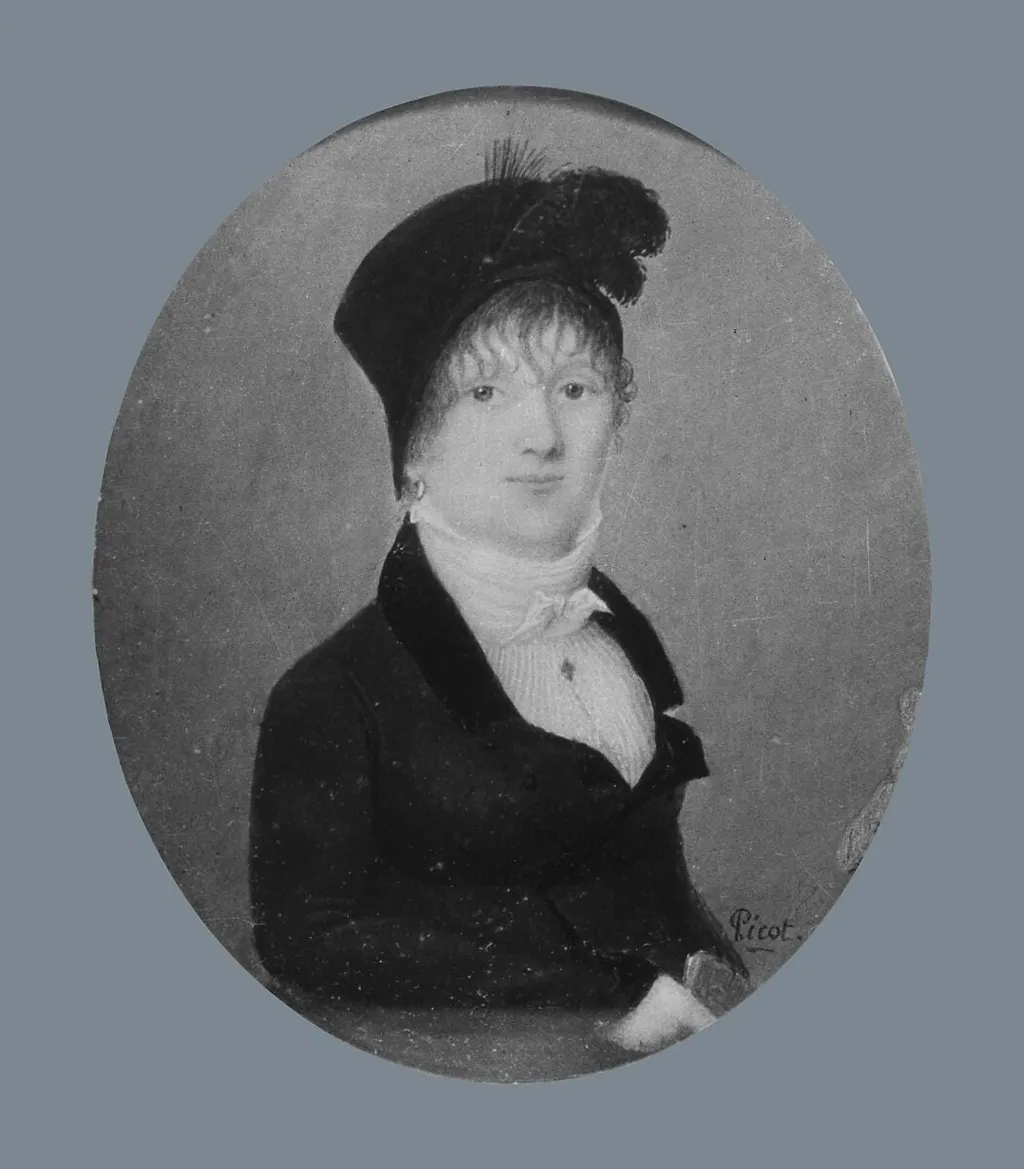
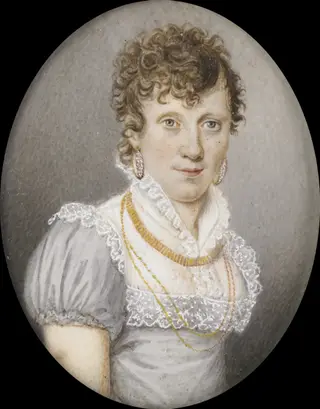
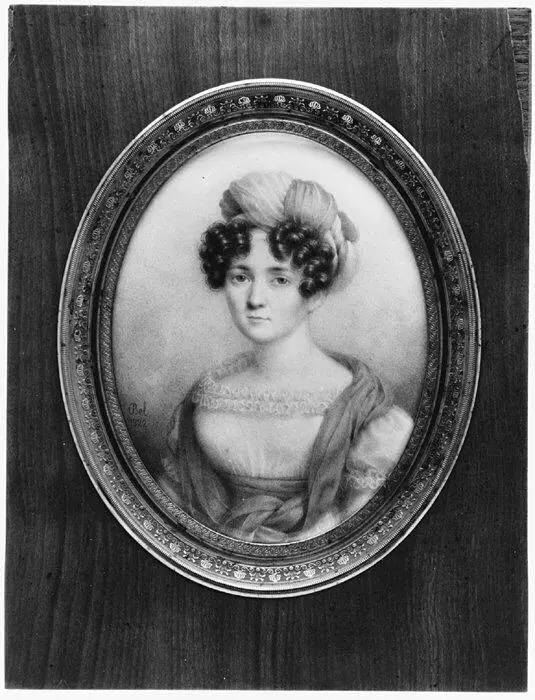
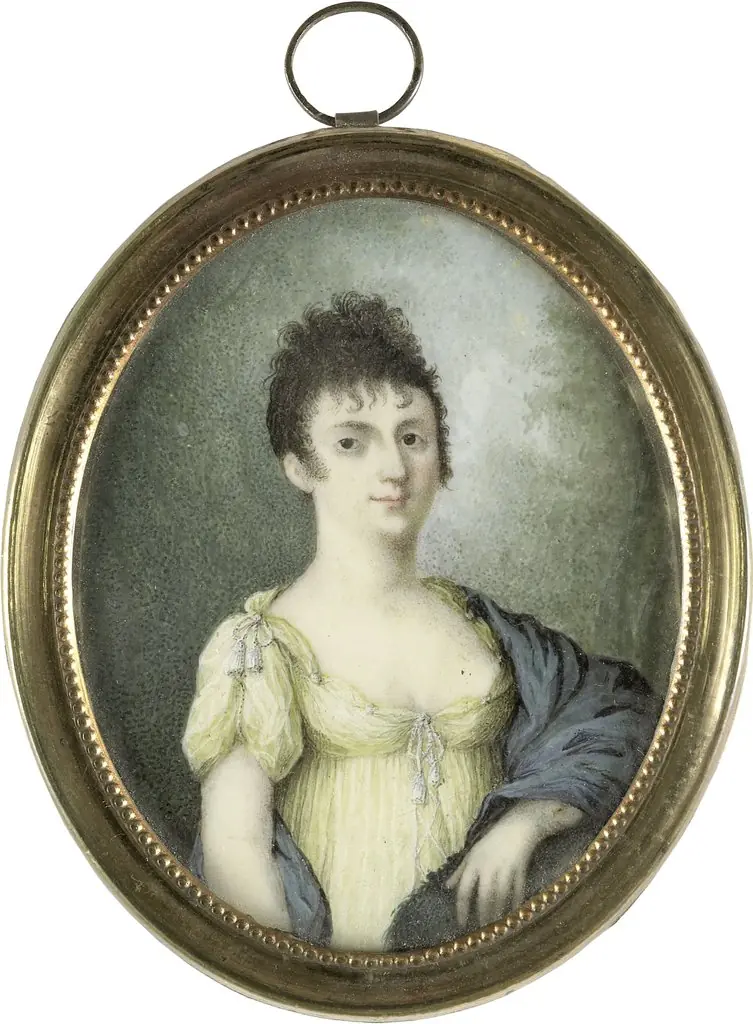
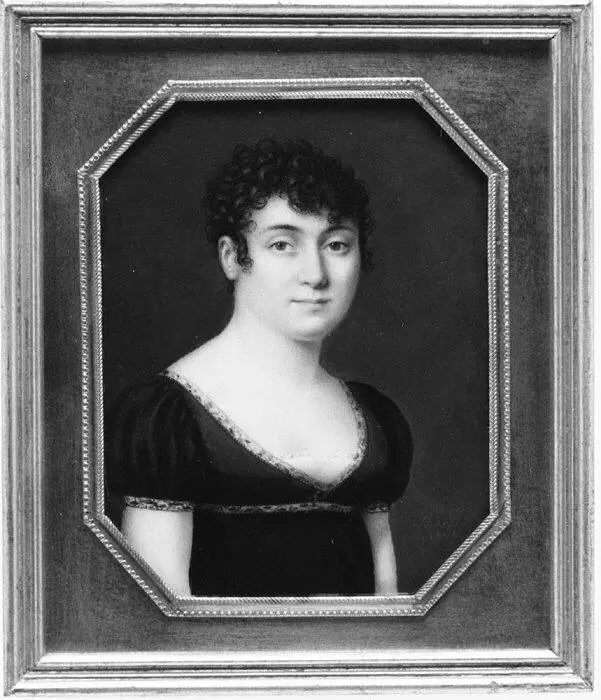
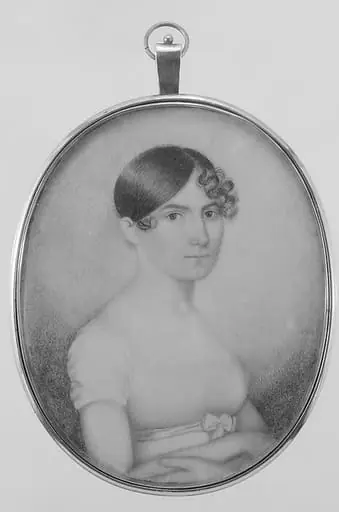
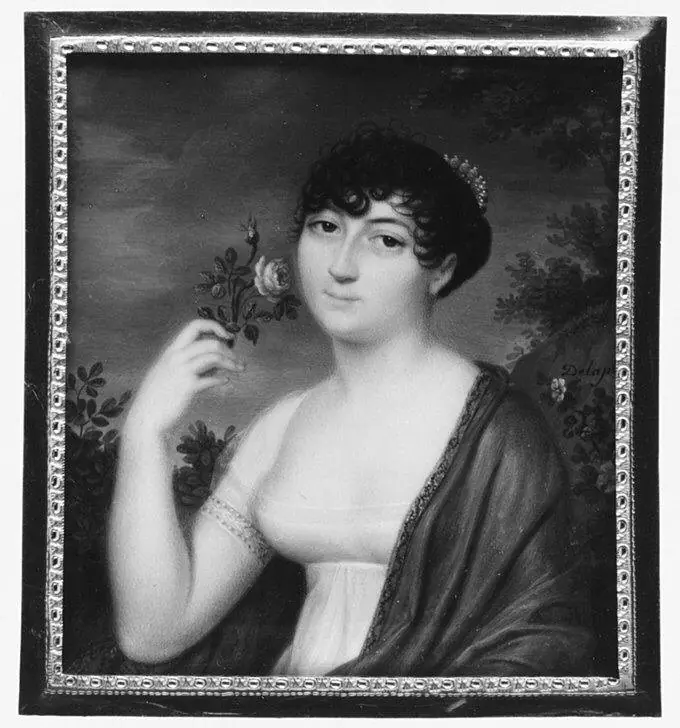
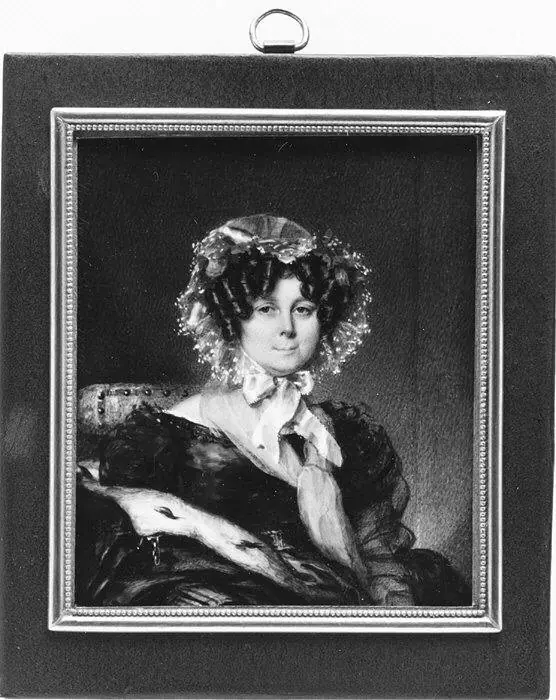
Portrait of a Lady is a watercolor painting by the American Folk Art artist Joseph-Pierre Picot de Limoelan de Cloriviere. It dates from 1808 and is held in the collection of the Metropolitan Museum of Art.
About this work
Technique & Style
The watercolor handling lends softness to the sitter's features and tonal gradations, while the compact format concentrates attention on the female subject.
The work is executed in watercolor on ivory, a miniature format suited to intimate portraiture. Its modest dimensions, recorded at approximately 6.7 cm in height by 5.4 cm in width, place it firmly within the conventions of small-scale portrait miniatures. The ivory support, prized for its smooth, luminous surface, allowed the artist to build delicate, translucent washes that produce a refined, enamel-like finish characteristic of the medium.
The watercolor handling lends softness to the sitter's features and tonal gradations, while the compact format concentrates attention on the female subject. The work is held in the collection of the Metropolitan Museum of Art, classified within The American Wing.
History & Provenance
Portrait of a Lady was created in 1808 by Joseph-Pierre Picot de Limoelan de Cloriviere, executed as a watercolor on ivory. The work entered the collection of the Metropolitan Museum of Art, where it is classified under The American Wing and held to the present day. No further details regarding an earlier commission, prior ownership, or intermediate provenance are documented in the available records.
Overview
Created in 1808 by the French artist Joseph-Pierre Picot de Limoelan de Cloriviere, this work is a portrait miniature executed in watercolor on ivory. The composition features a woman facing forward, her gaze directed straight at the viewer. She wears a white dress typical of the Empire silhouette, and her dark hair is arranged in a high pile.
The artist utilizes the translucent quality of the ivory support to achieve a luminous effect in the rendering of the sitter's skin, applying tiny, precise brushstrokes that define her features with delicacy. A soft, neutral gray wash serves as the background, ensuring the figure remains the sole focal point without distraction. As a miniature, the object is designed to be held in the hand, functioning as an intimate keepsake.
This medium was the standard for personal portraiture in the early 19th century prior to the advent of photography. The work exemplifies the technical refinement and aesthetic conventions of French portrait miniatures from the Napoleonic era, reflecting the artist's skill in capturing likeness on a small scale.
Subject & Meaning
The subject of this miniature is an unidentified woman, depicted looking directly forward. She wears a white dress, characteristic of early 19th-century fashion, and her dark hair is styled in an elaborate, high arrangement. The direct gaze and personal scale suggest the portrait was intended for a private viewer, perhaps a family member or close acquaintance, embodying a personal connection rather than a public display.
Context
Miniature portraits like this one were a prevalent form of personal art in the late 18th and early 19th centuries, often commissioned as cherished keepsakes or tokens of affection. Before the invention of photography, these small, detailed images served as the primary means of preserving a loved one's likeness. Joseph-Pierre Picot de Limoelan de Cloriviere, though French-born, contributed to this artistic tradition while working in America.
Artist & collection

Artist
Joseph-Pierre Picot de Limoelan de Cloriviere
Joseph-Pierre Picot de Limoelan de Cloriviere (1768–1826) was an artist, born in Nantes.