Artwork
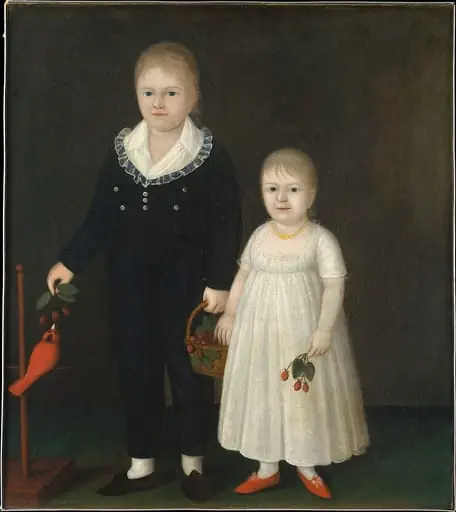
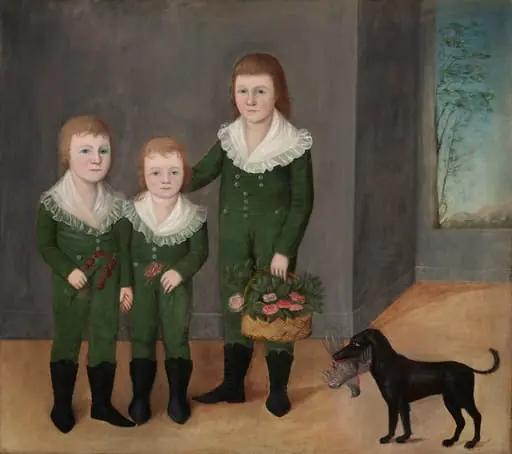
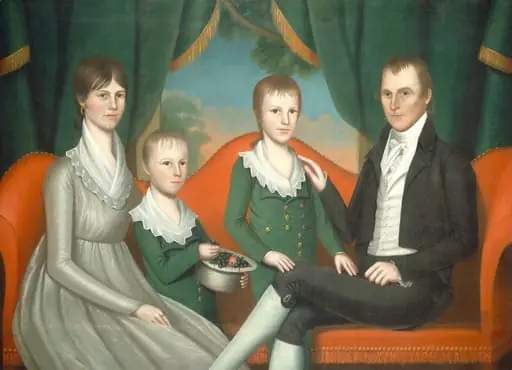
John Jacob Anderson and Sons, John and Edward
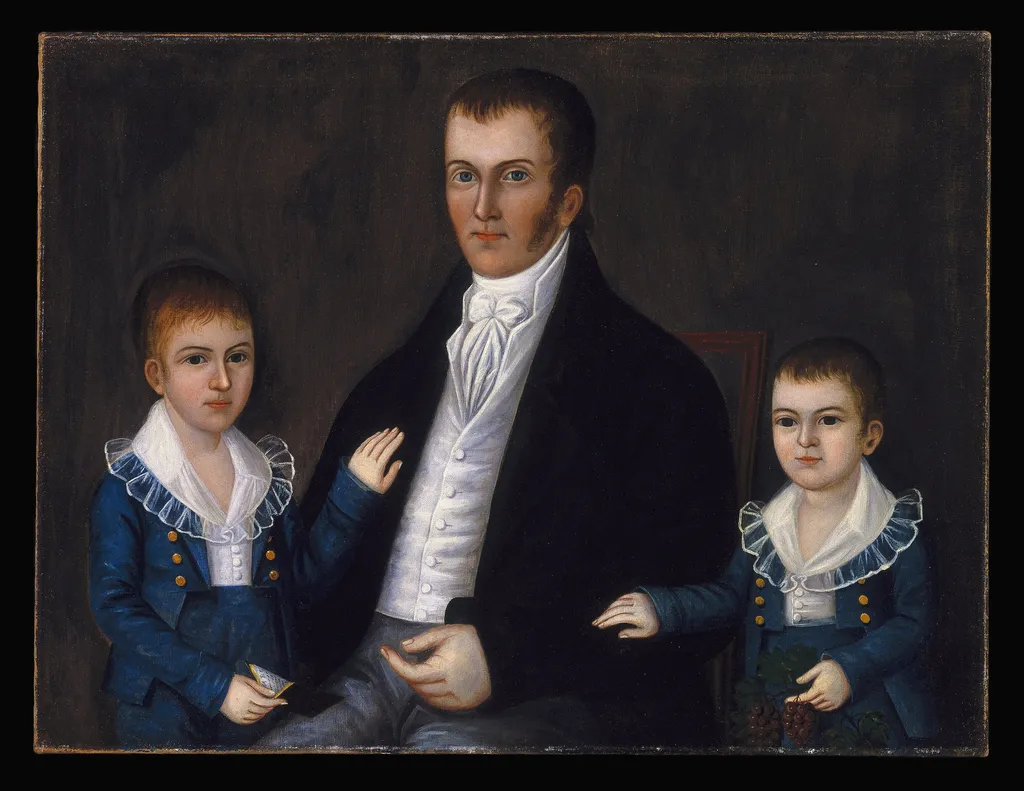
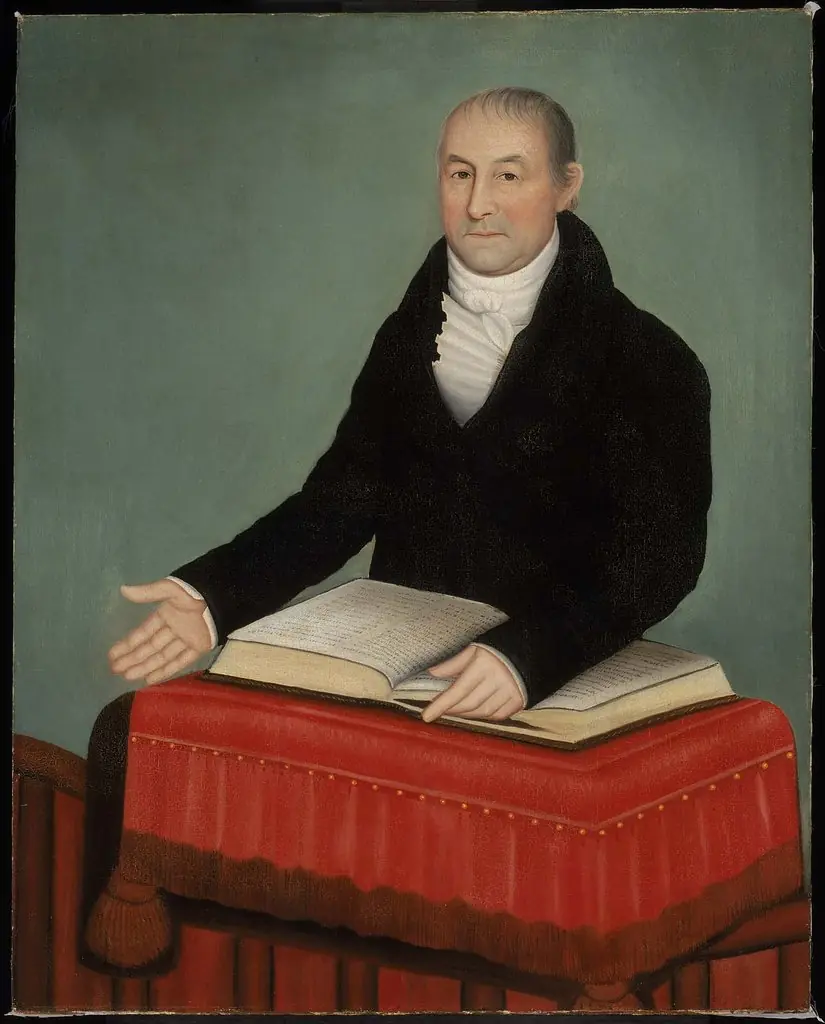
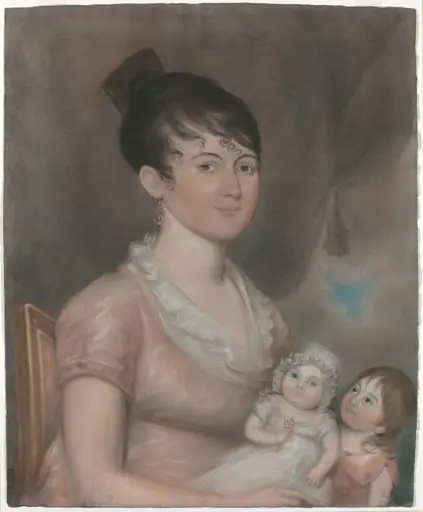
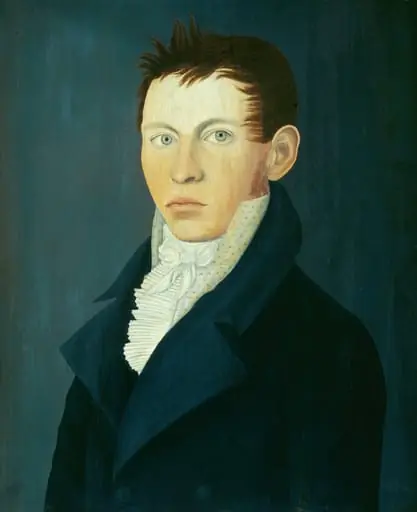
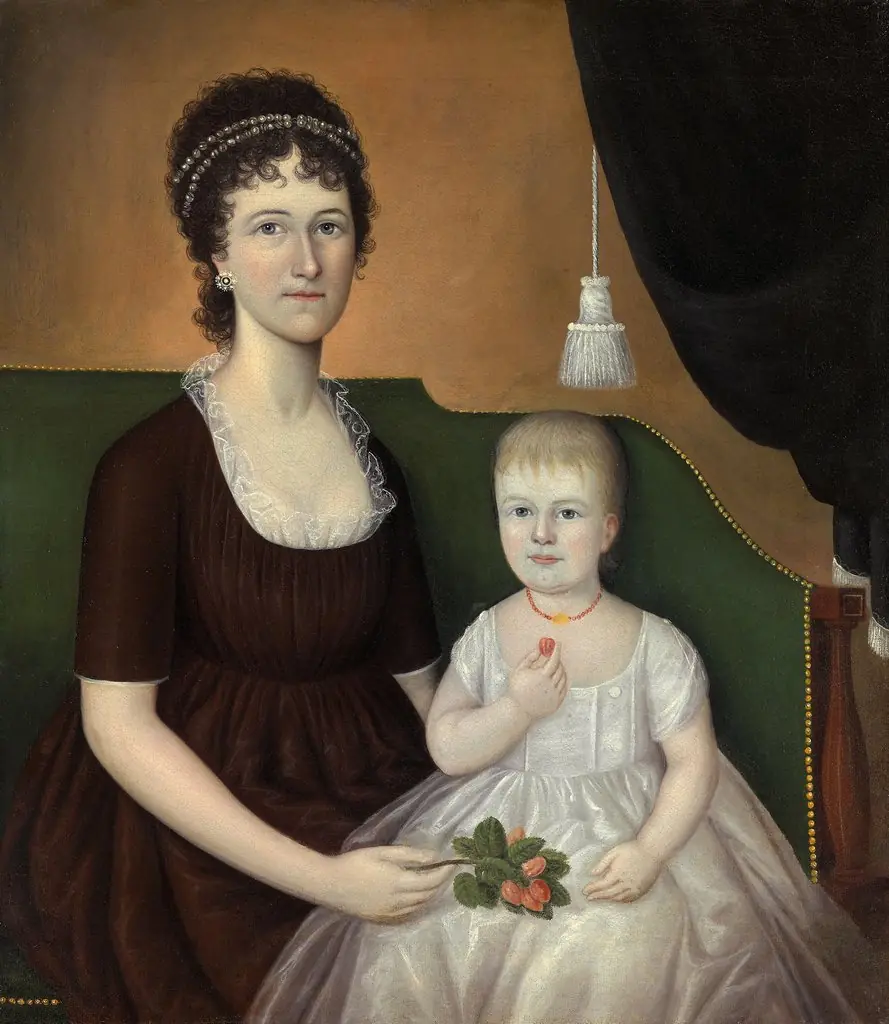
John Jacob Anderson and Sons, John and Edward is an oil painting by the Naïve art artist Joshua Johnson. It dates from 1812 and is held in the collection of the Brooklyn Museum.
About this work
Overview
The work reflects Johnson’s early 19th-century practice as a self-taught artist in Baltimore, where he specialized in portraits of local families.
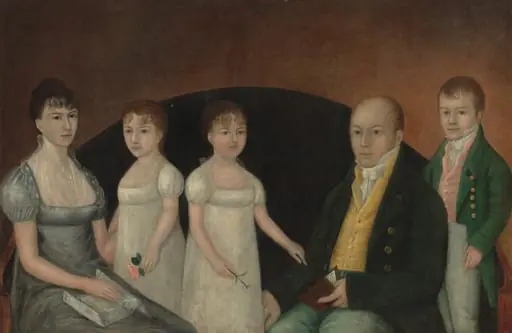
Painted in 1812 by Joshua Johnson, this oil portrait captures John Jacob Anderson and his two sons, John and Edward. The composition centers on the father, flanked symmetrically by his sons, each figure rendered with quiet dignity. The work reflects Johnson’s early 19th-century practice as a self-taught artist in Baltimore, where he specialized in portraits of local families. Its straightforward presentation and limited spatial depth align with regional folk traditions of the period.
Subject & Meaning
The painting portrays a father and his two sons in a formal, domestic setting, suggesting familial continuity and social standing. The man’s slight smile and the boys’ composed postures convey a sense of stability and quiet pride. One son holds a folded paper, possibly a document or letter, hinting at education or inheritance, while the other rests a hand on his father’s arm, an intimate gesture reinforcing kinship. The arrangement emphasizes lineage and generational connection.
Technique & Style
Joshua Johnson employed a restrained palette and flat, even lighting to emphasize the figures against a dark, undefined background. Details like the white vests, gold buttons, and crisp collars are rendered with precision, yet the spatial relationships remain simplified. Limbs and facial features are rendered with a deliberate, almost geometric clarity, characteristic of self-taught portraiture.
The lack of atmospheric perspective and the rigid posture of the subjects reflect a stylistic approach rooted in local conventions rather than academic training.
History & Provenance
Commissioned by the Anderson family, the painting remained in private hands for much of its early history before entering the collection of the Brooklyn Museum. Its attribution to Joshua Johnson, a free Black artist active in Baltimore, was confirmed through stylistic analysis and archival research. Johnson’s limited surviving oeuvre makes this work a key example of early African American portraiture and the role of Black artisans in documenting middle-class life in the antebellum North.
Context
Created during a time when formal portraiture was largely the domain of trained European artists, Johnson’s work represents a distinct American vernacular tradition. As a free Black man working in a slaveholding region, his ability to secure commissions from white families speaks to his skill and the relative openness of Baltimore’s artisan class. His paintings, including this one, offer rare visual records of Black professional achievement and the domestic lives of early 19th-century urban families.
Legacy
Joshua Johnson’s portraits, including this one, are now recognized as important artifacts of early American visual culture. They challenge assumptions about artistic training and racial boundaries in the early republic. The painting’s preservation in the Brooklyn Museum ensures its continued study as both a family record and a testament to the quiet resilience of self-taught artists navigating complex social landscapes in pre-Civil War America.
Own this work as a print
Artist & collection