Artwork
A Bride and Her Bridesmaids
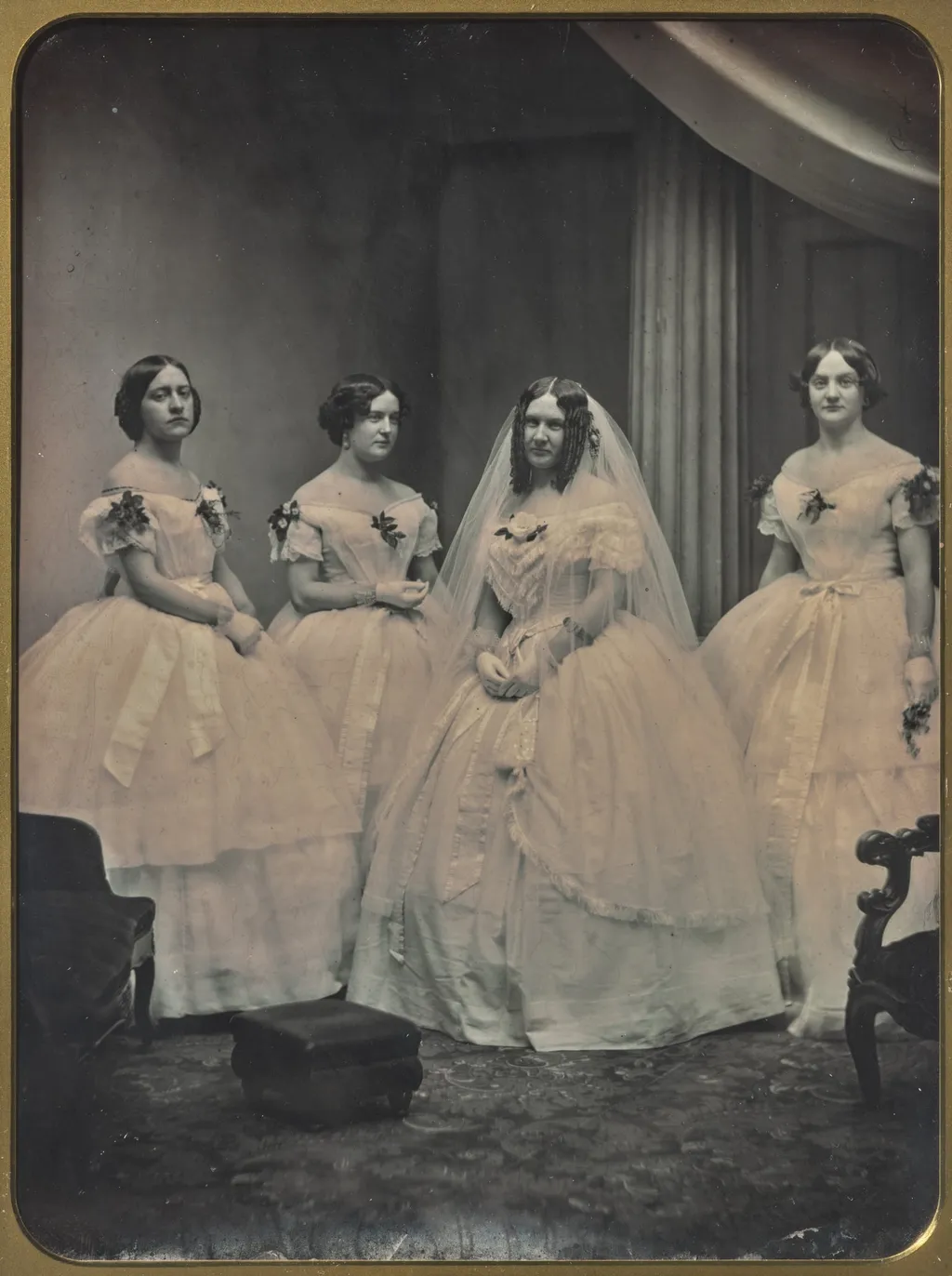
A Bride and Her Bridesmaids is a photography by the Impressionist artist Josiah Johnson Hawes. It dates from 1851 and is held in the collection of the Cleveland Museum of Art.
- Accession no.
- 1999.171
- Credit line
- Andrew R. and Martha Holden Jennings Fund
About this work
Overview
A Bride and Her Bridesmaids is a daguerreotype portrait from the 1850s, showcasing a bride and her attendants in a circular, medallion format.
Technique & Style
The image was created using a daguerreotype process, where a masked plate received multiple exposures through a perforated template, a technique patented by Southworth. An additional layer of silver enhanced the image's luminosity and polish, resulting in a highly detailed and reflective surface.
Subject & Meaning
The portrait depicts a bride in white lace, accompanied by her bridesmaids in matching attire, capturing a significant social occasion with precision and formality.
History & Provenance
The daguerreotype was produced by Southworth & Hawes, a Boston studio founded by Albert Sands Southworth and Josiah Johnson Hawes, who innovated studio lighting and plate treatment techniques.
Artist & collection

Artist
Josiah Johnson Hawes (1808–1901) was a photographer in Boston, Massachusetts. He and Albert Southworth established the photography studio of Southworth & Hawes, which produced numerous portraits of exceptional quality in the 1840s–1860s.

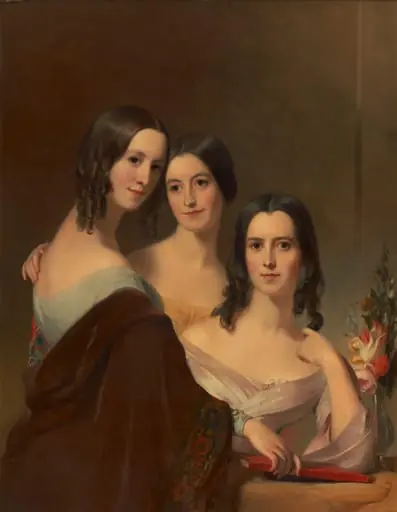 The Coleman Sisters
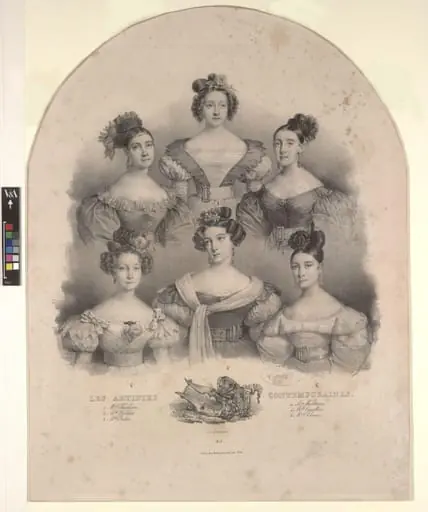 Les Artistes Contemporaines
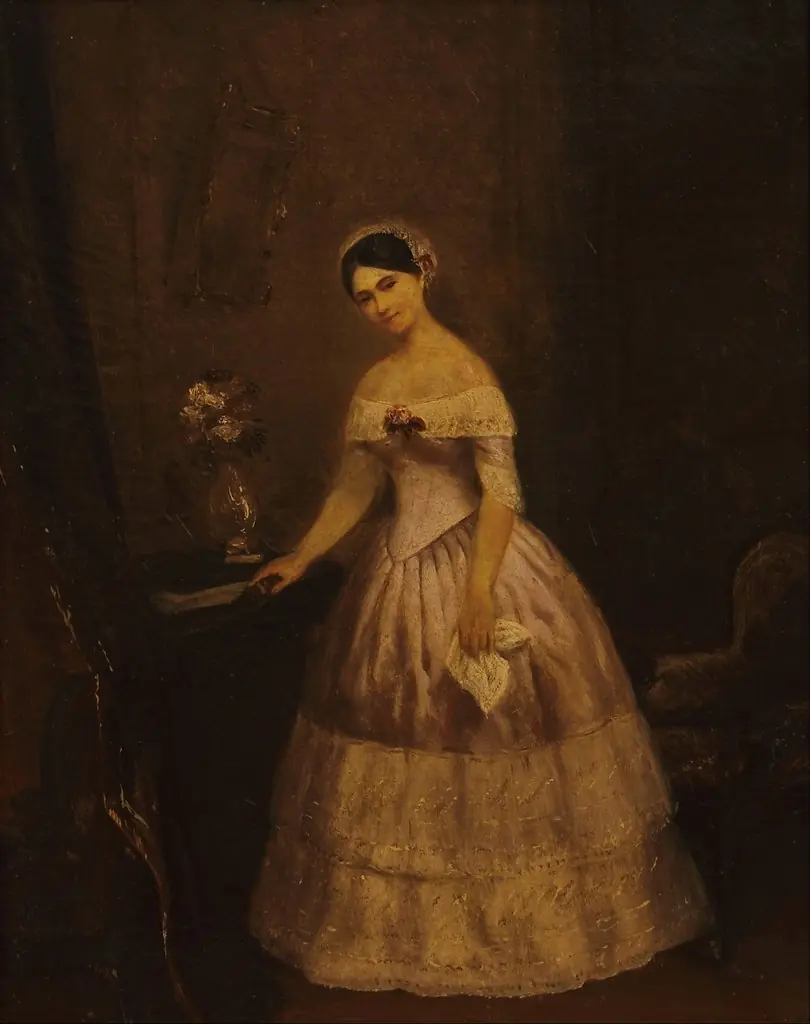 Retrato de Manuelita Rosas (estudio)
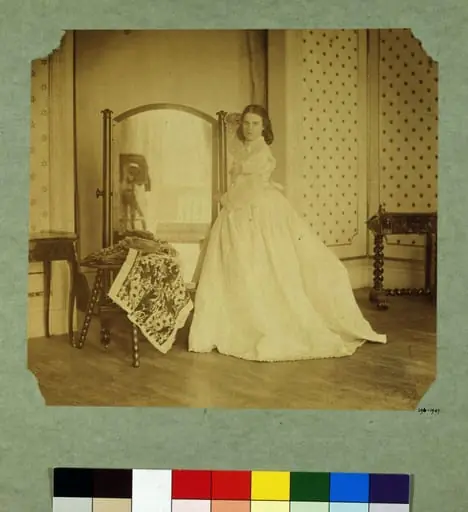 Clementina Maude, 5 Princes Gardens
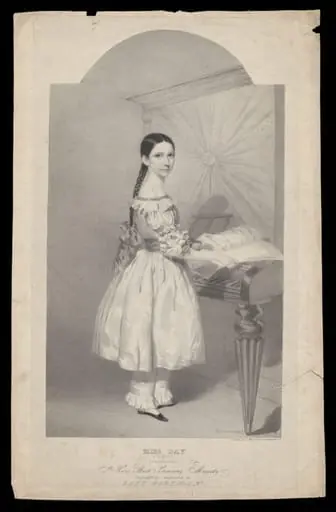 H Beard Print Collection
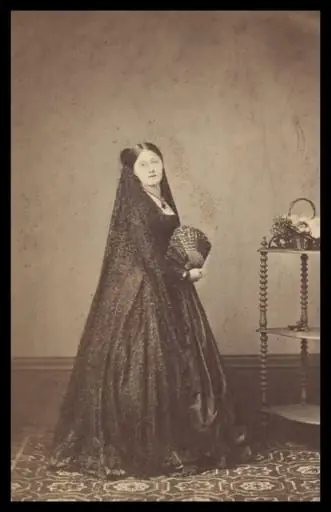 Guy Little Theatrical Photograph
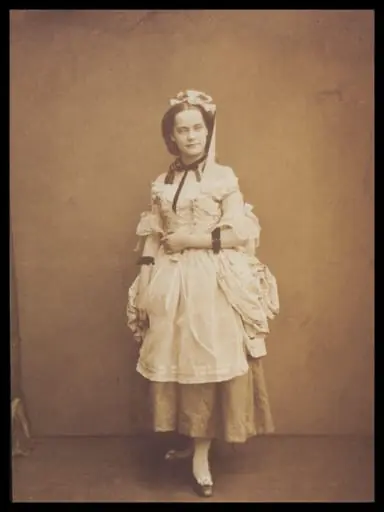 Guy Little Theatrical Photograph
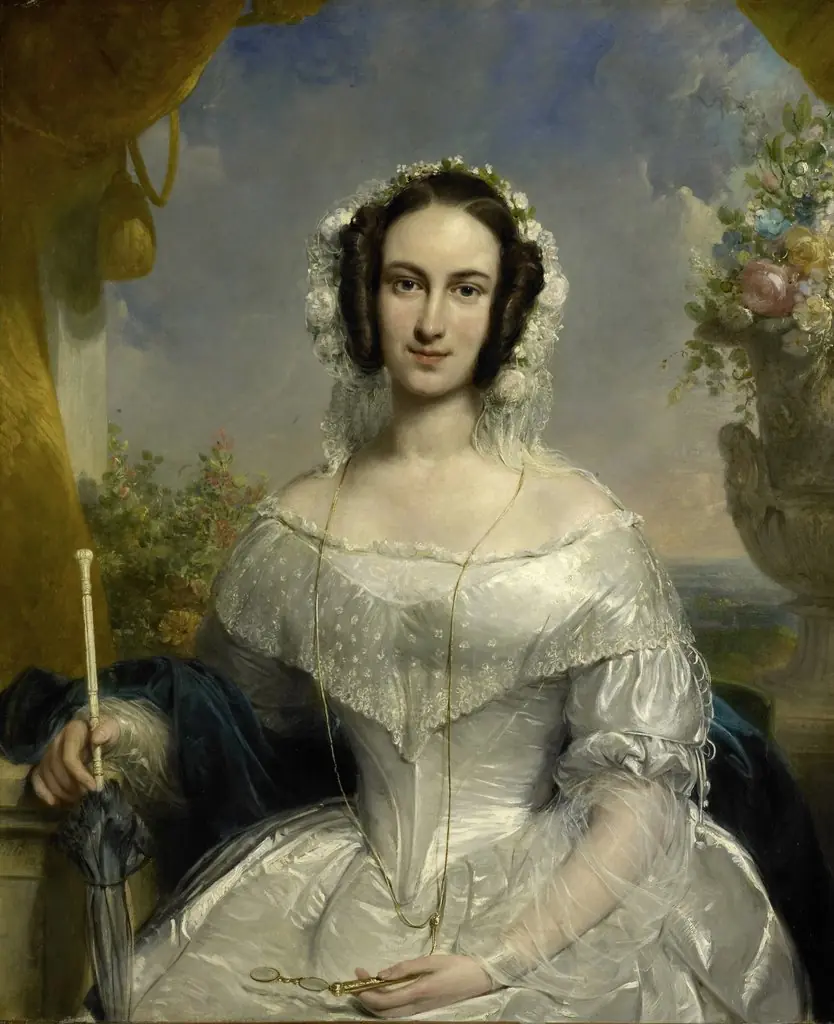 Agatha Petronella Hartsen (1814-78). In bruidstoilet ter gelegenheid van haar huwelijk met Jan van der Hoop op 17 maart 1841
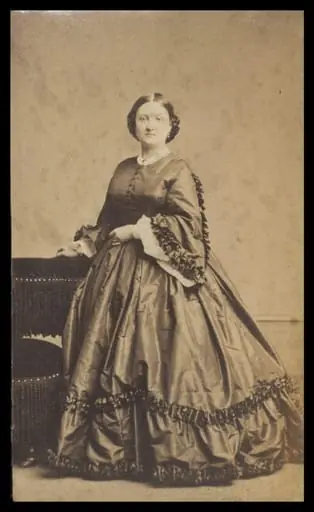 Guy Little Theatrical Photograph
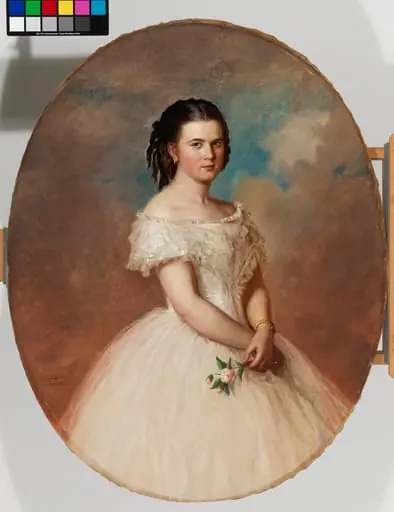 Neiti Maria Emilia Thunbergin muotokuva