Subject
Veil
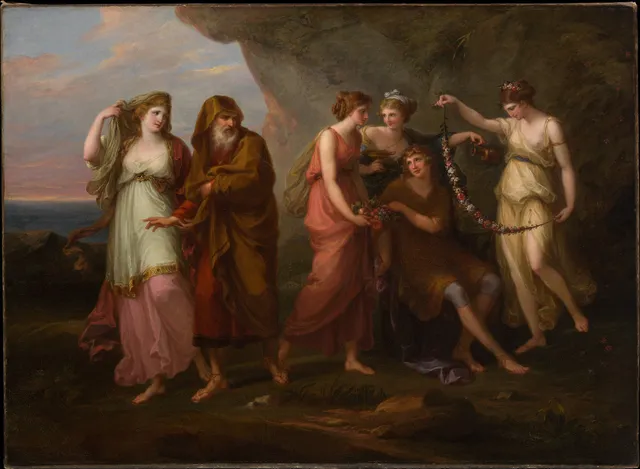
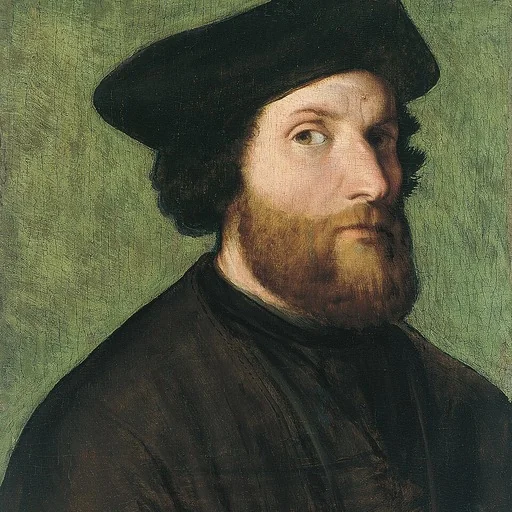
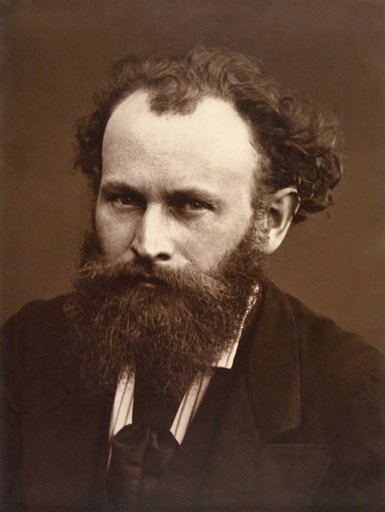
Veil is a subject in art. The gallery holds 117 works in this subject in art, including works by Lorenzo Lotto, Ralph Earl and Édouard Manet.
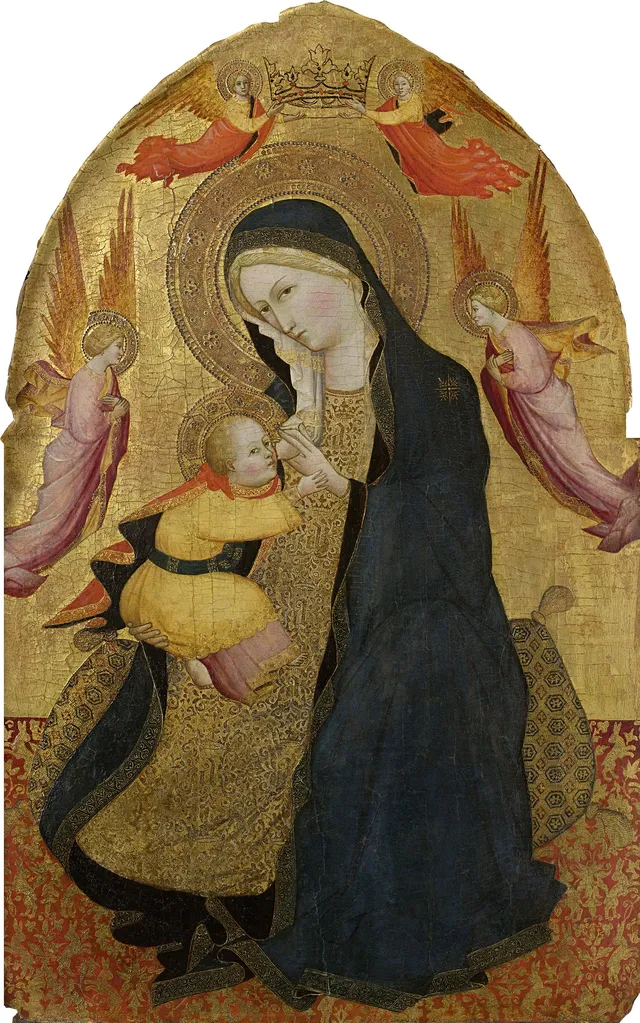
The veil is among the most enduring motifs in Western art, where a simple length of cloth carries an outsized freight of meaning: modesty and chastity, sanctity and mourning, and above all the dialectic of concealment and revelation. Its art-historical roots are deeply religious. The Virgin Mary is almost invariably shown with her hair and shoulders covered by a veil or maphorion, a marker of purity that became standard across Byzantine and medieval imagery and persists in Renaissance and Baroque painting—visible in the held works of Fra Bartolomeo, Joos van Cleve, and Lorenzo Lotto. Equally formative was the legend of the Veil of Veronica, tied to the sixth Station of the Cross, in which a woman wipes Christ's face on the road to Calvary and finds his features miraculously imprinted on the cloth—the "vera icona," or true image. By the fourteenth century the Holy Face had become one of the most venerated icons of the Western Church.
The Veronica subject drew major painters across centuries. Hans Memling depicted Saint Veronica holding the cloth around 1470–75, El Greco painted both the saint and the isolated veil around 1580, and Francisco de Zurbarán produced austere trompe-l'oeil renderings of the suspended cloth in seventeenth-century Seville. Claude Mellan's celebrated 1649 engraving rendered the entire Holy Face with a single unbroken spiraling line—a virtuoso demonstration of how the veil invited technical bravado.
Nowhere was that virtuosity more astonishing than in eighteenth-century veiled marble. Antonio Corradini (1688–1752) pioneered the illusion of weightless, translucent fabric clinging to flesh in works like his Vestal Virgin Tuccia (1743) and Modesty. The tradition culminated in Giuseppe Sanmartino's Veiled Christ (Cristo velato, 1753) in Naples's Sansevero Chapel, where a gossamer shroud carved from a single block reveals every wound—so convincing that contemporaries believed it produced by alchemy. The nineteenth century continued the genre with Giovanni Strazza's Veiled Virgin.
In secular art the veil signified marriage, nobility, and idealized beauty, as in Raphael's La Velata (c. 1516), while the black crape mourning veil of the Victorian era turned cloth into a performance of grief and seclusion. Across these uses the veil remains art's supreme instrument for showing by hiding—rendering the unseen visible and the visible mysterious.
Key artists

Overview
The veil is an article of clothing or hanging cloth intended to cover some part of the head or face, or an object of some significance. In art, the veil recurs as a potent motif because it operates at the intersection of concealment and revelation, simultaneously obscuring and displaying the subject beneath it. This duality allows the veil to function as a physical garment and a conceptual barrier, carrying heavy social, religious, and psychological weight. In a major art collection, the motif is prevalent across 155 works, appearing in genres from classical mythology to portraiture and devotional imagery. The veil's enduring presence in visual culture stems from its capacity to signify status, modesty, or mystery, while formally engaging the viewer through the tension of what is hidden and what is shown.
Iconography & meaning
Historically, the veil has carried rigid iconographic and social meanings, particularly regarding gender and status. In ancient Mesopotamia, veiling was a marker of aristocratic rank and respectability. Middle Assyrian laws from between 1400 and 1100 BC dictated that elite women must veil, while female slaves and prostitutes were forbidden from doing so under penalty of severe punishment, establishing the veil as a boundary between respectable women and those publicly available. In ancient Greece, the veil, or kalyptra, signified modesty and seclusion for matrons. Roman women wore veils to symbolize a husband's authority over his wife, and the omission of the veil was grounds for divorce, as seen when consul Sulpicius Gallus divorced his wife for appearing unveiled in 166 BC. The Roman bridal flammeum, a deep yellow veil, evoked the veil of the Flaminica Dialis and served as an omen for lifelong fidelity. Beyond marital authority, veils were thought to protect women against the evil eye. With the spread of Christianity, headcovering became normative throughout Christendom, a practice that extended into medieval Europe where Anglo-Saxon and Anglo-Norman women covered their hair and necks with wimples until the Tudor period. In modern contexts, the veil retains its religious significance in Islam and Judaism, while in secular traditions it symbolizes romance, mystery, and the transformation of a woman into a bride during the unveiling ceremony.
Across movements & periods
The treatment of the veil in art has shifted significantly from ancient statuary to contemporary abstraction. Classical Greek and Hellenistic statues depicted women with their heads and faces covered, reflecting the societal expectation of female seclusion. Renaissance and Baroque painters utilized the veil as a naturalistic accessory to denote virtue or marital status in portraiture and religious narratives. In the modern era, the concept of the veil transitioned from a literal garment to an abstract formal device. Damien Hirst's Veil paintings, completed around 2017, exemplify this shift. Hirst abandoned the literal figure entirely, using layers of colorful, Pointillist-inspired dots to create immersive surfaces that function as conceptual barriers. Influenced by the gestural brushwork of Willem de Kooning and Chaïm Soutine, the optical play of Bridget Riley and Yayoi Kusama, and the color theory of Georges Seurat and Pierre Bonnard, Hirst's works treat the veil as an experience of visual saturation rather than a draped textile. The veil thus evolved from a social signifier in classical and early modern art into a philosophical and optical phenomenon in contemporary practice.
Notable depictions
Notable historical depictions of the veil include classical Greek and Roman sculptures where the drapery communicates the subject's modesty and social standing, and Renaissance paintings where the Virgin Mary's veil denotes her humility and purity. In contemporary art, Damien Hirst's Veil paintings stand as a canonical and radical reinterpretation of the motif. The series consists of exactly 94 paintings and a series of works on paper, all executed in Hirst's London studio over roughly two years before his 2018 Gagosian exhibition in Los Angeles. Many of these large-scale canvases measure 144 by 108 inches. Hirst began by painting the canvases different colors, then applied layers of dots using a long bristle brush, about two or two and a half feet in length, to maintain distance from the surface. Individual works in the series carry titles that reframe the motif in philosophical terms, such as Veil of Faith, Veil of Love's Pleasure, and Veil of Logic. Hirst also produced a related print series, the H4 Veils, released in editions of 75 in 2008 and 2018, which bear the thick impasto marks of the original paintings.
Legacy
The legacy of the veil motif persists in both cultural traditions and the contemporary art market. In bridal customs, the two-tier veil retains the ancient Roman symbolism of the flammeum, where the blusher is lifted by the father or partner to enact the dramatic unveiling of the bride. In the art market, Hirst's Veil paintings have generated a distinct afterlife. The H4 Veils print series is actively traded, with prices varying significantly based on condition, provenance, and market timing. Recent auction results show hammer prices ranging from 3,700 to 7,500 British pounds, though the series has experienced an average annual growth rate of negative 10.47 percent. Hirst himself views the Veil series as a mature resolution to his earlier Spot and Visual Candy paintings, representing a finite battle with the idea of death rather than the infinite series of his youth. He describes the veil as a barrier that is solid yet invisible, revealing and obscuring the truth, a concept that bridges his contemporary practice with the ancient dualities of the motif.
Works
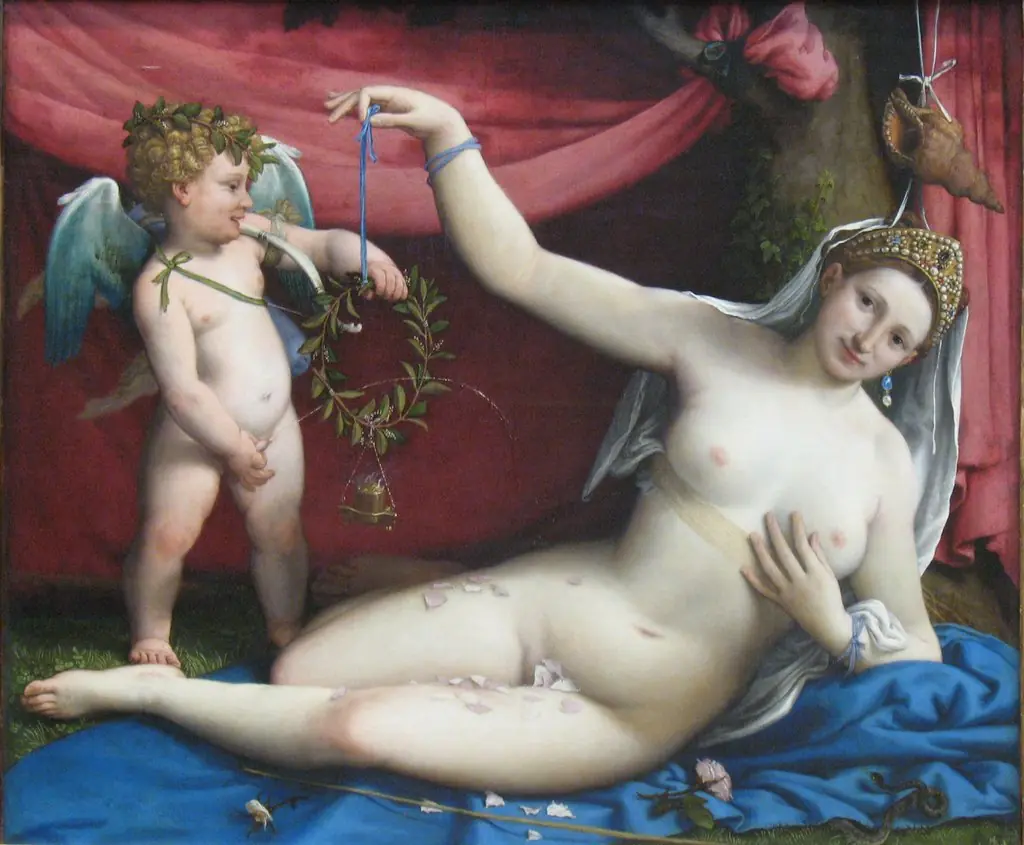 Venus and Cupid
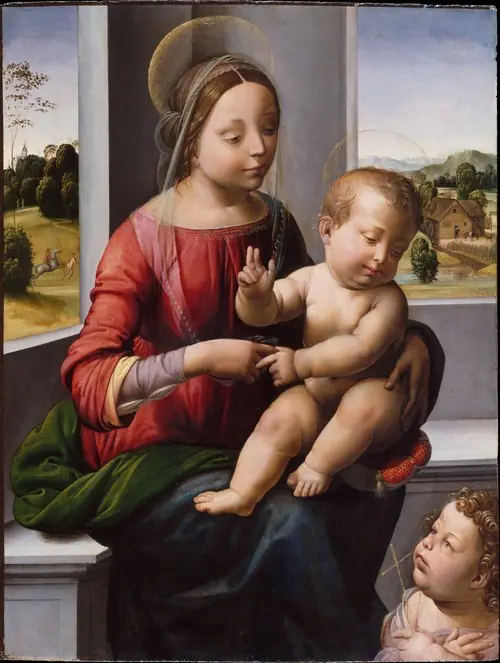 Madonna and Child with the Young Saint John the Baptist
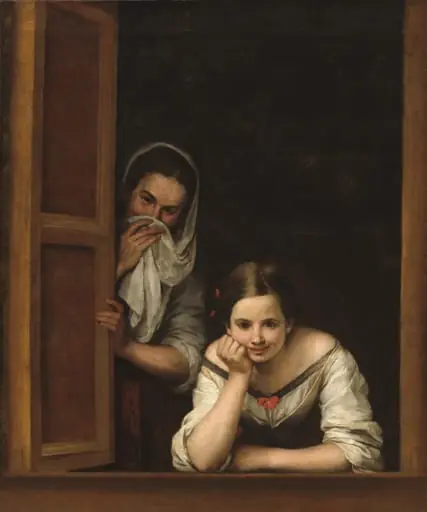 Two Women at a Window
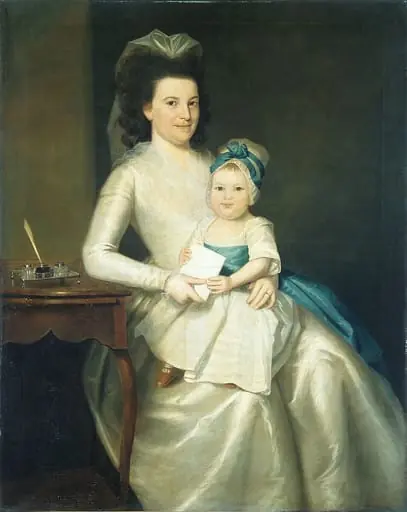 Lady Williams and Child
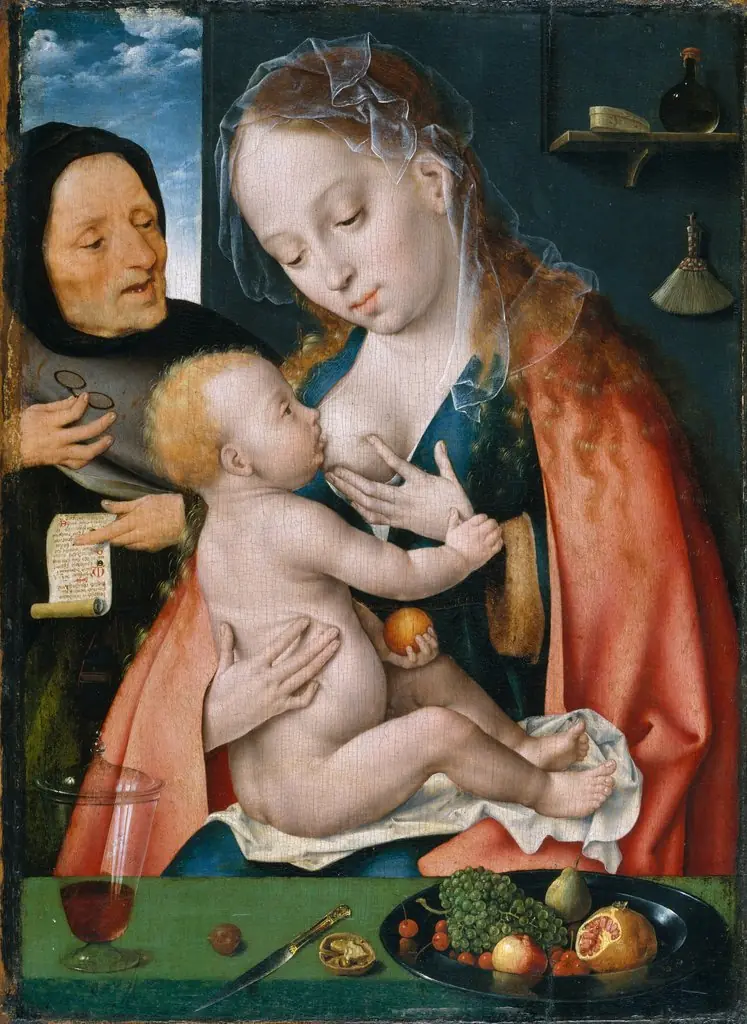 The Holy Family
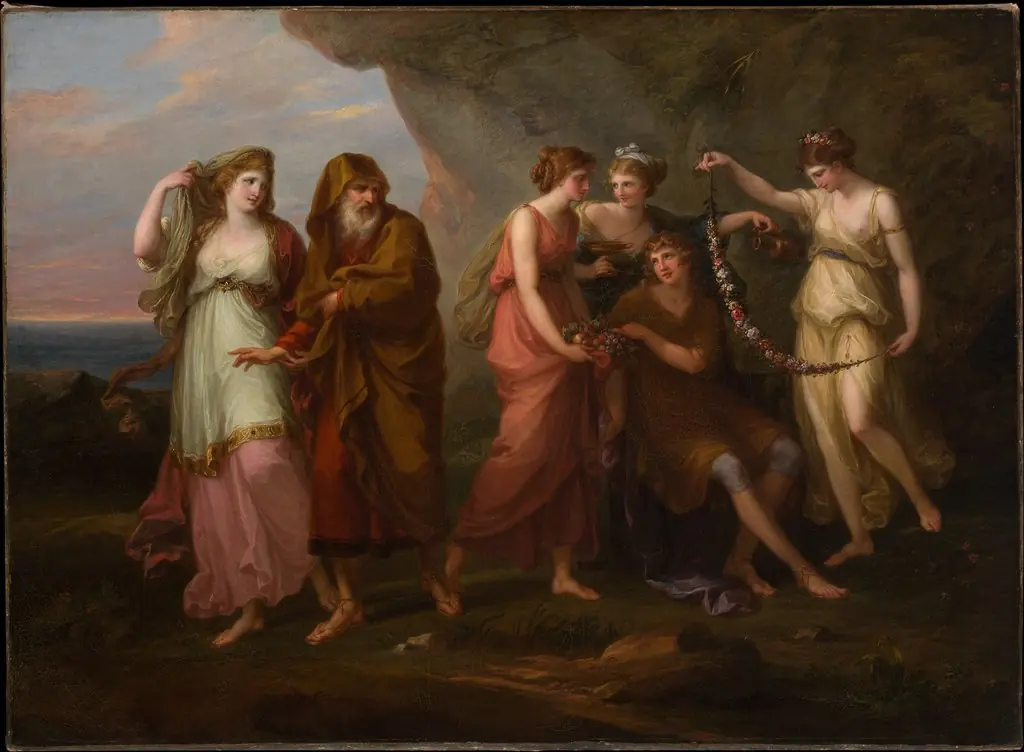 Telemachus and the Nymphs of Calypso
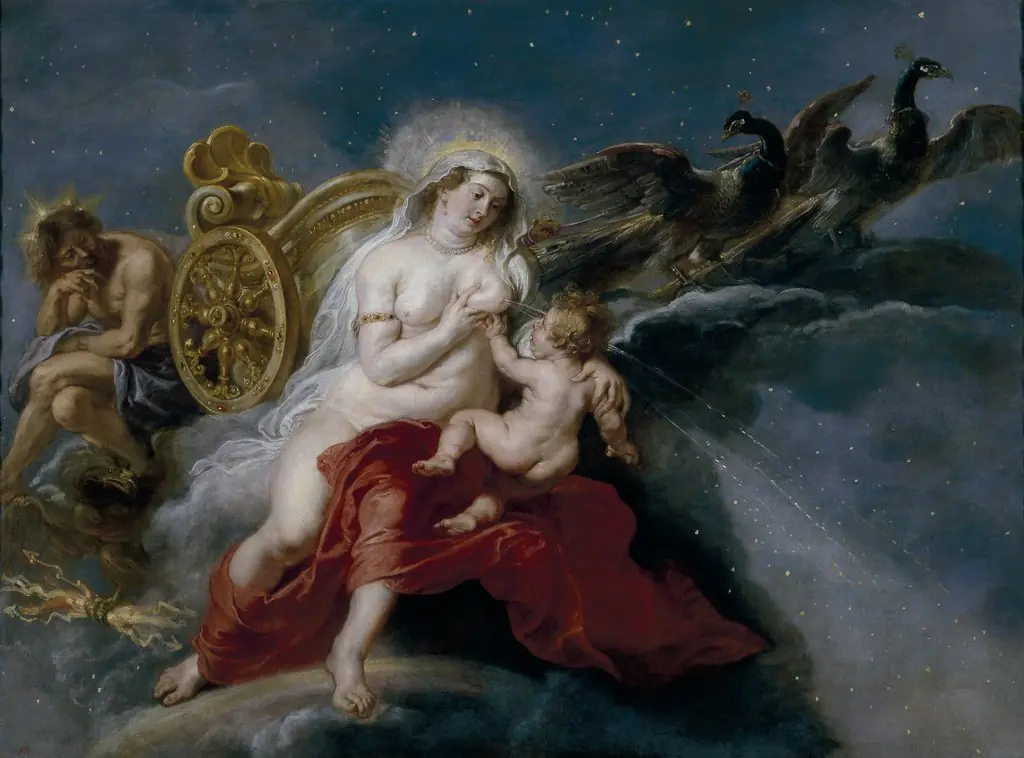 The Origin of the Milky Way
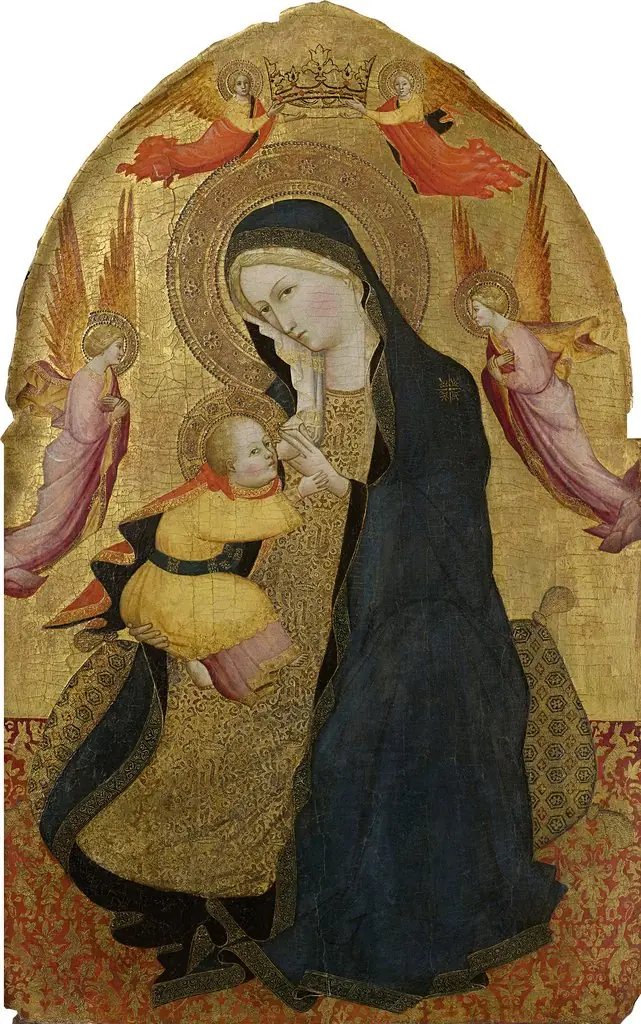 Madonna of Humility (Madonna dell'Umiltà)
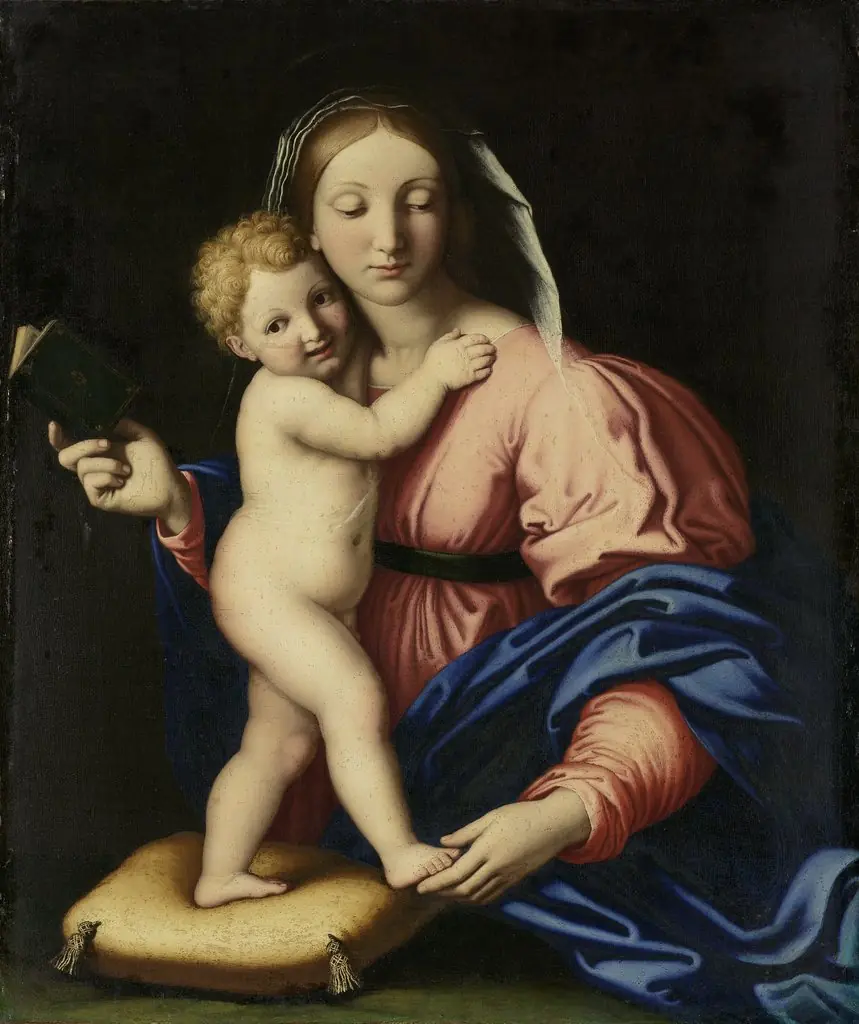 Virgin and Child
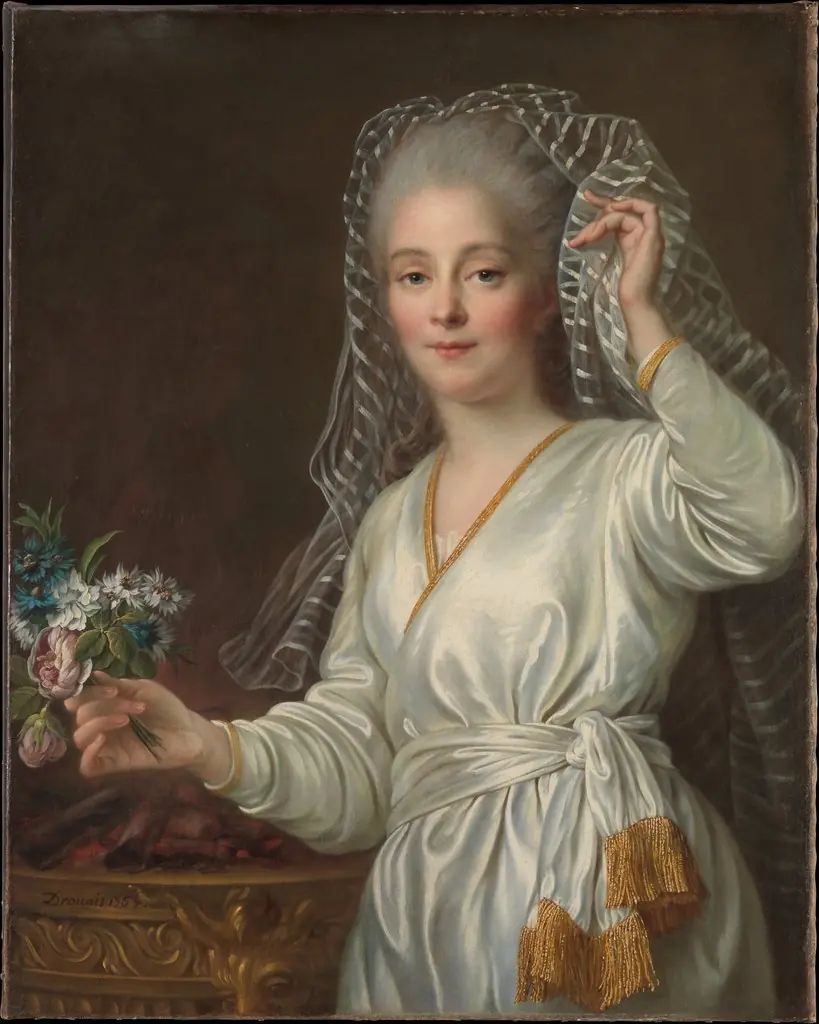 Portrait of a Young Woman as a Vestal Virgin
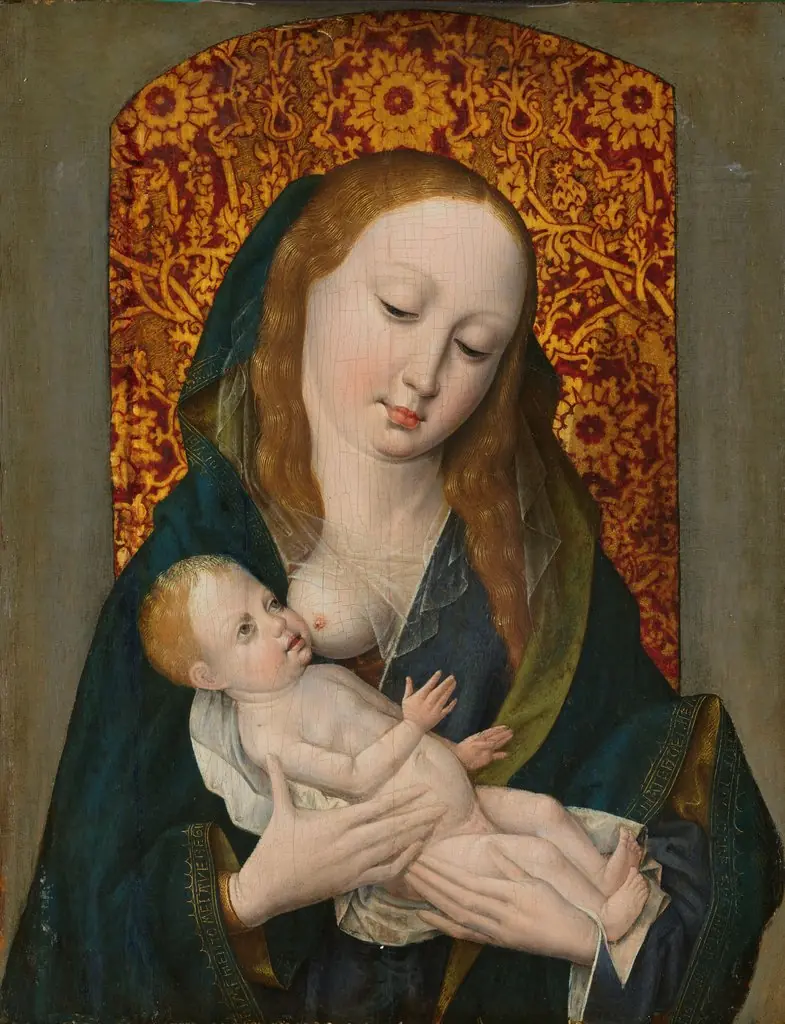 The Virgin and Child
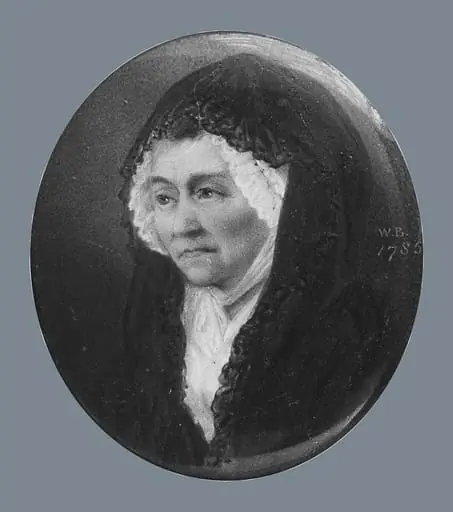 Mary Birch
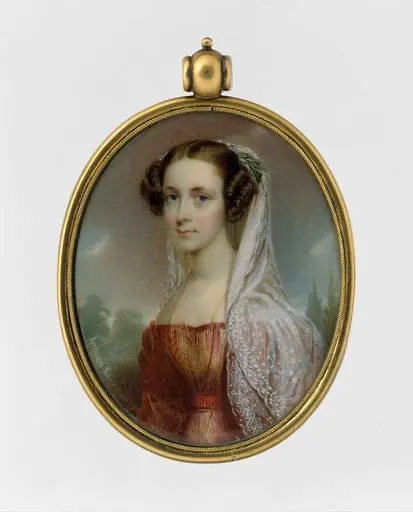 Portrait of a Lady
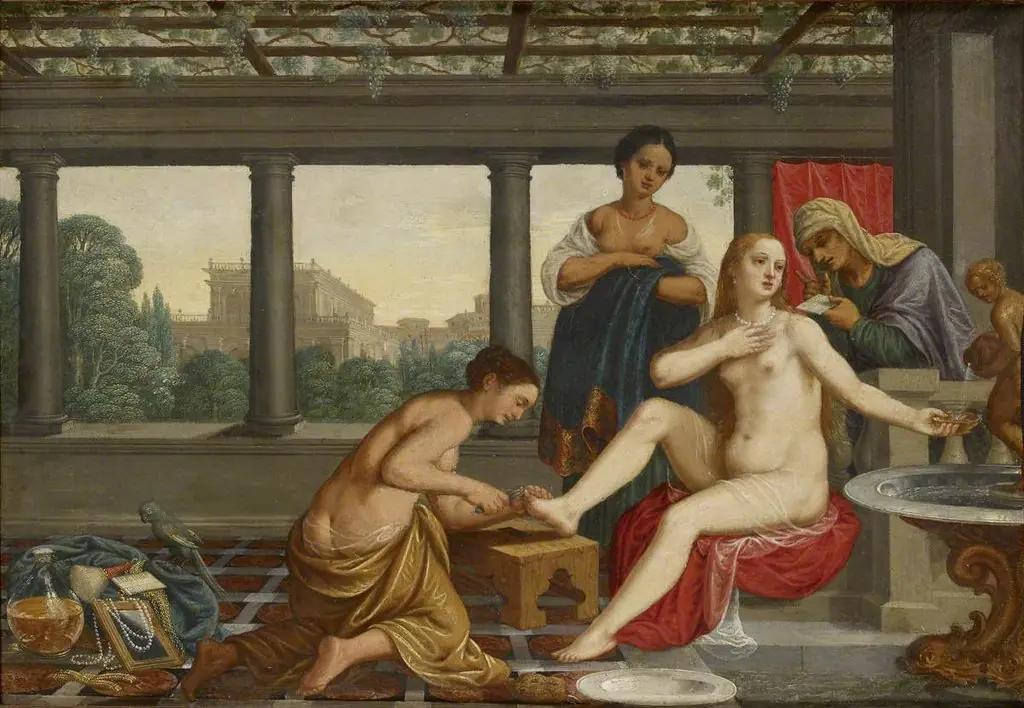 Bathsheba's Bath
 Children's Games
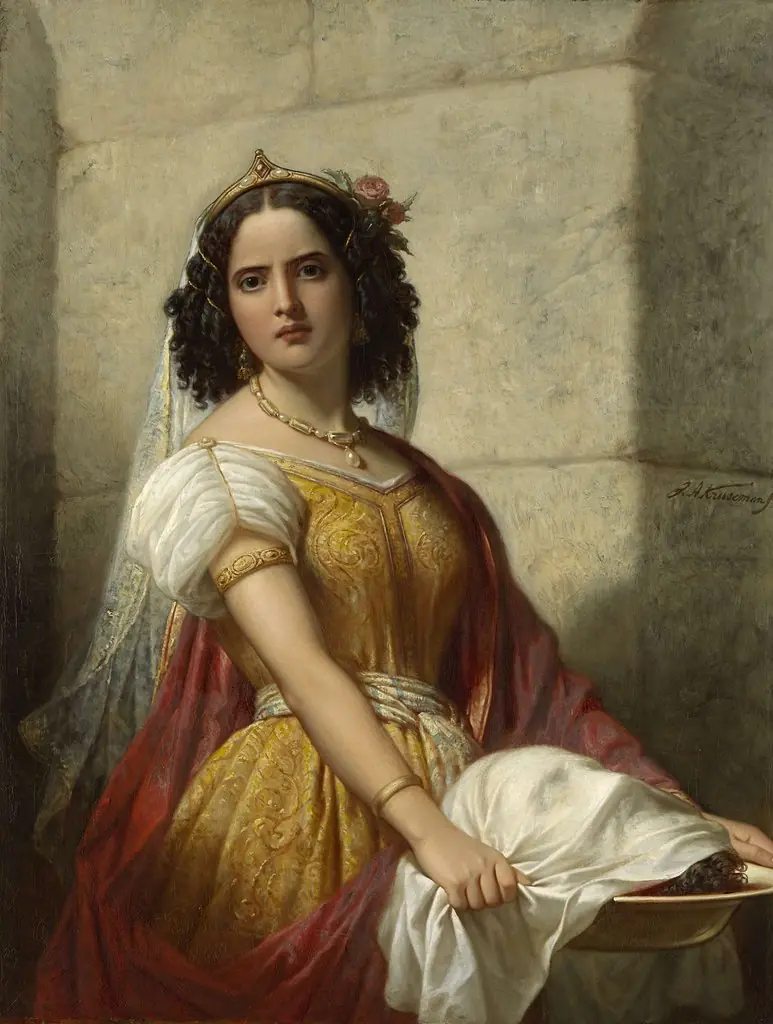 Salome with the Head of John the Baptist
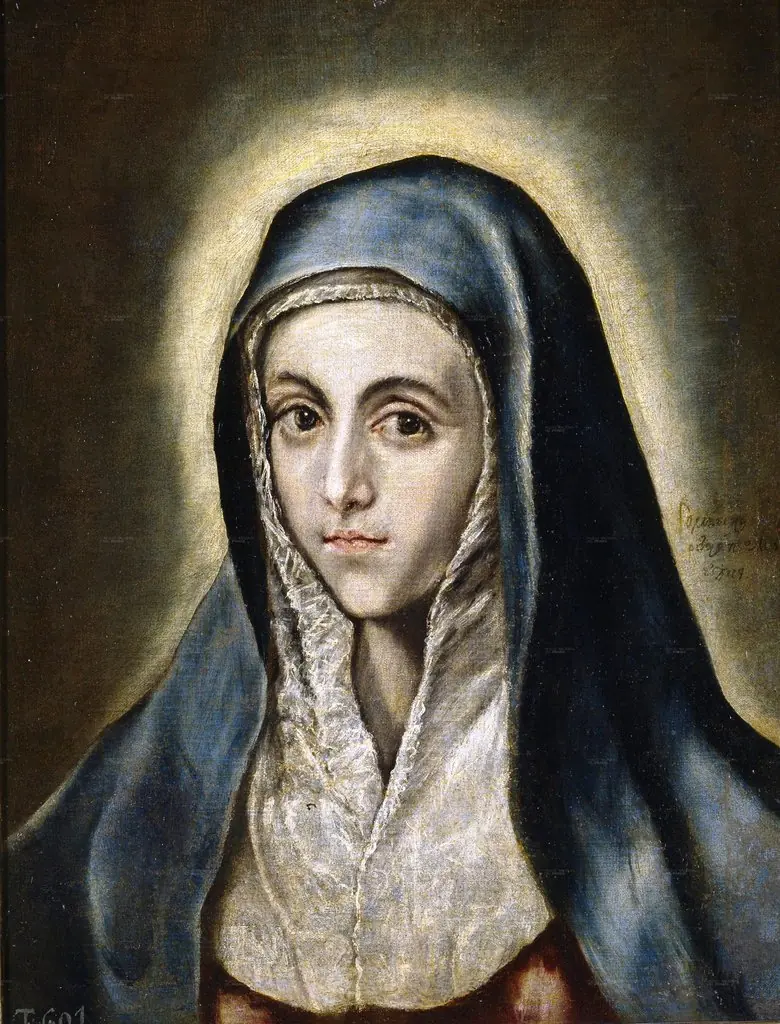 Mater dolorosa
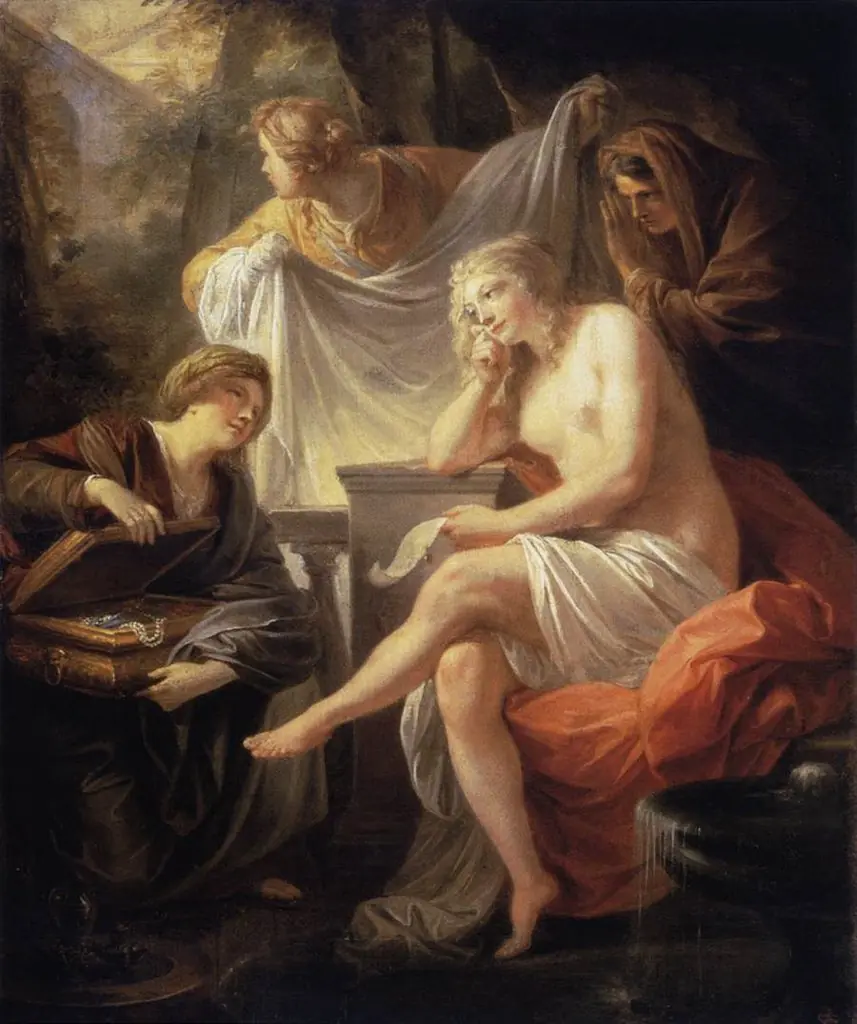 Bathsheba at her bath
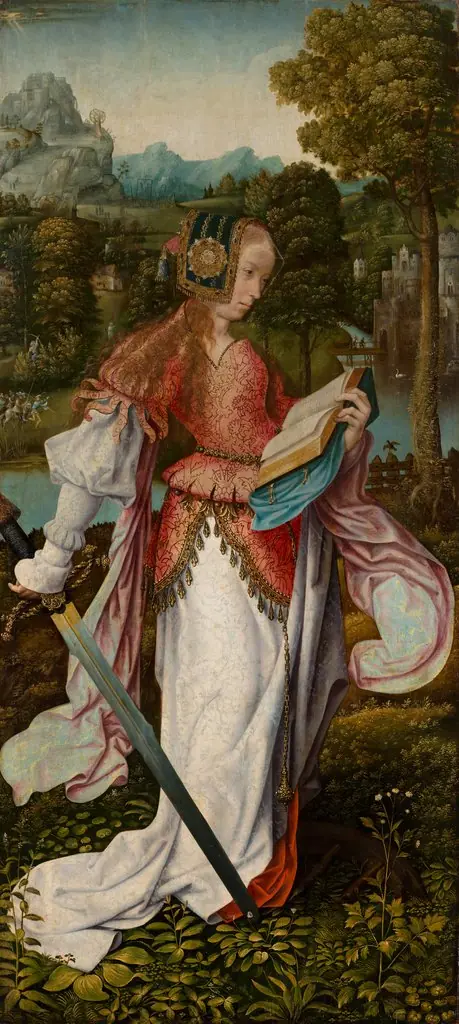 Saint Catherine
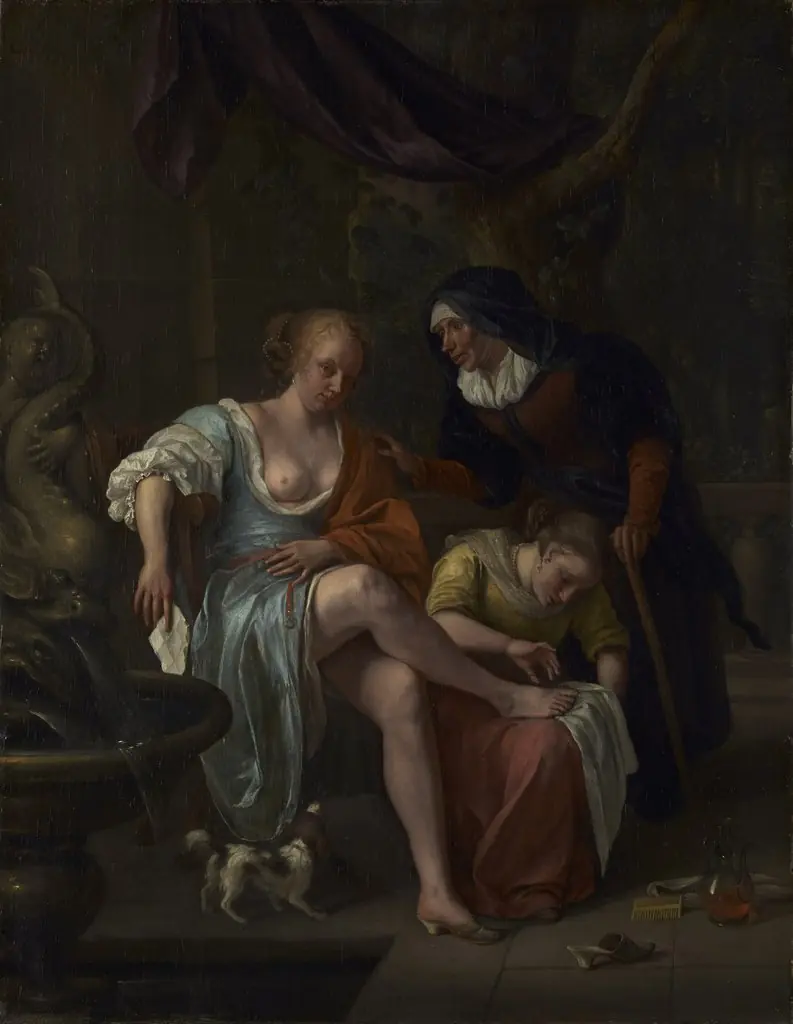 Bathsheba after the Bath
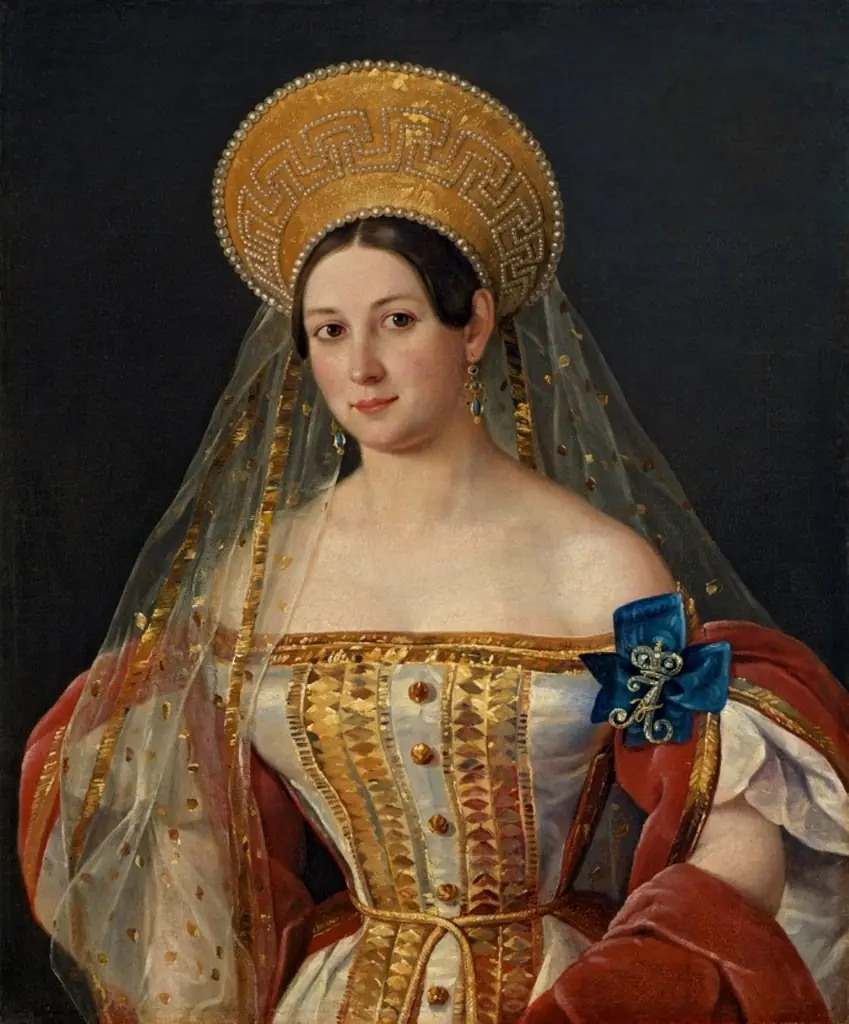 Portrait of the Lady-in-Waiting Sofia Orlova-Denisova (?)
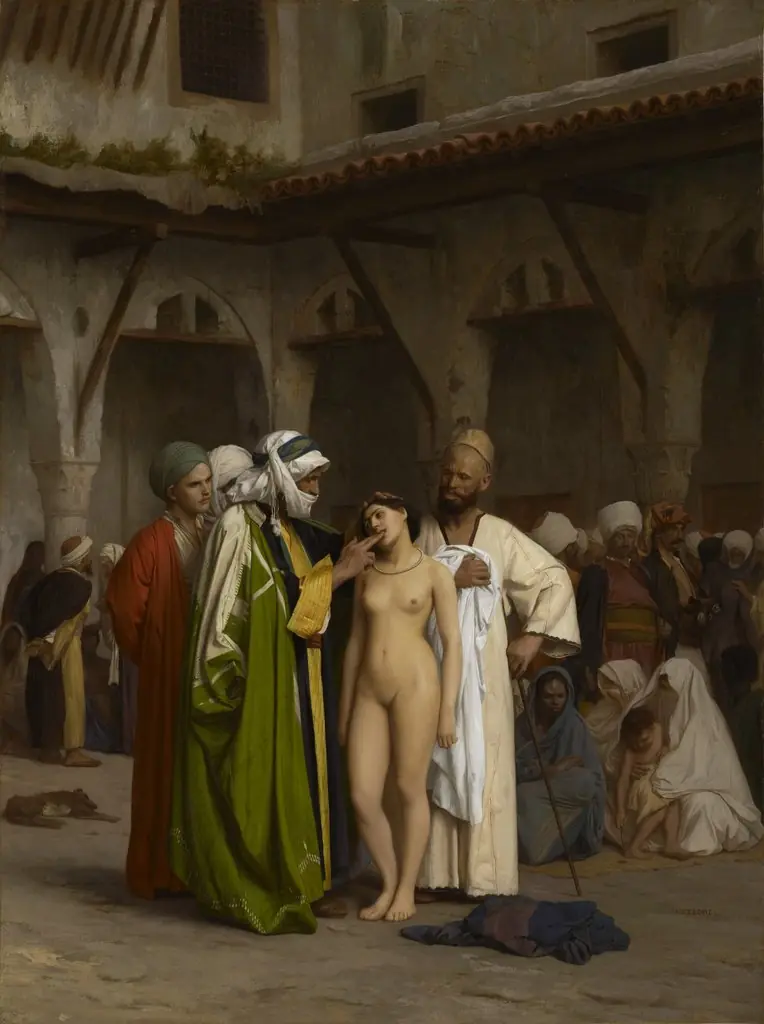 The Slave Market
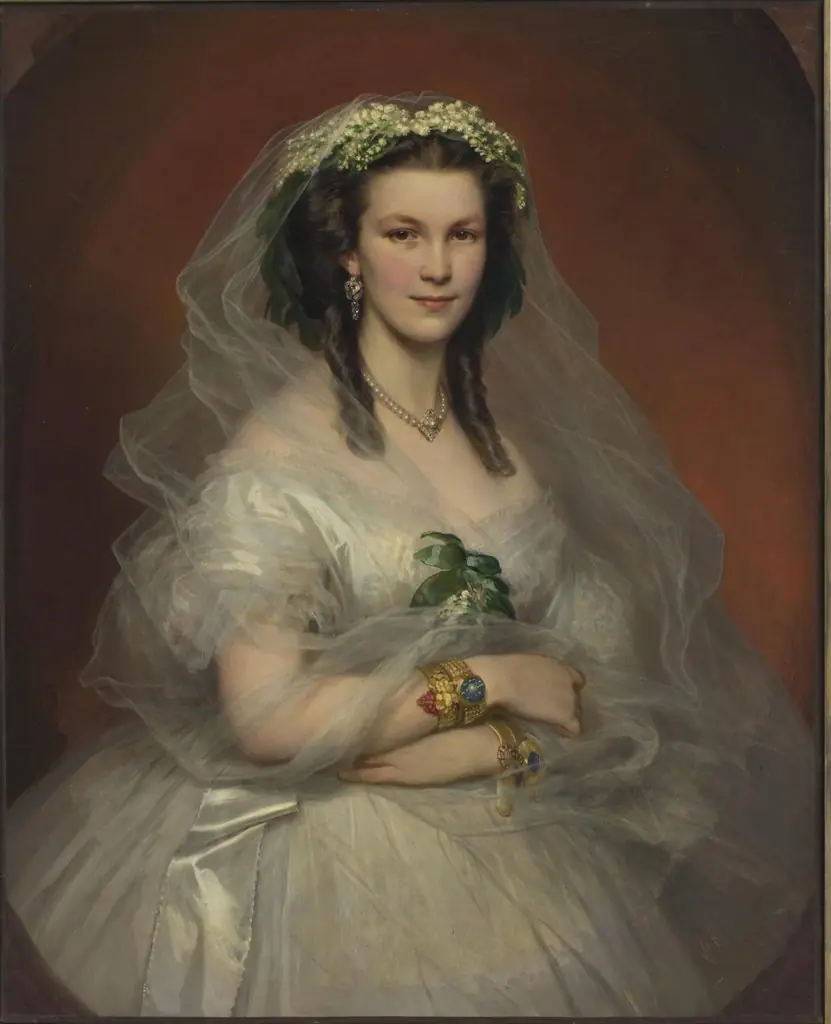 Portrait of an Unknown Young Lady as a Bride
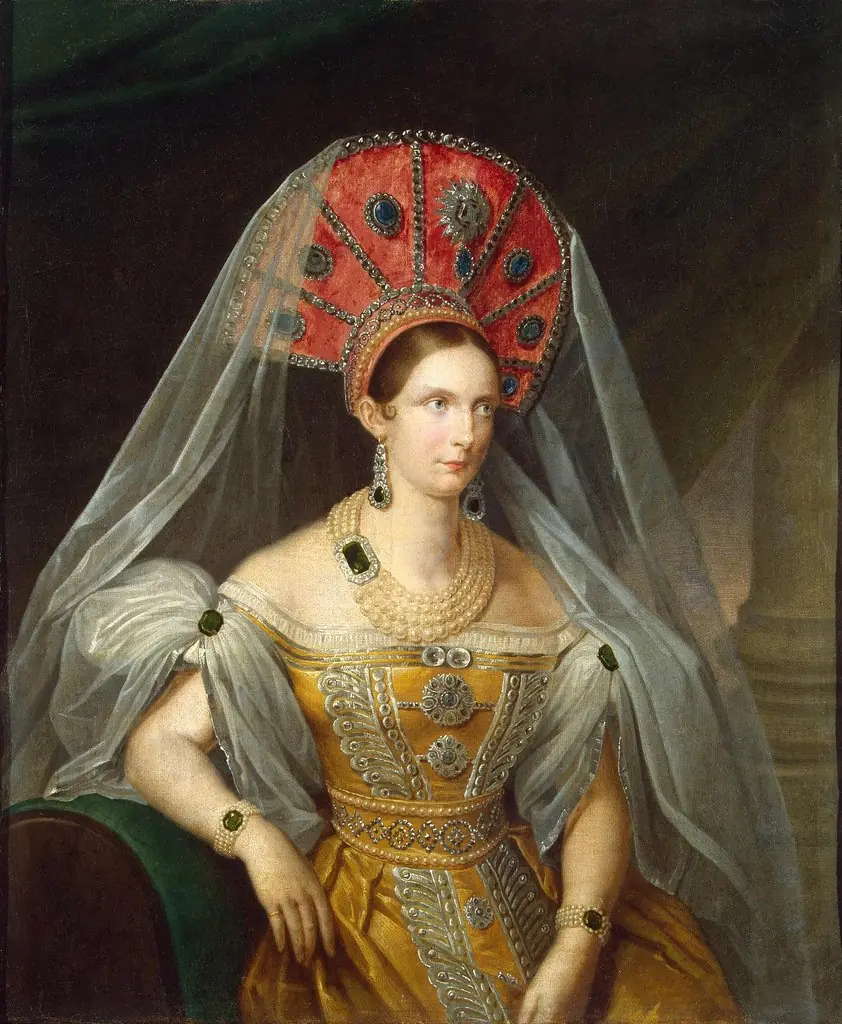 Portrait of Empress Alexandra Feodorovna
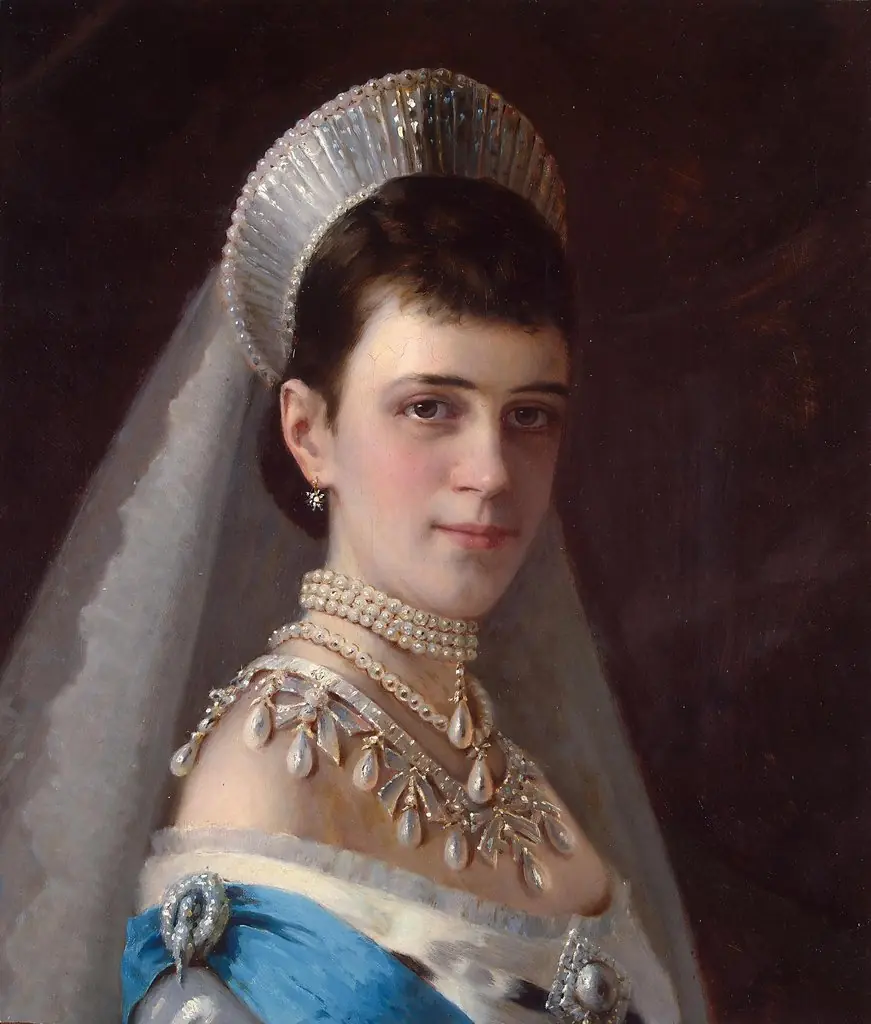 Portrait of Empress Maria Feodorovna
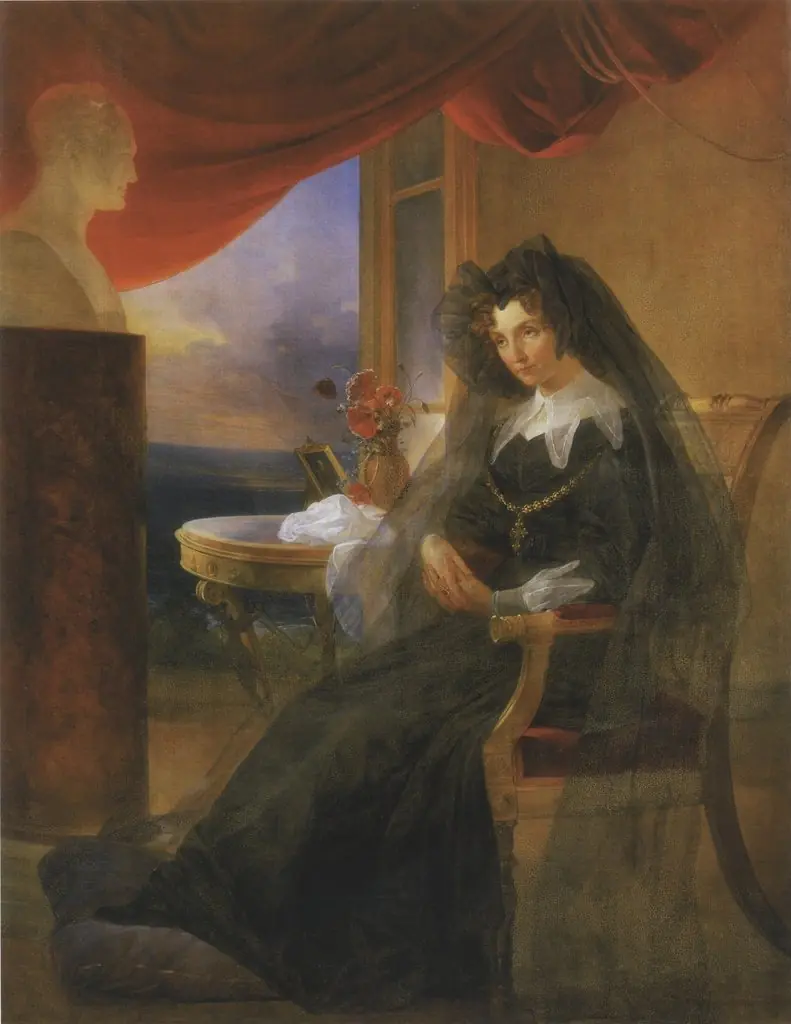 Portrait of Empress Dowager Yelizaveta Alekseevna
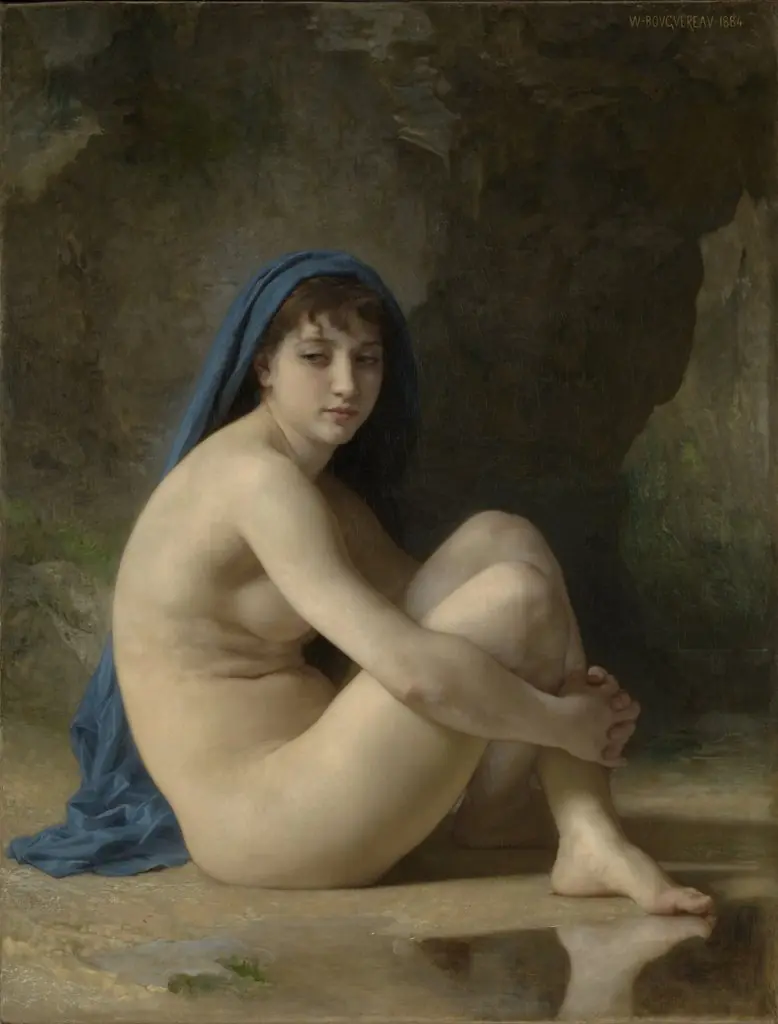 Seated Nude
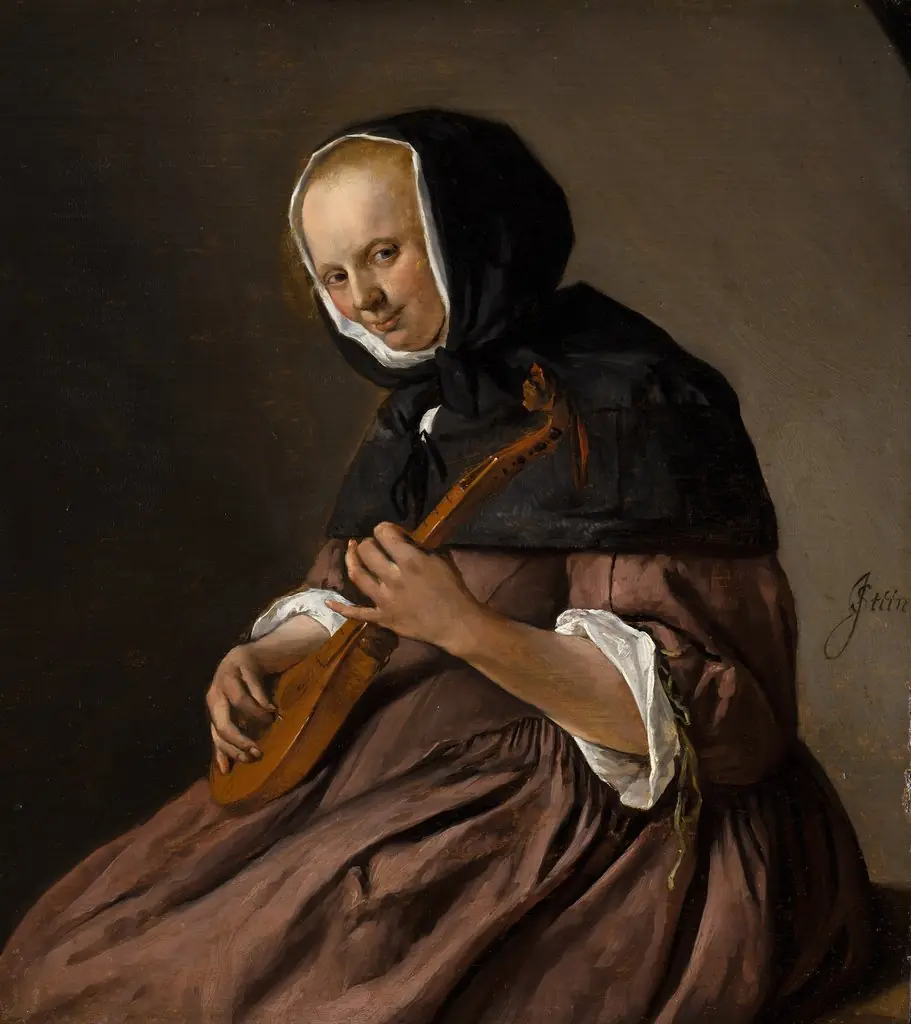 Woman Playing the Sistrum
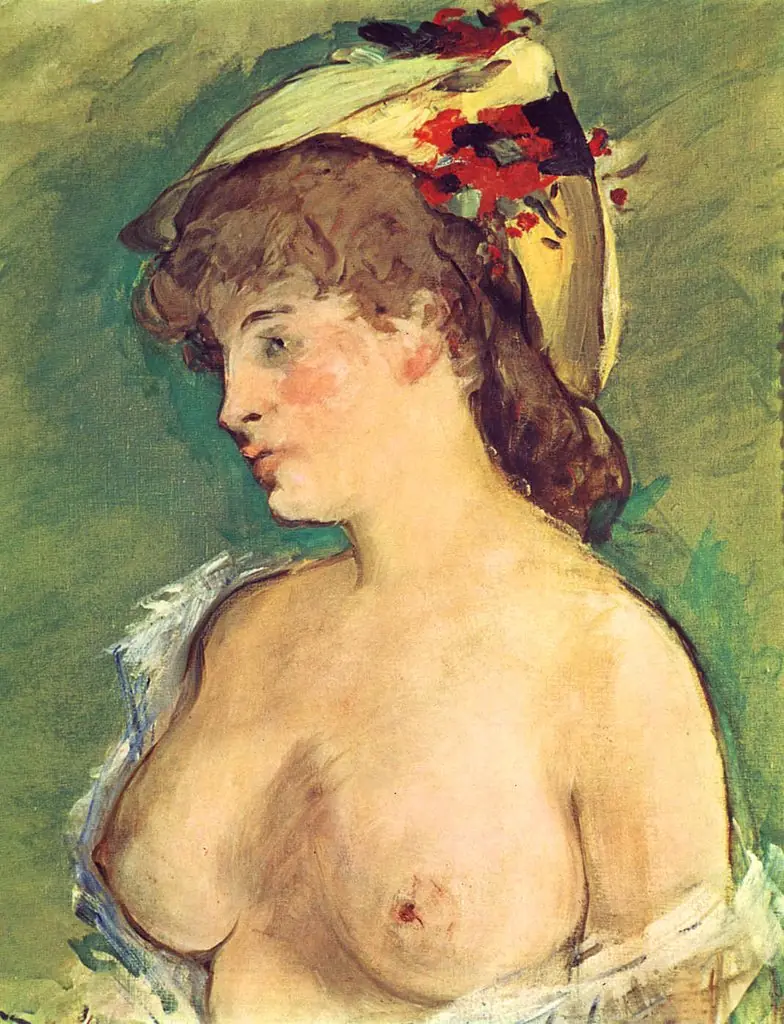 La Blonde aux seins nus
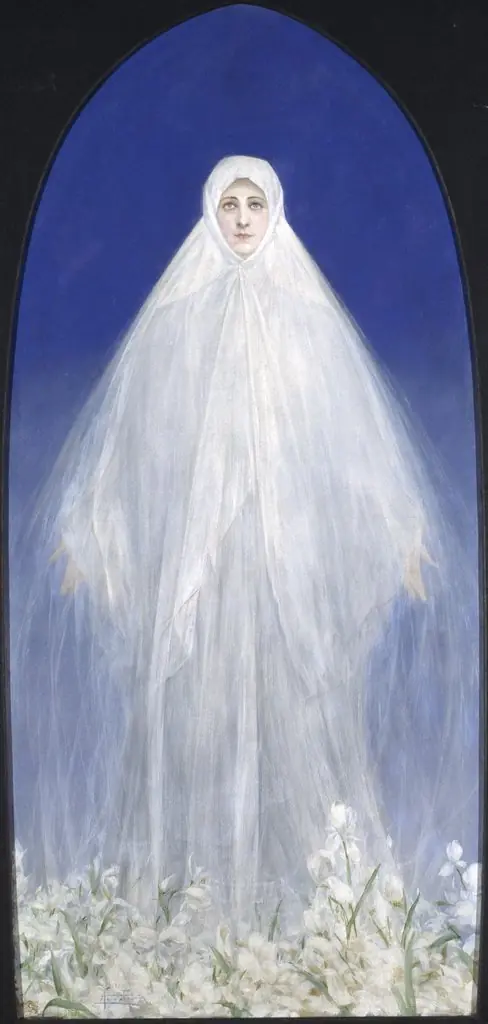 Purity
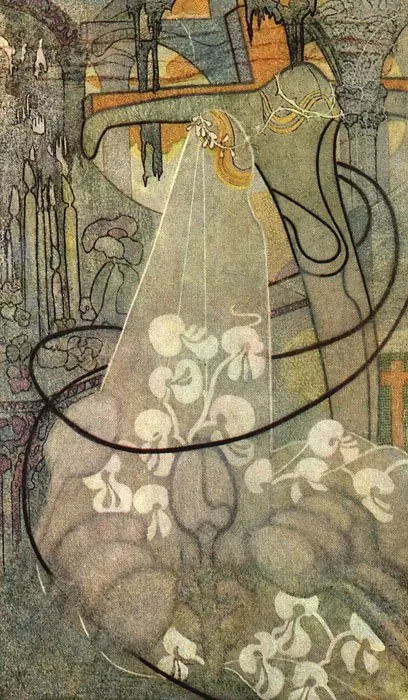 The Bride
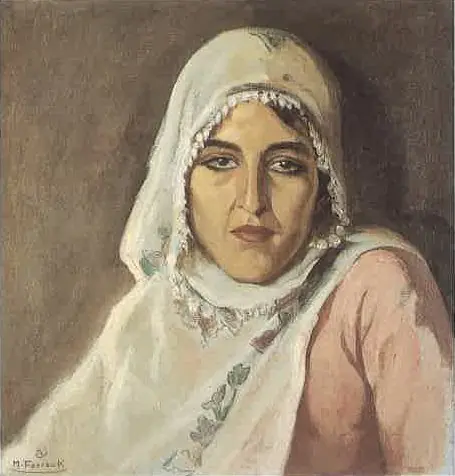 A Woman from the South
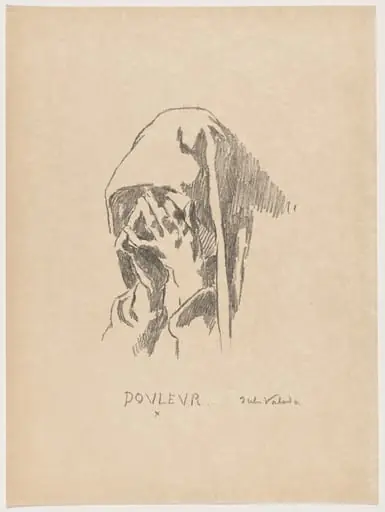 Douleur (Sorrow)
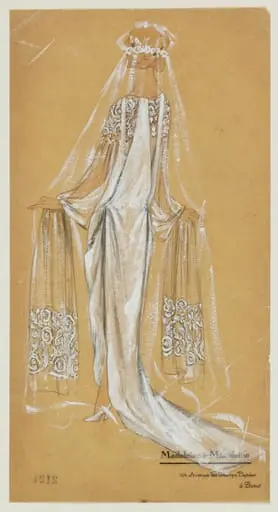 Figure vue de dos en robe de mariée et voile brodés, Madeleine & Madeleine, vers 1924
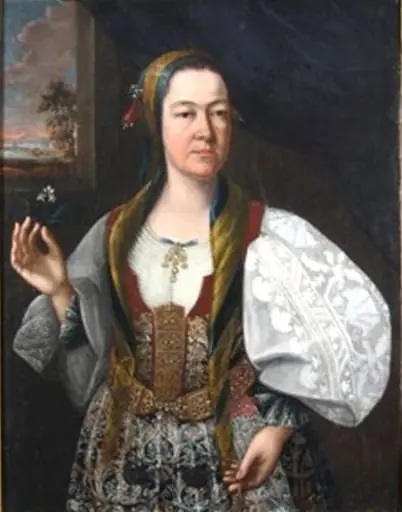 Femeia cu floarea de iasomie
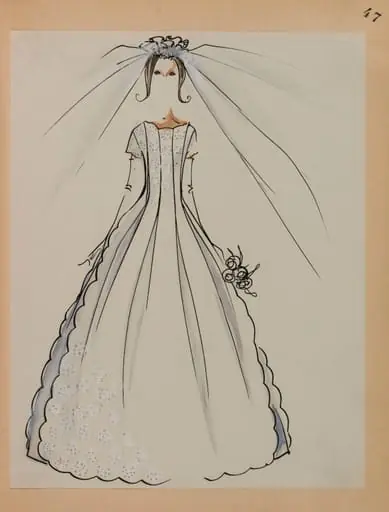 Robe de mariée festonnée et son voile
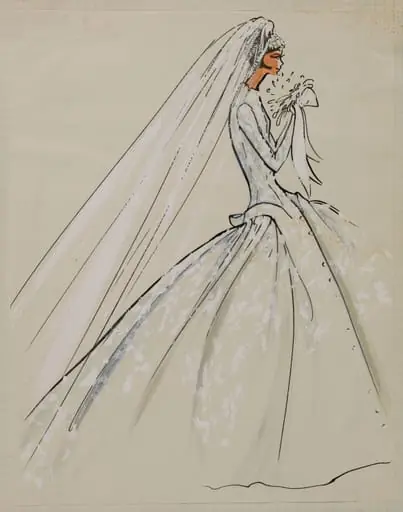 Robe de mariée à longue jupe évasée à fin boutonnage sur le devant et long voile
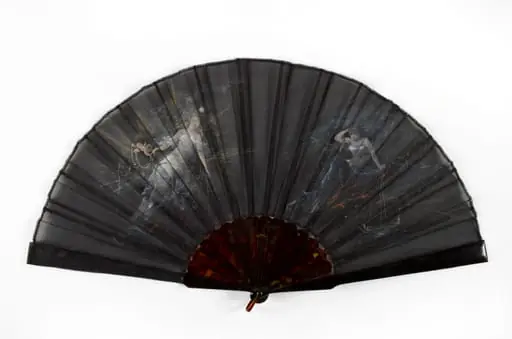 Eventail plié
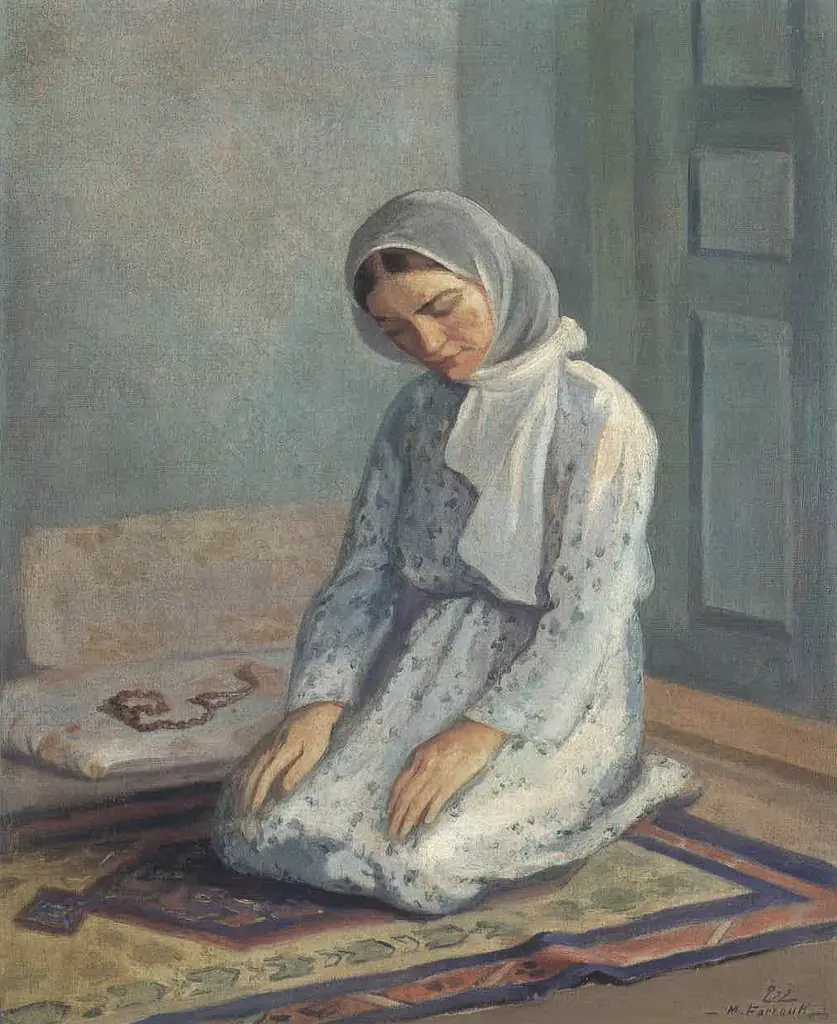 The Noon Paryer
 Tânără în alb cu urnă
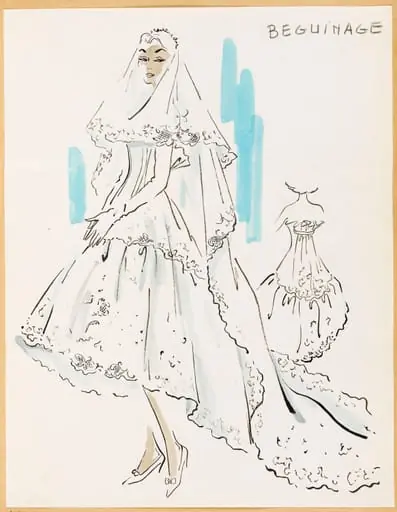 Béguinage
 Icoale c
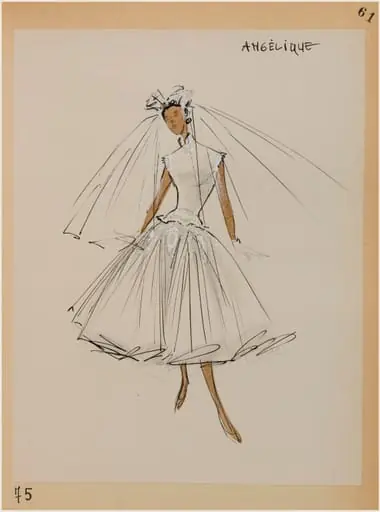 Angélique
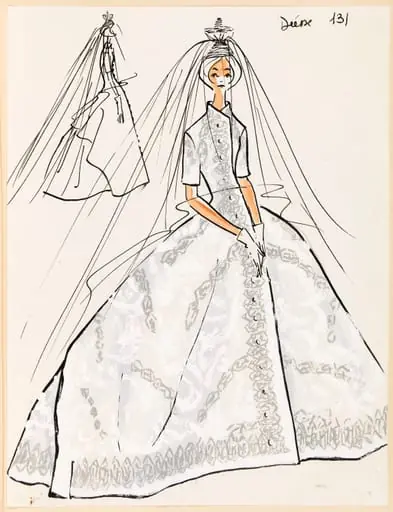 Déesse
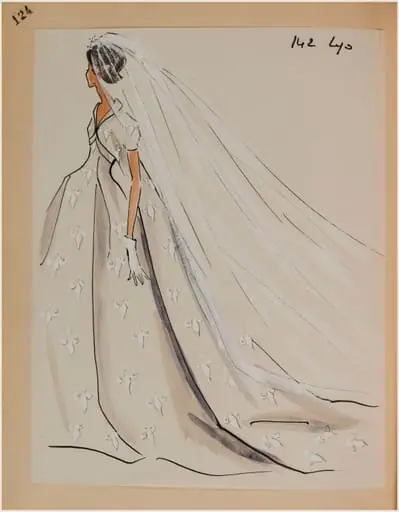 Lys
Lys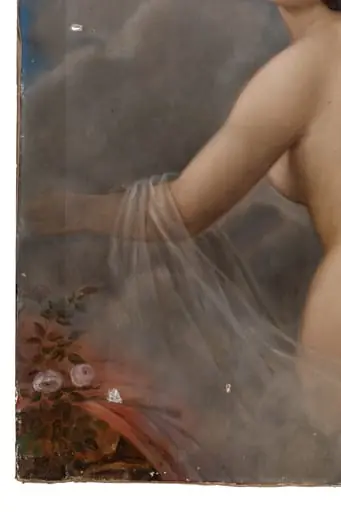 Jo îmbrățișând pe Jupiter
 Icoaceil
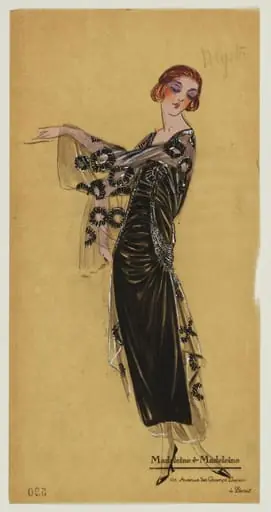 Mystere
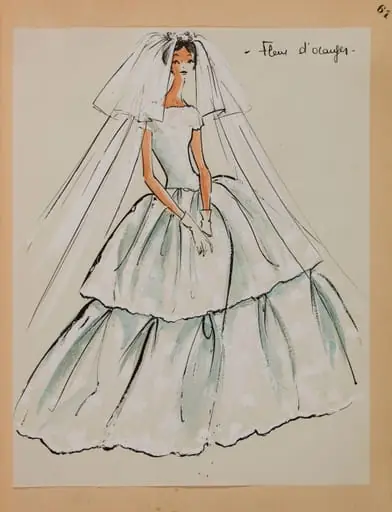 Fleur d'oranger
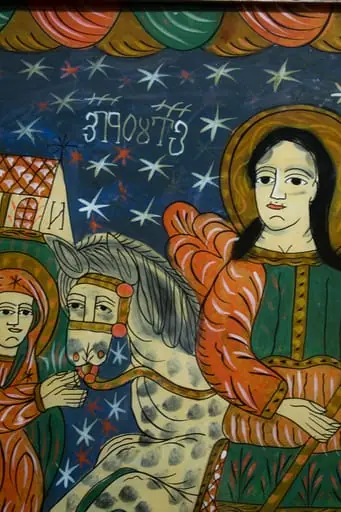 Icoaastr
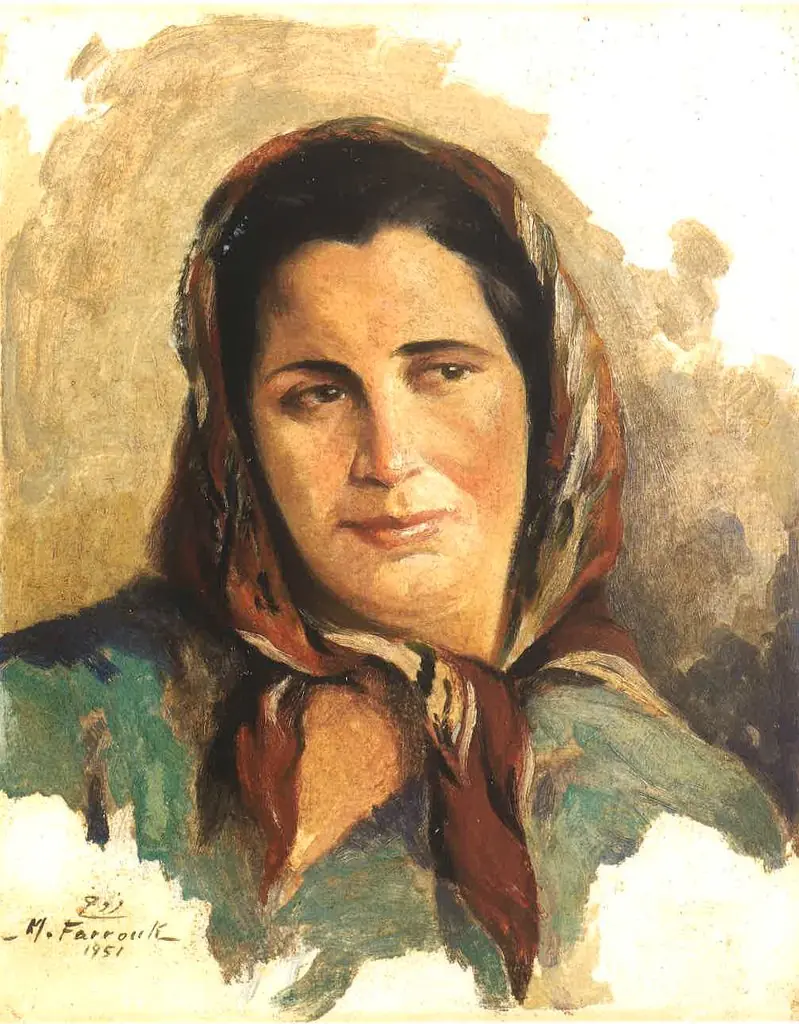 Portrait of Thurayya Farroukh
 Icoaori
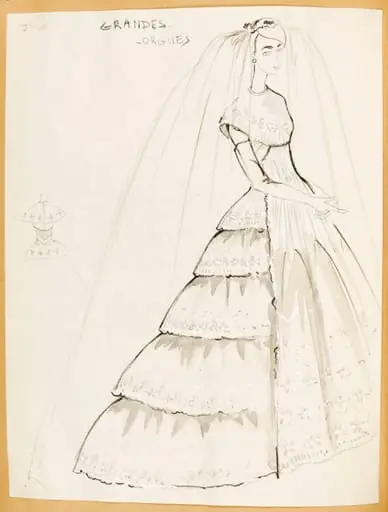 Grandes orgues
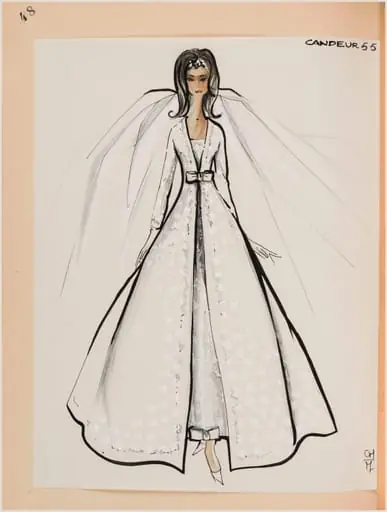 Candeur
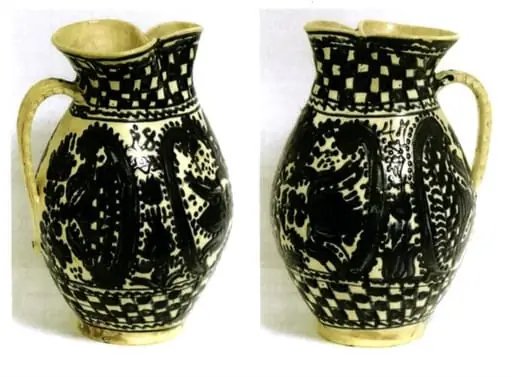 cană de vin
 Icoaenel
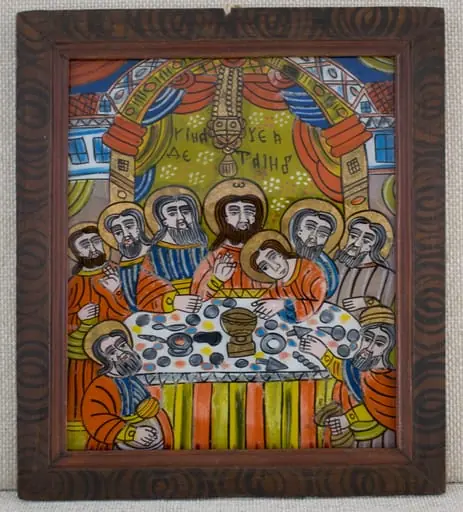 Icoa, sp
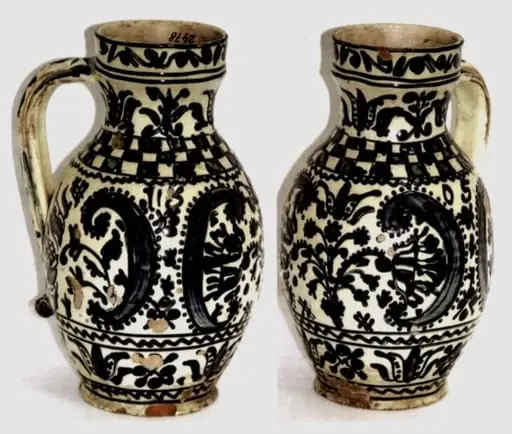 cană de vin
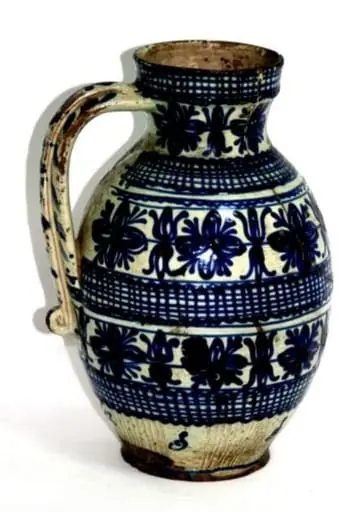 cană de vin
 Temadin
 Icoaotiv
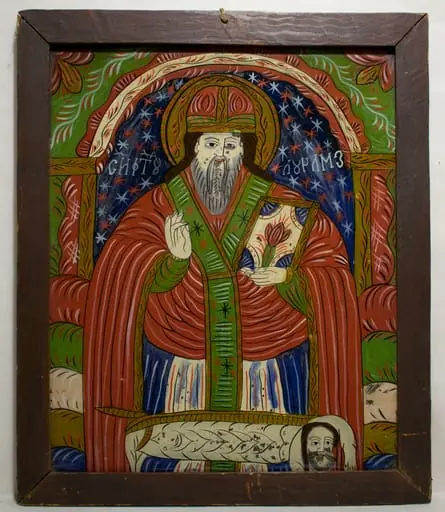
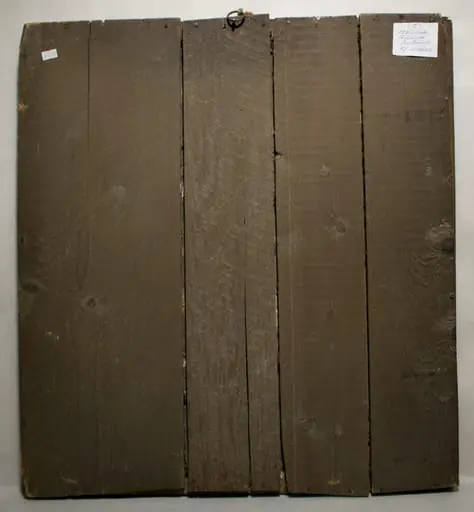 Icoana este pictată pe dosul unei bucăți de sticlă de formă dreptunghiulară în ax vertical. Sfântul mare Ierarh Nicoale, 3/4, în veșminte de arhierești, redat frontal, cu mitră înaltă, bipartită pe cap, ține Evanghelia în stângă iar cu mâna dreaptă binecuvintează.Barba căruntă, ondulată, scurtă, părul lung, negru, lăsat pe umeri. Ochii, negri, înguști, asimetrici, gura roșie.În jurul capului aureolă galbenă cu motiv fitomorf. Înveșmântat cu un sacos roșu cu linii de fald albe, galon aurit decorat cu motiv fitomorf, stihar alb cu albastru și linii de fald albe, roșii, bleu. Epitrahilul, veșmântul liturgic cel mai important este verde, lung, chenar auriu punctat pe margini, steluțe negre. Relieful - succesiune de benzi late de culoare roșie, bleumarin și verde, brăzdate de linii subțiri, roșii și albe. Sfântul este încadrat de un portal semicircular, cu marginea ondulată, fond bleumarin, jos elemente arhitecturale schematizate. Lateral și superior un chenar dublu din semicercuri în culori alternante roșu, ocru, verde, bleumarin. Restul câmpului este de culoare verde deschis cu elemente fitomorfe. Desenul este îngrijit, dar prezintă asimetrii, stângăcii, disproporții. Paleta cromatică bogată, culorile intense. Țăranii îl țineau pe sfântul Nicolae "aducător de noroc, apărător de boli, apărător de vărsat și de lovituri" Rama îngustă, realizată din patru șipci îmbinate oblic, decorată cu un motiv vălurit, dispus longitudinal. Dos-scânduri de brad, dispuse vertical și fixate în cuie metalice.
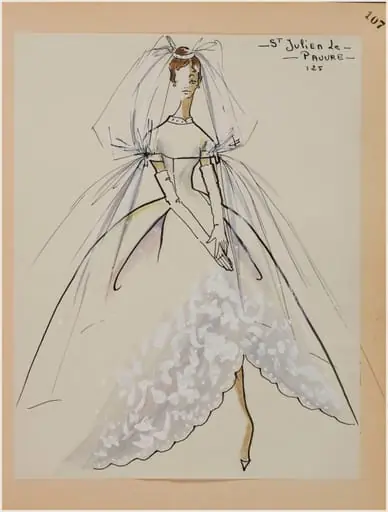 St Julien le Pauvre
 cană de bere
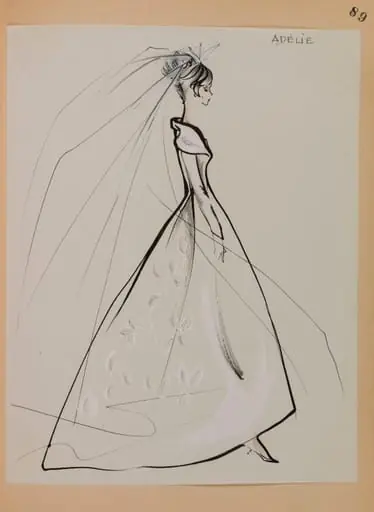 Adélie
 Temaelal
 Icoaitud
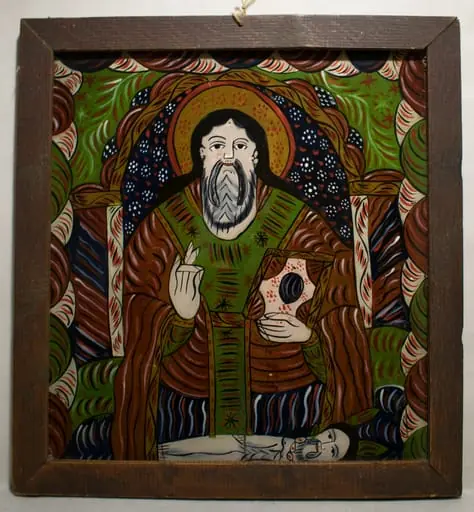 Icoan be
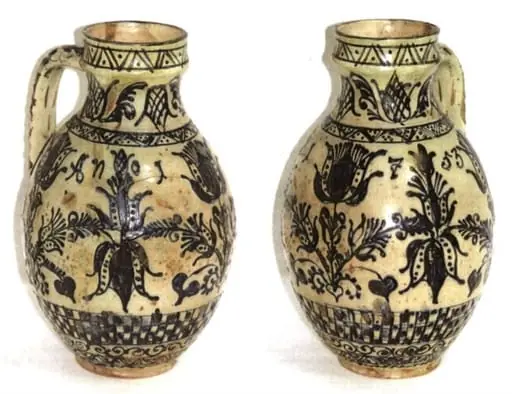 cană de vin
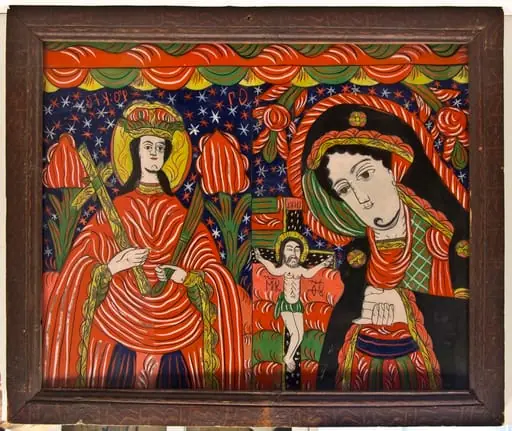 Sf. Parascheva și Maica Domnului îndurerată
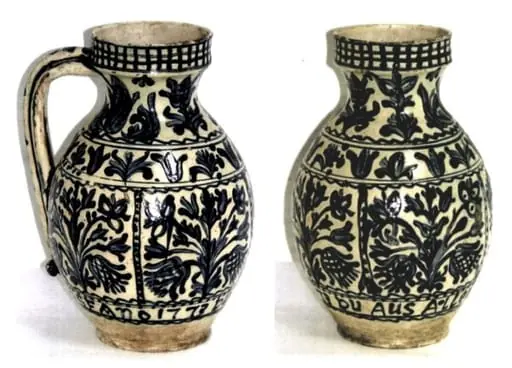 cană de vin
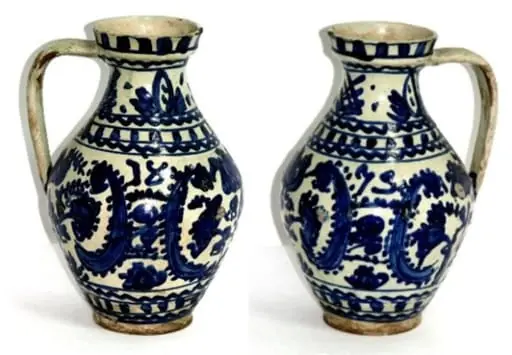 cană de vin
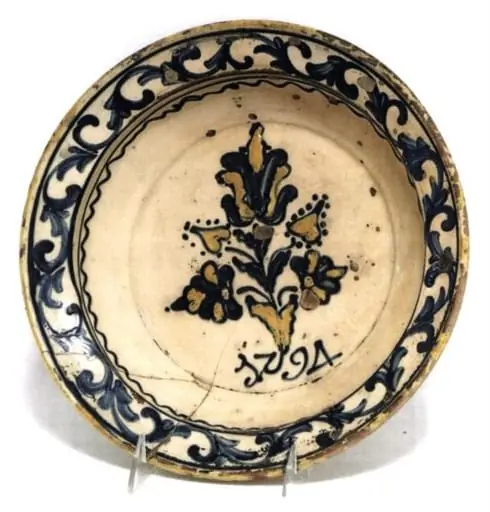 blid
blid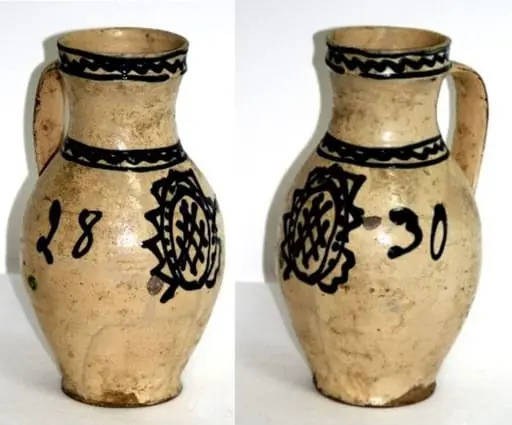 canceu
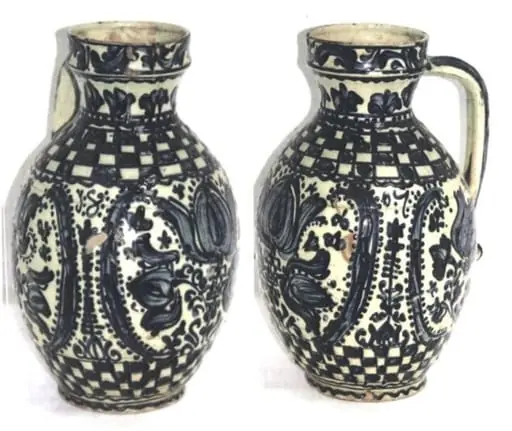 cană de vin
 Maria Antoniu Catargi
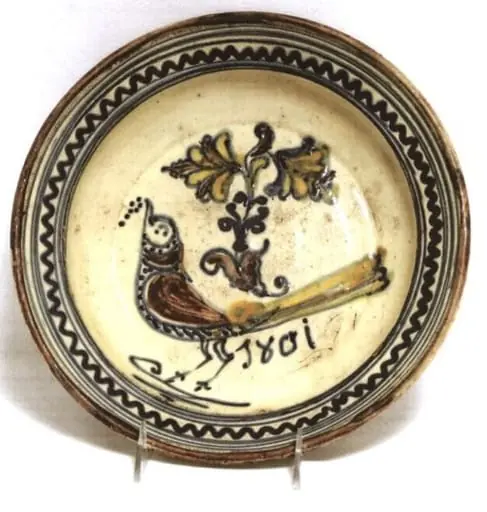 farfurie
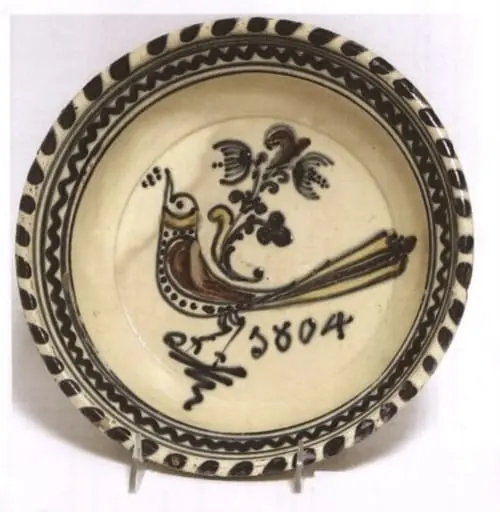 farfurie
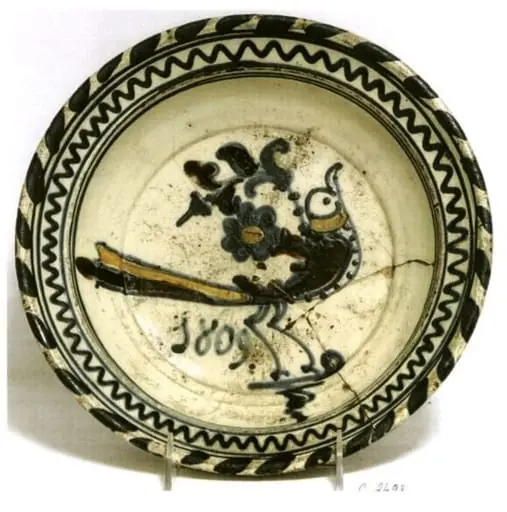 farfurie
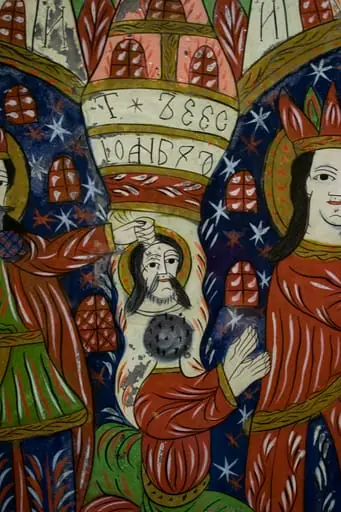 Icoaiv v
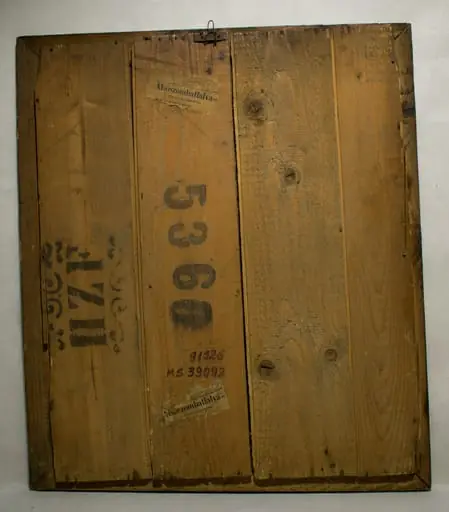 Icoana îi înfățișează pe Arhanghelii Mihail și Gavriil din ușor semiprofil, în picioare, ținând fiecare câte o sabie în mâna dinspre exterior. Mihail ține în mâna stângă un potir ridicat, iar Gavriil cumpăna(în iconografie și sabia și balanța fac parte dintre atributele arhanghelului Mihail). Amândoi sunt redați tineri, cu plete lungi, negre, fără barbă. Arhanghelul Mihail este înveșmântat militar, Arhanghelul Gavriil poartă veșminte lungi, în aceleași culori, decorate pe poale cu motiv fitomorf. Redați înaripați, în jurul capului au nimburi aurite, cu o porțiune incandescentă în jur.Plasați deasupra unor nori albi. Câmp albastru ultramarin, înstelat și decorat cu flori albe punctiforme. În planul doi o construcție cu elemente din arhitectura locală redate în stilul specific.Lateral și superior compoziția este încadrată de câte o ghirlandă din semicercuri duble hașurate. Paleta cromatică este armonioasă, dominată de roșu și bleumarin. Rama alcătuită din patru stinghii drepte, îmbinate oblic la colțuri, decorate vag cu un motiv vălurit dispus longitudinal. Dosul este relizat din scândură subțire de brad, dispusă orizontal.
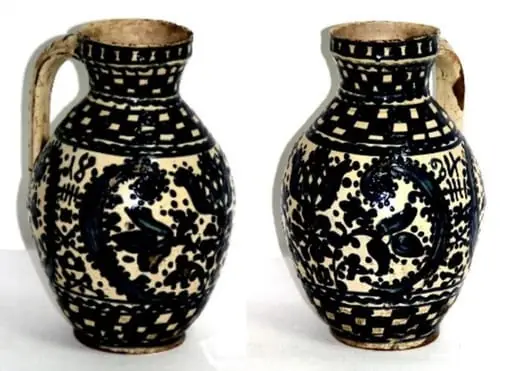 cană de vin
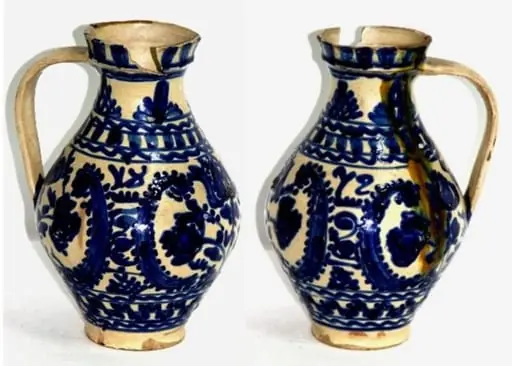 cană de vin
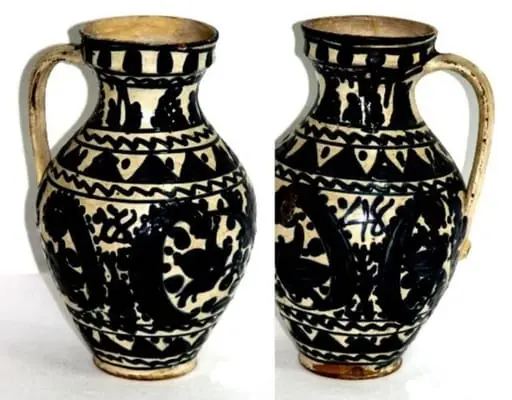 cană de vin
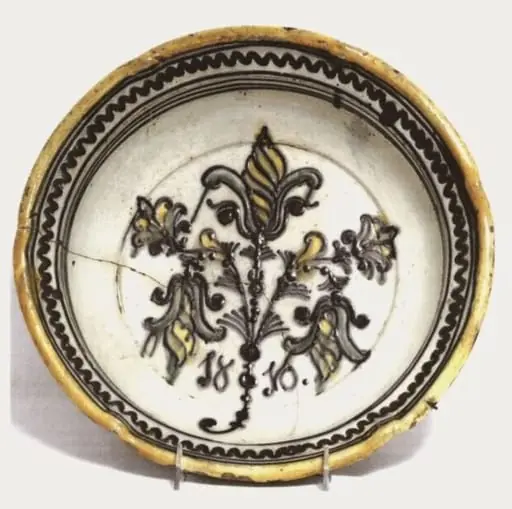 farfurie
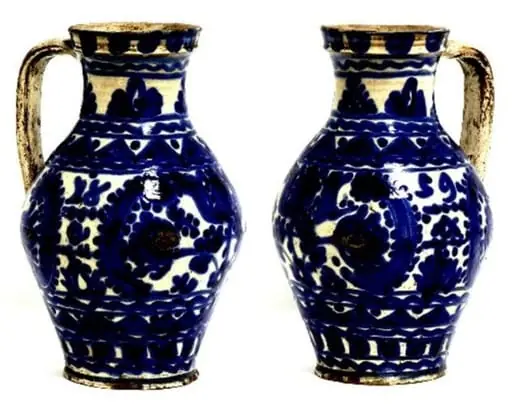 cană de vin
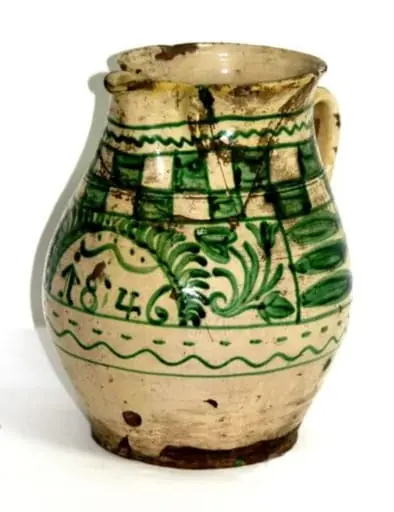 cană de vin
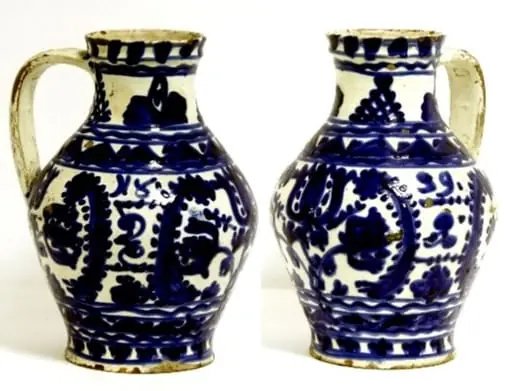 cană de vin
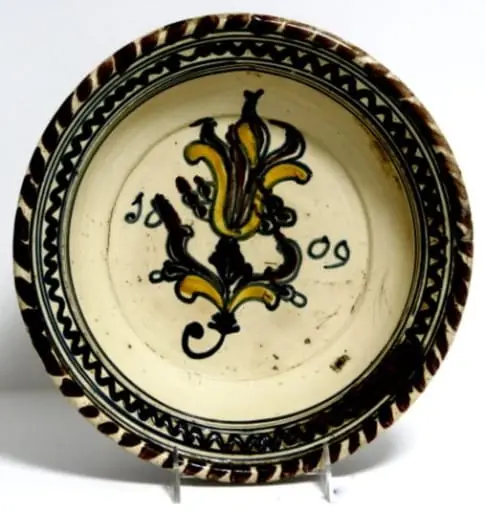 castron
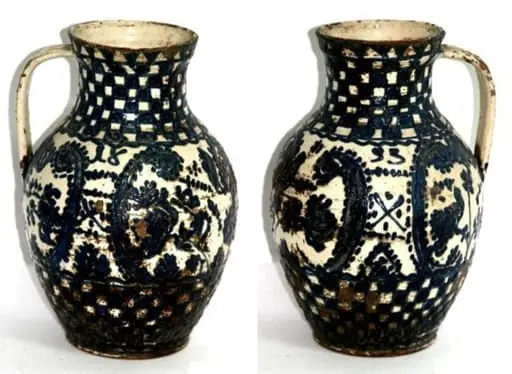 cană de vin
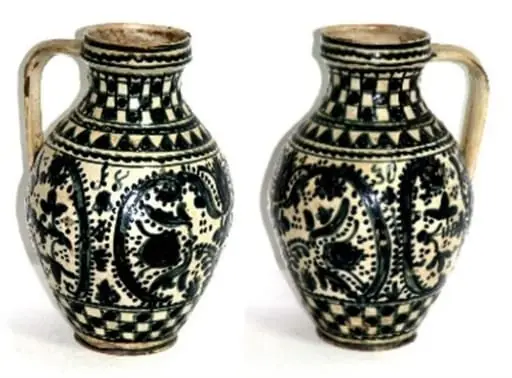 cană de vin
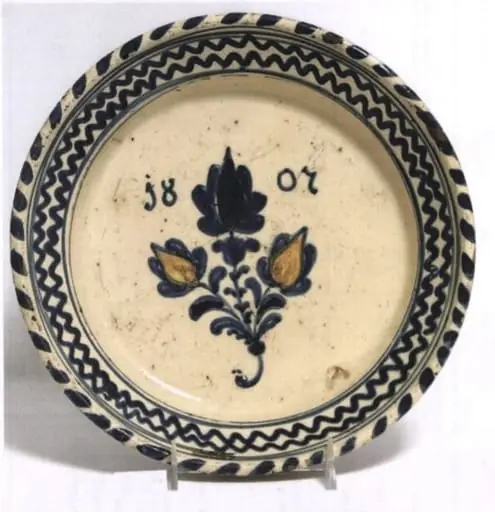 castron
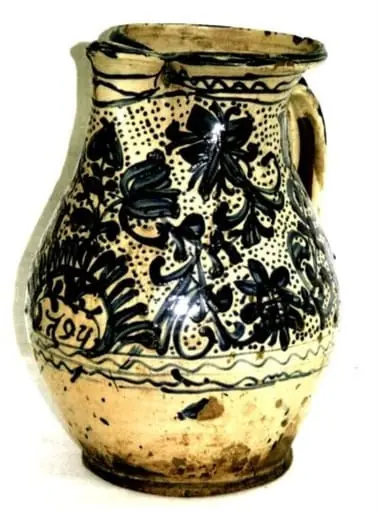 cană de bere
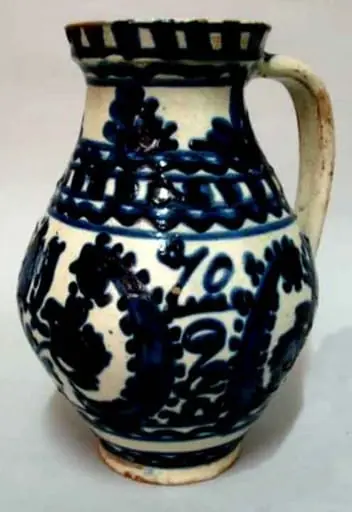 cană de vin
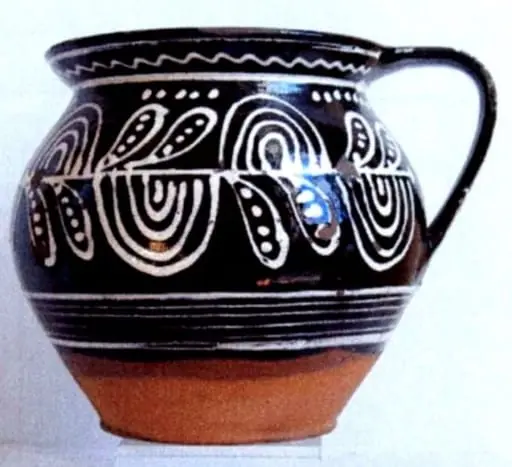 oală cu toartă
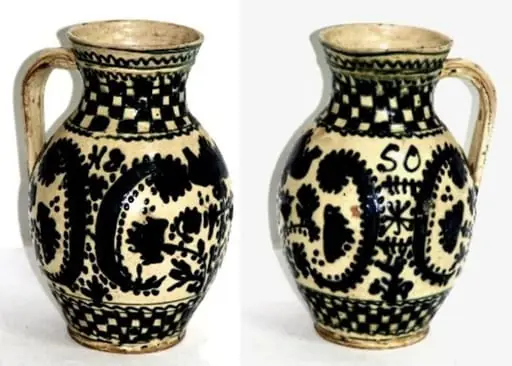 cană de vin
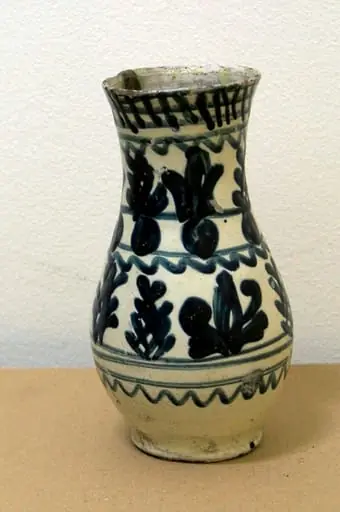 canceu
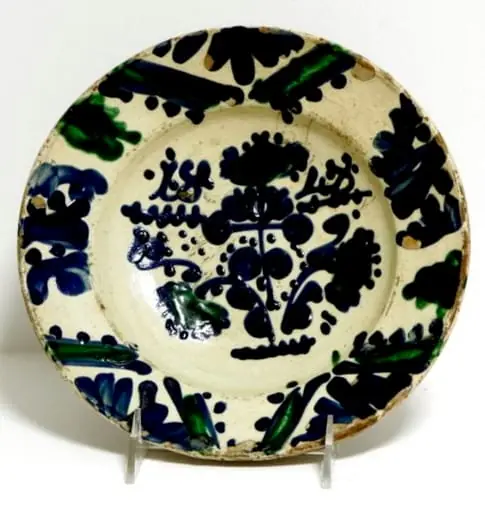 blid
blid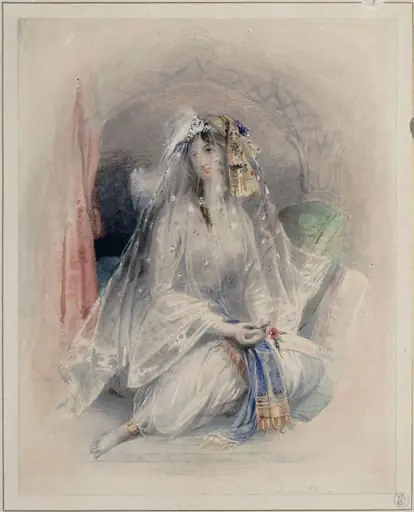 The Light of the Harem
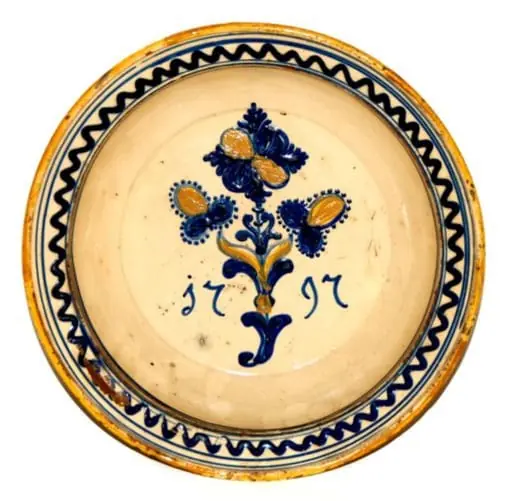 blid
blid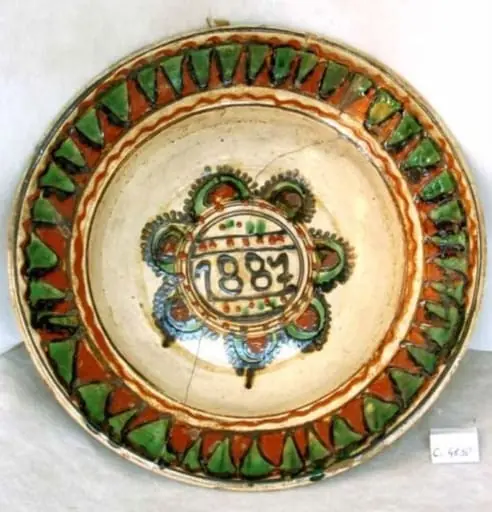 blid
blid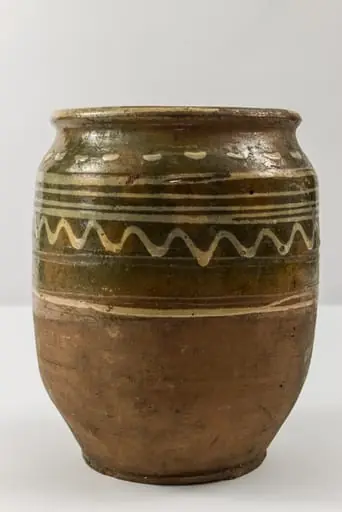 Piesă din lut modelat la roată, smălțuită în interior și parțial în exterior, de formă aproape cilindrică, cu pereții ușor îngustați spre bază, cu gură ușor răsfrântă. Decorul vasului este dispus pe suprafața exterioară, de la mijloc în sus, astfel: o dungă albă, un registru cu motivul valul, un grup de cinci cercuri concentrice, un registru cu motive liniare și punctiforme. Cromatică: maro, ocru, verde, alb.
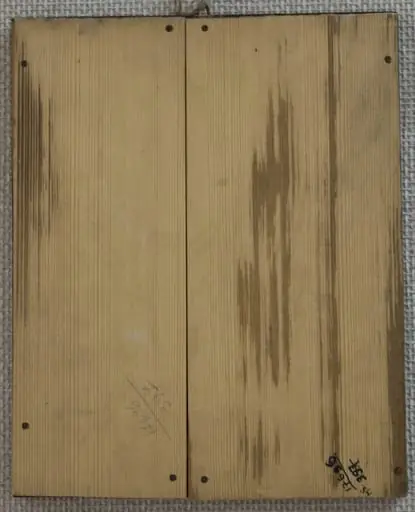 Icoana reprezintă Botezul lui Isus Hristos, care se prăznuiește pe 6 ianuarie("Boboteaza") Iisus Hristos, în picioarele goale, cu un ștergar verde în jurul mijlocului, brațele încrucișate pe piept, primește botezul cu apă de la Sfântul Ioan Botezătorul. care ține în mână o cruce mică. Acesta este înveșmântat cu o mantie roșie și tunică verde. De partea cealaltă a lui Isus,Arhanghelul Gavriil cu un ștergar pe brațe. Veșminte în culori colmplementare, roșu - orange cu verde. Aureolele sunt realizate cu foiță de aur. Deasupra lor, într-un semicerc de nori, Sf Duh. Din rațiuni de cromatică, zugravul i-a pictat aripile porumbelului alb cu verde și cafeniu.În colțurile superioare sunt nori umbriți, cromatica sugerând corespondența planului terestru(apa) cu cel celest. Scena se petrece pe malul Iordanului. Icoana are caracteristicile specifice picturii niculene: stângăcia, simplitatea și primitivismul desenului; compoziția sumară, redusă la extrem, intensitatea culorilor. Rama profilată, culoarea lemnului natur, "dosar"(capac) din lemn.
 cană de vin
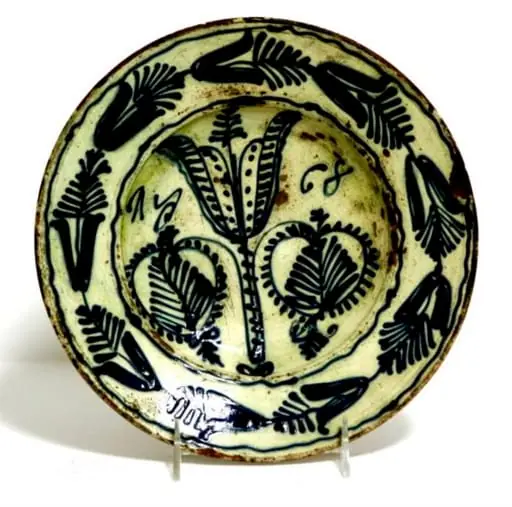 farfurie
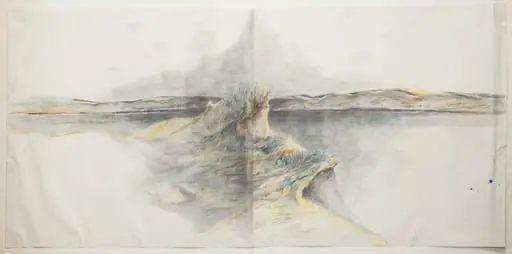 Apus de zi la Mal
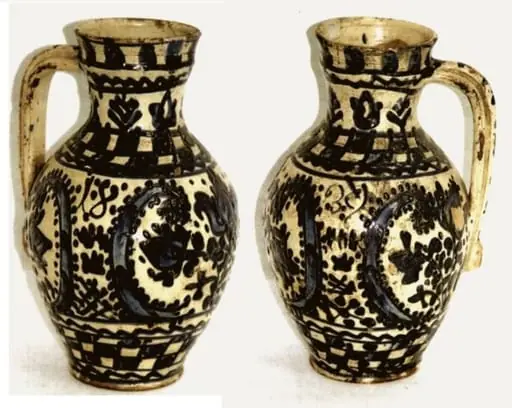
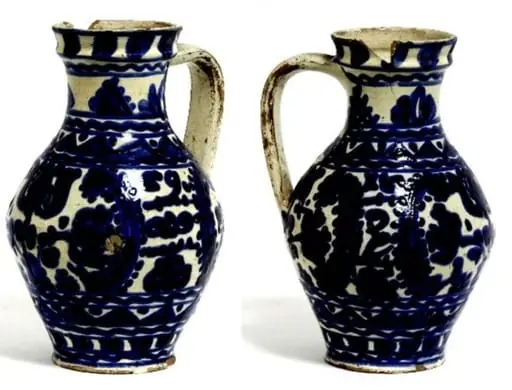
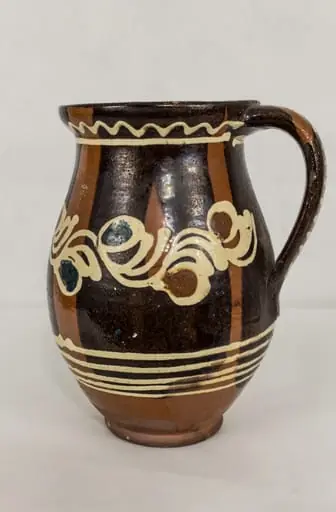 Vas cu corpul ușor curbat în partea centrală, prevăzut cu toartă laterală prinsă în două puncte, cu buza ușor răsfrântă spre exterior, smălțuit în exterior și interior, decorat pe toată suprafața în mai multe registre: pe gâtul piesei, un motiv circular peste care se suprapune motivul geometric valul; pe pântecul piesei, un motiv floral stilizat (ramură cu flori și frunze); spre baza piesei, o succesiune de cinci motive circulare concentrice; pe toartă, motive punctiforme. Cromatică: alb, albastru, cărămiziu, maro.
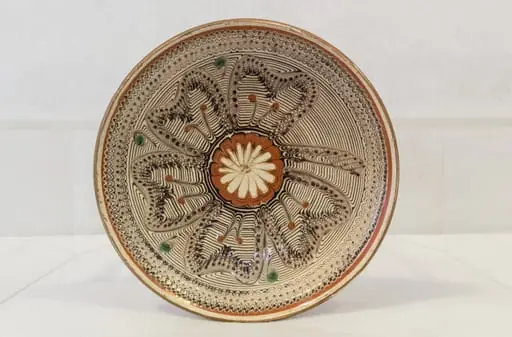 Vas de formă rotundă, plat, smălțuit pe interior, cu margini ușor răsfrânte spre exterior, decorat pe toată suprafața interioară prin pictare astfel: în centru, un motiv floral și trifoiul cu cinci foi, alături de patru motive punctiforme, amplasate printre frunzele trifoiului, câmpul cu motive liniare concentrice, iar pe margini, un registru mai lat cu motive geometrice concentrice (valul). Pe partea exterioară, apare ștampila meșterului (VICTOR VICSOREANU) și localitatea de fabricație (HOREZU). Cromatică: alb, verde, cafeniu, maro.
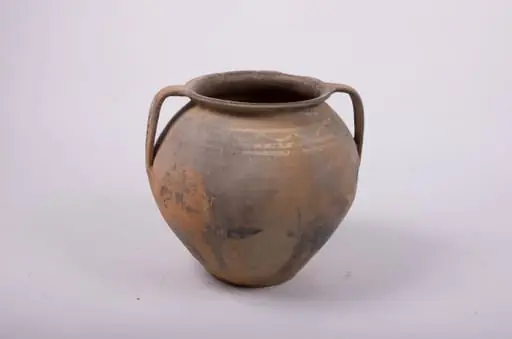 Vas sferoidal cu buza răsfrântă. Prezintă două torți care pornesc de la gura vasului și se unesc pe umăr cu corpul vasului. Decorat pe umăr cu o linie dreaptă urmată de una în val și alte două drepte. Cromatică: motive albe pe fondul cărămiziu al vasului.
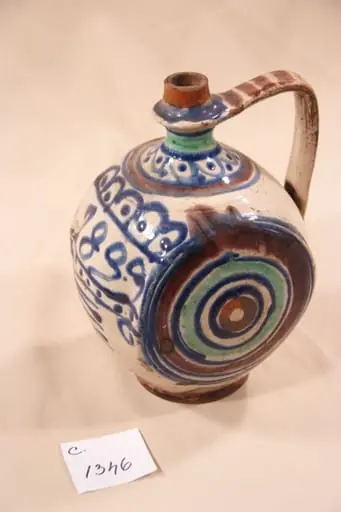 ulcior
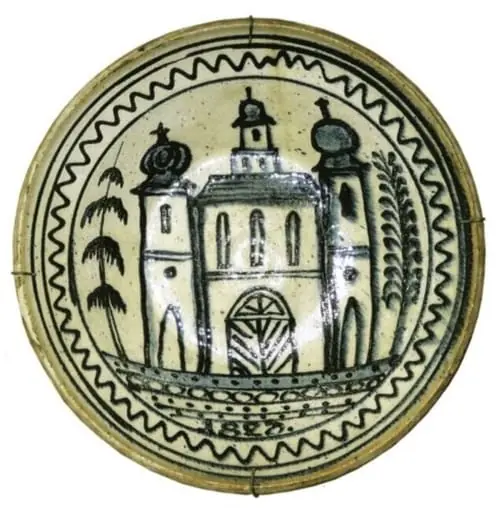 blid
blid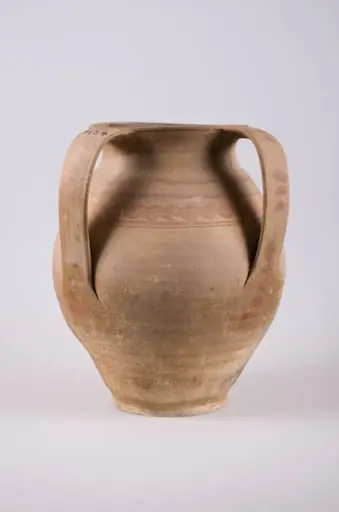 Oală mare bombată cu buza evazată. Prezintă două toarte late dispuse pe o parte. Nesmălțuită. Decorată în partea superioară cu linie vălurită și linii concentrice. Cromatică: fond: cărămiziu; motive: roșu.
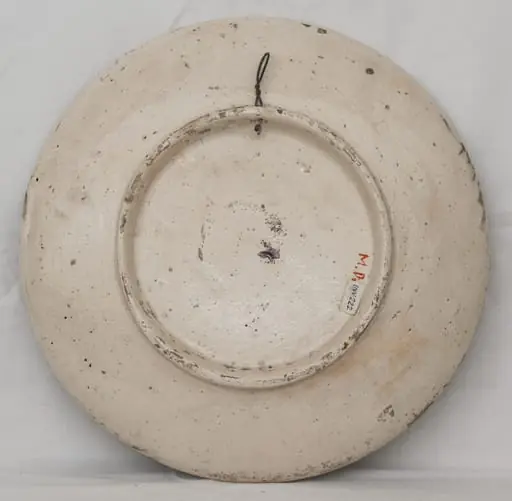 Farfurie faianță (corect Farfurie); farfurie decorativă
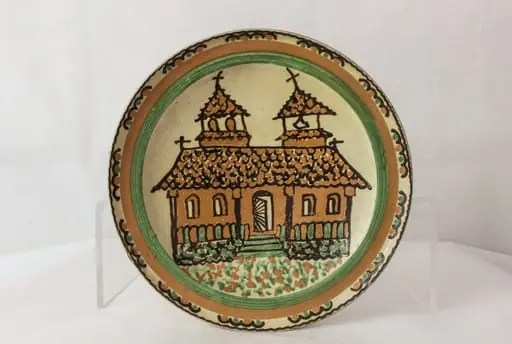 Vas de formă rotundă, cu pereții evazați, smălțuit în interior, decorat pe suprafața interioară, în prim-plan apărând un motiv arhitectural (biserică cu două turle); pe margine, două brâie de culoare ocru și verde și o succesiune de valuri (segmente), dublate de motive punctiforme. Pe partea exterioară apare semnătura de meșter (Stelian Ogrezeanu) și localizarea (jud. Vîlcea România). Cromatică: verde, cafeniu, maro, crem.
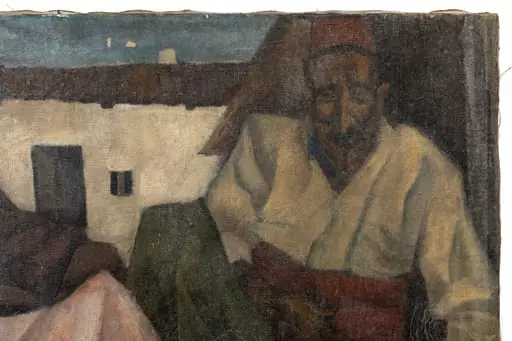 Familie de tătari
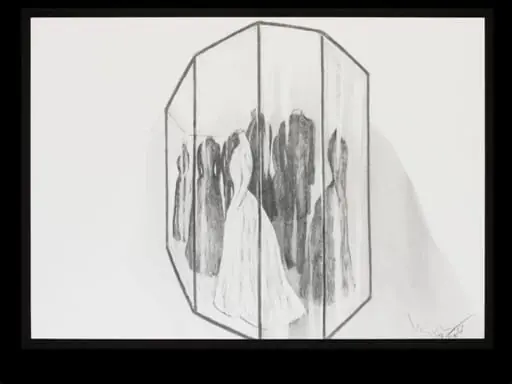 Contribution to V&A's 150th anniversary album
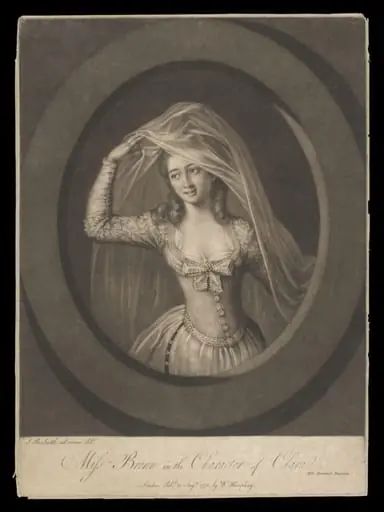 H Beard Print Collection
Frequently asked questions
What is Veil?
Veil is a subject in art. family name
How many Veil works does Artifact World Gallery have?
Artifact World Gallery holds 117 public-domain Veil works, all free to view and download.
Who are the key Veil artists?
Key Veil artists in the collection include Lorenzo Lotto, Ralph Earl and Édouard Manet.
Where can I see Veil works?
Veil works in the collection are held by Romanian Peasant Museum, "Dimitrie Gusti" National Village Museum and Palais Galliera - Musée de la Mode de la Ville de Paris.