Artwork
Portrait of Baltasar Carlos of Spain (1629-1646)
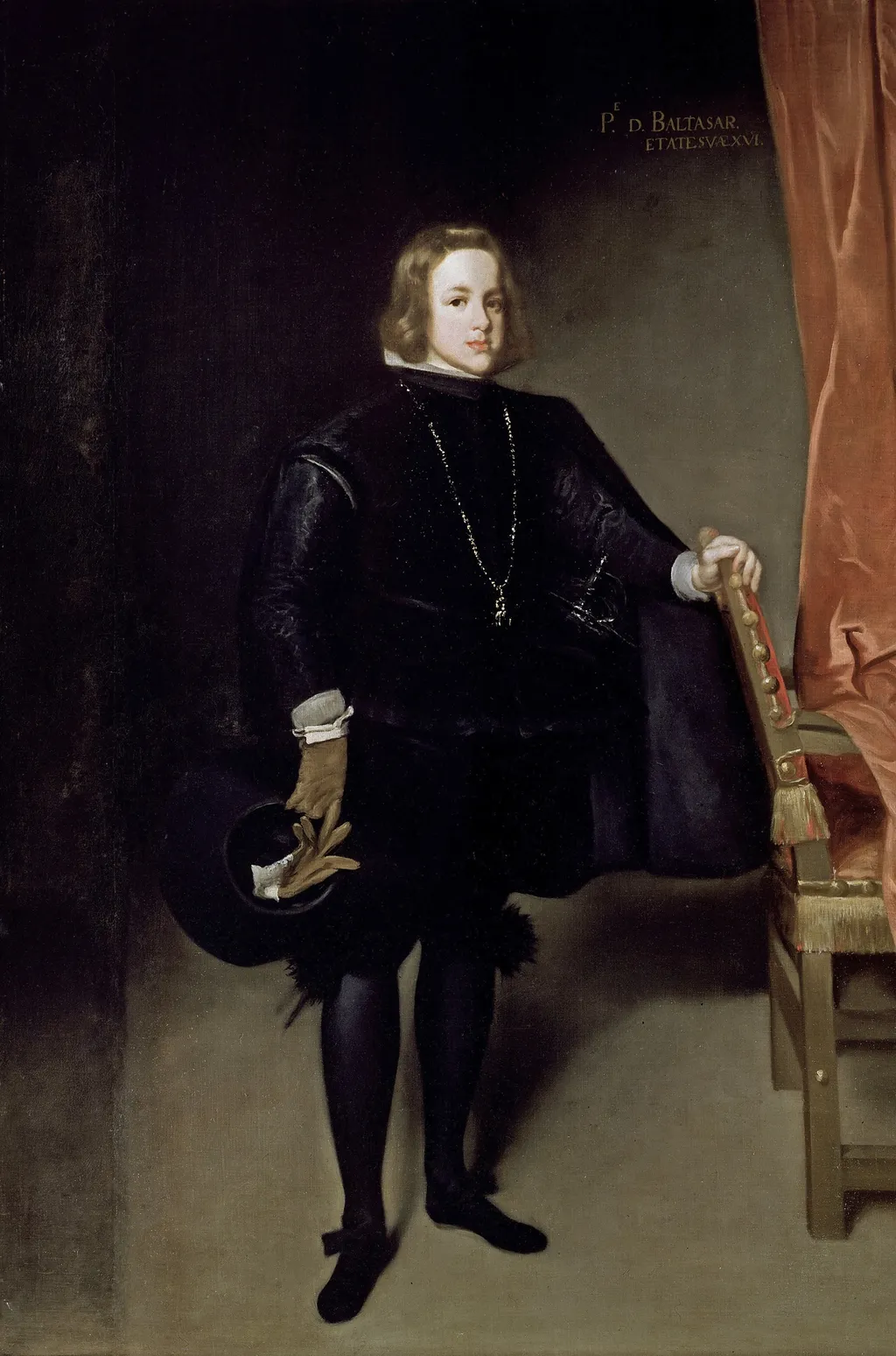
Portrait of Baltasar Carlos of Spain (1629-1646) is an oil painting by the Early Baroque Italian artist Juan Bautista Martínez del Mazo. It dates from 1645 and is held in the collection of the Museo del Prado.
About this work
Subject & Meaning
These attributes emphasize his royal lineage and the political expectations placed upon him as the designated successor.
The painting shows Balthasar Charles wearing a golden fleece, holding a glove and seated on a ceremonial chair, symbols of his status as heir to the Spanish throne and member of the Order of the Golden Fleece. These attributes emphasize his royal lineage and the political expectations placed upon him as the designated successor. The composition reflects the ceremonial role expected of the future monarch within the Habsburg court.
The work was created in 1645 and is housed in the Museo del Prado, where it remains part of the permanent collection.
Technique & Style
The portrait is executed in oil paint on canvas, a standard support for Martínez del Mazo's court portraiture. The composition centers on the young prince seated and depicted with attributes of rank, including the Golden Fleece, a seat, and a glove, rendered through the formal conventions of Spanish royal portraiture. The work measures 209 cm in height by 144 cm in width, a large-scale format befitting its state function.
Stylistically, the painting reflects the influence of Velázquez, under whom Martínez del Mazo trained and served as assistant, and it was included in a later exhibition devoted to that master.
No source addresses the specific handling, brushwork, or current condition of the canvas.
History & Provenance
The portrait of Baltasar Carlos was painted by Juan Bautista Martínez del Mazo in 1645, executed in oil on canvas. It depicts the Spanish prince Balthasar Charles, shown with attributes including the Golden Fleece, a seat, and a glove. The work has the dimensions of 209 cm in height and 144 cm in width.
The painting is held in the collection of the Museo del Prado, where it is currently located. Its documented exhibition history includes a presentation associated with Velázquez. Beyond these details, the sources do not provide further information on the original commission, earlier ownership, or transfer history of the work.
The portrait is held in the collection of the Museo del Prado in Madrid. Created in 1645 by Juan Bautista Martínez del Mazo, the oil on canvas work measures 209 cm in height and 144 cm in width. The painting has been featured in exhibitions dedicated to the artist Diego Velázquez.
Overview
Juan Bautista Martínez del Mazo, a Spanish Baroque painter and disciple of Diego Velázquez, executed this oil portrait in 1645. The canvas presents the young heir to the Spanish throne, Baltasar Carlos, adorned with the insignia of the Order of the Golden Fleece and a glove, set against a subdued interior. The work exemplifies early Baroque court portraiture and is part of the Museo del Prado’s collection.
Context
Created during the reign of Philip IV, the painting aligns with a broader program of royal propaganda that used portraiture to reinforce the legitimacy of the Spanish monarchy. Mazo, as Velázquez’s assistant, inherited a visual language that combined naturalistic detail with symbolic regalia, a formula widely employed in the Spanish court to project power and piety.
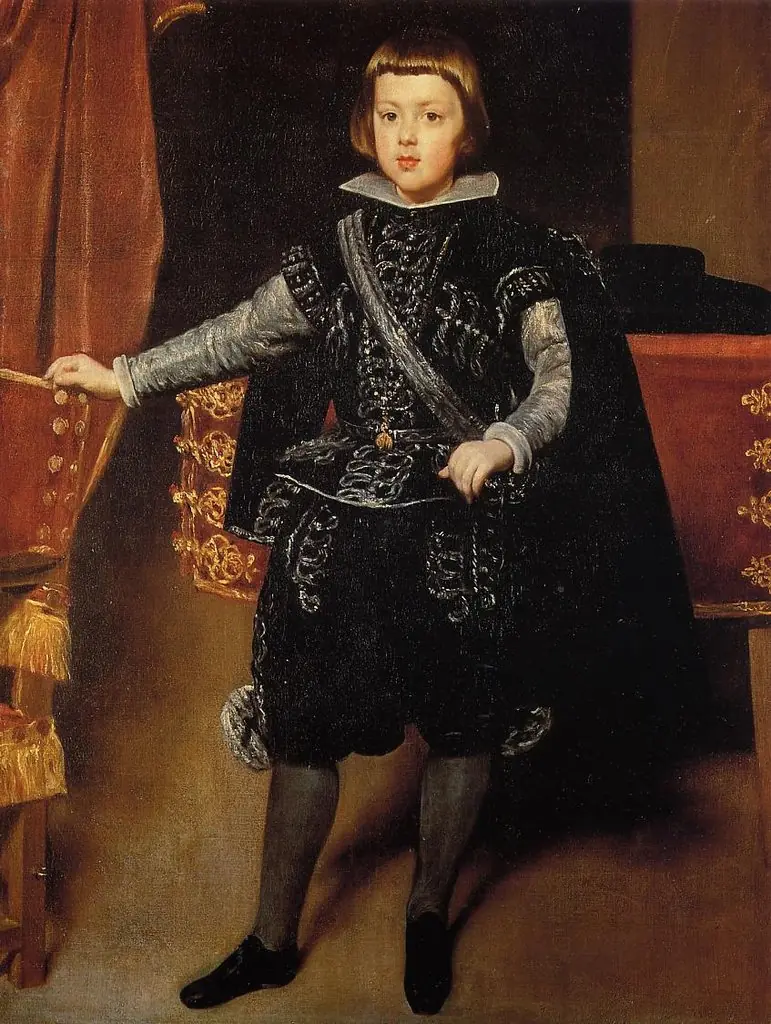
Own this work as a print
Artist & collection
Artist
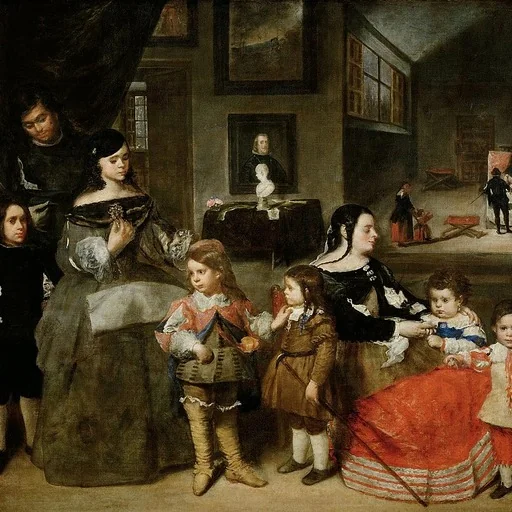
Juan Bautista Martínez del Mazo
Juan Bautista Martínez del Mazo (c.1612 – February 10, 1667) was a Spanish Baroque portrait and landscape painter, the most distinguished of the followers of his father-in-law Velázquez, whose style he imitated more closely than did any…

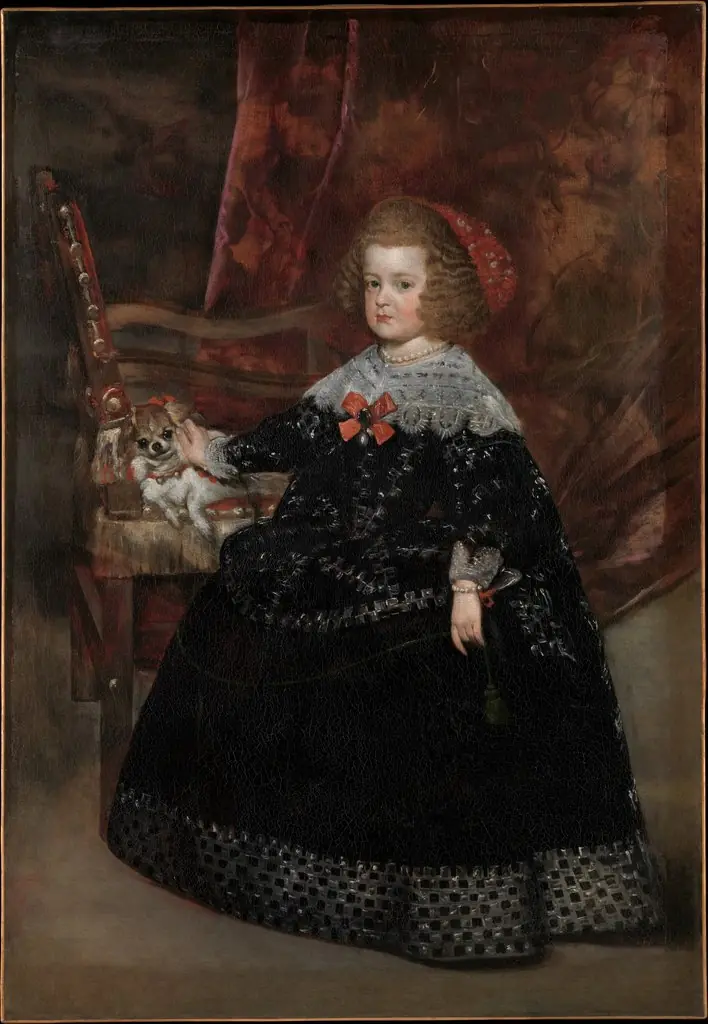
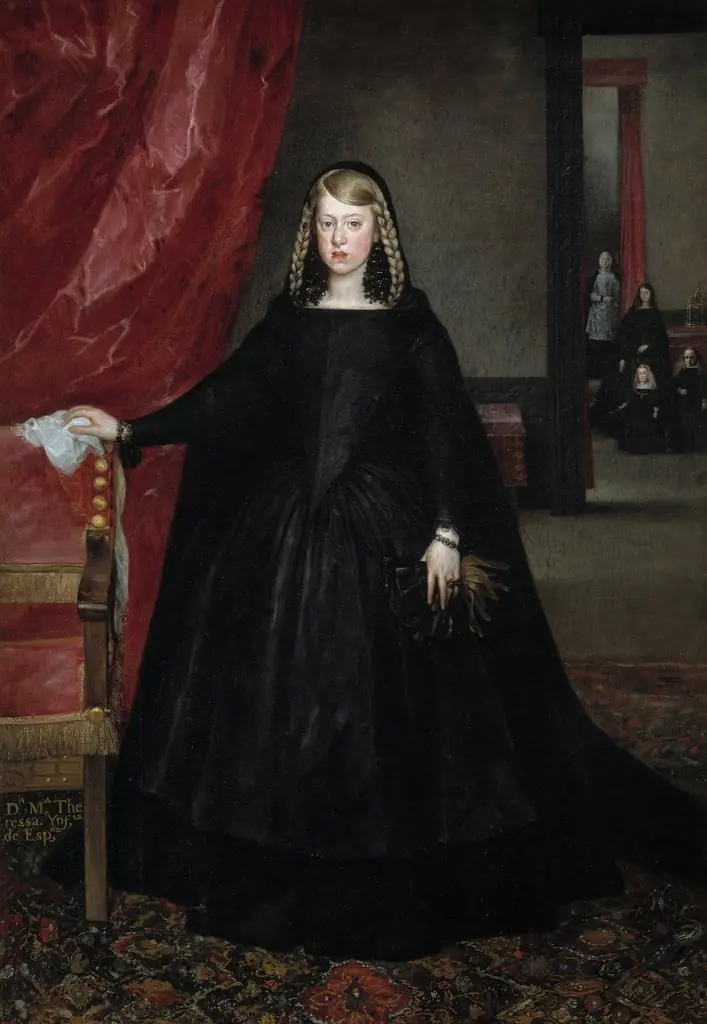
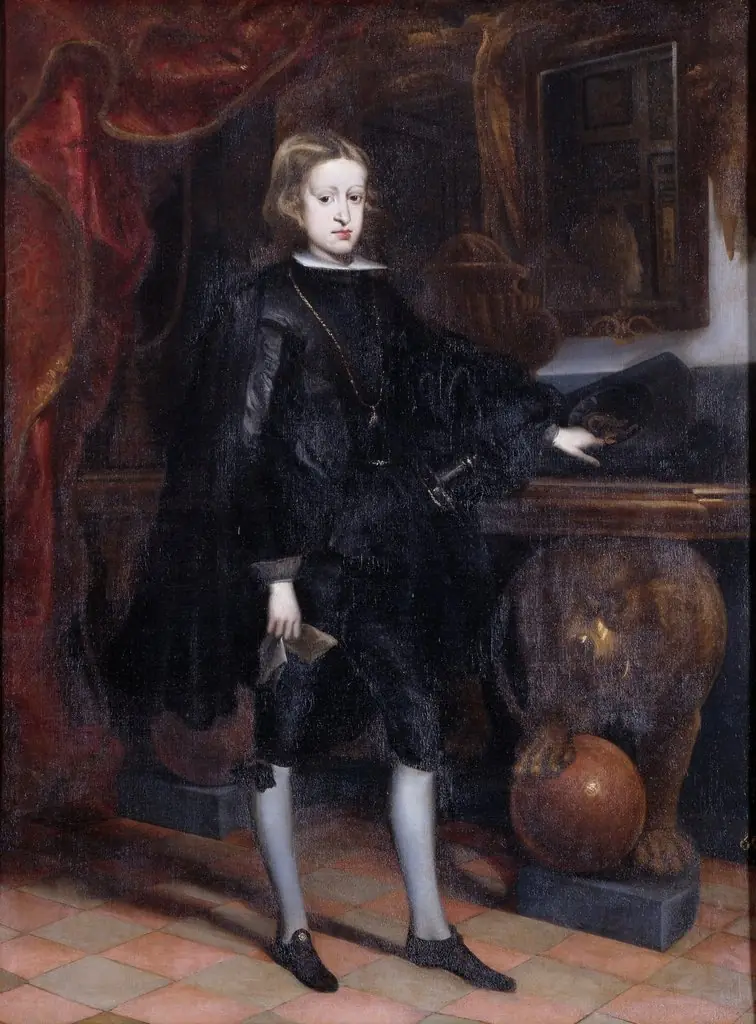 Charles II as a child
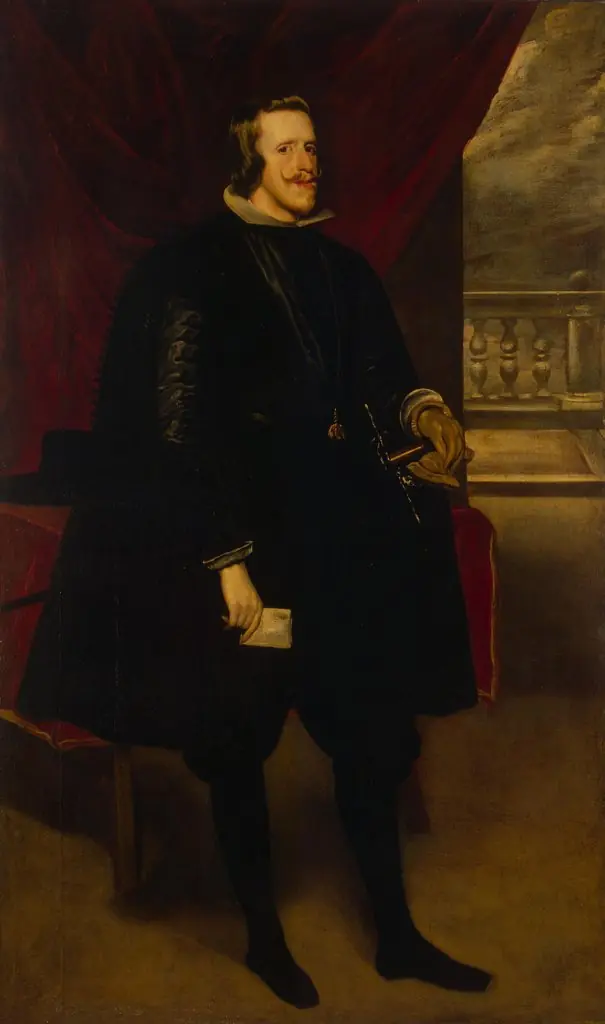 Portrait of Philip IV, King of Spain
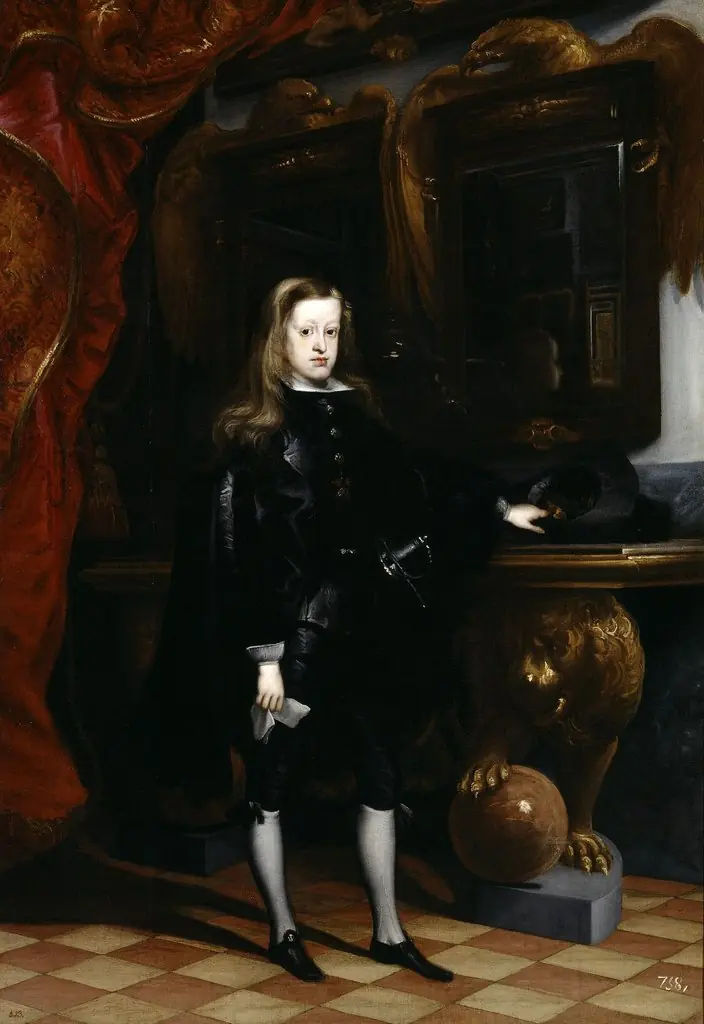 Charles II as a child
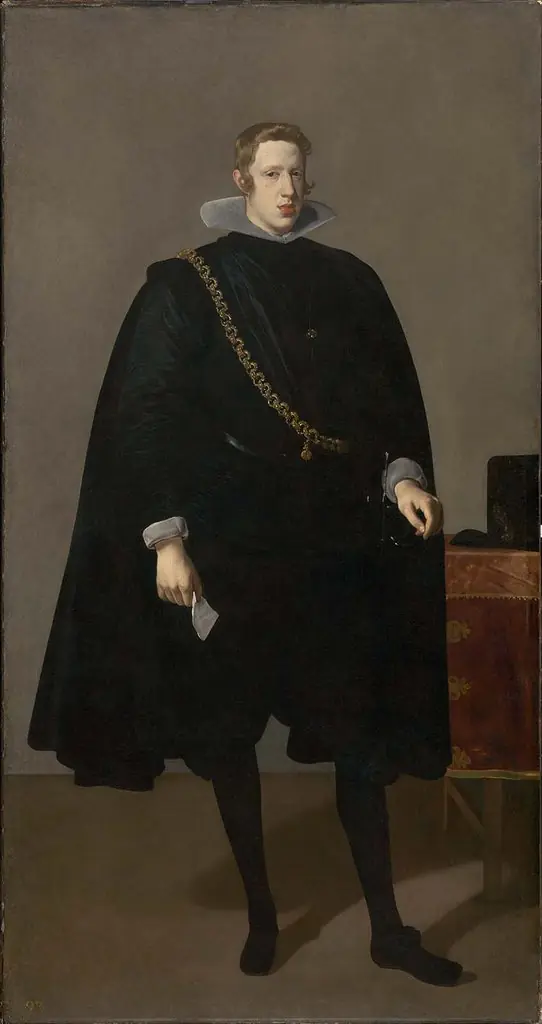 Philip IV, King of Spain
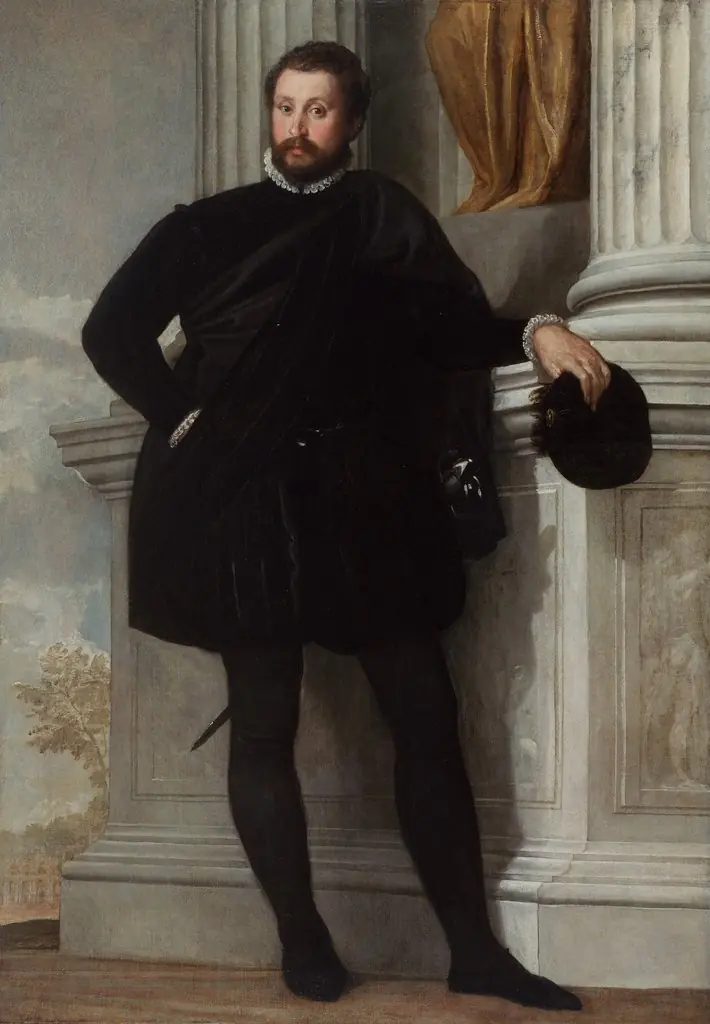 Portrait of a Man
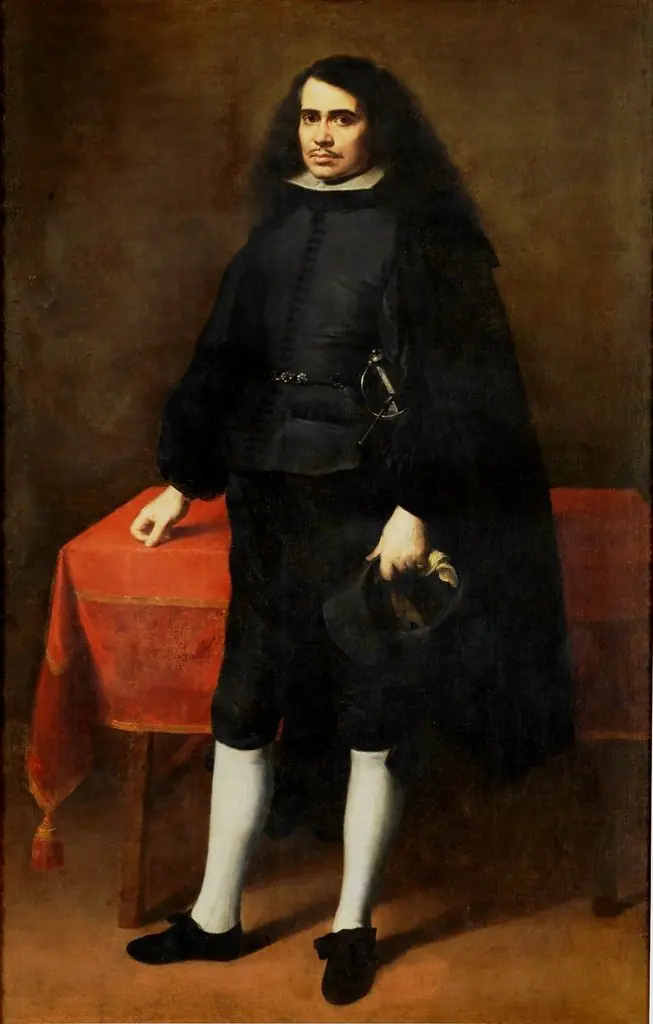 Portrait of a Man
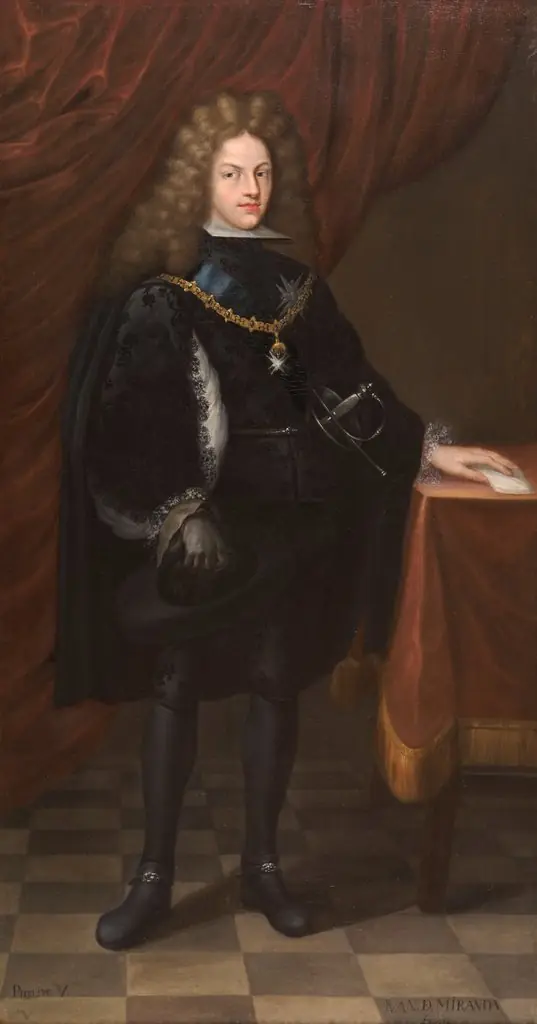 Philip V of Spain
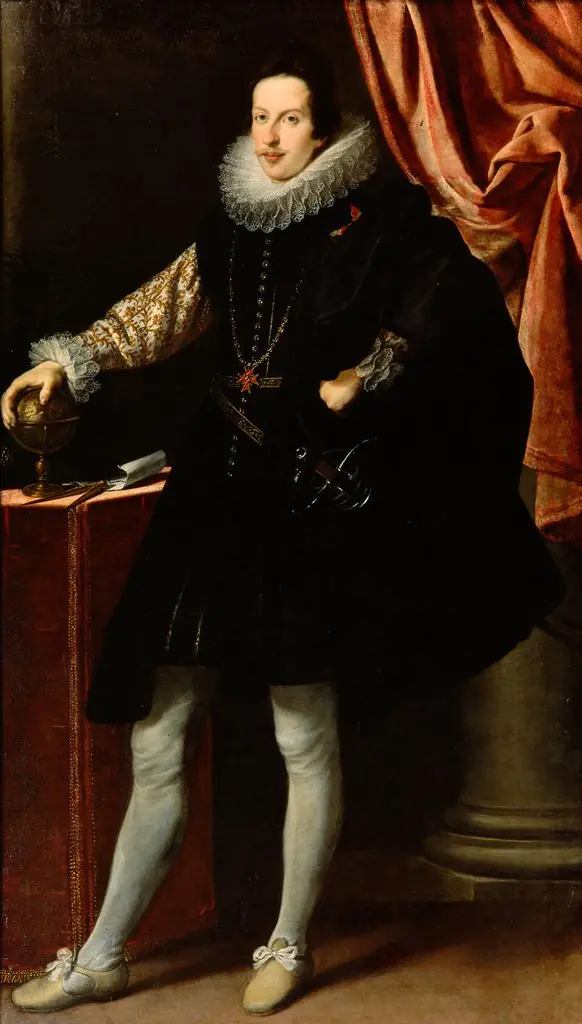 Portrait of Cosimo II de' Medici, Grand Duke of Tuscany
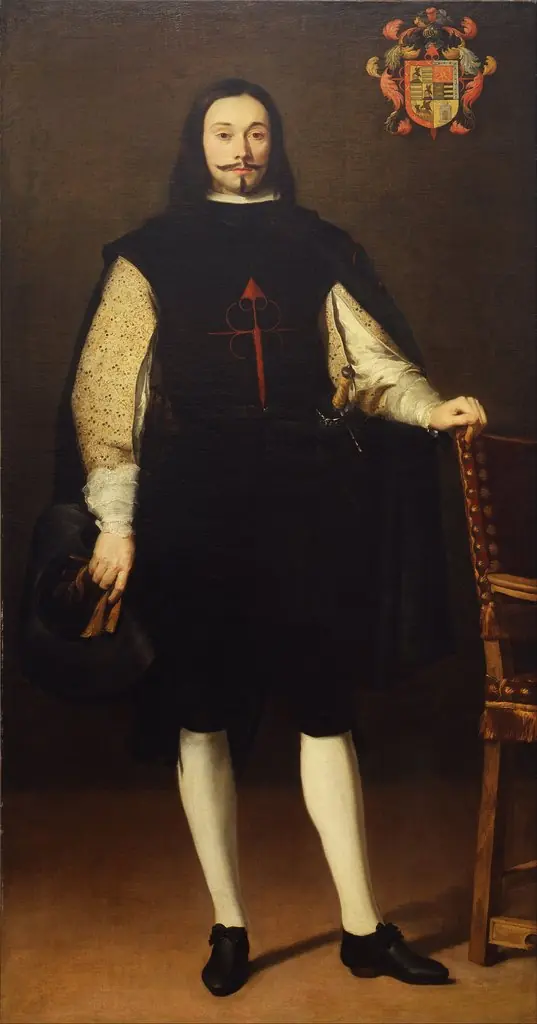 Portrait of Don Diego Felix de Esquivel y Aldama
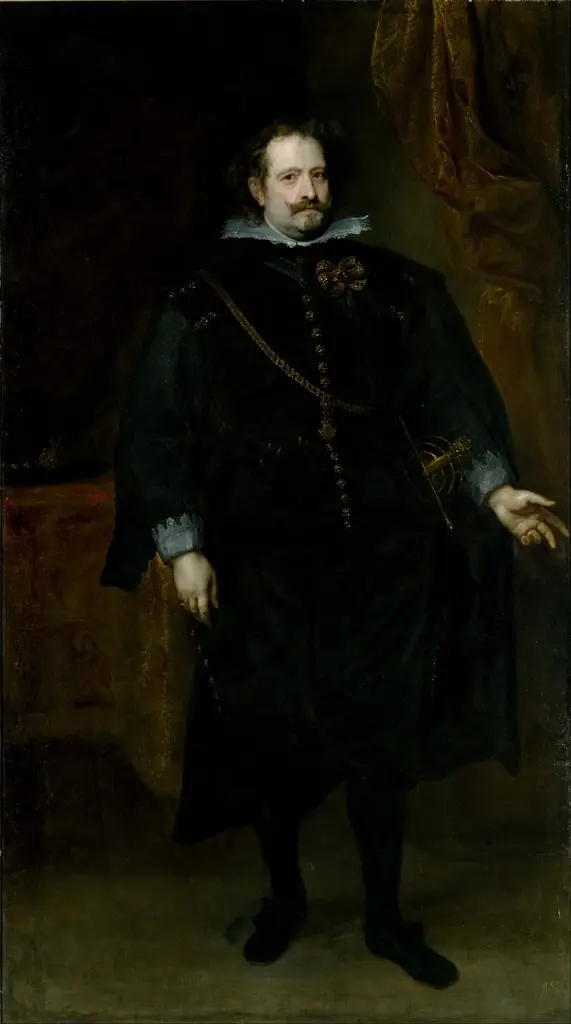 Diego Felipe de Guzmán, Marquis of Leganés
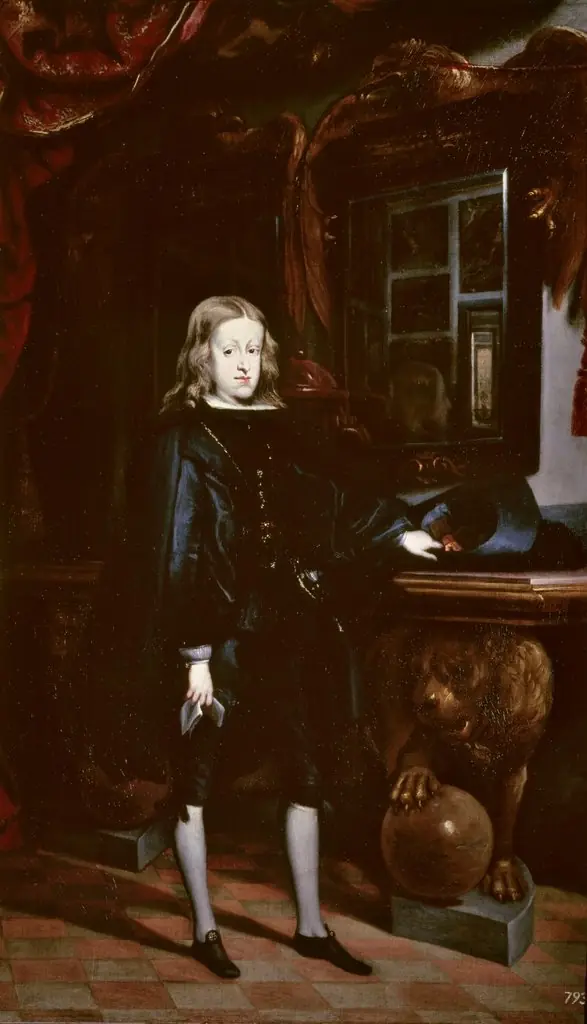 Charles II
- El príncipe Baltasar Carlos