Artwork
El príncipe Baltasar Carlos
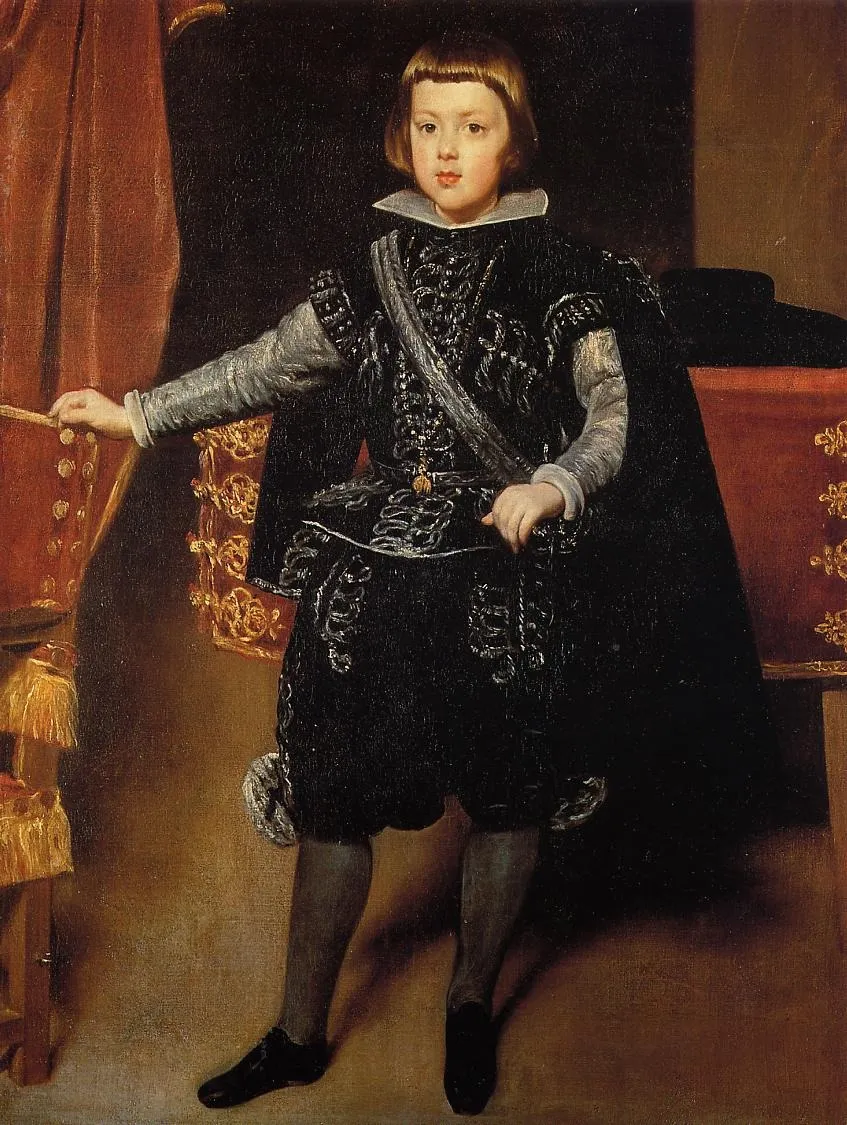
El príncipe Baltasar Carlos is an oil painting by the Early Baroque Italian artist Diego Velázquez. It dates from 1638 and is held in the collection of the Kunsthistorisches Museum.
About this work
Subject & Meaning
The portrait shows Balthasar Charles, the young heir of the Spanish Habsburgs, rendered in a manner that blends courtly poise with youthful innocence.
The portrait shows Balthasar Charles, the young heir of the Spanish Habsburgs, rendered in a manner that blends courtly poise with youthful innocence. Velázquez emphasizes his royal status through fine clothing and a direct gaze, while the unfinished background suggests the unfinished nature of his life and succession. The work functions as both a dynastic statement and a study of emerging authority within the Spanish Habsburg lineage.
Technique & Style
The work is an oil painting on canvas, employing the conventional techniques of 17th‑century portraiture to render fine detail and subtle modeling. Velázquez applies thin layers of oil paint to achieve a luminous surface, while the canvas support provides a stable ground for precise brushwork. The composition emphasizes the sitter’s aristocratic poise through restrained coloration and careful handling of light, resulting in a formal yet intimate presentation.
The painting’s condition remains stable, with the original canvas and pigments largely intact, allowing the characteristic brushstrokes and tonal transitions of the period to be clearly observed.
History & Provenance
Diego Velázquez painted El príncipe Baltasar Carlos in 1638, depicting the young Spanish infante as a court portrait. The work entered the collection of the Kunsthistorisches Museum, where it remains on display. Its creation was part of the Habsburg court's artistic program, and the painting has been featured in exhibitions devoted to Velázquez's oeuvre, most recently in the retrospective Velázquez.
Context
El príncipe Baltasar Carlos is a portrait painted by Diego Velázquez in 1638 for the Spanish court, depicting the young heir apparent of Philip IV. The work reflects the Habsburg dynasty's emphasis on dynastic continuity and the sitter's symbolic role as future ruler, aligning with Baroque ideals of authority and divine right. Contemporary scholarship situates the painting within Velázquez's evolving portraiture, noting its technical refinement and psychological depth as precursors to his later royal portraits.
Art historians regard it as a key example of 17th-century Spanish court portraiture, illustrating the intersection of political propaganda and naturalistic representation in the period's visual culture.
The painting is housed in the Kunsthistorisches Museum in Vienna, where it has been part of the permanent collection since the museum's founding, underscoring its significance in European art historical narratives.
Overview
Painted in 1638, El príncipe Baltasar Carlos is a formal court portrait by Diego Velázquez depicting the young heir to the Spanish throne at approximately four years of age. The composition presents the prince standing in a three-quarter view against a dark, neutral background that isolates his figure and emphasizes his royal status. He is dressed in a black doublet and matching breeches adorned with silver embroidery, featuring puffy, slashed sleeves that reveal a white shirt beneath.
His right hand rests on a curved scepter, a symbol of authority, while his left hand holds a small object, likely a baton or glove. The painting exemplifies Velázquez's mature style during his service to Philip IV, characterized by a restrained palette, precise observation of textile textures, and a psychological depth that transcends the rigid conventions of Habsburg portraiture. Executed shortly after the artist's return from Italy, the work demonstrates his mastery in capturing the dignity of youth and the weight of dynastic expectation.
It stands as a key example of 17th-century Spanish court painting, bridging the formal traditions of the past with the emerging naturalism that would define Velázquez's later masterpieces.
Artist & collection
Artist
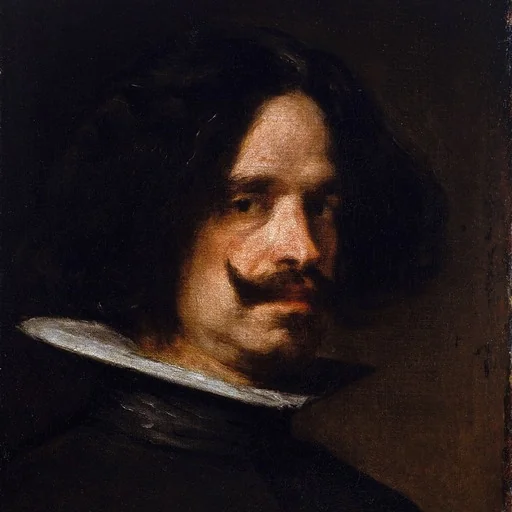
Diego Rodríguez de Silva y Velázquez was a Spanish Baroque painter, the leading artist in the court of King Philip IV of Spain and Portugal, and of the Spanish Golden Age.

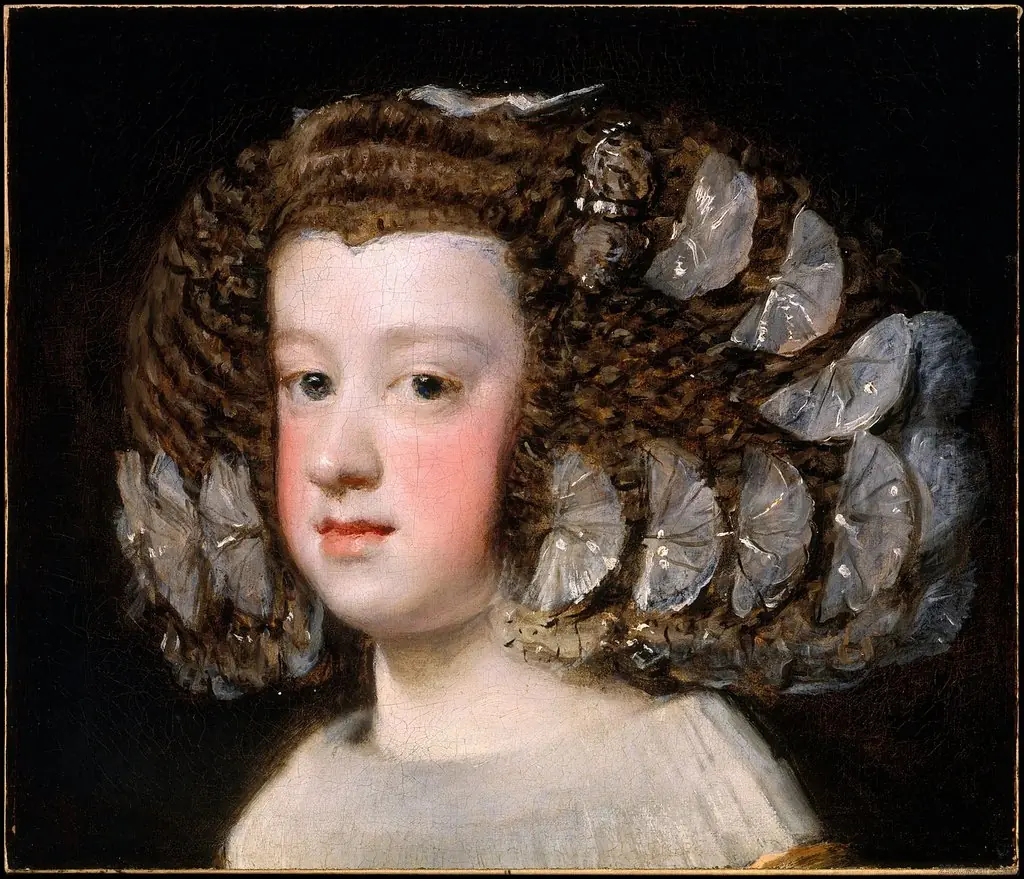
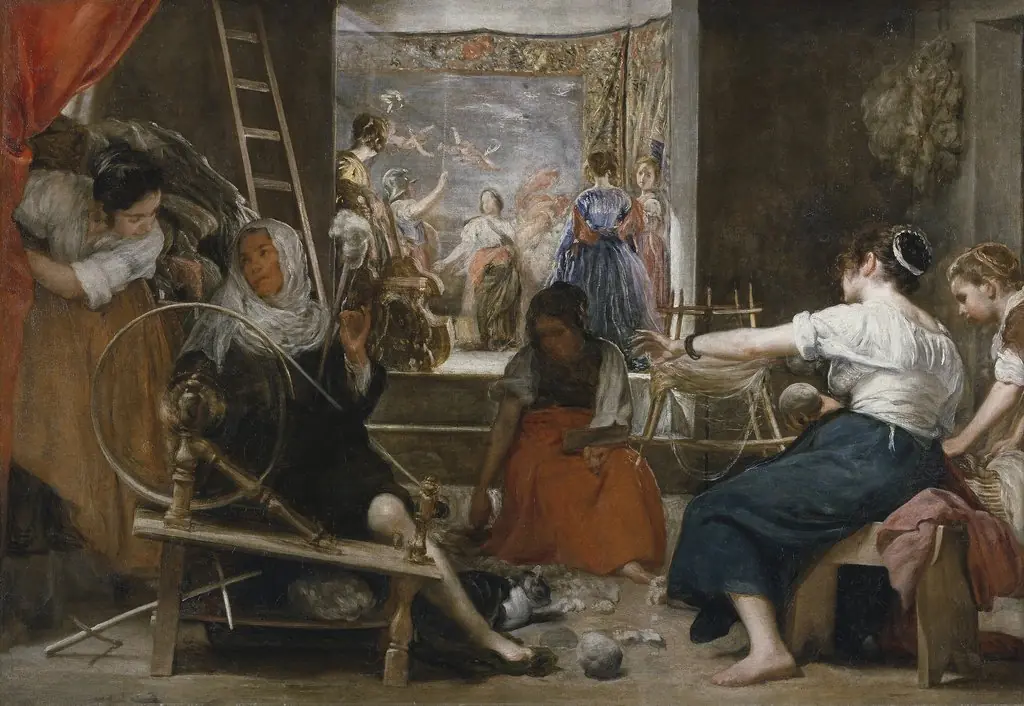
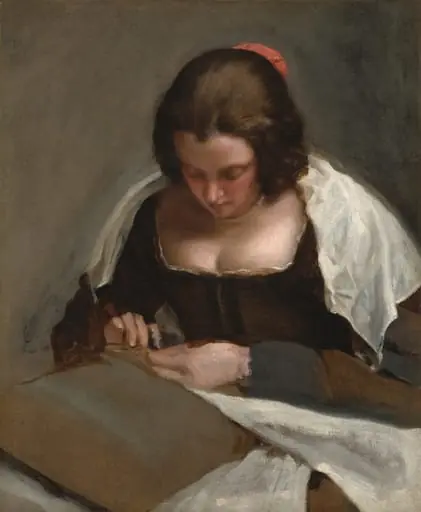
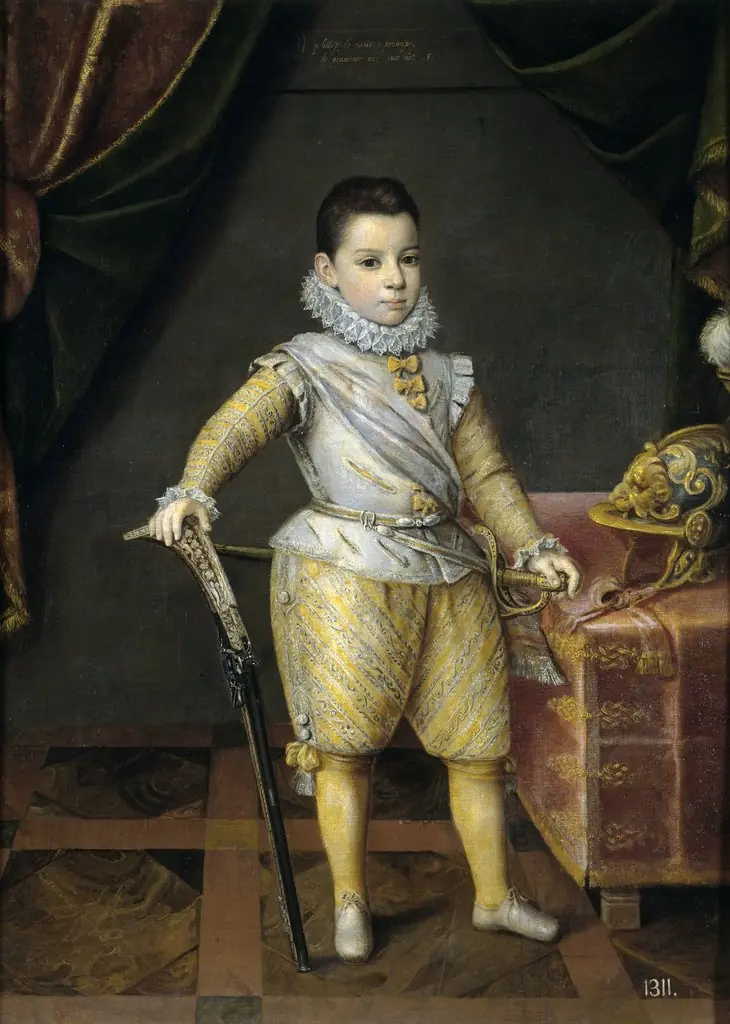 Portrait of Philip Emmanuel of Savoy (1586-1605), age five
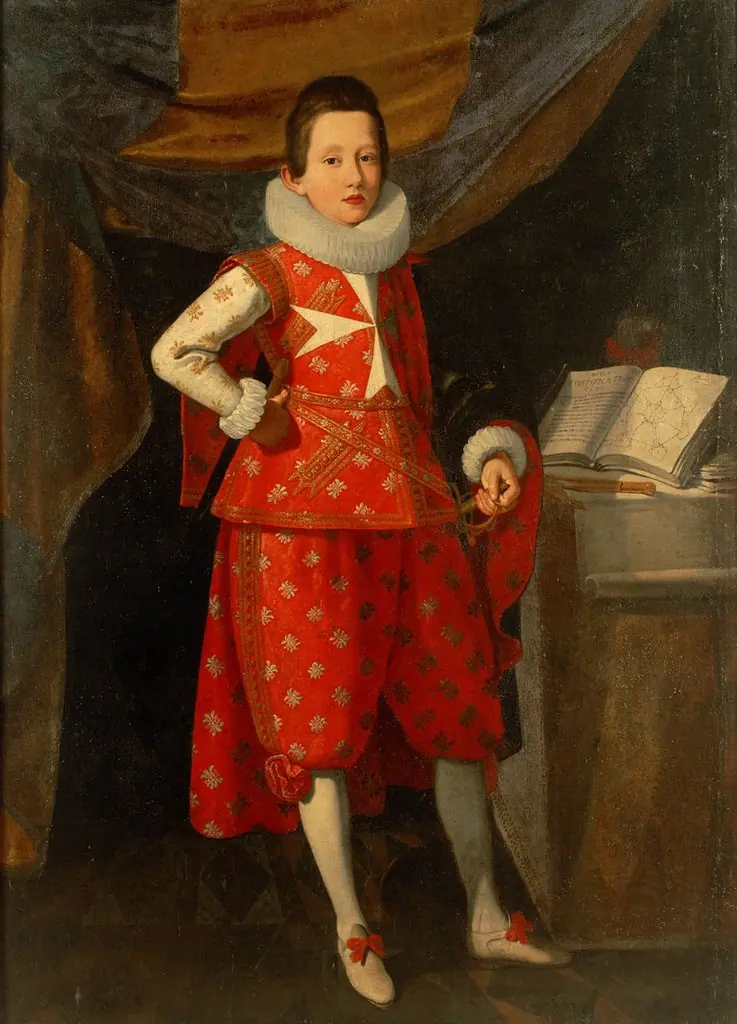 Giancarlo de' Medici (1611-1663), Cardinal, at the age of 10.
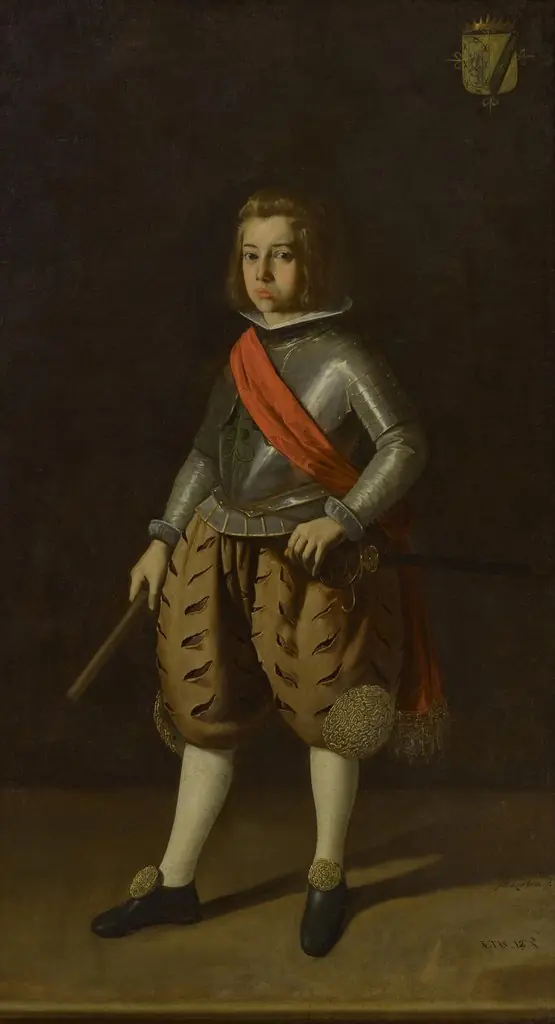 Portrait of Don Alonso Verdugo de Albornoz
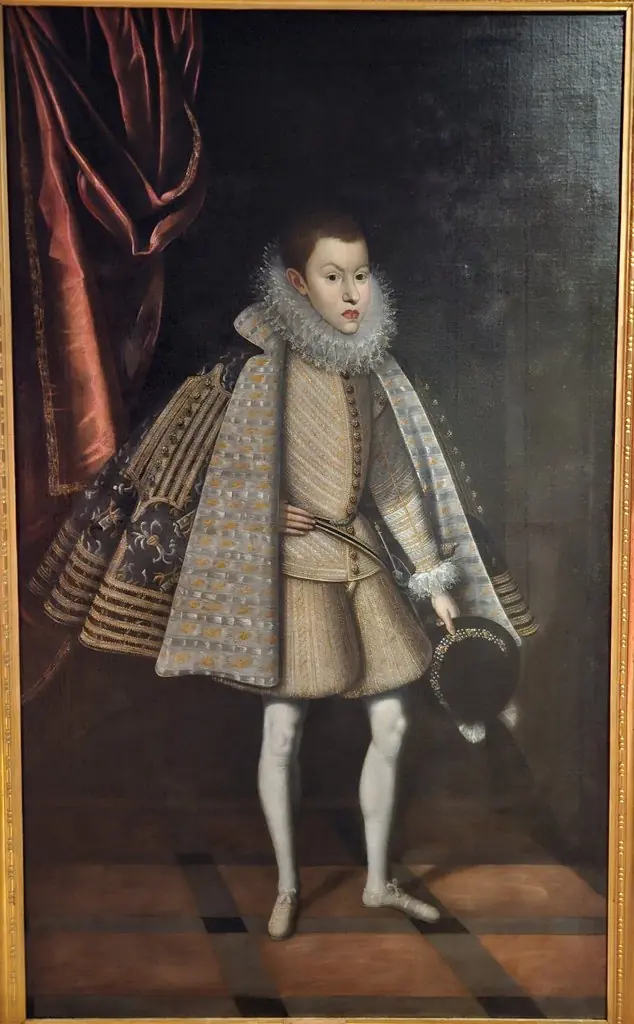 Retrato do Infante Carlos de Áustria
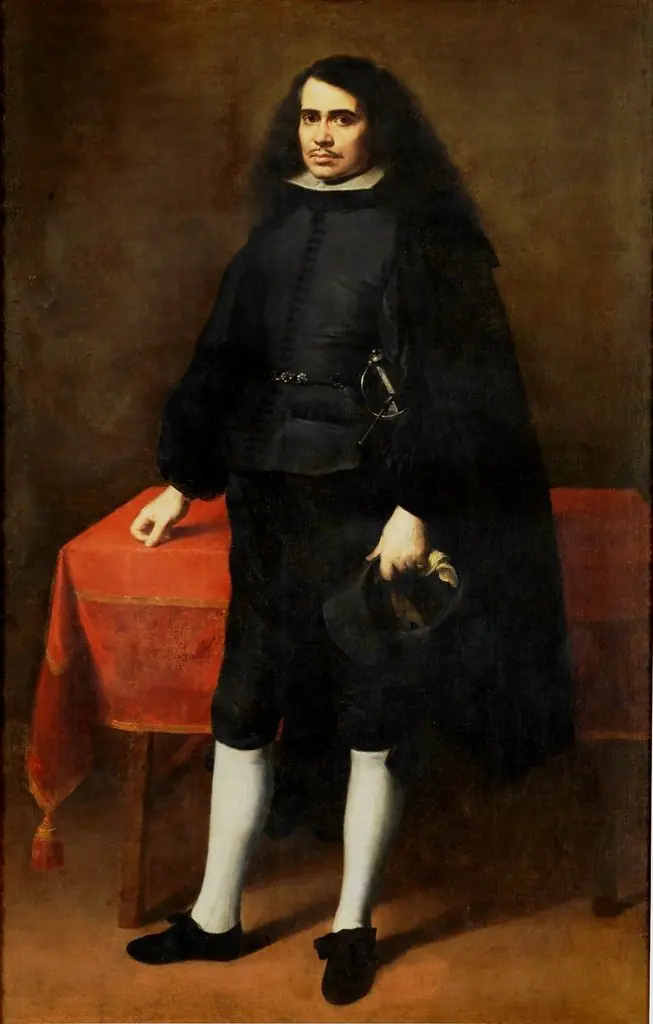 Portrait of a Man
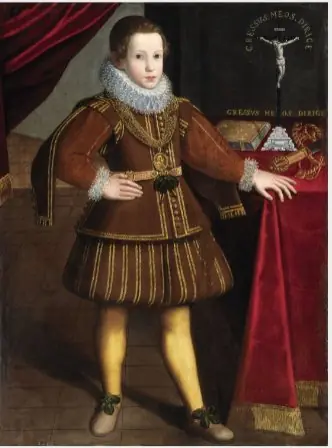 Portrait of San Luigi Gonzaga
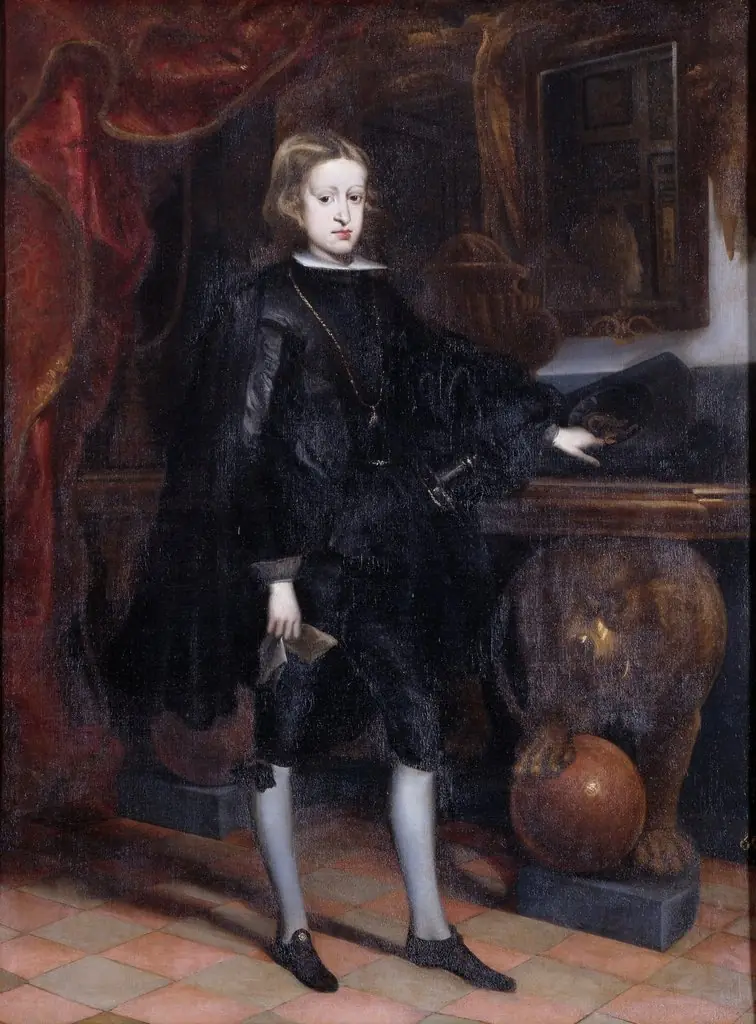 Charles II as a child
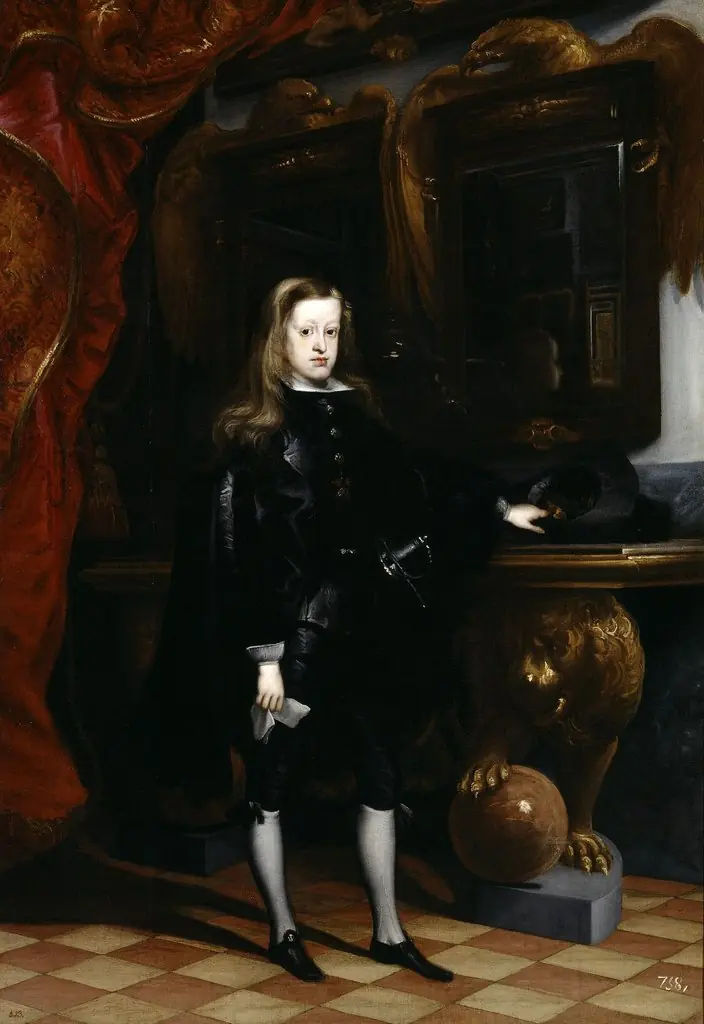 Charles II as a child
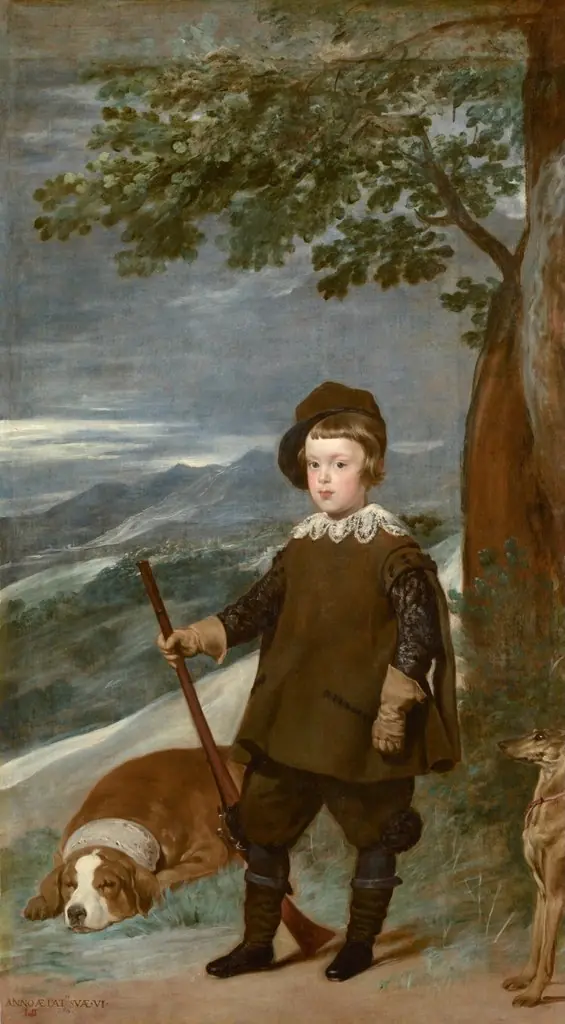 Prince Balthasar Charles as a Hunter