Artwork
Still Life
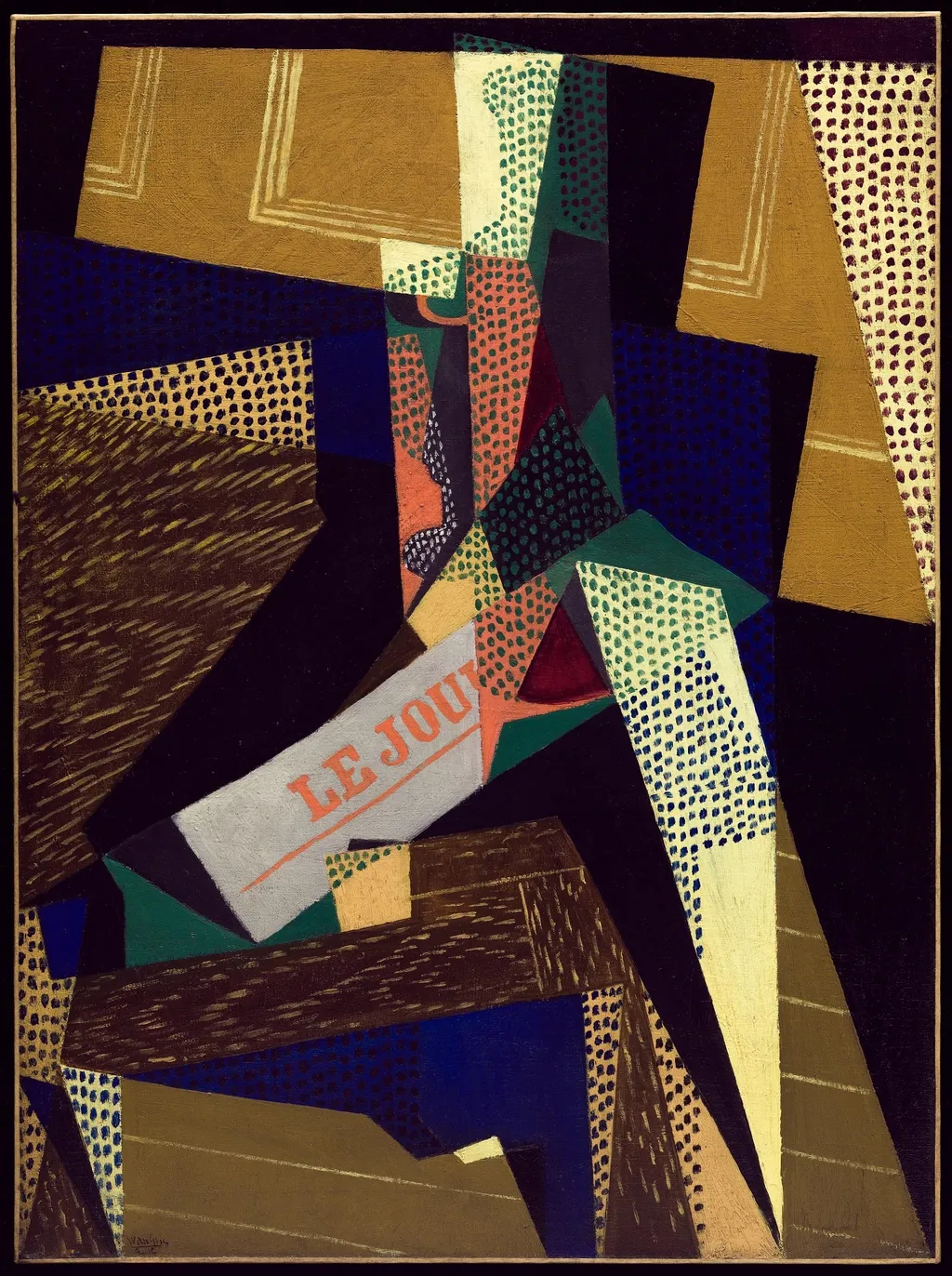
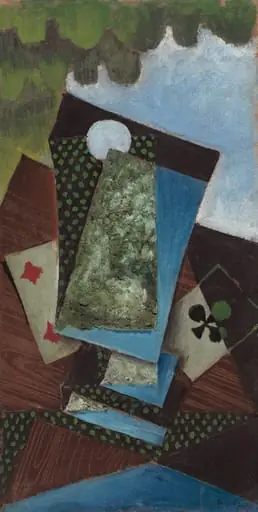
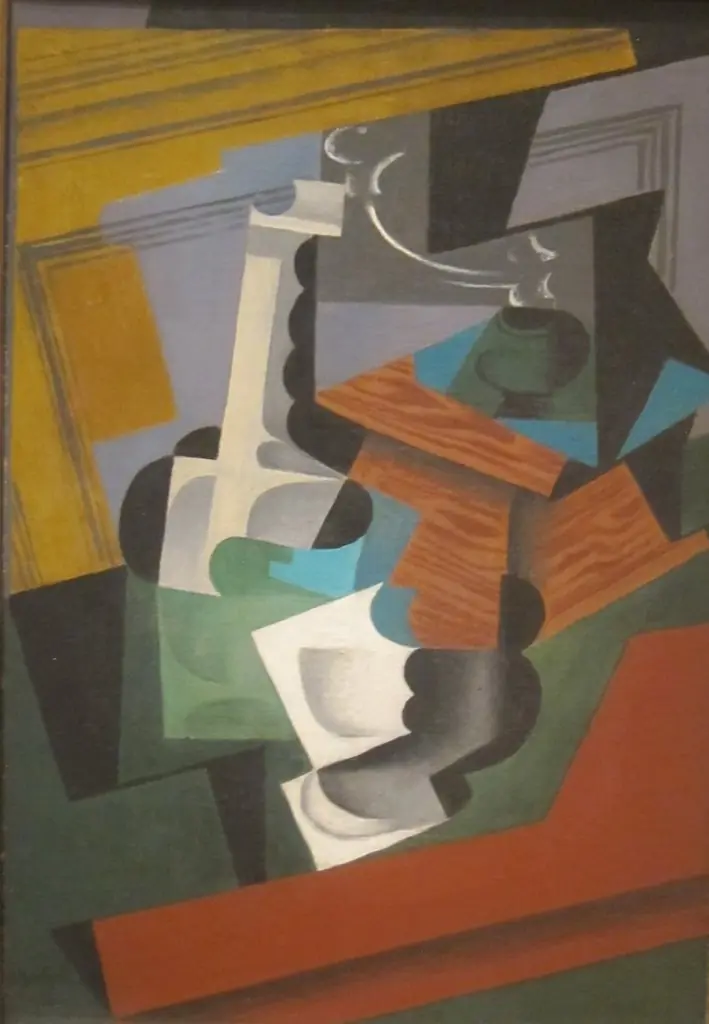
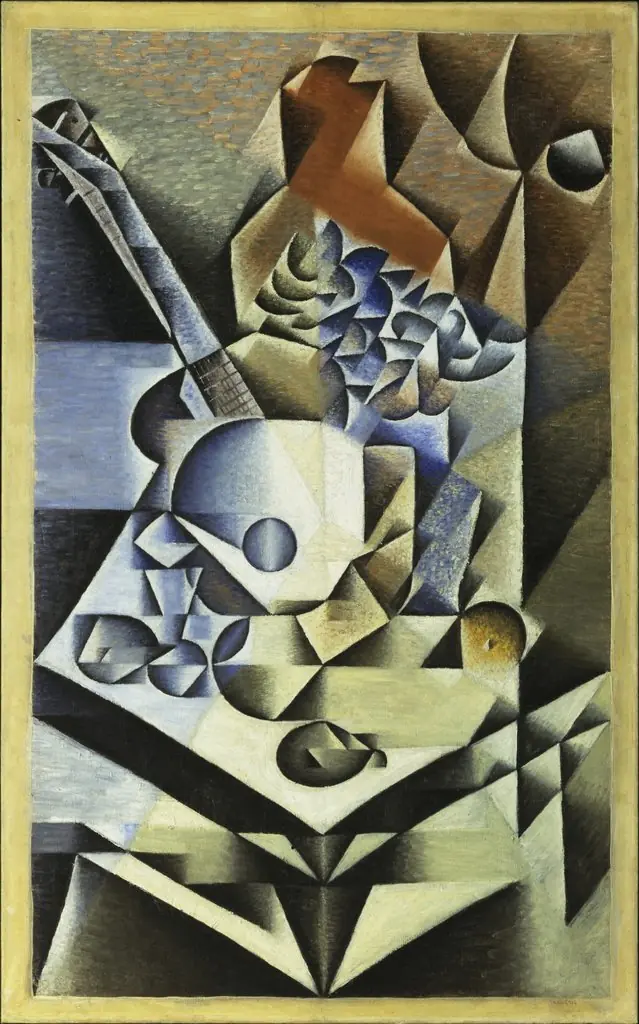
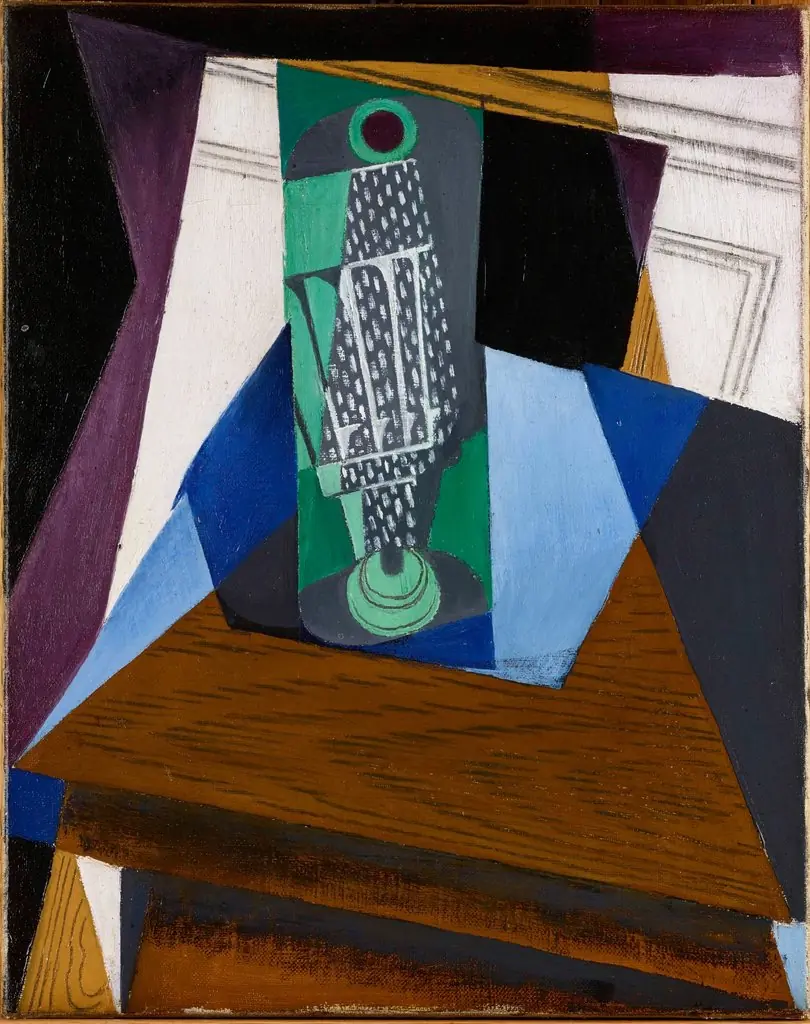
Still Life is an oil painting by the Cubism Synthetic artist Juan Gris. It dates from 1916 and is held in the collection of the Detroit Institute of Arts.
About this work
Overview
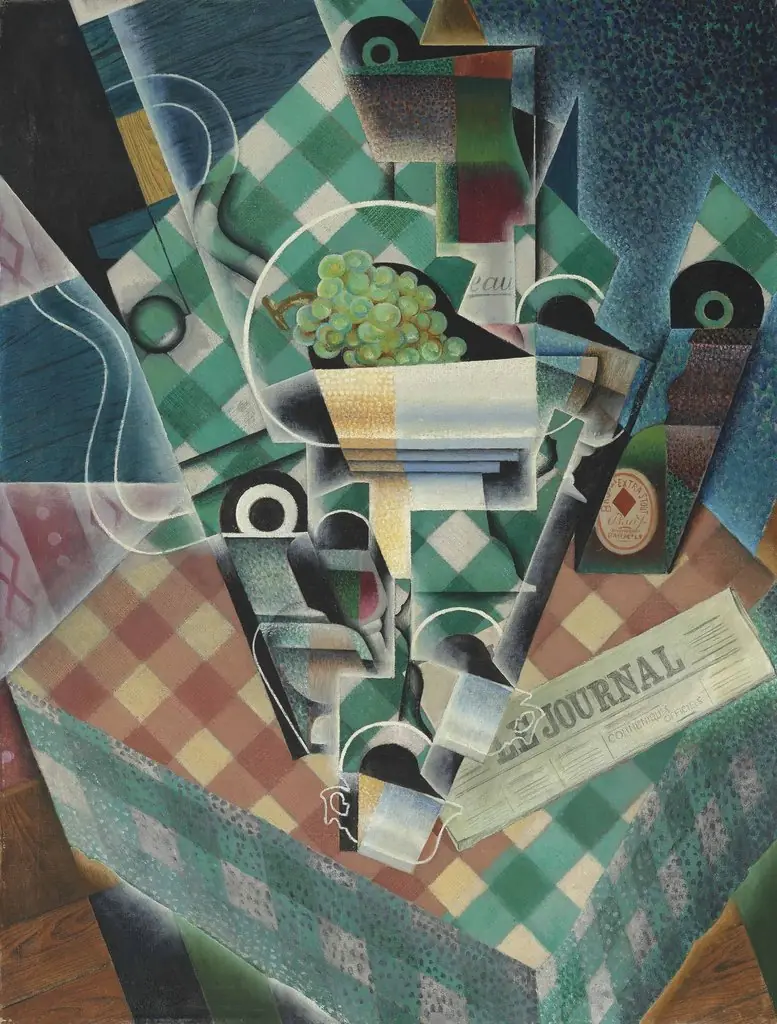
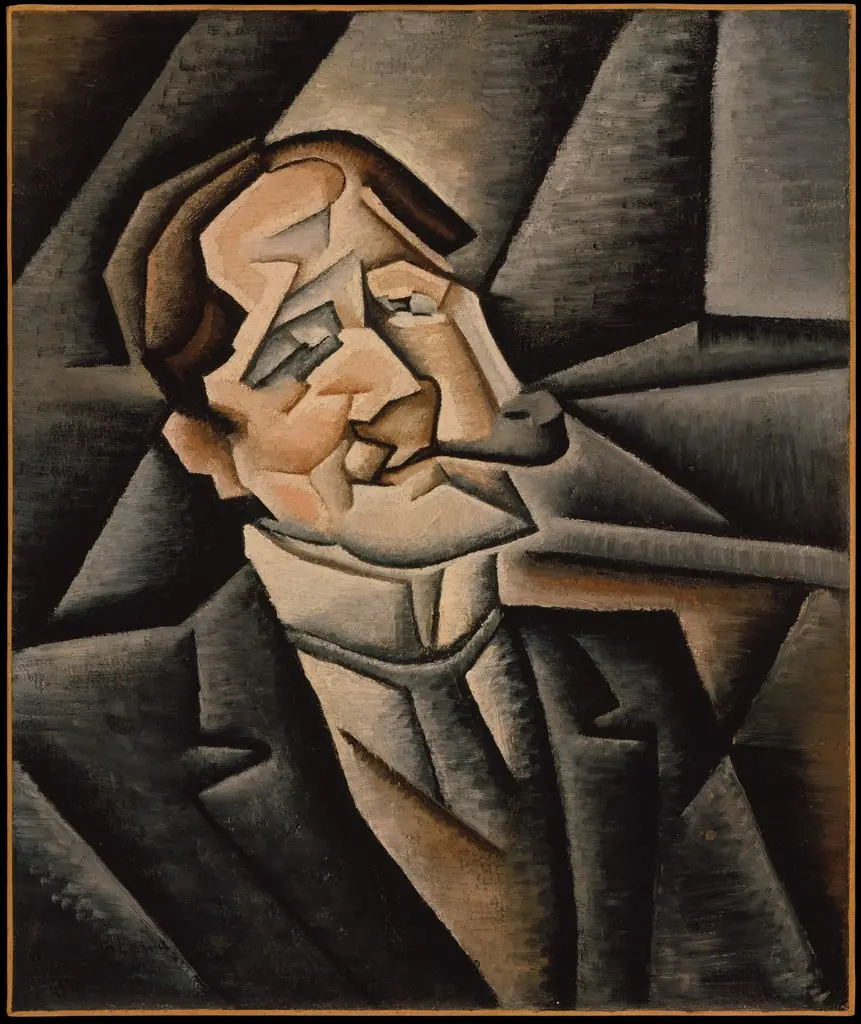
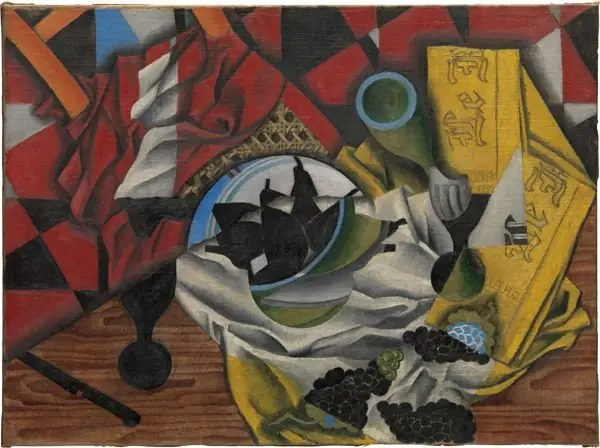
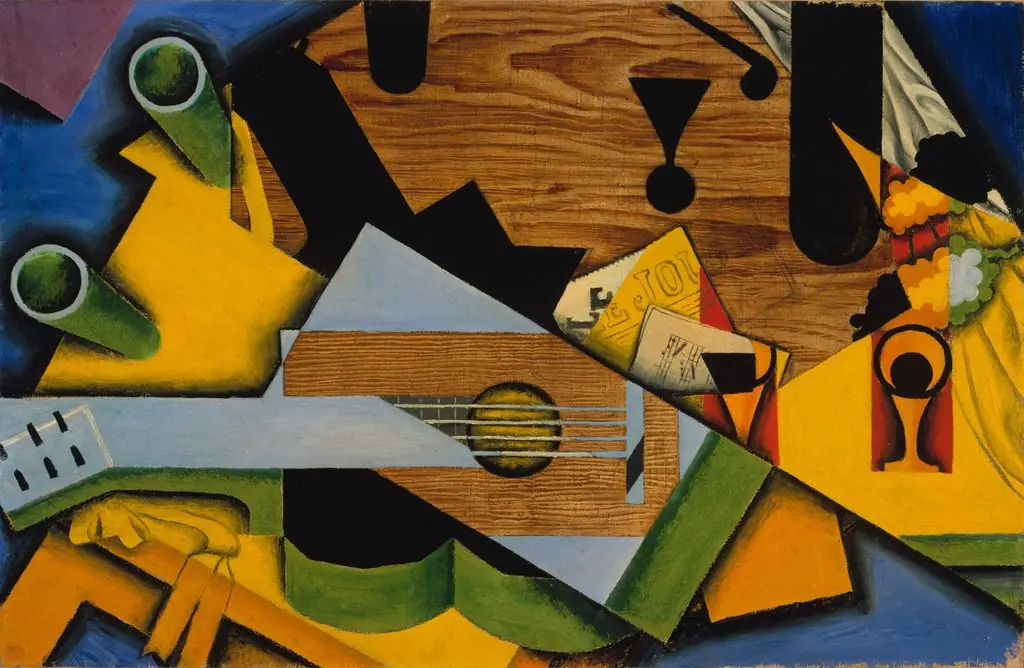
Juan Gris painted Still Life in 1916 using oil on canvas. The work is part of the collection at the Detroit Institute of Arts. It exemplifies Synthetic Cubism, a phase in which Gris integrated real-world textures and patterns into abstracted forms. Unlike earlier Cubist works, this piece emphasizes surface decoration and material suggestion over radical fragmentation.
Subject & Meaning
The composition includes a book, a vase, and a wooden box, common domestic items rendered without narrative intent. Their arrangement avoids naturalistic perspective, instead organizing space through layered planes. The objects function as formal elements rather than symbols, reflecting Gris’s interest in structure and the materiality of everyday things over symbolic meaning.
Technique & Style
Gris employed a restrained palette of browns, grays, and beiges to unify the composition. He built forms using overlapping geometric planes and incorporated simulated textures: a grid pattern on the book’s cover, a smooth curve on the vase, and a coarse grain on the box. These textures are painted, not collaged, distinguishing this work from his earlier papier collé experiments.
History & Provenance
Painted in Paris during World War I, Still Life emerged from Gris’s mature Cubist period, when he refined his approach to balance and clarity. The painting entered the Detroit Institute of Arts’ collection in the 20th century, likely through a private acquisition or donation. Its provenance reflects growing American interest in European modernism after the war.
Context
In 1916, Gris was developing Synthetic Cubism alongside Picasso and Braque, but with a more systematic, almost architectural sensibility. While other artists experimented with collage, Gris focused on illusionistic texture and tonal harmony. His work responded to a broader cultural shift toward order and clarity amid wartime instability.
Legacy
Still Life exemplifies Gris’s influence on the evolution of modern still life painting. His integration of tactile surfaces and structured composition informed later generations of artists interested in the interplay between representation and abstraction. The painting remains a key reference for understanding Cubism’s transition from analytical to synthetic modes.
Own this work as a print
Artist & collection

Artist
José Victoriano González-Pérez, better known as Juan Gris, was a Spanish painter born in Madrid who lived and worked in France for most of his active period.