Artwork
The Infanta Isabel Clara Eugenia
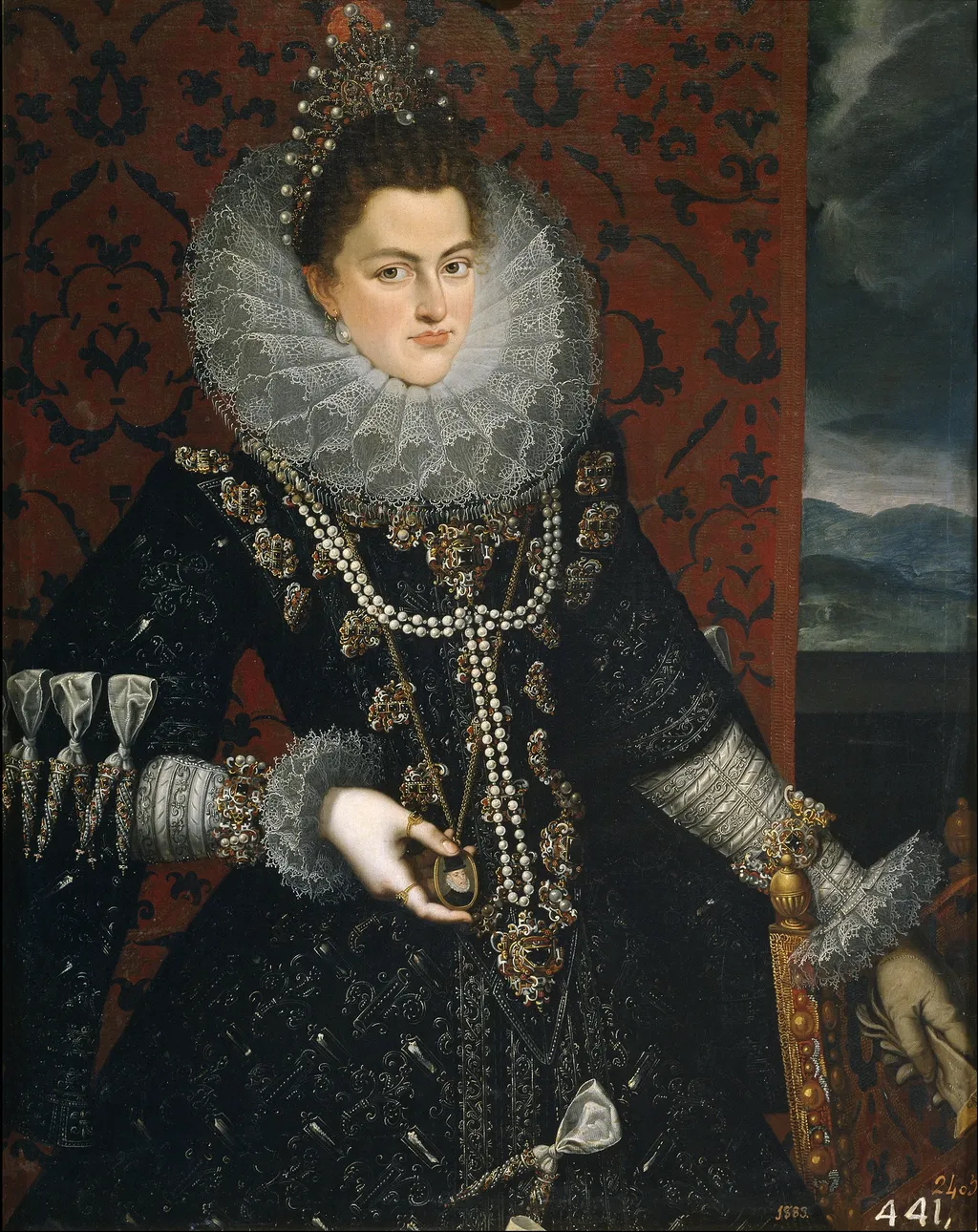
The Infanta Isabel Clara Eugenia is an oil painting by the Early Baroque Italian artist Juan Pantoja de la Cruz. It dates from 1600 and is held in the collection of the Museo del Prado.
About this work
Subject & Meaning
The Infanta is shown wearing a glove and adorned with gemstones, details that symbolize her high rank and the material splendor of the Spanish court.
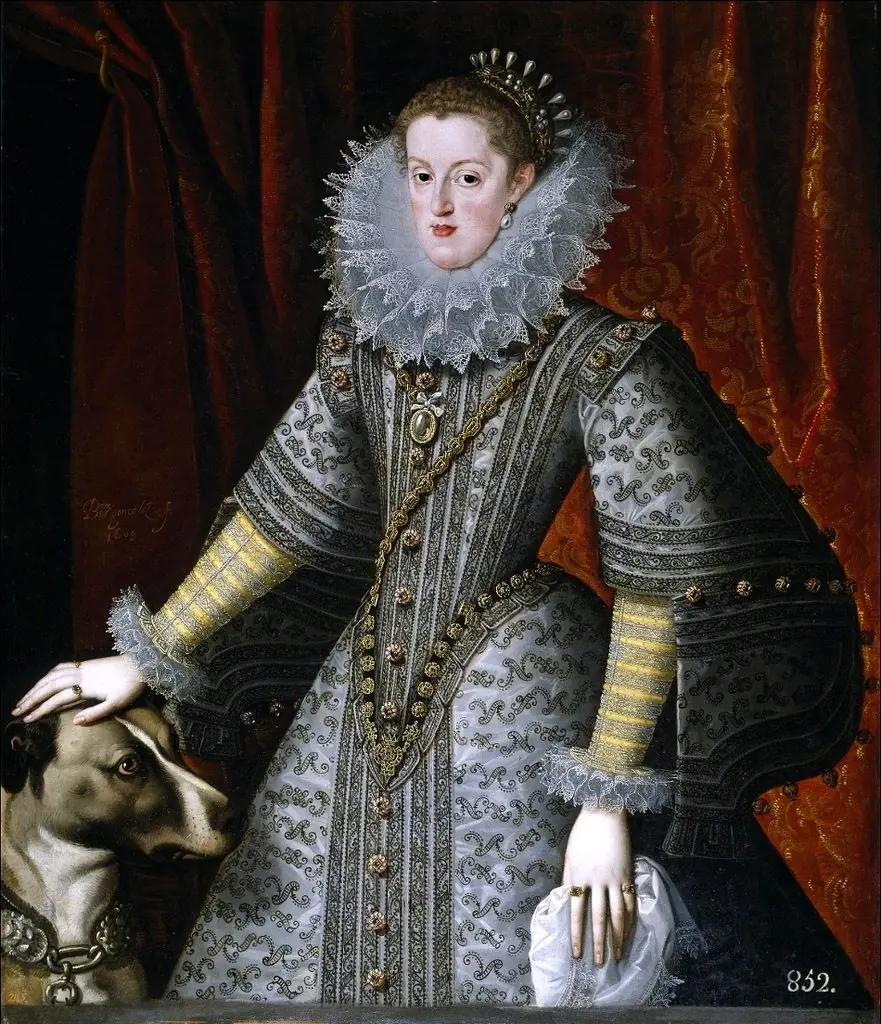
This 1598 oil portrait by Juan Pantoja de la Cruz depicts Isabella Clara Eugenia of Spain as its primary subject. The composition functions as a formal representation of royal status, utilizing specific iconographic elements to convey authority and wealth. The Infanta is shown wearing a glove and adorned with gemstones, details that symbolize her high rank and the material splendor of the Spanish court.
As a work of the portrait genre, the painting serves to document and celebrate the identity of this specific historical figure within the context of late sixteenth-century monarchy.
Technique & Style
The Infanta Isabel Clara Eugenia is executed in oil on canvas, a standard portrait format of the late 16th century. The painting measures 112 centimeters in height and 89 centimeters in width, reflecting a life-size presentation typical of royal and aristocratic subjects. Pantoja de la Cruz employs a restrained palette and precise brushwork to render fine details such as the lace ruff, jeweled accessories, and the delicate hand gesture, emphasizing both the sitter's status and the painter's skill in capturing texture and surface realism.
History & Provenance
The Infanta Isabel Clara Eugenia was painted in 1598 by Juan Pantoja de la Cruz for the Infanta Isabel Clara Eugenia herself, a member of the Spanish Habsburg dynasty. It entered the collection of the Museo del Prado shortly after its creation and has remained part of that institution's holdings, reflecting a direct commission tied to the sitter’s status. The work measures 112 cm by 89 cm, executed in oil on canvas, and depicts the Infanta with a glove and a gemstone, symbols of her rank and wealth.
Its creation history is documented through contemporary records of court portraiture, confirming both the date and the royal patronage behind its production.
The portrait is held in the collection of the Museo del Prado in Madrid. Created in 1598, the oil painting on canvas measures 112 cm in height and 89 cm in width. The provided sources confirm its location within the museum but do not list a specific inventory number or detail any past exhibitions.
Context
The Infanta Isabel Clara Eugenia, painted by Juan Pantoja de la Cruz in 1598, exemplifies late 16th-century Spanish portraiture and reflects the Habsburg court's cultural prominence. Its depiction of Isabella Clara Eugenia of Spain alongside symbolic objects such as a glove and gemstone underscores both aristocratic status and contemporary artistic conventions. The work's creation at the Museo del Prado's collection context highlights its integration into institutional narratives of Spanish Golden Age art, where portraiture served diplomatic and dynastic purposes.
Scholarly analyses emphasize its role within Pantoja de la Cruz's broader oeuvre, characterized by naturalistic detail and courtly realism, situating it amid debates on the evolution of European portraiture during the late Renaissance. Its enduring presence in major exhibitions reinforces its significance as a representative example of court portraiture in early modern Iberia.
Overview
Created in 1600 by Juan Pantoja de la Cruz, this oil portrait presents the Spanish Infanta Isabel Clara Eugenia. The composition places the young noblewoman against a red‑patterned backdrop that opens onto a distant landscape of mountains and clouds, while she is seated on an ornate chair. The painting is held in the Museo del Prado.
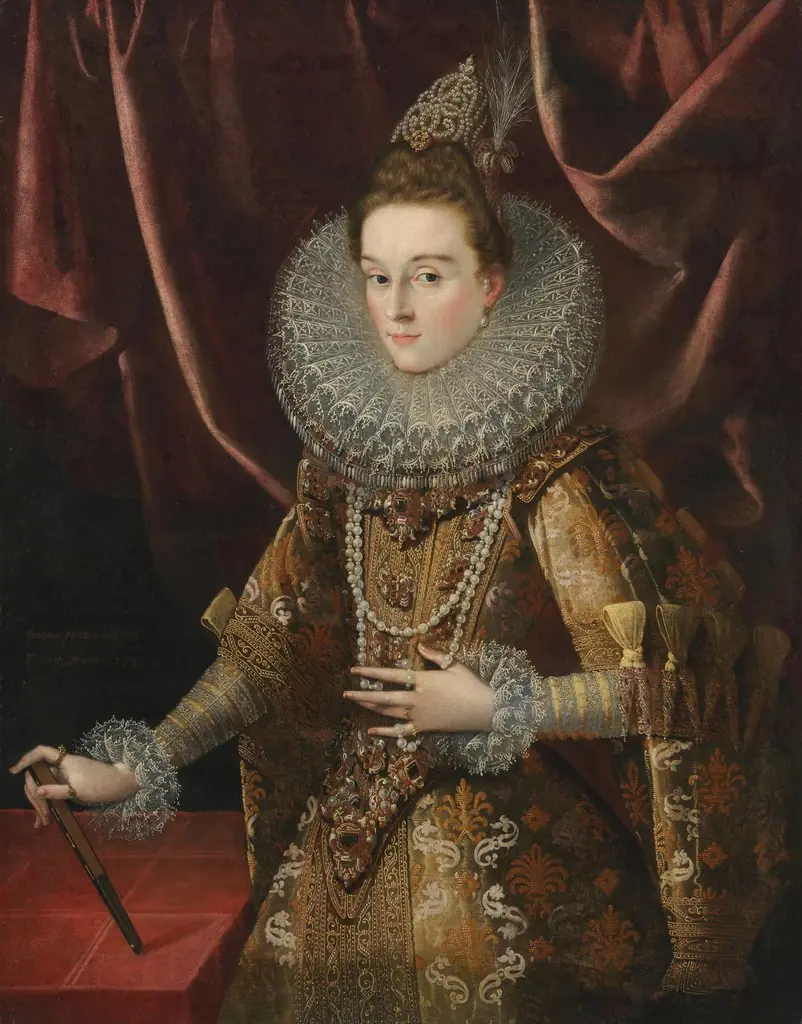
Own this work as a print
Artist & collection
Artist
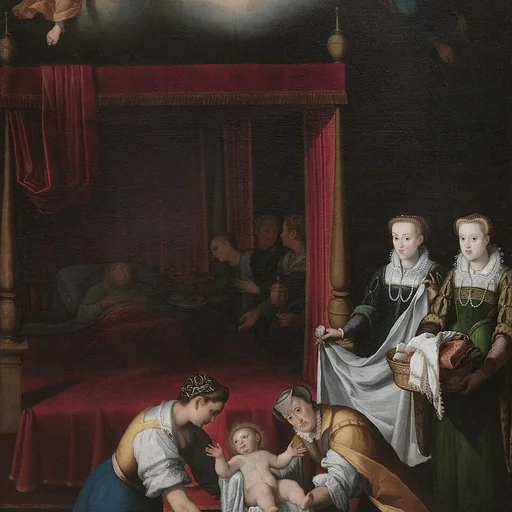
Juan Pantoja de La Cruz (1553 – 26 October 1608) was a Spanish painter, one of the best representatives of the Spanish school of court painters.

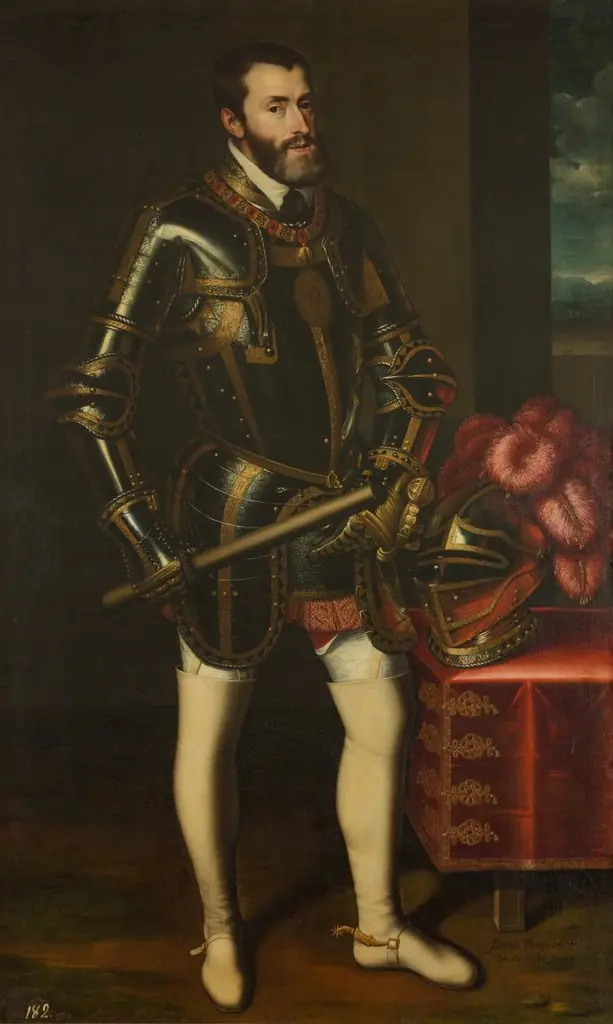
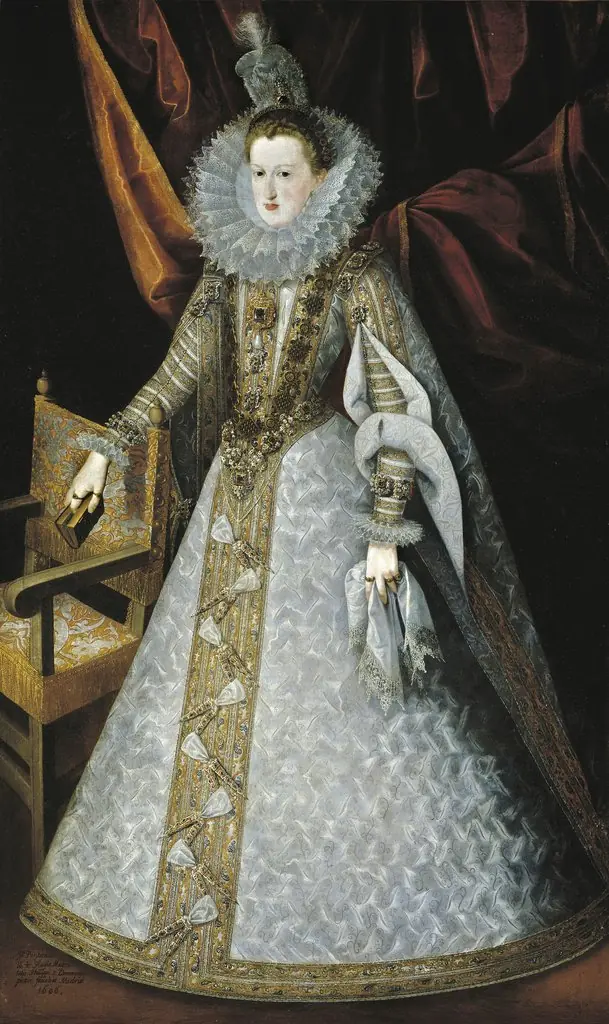
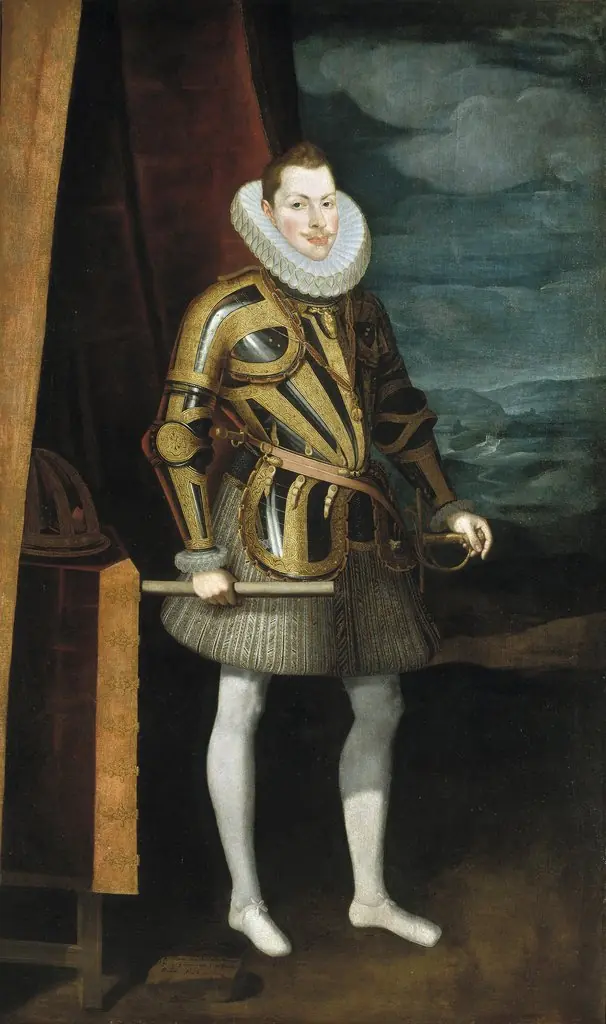
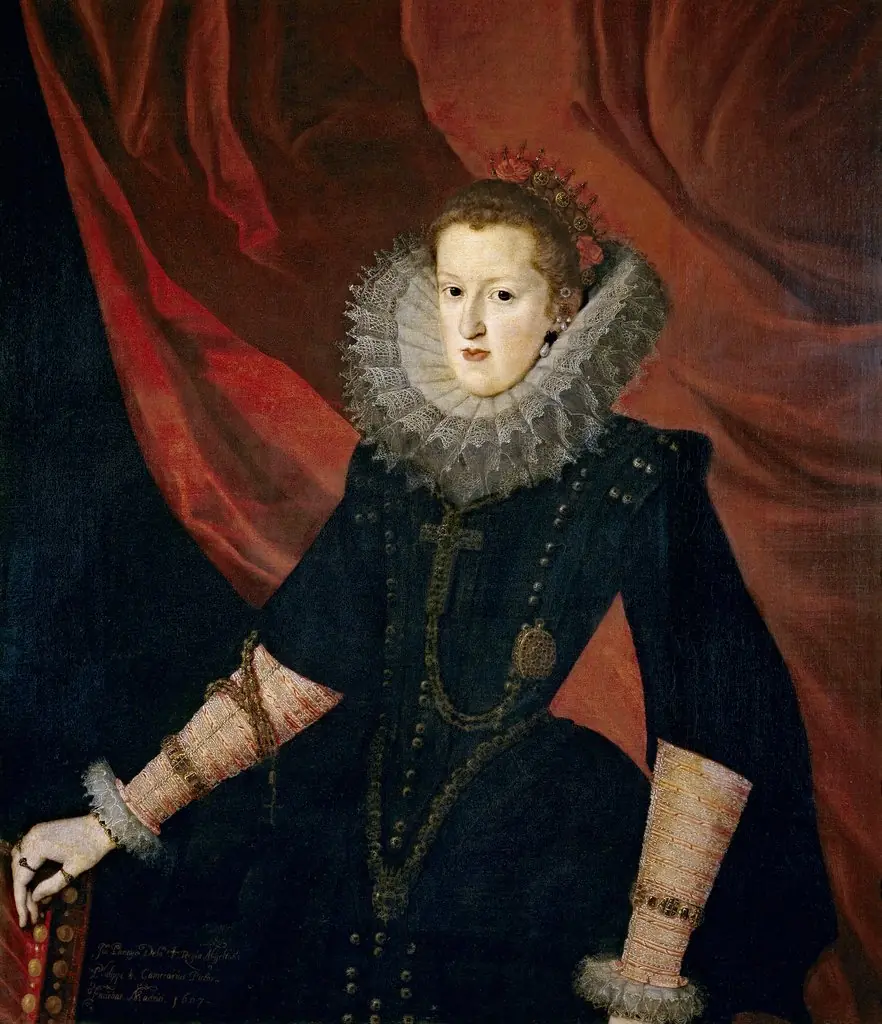
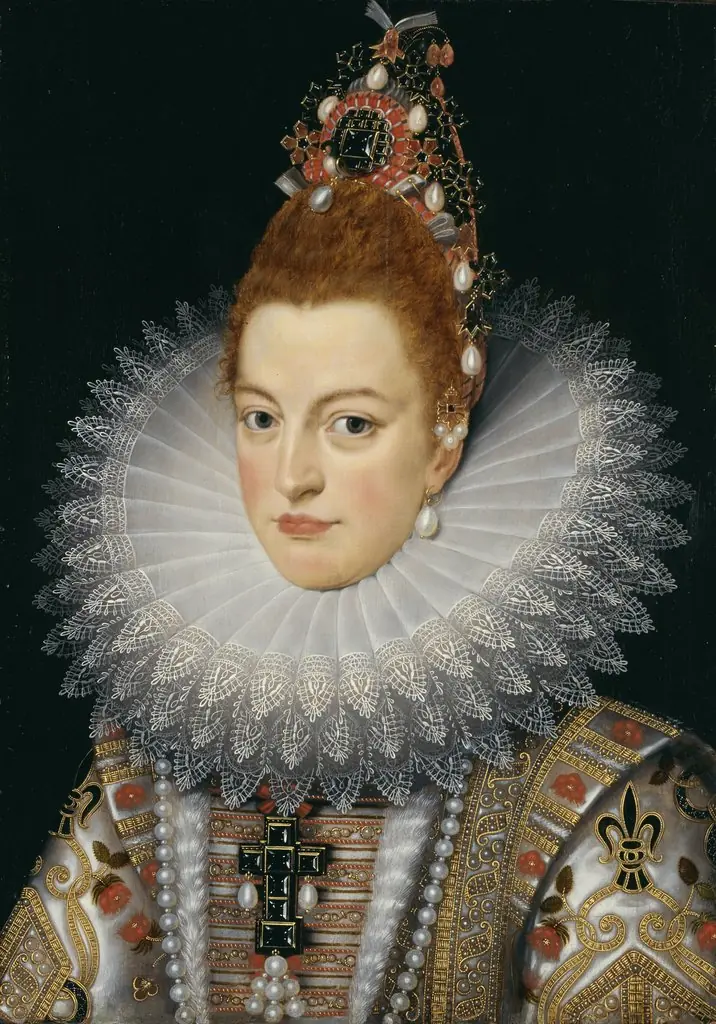 Portrait of Archduchess Isabella
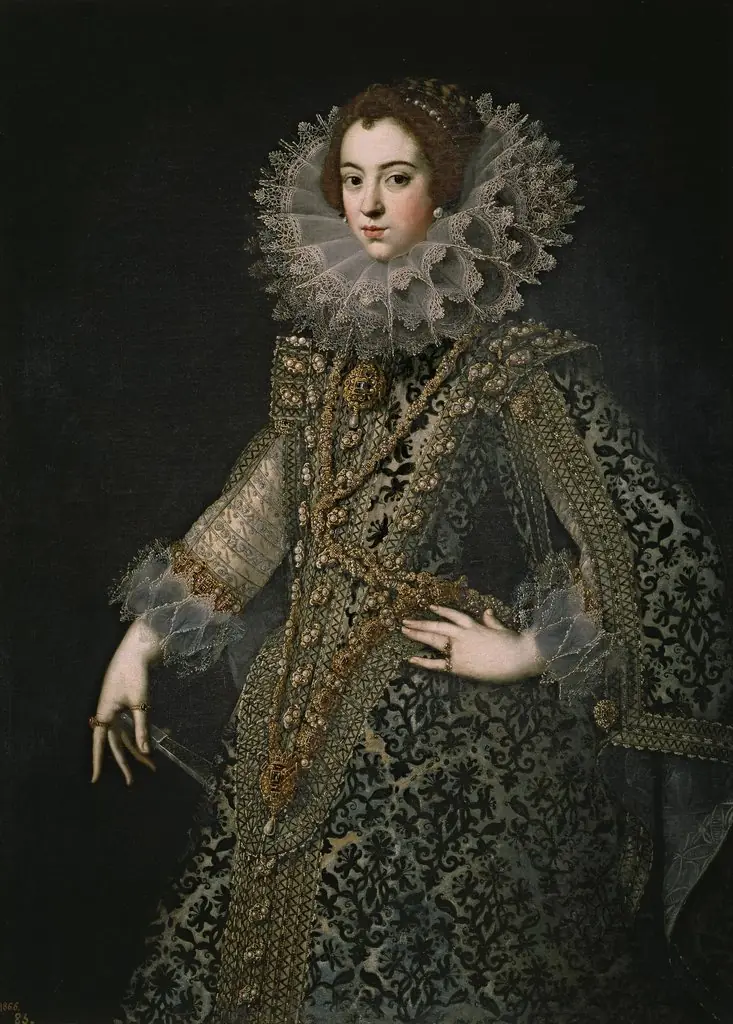 Portrait of Elisabeth of Bourbon, Queen of Spain
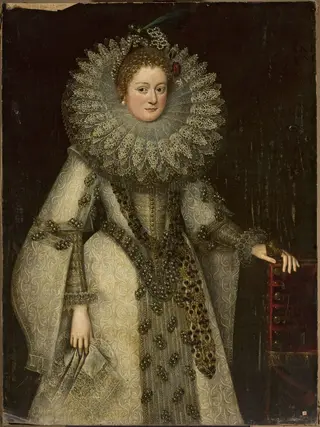 Portrait of a lady in a rich costume leaning on the armchair
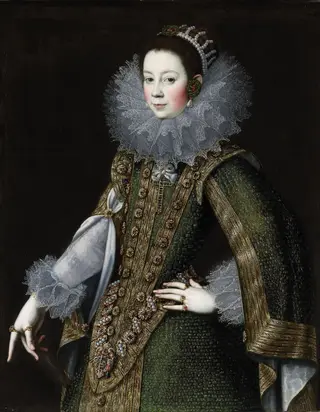 Portrait of a Spanish Noblewoman
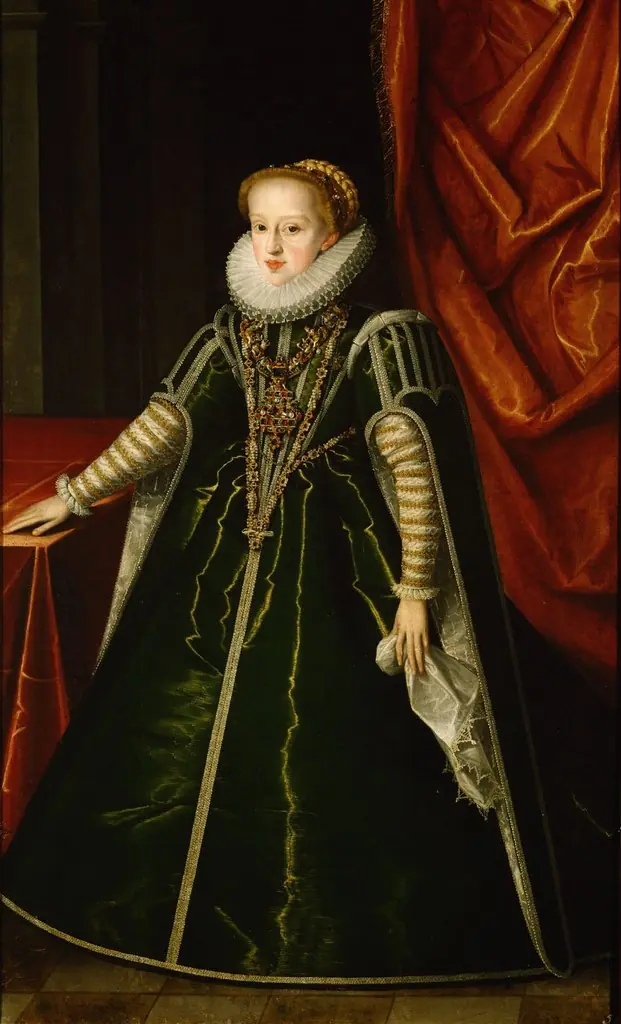 Erzherzogin Gregoria Maximiliane (1581-1597), Tochter von Karl II. von Innerösterreich, im Alter von 11 bis 12 Jahren in ganzer Figur
 Queen Margaret of Austria