Artwork
Portrait of Eleonore von Gonzaga (1598-1655), wife of Ferdinand II
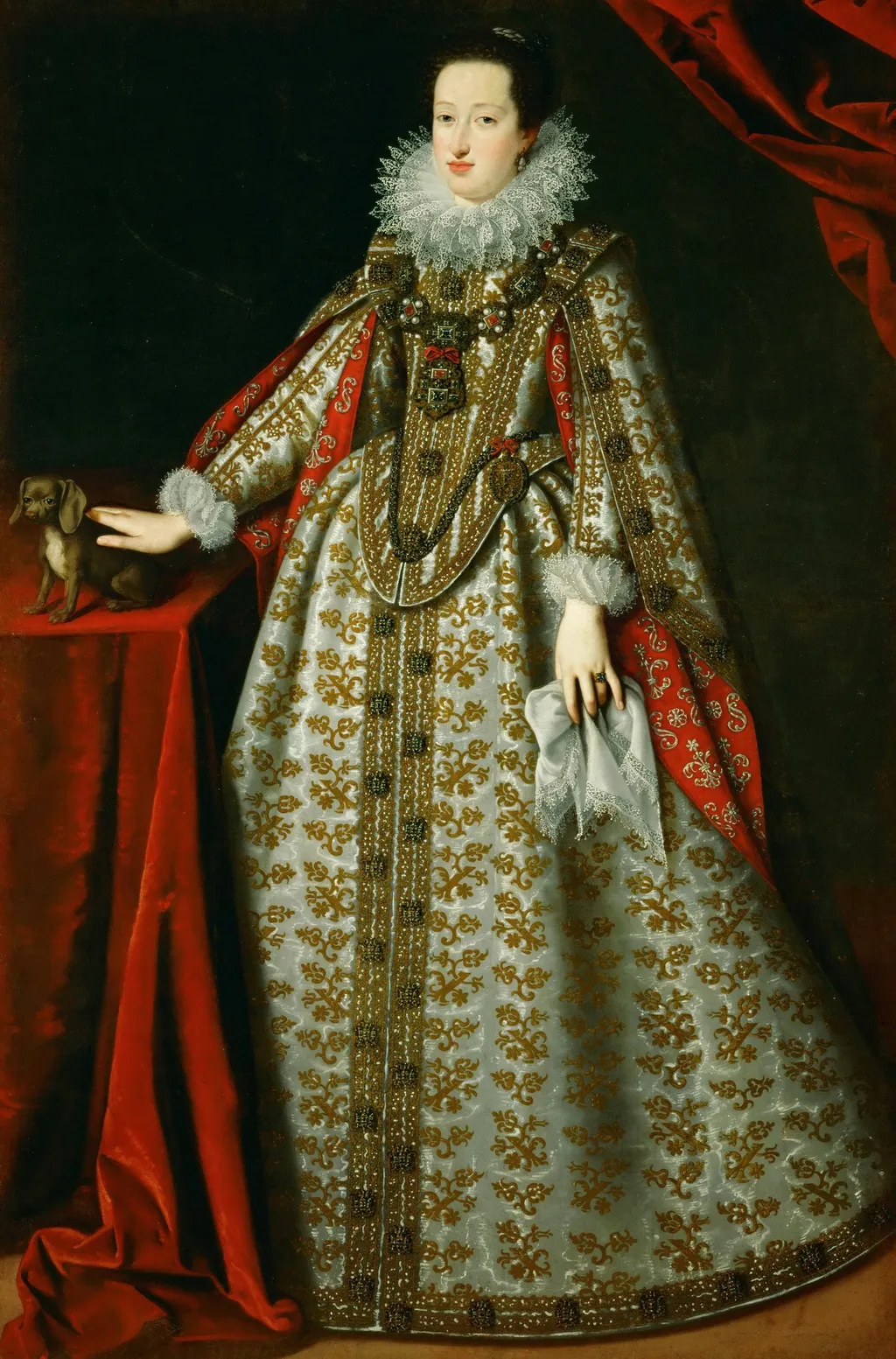
Portrait of Eleonore von Gonzaga (1598-1655), wife of Ferdinand II is an oil painting by the Flemish Baroque painting artist Justus Sustermans. It dates from 1621 and is held in the collection of the Kunsthistorisches Museum.
About this work
Subject & Meaning
The inclusion of the dog often signifies fidelity in portraiture of this period, while the luxurious surroundings underscore her imperial rank.
The painting depicts Eleonora Gonzaga (1598–1655), wife of Emperor Ferdinand II. Created in 1621, the work is a formal portrait capturing the Empress alongside domestic and status-related elements. The composition includes a dog, a table, a curtain, and a handkerchief, which frame the subject within an interior setting.
The inclusion of the dog often signifies fidelity in portraiture of this period, while the luxurious surroundings underscore her imperial rank.
Technique & Style
Created in 1621 by Justus Sustermans, the Portrait of Eleonore von Gonzaga is executed in oil paint on canvas. The work is a formal portrait depicting the subject alongside a dog, a table, a curtain, and a handkerchief. While the specific handling of the brushwork and the current condition of the painting are not detailed in the available records, the medium and support are identified as oil on canvas. The composition arranges these elements to present the sitter within a defined interior setting.
History & Provenance
The portrait of Eleonore von Gonzaga, wife of Ferdinand II, was painted in 1621 by Justus Sustermans. It is an oil on canvas depicting the sitter with a dog, table, curtain, and handkerchief. Originally recorded at Schloss Ambras, Innsbruck, the painting entered the collection of the Kunsthistorisches Museum in Vienna, where it is held. The specific circumstances of its commission are not documented in the available sources.
Overview
Justus Sustermans completed this oil painting in 1621, depicting Eleonore von Gonzaga, who was the wife of Holy Roman Emperor Ferdinand II. The work exemplifies the Flemish Baroque style, characteristic of Sustermans's renowned portraiture. It captures the empress in a formal setting, reflecting the artistic trends and societal expectations of early 17th-century European aristocracy. This significant piece is now part of the collection at the Kunsthistorisches Museum.
Own this work as a print
Artist & collection
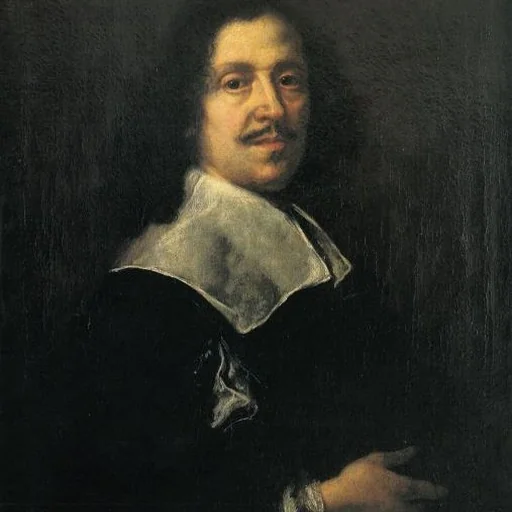
Artist
Justus Sustermans, Joost Sustermans or Suttermans, his given name Italianised to Giusto (28 September 1597 – 23 April 1681), was a Flemish painter and draughtsman who is mainly known for his portraits.

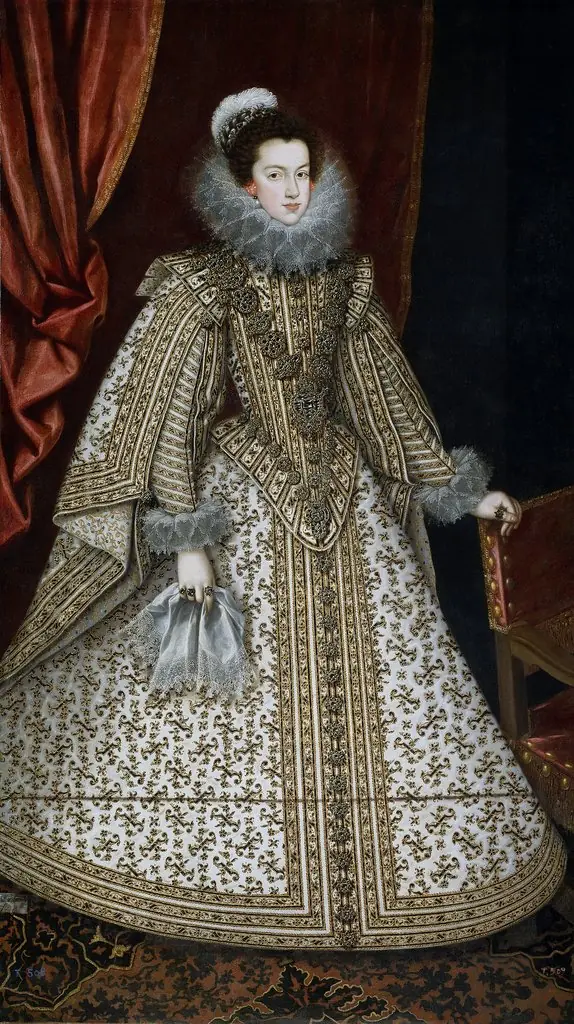 Isabel de Borbón, Wife of Philip IV
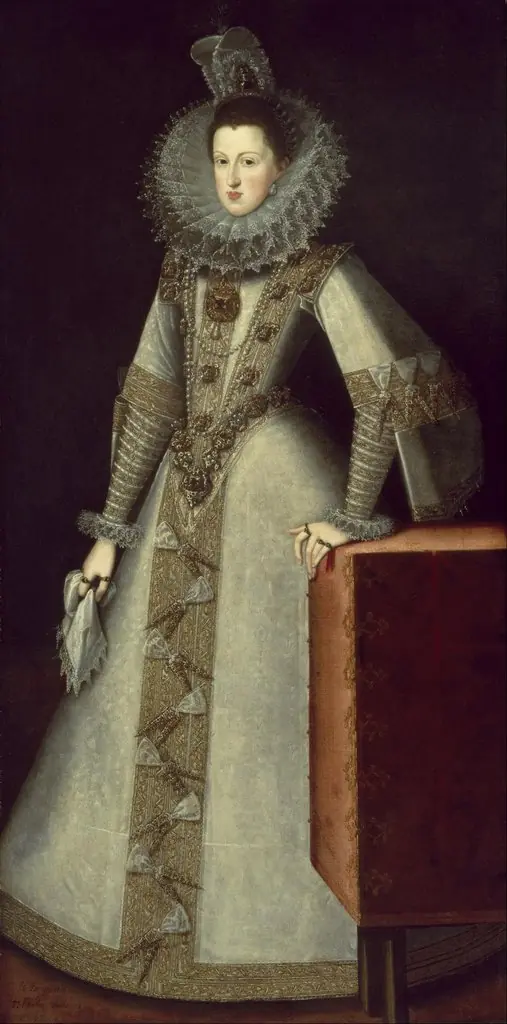 Margaret of Austria, Queen of Spain
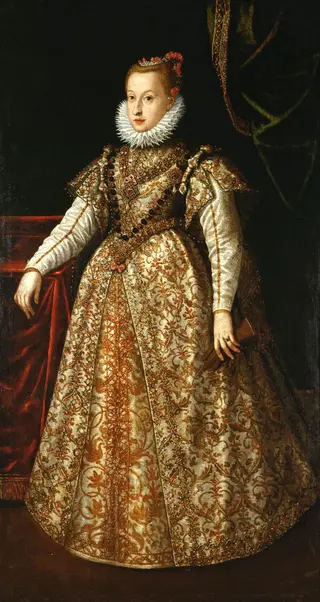 Portrait of Anna Caterina Gonzaga
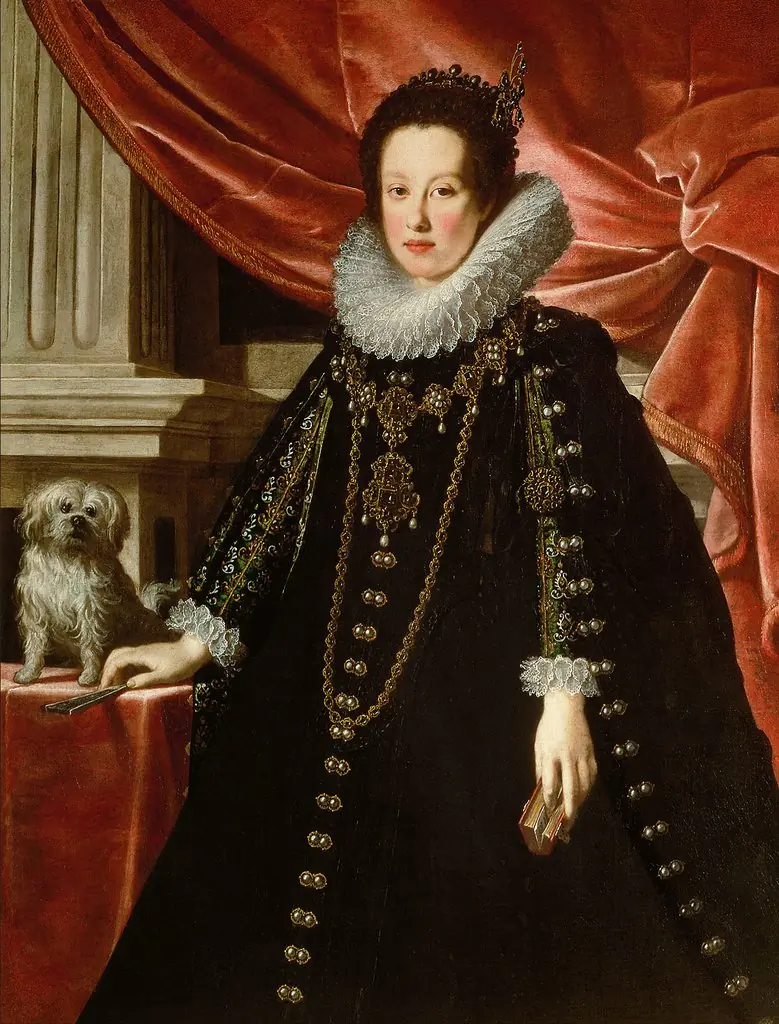 Portrait of Anna de' Medici (1616-1676), Archduchess with her Lapdog
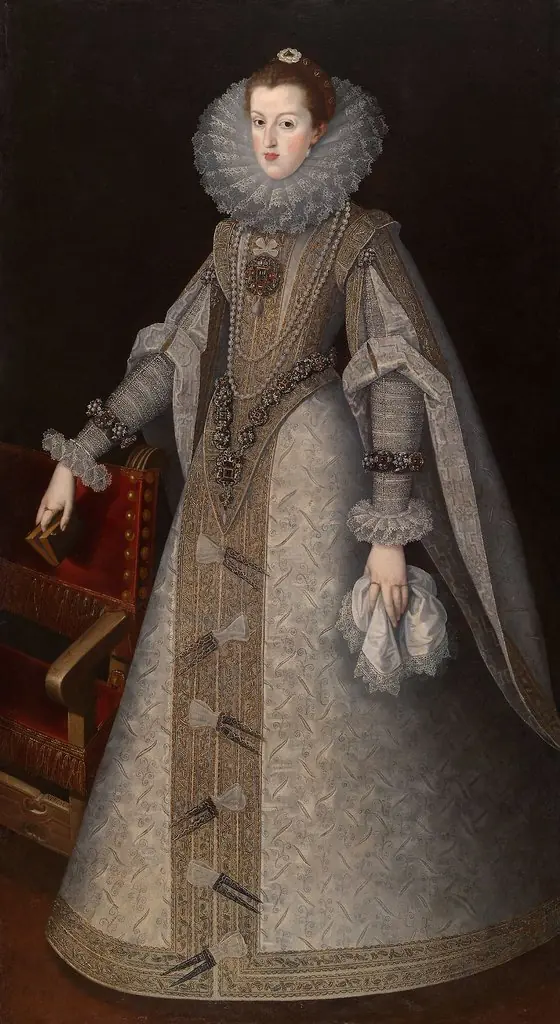 Queen Margaret of Spain
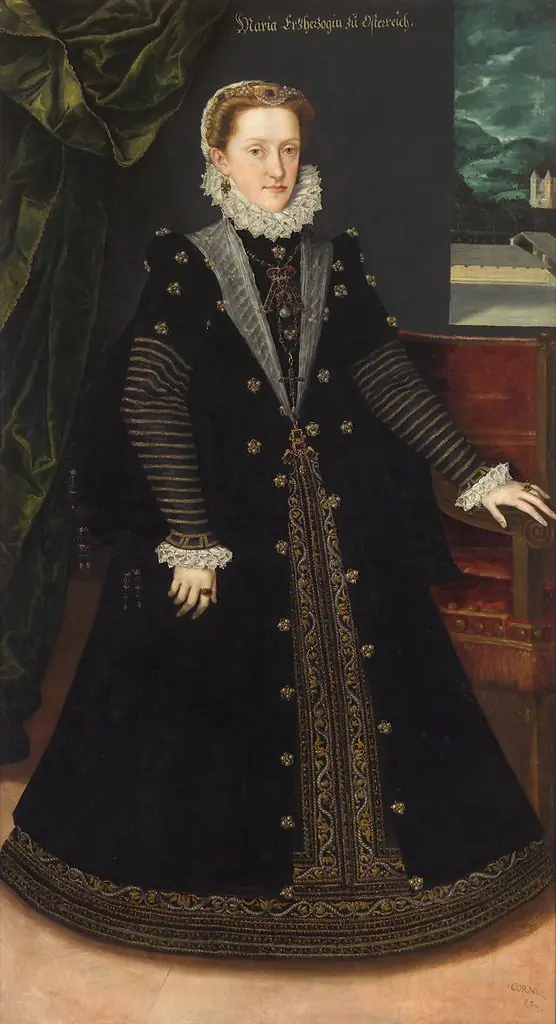 Portrait of Archduchess Mary Anna of Bavaria
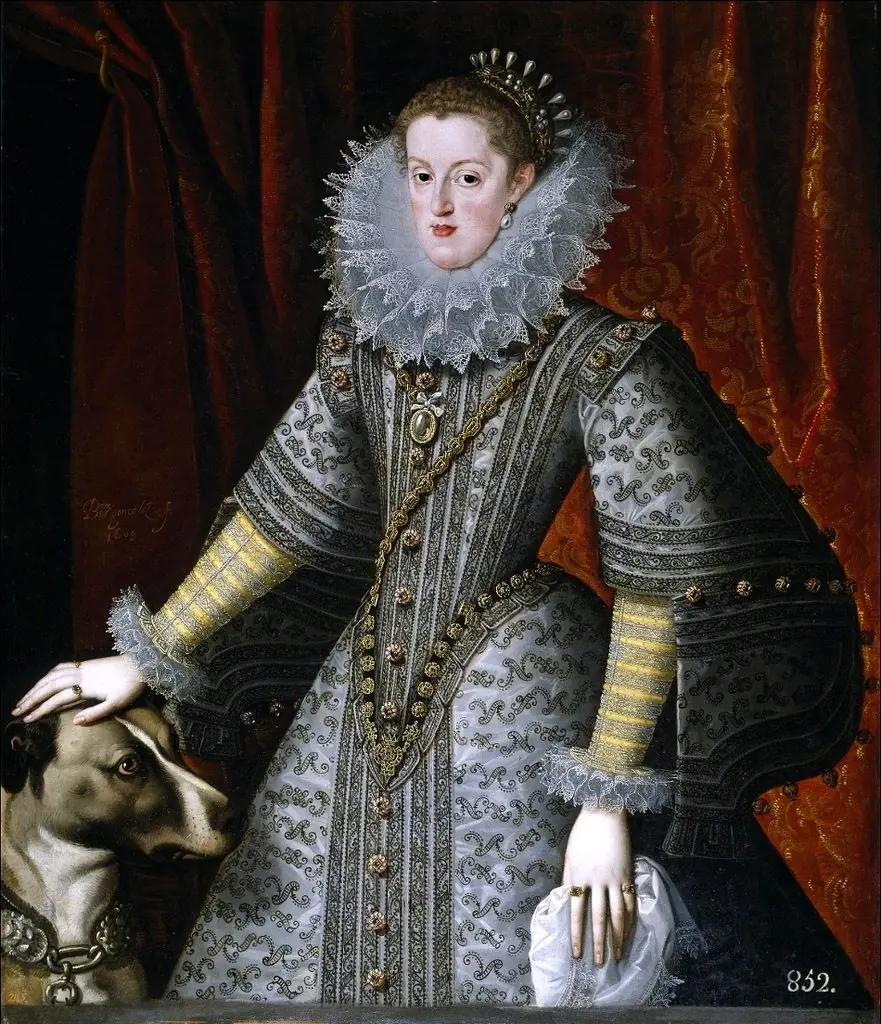 Queen Margaret of Austria
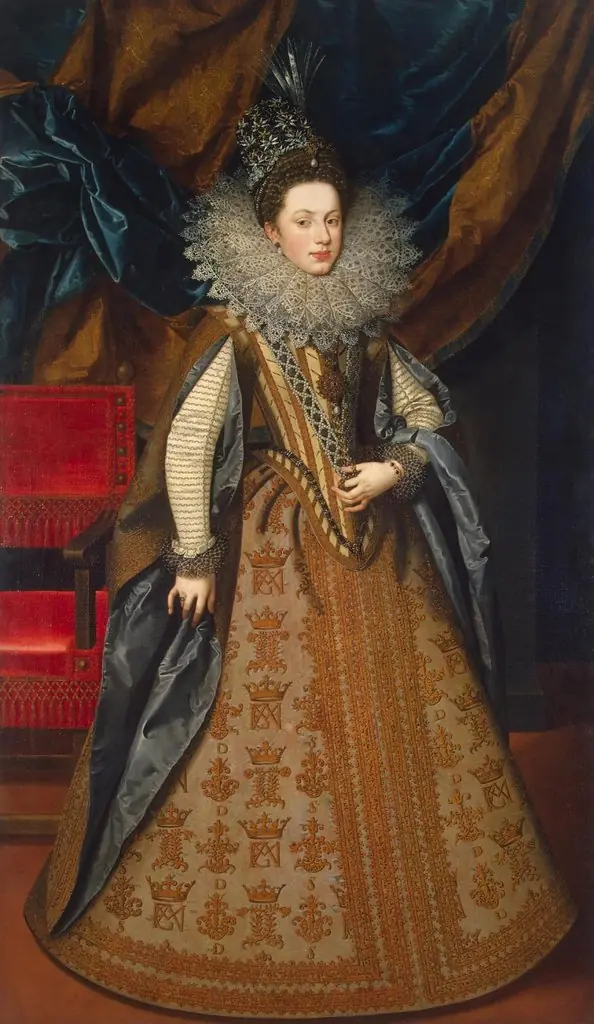 Portrait of Margaret of Savoy, Duchess of Mantua
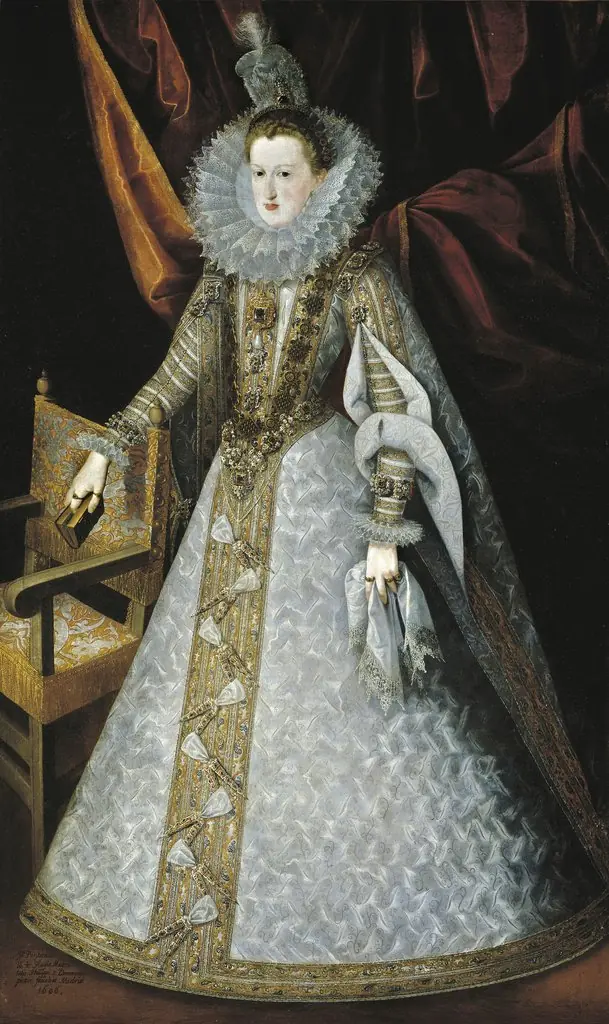 Margaret of Austria
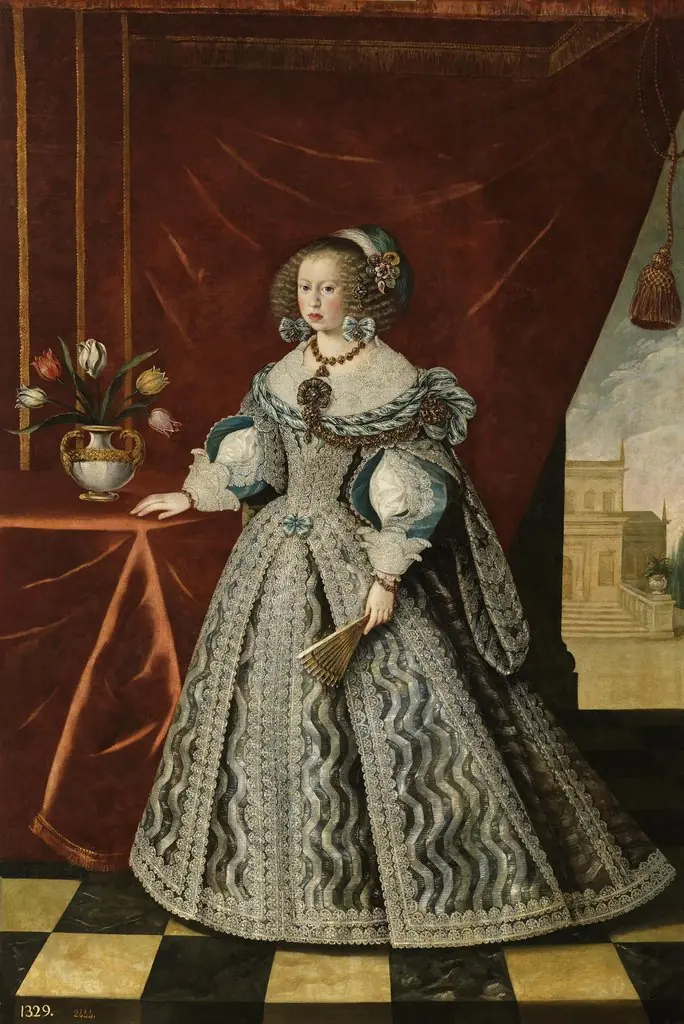 Mariana of Austria
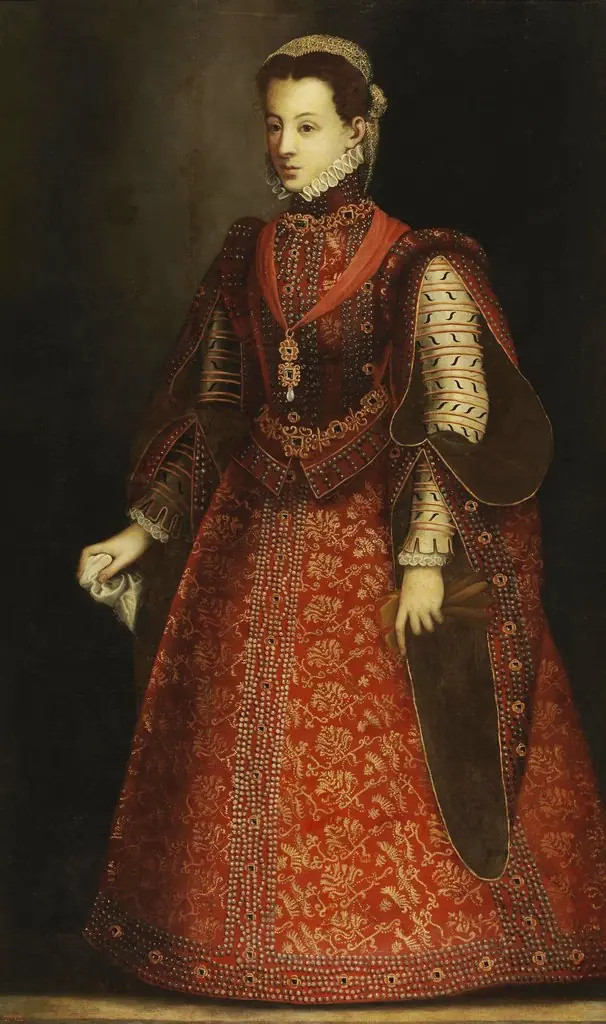 La emperatriz Isabel de Portugal mujer de Carlos V
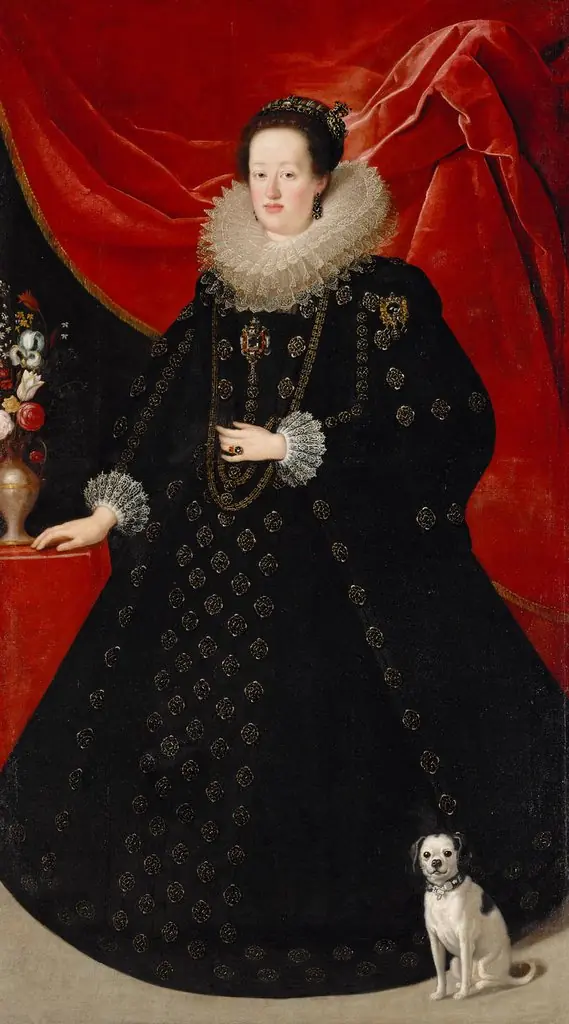
- Portrait of Eleonore von Gonzaga (1598-1655), Empress in Black Dress